All posts by Jefy Jean A

Hello, I am Jefy Jean A, a freelance content writer, and blogger. I am pursuing my M.Tech from IIT ISM, Dhanbad. I can create authentic and well-researched content that would drive visitors to your website and turn them into your customers. Right now I focus on technical blogs and SEO optimised articles. I would be more than happy to venture into other genres like health and fitness, travel, lifestyle, home decor, food recipes, etc. as I believe in exploring new arenas and opportunities. If I am not researching or writing an article I would be in the kitchen trying out all the recipes that catch my eyes on YouTube. If you are in search of some insightful and irresistible content mail me your writing requirements to jefy98aj@gmail.com.

Landfills – Causes, Operation and Life Cycle- Everything you should know

How a landfill works goes far beyond the old concept of a simple town dump; it is a complex, highly engineered feat designed to manage our waste responsibly. This comprehensive guide explores the intricate details of modern sanitary landfill design, created specifically to mitigate the potential negative environmental impact of landfills. We will walk through the entire timeline, from siting to closure, detailing the various landfill life cycle stages. Along the way, you will learn about critical operational elements, such as the crucial landfill leachate treatment process used to protect groundwater, and innovative sustainability efforts like converting methane through landfill gas to energy systems.

Landfills are a regular occurrence all over the world, owing to the rising volume of trash generated by our homes, schools, offices, hospitals, and markets. The rising number of landfills around the world is largely due to increased urbanisation and population growth rates.

As the world’s population and cities develop, so does the need for goods and commodities. Consequently, the amount of solid trash produced also increases. They eventually reach landfills. In this blog, let’s go on a trip to a landfill and understand its operation, lifecycle and impacts

What are Landfills and how it works ?

Landfills are places where we dispose of trash, garbage, and other solid wastes. They have traditionally been the most frequent method of disposing of solid garbage. In the landfills, the waste is either buried or piled in heaps. The garbage in these heaps is a combination of residential and commercial waste.

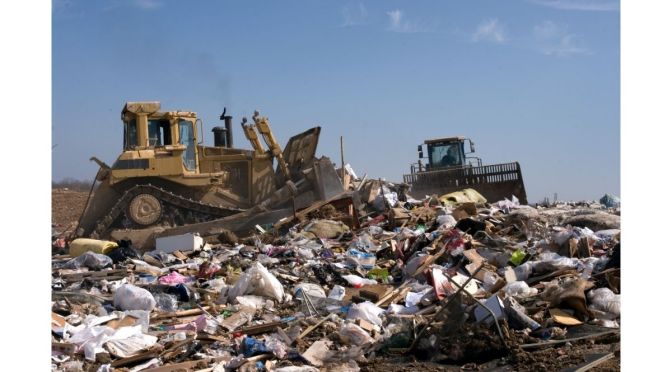
A sprawling landfill site filled with various types of waste, including plastic bags and debris, under a clear sky.
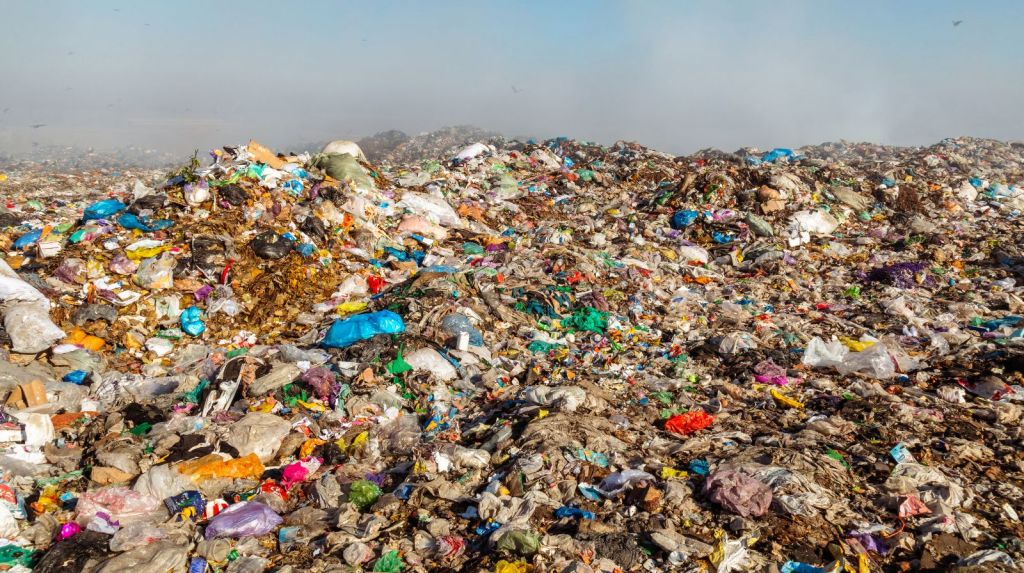
A view of a large landfill, showcasing heaps of waste including plastic and organic materials, representing the complexities of waste disposal.

Landfills commonly use either of the following techniques for waste disposal:

  • Landraising – This technique involves depositing trash directly on the ground.
  • Landfilling – This technique involves filling a hole in the ground with the rubbish.

Causes of Landfills

With the rise in land utilization and pollution, landfills also saw a rise in the number. Let’s see the causes of land pollution. Before jumping into the next section make sure that you go through 

Land Pollution Causes -Top 6 causes explained.

Solid Waste – Major landfill material

Wood, paper, plastic, broken furniture, glass, grounded cars, old electronic items, and hospital and market garbage are examples of solid waste materials. Because most of these waste materials are non-biodegradable, they heap in the landfills where they stay for years.

Agricultural Waste – Landfill material

Agricultural wastes comprise waste products such as animal dung, crop residue, and agricultural garbage. Solid wastes such as animal manure and other agricultural wastes are collected and disposed of in landfills.

Now, let’s try to understand how landfills operate.

Also read: What is Sewage? – Sources, Treatment and Quality Indicators

Landfills Operation

  • On arrival waste collection vehicles move to a scale or weighbridge to weigh their loads.
  • Workers inspect loads for wastes that do not meet the landfill’s waste-acceptance standards.
  • The garbage collecting vans next travel to the tipping face or working front and drop their contents.
  • Compactors or bulldozers redistribute and compact the garbage on the working face.
  • The vans may pass through a wheel-cleaning facility before leaving the landfill’s borders. If necessary, they return to the weighbridge without any load for re-weighing.

Modern Sanitary Landfill Design

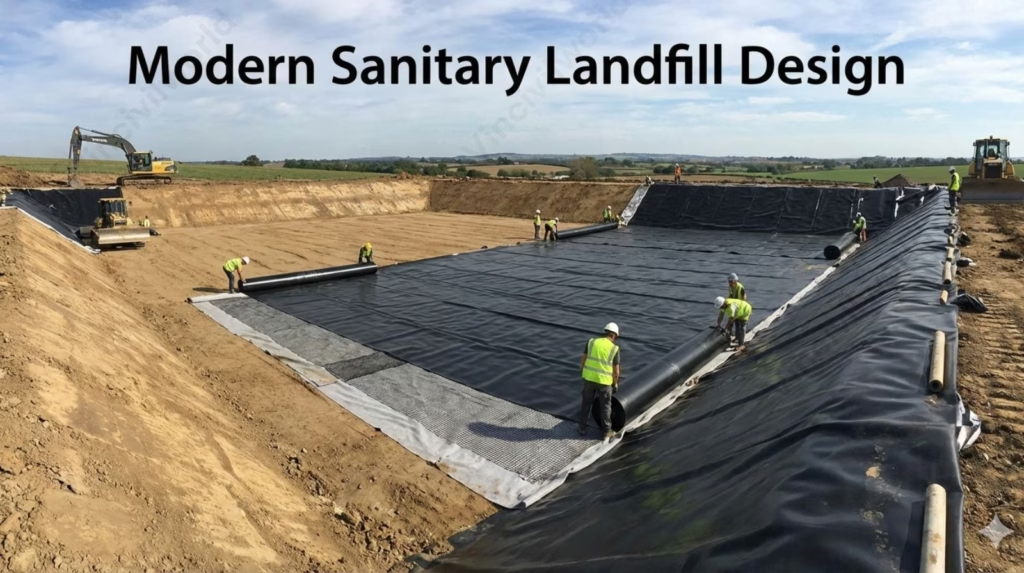
A modern sanitary landfill design constitutes a pit with a sealed bottom where rubbish is buried and compacted in layers to make it more solid. In sanitary landfills, waste decomposition is a complex process involving the sequential and/or simultaneous occurrence of a variety of chemical and biological reactions. These reactions result in the breakdown of the waste materials. The organic fractions of MSW break down quickly, resulting in landfill gases and liquids.

The amount of biodegradable organic matter present in the waste, the availability of moisture and nutrients required for biodegradation, and final landfill closure measures all influence the duration of individual phases, as well as the nature and quantity of various landfill gases generated during each phase.

Over the lifetime of a Modern Sanitary Landfill Design, five successive phases can be distinguished based on the formation of major landfill gases and physicochemical conditions. Let’s have a closer look at each of the Landfill Life Cycle Stages.

Landfill Life Cycle Stages

The progression of a modern waste facility is defined by distinct Landfill Life Cycle Stages. Moving through these Landfill Life Cycle Stages involves complex steps ranging from initial siting and active operation to final secure closure and decades of post-closure monitoring.

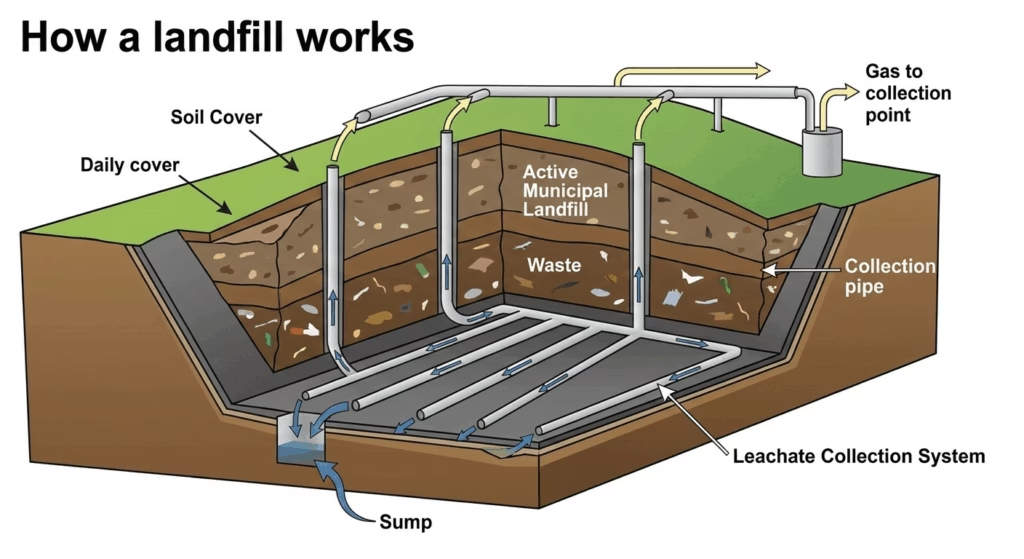
How a landfill works?
How a landfill works

Phase 1 – Initial adjustment of landfills

  • The first phase of a sanitary landfill’s life cycle.
  • During this phase, the organic constituents in municipal solid waste begin rapid microbial breakdown, typically under aerobic conditions shortly after disposal. This is one of the first steps in how a landfill works, where biodegradable materials are decomposed naturally, generating heat and initiating settlement. As oxygen depletes, the system gradually transitions into anaerobic decomposition, producing gases and leachate that must be properly managed for environmental safety.
  • This phase usually lasts a short time from the moment of waste dumping until around a week.
  • The oxygen-rich air trapped within the landfill promotes aerobic reactions.
  • Microorganisms are the primary agents in biodegradation. The soil that is utilised for daily cover serves as the primary source of microbes.
  • Sludge from wastewater treatment plants is sometimes recirculated. Leachate also serves as a source of the microbial population.

Phase 2 – Transition Phase of landfills

  • The landfill undergoes a transition from an aerobic to an anaerobic state in this phase.
  • Because of the high consumption of oxygen during Phase I, and its subsequent depletion, the situation is mainly anaerobic. The oxidation/reduction potential of the waste helps to track the change from aerobic to anaerobic conditions.
  • In the absence of oxygen, the terminal electron acceptors are nitrate and sulphate in the chemical reactions that occur. Hence the landfill gas consists mainly of nitrogen and hydrogen sulphide.
  • Due to the formation of organic acids and higher COconcentrations within the landfill, any leachate created during the transition period is often acidic.
  • The pH during this phase is normally between 6 and 7.
  • This phase can last between 1 to 6 months.
Modern design
Modern sanitary Landfill design and how it works ?

Phase 3 – Acid Formation Phase of landfills

  • In the acid formation phase, the biodegradable component of the solid waste begins to hydrolyze. As a result, there is a rapid accumulation of volatile fatty acids (VFAs) in the leachate.
  • The increasing organic acid concentration lowers the pH of the leachate from 7.5 to 5.6.
  • The leachate has the potential to dissolve many inorganic elements, including heavy metals, due to the decreased pH, making it very poisonous.
  • This phase lasts anything from 3 months to 3 years on average.
  • The further breakdown of intermediate chemicals, such as VFAs, generate a significant amount of chemical oxygen demand during this phase.
  • High VFA concentrations raise both the biochemical oxygen demand (BOD) and VOA levels. This triggers H2 generation by fermentative bacteria and promotes the growth of H2-oxidizing bacteria.
  • Acetic acid (C2H4O2), CO2, and hydrogen gas are produced from long-chain volatile organic acids (VOAs) towards the end of this phase.

Methane Fermentation in landfills – Phase 4

  • Methanogenic bacteria convert the intermediary products of the acid formation phase such as acetic, propionic, and butyric acids to CH4 and CO2.
  • As methanogens continue to digest the VFAs, the pH of the landfill water returns to neutrality.
  • The organic strength of the leachate, expressed in terms of COD, drops rapidly as the rate of CH4 and CO2 gas generation rises.
  • This is the most time-consuming part of the breakdown process. The typical duration of this phase is approximately 8 to 40 years,

Phase 5 – Final maturation and stabilization of landfills

  • This is the final stage of a sanitary landfill’s life cycle.
  • Once the microorganisms finish consuming easily biodegradable organic materials they begin digesting other difficult to biodegrade materials.
  • As the amount of available biodegradable organic matter considerably decreases during the maturation phase, the rate of landfill gas generation drops dramatically from prior phases.
  • This phase’s leachate frequently contains humic and fulvic acids. The main gases produced at this period are CH4 and CO2.

Environmental Impact of Landfills

Landfills all over the world have social, economic and environmental impacts. Below mentioned are a few of them:

Environmental Impact of Landfills

Landfill Leachate Treatment Process

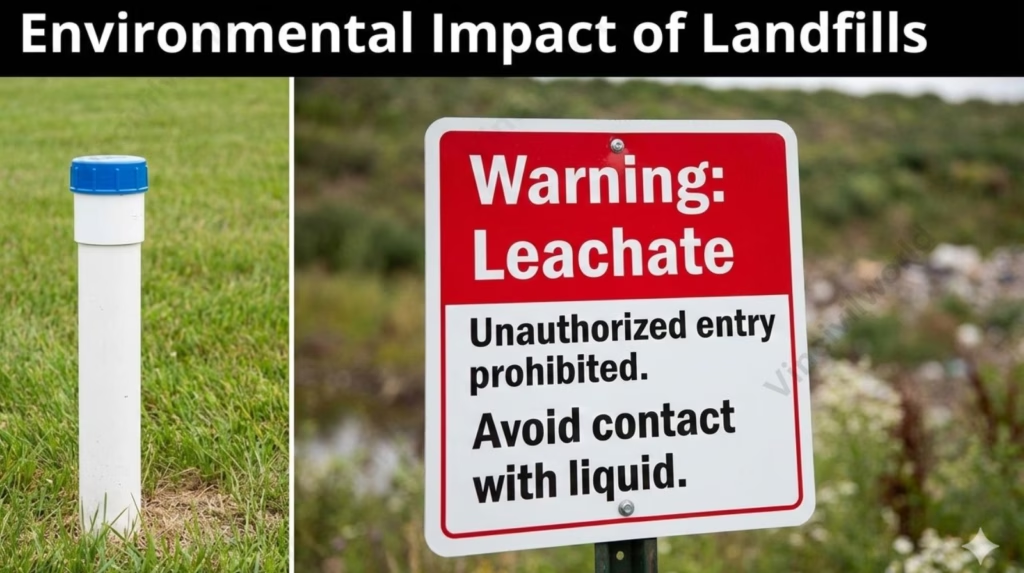
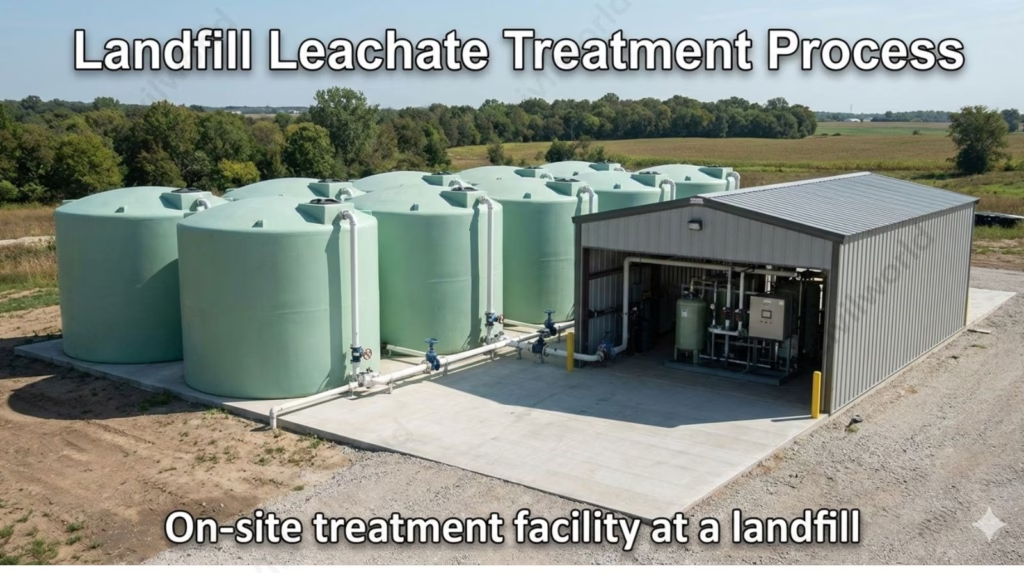
When rain falls on open landfills, the water percolates through the waste, becoming contaminated with suspended and dissolved material. This process creates leachate, a primary driver of the negative environmental impact of landfills and a key part of how a landfill works. To mitigate this, all modern landfills use a combination of impermeable liners several metres thick, geologically stable sites, and collection systems to contain the toxic liquid. Most landfills use clay as the liner material, but geosynthetic membrane liners also find wide application in sanitary landfills.

Leachate Treatment Process
Landfill Leachate Treatment Process

Following collection, the leachate can be treated and evaporated. Once a landfill is full, authorities seal it to prevent precipitation intrusion and the development of new leachate. However, it is widely accepted that any landfill liner will eventually leak. This failure leads to the contamination of groundwater in the long run, representing a significant and lasting environmental impact of landfills.

Landfill Gas to Energy

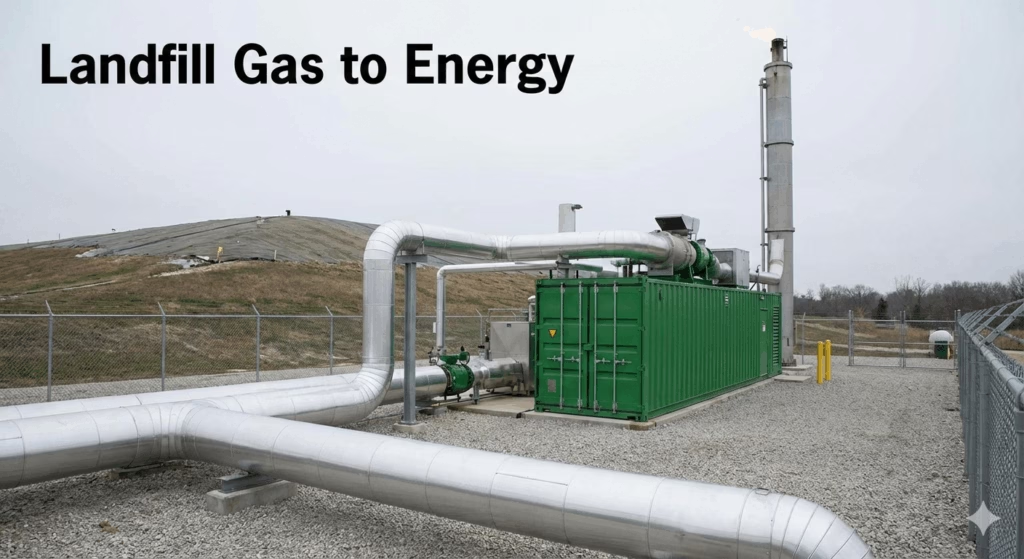
Within the complex structure of a modern landfill, the decomposition of organic waste, such as rotting food, is a continuous and dynamic process. This breakdown occurs through both aerobic (oxygen-using) and anaerobic (oxygen-absent) digestion simultaneously in different regions of the waste pile. The resulting gaseous mixture varies in constitution based on factors like the landfill’s age, moisture content, and specific waste types.

Gas to energy
Landfill gas to energy

On average, this gas is composed of roughly 50% methane (CH4) and slightly less than 50% carbon dioxide (CO2), alongside trace amounts of other gases like nitrogen and hydrogen sulphide. While CO2 is a concern, the high concentration of methane presents a unique opportunity because methane is a potent fuel source. Recognizing this potential, many modern facilities have shifted away from simply venting or flaring this gas. Instead, they implement landfill gas to energy initiatives. By actively capturing this methane, efficient landfill gas to energy systems convert what was once a waste byproduct into a valuable resource used to generate electricity or heat, significantly improving the site’s sustainability.

Vectors

Landfills serve as a breeding ground for mosquitoes, flies and rats. Because vectors such as rodents and flies can spread dangerous diseases, poorly managed landfills can become a nuisance. The application of daily cover can help to reduce the occurrence of such vectors.

Key Takeaways

  • Modern landfills are complex systems designed to manage waste and mitigate environmental impact, unlike traditional dumps.
  • Landfills operate through various stages, including waste weighing, inspection, and compacting processes.
  • The landfill life cycle consists of five phases, from initial adjustment to final maturation, each affecting gas generation and leachate composition.
  • Landfill leachate can contaminate groundwater, making its management crucial for environmental safety.
  • Landfill gases, primarily methane and carbon dioxide, are produced during waste decomposition and can be harnessed for energy.

Conclusion

Understanding precisely how a landfill works today requires recognizing them as complex, engineered facilities. When properly planned and managed using modern sanitary landfill design, they remain the most cost-effective method for disposing of municipal solid waste. Adhering to strict standards throughout all landfill life cycle stages—from site selection to daily operation—is essential to ensure a safe facility and minimize the negative environmental impact of landfills. This includes implementing a rigorous landfill leachate treatment process to prevent groundwater pollution. Furthermore, advanced facilities now capture methane emissions through landfill gas to energy systems, turning a potential greenhouse gas hazard into a useful power source.

In case of any queries feel free to ask in the comments section. Happy Learning.

Wind Energy: Definition, Advantages, and Future

Wind energy is one of the most promising sources of renewable power, harnessing the natural movement of air to generate clean electricity. As a renewable source, wind energy reduces dependence on fossil fuels and helps combat climate change. It works through wind turbine power generation, where large blades capture kinetic energy and convert it into electrical power. Understanding how wind energy works reveals its efficiency and growing role in modern energy systems. While there are wind energy advantages and disadvantages, its benefits—such as sustainability and low operating costs—far outweigh its limitations. Today, wind energy applications extend from powering homes and industries to supporting national grids, making it a cornerstone of the global transition toward sustainable energy and a cleaner future for generations to come.

Wind Energy is one of the booming clean energy technologies. According to IRENA’s latest data, global installed wind-generation capacity onshore and offshore has expanded by about 75 times in the last two decades, from 7.5 gigawatts (GW) in 1997 to 564 GW in 2018.

Ever wondered how those massive rotating turbines powered up an entire locality? Join me on this journey to a wind farm exploring the wind turbines, their working, advantages and disadvantages. Let’s get started

  1. How does wind energy work ?
  2. Wind turbine power generation
  3. Equation for Wind Power
    1. Density of Air
    2. The swept area of the turbine
  4. Wind energy advantages and disadvantages
    1. Wind Energy Advantages
      1. Free Fuel
      2. Clean source of energy
      3. Doesn’t Affect Farming Operations
      4. Reduces our dependence on fossil fuels
    2. Wind Energy Disadvantages
      1. Harms wildlife
      2. Noisy
      3. Expensive Initial Investment
      4. Unreliable and Unpredictable
  5. Wind Energy Applications
    1. List of Wind Energy Applications
  6. Wind Energy Future
  7. Conclusion

How does wind energy work ?

Wind energy works by using wind turbines to convert wind power into mechanical energy. This energy is then transformed into electricity through a generator. The process produces clean and renewable wind energy. Wind energy or wind power refers to the process of using the wind to generate mechanical or electrical power. This mechanical energy can be employed for specialized purposes such as pumping water or it can be converted to electricity using a generator.

Graphic illustrating wind turbine power generation with labeled components, showcasing the conversion of wind into clean electricity.
Illustration of wind turbine power generation, showcasing how wind is converted into clean electricity.

A wind farm is a collection of wind turbines that are all located in the same area. A huge wind farm can include hundreds of separate wind turbines spread out over a vast region. The Gansu Wind Farm is the world’s largest wind farm. We can utilize the land between the turbines for farming or other activities. In a fully established wind farm, we place a distance of 7D (7 times the rotor diameter of the wind turbine) between each turbine.

Individual turbines in a wind farm are linked by a medium-voltage power gathering system and a communication network. This medium-voltage electric current is boosted in voltage by a transformer at a substation before being connected to a high-voltage electric power transmission system.

Let’s understand how wind energy works and the working of a wind turbine.

Wind turbine power generation

Wind turbine power generation converts natural wind energy into clean electricity using advanced wind turbines. This process harnesses the kinetic force of the wind, making wind turbine power generation a reliable, sustainable, and eco-friendly solution for renewable energy production worldwide.

The aerodynamic force from the rotor blades, which act similarly to an aeroplane wing or helicopter rotor blade, converts wind energy into electricity in a wind turbine. The air pressure on one side of the blade lowers when the wind blows across it. This difference in air pressure across the two sides of the blade generates lift and drag.

A row of wind turbines standing tall in a clear blue sky, capturing wind energy in a vast open landscape.
A wind farm featuring multiple turbines against a clear blue sky, demonstrating the renewable energy potential of wind power.

The lift force is greater than the drag force, causing the rotor to spin. The rotor is connected to the generator directly or through a shaft and a series of gears that speeds up the rotation. The conversion of aerodynamic force to the generator’s rotation generates power.

Equation for Wind Power

The power that a wind turbine generates, P = 0.5 DAV3

where D = Density of the air

V = Wind Speed

A = Swept area of the turbine

Let me explain in detail how each parameter affects wind power.

Wind Speed
The quantity of energy in the wind is proportional to the cube of the wind speed. For example, if the wind speed doubles, the energy in the wind increases by eight times. Hence we can understand that wind speed fluctuations have a significant impact on the quantity of power available in the wind.

Density of Air

The denser the air, the greater the energy the turbine receives from the wind. The density of the air changes with altitude and temperature. Higher elevations have less dense air than sea level, while warm air has less density than cold air. Turbines will produce greater power at lower elevations and in areas with cooler average temperatures, assuming all other factors are equal.

The swept area of the turbine

The larger the swept area, the more wind power the turbine can capture. The swept area is the region through which the rotor rotates. The swept area (A= pi*r2) is proportional to the square of the radius of the rotor. A slight increase in the length of the blade results in a greater increase in the power available to the turbine.

Wind energy advantages and disadvantages

Wind energy advantages and disadvantages highlight both the benefits and challenges of this renewable source. Among key wind energy advantages are sustainability, low operating costs, and zero emissions. However, wind energy disadvantages include noise, visual impact, and dependency on weather conditions. Understanding wind energy advantages and disadvantages helps balance efficiency with environmental and social considerations.

Wind Energy Advantages

Wind energy is a cost-effective choice for many places of the world because it does not require direct sunshine exposure like solar energy. It offers several advantages such as:

Free Fuel

There is no need for extra fuel since wind turbines run only on the power supplied by the wind. After mounting a turbine it does not need to be fueled or connected to power to continue working. This lowers the overall cost of maintaining large-scale wind farms.

Clean source of energy

Wind energy does not contribute to global warming and climate change by producing greenhouse gases during energy generation. It does not rely on fossil fuels to power the turbines. Wind energy only emits greenhouse gases indirectly during the production and transportation of wind turbines, as well as during the installation process. In the long term, this amounts to very low emissions.

Doesn’t Affect Farming Operations

Wind turbines can be built on pre-existing farmland. Energy providers can pay farm owners to build wind farms on their land through contracts or leases. As wind turbine footprints take up very little ground space, it won’t interfere with the farm’s produce. Offshore windfarms helps in saving space.

Aerial view of a wind farm with multiple offshore wind turbines standing in a body of water, illuminated by the soft glow of a sunset.
Aerial view of an offshore wind farm, showcasing the tall turbines harnessing wind energy for clean electricity generation.

Reduces our dependence on fossil fuels

Energy from fossil fuel not only contributes to climate change, but it will also run out one day. There is an unlimited supply of wind as long as the sun heats the planet.

Wind Energy Disadvantages

Although wind energy is a renewable and environmentally friendly source of energy, it still has drawbacks and limitations.

Harms wildlife

Wind turbines can harm wildlife. The blades of wind turbines can harm or kill the flying birds and bats that come into contact with the blades. Aside from wildlife that soars through the air, noise pollution from spinning blades may have an impact on animals on the ground.

Noisy

Since wind turbines can be rather noisy, we can mount them only in remote places where few people dwell. Noise isn’t a concern in the case of offshore turbines. As technology advances, we have newer designs that lessen noise issues and offer a much quieter presence.

Expensive Initial Investment

Wind turbines are gigantic structures that are often hundreds of feet tall and demand significant initial investment. The installation of wind turbines in rural areas necessitates additional investment in underground lines to transport power to more populated areas such as towns and cities.

Unreliable and Unpredictable

Wind energy is subject to intermittency, which is a disturbance due to the wind’s inconsistency. Since wind can blow at different speeds, it’s difficult to anticipate how much energy it can deliver at any particular time. This means that suppliers and towns must have an energy reserve or alternate sources of power. This is in the event that the winds stop blowing for an extended period of time.

Wind Energy Applications

Wind energy applications span across multiple sectors, offering clean, renewable power for homes, industries, and utilities. From electricity generation and water pumping to hybrid power systems, wind energy applications reduce carbon emissions, enhance sustainability, and support energy independence across both rural and urban environments worldwide.

List of Wind Energy Applications

  1. Electricity Generation: Powering homes, businesses, and grids through wind farms.
  2. Water Pumping: Common in agricultural and remote areas for irrigation and livestock.
  3. Hybrid Energy Systems: Combined with solar or diesel generators for continuous power supply.
  4. Desalination Plants: Used to power systems that convert seawater to freshwater.
  5. Battery Charging Stations: Especially in off-grid or mobile setups.
  6. Telecommunication Towers: Ensuring consistent energy in remote regions.
  7. Street Lighting: Sustainable lighting using small wind turbines.
  8. Heating and Cooling: Supplying electricity for energy-efficient HVAC systems.
  9. Industrial Power: Supporting green manufacturing processes and reducing fossil fuel dependence.

Wind Energy Future

Wind energy can assist in the production of green hydrogen and green ammonia which are future fuels. This will hasten our rate of energy transformation and reduce the necessity for large-scale, high-cost oil exports.

When we combine all benefits of wind energy and solar energy, we are on our way to realising the full potential of renewable energy through wind-solar hybrid projects. These initiatives will boost efficiency while also ensuring power continuity and consistency. Check out our blog Solar Energy- Definition, Advantages and Future to know more about solar energy.

Shall we wrap up?

Key Takeaways

  • Wind Energy is a promising renewable power source that converts the kinetic energy of wind into electricity.
  • Wind turbines capture wind energy, generating mechanical energy that transforms into electricity via a generator.
  • While Wind Energy offers advantages like sustainability and low operating costs, it also has disadvantages such as noise and wildlife impact.
  • Global wind generation capacity has significantly increased, highlighting its expanding role in clean energy solutions.
  • The future of Wind Energy includes contributions to green hydrogen and solar hybrid projects, enhancing efficiency and reducing fossil fuel dependence.

Conclusion

Wind energy is generated by the natural movement of air caused by the uneven heating of Earth’s surface by solar radiation, making it an indirect form of solar energy. By harnessing wind energy power generation, we can produce clean, renewable electricity without releasing harmful emissions. The advantages of wind energy include sustainability, cost-effectiveness, and minimal environmental impact, while the disadvantages of wind energy mainly involve noise and intermittency. However, with advanced wind energy technology and innovative wind energy applications, these challenges are rapidly being overcome. By adopting wind energy systems alone or alongside solar power, we can reduce our dependence on fossil fuels and move toward a greener, self-sustaining energy future for all.

Happy Learning.

Tidal Energy – Definition, Advantages and Future

Tidal energy is a powerful and predictable form of renewable energy derived from the natural rise and fall of ocean tides. By capturing this rhythmic motion, tidal systems generate clean electricity with minimal environmental impact. Understanding how tidal energy works reveals its immense potential for sustainable power production. Various types of tidal energy systems, such as tidal barrages, tidal stream generators, and dynamic tidal power, harness ocean currents efficiently. While exploring the advantages and disadvantages of tidal energy, it becomes clear that tidal power offers reliability and consistency but involves high initial costs. The tidal power generation process continues to evolve with advanced technology, making it more efficient and scalable. Today, the applications of tidal energy range from coastal power plants to hybrid renewable projects, driving the global transition toward cleaner, ocean-based energy solutions.

Tidal Energy available worldwide adds up to nearly 3,000 gigawatts. The Romans were the first to think of tapping into this vast energy reserve and using tidal energy to turn wheels and grind grains. In comparison to wind and solar energy, tidal energy has struggled to gain widespread acceptance.

Since tidal power plants are expensive to construct and have other disadvantages that we’ll discuss later in this guide, they aren’t as popular as other renewable energy sources. However, we anticipate tidal energy to grow in popularity in the future years. Here’s all you need to know about how it works, the benefits and drawbacks, and the future for tidal energy.

  1. How does tidal energy work?
  2. Types of tidal energy systems
    1. Tidal Stream Generators
    2. Barrage
    3. Tidal Lagoon
  3. Tidal energy applications
  4. Advantages and disadvantages of tidal energy
    1. Tidal Energy Advantages
      1. Renewable
      2. Green
      3. Predictable
      4. Efficient even at Low Speeds
    2. Tidal Energy Disadvantages
      1. Impact on the Environment
      2. High Construction Costs
      3. Scarcity of Appropriate Locations
  5. Tidal Energy Future
  6. Key takeaways
  7. Conclusion

How does tidal energy work?

Tidal energy is a form of renewable energy in which we convert the tidal action in the ocean to electric power. It takes advantage of the natural rise and fall of coastal tidal waters. Tidal energy works by capturing the movement of ocean tides through turbines and barrages, converting kinetic energy into electricity. Understanding how tidal energy works reveals sustainable power potential.

The interaction of the Sun’s and Moon’s gravitational fields generates these tides. The variation in water level generated by tides includes a lot of potential energy. We convert this potential energy to electrical energy in a tidal power station.

Floodtide or high tide refers to the highest level of tidal water. Low tide, often known as ebb, is the lowest level. The tidal range is the height difference between high and low tide. Only tidal ranges of 5 meters or greater are deemed acceptable for power generation. The largest tidal power station in the world is the Sihwa Lake Tidal Power Station in South Korea, which generates 254 MW of electricity. 

Also read: Solar Energy- Definition, Advantages and Future

Types of tidal energy systems

Types of tidal energy systems vary based on how they capture the ocean’s movement. Understanding different types of tidal energy systems reveals how technology transforms tides into clean, renewable electricity. Currently, we obtain tidal energy systems in three types :

  • Tidal streams
  • Barrages
  • Tidal lagoons

Let’s have a look at each one of them in detail.

Tidal Stream Generators

Tides form a fast-flowing body of water known as a tidal stream. We place a turbine in this tidal stream to convert the tidal energy to electrical energy. A turbine is a mechanical device that extracts energy from a fluid flow. Tidal stream generators use the kinetic energy of flowing water to power turbines, just like wind turbines that use the wind to power windmills.

Interested to know more about wind energy? Why don’t you go through our blog Wind Energy: Definition, Advantages, and Future

Depending on the size of the turbine and the location of the tidal stream, the environmental impact could be severe. In shallow water, turbines are most effective. This generates more energy while also allowing ships to manoeuvre around the turbines. The turbine blades of a tidal generator rotate slowly, which helps marine animals from becoming entangled in the system.

Illustration of tidal energy turbines set against a sunset over the ocean, showcasing technology designed to harness the power of ocean tides.
Illustration of tidal stream generators harnessing ocean energy for clean electricity.

Barrage

A tidal barrage is a giant dam built in the ocean to harness tidal energy. Turbines inside the barrage harness the power of the tides in the same way that a river dam does. As the sea rises, the barrage gates open. The water is subsequently discharged through the barrage’s turbines, which generate energy. The barrage gates close at high tide, forming a lake or tidal lagoon.

Barrages, like tidal streams, can have a significant impact on the ecology because they isolate a place from the rest of the ocean. The tidal lagoon’s changing water level could impact plant and animal life.

Aerial view of a tidal barrage, showcasing the dam structure along the shoreline with water being released through turbines.
Aerial view of a tidal barrage, showcasing its structure and the flow of water generated by tidal energy.

The salinity of the tidal lagoon decreases, affecting the organisms that can live there. Fish are stopped from entering or leaving the tidal lagoon, much as dams across rivers. Turbines in barrages move swiftly, and marine animals can be stuck in the blades.

A barrage is substantially more expensive than a single turbine for generating tidal energy. Despite the lack of fuel expenditures, it requires more building and machinery. Barrages, unlike single turbines, require regular supervision to modify power output.

Also read: Dams- Components of dam – 12 dam components explained

Tidal Lagoon

A tidal lagoon is a body of ocean water that is partly enclosed by a natural barrier. Tidal lagoons might also be estuaries and have freshwater emptying into them.

A tidal energy generator using tidal lagoons would function much like a barrage. The turbines work as the lagoon is filling and emptying. Unlike barrages, we can construct tidal lagoons along the natural coastline. A tidal lagoon power plant could also generate continuous power.

Aerial view of a tidal barrage structure with water flowing through turbines, surrounded by protective stone barriers and green landscapes.
Aerial view of a tidal lagoon, showcasing the dam structure that harnesses tidal energy through turbines.

Tidal lagoons have a negligible environmental impact. We can use natural resources such as rock to build the lagoons. At low tide, they would show as a low sea wall and at high tide, seawater submerges them. Smaller organisms could swim inside the structure, and animals could swim around it. Large predators such as sharks would be unable to enter the lagoon, allowing smaller fish to thrive.

However, the energy output from tidal lagoon generators is usually low.

Tidal energy applications

Tidal energy applications are expanding rapidly as technology advances. Common tidal energy applications include coastal power generation. They also support the grid and hybrid renewable systems. Applications are extending to offshore platforms and remote communities. Ocean tides are predictable. Tidal energy applications provide a reliable, sustainable power source. This strengthens the transition toward clean, renewable energy worldwide.

Advantages and disadvantages of tidal energy

Exploring the advantages and disadvantages of tidal energy helps us see both its promise and its limits. By understanding the advantages and disadvantages of tidal energy, we can better shape a sustainable energy future. Let us go through the advantages and disadvantages.

Tidal Energy Advantages

Let me show you some of the reasons and advantages that make this an attractive option.

Renewable

The combined effects of the moon’s and sun’s gravitational forces, as well as the earth’s rotation cause tides. The difference in the potential energies of the high and low tides allows for tidal energy power generation. Since tides would be present as long as the Earth exists, this is inexhaustible and non-renewable.


Green

Tidal energy power plants don’t emit any hazardous gases. Also, it doesn’t emit any carbon. Hence it is a green and environment-friendly source of energy. One of the key advantages is that it requires relatively little space to produce.

Predictable

Waves and tidal currents are extremely predictable. The ocean develops high and low tides according to some well-known cycles. This makes developing a system with precise dimensions to generate energy easier because we already know what kind of waves the equipment will be exposed to.

Efficient even at Low Speeds


Because water has a significantly higher density than air, it is feasible to create electricity at relatively low speeds. A water speed of roughly 1 m/s can potentially create power. Wherever we employ, tidal energy generators produce a continuous, reliable stream of electricity

Tidal energy
Tidal energy

Tidal Energy Disadvantages

Here are some of the reasons why tidal power plants are not as common as other renewable energy power plants.

Impact on the Environment

While putting tidal generators beneath the water may be handy for people, it is not so for all sea creatures. Since the tidal energy systems rely on turbulent water to operate, we require a substantial foundation. This form of underwater construction has the potential to destroy marine habitats. The turbines can trap fishes, turtles, sewage and also injure them.

High Construction Costs


Building structures that can survive the turbulence and corrosive nature of seawater is not a cheap endeavour. Other renewable resource solutions are less expensive upfront. While tidal energy systems have a long life cycle and eventually pay for themselves, the initial investments are quite high.

Scarcity of Appropriate Locations

A tidal energy facility is not ideal for every seascape near a shore. To function successfully and efficiently, they require a highly specific collection of elements.

Only those areas where we have a tidal range of about 5 m or more, and suitable geography provides a desirable site for the economic construction of a tidal power plant. One of the key reasons for their lack of popularity is the scarcity of suitable areas for establishing tidal power systems.

Tidal Energy Future

Tidal energy future
Tidal energy future

Although tidal energy is still in its infancy, it has the potential to have a major global influence. The value of the sector, which was assessed at $487 million in 2014, is expected to increase to $11.3 billion by 2024, according to analysts.

Is it possible for this to take the place of fossil fuels? It can’t do it on its own – but with the collective energy of the wind, sun, and tides, as well as specific energy storage devices, we might be able to make the transition to a green future.

Shall we wrap up?

Key takeaways

  • Tidal energy is a renewable resource generated by the natural rise and fall of ocean tides, offering a reliable and green power source.
  • Types of tidal energy systems include tidal streams, barrages, and tidal lagoons, each with unique advantages and disadvantages.
  • Despite its high initial costs and environmental impact, tidal energy has significant potential for sustainable power production.
  • The global tidal energy market is expected to grow from $487 million in 2014 to $11.3 billion by 2024, highlighting its future promise.
  • Harnessing tidal energy can contribute to a cleaner energy future, complementing other renewable resources like wind and solar.

Conclusion

Tides are undoubtedly vast storehouses of energy, offering a powerful and consistent source of renewable power. We need to efficiently harness their potential through advanced tidal energy systems. This efficiency could mark a revolutionary step toward a cleaner and more sustainable future. By capturing the immense force of ocean tides, we can significantly reduce our dependence on fossil fuels and cut harmful emissions. The oceans hold the key to limitless, predictable, and eco-friendly energy — one that flows naturally every day. Let’s make the most of this green energy source that Mother Nature has hidden in her tides and work toward a world powered by the rhythm of the sea — renewable, reliable, and responsible.

In case of any doubts, feel free to ask in the comments section. Happy Learning.

Fuel Cells: Types, sources and advantages

Fuel cells are innovative devices that convert chemical energy directly into electricity through an electrochemical reaction, producing clean and efficient power. Understanding how fuel cells work reveals their potential to revolutionize energy systems by using hydrogen as a primary fuel. There are several types of fuel cells, including proton exchange membrane and solid oxide, each suited for different applications. Modern hydrogen fuel cell technology powers vehicles, industries, and even remote power systems, offering a sustainable alternative to fossil fuels.

Fuel cells have both advantages and disadvantages. Their high efficiency and zero-emission output stand out as major benefits. However, cost and durability remain challenges. Today, the applications of fuel cells continue to expand from electric vehicles to backup power. They mark a significant step toward a cleaner and more reliable global energy future.

Fuel Cells is a hot topic among scientists these days thanks to their wide range of applications. Their uses are so diverse that fuel cells have found a place even in the space program. In this blog, let me explain in detail the design, working, types and future scope of fuel cells.

Shall we begin?

  1. How do fuel cells work ?
  2. Design
    1. Fuel Cells Working
    2. Reactions inside
  3. Different types of fuel cells
    1. Alkali based
    2. Molten Carbonate based
    3. Phosphoric Acid based
    4. Solid Oxide Fuel Cells
    5. Hydrogen fuel cell technology
    6. Fuel Cells Applications
  4. Fuel cell advantages and disadvantages
  5. Fuel Cells Future
  6. Key takeaways
  7. Conclusion

How do fuel cells work ?

Fuel cells are electrochemical cells that use a pair of redox reactions to transform the chemical energy of a fuel (typically hydrogen) and an oxidizing agent (usually oxygen) into electricity. It finds various applications, including transportation, industrial/commercial/residential structures, and long-term grid energy storage in reversible systems.

Fuel cells are unique in that they may use a wide range of fuels and feedstocks and can power systems as large as a utility power plant and as small as laptop computers. Now, we are moving on to the design of fuel cells.

Also read: Solar Energy- Definition, Advantages, and Future

Close-up view of a hydrogen fuel cell assembly, showcasing the transparent casing and inlet connections for hydrogen and oxygen.
Close-up of a hydrogen fuel cell showcasing its transparent housing and internal components designed for electrochemical reactions.

Design

A fuel cell comprises 3 adjacent segments namely the anode, the electrolyte, and the cathode. At the intersections of these segments, redox reactions take place. Fuel is burned, water or carbon dioxide is produced, and an electric current is produced, which can be utilized to power electrical devices, commonly referred to as the load.

A fuel cell’s design elements include:

  • An electrolyte – It acts as a medium of transport between the electrodes. Most common electrolytes include potassium hydroxide, salt carbonates, and phosphoric acid, and it usually defines the type of fuel cell.
  • A fuel – The fuel undergoes oxidation reaction and supplies the ions. Hydrogen is the most common fuel.
  • Anode Catalyst – It breaks down the fuel into electrons and ions. We usually use fine platinum powder as the anode catalyst.
  • Cathode catalyst – It reacts with the ions that reach the cathode and transforms them into harmless compounds, the most common of which is water.
  • Gas diffusion layers that are resistant to oxidation.

Let me show you how fuel cells produce electricity from the fuel we supply.

Fuel Cells Working

In 1839, Sir William Robert Grove, a physicist invented the first fuel cell. The goal of a fuel cell is to generate an electric current that can do some work outside of the cell, such as powering an electric motor or lighting a city.

A catalyst at the anode promotes oxidation reactions in the fuel. As a result, hydrogen atoms are stripped of their electrons at the anode of a fuel cell. The hydrogen atoms have now become positively charged H+ ions.

At full rated load, a typical fuel cell produces a voltage of 0.6 to 0.7 V. If we require alternating current (AC), we must channel the DC output of the fuel cell via a conversion device called an inverter.

Reactions inside

When the ions and electrons reach the cathode, they rejoin, and the two react with a third molecule, usually oxygen, to produce water or carbon dioxide. The following are the basic reactions that take place inside a fuel cell:

Anode side:  2H2 => 4H+ 4e–  

Cathode side: O2+ 4H++ 4e=> 2H2O

Net reaction: 2H2 + O2 => 2H2O

A person writing chemical equations related to fuel cell reactions on a whiteboard, demonstrating the transformation of hydrogen and oxygen into water.
Chemical reaction diagram illustrating the process inside a fuel cell, showing hydrogen and oxygen converting into water.

Different types of fuel cells

Depending on the electrolyte in use, there are different types of fuel cells. Here are some of them:

Alkali based

  • Alkali fuel cells use compressed hydrogen and oxygen to function.
  • Their electrolyte is usually a solution of potassium hydroxide (chemically, KOH) in water.
  • The efficiency is around 70%, and the operating temperature is between 150 and 200 degrees Celsius (about 300 to 400 degrees F).
  • The output of the cells ranges from 300 watts (W) to 5 kilowatts (kW).
  • However, they require pure hydrogen fuel, and their platinum electrode catalysts are costly. They can also leak, just like any other liquid-filled container.
  • In the Apollo spacecraft, alkali cells were employed to produce both electricity and drinking water.

Molten Carbonate based

  • The electrolyte of molten carbonate (MCFC) consists of high-temperature salt carbonates (chemically, CO3).
  • The efficiency ranges from 60% to 80%, and the working temperature is around 650°C (1,200 degrees F).
  • The high temperature prevents the poisoning of cell by carbon monoxide, and waste heat can be recycled to generate more energy. However, the high temperature limits the materials and applications of MCFCs–they are likely too hot for domestic use.
  • In addition, the processes consume carbonate ions from the electrolyte, necessitating the injection of carbon dioxide to compensate.
Hydrogen fuel cell

Also read: Tidal Energy – Definition, Advantages, and Future

Phosphoric Acid based

  • The electrolyte of PAFCs is phosphoric acid, which is a non-conductive liquid acid that causes electrons to go from anode to cathode via an external electrical circuit.
  • Since the anode’s hydrogen ion generation rate is low, we use platinum as a catalyst to boost the ionisation rate.
  • The use of an acidic electrolyte is a major disadvantage of these cells. This accelerates the corrosion or oxidation of phosphoric acid-exposed components.
  • The operating temperature is between 150 and 200 degrees Celsius, and the efficiency ranges from 40 to 80% (about 300 to 400 degrees F). Phosphoric acid cells now available have outputs of up to 200 kW.

Solid Oxide Fuel Cells

  • Solid oxide (SOFC) use a hard, ceramic composition of metal oxides such as calcium or zirconium as an electrolyte.
  • The efficiency is around 60%, and the output of the cells can reach 100 kW.
  • The working temperature is around 1,000 degrees Celsius (about 1,800 degrees F).
  • Further energy generation through waste heat recovery is possible. The high temperature, on the other hand, limits the applications of SOFC units, which are typically quite big.

Hydrogen fuel cell technology

Hydrogen fuel cell technology generates electricity through a chemical reaction between hydrogen and oxygen, with water and heat as the only byproducts. Inside the cell, hydrogen passes through the anode and splits into protons and electrons. The electrons flow through an external circuit, creating electricity, while the protons move through the electrolyte to combine with oxygen at the cathode. This process produces clean, efficient, and continuous power without combustion. Hydrogen fuel cells are used in electric vehicles, portable power systems, and large-scale energy storage. Their high efficiency and zero emissions make them a promising solution for reducing dependence on fossil fuels and advancing sustainable energy technologies worldwide.

Let’s have a look at the different applications of fuel cells.

Fuel Cells Applications

Fuel cell technology has a variety of applications. Currently, scientists are carrying out extensive research to develop a cost-effective powered automobile. The following are a few examples of the uses of this technology:

  • Fuel cell electric vehicles, or FCEVs, use clean fuels and are thus more environmentally benign than vehicles powered by internal combustion engines.
  • Many space voyages, like the Appolo space program, have relied on them for power.
  • In many rural regions, fuel cells are a major backup source of electricity.

Also read: Wind Energy: Definition, Advantages, and Future

Fuel cell advantages and disadvantages

Fuel cell advantages and disadvantages highlight both the promise and challenges of this clean energy technology. Among the key advantages, fuel cells provide high energy efficiency, produce zero harmful emissions, and operate quietly, making them ideal for vehicles, power generation, and portable devices. They can continuously generate electricity as long as hydrogen is supplied, offering a reliable and eco-friendly alternative to fossil fuels. However, the disadvantages include high manufacturing costs, limited hydrogen availability, and complex storage and transport requirements. In addition, performance degradation over time remains a concern. Understanding fuel cell advantages and disadvantages helps guide innovation toward making this technology more affordable, accessible, and sustainable worldwide.

Fuel cells outperform traditional combustion-based technologies, which are now in operation in many power plants and automobiles. The advantages is that they emit fewer greenhouse gases and zero atmospheric pollutants that contribute to smog and health issues. When pure hydrogen is the fuel, the only by products are heat and water. Traditional combustion systems use significantly more energy than hydrogen-powered ones.

Fuel Cells Future

  • Hydrogen abundance: Hydrogen is the most abundant element in the universe, making it a sustainable and renewable energy source for the future.
  • Hydrogen ecosystem: A growing hydrogen ecosystem centered on fuel cell technology holds immense potential for clean energy innovation.
  • Scalability: Unlike batteries, this technology can be scaled up for various transportation modes, including cars, buses, ships, and trains.
  • Urban air mobility: Hydrogen will play a vital role in powering future air mobility solutions, such as drones and air taxis.
  • Automotive transition: These could replace petroleum in vehicles, leading to zero-emission transportation.
  • Industry leadership: Companies like Hyundai are pioneering hydrogen technology, expanding alongside battery, hybrid, and plug-in electric vehicle developments.

Key takeaways

  • Fuel cells convert chemical energy into electricity using hydrogen and oxygen in an electrochemical reaction, offering clean energy solutions.
  • Different types of fuel cells exist, including alkali, molten carbonate, phosphoric acid, and solid oxide, each with unique designs and applications.
  • Hydrogen fuel cell technology powers various applications, such as fuel cell electric vehicles and backup power sources in rural areas.
  • Despite advantages like high efficiency and zero emissions, fuel cells face challenges such as high costs and limited hydrogen availability.
  • The future of fuel cells looks promising with ongoing research and development aimed at enhancing technology for widespread use.

Conclusion

The future of fuel cells is filled with potential as industries seek cleaner and more efficient energy sources. With their non-polluting nature and wide range of applications, fuel cells stand out as a key player in sustainable development. However, challenges such as high production costs and safe, long-term hydrogen storage must be addressed to unlock their full potential. Continued advancements in hydrogen fuel cell technology and large-scale adoption could make fuel cells a cornerstone of global energy systems. Once cost and storage issues are resolved, these systems will not only revolutionize the energy sector but also help achieve a cleaner, greener, and more reliable energy future for generations to come.

In case of any queries, please feel free to ask in the comments section. Happy Learning!

Biomass Energy – Definition, Advantages and Future

Biomass Energy is hailed as a renewable source of energy and a method for sustainable waste disposal. Biomass energy harnesses organic matter to create power, standing as a significant player in the renewable energy landscape. Understanding how biomass energy works involves exploring the various processes that convert organic materials into usable heat, electricity, or fuel. As we consider its role, it’s essential to examine the comprehensive advantages and disadvantages of biomass energy, evaluating its environmental impact, cost-effectiveness, and resource demands. Diverse sources of biomass energy, from agricultural waste to dedicated energy crops, underpin its versatility. This energy form boasts numerous biomass energy applications, powering homes, industries, and transportation. Looking forward, the future of biomass energy holds immense potential for innovation and expansion, contributing to a more sustainable global energy mix.

  1. How biomass energy works?
    1. Sources of Biomass Energy
  2. How biomass energy convert to Thermal Energy ?
    1. Direct Firing and Co-Firing
    2. Pyrolysis
    3. Bio-oil
    4. Syngas
    5. Biochar
    6. Gasification
  3. Anaerobic Decomposition
  4. Advantages of Biomass Energy
  5. Disadvantages of Biomass Energy
  6. Applications of Biomass Energy
  7. Biomass Energy Future
  8. Conclusion

How biomass energy works?

Biomass energy is energy generated or produced by living or once-living organisms. Plants receive the sun’s energy through photosynthesis and transform carbon dioxide and water into nutrients. They store this energy in biomass (carbohydrates).

How biomass energy works ?

We can convert this stored energy from biomass into usable energy in both direct and indirect ways. We can burn biomass directly to provide heat, turn it directly to electricity, or process it into biofuel (indirect).

Sources of Biomass Energy

Today, wood and wood wastes are the most common biomass energy sources. We can burn wood directly or convert it into pellet fuel or other fuel forms to generate energy. Other plants that can serve as fuel include corn, switchgrass, miscanthus, and bamboo. Wood waste, agricultural waste, municipal solid waste, manufacturing waste, sewage sludge, and landfill gas are the most common waste energy feedstocks.

How biomass energy convert to Thermal Energy ?

Thermal conversion involves the application of heat to convert biomass to energy. The biomass feedstock is heated to burn, dehydrate, or stabilize by thermal conversion. Raw materials such as municipal solid waste (MSW) and scraps from paper or timber mills are the most common biomass feedstocks for conversions involving biomass energy.

The following processes produce different types of energy from biomass:

  • Direct firing
  • Co-firing
  • Pyrolysis
  • Gasification
  • Anaerobic decomposition

We must dry the biomass first before burning it. This process is called torrefaction. We heat biomass to around 200° to 320° Celsius (390° to 610° Fahrenheit) during torrefaction. The biomass dries out to the point that it can no longer absorb moisture and rot. It loses around 20% of its original bulk but keeps 90% of its original energy.

Biomass energy to thermal Energy

Torrefaction turns biomass into a dry, blackened substance from which we make briquettes. Briquettes made from biomass are hydrophobic, which means they reject water. This allows their storage in damp environments. The briquettes have a high energy density and are simple to burn when used in direct or co-firing applications.

Also read: Solar Energy- Definition, Advantages and Future

Direct Firing and Co-Firing

The majority of briquettes from torrefaction undergo direct burning. The steam generated during the firing process drives a turbine, which in turn drives a generator, which generates energy. This electricity can power machines or heat structures.

Biomass can also undergo co-firing, which means burning the briquettes along with fossil fuel. Biomass undergoes frequent co-firing with coal in power facilities. Co-firing reduces the requirement for additional biomass processing facilities and the demand for coal as well. Also, it reduces the amount of carbon dioxide and other greenhouse gases released by burning fossil fuels.

Pyrolysis

We heat biomass to 200° to 300° C (390° to 570° F) in the absence of oxygen during pyrolysis. This prevents it from combusting and changes the chemical composition of the biomass. Pyrolysis creates pyrolysis oil, a synthetic gas known as syngas, and a solid residue known as biochar.

Bio-oil

Pyrolysis oil or bio-oil is a form of tar. It finds application as a component in various fuels and plastics and gives energy upon burning. Scientists and engineers are researching pyrolysis oil as a possible substitute for petroleum. Indeed, its connection with biomass energy is pivotal for future sustainable alternatives.

Syngas

Syngas finds application as a fuel such as synthetic natural gas. It can also be converted to methane and used as a natural gas substitute. Clean syngas can be used for heat or energy or processed into biofuels, chemicals, and fertilizers for transportation.

Also read: Tidal Energy – Definition, Advantages, and Future

Biochar

The solid residue we obtain after the pyrolysis of biomass feedstock is biochar. Biochar has a number of merits over ordinary biomass feedstock. Let’s have a look at them.

  • When biomass burns or decomposes naturally or as a result of human action it releases large amounts of methane and carbon dioxide into the atmosphere. Biochar, on the other hand, sequesters or stores its carbon content. That is it is a great carbon sink. Carbon sinks are places that can store carbon-containing compounds, such as greenhouse gases.
  • When we reintroduce biochar to the soil, it can continue to absorb carbon and develop huge subsurface carbon sinks, resulting in negative carbon emissions and healthier soil.
  • Biochar carbon remains in the ground for centuries, slowing the growth in atmospheric greenhouse gas levels. Simultaneously, its presence in the earth can improve water quality, increase soil fertility, raise agricultural productivity, and reduce pressure on old-growth forests
  • Biochar also aids with soil enrichment. It is permeable and prevents pesticides and other nutrients from seeping into the runoff.

Gasification

Gasification directly converts biomass to energy. During gasification, we heat the biomass feedstock (typically Municipal Solid Waste) to over 700° C (1,300° F) with a controlled amount of oxygen. As the molecules break down, it produces the following two products:

  • Syngas
  • Slag

Anaerobic Decomposition

In landfills, anaerobic decomposition occurs when biomass is crushed and squeezed, resulting in an anaerobic (or oxygen-poor) environment. It is the breakdown of material by microbes, mainly bacteria, in the absence of oxygen.

Biomass decomposes in an anaerobic environment, producing methane, a useful energy source. This methane has the potential to replace fossil fuels.

Anaerobic Decomposition

Anaerobic decomposition can be used on ranches and livestock farms in addition to landfills. Manure and other animal waste can be processed through anaerobic decomposition to meet the farm’s energy demands sustainably.

Advantages of Biomass Energy

Here are the major advantages of biomass energy that has made it a global player in the renewable energy sector:

  • Biomass is a sustainable energy source that is both clean and efficient and this is the major advantage of biomass energy.
  • The sun provides the initial energy, and plants or algae biomass can regenerate in a relatively short period. Hence it is a renewable source of energy.
  • Trees, crops, and municipal solid waste, which are the feedstock for biomass energy production, are all accessible regularly.
  • When we sustainably grow trees and crops, they can help to offset carbon emissions by absorbing CO2 through respiration. The quantity of carbon reabsorbed in some bioenergy processes even exceeds the amount of carbon produced during fuel processing or use.
  • We can collect many biomass feedstocks, such as switchgrass, on marginal lands or pastures without interfering with food crops.

Disadvantages of Biomass Energy

While biomass has various advantages, it is not an ideal energy source. We must examine its drawbacks as well which are as follows:

  • Water makes up to 50% of the biomass, which escapes throughout the energy conversion process. Hence the “energy density” of biomass is lower than that of fossil fuels.
  • According to scientists and engineers, transporting biomass more than 160 kilometers (100 miles) from its processing point is not cost-effective. However, turning biomass into pellets (rather than wood chips or larger briquettes) can boost the energy density of the fuel and make it easier to transport.
  • To grow the materials used , we require a vast area of space. This space will not always be available, especially in densely populated places such as cities.

Applications of Biomass Energy

Biomass energy applications are diverse, leveraging organic matter across various sectors to meet energy demands sustainably. We primarily utilize biomass energy for generating electricity, often through direct combustion, co-firing with fossil fuels, or gasification processes that produce syngas for turbines. Heating is another major application, with biomass boilers providing warmth for residential, commercial, and industrial spaces, often in combined heat and power (CHP) systems for maximum efficiency. Furthermore, biomass energy applications extend to the production of biofuels like ethanol and biodiesel, offering renewable alternatives for transportation. These biofuels significantly reduce reliance on fossil fuels. Finally, specialized biomass energy applications include producing biochemicals and bioproducts, replacing petroleum-based raw materials and fostering a circular economy.

Biomass Energy Future

Energy crops must be grown in vast quantities, requiring large swaths of land, if biomass is to make a significant dent in the usage of fossil fuels. Furthermore, biomass energy must be cost-competitive with conventional energy sources and biological carbon sequestration. If we can cultivate biomass in huge amounts at cheap cost along with research, development, and early deployment of “clean coal” technologies we could lower the cost of converting biomass to electricity and liquid fuels.

Key Takeaways

  • Biomass Energy is a renewable energy source generated from living organisms, which can be converted into usable forms like heat and biofuel.
  • Common biomass sources include wood, agricultural waste, and municipal solid waste, while conversion methods include direct firing, pyrolysis, and gasification.
  • Biomass Energy offers advantages such as sustainability, efficiency, and potential carbon offsetting, but it also faces challenges like lower energy density and transport costs.
  • The future of Biomass Energy relies on large-scale cultivation, cost-competitiveness, and technological advancements in clean energy conversion.
  • Overall, Biomass Energy presents a viable alternative to fossil fuels, though it requires further development to improve efficiency and mitigation of existing challenges.

Conclusion

Biomass energy has emerged as a frontrunner as a viable alternative to fossil fuels as the search for alternatives to fossil fuels continues. It is a carbon-neutral fuel source with lower costs than fossil fuels and a wide range of applications.

However, several challenges are preventing it from becoming more widely adopted. More needs to be done, in particular, to address the issue of fuel efficiency, as well as challenges such as space and cost. The utilization in particular, on a home and local level, can result in lower energy bills.

Do you have any thoughts and its prospects? Please share your thoughts in the comments section below.

Environmental Laws of India – A Complete Guide

Environmental laws of India are crucial instruments designed to safeguard our planet’s delicate ecosystems and invaluable natural resources, while actively striving to prevent pollution. These comprehensive statutes underpin India’s commitment to ecological preservation and sustainable development. In this blog, we will delve into the major Environmental Laws of India. We will explore their specific provisions. This will offer clarity on their scope and impact. We will begin by tracing the compelling background that necessitated the formation of these vital legislations, examining the historical context and foundational principles. Subsequently, we will introduce the pivotal role of the Ministry of Environment and Forests (MoEF), the central authority responsible for enforcing and evolving these critical legal frameworks.

Ministry of Environment and Forests (MoEF)

India’s constitutional framework and international commitments clearly reflect the necessity for environmental protection and conservation. They also show the need for the sustainable use of natural resources. As we all know, Part IVA (Article 51A-Fundamental Duties) of the Indian Constitution imposes a duty on every Indian citizen. The duty is to safeguard and improve the natural environment, including forests, lakes, rivers, and animals, as well as to have compassion towards living beings. These duties are integral to understanding the broader context of the environmental laws in India.

Environment and forest -Environmental laws of India

Following the Stockholm Conference, the Department of Science and Technology established the National Council for Environmental Policy and Planning in 1972. This was as a regulatory agency to oversee environmental issues. Later, the Council became a full-fledged Ministry of Environment and Forests (MoEF).

The Ministry of Environment and Forestry (MoEF) was created in 1985. It is now the country’s primary administrative authority for regulating and ensuring environmental protection. MoEF also establishes the legal framework for implementing environmental laws effectively across India.

A variety of environmental laws have been in effect since the 1970s. The following comprise the country’s regulatory and administrative core for environmental protection:

  • The Ministry of Environment and Forests (MoEF)
  • The CPCB, Central Pollution Control Board
  • SPCBs, State Pollution Control Boards

The National Green Tribunal Act, 2010 -Environmental laws of India

The National Green Tribunal Act, 2010 (NGT Act) was enacted with the goal of establishing a National Green Tribunal (NGT). The NGT shall ensure the effective and timely resolution of issues connected to environmental protection and other natural resource conservation. Along with that, it deals with civil cases that come under India’s Environmental Laws providing a legislative backbone for enforcement.

National Green Tribunal - Environmental laws of India
Environmental laws of India
  • The Water (Prevention and Control of Pollution) Act, 1974,
  • The Water (Prevention and Control of Pollution) Cess Act, 1977,
  • The Forest (Conservation) Act, 1980,
  • The Air (Prevention and Control of Pollution) Act, 1981,
  • The Environment (Protection) Act, 1986,
  • The Public Liability Insurance Act, 1991 and
  • The Biological Diversity Act, 2002.

The NGT does not have jurisdiction over two major acts:

  • The Wildlife (Protection) Act of 1972
  • The Scheduled Groups and Other Traditional Forest Dwellers (Recognition of Forest Rights) Act of 2006.

This limits the NGT’s authority and makes the enforcement of certain laws more challenging. The Act came into effect on October 18, 2010.

The Water (Prevention and Control of Pollution) Act, 1974

  • Among the crucial environmental laws of India is The Water (Prevention and Control of Pollution) Act of 1974 (the “Water Act”). It was enacted to prevent and control water pollution and to maintain or restore the wholesomeness of water in the country.
  • Also, it established Boards for the prevention and control of water pollution in order to carry out the aforementioned objectives.
  • The Water Act makes it illegal to dump pollutants into water bodies beyond a certain level. And, it imposes penalties for non-compliance.
  • The CPCB was established at the national level by the Water Act. It establishes requirements for the prevention and management of water pollution.
  • SPCBs work under the direction of the CPCB and the State Government at the state level.

Also read: What are Water Pollutants? – Definition, Sources, and Types

  • In 1977, the Water (Prevention and Control of Pollution) Cess Act was enacted. It provides for the imposition and collection of a cess on water consumed by persons engaged in certain types of industrial operations.
  • The Government collects this tax to supplement the funds available to the Central Board and State Boards. These funds are for the prevention and control of water pollution.

The Air (Prevention and Control of Pollution) Act, 1981

  • The Air (Prevention and Control of Pollution) Act, 1981 (the “Air Act”) establishes boards at the national and state levels. These boards are to prevent, control, and abate air pollution as part of environmental laws in India.
  • This act established ambient air quality standards to combat the difficulties connected with air pollution. This strengthens the environmental laws of India.
  • It aims to reduce air pollution by forbidding the use of polluting fuels and substances. It also regulates air-polluting appliances.
  • The Air Act allows the State Government to proclaim any place or area within the State as an air pollution control area or areas after consulting with the SPCBs.
  • SPCBs must consent to the establishment or operation of any industrial facility in the pollution control area under the Act.
  • SPCBs will also check pollution control equipment and production processes. It can also test the air in air pollution control areas.

If you wish to know more about air pollution, do check out our blogs on air pollution: Air Pollution Effects and Causes – A complete overviewAir Pollution Causes – A Comprehensive Guide

The Environment Protection Act, 1986 – Laws of India

  • The Environment Protection Act of 1986 (the “Environmental Act”) establishes a framework for investigating, planning, and executing long-term environmental safety regulations. These regulations are crucial components of India’s environmental laws.
  • It creates a framework for the coordination of federal and state bodies established under the Water Act and the Air Act. This coordination is a significant aspect of the environmental laws of India.
  • Under the Environment Act, the Central Government can take measures to protect and improve the environment’s quality. They do this by establishing standards for emissions and discharges of pollution into the atmosphere.
  • It can also regulate the location of industries; manage hazardous wastes; and protect public health and welfare.
  • The Central Government provides notices under the Environment Act for the protection of ecologically vulnerable areas from time to time. It also issues guidance for issues covered by the Act.

Also read: Environmental Impact Assessment (EIA) – Process and Benefits

Conclusion

Mere implementation of Environmental Laws doesn’t guarantee the conservation of forests and other natural resources. We need strict implementation of these laws. Defaulters must face stringent punishment. We also need to create awareness among the public about the provisions of the laws to protect our environment as outlined in the environmental laws of India. It is our duty to preserve the natural resources and transfer them to our future generations with the same wholesomeness and greenery.

That was it about the Environmental Laws of India. In case of any queries, please feel free to ask in the comments. Happy Learning.