
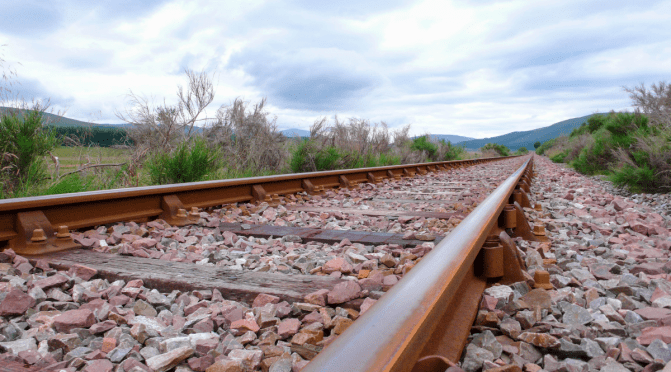
Components of railway track are rail section, sleepers, ballast, rail fastenings and subgrade and embankments. I will walk you through each of them in detail. You will get to learn about the functions of rails, functions of sleepers, functions of ballast and about fastening of railway.
Railway tracks are complex systems comprised of various components that work together to ensure safe and efficient train travel. Understanding the components of a rail track is crucial for maintaining and optimizing railway infrastructure. Rail track components include the rails, sleepers (ties), ballast, and fastening systems, each playing a vital role. Rails provide the pathway for trains, sleepers support the rails, ballast maintains track stability, and fastening systems secure everything in place. This introduction explores the essential railway components, highlighting their functions and importance in the overall track structure. Familiarity with these elements is key to effective railway management and maintenance.
Without any due, let’s jump right on to it.
- Rail sections- Important among all components of railway track
- Sleepers (Ties): Supporting the Rails
- Fastening in Railway-Rigid member of components of railway track
- Ballast
- Subgrade and embankment- last member of components of railway track
- Switches and Crossings: Enabling Train Movement
- Rail Joints: Connecting the Rails
- Railway Track Drainage Systems
- Track Bed: Ensuring Even Load Distribution
- Rail Pads and Under Sleeper Pads: Reducing Vibrations
- Expansion Joints: Handling Temperature Variations
- Railway Electrification Systems: Powering the Trains
- Key Takeaways
- Conclusion
Rail sections- Important among all components of railway track
The rail provide a hard, smooth and unchanging surface for the passage of heavy moving loads. Rails are made of high carbon steel to withstand wear and tear. Flat footed rails are mostly used in railway track. I will tell you the major functions of rails now.
Rails are key components of a rail track. Made of high-quality steel, they form the primary pathway for trains.
Function of rails
- Rails provide a continuous and level surface for the movement of the trains with minimum friction with steel wheels of the rolling stock
- Rails provide strength, durability and lateral guidance to the track
- Rails transmit the axle load to sleepers, which transfer the same load to the underlying ballast and formation
- Rails bear the stresses developed due to heavy vertical loads, breaking forces and temperature variance.
- In the railway components section, the function of rails is to enhance efficiency and longevity. Properly maintained rails improve the overall performance of the rail track system.
So, that’s it about the rail sections and the important functions of rails. Let’s move on to the second member in the list of components of railway track.
Sleepers (Ties): Supporting the Rails
Sleepers, also known as ties, are vital components of a rail track.The support which keeps the rails apart at required distance, supports the rail and distribute the load to the ballast are called as sleepers. Sleepers are of different materials such as wood, steel, cast_iron, RCC and Prestressed concrete
These rail track components play a crucial role in absorbing vibrations and maintaining track geometry. As essential railway components, sleepers ensure the safe and efficient operation of trains. Proper maintenance of sleepers is key to extending the lifespan of the entire track system and enhancing overall performance.
Time to peep into the major functions of sleepers.
Functions of sleepers
The important functions of sleepers are,
- To hold the rails to proper gauge in all situations. That is, exact gauge along straights and flat curves, slightly loose on sharp curves and slightly tight in diamond crossings.
- To support the rails firmly and evenly throughout
- To distribute the load transmitted through rails over large area of ballast underneath or to the bridge girders.
- To hold the rails to proper level in turnouts and crossovers, and at 1 in 20 in ward slope along straight tracks
- To provide an elastic medium between the rails and ballast and also to absorb the vibrations caused due to moving axle loads
- To maintain proper alignment of the track. On curves proper cant is provided by raising the outer rail and tamping the required quantity of ballast below the rails
- To provide the general stability of the permanent way throughout
- To provide the insulation of track for the electrified for signaling
- To provide easy replacement of the rail fastenings without any serious traffic disturbances
So, you grasped the knowledge on the functions of sleepers and a bit of information about sleepers. Now, I’m going to introduce you another member of components of railway track. Guess who? Rail fastenings (Ya, as I rightly written below).
Fastening in Railway-Rigid member of components of railway track
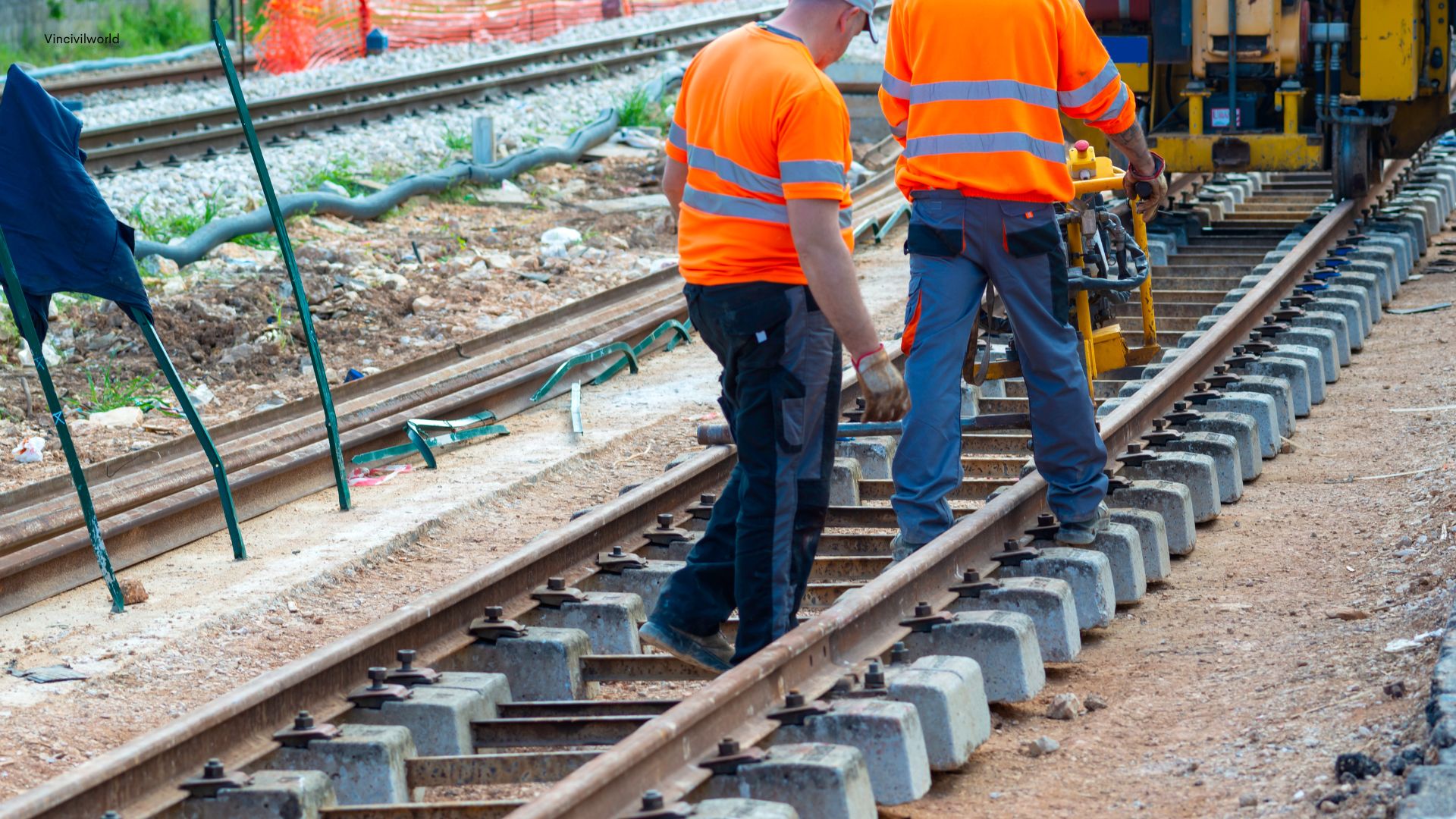
Fastening systems are essential components of a rail track, crucial for keeping the track intact. These rail track components secure the rails to the sleepers, ensuring stability and alignment. They include clips, bolts, and screws, which hold the rails firmly in place, preventing movement and reducing vibrations. As vital railway components, fastening systems help maintain the correct gauge and improve the overall safety and performance of the track. Properly functioning fastening systems are key to the longevity and reliability of rail infrastructure, ensuring trains run smoothly and efficiently.
Fastening in railway is used to connect the rails and sleepers together in their proper positions. The fixtures and fastening used in track fittings are,
- Fish plates
- Spike
- Bolts
- Chairs
- Blocks
- Keys
- Plates
Cool. I will close the chapter of rail fastenings by throwing some light to the functions of rail fastenings.
Functions of Fastening in Railway
Fastening in railway has the following functions.
- Join the rails end to end to form full length of track
- To fix the rails to sleepers
- To maintain the correct alignment of the track
- To provide proper expansion gap between rails
- To maintain the required tilt of rails
- To set the points and crossings in proper position
So, that topic too is over. Next we are going to study about ballast, functions of ballast in particular.
Ballast
Ballast is the broken stone placed or packed below the sleepers to transmit load from sleeper to the formation and at the same time allowing drainage of the track. Ballast is a key component of a rail track, providing the foundation of stability. These crushed stones support the sleepers, facilitating drainage and load distribution. As essential rail track components, ballast maintains track alignment and reduces vibrations. Its function ensures the overall durability and performance of the railway infrastructure.

To better understand about them, let’s have a look at the main functions of ballast.
Functions of ballast
The major functions of ballast are,
- To provide firm and level bed for the sleepers to rest on
- To allow for maintaining correct track level without disturbing the rail road bed
- To drain off the water quickly and to keep the sleepers in dry conditions
- To discourage the growth of vegetation
- To protect the surface of formation and to form an elastic bed
- To hold the sleepers in position during the passage of trains
- To transmit and distribute the loads from the sleepers to the formation
- To provide lateral stability to the track as a whole
Almost at the end of the journey. I will give you a snippet of information about the last member of components of railway track.
Subgrade and embankment- last member of components of railway track
Subgrade is the normally occurring ground which when prepared to receive the blast and track is called formation. Subgrade and formation are crucial components of a rail track, forming the groundwork for the entire structure. These rail track components provide a stable foundation, support the ballast, and ensure proper drainage. Their function is to distribute loads evenly and maintain track alignment, essential for railway infrastructure’s durability and performance.
In a permanent way, rails are joined either by welding or by using fish plates and are fixed with sleepers by using different types of fastenings. Sleepers are properly placed and packed with ballast. Ballast is placed on the prepared subgrade called formation. So, that’s where the importance of subgrade is.
Switches and Crossings: Enabling Train Movement
Switches and crossings are critical components of a rail track, facilitating train direction changes and track intersections. These rail track components ensure smooth transitions and safe passage. Their function is vital in managing train traffic, enhancing the efficiency and flexibility of the railway network.
Rail Joints: Connecting the Rails
Rail joints are essential components of a rail track, connecting individual rail sections. These rail track components ensure continuous rail alignment and stability. Their function is to accommodate rail expansion and contraction, reducing stress and maintaining the integrity of the railway infrastructure.
Railway Track Drainage Systems
Railway track drainage systems are vital components of a rail track, managing water flow and preventing track damage. These rail track components ensure proper drainage, protecting the subgrade and ballast. Their function is crucial for maintaining track stability and prolonging the life of railway components.
Track Bed: Ensuring Even Load Distribution
The track bed is a fundamental component of a rail track, ensuring even load distribution. Comprised of ballast and sub-ballast layers, these rail track components provide support and stability. Their function is to maintain track geometry and absorb stresses from train movements, enhancing overall performance.
Rail Pads and Under Sleeper Pads: Reducing Vibrations
Rail pads and under sleeper pads are essential components of a rail track, designed to reduce vibrations. These rail track components fit between the rails and sleepers, cushioning impacts. Their function is to protect the track structure, improve ride comfort, and extend the lifespan of railway components.
Expansion Joints: Handling Temperature Variations
Expansion joints are critical components of a rail track, allowing for temperature-induced rail expansion and contraction. These rail track components prevent rail buckling and gaps. Their function is to maintain track integrity and ensure safe, continuous train operations under varying temperature conditions.
Railway Electrification Systems: Powering the Trains
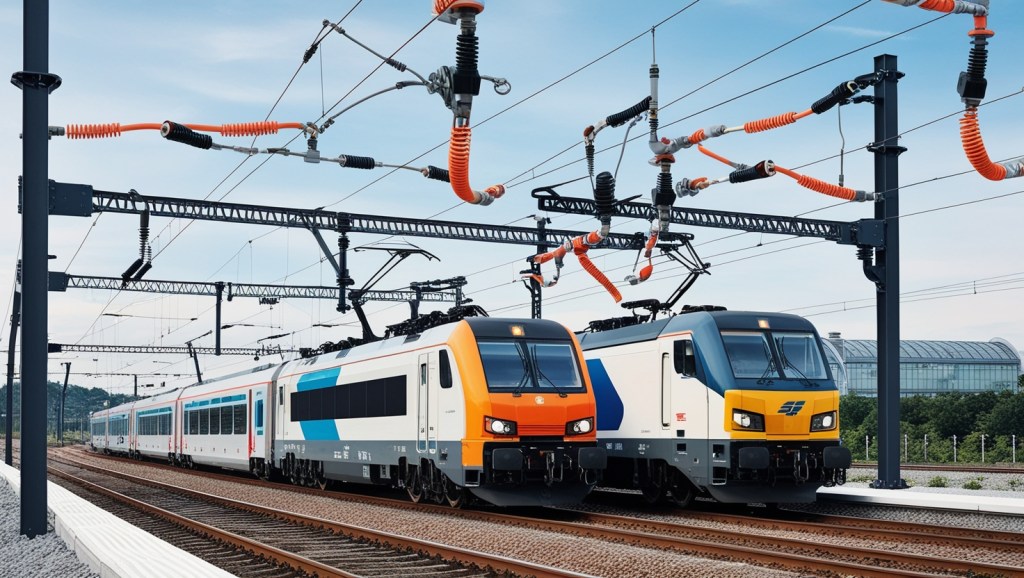
Railway electrification systems are vital components of a rail track, providing electrical power to trains. These rail track components include overhead wires and third rails. Their function is to ensure efficient and reliable train operations, reducing reliance on fossil fuels and enhancing overall railway performance.
So, the article was an introduction to the different components of railway track. We will figure out more in the upcoming article.
Key Takeaways
Understanding the components of a rail track is crucial for maintaining and optimizing railway infrastructure. The main components of a rail track include rails, sleepers, ballast, fastening systems, subgrade, and embankments. Each component has a specific function: rails provide a smooth path for trains, sleepers support and distribute loads, ballast ensures stability and drainage, fastening systems secure rails, and subgrade forms the groundwork. Additional components like switches, crossings, rail joints, drainage systems, track beds, rail pads, expansion joints, and electrification systems enhance the efficiency, safety, and durability of railway tracks. Proper maintenance and knowledge of these railway components are essential for effective rail management.
Conclusion
Railway tracks are intricate systems composed of various components that work in unison to ensure safe and efficient train travel. From the rails and sleepers to the ballast and fastening systems, each element plays a vital role in the track’s overall performance. Understanding the functions of these rail track components helps in maintaining the integrity and longevity of railway infrastructure. Additional components like switches, crossings, drainage systems, and electrification systems further enhance the railway network’s efficiency and reliability. Familiarity with these components of rail tracks is essential for anyone involved in railway management, ensuring optimal operation and safety. Share your thoughts and experiences in the comments below!
MUST READ: Intelligent transportation system: A comprehensive approach to its components
 vin civilworld