
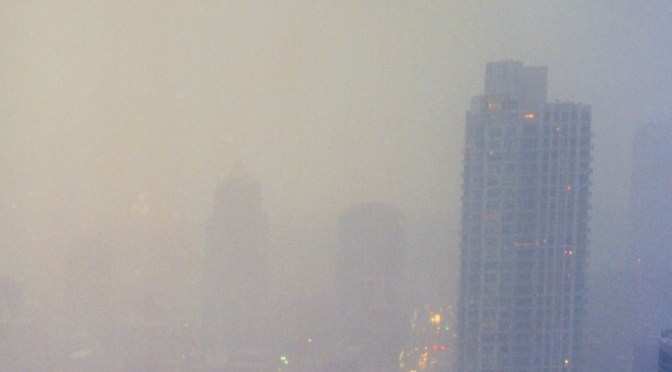
Most of the times you can’t see it or smell it, but air pollutants kill. As the level of air pollutants in our atmosphere are rising at an alarming rate we must be aware of them. In the previous blogs, we had described the causes and effects of air pollution. Today let’s dive deep into various air pollutants.
Let’s get started.
What are Air Pollutants ?
Air pollutants are substances that can contaminate the air and are hazardous to human and other living species’ health. They can be either primary pollutants like dust, smoke, ammonia etc that are emitted directly from their sources or secondary pollutants.
Secondary Pollutants are formed in the atmosphere by chemical reactions between primary pollutants and the other atmospheric constituents. The common examples include ozone, sulphur trioxide, Peroxy Acetyl Nitrate (PAN), ketones etc.
Air Pollutants Types
The Environmental Protection Agency regulates three types of pollutants:
- Criteria air pollutants
- Air Toxics
- Greenhouse Gases
Criteria air pollutants
Criteria Air pollutants include Particulate matter (PM), photochemical oxidants (e.g., ozone), carbon monoxide, sulphur oxide, nitrogen oxide, and lead. They can have a significant impact on public health and wellbeing, the atmosphere and environment, and neighbouring structures.
Air Toxics
The term “air toxics” consists of a list of over 180 air pollutants such as organic chemicals, volatile organic compounds (VOCs), metals, metal compounds, solvents, mercury, arsenic, asbestos, and benzene etc. Even when existent in trace amounts and emitted by fewer sources than criteria pollutants, they have harmful health and environmental impacts.
Greenhouse Gases
Greenhouse gases (GHGs) are gases such as carbon dioxide, chlorofluorocarbons (CFCs), methane, and ozone. They can harm human health. In addition, they contribute to the acceleration of the greenhouse effect on Earth and the resulting impact on global climate.
Major Air Pollutants – Sources and Effects
The sources of air pollutants can be natural or anthropogenic. Check out our previous blog Air Pollution Causes – A Comprehensive Guide for detailed information on various sources of pollutants. Let me describe each of the air pollutants in detail.
Nitrogen Oxides
- Nitrogen oxides, notably nitrogen dioxide, are ejected from high-temperature combustion and created by electric discharge during thunderstorms.
- This reddish-brown poisonous gas has a distinctive sharp, biting stench.
- They appear as a brown haze above cities or as a plume downwind.
- High levels of NO2 can irritate and inflame the lining of your airways.
- This results in asthma or COPD flare-up, as well as symptoms like coughing and difficulty in breathing.
Carbon Monoxide
- CO is a poisonous gas that is colourless and odourless.
- It causes a smog-like buildup in the air.
- CO reacts with haemoglobin in the blood to generate carboxyhaemoglobin when inhaled.
- CO has a 200-fold higher affinity for haemoglobin than oxygen.
- The tissues are deprived of oxygen as a result of this situation.
- When carboxyhaemoglobin saturation levels are about 20%, it affects the heart and destroys tissues by preventing oxygen from reaching them.
- This has been related to a variety of pulmonary ailments as well as environmental problems.
Sulphur Oxides
- Sulphur compounds are common in coal and petroleum, and their combustion produces sulphur dioxide.
- Further oxidation of SO2, usually in the presence of a catalyst like NO2, produces H2SO4, which results in acid rain.
- It also arises from chemical, paper, and fuel manufacturing plants.
- People with asthma or emphysema may find it more difficult to breathe after being exposed to sulphur dioxide.
- It can also irritate the eyes, noses, and throats of people exposed to it.
- Sulphur dioxide can injure trees and crops, cause structural damage, and impair people’s ability to see over long distances.
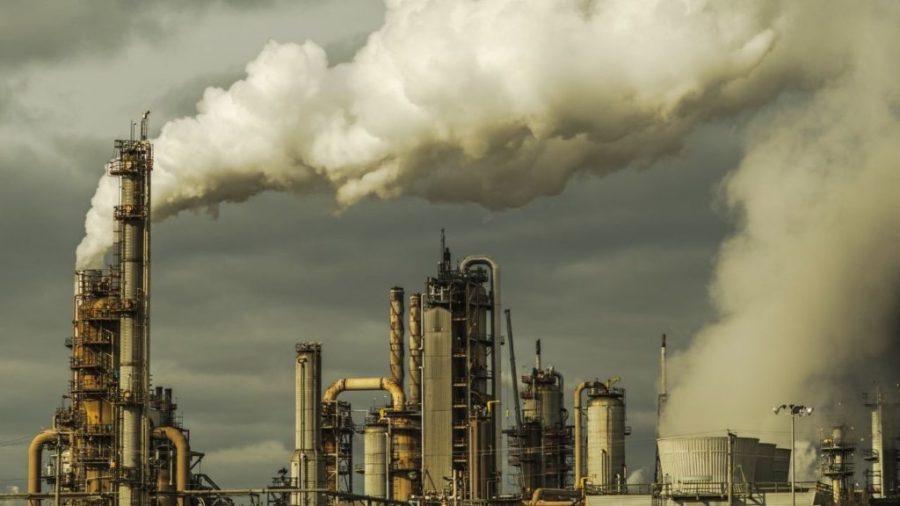
Volatile Organic Compounds
- Compounds with high vapour pressure and low water solubility are known as volatile organic compounds.
- VOCs are man-made substances that are utilised and created in the production of paints, medicines, and refrigerants.
- Industrial solvents, such as trichloroethylene; fuel oxygenates, such as methyl tert-butyl ether (MTBE); or chlorination by-products, such as chloroform, are examples of VOCs.
- The aromatic non-methane VOCs such as benzene, toluene, and xylene are suspected carcinogens. They can cause leukaemia in those who are exposed to them for a long time.
Carbon Dioxide
- The major greenhouse gas emitted by human activity is carbon dioxide.
- Fossil fuel combustion, industrial emissions, wildfire etc. are the main sources of CO2 emissions.
- It traps the solar radiations reflecting from Earth and increases the average temperature of Earth.
- Due to its contribution to the greenhouse effect and climate change, it is often called the worst climate pollutant
- It reaches the Earth’s surface as acid rain.
Particulate Matter
Fine particles, also known as atmospheric particulate matter, are microscopic solid or liquid particles suspended in a gas. Volcanoes, dust storms, forest and grassland fires, and sea spray are all sources of particulate matter. Particulate pollution comprises the following:
PM10: inhalable particles with a diameter of 10 micrometres or less.
Can you imagine how small is 2.5 micrometre? Consider a single hair on your head. The average human hair is 70 micrometres in diameter, which is 30 times the size of the smallest microscopic particle. I hope this makes it clear how they penetrate deep into our lungs.
Aerosols
Aerosols are produced by human activities such as the combustion of fossil fuels in automobiles, power plants, and numerous industrial processes. Anthropogenic aerosols, or those produced by human activity, currently make up around 10% of our atmosphere. Increased fine particle levels in the air have been related to health risks such as heart disease.
Chlorofluorocarbons
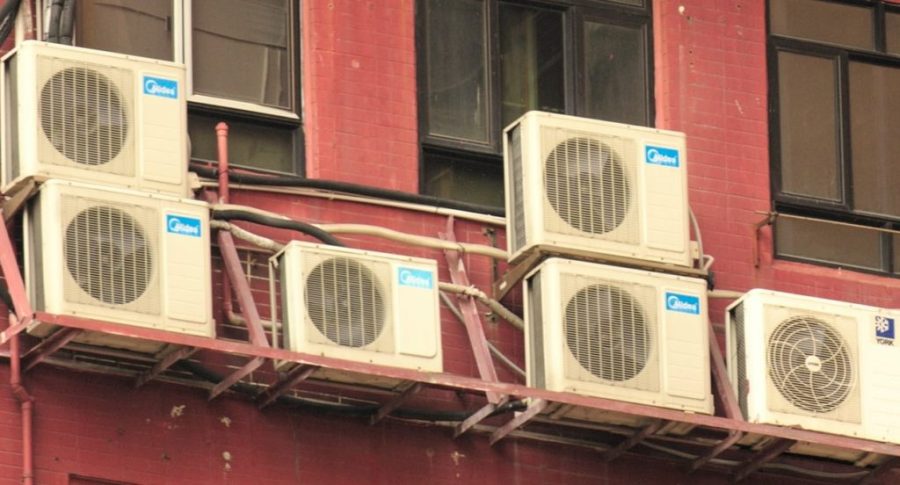
- CFCs are gases emitted by air conditioners, freezers, aerosol sprays, and other similar devices.
- CFCs reach the stratosphere after being released into the atmosphere.
- They interact with other gases here, causing harm to the ozone layer.
- This allows UV radiation to reach the earth’s surface, which are hazardous.
- This can result in skin cancer, eye problems etc.
- As a result, they are currently restricted from usage in products.
Ammonia
Ammonia is a gas that is emitted primarily by agricultural waste. As a precursor to foodstuffs and fertilisers, it contributes considerably to the nutritional demands of terrestrial species. It is both corrosive and toxic, despite its widespread use. Ammonia combines with nitrogen and sulphur oxides in the atmosphere to generate secondary pollutants.
Ozone
- Carbon monoxide (CO), methane (CH4), or other volatile organic compounds (VOCs) are oxidised in the presence of nitrogen oxides (NOx) and sunlight to form ozone.
- As a result, ozone is most abundant in the summer.
- Ground-level ozone is a primary component of photochemical smog.
- It is a significant health hazard connected to breathing issues, asthma, deterioration of lung function, and respiratory disorders.
- People with asthma may experience more frequent asthma attacks as a result of ozone exposure, as well as sore throats, coughing, and breathing difficulties.
- It could potentially result in premature death. Plants and crops can be harmed by ozone.
Lead
Lead is a neurotoxin. It was earlier used in petrol as an antiknocking agent. The fine particles emitted through automobile exhausts reaches the lungs and settles down there. At higher levels in the blood, it interferes with haemoglobin production. This results in oxygen starvation and anaemia. Higher levels lead to behavioural disorders.
Cadmium
Cigarette smoking is the main contributor to cadmium in the atmosphere. It can cause hypertension, cardiovascular diseases, kidney and liver damage.

Nickel
Finely divided nickel can react with carbon monoxide and forms Nickel Carbonyl. It is also formed in cigarette smoke. When it reaches our lungs it breaks down and deposits finely divided nickel inside our lungs. This is the main cause of lung cancer.
Mercury
Mercury enters the aquatic systems and soil from the atmosphere through acid rain. The adverse effects of mercury poisoning include chromosomal aberrations, neurological damage and even death. It can damage the cerebellum and cortex of brain by penetrating the membranes separating bloodstream from the brain.
So, we had taken a quick trip understanding all the major air pollutants. In case of any doubts, feel free to ask in the comments.
Happy Learning!


 vin civilworld