Tag Archives: Environmental engineering

What are E-wastes? | Classification and Recycling

E-waste management addresses the growing challenge of handling discarded electronic devices in a safe and sustainable manner. To understand this issue, it is important to know what is e-waste and how rapid technological advancement increases electronic waste generation. Identifying the types of e-waste helps in sorting and handling different electronic components effectively. Proper e-waste classification supports safe handling, treatment, and compliance with environmental regulations. An efficient e-waste recycling process ensures recovery of valuable materials while reducing environmental pollution. Moreover, electronic waste recycling plays a vital role in conserving natural resources and minimizing health risks. Effective e-waste management promotes environmental protection, resource efficiency, and sustainable development in modern societies.

India ranked third in the world in terms of E-waste production last year, behind China (10.1 million tonnes) and the United States (3.2 million tonnes) (6.9 million tonnes). Consumers waste 44 million tonnes of electronics per year, according to a 2019 United Nations study titled “A New Circular Vision for Electronics, Time for a Global Reboot,” and just 20% of that is recycled sustainably. According to the Global E-Waste Monitor 2020, customers discarded 53.6 million tonnes of electronics in 2019, an increase of 20% over the previous five years.

Shocking right? Can you imagine tonnes and tonnes of E-waste piling up? Think of the damage it would do to our mother nature. But what if I say there’s an alternative? Yes, you heard me right. I am talking about recycling or management of the Electronic-waste.

In this blog, I will walk you through Electronic-waste management , different types and its recycling process.

  1. What is e-waste ?
    1. Types or classifications of e-waste
  2. Significance Electronic waste management and recycling
  3. E-waste recycling process
    1. Shredding, Separation, and Material Recovery in E-waste Recycling
  4. Benefits of Recycling
  5. Key Takeaways
  6. Conclusion

What is e-waste ?

E-waste, or electronic waste, refers to discarded electrical and electronic equipment that is no longer usable, repairable, or required. Common examples include computers, mobile phones, televisions, household appliances, and office electronics. As technology evolves rapidly, the generation of electronic-waste continues to increase worldwide. Improper disposal of e-waste can release harmful substances such as lead, mercury, and cadmium into the environment, posing serious risks to human health and ecosystems. Proper handling and recycling of e-waste allow the recovery of valuable materials like metals and plastics while reducing environmental pollution. Understanding what e-waste is helps promote responsible disposal practices and supports sustainable waste management solutions.
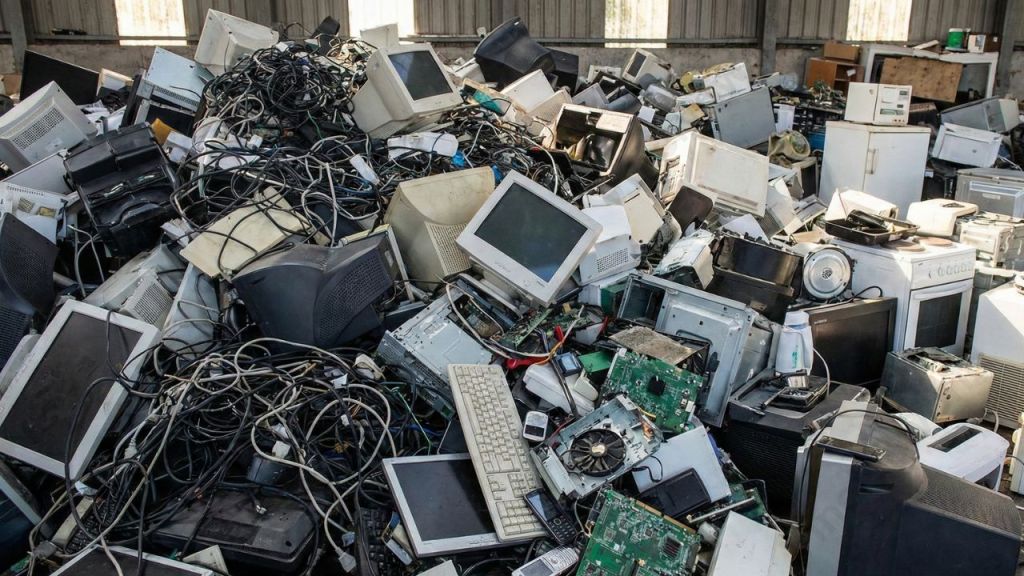
A large pile of discarded electronic devices, including old computers, monitors, keyboards, and tangled cables, in a warehouse setting.
A large pile of discarded electronic devices, highlighting the growing issue of e-waste.

Types or classifications of e-waste

Types of e-waste are classified based on the nature, size, and function of electronic equipment. Proper classification helps in safe handling, efficient recycling, and environmentally responsible e-waste management practices.

The European Directive on Waste Electrical and Electronic Equipment divides waste into ten categories: 

  1. Small household appliances
  2. IT equipment (including monitors)
  3. Consumer electronics (including TVs)
  4.  Lamps 
  5. Luminaires
  6. Toys
  7. Tools
  8. Medical devices
  9. Monitoring and Control Instruments,
  10. Automatic dispensers

Let me brief about the importance of recycling E-waste.
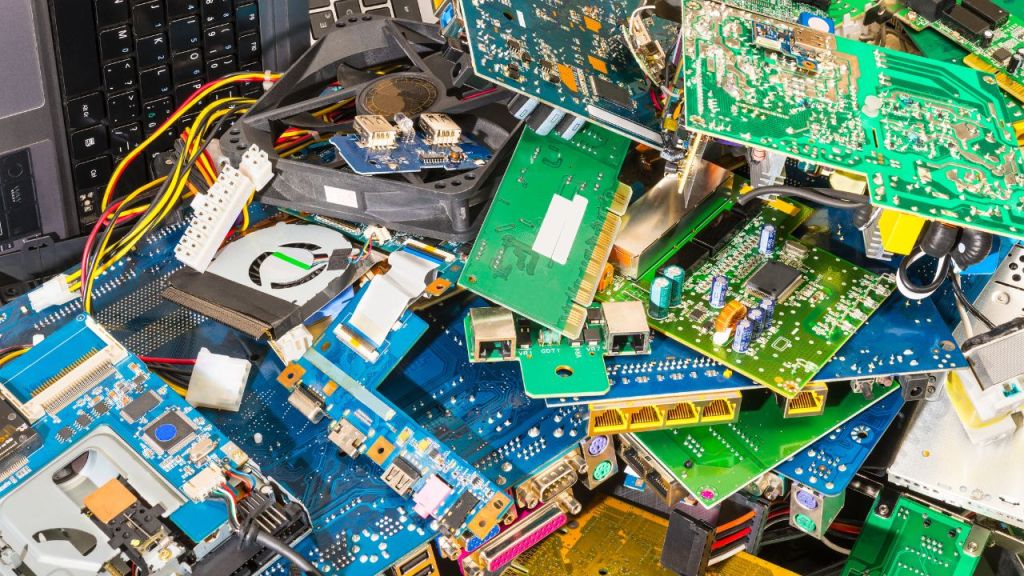
A cluttered pile of various electronic circuit boards and components scattered around, featuring an assortment of colors and types, with a keyboard and wires visible in the background.
A close-up view of various electronic waste components, illustrating the complexity and volume of e-waste generated in modern society.

Significance Electronic waste management and recycling

E-waste management is essential in addressing environmental challenges. It also helps with health challenges caused by the rapid growth of discarded electronic devices. Effective electronic waste recycling helps recover valuable materials, reduces pollution, and supports sustainable development by ensuring safe handling and proper disposal of electronic waste.
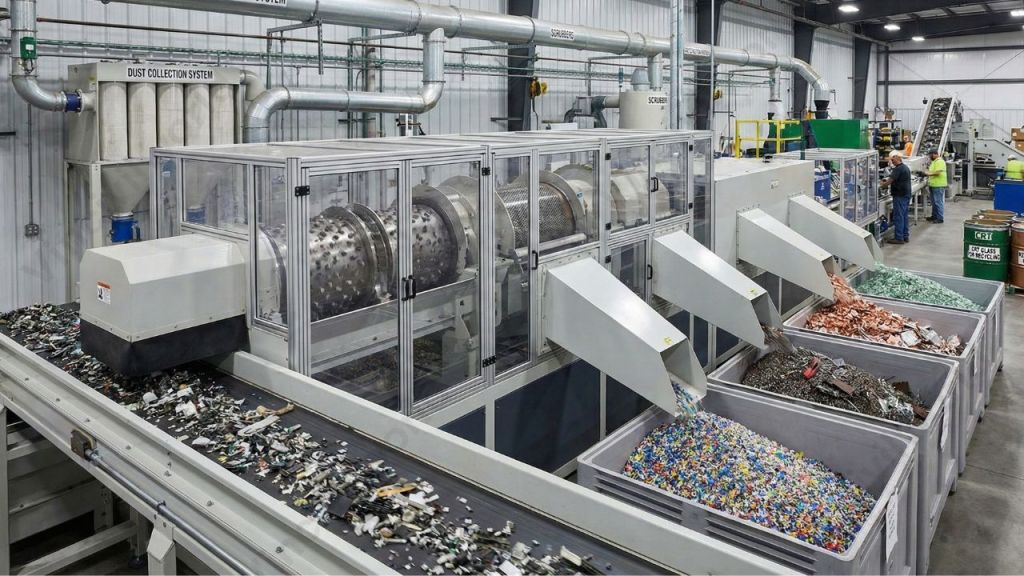
An industrial recycling facility featuring a conveyor belt with mixed waste, sorting machines, and bins for various types of recyclable materials.
An advanced e-waste recycling facility showcasing the shredding and separation process for efficient electronic waste management.

E-waste management is incomplete without recycling. Let’s see the reasons.

  • The aim of extracting metals and plastic from electronic waste is to use them in the manufacture of new electronics.
  •  Recycled metals are two to ten times more energy-efficient than metals smelted from raw ore.
  •  It’s used in tablets, smartphones, and electric car batteries.
  • According to the most recent estimates, the global value of e-waste is about $62.5 billion per year, which is more than the GDP of most countries.  It’s also worth three times what all of the world’s silver mines produce.
  • It can significantly minimise the release of radioactive materials into the atmosphere.
  • Helps to prevent the depletion of natural resources if properly implemented.
  • Reduces exposing workers to toxic and carcinogenic substances like mercury, lead, and cadmium.

E-waste recycling process

E-waste management depends on a well-structured recycling process that ensures safe handling, efficient material recovery, and environmentally responsible disposal of electronic waste. A step-by-step recycling approach reduces pollution, protects human health, and supports sustainable resource utilization.

Recycling printed circuit boards from electronic waste is one of the most difficult tasks. Gold, silver, platinum, and other precious metals, as well as base metals like copper, iron, and aluminium, are used on the circuit boards. 

Some of the ways of processing e-waste includes:

  • Melting circuit boards
  • burning cable sheathing to retrieve copper wire
  •  open-pit acid leaching 

Mechanical shredding and separation is the traditional process, but the recycling efficiency is poor. Cryogenic decomposition is an alternative method for recycling printed circuit board.
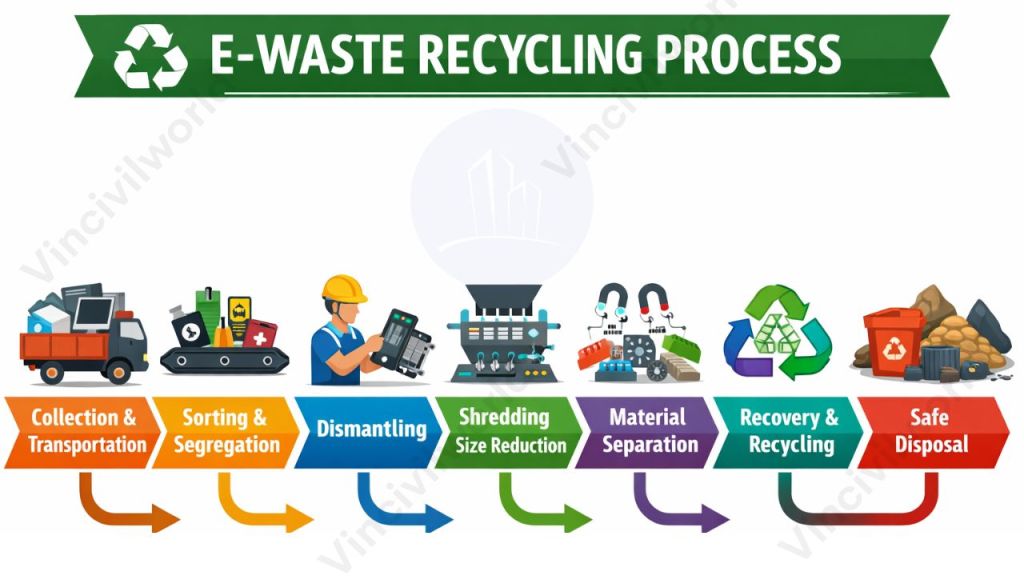
Infographic illustrating the e-waste recycling process, including steps such as collection, sorting, dismantling, shredding, material separation, recovery, recycling, and safe disposal.
Illustration of the E-waste recycling process, highlighting key steps like collection, sorting, dismantling, shredding, material separation, recovery, and safe disposal.

Shredding, Separation, and Material Recovery in E-waste Recycling

  • After dismantling, the material for shredding is conveyed into a crude mechanical separator, where size reduction begins. This stage plays a critical role in effective e-waste management by preparing materials for accurate separation.
  • The system uses screening and granulating machines to separate the constituent metal and plastic fractions. Once separated, these fractions are directed toward appropriate recovery streams and are sold to smelters or plastic recyclers for further processing.
  • This type of recycling equipment is fully enclosed and fitted with a dust collection system to prevent airborne contamination. Additionally, scrubbers and window-based capture systems collect a portion of the pollutants generated during shredding and granulation.
  • Following this, glass, plastic, and ferrous and non-ferrous metals are isolated using magnets, eddy current separators, and Trommel screens. These materials undergo further refinement at smelters.
  • CRT glass is recycled into products such as car batteries, ammunition, and lead wheel weights, or sold to foundries for use as a fluxing agent in raw lead ore production. Valuable metals including copper, gold, palladium, silver, and tin are recovered and sold to smelters for reuse.
  • To protect the atmosphere, hazardous smoke and gases are detected, contained, and treated. Through these techniques, all useful device construction materials are safely reclaimed, ensuring environmentally responsible and efficient e-waste management.
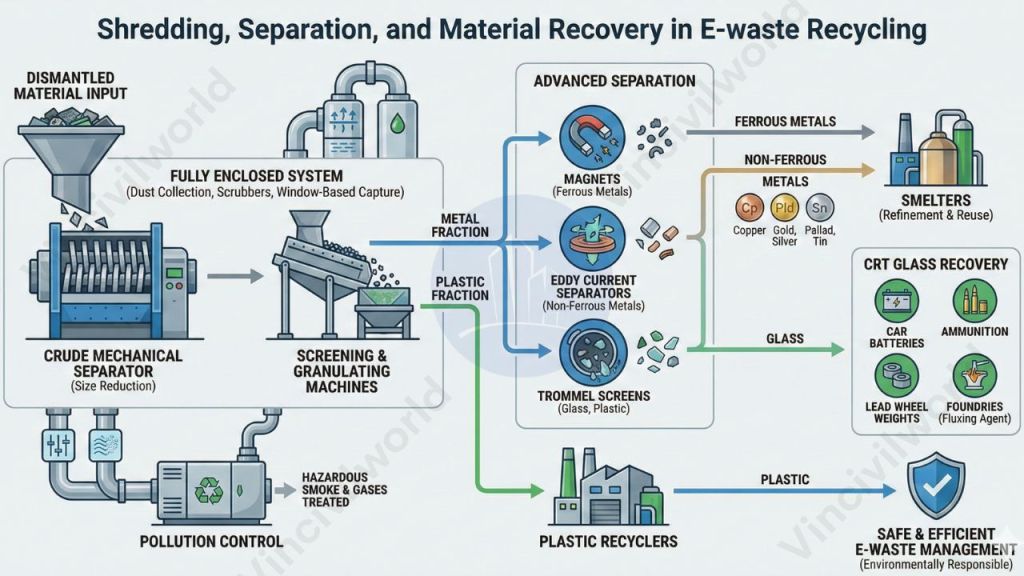
Infographic illustrating the process of shredding, separation, and material recovery in e-waste recycling, including stages like dismantled material input, crude mechanical separation, advanced separation for metals and plastics, and pollution control measures.
Diagram illustrating the shredding, separation, and material recovery processes in e-waste recycling.

Also read : Air pollution – effects and causes

Benefits of Recycling

  • The most successful solution to the growing e-waste issue is to recycle raw materials from end-of-life electronics. 
  • Recycling preserves our natural resources. 
  • Dismantling and reuse options prevent air and water contamination induced by hazardous disposal.
  • Furthermore, recycling decreases the amount of greenhouse gas emissions generated by new product production. 

Key Takeaways

  • E-waste management addresses the safe handling and disposal of discarded electronic devices.
  • Rapid technological advancement has significantly increased global electronic waste generation.
  • India ranks among the top e-waste–producing countries, highlighting the urgency of proper management.
  • Understanding what is e-waste helps promote responsible disposal and recycling practices.
  • Proper types and classification of e-waste support efficient collection and treatment.
  • Recycling enables recovery of valuable metals such as gold, copper, and silver.
  • Effective electronic waste recycling reduces environmental pollution and health risks.
  • Advanced recycling processes improve material recovery efficiency.
  • E-waste recycling conserves natural resources and saves energy.
  • Sustainable e-waste management supports environmental protection and circular economy goals.

Conclusion

E-waste management has become a critical environmental priority due to the rapid growth of discarded electronic devices worldwide. Understanding what e-waste is, along with its classification and recycling methods, helps address the environmental and health challenges associated with improper disposal. Efficient electronic waste recycling recovers valuable materials, reduces pollution, and minimizes the release of toxic substances into air, soil, and water. In countries like India, where e-waste generation is rising sharply, strong regulations and public awareness play a vital role in effective implementation. By adopting structured recycling processes and responsible consumption habits, societies can conserve resources, reduce energy use, and promote sustainable development.

Proper e-waste management is essential for protecting ecosystems and ensuring a cleaner, healthier future. Considering the huge volume of E-waste generated everyday recycling them is the need of the hour. India has formulated and notified its strategy to tackle e-waste through the e-waste (Management) Rules, 2016. Recycling reduces pollution, saves energy and conserves resources.

That’s it about E-waste. Hope you found it useful.
Activated Sludge Process – Stages and Process Control

The activated sludge process is a widely used and highly effective method in wastewater treatment, employing aerobic microorganisms to remove organic pollutants efficiently. This guide covers the activated sludge process definition, stages, and diagram, while explaining its role in secondary wastewater treatment for producing high-quality effluent. You will understand how aeration tanks, wastewater treatment microorganisms, mixed liquor suspended solids (MLSS), and return activated sludge (RAS) work together to maintain stable and efficient system performance. The activated sludge process in wastewater treatment relies on proper aeration, controlled sludge recycling, and effective process monitoring. Due to its reliability, adaptability, and high treatment efficiency, activated sludge wastewater treatment remains the preferred choice for many municipal and industrial wastewater treatment plants, ensuring consistent performance and environmental compliance.

Activated Sludge Process is a globally used wastewater treatment technique. In the previous blogs, I had shown you the various secondary wastewater treatment techniques. In this blog, we will dig deep into this widely used technique of activated sludge process, its configuration, process control and aeration methods.

Activated sludge Process – Definition

The activated sludge process is a type of wastewater treatment that uses aeration. It involves a biological floc made up of bacteria and protozoa to clean sewage or industrial waste waters. This process is biological and has various applications. It includes oxidising carbonaceous biological matter. Additionally, it deals with nitrogenous waste in the biological matter, mostly ammonium and nitrogen.

Before starting make sure that you take a quick glance through the blog, Wastewater Treatment- Stages and Process full details for better understanding

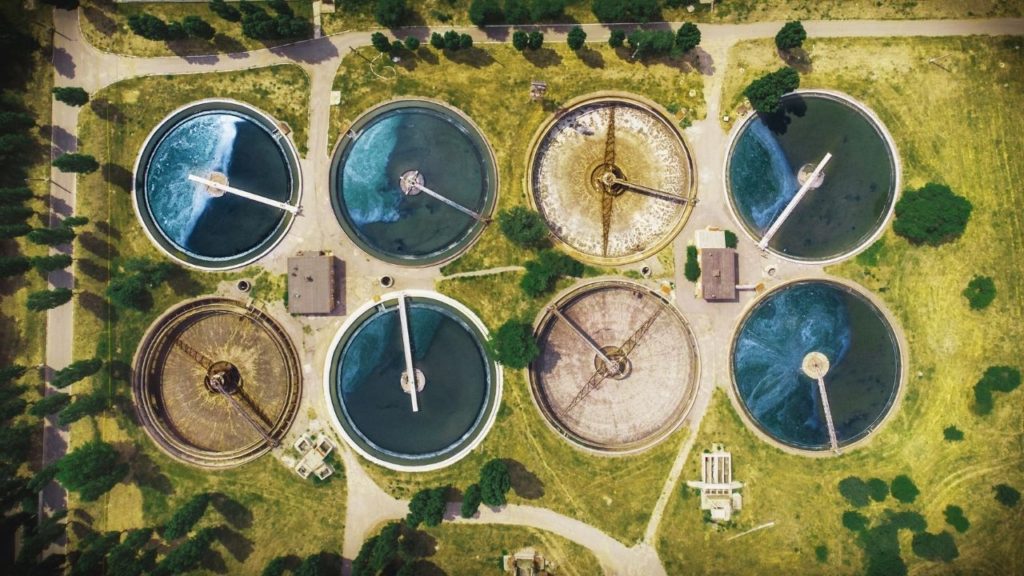
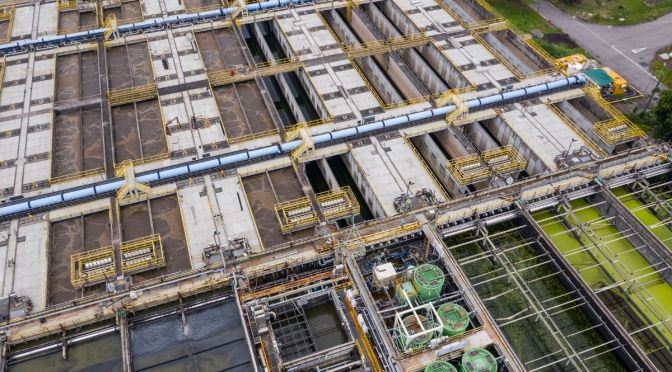
Aerial view of multiple circular wastewater treatment tanks with varying water clarity, surrounded by greenery.
Aerial view of multiple aeration tanks used in the activated sludge process for wastewater treatment.

The activated sludge process employs aerobic microorganisms that can digest organic substances in sewage. Also, they have the ability to cluster together via flocculation. The flocculated particles settle out as sludge. As a result, the liquid coming out is relatively free of suspended solids and organic matter.

Activated Sludge Process – Stages, Configuration, and Diagram

The activated sludge process is a widely used secondary wastewater treatment method. It removes carbonaceous organic pollution through aerobic biological activity. The configuration of an activated sludge wastewater treatment system consists of interconnected units that operate together to ensure efficient treatment.

Aeration Tank

The aeration tank is the heart of the activated sludge process in wastewater treatment. Primary treated sewage is mixed with microorganisms, forming mixed liquor suspended solids (MLSS). Air or oxygen is supplied using diffusers or mechanical aerators to support aerobic microbes. These microorganisms consume organic matter and convert it into stable end products.

Secondary Settling Tank (Secondary Clarifier)

The mixed liquor flows into the secondary settling tank, where biological flocs settle by gravity. Clarified effluent overflows for further treatment or discharge. Settled sludge collects at the bottom.

Sludge Recycling System

A portion of the settled sludge is returned as Return Activated Sludge (RAS) to maintain microbial concentration in the aeration tank. Excess sludge is removed as Waste Activated Sludge (WAS) to control sludge age and system stability.

Advanced control systems regulate aeration, sludge recycling, and flow rates, ensuring stable and efficient secondary wastewater treatment performance.

Now, how about looking deep into what happens inside an activated sludge process?

Diagram illustrating the activated sludge process, featuring an aeration tank, mixed liquor, secondary clarifier, return activated sludge (RAS), and waste activated sludge (WAS).
Diagram illustrating the activated sludge process, featuring the aeration tank, secondary clarifier, mixed liquor, return activated sludge (RAS), and waste activated sludge (WAS) pathways.

Activated Sludge Process Steps

The activated sludge process operates through a series of well-defined stages that enable effective secondary wastewater treatment. Each stage supports biological activity, sludge separation, and recycling to achieve high organic pollutant removal and regulatory compliance.

  • After primary treatment, wastewater enters into an aeration tank. A portion of sludge from the secondary settling tank also enters.
  • Organic matter comes into close contact with sludge from the secondary settling tank. Sludge is densely populated with microorganisms that are actively growing.
  • Diffusers or surface aerators inject air in the form of bubbles into the sewage-sludge mixture.
  • Microorganisms break down organic matter into stable chemicals like NO3, SO4, and CO2 while also producing new bacterial cells.
  • The effluent along with the actively growing microbial population passes to the secondary settling tank.
  • The secondary settling tank separates the aeration tank’s effluent, which contains flocculent microbial matter into supernatant and sludge. The treated supernatant undergoes further treatment before discharge.
  • This sludge from the settled waste returns to the aeration system’s inlet to re-seed the new wastewater reaching the tank. Return activated sludge (R.A.S.) is the fraction of the floc that returns to aeration tank.
  • The remaining sludge goes to sludge digesters for further treatment and safe disposal.

“Mixed liquor” refers to the combination of the liquid and microorganisms in the aeration tank. The suspended solids are called “Mixed Liquor Suspended Solids” (MLSS).

In the next section, we will find out the basic process control parameters in an activated sludge process.

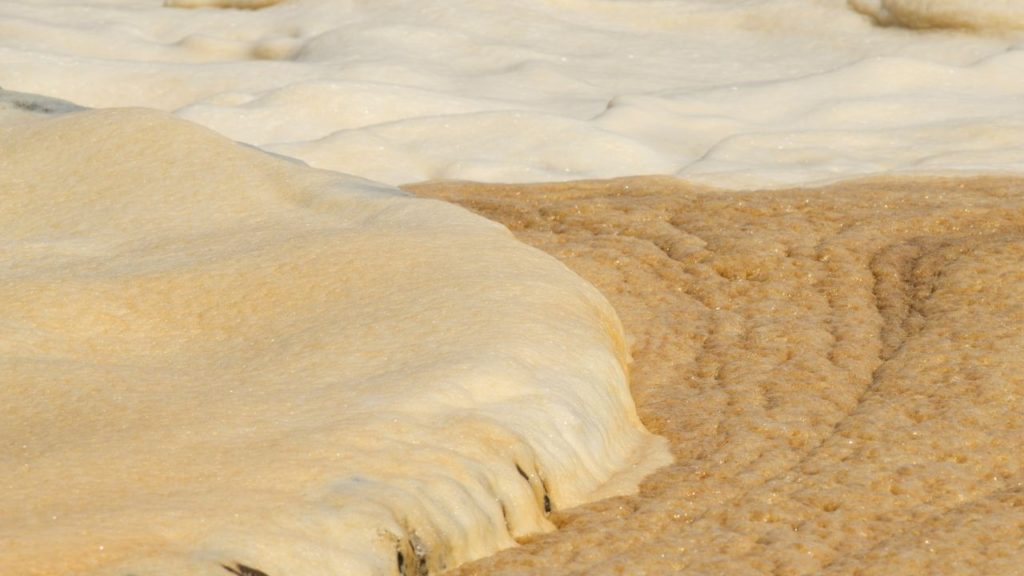
Close-up of foam and sediment in a wastewater treatment process, illustrating the activated sludge process used for organic pollutant removal.
Foamy surface of wastewater during the activated sludge process, illustrating the aeration and microbial activity involved in organic matter treatment.

Process Control in Activated Sludge Process

The general process control method monitors the following variables:

  • Sludge Volume Index (SVI)
  • Mean Cell Residence Time (MCRT)
  • Food to Microorganism Ratio (F/M)
  • Dissolved oxygen (DO)
  • Biochemical oxygen demand (BOD)
  • Chemical oxygen demand (COD)

Let me explain these parameters in detail.

Sludge Volume Index

Sludge Volume Index measures the volume of settled sludge in milliliters. This volume is occupied by 1g of dry sludge solids after 30 minutes of settling in a 1000 milliliter graduated cylinder. It gives a measure of the settling ability of the sludge. SVI ranges from 40 to 100 for a good sludge which settles down easily. Bulking Sludge is a biomass consisting of filamentous organisms with very poor settling characteristics. For a bulking sludge, SVI value can exceed 200. Sufficient pH control, adequate aeration and addition of hydrogen peroxide to the aeration tank prevents bulking.

Mean Cell Residence Time

Mean Cell Residence Time is the ratio of total mass (lbs) of mixed liquor suspended solids in the aerator and clarifier to the mass flow rate (lbs/day) of mixed liquor suspended solids leaving as final effluent.

Food to Microorganism Ratio

The Food to Microorganism Ratio indicates how much organic matter is fed to the microorganisms each day. It is relative to the mass of microorganisms under aeration. In other words, it is the ratio of the amount of BOD fed to the aerator (lbs/day). It is compared with the amount (lbs) of Mixed Liquor Volatile Suspended Solids (MLVSS) under aeration. 

Main Control Parameters

The mean cell residence time and F/M Ratio are the main control parameters used industrially. Both are directly related to the effluent quality. However, it is tedious to control the plant on the basis of the F/M ratio since it necessitates a lot of laboratory work to find the BOD and MLSS in the system. Therefore, the mean cell residence time is the best choice for controlling an activated sludge system.

Now you got an idea about the entire process and its important parameters. Next, we move on to the various aeration methods.

Aeration Methods in Activated Sludge Process

The decomposition of organic waste requires a very high concentration of oxygen at the initial stages of contact between microorganisms and the organic matter. The conventional systems usually maintain a plug flow hydraulic regime and keeps aeration and a mixing at an uniform rate along the entire tank. As a result, the oxygen concentration drops rapidly in the inlet and this can harm the microbes.

At the outlet, there is a surplus of oxygen which is not necessary and leads to economical losses. In order to match the oxygen supply and demand along the entire journey of wastewater from inlet to outlet, the mode of aeration needs some modifications. Let’s have a look at the different aeration methods in an activated sludge process.

Diffused Aeration

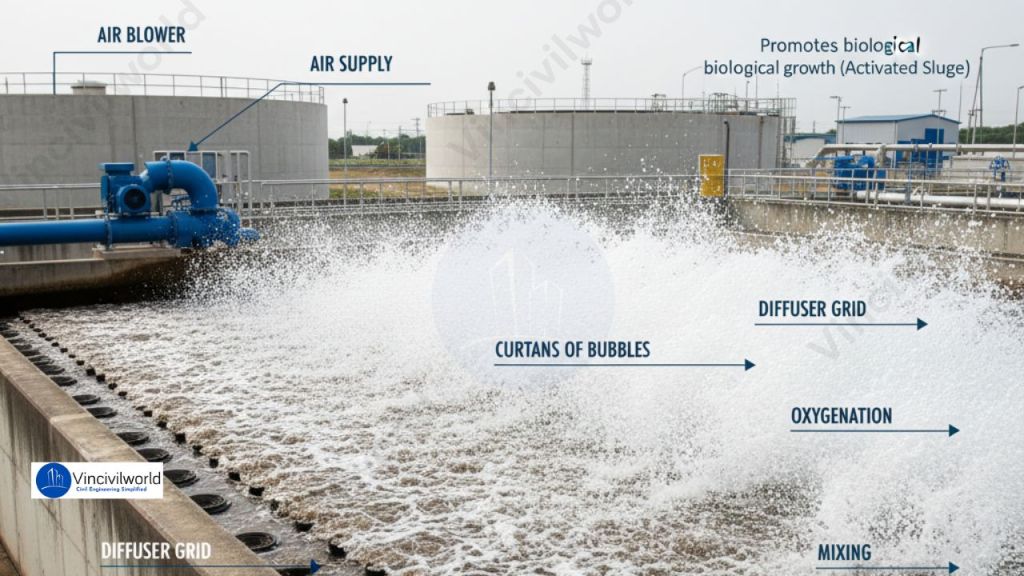
Sewage liquor is pumped into large tanks with floor-mounted diffuser grid aeration devices. Passing air creates a curtain of bubbles that oxygenates the liquor while also mixing it. An air blower usually creates the air. Oxygen replaces air for unusually strong and difficult to treat sewage.

Aeration tank in activated sludge process featuring air supply and diffuser grid for oxygenation, promoting biological growth with visible bubbles.
Diffused aeration system in activated sludge process, promoting oxygenation and biological growth.

Tapered Aeration

The organic waste needs more oxygen at the inlet. As it degrades progressively its oxygen demand decreases. Tapered aeration works on this principle. Aeration is intense at the inlet and decreases progressively along the length of the aeration tank. As this method involves the more efficient use of air, it results in savings in the pumping costs too.

Step Aeration

This method aims to equalize the oxygen supply and its demand. It introduces fresh feed at several points in the aeration tank, while keeping the rate of oxygen supply constant. This ensures a more even oxygen distribution over the entire tank and throughout the aeration stage. Baffles divide the aeration tank into several channels with each channel representing one step of the process.

Complete Mix Activated Sludge Process

In complete mix process, the aeration tank receives a mixture of fresh feed and recycled sludge at several locations within the tank. This ensures a constant supply and demand of oxygen along the length of the tank.

Contact Stabilisation

The microbial mass comes in contact with wastewater for short durations of time, approximately 0.5 to 1 hour in the biosorption unit. An anaerobic digestion unit stabilizes the resulting sludge after a retention period of about 2-3 hours. In the digestion unit, microbes consume the organic wastes removed in the biosorption unit. Since we stabilize the return sludge with higher solid concentrations, this reduces the volume of the aeration tank.

Pure Oxygen Activated Sludge Process

This type of activated sludge process supplies pure oxygen instead of air. It recirculates this oxygen into well mixed and converted chambers. Conventional processes utilize only 5-10% of oxygen. In contrast, the pure oxygen activated sludge process ensures about 90% utilization of oxygen. Further, it results in higher bacterial activity, lower sludge volume and sludge with better settling characteristics.

That’s it about activated sludge process. Let us know in the comments if you wish to know more.

Key Takeaways

  • The activated sludge process effectively treats wastewater using aerobic microorganisms to remove organic pollutants.
  • Key stages include aeration tanks, secondary settling tanks, and sludge recycling to maintain treatment efficiency.
  • Proper aeration and control parameters like SVI and F/M Ratio are essential for optimal performance.
  • Various aeration methods, such as diffused and tapered aeration, improve oxygen supply and microbial activity.
  • This process provides a reliable solution for secondary wastewater treatment, ensuring cleaner effluent.

Conclusion

The activated sludge process is a proven method for secondary wastewater treatment. It is highly efficient and used worldwide. This process removes organic pollutants from sewage and industrial wastewater. This process promotes aerobic microbial activity in aeration tanks. It achieves effective BOD reduction, suspended solids removal, and stable effluent quality. Proper control of operational parameters, such as dissolved oxygen, MLSS, and sludge age, ensures consistent system performance. It also prevents common issues like sludge bulking. With multiple activated sludge process configurations and aeration methods, the system can adapt to varying wastewater loads and treatment requirements. Due to its flexibility, reliability, and high treatment efficiency, the activated sludge process remains a cornerstone of modern biological wastewater treatment systems and sustainable water management.