

Concept of green building is a buzz word at present, right? Because it has been a now or never situation to save nature. Therefore, you will come to understand the concept of green building and complete details in the blog.
Why concept of green building is important?
i. Protect occupant health
ii. Optimal environmental and economic performance
iii. Reduce overall impact to the environment
iv. Quality indoor spaces
v. Improve employee productivity
vi. Use energy, water and other resources more efficiently
vii. Increased market value of the building
Now that you have the answer to the big y, shall we move on to the main elements to incorporate the concept of green building in your home?
Let’s dig in systematically and find out what exactly each concept of green building implies.
a.)First Concept of green building- Powerful sites
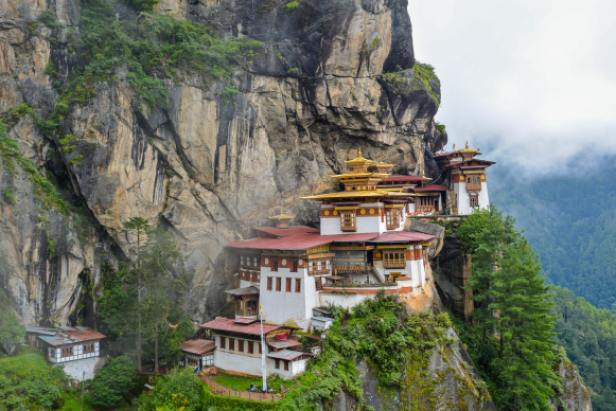
- Site selection
A canvas is as important as the drawing brush. So is a site of construction in concept of green building. The following points are to be considered diligently.
- Set preliminary environmental performance targets
A well revised plan is the ablest key. The plan should take into account the inevitable like water, energy, materials, waste, the mode of construction, indoor environmental quality, and economic performance.
- Select appropriate land
We have two options in handy during a hunt for a building. Either we can renovate existing structures or select a land. If you are going for later, make sure that is a short walk from public transit, pedestrian and bicycle routes, exists in an already-urbanized area, is walking distance from amenities, is already serviced by the requisite urban infrastructure (roads, utilities, etc.), is a brownfields site and remediate it, allows infill development and allows mixed-use development. And the important point to be noted is that the land shouldn’t come under any restricted zones such as farmlands, the natural habitat of wildlife, wetlands, waterways.
2. Site design
This is a vital facet of the concept of green building and opens up wide possibilities to embed creativity of a civil engineer for the purpose. It includes,
A. Protect or enhance site’s ecological integrity and biodiversity
The color green itself highlights the importance of this aspect. The construction should be such that it preserves the site’s natural areas, re-establishes damaged native ecosystems and makes connections between the natural ecology of the site and natural systems both within and beyond the site.
B. Reduce or eliminate disturbance to water system
You can celebrate your life with the natural water conservation methods by making them into attractive landscape elements. Also increase site infiltration where soil conditions allow by maintaining the natural pervious landscape or designing a pervious landscape. Use pervious surfaces for as much as possible of the surfaces that are usually paved where soil conditions permit. capturing rainwater for site or building use is also a simple act to contribute to this.
C. Reduce urban heat islands
Maximize green space through the clever designing techniques including native gardens, trellises, roof gardens, green walls etc. and provide shade on impervious surfaces where high-albedo materials cannot be used.
D. Design infrastructure to support alternative transportation
In between the continuous run to balance work and life, there is no way you can compromise on this aspect. Location of the building should be such that it has access to public transit, bike routes, and pedestrian routes. And the feature should encourage walking, bicycling and battery operated vehicles, by designing attractive, safe pedestrian and cycling infrastructure.
3. Building orientation& configuration
The orientation of the building and the configuration of each element is significant to make a strong connection with nature. Use existing and proposed trees & plantings to reduce heating, cooling, and lighting loads and utilize the site resources to reduce building loads and enhance indoor environmental quality. Finally, orient the building to optimize prevailing winds and solar opportunities.
b.) Second concept of Green building- Wizardry in construction

After setting up the site, the next concept of green building is obviously construction. Here, we have the opportunity to take out the technical skills to weave the green blanket for our building.
i. Design stage
- Choose environmental friendly materials
Try to use recycled and efficient materials, Use locally harvested or manufactured materials and materials that cause very less damage to nature as much as possible. You can find more elaborate details in A JOURNEY TO ECO- FRIENDLY MATERIALS
- Design for reuse
Design a structure that allows for changes in use over time.Select building systems that can be deconstructed at the end of the building’s useful life.This is where the importance of a good design team arises.
- Design envelope
Design envelope to reduce heating, cooling, lighting, and ventilation loads. Also it should incorporate all possibilities that make it energy efficient and allows for maximum natural light without glare and pollution and maximum wind intake. Remember to consider individual control for all the features because that is a determining factor of the comfort of the residents.
- Reduce or prevent the use of potable water to treat human waste
Installation of water-efficient toilet fixtures and alternative wastewater technologies like constructed wetlands and monitoring the usage with something like water meters is very efficient to make sure that we protect each drop of water and ourselves.
- Reducing impact of environment
While ozon depletion is growing on a daily bases, let’s do our bit to reduce it.Use HVAC systems, refrigerants and fire-suppressant equipment that do not contain CFCs, HCFCs or Halons.
ii. Building stage
- Prevent erosion during construction
The prevention of erosion is important because properly done, it will also prevent the accompanying air pollution, and sedimentation of streams and storm sewers. Different strategies like maintaining or providing vegetated ground cover and controlling erosion with mulch or grass can be done.
- Minimize the disposal of construction waste
A formal waste management plan can be adopted for minimizing the construction waste envisaging reuse, recycle or salvage the waste for later reuses.
c.) Third Concept of green building -Showering aura through energy & water efficiency
This is the highlight of the concept of green building. First, let’s close the deal with energy efficiency.
Thanks to technology and the human quest for innovation, new techniques and strategies are emerging every day. Smart home technology is one of the blessings in which interesting products like highly programmable thermostats reduce your heating and cooling bills and saves the environment by reducing energy production. Furthermore, your heating, ventilation, and air conditioning (HVAC) system works more efficiently, meaning less wear-and-tear on the system and longer life.
Another remarkable trend is energy star windows that reduce heating and cooling costs and thereby rise in home values. To boost the windows’ insulating effect, you can draw blinds in both summer and winter. Also, seal all air leaks in the house with caulk or weather stripping and clean and change furnace filters frequently. Having all the new lessons taken, don’t forget your roots. Aid renewable energy as much as possible.
So, you have set up your home for better energy treatment.
Now let’s see the practices for methodical water management.
Use rainwater collected for suitable domestic purposes and Install tank less water heaters, which heat up water at the source that avoids having to run the tap to bring hot water from a remote water heater. See more details about rainwater harvesting at RAINWATER HARVESTING; EVERYTHING YOU NEED TO KNOW. Consider fixtures and appliances that conserve water such as low flow faucet aerators. And home automation can help you too in monitoring, measuring, and controlling water usage. Another thing worth doing is systematic wastewater management. Wastewater can be recycled using recharging pits and used for landscape watering. Moving onto another concept of green building,
d.) Fourth Concept of green building- Rating tools to standardize

Congrats! You have the whole concept of green building ready to receive you now. Next you need to know how to market it with verification. Here is the significance of rating tools. These tools can even help you gain incentives for clients. Building rating and certification systems are in a state of change and evolution and continue to be refined to reflect new standards and goals. So it is essential to investigate the most current versions of these programs to gain an understanding of particular requirements that must be met in order to achieve the best results.
There are a number of green building rating tools that exist but are not administered by a World Green Building Council. Let’s look at some of the tools which are administered by them.
1. BREEAM or Building Research Establishment Environmental Assessment Method started in the UK where it is now a voluntary initiative in the private sector and compulsory in the public sector. Points are awarded in line with sustainable approaches to energy and water use, internal environment, pollution, transport, materials, waste, ecology, management processes and the life-cycle of buildings.
2. LEED or Leadership in Energy and Environmental Design started in the US and is now popular worldwide as well as in North America. It covers new, existing, commercial and residential property and is concerned with energy, atmosphere, water efficiency, materials, resources and indoor environmental quality.
3. HQE (High Quality Standard) is a French initiative. Not as widely adopted as LEED or BREEAM, HQE is still committed to common aims including reducing energy and water use, minimal environmental impact on surroundings, a healthy internal environment and the full life-cycle of a building. It covers new and existing buildings from commercial properties to multi-family housing.
4. DGNB (German Sustainable Building Council) focuses on around 50 criteria ranging from environmental, economic, technological and work process aspects to sociocultural and functional dimensions. “A holistic approach is taken” meaning the system assesses the entire lifecycle of the building. Buildings are awarded DGNB certificates in bronze, silver or gold. In addition, there is the option of simple precertification in the planning phase.
5. WELL focus on “advancing health and well-being in buildings” through issues such as thermal and acoustic comfort and good air quality.



 vin civilworld