
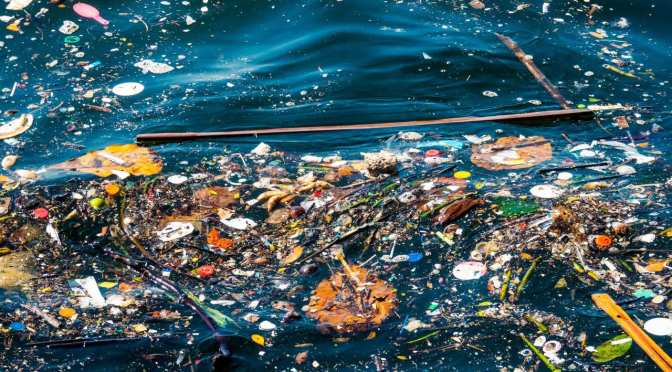
Water pollution has become a pressing problem all over the globe. In the previous blog, we had a look at the major water pollutants. In this blog, let me walk you through the effects and causes of water pollution.
Water pollution is a critical issue impacting ecosystems and human health worldwide. It refers to the contamination of water bodies such as rivers, lakes, and oceans, resulting from harmful substances. The causes of water pollution are diverse, including industrial discharge, agricultural runoff, and improper waste disposal. These water pollution causes contribute to a range of environmental and health problems. The effects of water pollution are profound. It leads to the degradation of aquatic habitats. It causes disruption of food chains. It also increases health risks for humans. Addressing water pollution requires understanding both the causes and effects to implement effective solutions. Tackling these issues is essential for safeguarding our water resources and ensuring a healthy environment for future generations.
All water bodies have an innate ability to cleanse themselves. They can easily handle small volumes of pollutants. They degrade these pollutants with the help of dissolved oxygen and the microbial population residing there. However, every day, 2 million tons of sewage, industrial, and agricultural waste reaches water bodies all over the world.
Together these wastes exert a huge Biochemical Oxygen Demand. The dissolved oxygen in water becomes insufficient to meet the BOD requirements. In such a situation, when oxygen demand exceeds oxygen availability the water body becomes polluted. Let us dive deep into the details of the effects and causes of water pollution.
- Causes of water pollution
- Effects of Water pollution
- Economic Effects of Water Pollution
- Loss of Aesthetic Value
- Biomagnification
- Water Pollution Effects on Human Health
- Conclusion
Causes of water pollution
Water being the Universal Solvent dissolves a wide range of substances easily. Therefore any unwanted substance that reaches a water body easily mixes with the water and pollutes it. The causes of water pollution can be natural and anthropogenic. The natural causes of water pollution include oil spills from sedimentary rocks in the seabed, storms, natural eutrophication etc. However, these contribute only to a very small percentage of the pollution load.
The causes of water pollution are varied and impact water bodies in numerous ways. Industrial discharge, agricultural runoff, and improper waste disposal are significant water pollution causes. These activities introduce harmful substances like chemicals, heavy metals, and nutrients into water sources. The effects of water pollution include the contamination of drinking water, harm to aquatic life, and disruption of ecosystems. Understanding the primary causes of water pollution is crucial for developing strategies to mitigate its effects. Addressing these water pollution causes is essential for improving water quality and protecting environmental and public health.
The major cause of water pollution is the release of sewage and industrial effluents into water bodies without treating them. These effluents introduce a variety of water pollutants. These include inorganic chemicals, plant nutrients, detergents, oil, and pathogens to the water bodies. Please visit our blog, What are Water Pollutants for complete information about all the water pollutants.
Now, let’s look at the effects of water pollution.
Effects of Water pollution
Water pollution affects humans and the organisms thriving in and around the water body. This includes the benthic, aquatic and semi-aquatic organisms and also their predators.
The effects of water pollution are far-reaching and severe, impacting both the environment and human health. Water pollution can lead to the contamination of drinking water supplies. This poses significant health risks such as gastrointestinal diseases. It can also cause long-term conditions like cancer. Additionally, the effects of water pollution include the destruction of aquatic habitats, which disrupts food chains and endangers wildlife. The primary causes of water pollution are industrial discharge and agricultural runoff. They contribute to these detrimental effects by introducing harmful substances into water bodies. Addressing water pollution causes is crucial for mitigating its effects and ensuring clean, safe water for all. Effective management and reduction of these causes are key to improving water quality and overall environmental health.
Let’s look at the effects of water pollution on the environment in the first section.
- Eutrophication
- Disruption of the food chain
- Loss of Species
- Economic effects of water pollution
- Loss of Aesthetic Value
- Bio-magnification
- Water pollution effects on human health
Eutrophication
Eutrophication is the excessive enrichment of water bodies with nutrients, leading to harmful algal blooms and oxygen depletion.
- The enrichment of a water body by plant nutrients like phosphorous and nitrogen is eutrophication.
- The surface runoff from agricultural lands and untreated industrial effluents transport large volumes of these plant nutrients. They end up in rivers and lakes.
- This accelerates the growth of algae.
- The algal bloom eventually dies and settles to the lake’s bottom.
- Bacterial populations begin to break down the remnants, consuming oxygen in the process.
- Further, the lake turns into a dead zone supporting no life.
For more details : Eutrophication – Definition, Causes, effects and Control
Disruption of the food chain
One of the unseen effects of water pollution is the disruption of food chain. Organisms in a particular trophic level accumulate toxins due to water pollutants. Their predators in the next trophic level get poisoned. The predators may die. The number of predators comes down drastically. This in turn has consequences on organisms in both the succeeding and preceding trophic levels.
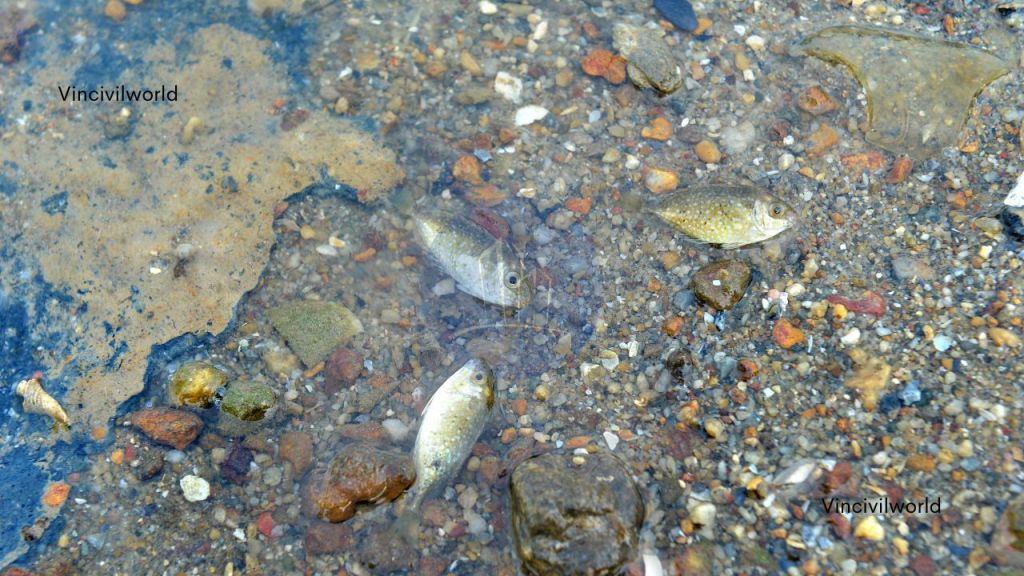
Let me make it clear with an example. During eutrophication, the aquatic plants die off since they can’t do photosynthesis. As a result, small fishes which feed on these plants experience a food shortage. Slowly, their population also starts to decline.
The same process repeats in higher trophic levels too. The consequences are so far-reaching that it affects not only aquatic organisms but also piscivorous birds. Thus the accumulation of pollutants in a water body can disrupt the entire food chain in and around it.
Also read : Secondary Treatment for Wastewater – Methods and Process
Loss of Species
The 2010 spill on the Gulf of Mexico harmed over 82,000 birds. This information is from the Centre for Biological Diversity on the effects of the Deep Horizon spill. It also harmed 25,900 marine animals, 6165 sea turtles, and an unknown number of fish and invertebrates.
Along with eutrophication, oil spills are a major cause of the massive death of organisms. Vast expanses of oil spills trap the seabirds and prevent them from flying away. Thus, they die either due to drowning or by their predators like sharks. Even if the birds manage to escape from the oil spill, oil destroys the water repellence of its feathers.
Birds and mammals die from hypothermia when they lose the ability to repel water and insulate from the cold water. Also, marine organisms and birds may die due to oil poisoning as they tend to ingest oil while cleaning themselves.
Economic Effects of Water Pollution
It is costly to manage and restore polluted water bodies. For example, following the Fukushima tragedy, Japan announced in 2019 that it is running out of space. There is not enough space to retain the polluted water. Over a million tonnes of contaminated water are currently kept in tanks. According to estimates, cleaning up the disaster’s aftermath will cost at least $660 billion.
Purifying drinking water costs more under normal circumstances. This does not include the health costs of treating diseases caused by contaminated water. Eutrophication in US freshwater costs approximately $2.2 billion per year.
Loss of Aesthetic Value
Winds and currents carry the oil spills into the shore. Oil forms a thick layer over the beaches and rocks. Thus it reduces the aesthetic value of beaches and is a big threat to tourism and recreation on beaches. Moreover, polluted water bodies develop foul odours. They also develop unpleasant colors. Both of these factors destroy their aesthetic beauty and reduce human interaction.

Also read : Wastewater Treatment- Stages and Process full details
Biomagnification
- Biomagnification refers to the progressive increase in the concentration of toxins from organisms of one trophic level to the next.
- As a result, organisms in the higher trophic level which may not have direct exposure to water pollutants are also harmed.
- For instance, predatory birds like vultures and eagles accumulate dieldrin, DDT in their bodies by consuming fish poisoned with pesticides.
- When these pesticides reach their body, the concentrations are high enough to impact them severely. Dieldrin affects the calcium metabolism in predatory birds and leads to thinning of their eggshells.
The worst-hit are always the ones in the highest trophic level, which in most cases are human beings. Diseases like itai-itai and Minamata disease remain painful reminders of the effects of biomagnification and water pollution. In the next section, let’s have a closer look at the effects of water pollution on human health.
Water Pollution Effects on Human Health
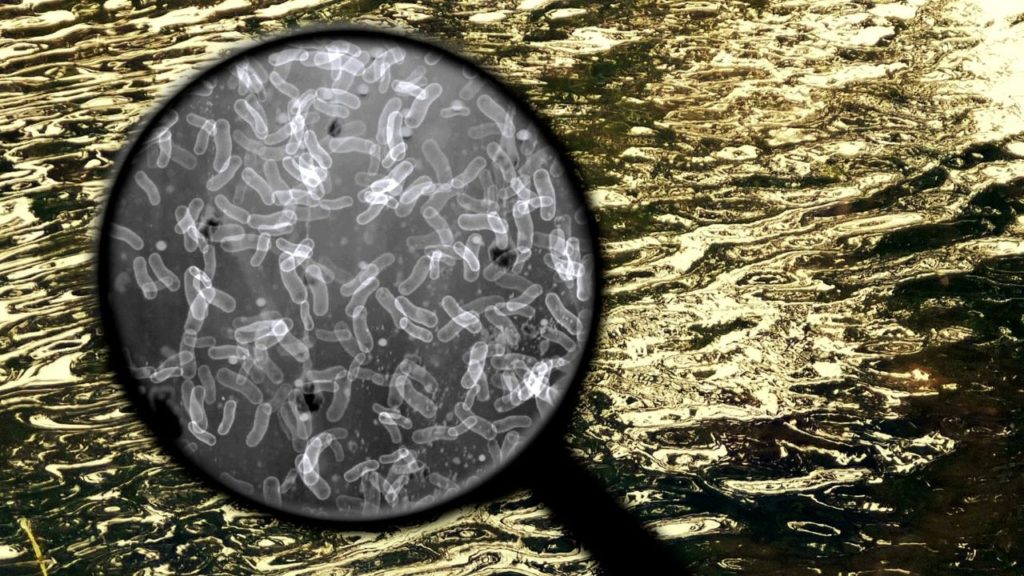
Water acts as a carrier of many harmful pathogens which causes water-borne diseases in human beings. Since contaminated water is the primary mode of transmission for these diseases, they are known as water-borne diseases.
The majority of intestinal (enteric) disorders are contagious and spread by faeces. Pathogens are disease-causing agents found in the faeces of infected people. They include viruses, bacteria, protozoa, and parasitic worms. These infections spread through water sources and directly infect people who handle food and water. Let me show you a few of those diseases:
Bacterial diseases
Vibrio Cholerae is responsible for diarrhoea, the most common water-borne disease. This bacterium releases toxins in the digestive tract and leads to watery bowel movements, dehydration and renal failure. According to WHO, diarrhoea kills around 525000 children below 5 years, every year.
Shigella bacteria cause Shigellosis that affects the digestive tract of humans and damages the intestinal lining. Salmonella bacteria are found in contaminated water. It causes fatal salmonellosis that results in inflammation of the intestine and death.

Viral Diseases
Firstly, drinking contaminated water causes Hepatitis, a viral disease that infects the liver. Secondly, contaminated water also becomes a breeding ground for mosquitoes that spread Encephalitis. Poliomyelitis virus is responsible for poliomyelitis and spreads through contaminated water.
Parasitic Diseases
Parasitic diseases transmitted via contaminated water includes Cryptosporidiosis by cryptosporidium parvum. Galloping amoeba is caused by the Entamoeba histolytica. Giardiasis is caused by Giardia lamblia.
Now, let me show you the health effects of some particular water pollutants.
- Pesticides – carbonates and organophosphates present in them damage the nervous system and cause cancer. Chlorides can cause reproductive and endocrinal damage.
- Nitrates – especially affect babies that drink formula milk. It reduces the amount of oxygen in the blood and causes the “blue baby” syndrome.
- Arsenic – causes liver damage, skin cancer and vascular diseases
- Fluorides – in excessive amounts makes the teeth yellow and causes spinal cord damage.
Also read : Activated Sludge Process – Stages and Process Control
Key Takeaways
- Addressing Pollution: Effective solutions require reducing water pollution causes and mitigating their effects.
- Global Issue: Water pollution is a widespread problem impacting ecosystems and human health.
- Major Causes: Key causes of water pollution include industrial discharge, agricultural runoff, and improper waste disposal.
- Eutrophication: Excess nutrients lead to harmful algal blooms and oxygen depletion.
- Food Chain Disruption: Water pollution disrupts food chains, affecting both aquatic and terrestrial predators.
- Economic Impact: Managing and restoring polluted water bodies incurs high costs.
- Aesthetic Loss: Polluted waters diminish natural beauty, affecting tourism and recreation.
- Health Risks: Contaminated water poses significant health risks, including bacterial, viral, and parasitic diseases.
Conclusion
Water is a natural resource that all living things require for survival. Any reckless behavior on the part of humanity has an impact on all other organisms. As a result, water bodies must be protected from pollution.
In summary, water pollution presents severe challenges that affect both natural ecosystems and human well-being. Understanding the causes of water pollution and their effects is essential for developing effective solutions. We can achieve cleaner water bodies by targeting the primary water pollution causes. Addressing their impacts leads to healthier environments. It is imperative to implement comprehensive strategies to reduce pollutants. Managing their effects effectively ensures sustainable water resources for future generations.
 vin civilworld