All posts by Jefy Jean A

Hello, I am Jefy Jean A, a freelance content writer, and blogger. I am pursuing my M.Tech from IIT ISM, Dhanbad. I can create authentic and well-researched content that would drive visitors to your website and turn them into your customers. Right now I focus on technical blogs and SEO optimised articles. I would be more than happy to venture into other genres like health and fitness, travel, lifestyle, home decor, food recipes, etc. as I believe in exploring new arenas and opportunities. If I am not researching or writing an article I would be in the kitchen trying out all the recipes that catch my eyes on YouTube. If you are in search of some insightful and irresistible content mail me your writing requirements to jefy98aj@gmail.com.

Air Quality Index in Delhi – AQI categories and Causes

The air quality index (AQI) is a daily reporting index for air quality. According to the recently released IQAir AirVisual 2020 World Air Quality Report, India is home to 15 of the world’s 20 most polluted cities. Would you believe it if I say that a public emergency was declared after the air quality index in Delhi plunged to ‘severe plus’ levels of about 530? Read on to find more about the Delhi Air Quality Index and what were the causes of this extreme level of pollution. To understand the severity of air pollution in Delhi, we should first know about Air Quality Index and its categories. So let’s look into the details of AQI and its categories.

Air Quality Index

The air quality index (AQI) is a daily reporting index for air quality. It’s an indicator of how air pollution impacts one’s health over a short period. The AQI’s objective is to inform individuals about how local air quality affects their health. 

AQI disseminates the air quality information in real-time. It is necessary to be aware of daily levels of air pollution, especially for people who suffer from ailments related to exposure to air pollution.

The AQI is calculated by the Environmental Protection Agency (EPA) for five primary air pollutants for which national air quality guidelines have been set to protect public health. They are listed below:

  • Ground-level ozone
  • Particulate matter (PM2.5/PM10)
  • Carbon Monoxide
  • Sulphur dioxide
  • Nitrogen dioxide
Air pollution in delhi

The higher the Air Quality Index value, the more polluted the air is and the higher the health risks. For the past three decades, many developed countries has widely applied the principle of AQI.

Also Read : Air pollution Effects and Causes – A complete overview

How Air quality index (AQI) is calculated?

To report air quality, different countries use different point scales. For instance, the United States employs a 500-point scale, with a score of 0 to 50 deemed satisfactory. A rating of 301 to 500 is considered dangerous. India, too, uses the 500-point scale. 

Everyday air pollution monitors record the major contaminants’ concentrations. EPA-developed standard equations are used to translate these raw values into a separate AQI value for each pollutant (ground-level ozone, particle pollution, carbon monoxide, and sulphur dioxide and nitrogen dioxide). The highest of these AQI values gives the the AQI value for that day
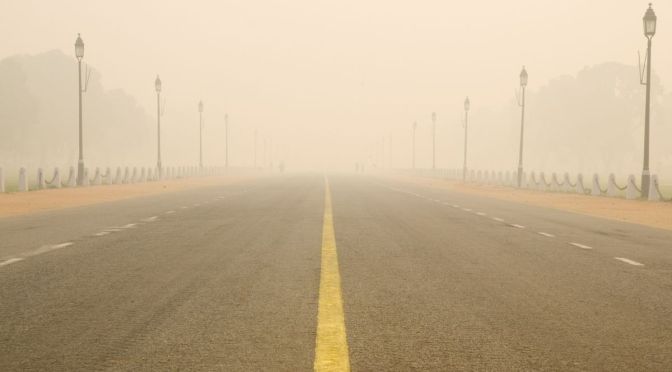
Air pollution in delhi

Categories of Air Quality Index

Depending on the level of pollutants in the air and the health effects it can cause, AQI has the following categories.

  • Good (0 to 50) – Minimal Impact
  • Satisfactory (51 to 100) – In sensitive people, this may cause slight breathing difficulties.
  • Moderately Polluted (101 to 200) – May cause breathing difficulties in individuals with lung disorders such as asthma, as well as discomfort in persons with heart disease, children, and the elderly.
  • Poor (201 to 300) – May cause breathing issues in persons exposed for an extended period, as well as discomfort in persons who have heart ailments.
  • Very Poor (301–400) – May cause respiratory sickness in individuals exposed for an extended period. People with lung and heart issues may experience a stronger effect.
  • Severe (401-500) – May cause breathing problems in healthy persons, as well as major health problems in persons who have lung or heart diseases. Difficulties can arise even when engaging in light physical activity.
  • Severe Plus or Emergency ( Above 500 ) – Extremely high levels of air pollutants.

Goals of  Air Quality Index

Let’s have a look at the objectives of calculating the Air Quality Index.

  • Compare air quality conditions in various locations or cities.
  • It also aids in the detection of incorrect standards and insufficient monitoring programmes.
  • The Air Quality Index (AQI) helps to monitor the changes in air quality (improvement or degradation).
  • The Air Quality Index (AQI) provides information to the public regarding environmental conditions. Therefore it’s particularly beneficial for persons who have ailments that are intensified or triggered by air pollution.

Who is most vulnerable to air pollution?

  • People who suffer from lung disorders such as asthma, chronic bronchitis, and emphysema.
  • Teenagers, as well as children
  • People of all ages who exercise or work outdoor often
  • Even individuals who are healthy can be sensitive to certain pollutants like ozone.

Now, we are done with the basic information about AQI. Keeping this in mind, lets analyze the AQI in Delhi.

Air Quality Index in Delhi

According to the AQI report, PM2.5 (particulate matter) is the most prevalent pollutant in Delhi and its outskirts, consistently exceeding the standard. It was the second most polluted city in India, barely behind the number one most polluted city, Ghaziabad, with an exceptionally high value of 110.2 g/m3 for PM2.5. In addition, Delhi came in the fifth rank out of every city in the world.

For the past few years, the concentration of NO2 in the air ranges from high to critical as per the AQI values. Also, the pollution level of particulate matter (PM10) crosses the critical level every year.

Surprised about such drastic levels of pollutants? Well, I have the answer for how this had happened. Read on to find the main causes of air pollution in Delhi.

Air Pollution in Delhi – Causes

Following are the main causes which made Delhi the second most polluted city.

Stubble Burning

To begin with, agricultural stubble burning by farmers produces nearly 15% of Delhi’s air pollution during the winter months. Farmers in the neighbouring regions burn the stubble to clear land after the September harvest, which contributes to the poor air quality. This is accompanied by changes in the weather, such as lower wind speeds and less rain in the winter season. Thus the smog remains in the atmosphere persistently. 
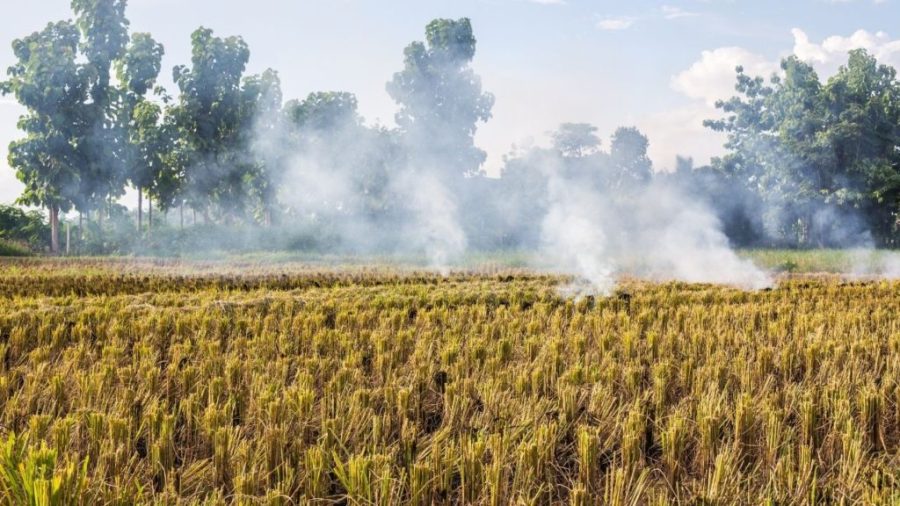
Stubble burn - Reason for air pollution
Stubble burn – Reason for air pollution

Topographical Factors

Due to its location as well as how the wind and its direction deposits pollutants in the air, Delhi is at a significant disadvantage in terms of topography. Winds blowing towards Delhi bring enormous volumes of smoke and particulates from neighbouring states as well.

When winter arrives, these winds typically die down, trapping the accumulated pollutants in Delhi’s atmosphere. This has a bigger impact on pollution levels than one might think. A 2019 estimate claims that dust brought in by the winds amounted to 21.5% of the entire pollution in Delhi.

Also read : Air Pollution Meteorology and Plume Types

Construction Activities and Vehicular Emissions

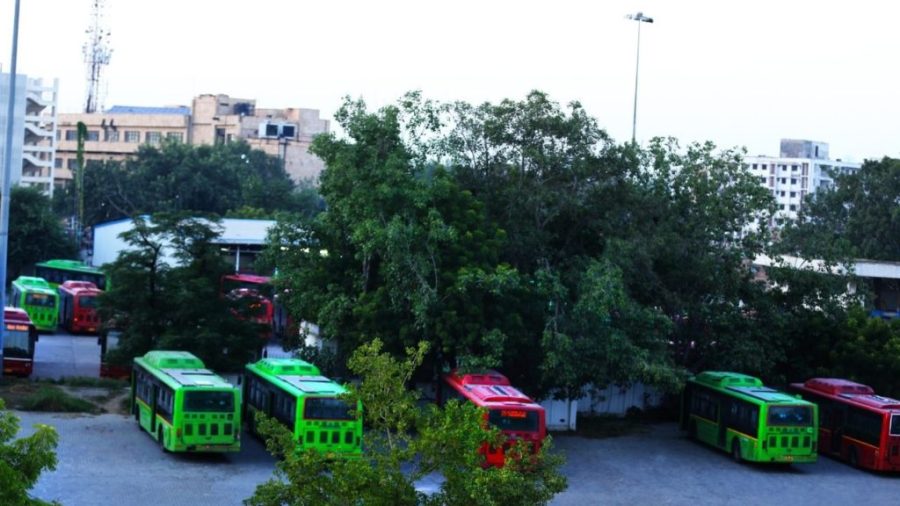
In addition, construction activities contribute significantly to the city’s pollution burden. According to the Delhi Pollution Control Committee, dust from construction sites is responsible for 30% of air pollution in the city. A large number of cars in the city, many of which have problematic engines, emit massive amounts of smoke and haze. Thus, coating the city in soot and black carbon (BC). It is a form of carbon that is exceptionally hazardous to all living organisms. 
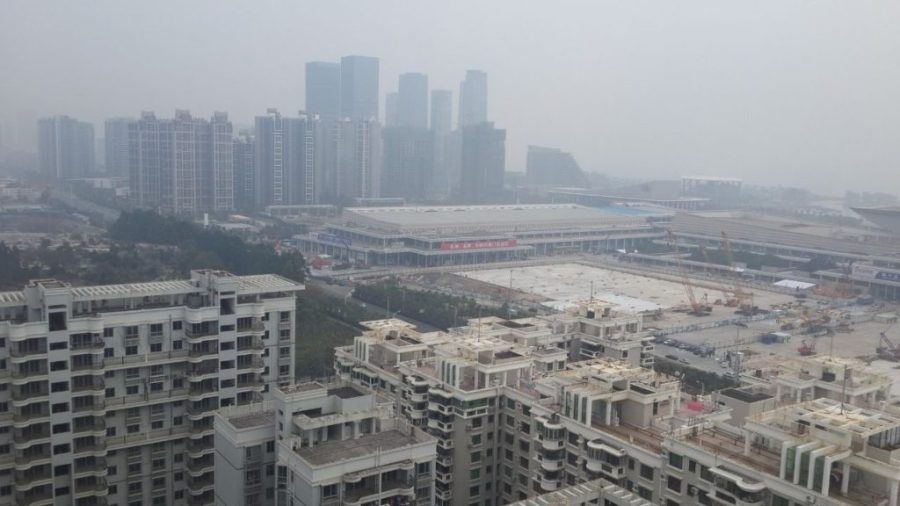
Air pollution due to construction activities

Industrial Emissions

The industrial sector is responsible for an estimated 18.6% of total air pollution in Delhi. The industries alone release hundreds to thousands of tonnes of pollutants into the atmosphere each year. It should come as no surprise that PM2.5 levels have reached 829.2 g/m3. This was more than 80 times the WHO’s (World Health Organization) recommended yearly level.

Now it’s time for some good news.

Conclusion

The National Green Tribunal is entrusted with delivering adequate and sustainable remedies in situations involving the protection of the environment, forest and pollution prevention. The Tribunal has authority over all civil matters involving significant environmental issues, including the implementation of any environmental legal right. It is playing a key role in bringing down pollution levels in Delhi.

The National Green Tribunal (NGT) ruled in 2015 that all diesel vehicles older than ten years will be prohibited from operating in Delhi-NCR. In 2017, the NGT issued an interim ban in Delhi on plastic bags having a thickness lesser than 50 microns. This was because they were causing animal deaths, blocking sewers, and polluting the environment.

Let’s hope that the National Green Tribunal along with the Delhi Pollution Control Board is able to bring positive changes in curbing Delhi’s air pollution. That’s it about Air Quality Index in Delhi. Let us know your opinions in the comments.
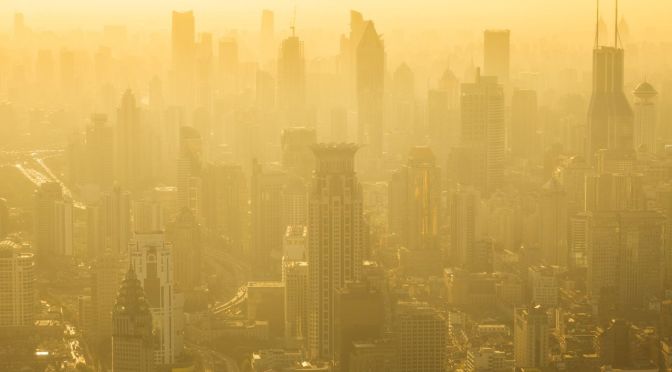
Air Pollution Effects and Causes – A complete overview

Air pollution is one of our era’s biggest scourges, not only because of the impact it causes on climate change but also because it influences public and individual health due to chronic illness and death. The effects of air pollution range from environmental effects like global warming to even financial and health effects like coma and death.

Here’s the truth. According to WHO figures, air pollution-related diseases claimed the lives of 6.5 million people globally in 2012. That’s more than HIV/AIDS, TB, and road accidents combined, accounting for 11.6% of all world deaths. Shocking, right?

In this blog, I will show you the different effects of air pollution in detail. Let’s get started with the classification of the effects.

Also readCauses of Air Pollution

Classification of Air Pollution Effects

The adverse effects of air pollution can be divided into two classes.

Acute Effects

Acute effects of air pollution appear immediately upon short term exposure to the pollutants at relatively high concentrations.

Chronic Effects

Chronic effects don’t appear immediately, rather become evident only after long term exposure to low levels of air pollutants.

Air Pollution Effects on Environment

Not only does air pollution impair our health, but it also harms the environment in which we live. The following are the most significant environmental effects.

Air Pollution Effects
Global Warming

Global Warming 

One of the most alarming effects for scientists and environmentalists is likely global warming. The greenhouse effect, which is caused by the excessive emission of CO2 and methane into the atmosphere, causes global warming. 

Climate Change

Another effect of global warming is climate change. When the planet’s temperature rises, the typical climatic cycles are disrupted, accelerating the changes of these cycles noticeably.

Acid Rain

Sulphur dioxide (SO2) and nitrogen oxides (NOx) are two gases released into the atmosphere as a result of fossil fuel combustion. When those compounds build up in the atmosphere and react with water, they produce dilute nitric and sulphuric acid solutions. They mix with the rain and reaches the surface of Earth as acid rain.

Effects of Air Pollution - Smog
Effects of Air Pollution – Smog

Smog

  • The smog effect, sometimes known as the beret effect, occurs when a dense dark fog forms over cities and fields. This fog is made up of pollutants.
  • There are two varieties of smog: sulphurous smog and photochemical smog.
  • The smog of both forms is a result of industrial and urban activity.
  • When nitrogen oxides and volatile organic compounds (VOCs) combine with sunlight, photochemical smog is created, resulting in a brown cloud above cities.
  • Sulphurous smog, on the other hand, is mostly caused by the usage of coal in numerous industrial operations.

Deterioration of Crop Fields

  • The Earth’s surface is degraded by acid rain, climate change, and smog.
  • Polluted water and gases infiltrate into the ground, altering the soil’s makeup.
  • This has a direct impact on agriculture, as crop cycles change and the composition of the food we eat changes.
  • In India, it was reported in 2014 that air pollution from black carbon and ground-level ozone had cut crop yields in the most impacted areas by nearly half in 2011 compared to 1980 levels in the most afflicted districts.

Extinction of animals

  • Many animal species that rely on oceans and rivers for existence are threatened as the poles’ ice melts and sea levels rise.
  • Because currents, ocean temperatures, and migratory cycles fluctuate, many creatures are driven to seek food in unfamiliar environments.
  • Ecosystems and habitats are also disappearing as a result of deforestation and low soil quality. And, without a doubt, this leads to the extinction of many wild animals.

Deterioration of construction materials

Because air pollutants degrade and modify the composition of building materials, many structures and infrastructure are weakened, degraded, or destroyed at a faster rate over time. The air pollution has been turning the Taj Mahal yellow-brown.

Destroys Vegetation

The pollutants penetrate the inner leaf tissues through stomata and destroy the chlorophyll. This disrupts photosynthesis. The damages caused ranges from chlorosis, necrosis, epinasty to the death of the plant. Cement dust deposits along with mist or rain cause incrustations in the leaves. 

Air Pollution Effects on Materials

Pollutants in the air have the following effects on materials, resulting in economic losses.

  • Abrasion
  • Materials deposition
  • Chemical attack 
  • Corrosion 

Sulphuric Acid mist in the atmosphere leads to the deterioration of structural materials like marble and limestone. Leather readily absorbs sulphur dioxide and gets disintegrated. Ozone causes the weathering of fabrics like acetate, cotton, nylon and polyester. At atmospheric levels of 0.01 to 0.02 ppm, it can cause the cracking of synthetic rubber. Particulates erode the exposed surface of materials and accelerate their corrosion.

Air Pollution Effects on Human Health

Air pollution has a variety of negative health consequences. Even on days when air pollution is low, vulnerable and sensitive people’s health can be harmed. COPD (Chronic Obstructive Pulmonary Disorders), cough, shortness of breath, wheezing, asthma, and respiratory disease are all linked to short-term exposure to air pollution.

Let me describe the health effects caused by each of the major air pollutants.

Oxides of Sulphur

  • When people are exposed to an atmosphere with sulphur dioxide concentrations above permissible levels, they get respiratory ailments.
  • At higher temperatures, their visibility is also affected.
  • Even at low concentrations of 1.6 ppm, it can cause bronchoconstriction in healthy individuals.
  • At higher concentrations, it leads to throat and eye irritation and immediate coughing. 

Carbon Monoxide

  • Carbon monoxide is released as a result of incomplete combustion of fuels in petrol engines, industrial operations, and other sources.
  • When CO is inhaled it mixes with the haemoglobin in the blood and forms carboxyhaemoglobin.
  • The affinity of CO towards haemoglobin is 200 times that of oxygen.
  • This condition deprives the tissues of oxygen.
  • When carboxyhaemoglobin saturation levels are about 20%, it affects the heart and also damages tissues by restricting oxygen.
  • Since the blood supply to vital organs including the brain is obstructed it can lead to mental impairment, visual acuity and even fatal coma at higher COHb levels in the blood. 

Oxides of Nitrogen

When NO2 is inhaled it reaches the moist alveoli of the lungs. There it is converted to nitrous and nitric acids which are highly irritating. They can damage the lung tissues. Long term exposure leads to symptoms resembling emphysema and biochemical alterations in blood.

Particulate Matter

  • Particulate matter of size less than 0.5 micrometres gets deposited in the alveoli and damage the respiratory tissues.
  • They can also act as carriers of toxic gases such as SO2 and produce synergistic effects.
  • Long-term exposure to PM2.5 raises the risk of non-accidental mortality by 6% for every 10 micrograms/m3 increase in concentration.
  • PM2.5 exposure was also linked to an elevated risk of lung cancer mortality ranging from 15% to 21% per 10 micrograms/m3 increase.

Shall we wrap up?

Conclusion

To sum up, air pollution affects not only humans but also our mother nature and other living beings. The effects of air pollution include environmental, economical and health effects. So it’s our responsibility to keep air pollution in check for a better tomorrow.

Air Pollution Meteorology and Plume Types

Air Pollution meteorology deals with the meteorological processes near to the earth’s surface. This consist of the impacts of meteorology on air pollutants and the effects of pollutants on meteorology. Air pollution meteorology studies how meteorological conditions affect the dispersion and behavior of pollutants. This field is crucial for understanding how various plume types—such as buoyant, neutral, and dense—interact with atmospheric conditions.

By analyzing air pollution meteorology, we can better grasp how factors like wind patterns, temperature inversions, and humidity influence plume behavior and air quality. Understanding these interactions helps predict pollution dispersion and mitigate its impact on health and the environment. With insights into types of plumes and their behavior, we can develop more effective strategies for managing and reducing air pollution.

In this blog, we will show you some important terms related to air pollution meteorology, environmental stability and types of plumes. 

  1. Significance of air pollution Meteorology
  2. Meteorological Factors affecting Air Pollution
    1. Wind speed and direction
    2. Temperature
    3. Humidity
    4. Rainfall
    5. Solar Radiation
  3. Lapse Rate in Air Pollution Meteorology
    1. Environmental Lapse Rate
    2. Adiabatic Lapse Rate
  4. Atmospheric Stability
  5. Types of Plume
    1. Coning Plume
    2. Fanning Plume
    3. Looping Plume
    4. Neutral Plume
    5. Lofting Plume
    6. Fumigating Plume
    7. Trapping Plume
  6. Key Takeaways
  7. Conclusion

Significance of air pollution Meteorology

If the air is still and pollutants are unable to disperse, the local concentration of pollutants will rise. Strong, turbulent winds, on the other hand, remove pollutants fast, resulting in reduced pollutant concentrations.

Thus, the destiny of air pollutants is influenced by air movements. As a result, any study of air pollution should also include a look at the weather patterns in the area that is meteorology.

The following are some of the benefits of analyzing meteorological data:

  1. Identify the source of pollution.
  2. Predict the occurrence of inversions and days with high pollutant concentrations.
  3. Simulate and predict air quality with the help of computer models.

Meteorological Factors affecting Air Pollution

Meteorological factors significantly influence air pollution meteorology by affecting plume behavior and dispersion. Wind speed and direction determine how different types of plumes—such as buoyant or dense—spread behave. Temperature inversions can trap pollutants, altering plume types and intensifying air pollution. Humidity and atmospheric pressure also impact the dispersion and behavior of pollutants, influencing overall air quality.

The following factors should be measured while examining air quality. They can help us better understand the chemical reactions that take place in the atmosphere.

  • Wind speed and direction
  • Temperature
  • Humidity
  • Rainfall
  • Solar Radiation

Also read Air Pollution Causes – A Comprehensive Guide

Wind speed and direction

Wind data records can be used to estimate the general direction and range of emissions when high pollutant concentrations occur at a monitoring station. Identifying the sources allows for the creation of a plan to decrease the negative effects on air quality.

In air pollution meteorology, wind speed and direction are crucial for plume behavior. High wind speeds can disperse pollutants widely. This affects various types of plumes. Calm conditions may lead to plume stagnation and localized air pollution. Understanding these factors helps predict air quality changes.

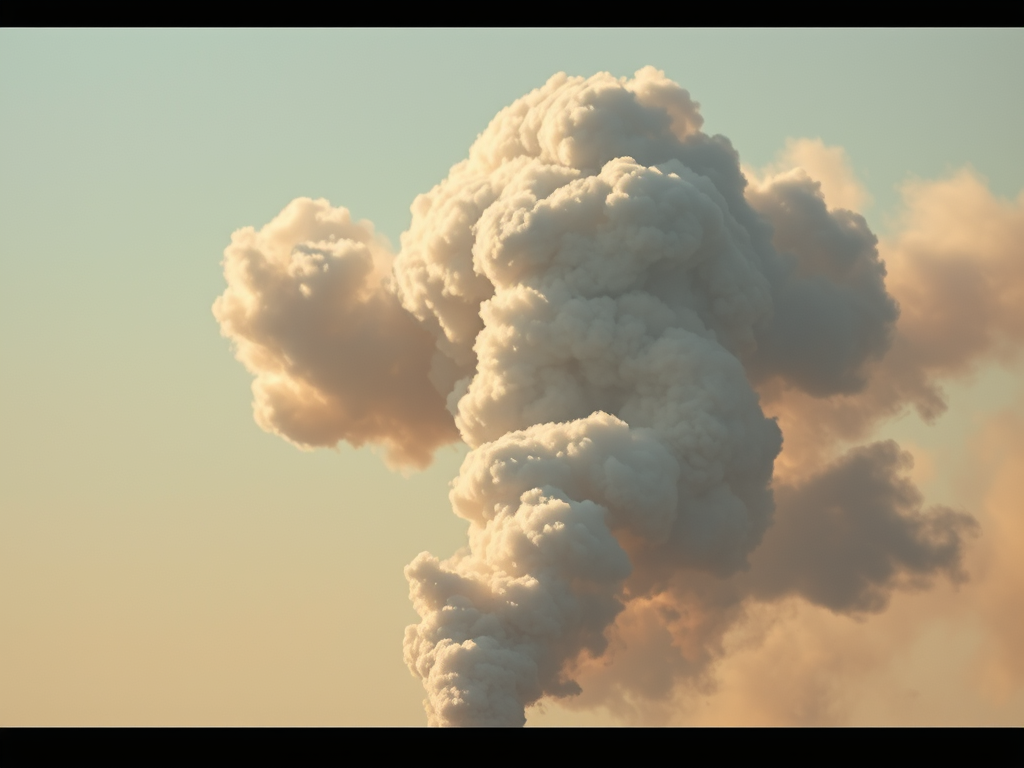
A large, multi-layered plume of smoke rising into the sky against a pale backdrop, showcasing different shades of gray and white.
Image depicting a large plume of smoke, illustrating the dispersion of pollutants in air pollution meteorology.

Temperature

Temperature measurement aids in the assessment, modelling, and forecasting of air quality. The chemical processes that occur in the atmosphere to generate photochemical smog from other pollutants are influenced by temperature and sunlight (solar radiation). 

Temperature influences air pollution meteorology by affecting plume behavior. Higher temperatures can enhance plume rise, dispersing pollutants more effectively. Conversely, temperature inversions trap pollutants near the ground, altering plume types and intensifying air pollution. Temperature variations thus play a key role in determining pollutant dispersion patterns.

Humidity

Water vapour plays a key role in a variety of thermal and photochemical reactions in the atmosphere. They can dramatically raise the amount of light scattered by particles suspended in the air if they are bound to particles . If corrosive gases, such as sulphur dioxide, bond to water molecules, the gas will dissolve in the water and generate an acid solution that can harm people and property.

Humidity impacts air pollution meteorology by affecting the size and behavior of pollutant plumes. High humidity can lead to the formation of secondary pollutants. It can also alter plume types. Low humidity may enhance pollutant dispersion. Understanding humidity’s role is essential for accurate air quality assessments.

Rainfall

When the rain washes particulate matter out of the atmosphere and dissolves gaseous contaminants, it has a scavenging effect. Visibility is improved by removing particulates. Also, when there is a lot of rain, the air quality is usually improved. Acid rain can arise when rain dissolves gaseous pollutants like sulphur dioxide, causing possible damage to objects and plant.

Rainfall affects air pollution meteorology by removing pollutants from the atmosphere through washout processes. It can change plume behavior, reducing pollutant concentrations in the air. The type and intensity of rainfall influence plume behavior. This impacts overall air quality and pollution levels.

Solar Radiation

Solar radiation must be monitored for use in modelling photochemical smog occurrences because the intensity of sunlight has a significant impact on the rate of chemical reactions that form smog. The intensity of sunlight is affected by cloudiness in the sky, time of day, and geographic location.

Solar radiation influences air pollution meteorology by driving chemical reactions in the atmosphere. It affects plume behavior by promoting the formation of secondary pollutants and influencing thermal patterns that impact plume types. Solar radiation’s role is crucial in understanding how different types of plumes disperse and interact with the environment.

Lapse Rate in Air Pollution Meteorology

The rate of change in the measured temperature as we move up through the Earth’s atmosphere is known as the lapse rate.

  • When the temperature drops with elevation, the lapse rate is positive.
  • It is zero when the temperature remains constant with elevation.
  • When the temperature rises with elevation the adiabatic lapse rate is negative. This is called temperature inversion.

Environmental Lapse Rate

The rate of decrease of temperature with altitude in the stationary atmosphere at a given time and location is known as the environmental lapse rate (ELR). The International Civil Aviation Organization (ICAO) has defined an international standard atmosphere (ISA) with a temperature lapse rate of 6.49 K/km (1.98 °C/1,000 ft) from sea level to 11 km.

                                   (dT/dz)env = -6.5 K / 1000 metres

The environmental lapse rate in air pollution meteorology affects plume behavior. It influences how different types of plumes rise or stay grounded. This impacts the dispersion and concentration of pollutants.

Adiabatic Lapse Rate

The adiabatic lapse rate (ALR) refers to the rate with which the temperature of an air parcel changes in response to compression or expansion associated with elevation change. This process is assumed to be adiabatic, that is, no heat exchange happens in between given air parcel and its surrounding.

                                       (dT/dz)adia  = -g/Cp = -9.86 0C / 1000 metres

Where,

                g = acceleration due to gravity

  Cp = Specific heat at constant pressure

The adiabatic lapse rate in air pollution meteorology defines how temperature changes with altitude for rising or descending plumes. This influences plume types and their dispersion characteristics and behavior.

Atmospheric Stability

The degree of atmospheric stability plays a key role in the ability of atmosphere to disperse the pollutants emitted to it. It is determined by comparing ELR and ALR.

When ELR = ALR, the atmosphere is neutrally stable.

If ELR > ALR, the atmosphere is superadiabatic and unstable.

When ELR < ALR, the atmosphere is subadiabatic and stable.

Under an unstable atmospheric condition, the lapse rate is super adiabatic. The actual temperature gradient is more negative than the dry adiabatic temperature gradient. A rising parcel of air gets warmer and tends to travel upwards due to increasing buoyancy. Air from different altitudes mixes thoroughly. There is rapid dispersion of pollutants throughout the entire atmosphere. As a result, this is highly desirable in pollution prevention.

Under a stable atmospheric condition, the lapse rate is subadiabatic. In this condition, a rising parcel of air gets denser, cooler and tends to fall back. The vertical mixing is very less and the dispersion of pollutants is very slow.

Atmospheric stability in air pollution meteorology determines how air layers resist or promote vertical movement. This affects plume types and behavior. It also influences the dispersion and mixing of pollutants.

Types of Plume

A plume is a column of liquid, gas, or dust that moves through another fluid, gas, or dust. The term plume is commonly used to describe things like smoke rising from a chimney. Depending on the degree of atmospherical instability, exit velocity from a stack and the prevailing wind turbulence, the plume emitted from a stack behave in different ways.

In air pollution meteorology, plume types refer to the behavior of pollutant emissions as they disperse in the atmosphere. Each plume type exhibits distinct behavior based on meteorological conditions, influencing how pollutants spread and affect air quality. Common types of plumes include….

  • Coning Plume
  • Fanning Plume
  • Looping Plume
  • Lofting Plume
  • Fumigating Plume
  • Trapping Plume

Let’s have a look at each one of them.

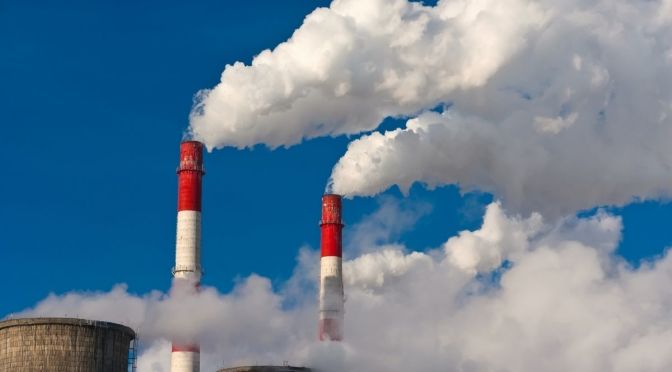
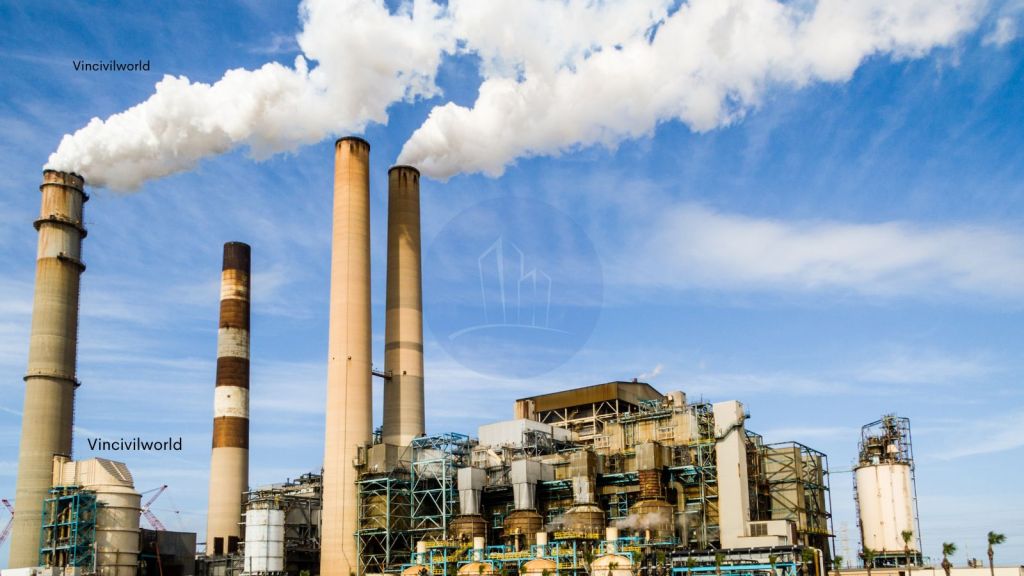
A large industrial facility with multiple smokestacks emitting white steam against a blue sky.
Industrial smokestacks releasing emissions into the atmosphere, illustrating the impact of air pollution on meteorology.
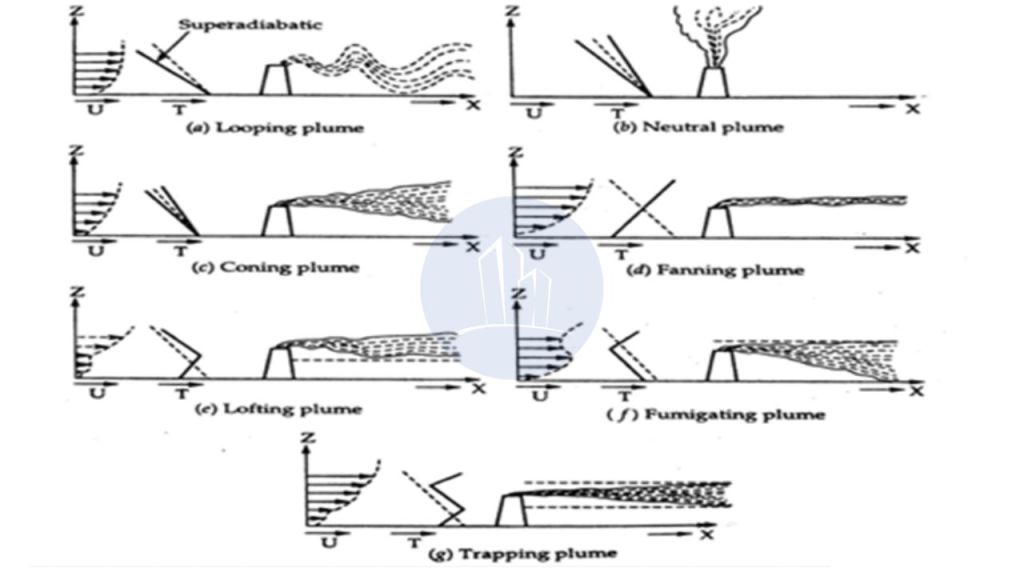
Diagram illustrating different types of plumes in air pollution meteorology, including looping, neutral, coning, fanning, lofting, fumigating, and trapping plumes.
Illustration of various types of plumes in air pollution meteorology, showcasing their behavior under different atmospheric conditions.

Coning Plume

In air pollution meteorology, a coning plume occurs when pollutant emissions disperse in a vertical cone shape. This plume type typically forms under neutral atmospheric conditions, where temperature and wind speed are relatively consistent with height. The coning plume’s symmetrical spread limits its horizontal dispersion, keeping pollutants concentrated near the emission source. Understanding this plume behaviour is crucial for predicting pollutant distribution in various meteorological scenarios, influencing air quality management strategies.

  • Formed when horizontal wind velocity exceeds 32 km/h and cloud blocks solar radiation during the day and terrestrial radiation during the night.
  • There is little vertical mixing.
  • The environment is slightly stable under sub-adiabatic conditions (ELR<ALR).
  • The plume shape is vertically symmetrical about the plume line.

Fanning Plume

In air pollution meteorology, a fanning plume occurs under stable atmospheric conditions. This happens where the environmental lapse rate is less than the adiabatic lapse rate.

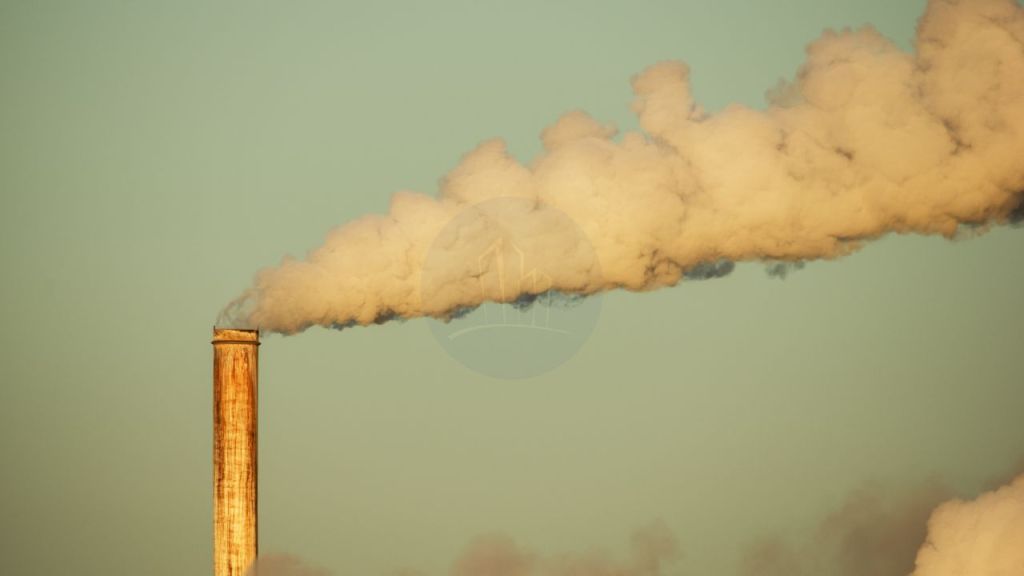
A smoke stack emitting a plume of white smoke against a clear sky, illustrating air pollution in industrial environments.
A fanning plume disperses pollutants horizontally due to stable atmospheric conditions, common in air pollution meteorology.
  • Formed at extreme inversion conditions owing to a negative lapse rate.
  • When the environment is under conditions of inversion, a stable environment occurs just above the stack, and the plume moves horizontally rather than upwards. 
  • Occurs more frequently when there is less turbulence.
  • For high stack, fanning is considered a favourable meteorological condition as it doesn’t cause ground pollution.

Looping Plume

In air pollution meteorology, a looping plume forms under highly unstable conditions. The plume rises and falls. This leads to erratic pollutant dispersion.

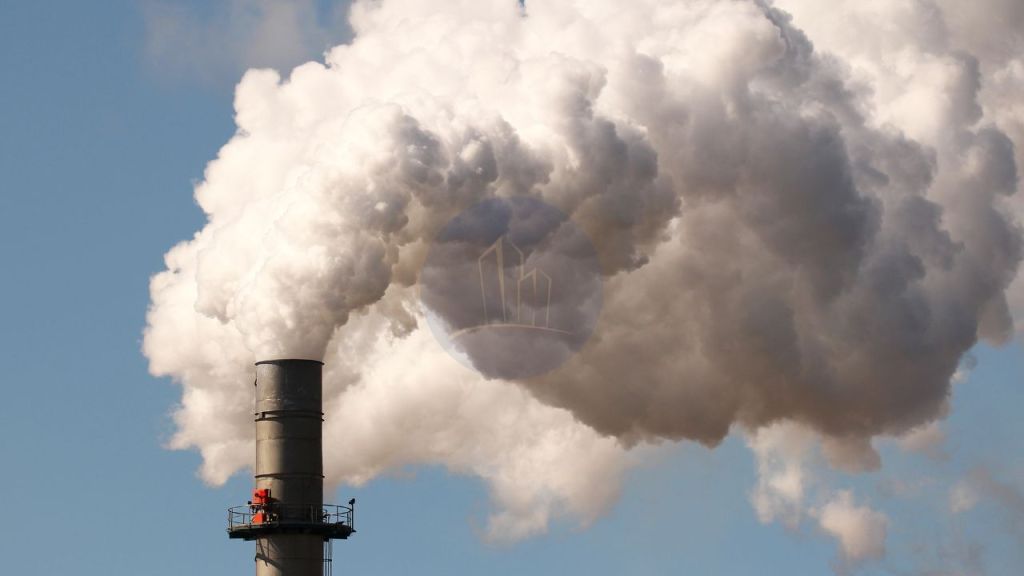
A plume of smoke and vapor billowing from a tall industrial smokestack against a clear blue sky.
A looping plume of smoke emerges from a factory chimney, showcasing the erratic dispersion of pollutants in an unstable atmospheric condition.
  • The wavy looping plume arises in a super adiabatic environment (ELR>ALR). This results in a very unstable atmosphere due to rapid mixing.
  • In an unstable atmosphere, rapid vertical air motions occur both upward and downward, resulting in a looping plume.
  • As a result, large pollution concentrations may arise near the ground.
  • It is preferable to create high stacks where the environment is normally hyper adiabatic to scatter these contaminants.

Neutral Plume

In air pollution meteorology, a neutral plume occurs in neutral atmospheric conditions. In these conditions, plume behaviour is neither buoyant nor sinking. It maintains a steady dispersion.

  • In neutral atmospheric circumstances (ELR=ALR), a neutral plume forms. 
  • A neutral plume rises vertically in an upward direction.
  • The plume will continue to rise until it reaches a height where the density and temperature of the surrounding air are equal.

Lofting Plume

In air pollution meteorology, a lofting plume rises above a stable layer of air, enhancing dispersion. This plume type benefits from favorable plume behavior for pollutant spread.

  • Lofting plume is produced by a strong super adiabatic lapse rate immediately above the stack and a negative lapse rate (inversion) immediately below the stack opening.
  • The downward movement is stopped by inversion.
  • This results in a very rapid and turbulent upward mixing of the plume. But the downward mixing is less. 
  • As a result, the dispersion of pollutants becomes quick, and pollutants cannot come down to the ground.
  • Such a plume is good for dispersing air contaminants and providing significant protection to living beings.

Fumigating Plume

In air pollution meteorology, a fumigating plume descends from an inversion layer. This descent causes pollutants to concentrate near the ground. This illustrates adverse plume behavior.

  • The fumigant plume is the exact opposite of the lofting plume.
  • Formed when there is a negative lapse rate (inversion) just above the stack and a strong super adiabatic lapse rate below the stack.
  • Pollutants cannot escape above the stack under these conditions, thus they settle towards the ground due to turbulence and mixing.
  • As a result, the dispersion of contaminants in a fumigant plume is exceedingly poor.

Trapping Plume

In air pollution meteorology, a trapping plume occurs between two inversion layers. It confines pollutants within a specific altitude. This showcases a critical plume behavior.

  • When an inversion layer exists above and below the stack, the plume does not rise or fall.
  • Rather, it is constrained or trapped between the two inversion levels, resulting in a trapping plume.
  • This plume isn’t optimal for pollution dispersion since it can’t go past a particular height.

Key Takeaways

  1. Air Pollution Meteorology: Examines how meteorological conditions like wind, temperature, and humidity influence pollutant dispersion and plume behavior.
  2. Types of Plume: Include Coning, Fanning, Looping, Lofting, Fumigating, and Trapping, each behaving differently based on atmospheric stability.
  3. Plume Behavior: Influenced by factors such as wind speed. Temperature inversions and atmospheric pressure also play a role. These factors determine how pollutants spread and affect air quality.
  4. Environmental Stability: Plays a critical role in how plumes rise, disperse, or remain trapped, impacting overall pollution levels.
  5. Meteorological Analysis: Helps predict and mitigate pollution impacts by understanding plume dynamics under varying weather conditions.

Conclusion

Understanding Air Pollution Meteorology is essential for managing and reducing pollution’s impact on the environment and health. By analyzing the Types of Plume and their behavior, we can predict how pollutants will disperse under different meteorological conditions. The interaction between Plume Types and factors like wind, temperature, and atmospheric stability determines air quality outcomes. Effective strategies for pollution control rely on insights into Plume Behavior, enabling us to mitigate the adverse effects of air pollution. This knowledge is crucial for developing sustainable solutions to manage air quality and protect public health.

Air Pollution Causes and effects – A Comprehensive Guide

Air pollution killed approximately 1.7 million Indians in 2019, according to a report by the interdisciplinary journal Lancet Planetary Health. The causes of air pollution can be natural or man-made. Breathing fresh and pure air has become nearly impossible due to the increased quantity of contaminants in the air.

All of us are concerned about our health these days due to the rising level of air pollutants. Since the pollutants in the air are invisible to the human eye, we are unaware of the main sources of pollution. To understand the sources of air pollution, we must first identify the fundamental causes of air pollution.

In this blog, l will walk you through some common activities that knowingly or unknowingly are becoming the major causes of air pollution. Now, off we go.

Air pollution causes

Let me list down the 9 major causes of air pollution.

  • The Burning of Fossil Fuels
  • Agricultural Activities
  • Waste in Landfills
  • Industrial Emissions
  • Mining Operations
  • Natural Phenomena
  • Indoor Pollution
  • Construction and Demolition
  • Open Burning of Waste and stubble

Let’s have a look at each of them in detail.

Burning of Fossil Fuels – Chief cause of air pollution

  • Millions of diesel and gasoline-powered vehicles run on our roads daily.
  • Gasoline is composed mainly of hydrocarbons and trace amounts of nitrogen and sulphur bearing compounds.
  • The gasoline doesn’t undergo complete combustion always.
  • As a result, the exhaust gases coming out of gasoline-powered vehicles consists of harmful oxides of sulphur ( SO2, SO3), nitrogen (NOX), Particulate matter, carbon monoxide, etc.
  • PAHs, or polycyclic aromatic hydrocarbons, are also emitted from automobile exhaust.
  • When humans are exposed to large amounts of the same, it can harm their liver and lungs and even permanently destroy them.
  • It is not surprising that vehicular pollution contributes about 80% of nitrogen oxides and carbon monoxide in Delhi’s air.

Also read : Electric Vehicles- 5 Types & Advantages Full Guide

Agricultural Activities

  • Ammonia is the most common source of agricultural air pollution.
  • Heavily fertilised fields and livestock waste emit this gas in large amounts.
  • It combines with pollutants from combustion, primarily nitrogen oxides and sulphates from automobiles, power plants, and industrial operations, to form small solid particles known as aerosols.
  • They are little larger than 2.5 micrometres in diameter, or approximately 1/30 the width of a human hair.
  • These particles can get deep into the lungs and cause heart or lung diseases. 

Waste in Landfills

  • Garbage is buried or dumped into sites called Landfills.
  • Microbes act on these deposited or buried wastes and generate methane.
  • Methane is a significant greenhouse gas that is extremely combustible and dangerous.
  • It can form explosive mixtures along with air.

Industrial Emissions

Industrial activities release a variety of pollutants into the atmosphere, affecting air quality in ways we can’t even imagine. Industries that use coal and wood as their principal energy sources release PM 2.5 and 10, nitrogen dioxide, sulphur dioxide, and carbon monoxide.

Also read : Air Pollution Meteorology and Plume Types

Mining

Mining is one of the largest causes of air pollution. Excavations, blasting, and transportation of materials generate particulate matter. Also, Exhaust emissions from mobile sources such as trucks and heavy equipment raise these particulate levels.

Mining - A cause of Air Pollution
Mining – A cause of Air Pollution

Ever thought that there were natural causes of air pollution? Well, let me show you how this happens.

Natural Phenomena

  • Climate change is causing not only an increase in wildfires but also an increase in air pollution.
  • 0 -90% of wildfire smoke, by mass, lies within the particle size range of 2.5 micrometres in diameter or smaller.
  • PM 2.5 in the air combine with other dangerous chemicals, gases and pollen.
  • As a result, it causes smog.
  • Smog makes the air cloudy, making it difficult for people to breathe.
  • On warmer days, trees like Black gum, poplar, oak and willow emit substantial volumes of volatile organic compounds (VOCs) into the environment.
  • In addition, these VOCs combine with pollutants like NOx, SO2, and anthropogenic organic carbon compounds to form a seasonal haze of secondary pollutants.
  • Volcanic activity also produces pollutants like sulfur, chlorine, and ash particulates.

For a detailed insight on the major air pollutants, make sure that you go through our blog, What are air pollutants? | Types, sources and effects of air pollution.

Indoor Pollution – A hidden cause of air pollution

Have you ever observed that when you paint your house’s walls, it emits a noxious odour that makes it nearly impossible to breathe? This is due to the VOCs released by paints, perfumes, home decor, cleaning products etc. VOCs including acetone, formaldehyde, xylene, etc are chief causes of air pollution indoors.

Indoor Burning
Indoor Burning

Around 3 billion people still cook over open flames using solid fuels such as wood, crop wastes, charcoal, coal, and dung. These inefficient methods of cooking can release CO, CO2 and soot particles which can penetrate deep into the lungs. Above all, indoor smoke levels can be 100 times higher than permitted values in poorly ventilated houses. Shocking, right?

Here’s the truth. According to WHO, every year, around seven million people die prematurely as a result of the combined impacts of ambient (outdoor) and residential air pollution.

Also read : Waste water treatment – Stages and process

Construction and Demolition

Several construction sites and raw materials such as bricks and concrete produce haze and filthy air. This is endangering people, particularly children and the elderly. For instance, the Central Pollution Control Board (CPCB) recorded the highest number of air pollution complaints in the Delhi NCR due to building and demolition activity.

Open Burning of Waste and Stubble.

  • Garbage burning in the open is far more hazardous to your health and the environment than you might believe.
  • It is one of the major air pollution causes in Delhi along with the stubble burning by farmers.
  • Delhi produces 9500 tonnes of garbage each day, making it India’s second-largest waste dumping city.
  • Exposure to open rubbish burning poses a major health risk, including cancer, liver problems, immune system impairment, and reproductive dysfunction.

Causes of Air Pollution in Delhi

  • Firstly, the crop stubble burning by farmers of Punjab and Haryana contributes as much as 40% of Delhi’s air pollution in the winter months.
  • Secondly, construction activities add a great deal to the city’s pollution load. Dust from construction sites is responsible for 30% of air pollution in Delhi, according to authorities from the Delhi Pollution Control Committee (DPCC).
  • Automobile emissions and industrial pollution are also major contributors to poor air quality in Delhi.
  • A major source of airborne particulates in Delhi is a fire in the Bhalswa landfill.
  • Some other causes include cow dung cake combustion, fires on agricultural land, diesel generator exhaust, waste burning, and illicit industrial activity.

If you wish to dig deep into the pollution levels in Delhi, check out our blog, Air Quality Index in Delhi – AQI categories and Causes.

Conclusion

To sum up, air pollution has a variety of causes, each with its own set of problems. Residential energy for cooking and heating, vehicle emissions, electricity generation, agriculture/waste incineration, and industry are all major sources of air pollution. Integrated policies supporting sustainable land use, energy-efficient housing, power generation, and better municipal waste management can effectively reduce significant sources of ambient air pollution.

The National Green Tribunal has played a key role in delivering effective and timely resolution in cases involving environmental preservation, forest conservation, and air quality management. Let’s all be a part of reducing air pollution and do our bit to protect the air quality.

To know more about air pollution control measures, have a look at our blog, Air Pollution Control measures – Top 9 Air pollution control devices.

Environmental Impact Assessment (EIA) – Process and Benefits

Environmental Impact Assessment (EIA) is an indispensable part of any proposed project be it governmental or non-governmental. Environmental Impact Assessment is the method of assessing the possible environmental consequences of a proposed project or development.In this blog I will show you what is EIA, its procedure, benefits and shortcomings.

Read on to know more details.

What is Environmental Impact Assessment?

Environmental Impact Assessment is the method of assessing the possible environmental consequences of a proposed project or development. It takes into account both the positive and negative socioeconomic, cultural, and human-health consequences of the process. It is a mechanism used by the United Nations Environment Programme (UNEP) to determine the environmental, social, and economic impacts of a project before making a decision. The Environment Protection Act of 1986, which includes various provisions on EIA methodology and mechanism, provides legal backing for environmental impact assessments in India.

Environmental Impact Assessment (EIA)

Goals of Environmental Impact Assessment

Following are the goals of an EIA process:

  • Forecast environmental impacts early in the project planning and design process 
  • Identify ways to mitigate negative effects 
  • Tailor projects to suit the local community 
  • Present the predictions and options to decision-makers. 

Also readSustainable Cities -Features Full Guide

History of Environmental Impact Assessment in India

Environmental Impact Assessment has been practised in India for over 20 years. It began in 1976-77. In September 2006, the Ministry of Environment, Forests, and Climate Change (MoEFCC) announced new EIA legislation. The following projects require environmental clearance under the notification:

  • Mining
  • Thermal power plants, 
  • River valleys, 
  • Infrastructure (roads, highways, ports, harbours, and airports) 
  • Factories, including very small electroplating or foundry units

Also read : What is e-waste?

EIA Process

The steps outlined below are part of the EIA method. The EIA mechanism, is cyclical, with interactions between the various phases.

Screening: 

The project plan is scrutinised for its size, location, and form of construction, as well as whether it requires legislative approval.

Scoping: 

The project’s possible effects, impact zones, mitigation options, and monitoring requirements.

Collection of baseline data: 

Baseline data refers to the state of the environment in the study region.

Impact Prediction: 

Positive and negative, reversible and irreversible, transient and permanent effects must all be forecast. This requires the evaluation agency to provide a thorough understanding of the project.

Mitigation measures and the EIA report: 

The EIA report should provide actions and steps for avoiding, mitigating, or transferring the impacts, as well as the extent of compensation for likely environmental harm or loss.

Public Hearing: 

After the EIA report is completed, the public and environmental organisations residing near the project site will be advised and consulted.

Decision Making: 

The Impact Assessment Authority, in consultation with experts, consults the project manager and a consultant to make a final decision, holding EIA and EMP in mind (Environment Management Plan).

Monitoring and implementation of EMP: 

The various phases of implementation of the project are monitored.

Alternatives Evaluation and Environmental Impact Assessment Report:

Alternatives should be defined for each project, and environmental attributes should be compared. Both the project site and the process technology should be seen as alternatives.

Following the evaluation of alternatives, a mitigation plan for the chosen choice should be created, which should be supported by an Environmental Management Plan (EMP) to direct the supporter toward environmental improvements.

Risk Assessment: 

Inventory analysis and hazard likelihood and index are also used in EIA procedures.

Ever thought why all the projects must undergo the lengthy procedures of EIA? I have the answer for you. 

Environmental Impact Assessment (EIA)

Benefits of Environmental Impact Assessment

Ever thought why all the projects must undergo the lengthy procedures of EIA? I have the answer for you. 

  • Connects the environment and development for environmentally friendly and sustainable growth.
  • A cost-effective way to mitigate or reduce the negative effects of infrastructure projects.
  • Allows decision-makers to assess the impact of construction activities on the ecosystem well before the project is implemented.
  • Encourages the adaptation of mitigation techniques in the growth plan EIA ensures that the development strategy is environmentally sustainable and operates within the ecosystem’s capacity for assimilation and regeneration.

Wastewater Treatment- Stages and Process full details

Wastewater treatment is an area where a lot of experts have carried out in-depth research. According to The United Nations World Water Development Report (WWDR), about 80% of wastewater is released into the water bodies without proper treatment on a global scale.

In the previous blog, I showed you some innovative ways to conserve water. Today we are going to dig deeper into the journey of wastewater through a wastewater treatment plant.

In the first section, let me introduce you to the wastewater treatment process.

Wastewater Treatment Process

The method of removing pollutants from wastewater or sewage and converting it into an effluent that can be added to the water cycle is known as wastewater treatment. In wastewater treatment plants, pollutants in wastewater are reduced to a degree that nature can accommodate.

Here’s a step-by-step guide to explain what happens at each point of the treatment process and how contaminants are neutralised or removed to help keep our rivers and streams safe. 

Also check out some rainwater harvesting methods.

Wastewater Treatment Stages

Wastewater Treatment Process

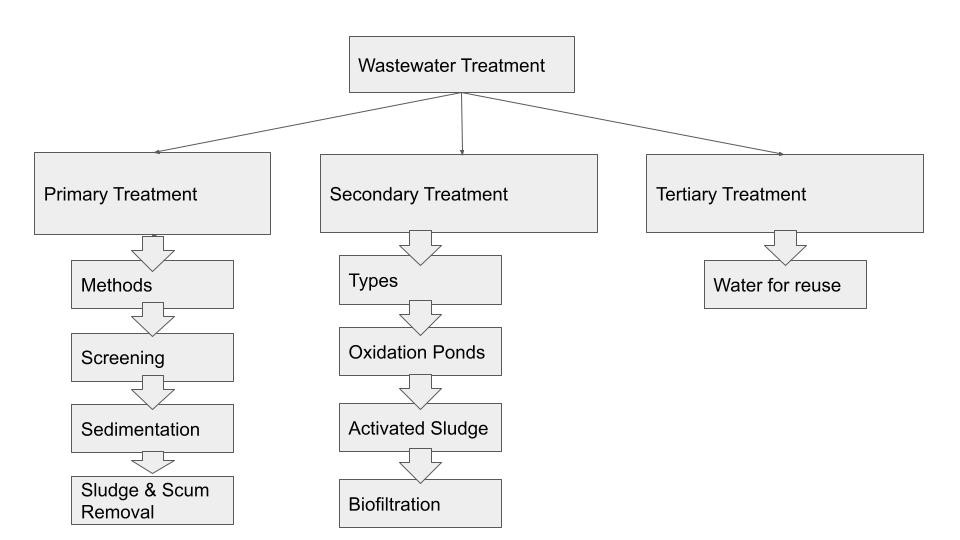
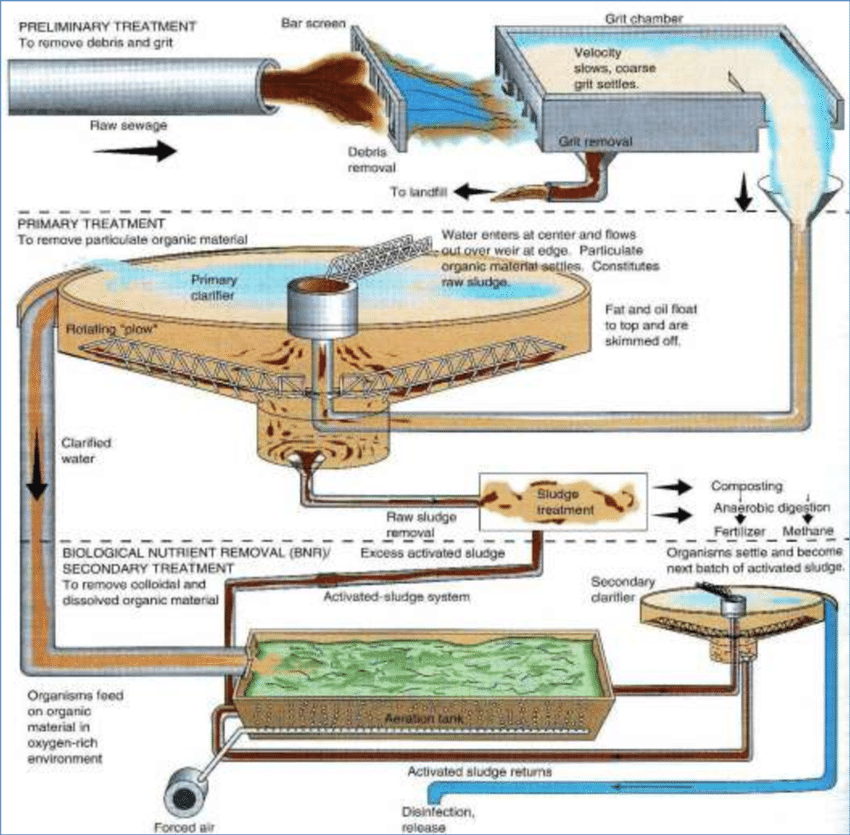
As shown in the diagram, the three main stages in the treatment of wastewater are:

  • Primary Treatment
  • Secondary Treatment
  • Tertiary Treatment

Let’s analyse what happens in each of the stages in detail.

Primary Treatment of Wastewater

Wastewater reaching a treatment plant through pipes first undergoes primary treatment irrespective of its source. About 60% of the suspended solids are removed from the wastewater during primary treatment along with aeration or stirring in the water to put oxygen back. It includes the following steps:

1. Screening

  • The majority of the floating materials are removed from the wastewater using screens of 10 mm openings and settling tanks.
  • The floating materials include stone, rocks, sticks and even dead animals. Solid materials make up about a third of the wastewater. 
  • As a result, eliminating solid waste at the initial stage makes subsequent treatment procedures easier. Also, they may cause problems later in the treatment process if they are not removed.
  • Solid waste is collected and disposed of in landfills after the screening process.

2. Sedimentation

  • The sewage then flows through the grit trap or grit chamber which collects sand, cinders, and small stones at the bottom.
  • The wastewater is then directed to sedimentation ponds, settling tanks, or clarifiers after the settled grit have been removed.
  • Organic and inorganic matter, as well as suspended solids, are removed in this process.
  • The suspended particles begin to fall to the bottom and form a solid mass known as sludge.

3. Sludge Removal

  • In the sedimentation tanks, sludge (the organic solid component of the sewage) settles out of the wastewater.
  • Mechanical scrapers in the tank’s base continuously move accumulated sludge to a hopper, where it is pumped to sludge treatment facilities.
  • The thickening step removes some of the water before the sludge is processed in digesters.

4. Scum Removal

  • Lighter materials rise to the surface as sludge settles to the bottom of the sedimentation tanks.
  • Grease, oils, plastics, and soap are among the ‘scum.’
  • Scum is skimmed off the surface of the wastewater by slow-moving rakes.
  • Scum is thickened before being poured into the digesters with the sludge.

Around 90% of suspended solids, 55% of faecal coliforms, and 50% of biological oxygen demand are removed during the primary treatment process. The waste must be subjected to secondary treatment in order to be completely free of toxic substances. Let’s see how to do that.

Wastewater Treatment Stages
Source: researchgate.net

Secondary Treatment of Wastewater

  • Secondary wastewater treatment is designed to significantly degrade the biological content of the waste by aerobic biological processes, and it operates at a deeper level than primary treatment.
  • During secondary wastewater treatment, about 85% of the organic matter in sewage is eliminated.
  • The method entails combining the wastewater with bacteria and oxygen at high pressures.
  • Bacteria digest organic matter with the aid of oxygen.

Secondary wastewater treatment reduces common biodegradable pollutants to acceptable levels, allowing for cleaner release into the nearby water bodies. It is done in one of three ways:

1. Biofiltration

Sand filters, contact filters, and trickling filters are used in biofiltration to ensure that any excess sediment is extracted from the wastewater.

  • A trickling filter consists of a bed of stones that is about 6 feet tall.
  • Sewage coming out of the sedimentation tank is permitted to pass through this stone sheet.
  •  The bacteria congregate on these stones and begin to multiply and evolve until all of the organic matter in the sewage has been consumed.
  • Following the process, the clean water is piped out and directed to another sedimentation tank.

2. Oxidation Ponds

  • Oxidation ponds, also known as lagoons or stabilisation ponds, are large, shallow ponds that use the interaction of sunlight, bacteria, and algae to treat wastewater.
  • Algae use the sun’s energy, as well as carbon dioxide and inorganic compounds released by bacteria in the water, to grow.
  • During photosynthesis, algae release oxygen, which is needed by aerobic bacteria. 
  • Mechanical aerators are often used to provide even more oxygen, reducing the size of the pond needed.
  • Dredging is needed to remove sludge deposits in the pond.
  • Filtration or a combination of chemical treatment and settling will kill any residual algae in the pond effluent.

3. Activated Sludge Process

  • The air and sludge are allowed to come into close contact with the bacteria during this process and then passed into the settling tank.
  •  The sewage from the settling tank is first sent to an aeration tank, where bacteria are added to the air and sludge.
  • The entire setup is left alone for several hours, during which time the bacteria decompose the organic matter into toxic by-products. 
  • The sludge, which has been activated by billions of bacteria, is returned to the aeration tank to handle fresh sewage.
  • The previously treated wastewater is pumped to the sedimentation tank, which filters out any bacteria.

We have seen the primary and secondary treatment of wastewater. Now it’s time to see what happens in the tertiary treatment of wastewater.

Tertiary Treatment of Wastewater

The aim of tertiary wastewater treatment is to improve the water’s quality to meet domestic and industrial standards, as well as to meet specific criteria for water discharge safety. It can be done by ion exchange, reverse osmosis, chemical precipitation, membrane filtration etc. In the case of municipally treated water, the tertiary treatment also includes the elimination of bacteria, ensuring that the water is safe to drink.

In some cases, quaternary treatment is also done. This stage deals with contamination levels of a few parts per million to billions of parts per billion, and it often includes oxidation or fine filtration.

Wastewater Treatment

Shall we wrap up?

Conclusion

Wastewater treatment refers to the purification of sewage from various sources and converting it into a reusable form. It involves mainly 3 stages namely primary, secondary and tertiary.

Primary treatment involves screening, sedimentation, sludge and scum removal. Secondary treatment deals with the removal of biological contaminants using oxidation ponds, trickling filters or activated sludge process. Finally, the Tertiary treatment converts water into a reusable form.

The management of wastewater is inextricably related to the availability of clean and adequate water sources. Far from being anything to discard or neglect, wastewater will play an important role in meeting the increasing water demand in rapidly expanding cities, improving energy production and industrial growth, and promoting sustainable agriculture.

Also see : Concepts of green building – 4 comprehensive concepts explained.