
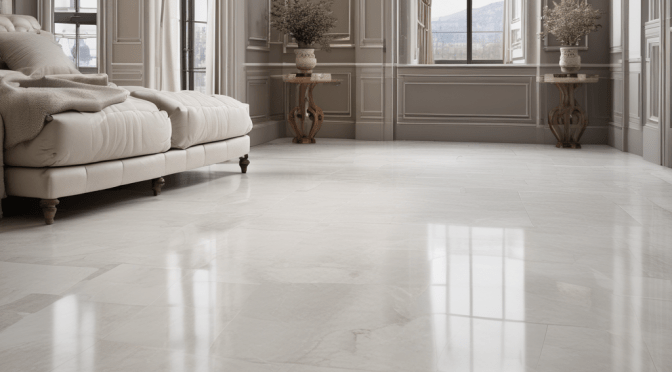
Marble and tiles flooring have their own advantages. Choosing between marble and tiles can be difficult. Marble offers elegance, natural beauty, and timeless appeal, while tiles provide versatility, durability, and a wide range of designs. In this blog, we’ll explore marble versus tile flooring to help you decide. Each has its own benefits and drawbacks, from cost to maintenance.
Marble requires more upkeep but adds a luxurious touch. Tiles are easier to maintain and come in countless styles. By the end, you’ll know whether marble or tile flooring suits your needs best for your home, office, or any other space. We’ve got you covered, whether you prefer the classic look of marble or the practical benefits of tiles.
What is marble ?
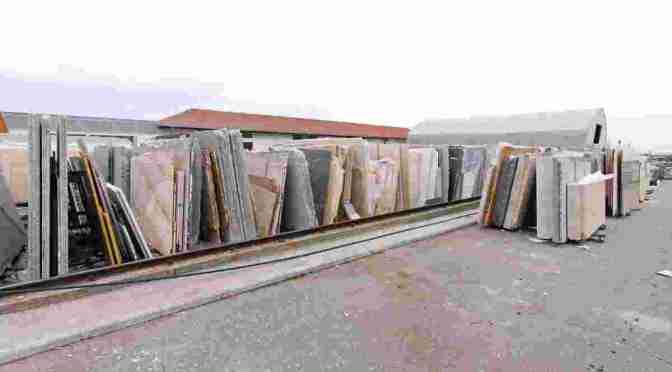
Marble is a metamorphic rock formed from limestone under high pressure and heat over millions of years. Known for its elegance and natural beauty, marble features unique veining patterns and a wide range of colors, from pure white to deep black, often with shades of pink, green, and grey. This luxurious stone is commonly used for countertops, flooring, and decorative elements.
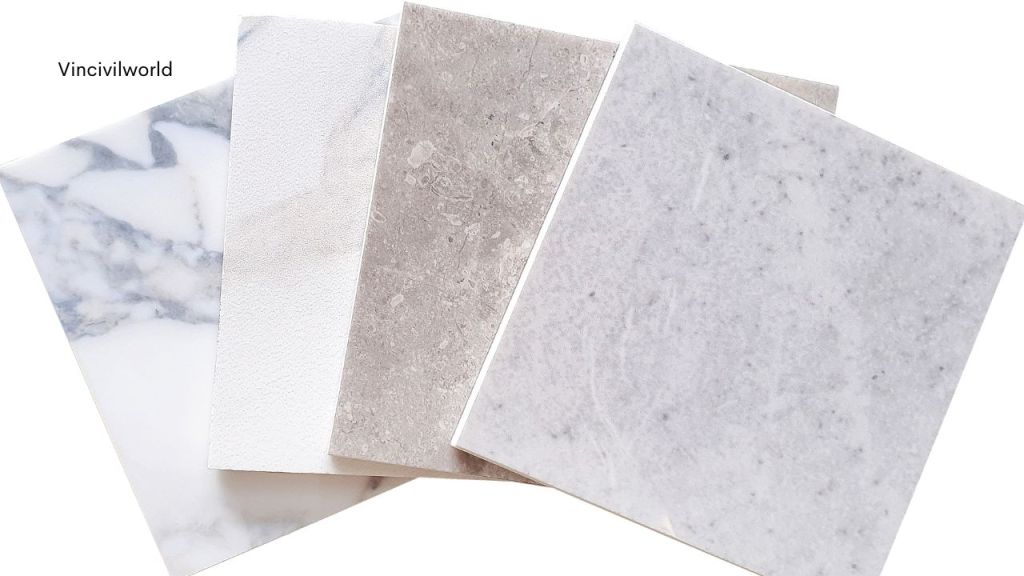
While marble is elegant, it needs regular upkeep to maintain its shine and prevent stains. It’s relatively soft compared to other stones, so it’s prone to scratches and etching from acidic substances. Despite the maintenance it requires, marble is still a popular choice for those who want timeless beauty in their interiors.
What is tile ?
Manufacturers create tiles from various materials such as ceramic, porcelain, glass, or natural stone. People commonly use them for flooring, walls, and countertops. Many favor tiles for their durability, ease of maintenance, and versatility in design. Available in numerous colors, shapes, and sizes, they can mimic the look of natural stone, wood, or other materials.
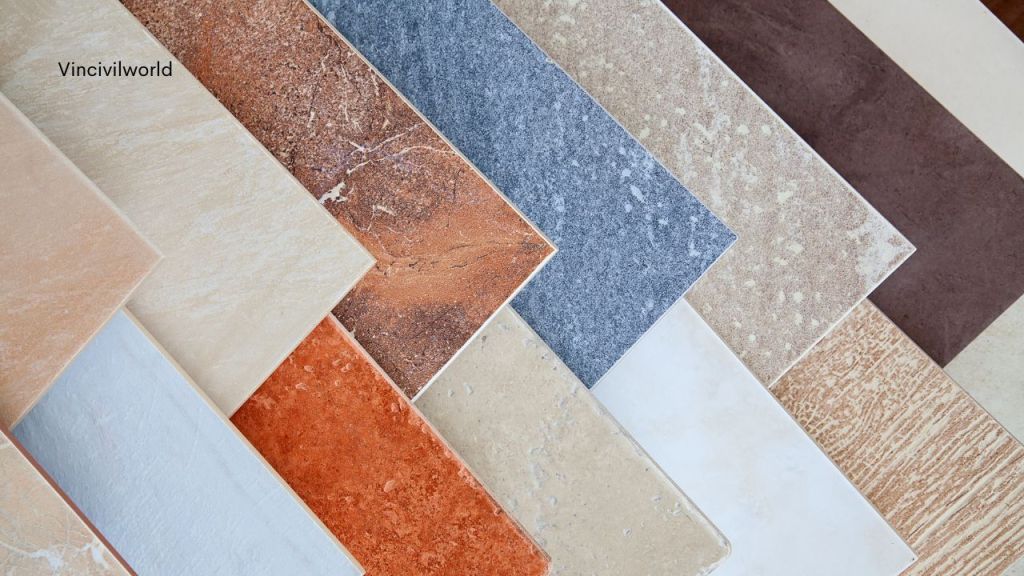
Ceramic and porcelain tiles are particularly popular due to their water resistance and strength. Tiles are easy to clean and maintain, making them ideal for high-traffic areas and spaces prone to moisture, such as kitchens and bathrooms. With countless design options, tiles offer both practical and aesthetic solutions for a variety of interior and exterior applications.
Aesthetic Comparison: Marble vs Tile
Choosing between marble and tile flooring requires consideration of aesthetics, durability, and maintenance. This table compares marble and tiles to assist with your decision.
| Aspect | Marble | Tile |
|---|---|---|
| Appearance | Marble flooring features natural veining and rich color variations; each slab is unique. | Tile flooring offers a wide array of colors, patterns, and textures; can mimic marble or wood. |
| Luxury | Marble vs tiles: Marble exudes a high-end, sophisticated look; timeless and elegant. | Tiles offer a modern aesthetic; customizable to various styles. |
| Uniqueness | Each piece of marble is one-of-a-kind due to natural formation. | Tiles provide consistent design across pieces; allows for uniformity or intricate patterns. |
| Flexibility | Marble vs tile flooring: Limited to natural stone variations. | Tiles are highly versatile; available in numerous designs and materials. |
| Application | Ideal for elegant, classic interiors. | Suitable for both modern and traditional designs. |
| Maintenance | Tiles or marble: Marble requires regular upkeep to maintain its beauty. | Tiles are easier to maintain and clean. |
Durability and Maintenance – Marble vs Tile
Understanding the durability and maintenance requirements of marble and tile flooring is crucial when making a choice between marble vs tiles or tiles vs marble. This comparison highlights their strengths and weaknesses in terms of longevity and upkeep.
| Aspect | Marble | Tile |
|---|---|---|
| Durability | Marble flooring is elegant but relatively soft, prone to scratches and etching from acidic substances. | Tile flooring, especially ceramic and porcelain, is highly durable and resistant to wear. |
| Stain Proof | Marble and tile flooring both require attention: Marble needs regular sealing and polishing to maintain its luster and is prone to staining. | Tiles are easier to clean with minimal maintenance required; they are also resistant to stains and water. |
| Longevity | Marble vs tile flooring: With proper care, marble can last for decades despite its high maintenance needs. | Tile flooring is renowned for its longevity and requires low maintenance to stay in good condition over many years. |
| Repairability | Repairing marble can be costly and challenging due to scratches and etching. | Damaged tiles are relatively easy and cost-effective to replace individually. |
| Availability | Finding matching marble for repairs or additions can be difficult due to variations in color and veining. | Tiles offer consistent design and availability, making it easier to match for repairs or expansions. |
Cost Comparison – Marble vs tiles
When choosing between marble and tile flooring, understanding the cost implications is essential. This table compares marble vs tiles to help you decide whether tiles or marble suit your budget better.
| Aspect | Marble | Tile |
|---|---|---|
| Material Cost | Marble is more expensive than tiles. It is a natural stone that requires costly mining and extraction procedures. High-quality marble, which looks good, comes at an exorbitant price. | Tile flooring is usually more affordable as tiles are factory made and available at a range of price points. |
Environmental Impact
Understanding the environmental impact of marble and tile flooring is important when choosing between marble vs tiles. This comparison highlights the ecological considerations of tiles or marble.
| Aspect | Marble | Tile |
|---|---|---|
| Resource Extraction | Marble flooring needs quarrying, which can harm natural habitats and uses a lot of energy. | Tile flooring production involves mining raw materials but usually has a smaller environmental footprint than marble. |
| Manufacturing | Marble vs tile flooring: Marble is a natural stone with minimal processing, but the extraction process uses a lot of energy. | Tiles are factory made, often using recycled materials, and the production process can be more energy-efficient. |
| Sustainability | Tiles or marble: Sustainable marble options are limited; high-quality marble has significant environmental costs. | Tiles offer more sustainable options, including recycled content and eco-friendly manufacturing practices. |
| Lifespan | Marble vs tiles: Marble’s long lifespan can offset some environmental costs if maintained well. | Tiles are also durable, and their production advancements reduce environmental impact over time. |
Both these flooring materials have environmental impacts, but tiles offer more sustainable and eco-friendly options.
Installation Process
Understanding the installation process for marble and tile flooring is essential when choosing between marble vs tiles. This comparison highlights the steps and considerations for installing tiles or marble.
| Aspect | Marble | Tile |
|---|---|---|
| Preparation | Marble flooring requires a strong, level base and precise measurements. | Tile flooring also needs a flat surface, but preparation is typically less intensive than marble. |
| Cutting | Marble vs tile flooring: Marble cutting needs specialized tools and skills to handle its brittleness. | Tiles are easier to cut and shape, often using standard tile cutters. |
| Installation | Marble installation is labor-intensive, requiring skilled professionals for proper placement and alignment. | Tiles or marble: Tile installation is simpler and quicker, often completed by a wider range of installers. |
| Setting | Marble vs tiles: Marble is set with a thin-set mortar, but due to its weight, it needs careful handling. | Tiles are also set with thin-set mortar and are easier to handle and place. |
| Grouting | Both marble and tile flooring need grout, but marble requires special attention to avoid staining. | Tiles use standard grout, which is easier to apply and clean. |
| Sealing | Marble vs tile flooring: Marble must be sealed to prevent stains and damage. Mirror polishing marble adds a protective layer, enhancing resistance to liquids and stains. | Tiles generally do not require sealing, except for some natural stone tiles. |
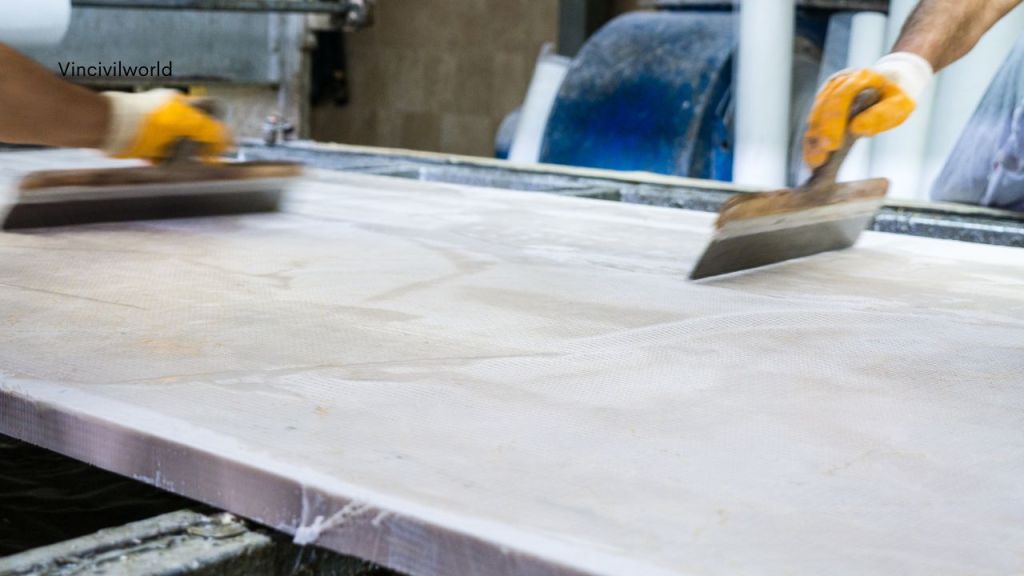
Choosing between marble and tile flooring involves considering the complexity and skill required for installation. Tiles are generally easier and faster to install compared to marble, with options like mirror polishing marble offering added protection and aesthetic enhancement.
Wastage comparison – Marble and tile
Understanding the installation process for marble and tile flooring is crucial when choosing between marble vs tiles. Considerations include wastage factors during cutting, handling, and environmental impact.
| Aspect | Marble | Tile |
|---|---|---|
| Wastage | Marble cutting may result in more wastage due to its brittleness and natural patterns. | Tiles are easier to cut and shape, resulting in less material wastage during installation. |
| Handling | Marble requires careful handling to avoid breakage and material loss during installation. | Tiles are generally easier to handle, reducing the risk of breakage and wastage. |
| Environmental Impact | Marble extraction and wastage can have a significant environmental impact compared to tiles. | Tiles typically have lower environmental impact from production and installation wastage. |
Efficient handling and cutting practices are crucial in both marble and tile flooring installations to minimize wastage and environmental impact.
Pros and Cons of Marble and Tiles
Understanding the pros and cons of marble and tiles is crucial when deciding between marble vs tiles for flooring. Here’s a comparison in tabular form:
| Aspect | Marble | Tiles |
|---|---|---|
| Pros | Known for its luxurious appearance and unique veining patterns. | Available in a wide range of designs, colors, and textures, offering versatility in aesthetics. |
| Adds value to properties due to its elegance and timeless appeal. | Generally more affordable than marble, making it suitable for various budgets. | |
| Durable and can last for decades with proper maintenance. | High durability, resistant to wear and tear, suitable for high-traffic areas. | |
| Natural material with variations that add character to spaces. | Easy to clean and maintain, requiring minimal upkeep over its lifespan. | |
| Cons | Expensive material, with higher installation and maintenance costs. | Some types may lack the natural elegance of marble and can appear artificial. |
| Prone to scratching, staining, and etching from acidic substances. | Less heat resistant compared to materials like marble, requiring caution with hot items. | |
| Requires regular sealing to maintain appearance and durability. | Can be colder underfoot compared to materials like wood or carpet. | |
| Limited availability of exact matches for repairs or additions due to natural variations. | Certain types may require professional installation to ensure proper setting and alignment. |
This comparison highlights the strengths and weaknesses of both marble and tiles, helping you make an informed decision based on your preferences, budget, and maintenance considerations.
Conclusion – Which is Right for Your Home? Marble or tile
| Aspect | Marble | Tiles |
|---|---|---|
| Aesthetics | Offers luxurious, timeless appeal with unique veining patterns. | Versatile in design, available in various colors and textures to suit different décor styles. |
| Cost | Higher upfront and maintenance costs due to the expense of natural stone. | Generally more affordable, with options ranging from economical ceramic to high-end natural stone. |
| Durability | Durable with proper maintenance, but susceptible to scratching and staining. | Highly durable, resistant to wear and tear, suitable for high-traffic areas like kitchens and bathrooms. |
| Maintenance | Requires regular sealing and careful cleaning to maintain appearance. | Easy to clean and maintain, requiring minimal upkeep over its lifespan. |
| Suitability | Ideal for formal areas where elegance is paramount, like living rooms or foyers. | Practical for kitchens, bathrooms, and high-traffic zones, offering durability and easy upkeep. |
| Installation | Labor-intensive installation requiring skilled professionals. | Easier installation process, suitable for DIY or professional installation depending on type. |
Choosing between marble and tiles depends on factors like aesthetics, budget, maintenance preferences, and specific room needs. Marble offers luxurious appeal and adds value to formal spaces but requires higher maintenance and investment. Tiles provide versatility, affordability, and durability, making them practical for various areas in your home including kitchens and bathrooms. Consider these aspects carefully to make the best choice that aligns with your lifestyle and home décor goals.



 vin civilworld