Category Archives: bricks

Types of bonds in brick masonry walls – Advantages and features

Types of bonds in brick masonry commonly used in construction are detailed in this article. The process of bonding bricks with mortar in between them is known as brick masonry. Bricks are arranged in a pattern to maintain their aesthetic appearance and strength. This article is about the various types of bonds in brick masonry walls.

Brickwork bonding types play a crucial role in the strength, stability, and appearance of masonry structures. Brick bonds are significant in residential walls, boundary fences, or historical buildings. The pattern in which bricks are laid affects both structural performance and aesthetics. Understanding various brick bonds types is essential for builders and architects. They can choose the right layout for load-bearing capacity. The right layout enhances visual appeal and improves construction efficiency. Common types of brick bonds include Stretcher Bond, Header Bond, English Bond, and Flemish Bond. The right bond also improves construction efficiency, especially when working with materials like Masonry stone. Each type serves different functional purposes. They also cater to various design needs. This article explores the major brickwork bonding types, explaining their features, advantages, and typical applications. By mastering these patterns, professionals can ensure durable and visually pleasing brickwork in any construction project.

Bricks are rectangular construction materials. Bricks are commonly used in the construction of walls, paving, and other structures. They are also inexpensive and simple to work with.

  1. Types of Brick masonry bonds – Features
  2. Types of Bonds in brick masonry
    1. Stretcher bond – Types of Bonds in brick masonry
      1. Limitations of Stretcher bonds
      2. Applications of stretcher bonds
    2. Header bond – Type of Bonds in brick masonry
    3. English Bond – Types of bonds in brick masonry
    4. Flemish Bond
    5. Double flemish bond
    6. Single Flemish Bond
    7. Raking bond
      1. Diagonal bonds
      2. Herringbone bonds
    8. Zigzag Bond
    9. Facing Brick Bonds
    10. Dutch Bond
    11. Rat trap bond
  3. Key Takeaways
  4. Conclusion

Types of Brick masonry bonds – Features

For all types of brick masonry bonds to be stable and of high quality, the following characteristics must be followed.

  • Bricks should be uniform in size.
  • The lap should be a minimum of 1/4 brick along the length of the wall and 1/2 brick across the thickness of the wall.
  • Uniform lapping is to be maintained.
  • Avoid using too many brickbats.
  • For getting a uniform lap Length of the brick should be twice its width plus one joint.
  • The centre line of the header and stretcher in the alternate courses should coincide with each other for the stable wall.
  • Stretchers should be used in facing and a header should be used in hearing.

Types of Bonds in brick masonry

There are different types of brick masonry bonds. They are

  • Stretcher Bond
  • Header Bond
  • English Bond
  • Flemish Bond
  • Raking bond
  • Zigzag Bond
  • Herring-Bone Bond
  • Facing Bond
  • Dutch Bond
  • Diagonal Bond
  • Rattrap bond

Let us have a look at the most commonly used types of bonds in brick masonry.

Stretcher bond – Types of Bonds in brick masonry

The stretcher is the brick’s lengthwise face or otherwise known as the brick’s longer, narrower face, as shown in the elevation below. Bricks are laid so that only their stretchers are visible, and they overlap halfway with the courses of bricks above and below. Accordingly, In this type of brick bond, we lay the bricks parallel to the longitudinal direction of the wall. In other words, bricks are laid as stretchers in this manner. It is also referred to as a walking bond or a running bond. Additionally, it is among the simplest and easiest brick bonds.
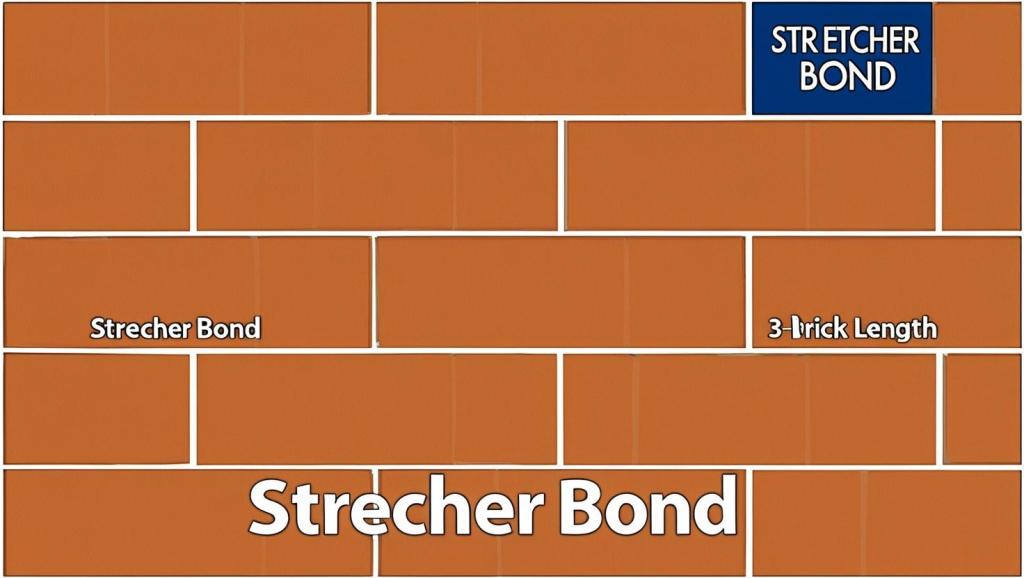
Stretcher Bond - Types of bond in brick masonry
Stretcher Bond – Types of bond in brick masonry

Limitations of Stretcher bonds

  • Stretcher bonds with adjacent bricks, but they cannot be used to effectively bond with them in full-width thick brick walls.
  • They are only suitable for one-half brick-thick walls, such as the construction of a half-brick-thick partition wall.
  • Stretcher bond walls are not stable enough to stand alone over longer spans and heights.
  • Stretcher bonds require supporting structures such as brick masonry columns at regular intervals.

Applications of stretcher bonds

Stretcher bonds are commonly used as the outer facing in steel or reinforced concrete-framed structures. These are also used as the outer facing of cavity walls. Other common applications for such walls include boundary walls and garden walls

Header bond – Type of Bonds in brick masonry

Generally for header bond, the header is the brick’s width wise face. In brick masonry, a header bond is a type of bond in which bricks are laid as headers on the faces. It’s also referred to as the Heading bond. The header is the brick’s shorter square face, measuring 9cm x 9cm. As a result, no skilled labour is required for the header bond’s construction. While stretcher bond is used for half brick thickness walls, header bond is used for full brick thickness walls that measure 18cm. Generally, in the case of header bonds, the overlap is kept equal to half the width of the brick. To achieve this, three-quarter brickbats are used in alternate courses as quoins.
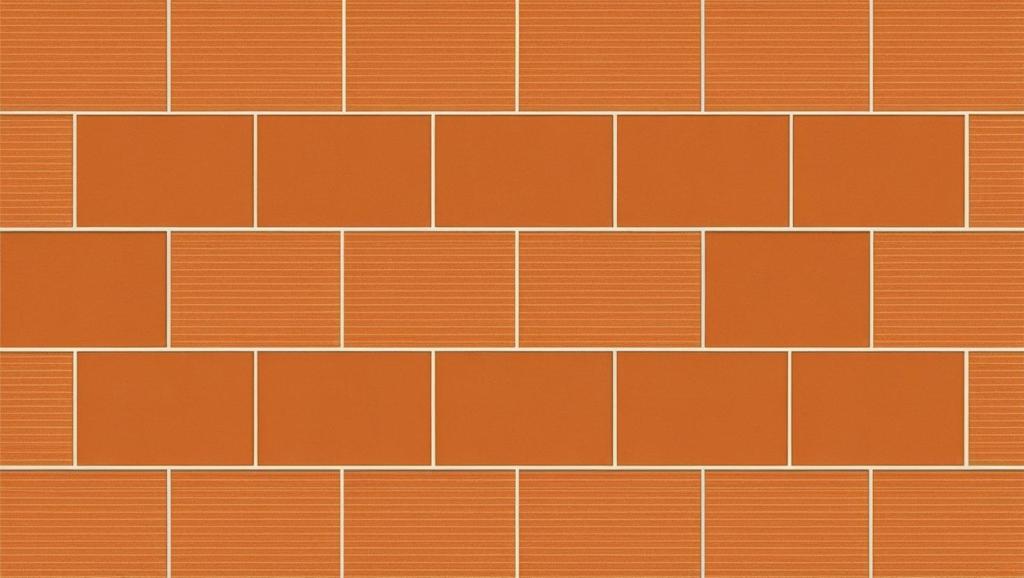
Header bond - Brick bond types
Header bond – Brick bond types

English Bond – Types of bonds in brick masonry

English bond uses alternative courses of stretcher and headers. It is the strongest and most commonly used bond in brick masonry. A quoin closer is used at the beginning of a wall. It is also used at the end of a wall after the first header. This breaks the continuity of vertical joints. Mostly, a quoin close is a brick that has been cut lengthwise into two halves and is used at corners in brick walls. Similarly, each alternate header is centrally supported over a stretcher.
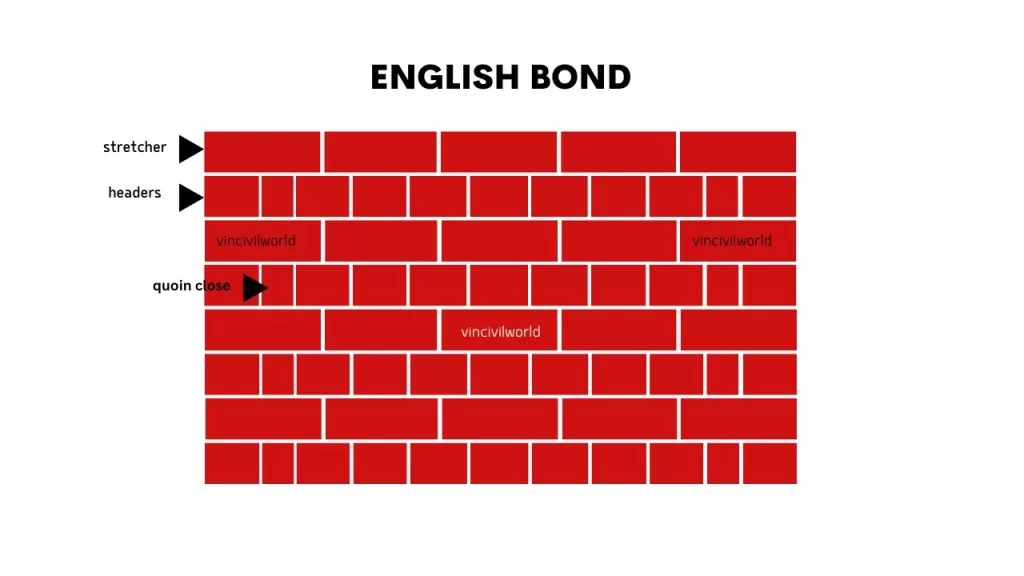
Types of bonds in brick masonry - English bond
Types of bonds in brick masonry – English bond

Flemish Bond

In Flemish bond, each course is a combination of header and stretcher. Accordingly, the header is supported centrally over the stretcher below it. Generally, closers are placed in alternate courses next to the quoin header to break vertical joints in successive layers. Flemish bond, also known as Dutch bond, is made by laying alternate headers and stretchers in a single course. The thickness of Flemish bond is minimum one full brick.The drawback of using Flemish bond is that it requires more skill to properly lay because all vertical mortar joints must be aligned vertically for best results. Closers are placed in alternate courses next to the quoin header to break vertical joints in successive There are two types of Flemish bond

  • Double Flemish bond
  • Single Flemish bond

Double flemish bond

The double flemish bond has the same appearance on both the front and back faces. As a result, this feature gives a better appearance than the English bond for all wall thicknesses.

Single Flemish Bond

The English bond serves as the backing for a single Flemish bond, which also includes a double Flemish bond on its facing. As a result, both the English and Flemish bonds’ strengths are utilised by the bond. Similarly, this bond can be used to build walls up to one and a half brick thick. However, high-quality, expensive bricks are used for the double-Flemish bond facing. Cheap bricks in turn can be used for backing and hearting.

The appearance of the Flemish bond is good compared to the English bond.  Hence, Flemish bond can be used for a more aesthetically pleasing appearance. However, If the walls must be plastered, English bond is the best choice.
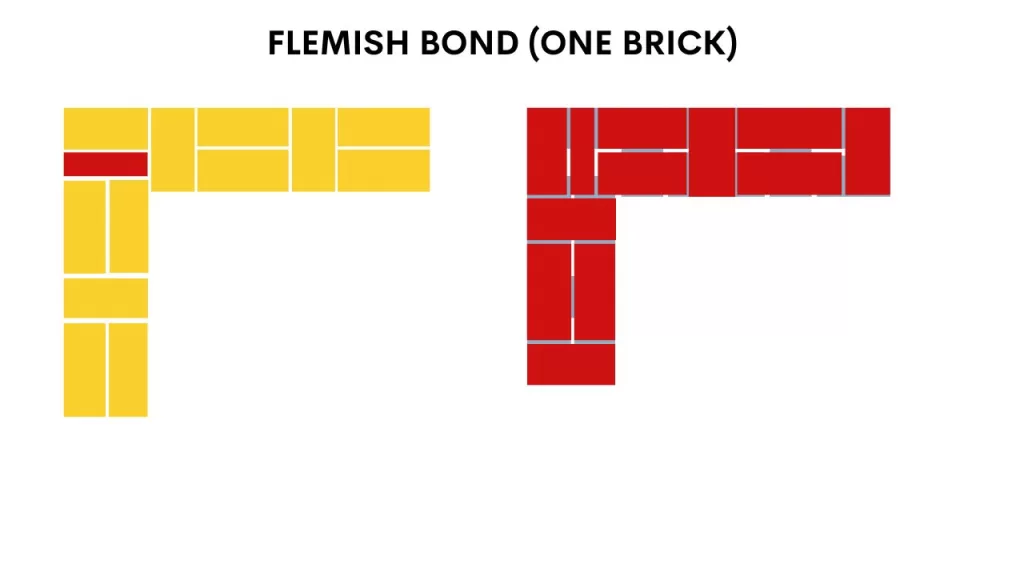
Flemish bond
Flemish bond

Raking bond

Raking bond is a type of brick bond in which the bricks are laid at angles. In this case, bricks are placed at an inclination to the direction of walls. Generally, it is commonly applicable for thick walls. Normally laid between two stretcher courses. There are two types of Raking bonds

  • Diagonal bonds
  • Herringbone bonds

Diagonal bonds

In diagonal bonds, bricks are laid inclined, the angle of inclination should be in such a way that there is a minimum breaking of bricks. These dioganal bonds are mostly applicable for walls of two to four brick thickness. Similarly, the triangular-shaped bricks are used at the corners. 
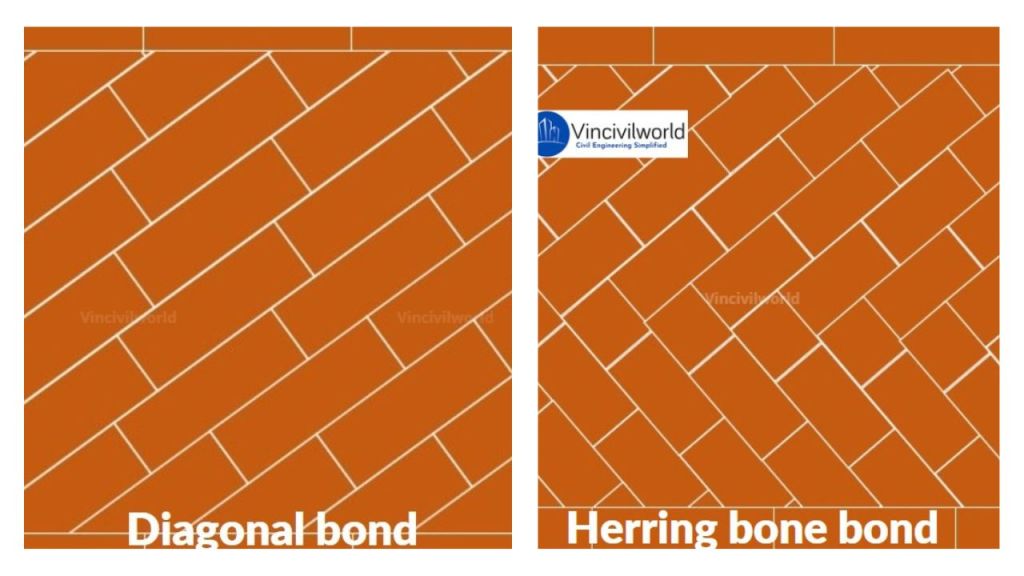
Racking bond - Brick bond types
Racking bond – Brick bond types

Herringbone bonds

This type of bond is applicable in thick walls. The bricks are laid at an angle of 45 degrees from the centre in two directions. Mostly used in paving. 

Zigzag Bond

In this type of bond, bricks are laid in a zig-zag manner. It is similar to the herringbone bond. Since Zig zag bond has an aesthetic appearance it is used in ornamental panels in brick flooring. 
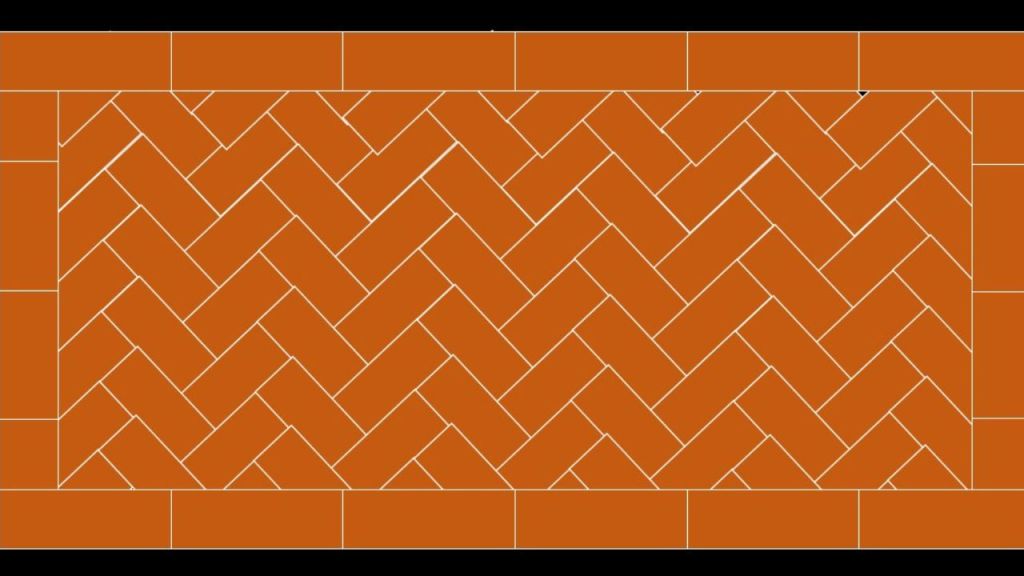
Zigzag Bond
Zigzag Bond

Facing Brick Bonds

In facing bond bricks are used of different thicknesses. It has an alternative course of stretcher and header. The load distribution is not uniform in this type of bonding. So it is not suitable for the construction of masonry walls.
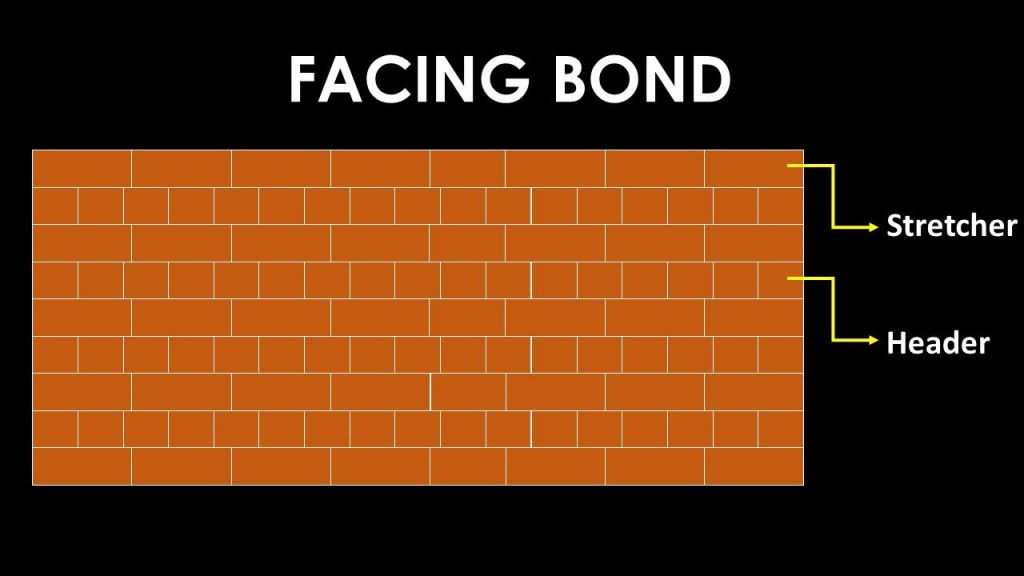
Facing brick bond
Facing brick bond

Dutch Bond

It is a type of English bond. The specific pattern of laying bricks for building a wall is known as English and Dutch bonds. The primary distinction is that English Bond is a bond used in brickwork that consists of alternate courses of stretchers and headers. Dutch bond – made by alternating headers and stretchers in a single course.
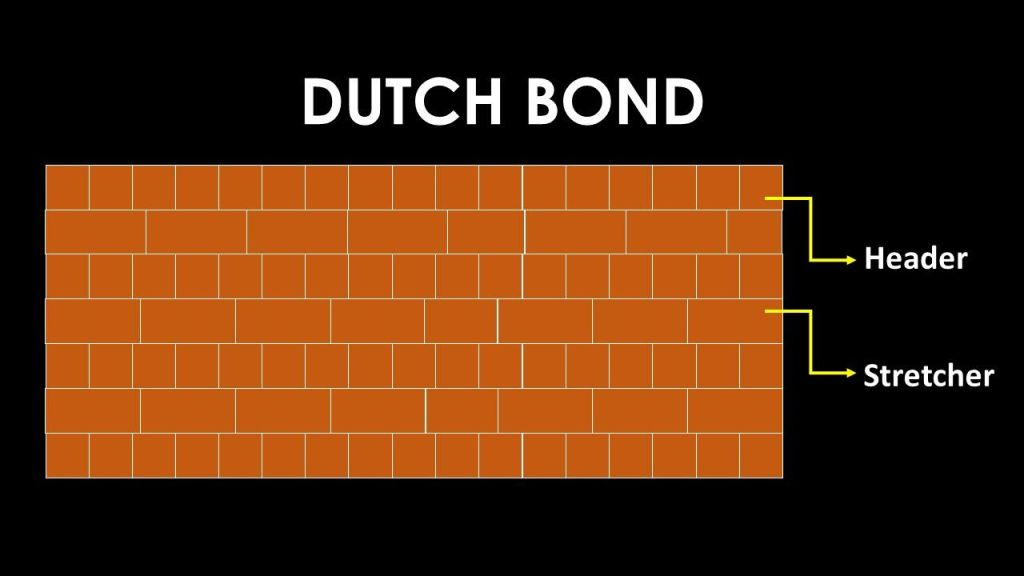
Dutch Bond - Brick bond types

Rat trap bond

Another name of the rat trap bond is the Chinese bond. In this type of bond, the bricks are placed in such a way that a void is formed between them. These voids act as thermal insulators. Thus provides good thermal efficiency. It also reduces the number of bricks and the amount of mortar. Construction of rat trap bonds requires skilled labors.
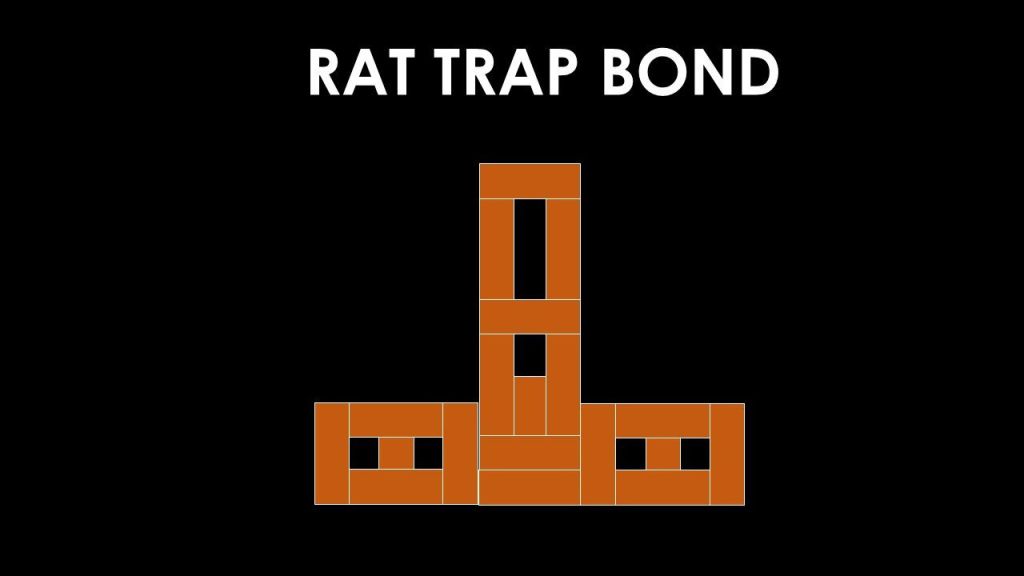
Rat trap bond
Rat trap bond

Key Takeaways

Bonds in brick masonry refer to the systematic arrangement of bricks, designed to ensure not only structural strength and durability but also visual appeal. These bonds play a crucial role in construction, with different types serving specific functional and aesthetic purposes. Among the most common are stretcher bond, header bond, English bond, Flemish bond, and herringbone bond. Each of these varies in brick placement, pattern, and suitability for different wall thicknesses. For instance, the English bond, with its alternating courses of headers and stretchers, offers superior strength. Meanwhile, the Flemish bond strikes a balance between strength and decorative appeal. By minimizing continuous vertical joints, proper bonding improves wall stability and evenly distributes loads. Therefore, understanding these bonds is vital for architects, builders, and masons when selecting the most suitable pattern for structural and design needs.

Conclusion

Brick masonry bonds are fundamental to constructing strong, durable, and visually pleasing structures. The choice of bond affects not only the structural integrity of walls but also their appearance and cost. For load-bearing walls, stronger bonds like English or Flemish are preferred, while stretcher bonds are suitable for partition walls. Correct bonding plays a vital role in minimizing joint alignment and efficiently distributing loads across the wall. Consequently, this enhances the structural integrity of the masonry.

Since each bond type offers distinct advantages, it becomes crucial to make selections based on both functional requirements and architectural aesthetics. Moreover, mastering the use of brick bonds leads to quality workmanship, ensuring not only structural reliability but also greater design flexibility. In addition, choosing the right bond supports construction efficiency and durability.

As a core principle in masonry, understanding the purpose and application of different bonds significantly improves overall construction quality. Ultimately, this knowledge contributes to the long-term performance and sustainability of brick structures across residential, commercial, and infrastructural projects.
Understanding Refractory Bricks: A Comprehensive Guide

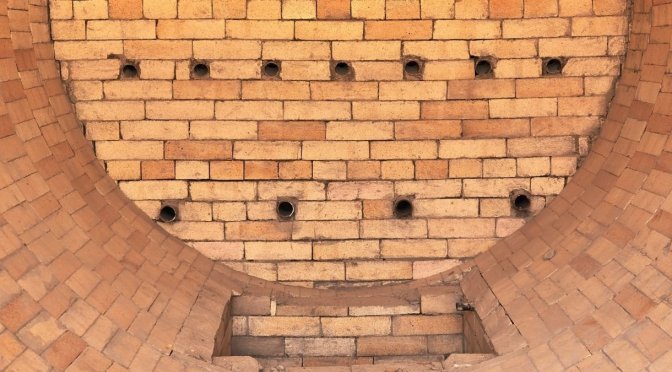
Refractory bricks are specialized construction materials designed to withstand extremely high temperatures, making them essential in industries such as steel, glass, ceramics, and  cement. These heat-resistant bricks maintain structural integrity and insulation in high-temperature environments like furnaces, kilns, and reactors. Whether you’re a builder, engineer, or homeowner planning a fire-safe project, understanding refractory bricks can help you choose the right materials for long-lasting performance. In this blog, we explore what refractory bricks are, their types, key properties, applications, and how to choose the right one for your project. We’ll also guide you on pricing and sourcing in India and beyond. Let’s dive into the world of refractory fire bricks and how they can improve safety and efficiency in thermal systems.

  1. What Are Refractory Bricks?
  2. Key Properties of Refractory Bricks
  3. Types of Refractory Bricks
    1. Fire Clay Bricks
    2. High Alumina Refractory Bricks
    3. Silica Refractory Bricks
    4. Magnesia Bricks
    5. Insulating Fire Bricks (IFB)
  4. Applications of Refractory Bricks
    1. Steel Industry
    2. Glass Industry
    3. Cement Industry
    4. Ceramics and Pottery
    5. Petrochemical Industry
    6. Power Generation
    7. Non-Ferrous Metal Industry
    8. Foundries
    9. Chemical Processing
    10. Waste Incineration
  5. Maintenance and Lifespan of Refractory Bricks
  6. FAQs
  7. Key Takeaways
  8. Conclusion

What Are Refractory Bricks?

Refractory bricks, also known as fire bricks, resist heat and retain their strength and structure under extreme thermal stress. Manufacturers make them from ceramic materials such as alumina, silica, magnesia, or chromite. These bricks differ from ordinary building bricks in their ability to resist thermal shock, corrosion, and abrasion. Commonly used in furnaces, fireplaces, and kilns, refractory bricks act as a barrier against heat loss and mechanical wear. Refractory experts categorize bricks into several types based on their material composition and properties, ensuring suitability for specific environments and temperatures.

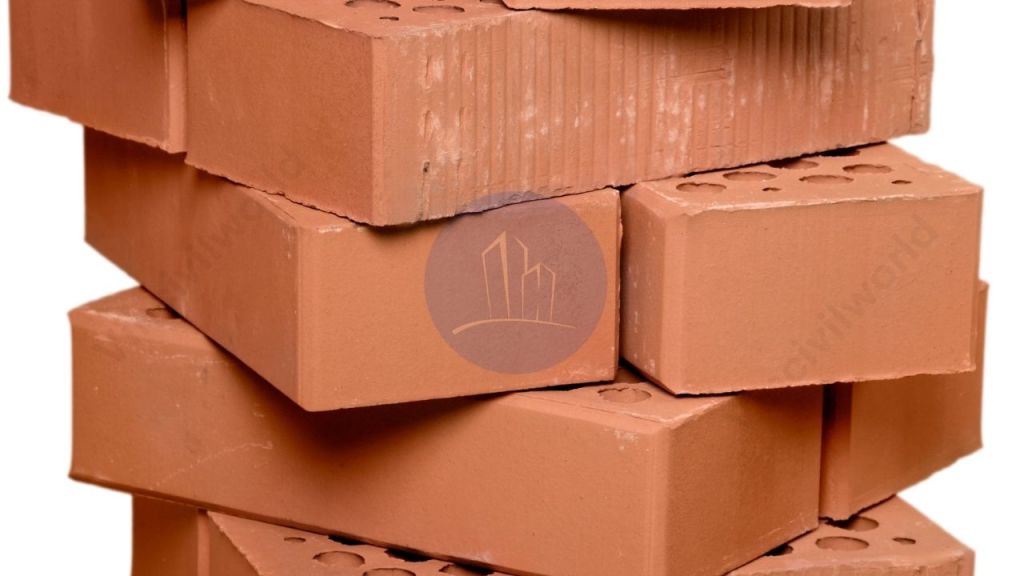
Close-up view of stacked refractory bricks in warm tones, showcasing their uniform texture and arrangement.
Close-up view of refractories showcasing heat-resistant bricks, essential for industrial applications like kilns and furnaces.

Key Properties of Refractory Bricks

Refractory bricks exhibit the following core properties:

  • High Heat Resistance: Capable of withstanding temperatures exceeding 1,500°C.
  • Thermal Insulation: Low thermal conductivity prevents heat loss.
  • Mechanical Strength: Resists cracking, abrasion, and pressure under load.
  • Chemical Inertness: Withstands attack from acidic or basic slags.
  • Low Porosity: Ensures minimal moisture absorption and better insulation.

These properties make refractory bricks ideal for high-temperature industrial operations and thermal insulation applications.

Types of Refractory Bricks

  1. Fire Clay Bricks: Made from hydrated aluminum silicates; used in fireplaces, ovens, and boilers.
  2. High Alumina Bricks: Contain over 45% alumina; ideal for steel plants and glass melting furnaces.
  3. Silica Bricks: Withstand high temperatures and acidic environments; used in coke ovens.
  4. Magnesia Bricks: Excellent resistance to basic slags; suitable for  cement kilns.
  5. Insulating Fire Bricks (IFB): Lightweight and low thermal conductivity; used for insulation rather than structural load.

Each type serves a unique function depending on thermal, mechanical, and chemical demands.

Fire Clay Bricks

Craftsmen craft fire clay bricks from refractory clays rich in hydrous aluminum silicates, primarily kaolinite. These bricks can endure temperatures up to 1,775°C, making them particularly suitable for high-temperature applications such as fireplaces, ovens, and boilers. Additionally, their composition includes natural argillaceous materials, which may contain fine-grained micas and quartz, further enhancing their thermal stability. Furthermore, fire clay bricks exhibit excellent resistance to thermal shock. This is why they are commonly used for lining furnaces and kilns. As a result, their durability and cost-effectiveness make them a preferred choice in various industrial settings, where both performance and affordability are key considerations.

High Alumina Refractory Bricks

High alumina bricks contain a minimum of 45% alumina (Al₂O₃), with some premium grades exceeding 80%. As a result, they exhibit exceptional resistance to high temperatures, chemical corrosion, and mechanical wear. Industries such as steel plants, glass melting furnaces, and cement kilns widely use high alumina bricks due to these qualities. Furthermore, they offer high refractoriness, often above 1,750°C, which ensures performance under extreme heat. In addition, they demonstrate excellent thermal shock resistance, allowing them to withstand sudden temperature changes. Moreover, their low porosity and high density enhance their mechanical strength and durability. Consequently, high alumina bricks remain a reliable and long-lasting choice for industries that operate under aggressive thermal and chemical conditions.

High Alumina Refractory Bricks

Silica Refractory Bricks

Silica bricks consist primarily of silicon dioxide (SiO₂), typically exceeding 93% content. They withstand temperatures up to 1,700°C and resist acidic slags effectively. Engineers commonly use these bricks in constructing coke ovens, glass furnaces, and acid converters. Silica bricks also exhibit low thermal expansion and high thermal conductivity, which make them ideal for applications involving rapid temperature changes. Their ability to maintain structural integrity at high temperatures ensures they last longer in demanding industrial processes.

Silica Refractory bricks

Magnesia Bricks

Magnesia bricks are primarily composed of magnesium oxide (MgO), offering excellent resistance to basic slags and high refractoriness, often above 1,800°C. They are widely used in environments where basic slags are prevalent, such as in steelmaking furnaces and  cement kilns. Magnesia bricks exhibit good thermal conductivity and are known for their ability to withstand thermal shocks. Their high melting point and chemical stability make them suitable for lining furnaces that operate under harsh conditions.

Insulating Fire Bricks (IFB)

Engineers design Insulating Fire Bricks (IFBs) as lightweight refractory bricks to provide thermal insulation. Their low thermal conductivity helps reduce heat loss and improve energy efficiency in furnaces and kilns. Made from refractory clays with high porosity, IFBs trap air, enhancing their insulation properties. They withstand temperatures ranging from 1,260°C to 1,760°C, depending on the grade. Common applications include using them as backup insulation in high-temperature furnaces, flue linings, and kilns.

Each type of refractory brick serves specific functions based on its thermal, mechanical, and chemical properties. These properties ensure optimal performance in various high-temperature industrial applications.

Applications of Refractory Bricks

Refractory bricks are critical in numerous applications:

  • Steel and Iron Furnaces: Line blast furnaces and converters.
  • Glass Manufacturing: Used in tank furnaces and regenerators.
  •  Cement Kilns: Withstand rotation and high heat.
  • Boilers and Incinerators: Offer insulation and corrosion resistance.
  • Home Fireplaces and Pizza Ovens: Provide a safe and durable lining.

Use-specific selection ensures performance and longevity of thermal systems.

Steel Industry

Refractory bricks line blast furnaces, converters, and ladles in steel production, enduring extreme temperatures and corrosive slags. Their thermal resistance ensures structural integrity during smelting and refining processes, making them indispensable for efficient and safe steel manufacturing.

Glass Industry

Glass manufacturers use refractory bricks to withstand high temperatures and chemical corrosion from molten glass. To ensure durability, they line melting furnaces and annealing lehrs with these bricks. As a result, the bricks provide thermal insulation and maintain structural stability. This stability, in turn, is crucial for achieving consistent glass quality. Moreover, it enhances energy efficiency during the production process. Therefore, refractory bricks play a vital role in ensuring the reliability and performance of glass manufacturing systems.

Cement Industry

Refractory bricks are essential in cement production, lining rotary kilns and coolers. They resist thermal shock and chemical erosion, ensuring the longevity of kilns and maintaining optimal temperatures for efficient clinker formation.

Ceramics and Pottery

In ceramics, refractory bricks line kilns and ovens, enduring high firing temperatures. Their thermal stability and resistance to thermal shock are vital for producing high-quality ceramic products without structural damage to kilns.

Petrochemical Industry

Refractory bricks line reactors, reformers, and furnaces in petrochemical plants, withstanding high temperatures and corrosive chemicals. Their durability ensures safe and efficient processing of petrochemical products.

Power Generation

In power plants, refractory bricks line boilers, incinerators, and chimneys, providing insulation and withstanding high temperatures. They enhance energy efficiency and protect structural components from thermal damage.

Non-Ferrous Metal Industry

Refractory bricks are used in furnaces and crucibles for smelting non-ferrous metals like aluminum and copper. They resist high temperatures and corrosive slags, ensuring the integrity of melting and refining processes.

Foundries

In foundries, refractory bricks line furnaces and ladles, enduring the intense heat of molten metals. Their thermal resistance and durability are crucial for safe and efficient metal casting operations.

Chemical Processing

Refractory bricks line reactors and containment vessels in chemical industries, withstanding high temperatures and corrosive substances. They ensure safe chemical reactions and longevity of processing equipment.

Waste Incineration

Refractory bricks line incinerators, enduring high temperatures and corrosive by products during waste combustion. They protect structural components and ensure efficient and safe waste disposal.

These applications highlight the versatility and critical role of refractory bricks in industries requiring high-temperature resistance and structural durability.

Maintenance and Lifespan of Refractory Bricks

Refractory bricks typically last 5–10 years in industrial use, depending on operating conditions. Maintenance tips:

  • Inspect for surface cracks or erosion regularly
  • Avoid water seepage to prevent structural weakening
  • Replace damaged bricks immediately to prevent hot spots
  • Reapply protective coatings if required in corrosive environments

Proper care extends performance and reduces long-term costs.

FAQs

Q1: What are refractory bricks made of?

They are made of ceramic materials like alumina, silica, magnesia, or combinations depending on temperature and corrosion requirements.

Q2: Which refractory  brick is best for a kiln? A: High alumina or insulating fire bricks are commonly used, based on whether structural strength or insulation is needed.

Q3: Can fire bricks be used in a fireplace? A: Yes, fire clay bricks are ideal for fireplaces due to their heat resistance and durability.

Q4: Are these bricks eco-friendly? A: Many modern bricks are made using low-emission processes and recyclable materials, enhancing their eco-credentials.

Key Takeaways

  • Refractory bricks withstand high heat and protect industrial furnaces, kilns, and ovens.
  • Multiple types (fire clay, high alumina, silica, magnesia) serve specific thermal and chemical needs.
  • Prices vary based on material and quality, with sourcing available locally and globally.
  • Regular maintenance ensures longer lifespan and safe performance.
  • Choosing the right refractory  brick enhances energy efficiency and structural safety.

Conclusion

Refractory bricks play a foundational role in high-temperature construction, offering heat resistance, durability, and safety. Understanding their types, properties, and applications helps in selecting the best option for industrial or residential use. Whether you’re lining a kiln or building a fireplace, the right brick ensures long-term efficiency and reliability. Always consult suppliers and material experts to get the best quality suited to your specific needs. Embrace heat with confidence—with the right refractory bricks in place.

Testing of Bricks – Top 8 Test on bricks to ensure quality

Testing of bricks is a crucial step both on-site and in laboratories to verify the quality and suitability of bricks for construction. Bricks are one of the oldest and most reliable building materials, valued for their strength, durability, and affordability. Typically made from clay, bricks usually measure 190 mm × 90 mm × 90 mm with sharp, rectangular edges. They serve as essential components in construction, acting as both load-bearing structures and means of load transfer. To ensure their effectiveness, several brick quality tests are conducted, including the compressive strength of bricks, water absorption test, efflorescence test, and brick durability test. These types of brick tests help assess the brick’s resistance, porosity, and overall performance under different conditions. Adhering to these testing methods guarantees that only high-quality bricks are used, leading to safer and more durable construction projects. Understanding the methods for testing bricks is vital for builders, engineers, and quality controllers.

Audio on test on bricks
  1. Requirement of Good Quality Bricks
  2. Testing of Bricks – Top 8 tests on bricks
    1. Water absorption testing of bricks
  3. Compressive strength of brick/Crushing strength of brick
  4. Efflorescence test on brick – Testing of bricks
  5. Hardness test on bricks
  6. Shape and size Testing of Bricks
  7. Colour test of bricks
  8. Structure Test on Bricks
  9. Soundness test of bricks

Requirement of Good Quality Bricks

Good quality bricks are essential in construction to ensure strong, durable, and safe structures. They provide a stable base and resist environmental stresses, contributing to the longevity of buildings. The requirement for good bricks includes uniformity in size and shape, strength, durability, and minimal water absorption to prevent damage from moisture.

  • Bricks should be homogeneous and compact.
  • They should have equal proportions of clay, sand, and silt. 
  • Bricks should have requisite plasticity.
  • They should be free from defects like lumps and holes. 
  • The shape of the brick should be rectangular. 
  • A good brick should not break if dropped from a one-meter height.
  • Brick should not possess internal cracking and shrinkage.
  • The brick should be fire and scratch-resistant.
  • Water absorption of brick should not exceed 20 per cent of its dry weight. 
  • The compressive strength of the brick should not be less than 3.5N/mm2.
Good quality bricks
Good Quality Bricks

To maintain these qualities, testing of bricks should be done. This article discusses the test on bricks that are carried out to ensure the quality of good bricks.

Testing of Bricks – Top 8 tests on bricks

Bricks must undergo various tests to ensure their quality, strength, and durability for safe and long-lasting construction. Proper testing helps identify defects, assess strength, and confirm compliance with standards, preventing structural failures and ensuring cost-effective use of materials.

  • Water absorption test of brick
  • Compressive strength test of brick/ crushing strength test on bricks
  • Hardness test of brick
  • Shape and size test of bricks
  • Colour test of bricks
  • Soundness test of brick
  • Structure of brick test
  • Efflorescence test of brick

Water absorption testing of bricks

A water absorption test of the brick is performed to determine the amount of moisture absorbed by the brick under extreme conditions. The purpose of the water absorption test of bricks is to determine their durability of the bricks. The water absorption test necessitates the use of a weighing machine and a drying oven.

  • Firstly, the brick specimen is dried in a drying oven 
  • After that, weigh the dry specimen using the weighing machine and mark it as W1.
  • Secondly, immerse the brick in water for 24 hours.
  • Then take the brick out and drain the water.
  • Similarly, measure the weight and mark it as W2.
  • Finally using the formula determine the water absorption.

Water absorption = (W1 -W2) / W1 x 100

The moisture content of the brick is thus determined by the difference between the dry weight and the wet weight. Water absorption for high-quality bricks should be less than 20% of the dry weight. This brick test ensures that the brick is long-lasting and can withstand extreme weather conditions.

Compressive strength of brick/Crushing strength of brick

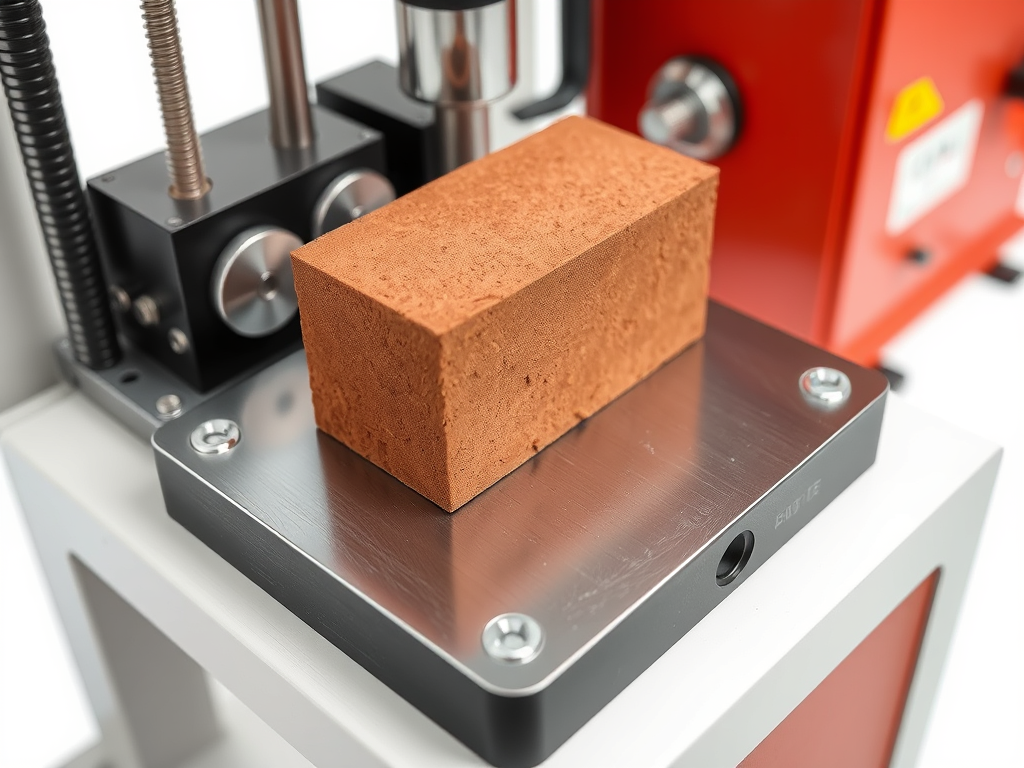
The ability of the brick to withstand a particular load without failure is the compressive strength of the brick.

A compressive strength testing machine is the apparatus for determining the compressive strength of brick.

  • First, Take three sample specimens and submerge them in water. 
  • After 24 hours, drain the water. Fill the frog and void with mortar in a ratio of 1: 3. 
  • Subsequently, store the brick in jute bags for 3 days. 
  • Place the brick in the compression testing machine with the brick frog area facing upwards. After that apply the load slowly.
  • Note down the load at which the bricks break.
  • Finally, using the formula to determine the compressive strength of brick. 

Compressive strength (N/mm2) = Maximum load at bricks fail/ Loaded area of brick

For good quality bricks, the compressive strength should not be less than 3.5 N/mm2

Compressive strength of brick/Crushing strength of brick - Apparatus
Compressive strength of brick/Crushing strength of brick – Apparatus

Efflorescence test on brick – Testing of bricks

A good quality brick should be free of soluble salts. However, If soluble salts are present, they form a white substance on the brick surface. Generally, efflorescence on brick is the name given to this white formation. The test procedure for performing the Efflorescence test on brick is as follows.

  • First, take a brick specimen and submerge it in water for 24 hours. 
  • After 24 hours, drain the brick and allow them to dry.
  • Keenly observe the brick surface.
Brick surface conditionDegree of Efflorescence
No white substanceZero efflorescence
10% white substanceSlight efflorescence
50% white substanceModerate efflorescence
More than 50% white substanceHeavy efflorescence
Efflorescence test on brick – Range
Efflorescence Test on Bricks
Efflorescence test on brick

Hardness test on bricks

The hardness test on bricks is a field verification test. Hence they are performed on-site. A good brick should resist scratches against sharp things. The following is the test procedure for the hardness test on bricks.

  • At first, choose a brick randomly from the stack.
  • Using a nail or finger make a mark on its surface. 
  • If there is no scratch, then it is a good quality brick.

Shape and size Testing of Bricks

A good quality brick should be uniform in size and rectangular in shape. In order to check this, measure the brick on the field. The standard size of the brick is 190mm x 90mm x 90mm.

  • Randomly, choose 20 bricks from the stack.
  • Sort them in length, width and height wise.
  • If the sizes are the same, Then they are good bricks.
shape and size test of bricks

Colour test of bricks

Normally good quality bricks are deep red or copper colour. The colour test is a field test. Therefore, it can be observed visually.

Structure Test on Bricks

Homogeneity and compact structure are the quality of good bricks. 

  • Randomly, pick one brick from the stack.
  • Cut the brick into two pieces at the centre. 
  • Then observe its inner side.
  • They should be free from defects such as lumps, holes etc. 

Soundness test of bricks

The soundness test of bricks is a field test used to determine the strength of the bricks.

  • In this test, choose two bricks randomly without damage or break.
  • Hit the bricks with each other. 
  • Then, listen to the sound the brick produce. 
  • If a metal ringing sound is produced, then it is good quality bricks.