Category Archives: CEMENT

Types of Cement for Concrete – Top 15 Cement Types

Types of Cement used in construction are categorised according to their properties, applications, and advantages. Concrete construction involves the use of different varieties of cement, each possessing unique characteristics, benefits, and applications that depend on the materials utilized in their production. This categorization is based on the composition of the materials used in production.

Cement is an integral part of all types of construction ranging from huge skyscrapers, bridges, tunnels, etc to small residential buildings. It is one of the oldest and most used binding materials and an integral ingredient used in the construction sector. There are different types of cement available in the market. Each type of cement has its application depending on its properties. This article is about the cement types mostly used in construction.

15 Types of Cement and Their Uses

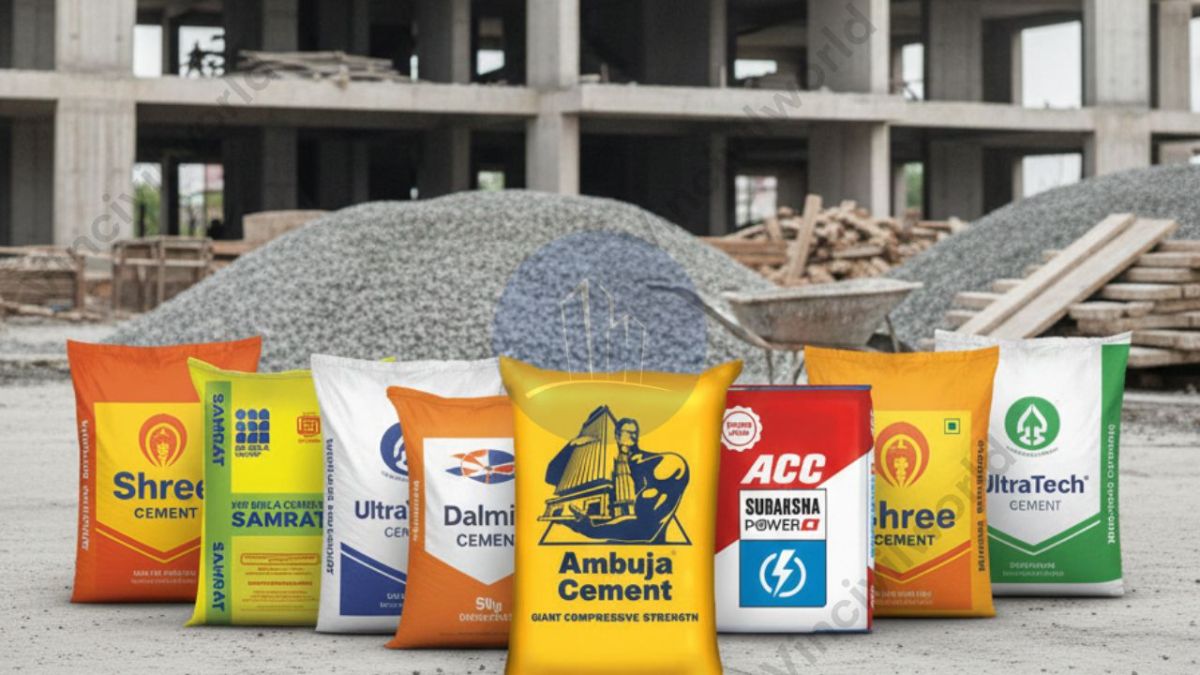
Let us have a look at the top 15 cement types widely used in India and other nations. They are,

  • Ordinary Portland cement  
  • Portland pozzolona cement 
  • Portland Slag cement
  • Rapid hardening cement 
  • Hydrophobic Portland cement
  • Low-heat Portland cement 
  • Sulphates resisting Portland cement 
  • Quick setting Cement
  • High alumina cement
  • Masonry cement
  • White cement
  • Coloured cement
  • Expansive cement
  • Air-entraining Portland cement
  •  Hydrographic cement

Ordinary Portland cement (OPC ) – Types of Cement  

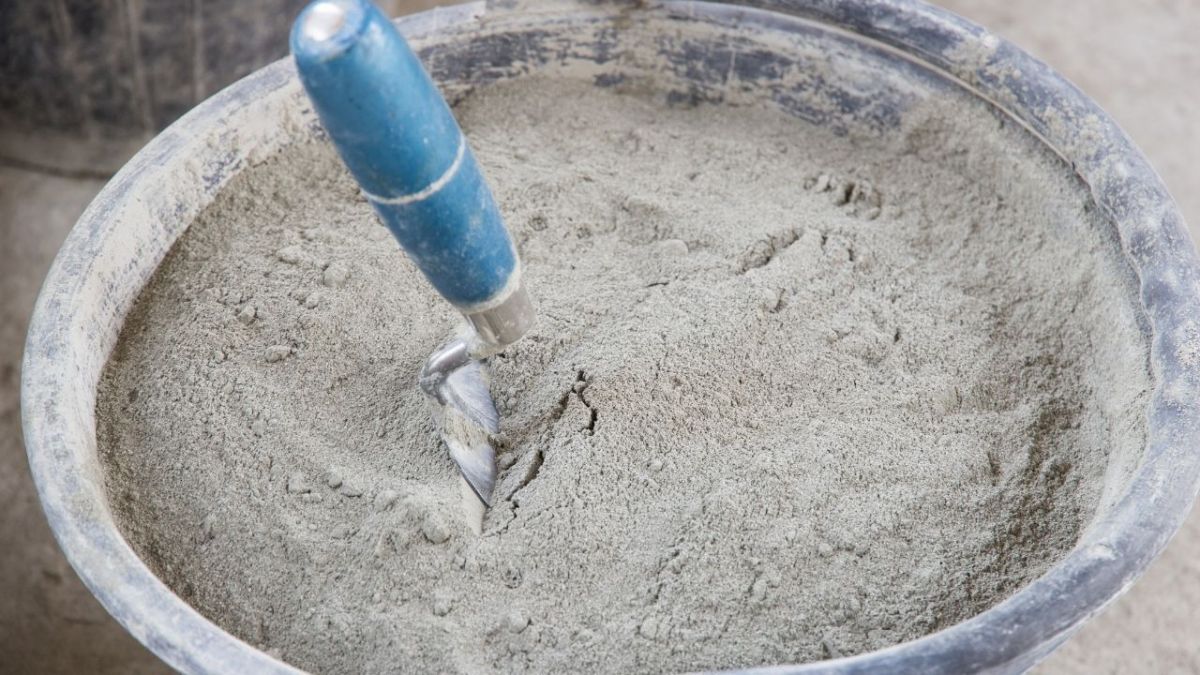
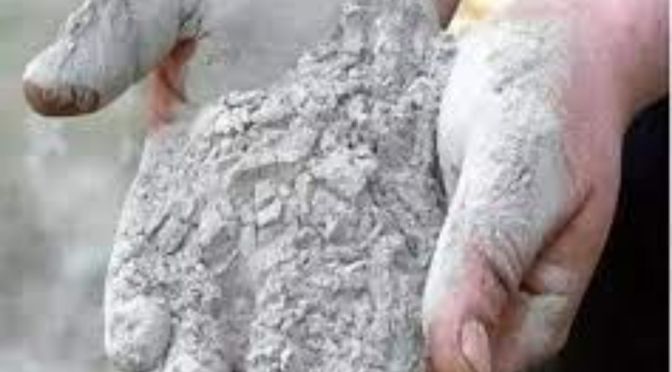
OPC stands for Ordinary Portland Cement, which is one of the most commonly used types of cement in construction. It is made from a mixture of limestone, clay, and other materials, heated at high temperatures to produce a fine powder. Mostly, gypsum, calcareous material, and argillaceous substance make up Ordinary Portland Cement. OPC cement has excellent binding properties and provides high compressive strength to the concrete.

Ordinary Portland Cement is versatile and suitable for a wide range of construction applications, including buildings, bridges, and pavements. Ordinary Portland Cement is available in different grades, each with unique characteristics, making it easy to choose the most appropriate type for a specific construction project. Additionally, it has a relatively fast setting time, allowing for faster completion of construction projects. Ordinary Portland cement is more economical and forms a crucial component of high-strength concrete. This kind of cement is well-resistant to deterioration from chemicals, shrinkage, and fractures.
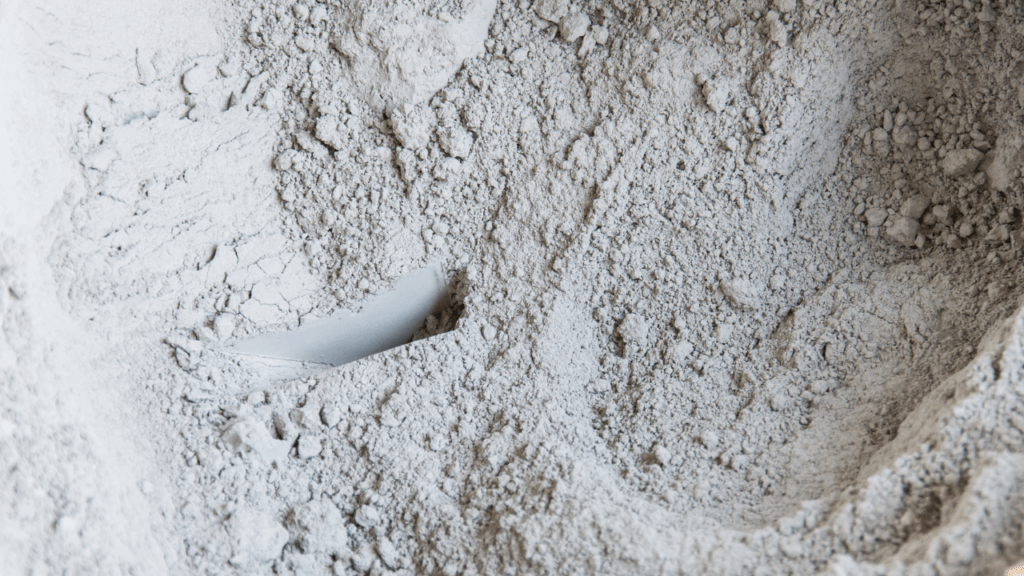
Ordinary Portland Cement

Also read : Best cement of India

Portland pozzolana cement – Types of cement in India

Portland Pozzolana Cement (PPC) is a type of cement made by combining Portland cement clinker with pozzolanic materials like fly ash, volcanic ash, or silica fumes. contains 15% to 35% pozzolanic ingredients, gypsum, and clinker. The pozzolanic materials improve the workability and durability of concrete and reduce the risk of cracking. PPC is preferred in locations with high moisture content, as it is highly resistant to dampness and corrosion. It is also eco-friendly since it uses industrial waste as a raw material. PPC cement is suitable for a wide range of construction applications, including dams, bridges, and buildings.

PPC has an initial setup time of 30 minutes and an ultimate setting time of 600 minutes. It is appropriate for hydraulic and marine structures. sewage works, and underwater concrete laying, such as bridges, piers, dams, and mass concrete works. because PPC has strong resistance to sulphate attack. PPC has a slower setting time than OPC, which may prolong construction time. Its initial strength is also lower than OPC.

Portland Slag Cement (PSC) -Types of cement for concrete

Portland Slag Cement (PSC) is a type of cement made by blending granulated blast furnace slag (GGBFS) with Portland cement clinker. The slag is a waste product from steel manufacturing, making PSC an eco-friendly alternative to traditional cement. PSC has excellent workability, durability, and low heat of hydration. It is widely used in construction applications such as dams, bridges, and underground structures. PSC provides high strength and durability, making it a popular choice for high-performance concrete. It is also known for its resistance to chloride and sulphate attacks. It has good compressive strength.

Rapid hardening cement – Types of cement in India

Rapid Hardening Cement (RHC) is a type of cement that attains high strength in a short time. It is made by grinding Portland cement clinker with a higher amount of C3S and a lower amount of C2S. RHC is suitable for emergency repair works and precast concrete components. Its rapid setting and strength gain properties make it ideal for use in cold weather conditions. It has high resistance to chemical attacks. RHC needs less curing time. The strength of rapid hardening cement at the three days is similar to the 7 days strength of OPC with the same water-cement ratio. So it is suitable for formworks, pavements etc. It has more application than OPC because of its early hardening property. Rapid-hardening cement is expensive. 

Hydrophobic Portland cement

Hydrophobic Portland Cement (HPC) is a type of cement that repels water due to its chemical composition. It is made by adding water-repellent chemicals to the cement during the grinding process. HPC is suitable for construction projects in areas with high rainfall or moisture content. It is commonly used in the construction of basements, swimming pools, and water storage tanks. HPC also has increased durability and can resist chemical attacks. It consists of admixtures such as acid naphthene soap, oxidized petrolatum, etc., reducing the melting of cement grains. The strength of hydrophobic cement is similar to OPC after 28 days. This type of cement is expensive. 

Low-heat Portland cement 

Low-heat Portland cement is a type of cement that produces less heat during hydration, which reduces the risk of cracking and improves durability. It is typically used in large concrete structures such as dams, bridges, and high-rise buildings, as well as in mass concrete applications. Because the heat of hydration of this type of cement is 20% less than normal cement. It consists of 5% of tricalcium aluminate and 46% of dicalcium silicate. Therefore it produces low heat of hydration. It has excellent wear, impact resistance and workability. 

Sulphate-resisting Portland cement 

Sulphate-resisting Portland cement (SRPC) is a type of cement designed to resist the effects of sulphates, which can cause concrete to deteriorate. It contains lower levels of tricalcium aluminate, which is the component most susceptible to sulphate attack. SRPC is commonly used in construction projects involving soil with high sulphate content or exposure to seawater.

Quick setting Cement

Quick-setting cement is a type of cement that hardens and gains strength rapidly after mixing with water, usually within 5 to 30 minutes. It is used in situations where the rapid setting is necessary, such as in cold weather or for emergency repairs. However, quick-setting cement may not be suitable for projects requiring longer workability or for structures that need to withstand heavy loads over time. It is a special type of cement manufactured by adding aluminium sulphate and reducing the amount of gypsum. It is applicable for underwater concreting and grouting. The setting time of this cement is less because aluminium sulphate is an accelerating admixture. It is also preferable for concrete repair works, tunnelling etc.

High alumina cement

High alumina cement (HAC) is a type of cement that is made from bauxite and limestone with a high percentage of alumina content, typically over 35%. It sets and hardens rapidly, has high early strength, and can withstand high temperatures and acidic environments. It is commonly used in refractory applications such as furnace linings, precast shapes, and high-temperature concretes. However, HAC is not recommended for structural applications due to its high shrinkage and susceptibility to chemical attacks over time. High alumina concrete attains strength within 24 hours. It can withstand high temperatures and fire. It is applicable in refractory concrete. Rapid hardening cement with an initial and final setting time of about 3.5 and 5 hours, respectively.

Masonry cement

Masonry cement is a type of cement that is specifically designed for use in masonry construction, such as bricklaying and plastering. It is a blend of Portland cement, hydrated lime, and sometimes additional additives such as sand, clay, or other minerals. The addition of hydrated lime improves the workability and durability of the cement, and it also enhances the bond strength between the cement and the masonry units. Masonry cement is commonly used in both exterior and interior masonry applications, such as building walls, chimneys, and decorative stonework. Since it has low strength it is not suitable for structural applications. The cost of masonry cement is less. Also, they have high water retentivity and workability. 

White cement

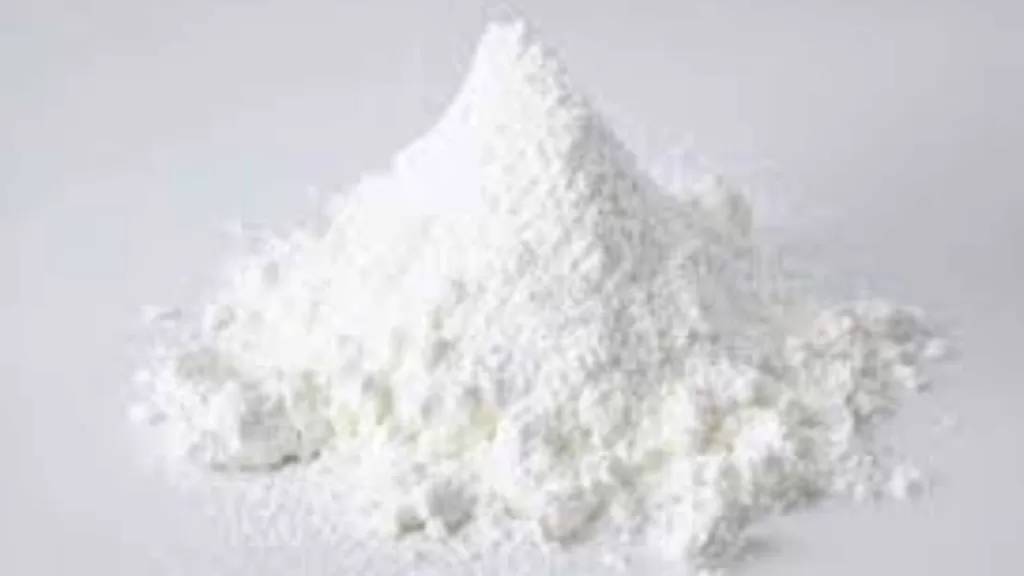
White cement is a type of cement that is similar to Portland cement, but with a white or light-coloured appearance. It is made from raw materials with low iron content, such as limestone, kaolin, and clay, and is often used for decorative or architectural purposes, such as in terrazzo flooring, precast panels, and ornamental concrete. White cement is also used in applications where colour consistency is important, such as in coloured concrete or mortars, as it can be tinted to various shades. It has similar properties to grey cement in terms of setting time, strength development, and durability. White cement is manufactured by using limestone, clay, oil and gypsum. But they are expensive compared to normal cement. 
Coloured cement

Coloured cement is a type of cement that is produced by adding pigments to the raw materials during the manufacturing process. It is available in a wide range of colours, and the pigments used can be natural or synthetic. Coloured cement is used in decorative concrete applications where aesthetics are important, such as stamped concrete, exposed aggregate, and decorative overlays. It can also be used in architectural concrete, including precast panels, masonry units, and concrete countertops. The colour of the cement can be affected by the curing process, and it is important to use a consistent curing method to ensure the desired colour is achieved. Coloured cement consists of colour pigments like chromium, cobalt, ton oxide, manganese oxide etc which gives them colour. It is preferable for floor finishing, window sills stair treads, and other external surfaces. The number of colouring pigments should about be 5 to 10 per cent. 
Coloured cement
Coloured cement

Expansive cement

Expansive cement is a type of cement that expands during the early stages of hydration. It contains a mixture of Portland cement clinker, gypsum, and an expansive agent, such as calcium sulphate or anhydrite. Expansive cement can expand up to 3% of its original volume, and this expansion can help offset the shrinkage that occurs as the concrete dries and hardens, reducing the risk of cracking. It is commonly used in applications where shrinkage cracking is a concern, such as in large concrete structures, pavements, and bridge decks. However, the expansion can also cause problems if it is not properly controlled, and it is important to follow the manufacturer’s guidelines for use.

  • K-type expansive cement
  • M-type expansive cement
  • S-type expansive cement

The use of expansive cement is in water retaining structures, concrete repairing, large floor slabs, etc. 

Air-entraining Portland cement

Air-entraining Portland cement is a type of cement that contains an air-entraining agent, such as resins, surfactants, or fatty acids, that creates microscopic air bubbles in the concrete. These air bubbles improve the durability of the concrete by reducing the effects of freeze-thaw cycles, as the water trapped in the bubbles can expand and contract without damaging the concrete. Air-entraining Portland cement is commonly used in cold climates or areas with high humidity, where freeze-thaw cycles can cause damage to concrete structures. However, the use of air-entraining agents can also reduce the compressive strength of the concrete, so it is important to properly balance the amount of air entrainment with the desired strength and workability of the concrete. Air-entraining agents like aluminium powder and hydrogen peroxide are added to the cement. 

Hydrographic cement

Hydrographic cement, also known as underwater cement, is a type of cement that can harden and set even when submerged in water. It is specifically designed for use in underwater construction projects, such as building foundations, bridges, and pipelines. Hydrographic cement contains special additives that allow it to set and harden underwater without being affected by the water, and it can also be mixed with accelerators to speed up the setting time. The cement is typically mixed and applied using specialized equipment, such as pumps or tremies, to ensure proper placement and consolidation.

Test of cement on site – Field tests of Cement

Test of cement on site or field tests of cement is one of the most crucial things to be performed to assure the quality of the construction. Every structure is made up of hundreds of different building materials, such as sand, cement, aggregates, bricks, tiles, marble, and so on. However, the quality of the building materials is crucial for producing a high-quality structure and should be regularly evaluated at various phases of construction. Cement is the most important material used in construction and is responsible for the overall strength of the structure. In order to guarantee excellence in building, cement quality must be properly.

This article is about the various test of cement on-site or field tests of cement to ensure quality.

  1. Test of cement on site – Significance
  2. How to check cement quality?
  3. Test of cement on site / Field tests of cement
    1. Checking the manufacturing date of cement
    2. Visual checking for Lumps for the test of cement on site.
    3. Feel test of cement on site
    4. Heat of cement
    5. Colour
    6. Water float test
    7. Setting test
    8. Conclusion

Test of cement on site – Significance

Cement plants are generally found in isolated areas near limestone mines. Generally, clinker is produced by cement companies at a centralised clinkerization plant. Clinkers are either ground at the clinkerization facility or transported to strategically placed grinding units for grinding and cement bag packing. The manufactured and packed cement is transported and delivered to the prescribed destinations by road or rail. Even with the finest protection, the cement still has the potential of absorbing moisture while being transported. After absorbing moisture, the cement tends to harden, deteriorating its quality. Because of these unforeseen concerns, cement must be tested for quality before being used in construction. Basically, cement testing is carried out in accredited laboratories.

How to check cement quality?

The characteristics of cement are often determined by laboratory tests. Lab tests need time, specialised equipment, and expertise to evaluate and interpret the data. All of the cement’s qualities might not be able to be tested on-site. To address this issue, cement tests are divided into two types.

  • Field Tests of Cement

This article is about the field tests of cement.

test of cement on site
FIELD TEST OF CEMENT

Related posts from vincivilworld

Test of cement on site / Field tests of cement

Some simple field tests can be used to confirm the quality of cement. Generally, these tests do not require the use of costly equipment or professional skills, and the results are obtained quickly. We can determine whether to accept or reject the cement by doing these quick tests, analysing the findings, and drawing conclusions about its quality. These are preliminary evaluations, and the cement’s quality is confirmed by factors such as how smooth it feels to the touch and its colour etc.

  • Checking the manufacturing date of cement
  • Visual checking for lumps
  • Feel test of cement
  • The heat of cement test
  • Colour test of cement
  • Water float tests
  • Setting tests
Test of cement on site
Field tests of cement

Checking the manufacturing date of cement

When stored under perfect conditions, the cement must be utilised within 90 days of manufacture. The manufacturing date and batch number are imprinted on each cement bag. By verifying the manufacturing date, we can get a good indication of how old the cement is and decide whether to use it. In addition, every batch of cement is accompanied by a Manufacturers Test Certificate, which can be requested and examined to verify the dates of manufacture.

Visual checking for Lumps for the test of cement on site.

Cement can be inspected for visible lumps. To establish the potential existence of lumps, you can press the cement bag’s corners. This test determines if the cement has hardened or not.

Feel test of cement on site

Feel a pinch of cement between the figures. Cement has to feel smooth and not grainy. By this test, we can rule out the presence of any adulterated material like sand mixed with cement.

Heat of cement

Put your hand inside a bag of cement that is open. If the cement is of good quality and has not yet begun to hydrate, the hand feels cool.

Colour

Cement is usually greenish-grey in colour. We can verify and confirm the colour of the cement on-site. However, the type and source of the ingredients can affect the colour of the cement.

Water float test

This test is performed to find out whether there are impurities in cement. A cement hand is thrown into a bucket of water. The cement floats for a while before settling down if it is good cement free of impurities or other foreign objects. Impurities in the water can cause the cement to settle instantly.

Setting test

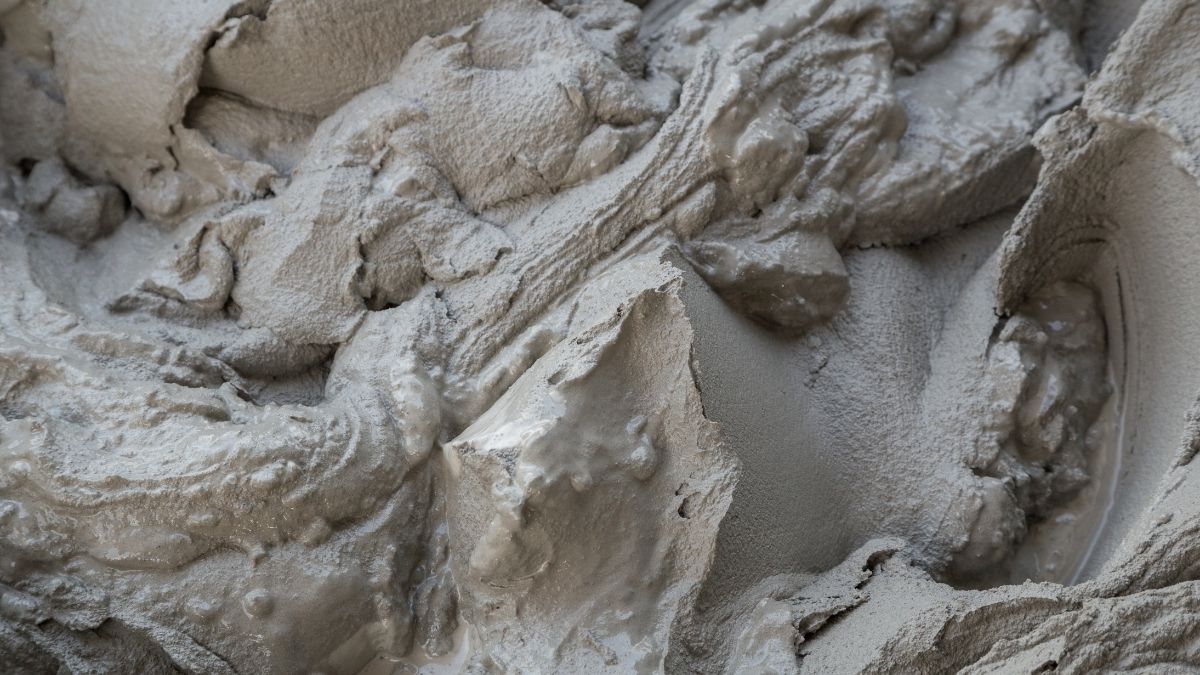
A thick paste of cement is applied to a glass piece and slowly immersed in water for 24 hours. The cement piece won’t break or alter shape while it sets and maintains its original shape. This cement is regarded as excellent.

Conclusion

We have the opportunity to contact cement manufacturers through their customer services if we have any questions about the product’s quality and they will be happy to help. It is possible to confirm field observations with laboratory tests. Cement quality should never be compromised during construction. Because the most crucial component that affects the durability and quality of a structure is cement.

ALSO READ : WHAT ARE THE PROPERTIES OF CEMENT?

Advertisements

Cement tests – Laboratory tests and field tests

Cement tests are significant because cement is the most important and highly recognized binding material used in construction. Cement is an integral part of all types of construction ranging from huge skyscrapers, bridges, tunnels, etc to small residential buildings. For industrial structures like power plants, refineries, steel plants, cement plants, bridges, roads, etc. cement is the main component. Cement, when mixed with sand and aggregates, forms concrete and with sand makes mortar. The serviceability, strength, and durability of a structure are related to cement used in various works.

This article is about various tests conducted on cement to check its quality.

Cement tests – Categories

Cement is one of the oldest and most used binding materials and an integral ingredient used in the construction sector. The quality, serviceability, and stability of a structure are directly related to the quality of cement used in it. Hence it is required to analyse the quality of cement before using it for works. The tests for determining cement quality are split into two major categories.

Cement got physical as well as chemical properties. Normally lab tests are conducted to ascertain the properties of cement. Lab tests require time, special equipment, and professionals for testing and interpreting the results. It may not be possible to check all the properties of cement at the site. To overcome this difficulty cement tests are categorised into field tests and laboratory tests.

Cement tests

Field tests on Cement

The quality of cement is determined using some simple field tests. These tests do not require any sophisticated types of equipment and professional skills and get the results very quickly. By conducting these simple tests and analyzing the results we will get an idea about the cement quality and can immediately decide on accepting or rejecting it.
Following are the common field tests conducted to ensure the quality of cement.

These are first look tests and quality of cement is ensured by its smoothness to touch, the colour of cement, etc.

  • Checking manufacturing date
  • Visual checking of lumps
  • Feel test
  • Heat of cement
  • colour
  • Water float test
  • Setting test

These basic tests give an approximate characteristic of cement. These are easy and quick but not accurate, however help in concluding the acceptance of cement for works.

Also read : Field tests for cement

Laboratory tests for Cement

The laboratory tests are conducted to define the physical and chemical properties of cement. It is not possible to check all the cement properties at the site. The main laboratory tests conducted on cement is as follows.

  • Fineness Test
  • Compressive Strength Test
  • Consistency Test on cement
  • Setting time
  • Soundness Test
  • Tensile strength Test
  • Heat of hydration

Lab tests require time. But it provides accurate results.

Fineness test

The fineness test determines the size of the cement grains. Smaller the diameter of grains finer the cement is. Finer cement grains enhance the strength and cohesiveness of concrete.
The fineness of cement grains plays an important role in the hydration process and directly impacts the strength of concrete. Cement fineness is determined with the help of the following tests.

  • Sieve test
  • Blain’s air permeability test
  • Wagner turbidimeter method.

Blain’s air permeability test is the more reliable than sieve analysis test. The apparatus for this test is the permeability apparatus.

Finer cement grains above the permissible limits are also not preferred because excess finer grains increase the surface area. An increase in the surface area requires more water and results in the quick setting of cement. The standard guidelines for the Fineness test are IS 4031-PART1-1996, IS 4031(Part2)-1999, ASTM-204-05, ASTMC-115-96a (re-approved 2003).

Compressive Strength Test

The compressive strength of cement is the prime data to be determined before selecting the cement at the site. Concrete imparts strength to the structure and cement is the main ingredient in concrete. The apparatus for this test is a Compression testing machine. Gradual load is applied to the cement specimen. The load at which the specimen breaks and the area of the specimen define its strength. Certain factors like improper mixing, curing, proportioning, etc also affect the strength of cement. The cement with low compressive strength is not recommended in construction. The standard guidelines available for this test are IS4031 (Part 6)-1988, ASTM C 109, BS EN 196 – 1:2005.

Consistency test on cement

The consistency test is performed to determine the water necessary for attaining standard consistency or normal consistency. Water content is an important factor in making cement mortar. On mixing water with cement the chemical reaction or hydration is initiated. Excess water in cement results in an increase in the water-cement ratio. An increase in the water-cement ratio leads to a loss of strength when cement hardens. Less water content reduces the hydration process leads to loss of strength. Vicat apparatus is used to determine the consistency. The standard consistency of cement is when the Vicat plunger penetrates to a point 5 to 7 mm from the bottom of the Vicat mould. The consistency of cement ranges from 26% to 33%.

Vicats apparatus-Consistency test on cement

An increase in the amount of water content creates problems like bleeding, segregation in concrete. The standard guidelines about cement consistency are available in IS 4031 (Part 4)-1988, ASTM C 187, BS EN 196-3:2005, etc.

Setting time

Setting time is the time at which the cement hardens after gaining strength. It is necessary for the transportation, placing, and compaction of cement. The setting time of cement is measured at two stages – Initial and final. The time at which the setting begins is the initial setting time. At this stage, the cement loses its plasticity. The time at which the setting completes is the final setting time. This helps in the removal of scaffolding. We use the Vicat apparatus for determining setting time. The initial setting time of cement is 30 minutes and the final setting time is 600 minutes. The code which gives the guidelines about this test are IS 4031 (Part 5)-1988, ASTM C 191, BS EN 196-3:2005.

Soundness Test

A soundness test determines the capacity of cement to retain its volume after hardening. It also determines the additional lime present in the cement. Lime is one of the main ingredients of concrete. The deficiency of lime affects the setting time of cement. If the amount of lime is high, the cement will become unsound. Large expansion in the cement may produce cracks in concrete. Thus the disintegration, corrosion, and distortion occur in the concrete. So unsound cement should not be used in construction. This test can be done using the Le Chateler method and Autoclave method. The standard guidelines about this test are available in IS4031 (Part 3)-1988, ASTM C 151-09, BS EN 196-3: 2005.

Cement tests - Le Chatelier apparatus
Cement tests – Le Chatelier apparatus

Tensile strength Test

The tensile strength test is done using the Briquette test method or by the split tensile strength test. The tensile strength of cement is less compared to the compressive strength. Tensile cracking occurs due to dynamic loading and temperature variation. In this test, uni axial loading is done to determine the tensile strength. The standard guidelines for this test are available in ASTM C307 and EN 196-1.

Heat of Hydration

Hydration is an exothermic chemical reaction between cement and water involving the release of Heat. The hydration process increases the strength of cement. The heat of hydration is signified in terms of kilo joules per kilogram.
A calorimeter is an apparatus used for determining the hydration of cement. Important factors that influence the heat of hydration are the proportion of C3S and C3A, water-cement ratio, the curing temperature, fineness of cement, etc. An increase in heat of hydration produces undesirable stresses. The standard guidelines for this test are available in ASTM C 186 and IS4031 (Part 9 ) – 1988.

Conclusion

Tests on cement is the most essential activity to be included before starting any construction activity. The quality of cement determines the strength, serviceability, stability and life of a structure. Any compromise on quality can lead to serious construction defects and failures.

Manufacturing process of cement.

Advertisements

Cement is considered as the most significant substance used in construction which acts as a binder which can adheres the materials together. Cement is a hydraulic binder when mixed with water and sand transforms into mortar and when mixed with water and aggregates converts to concrete which can be used for a number of applications. As per World cement association concrete comes second only to water as the most used resource. China is the largest producer of cement with 53% and India follows with 8% with this production likely to be doubled in next ten years.

The basic raw materials used for cement manufacturing is lime stone or chalk and shale or clay. Cement clinkerisation plants are normally located near the raw materials areas and most of the the times the plants are equipped with conveyors which can directly feed the raw materials from the mines

MUST READ : WHAT IS CEMENT ? WHAT ARE THE INGREDIENTS OF CEMENT

MANUFACTURING PROCESS BASED ON MIXING TECHNICS

Based on the technic adopted for mixing raw materials the manufacturing process is divided into wet process and dry process. Wet process is normally used now a days. But dry process is also gaining popularity due to their energy efficiency and when the ingredients are hard.

WET PROCESS OF CEMENT MANUFACTURING

The wet process of cement manufacturing is divided into a number of stages

a) Raw material extraction

b) Grinding

c) Proportioning and mixing and preparing composition based on the raw material purity.

e) Preheating the composition

f) Burning the composition in a kiln to form clinkers

g) Clinker cooling with gypsum addition and grounding to fine powder.

h) Storing in silos and packing and loading for conveying.

The raw materials needed for cement manufacturing are

a) CALCAREOUS (i.e. chalk consists of limestone.)
b) ARGILLACEOUS (i.e. clay consists of silicates of alumina.)

a) RAW MATERIAL EXTRACTION

Major raw material involved in the cement manufacturing process is limestone. Cement manufacturing plants are located near the limestone sources for easy access to the raw materials or else it turnout to be expensive to transport the materials from outside. The next major ingredient is clay which have to be located around 25-30 km within the plant premises to minimise the cost incurred in transportation.

Lime stone obtained from open cast mines are transported and feeded to a limestone crusher and clay is placed in a clay crushers. Other raw material like sand which controls the kiln temperature and iron ore etc can be transported or supplied from outside sources.

b) RAW MATERIAL GRINDING

The raw materials calcareous (lime)  extracted are crushed to make a size of 6 inch and further crushed to make it 3 inch in secondary crushers. The argillaceous materials (clay) are washed to remove the organic contents and stored in basins and limestone is stored in silos.

c) PROPORTIONING MIXING AND PREPARATION OF COMPOSITION

The washed Clay and crushed lime stone are conveyed and mixed in desired proportion and further grinded in a wet grinding mill where both the materials are closely mixed in the presence of water to form a slurry .The slurry is stored in storage tanks where minor corrections in the compositions are carried out. The slurry which constitutes around 35-40% water is constantly kept in agitation to prevent the settling of limestone and clay.

d) PREHEATING THE COMPOSITION

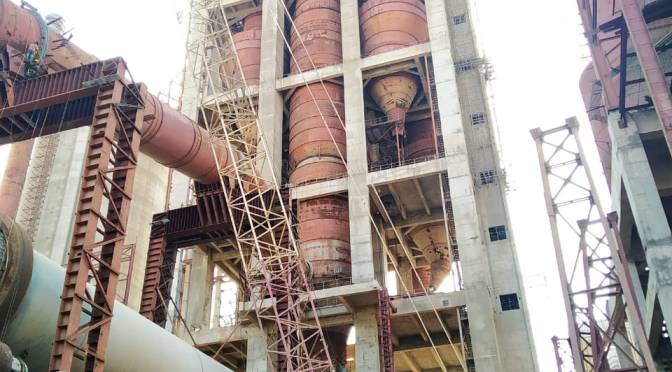
The preheaters are used to heat the raw mix and drive off carbon dioxide and water before it is fed into the kiln.The raw meal passes down the preheater tower while hot gases rise up, heating the raw meal. At the entry point of kiln the raw meal largely decarbonates .

e) BURNING OF COMPOSITION IN KILNS

The decarbonated slurry is fed directly to an inclined steel cylinder which is called rotary kiln .In the rotary kiln through a series of reactions clinker is produced. The kiln is made of a steel casing lined with refractory bricks which have to withstand the reactions happening inside the kiln. The kiln is divided into three zones depending on the process happening in each zone and the temperature at each zone. The kiln is heated from the bottom using coal, oil or gases.

In the first zone water and moisture from the decarbonated slurry is evaporated at a temperature of 400C and the process is known as drying zone.

In the second part which is the calcination zone temperature is around 1000 degree and carbon dioxide is removed and is  immediately converted into flakes after loosing the moisture. These flakes or modules are taken into the third stage with the help of rotary movement of the kiln.

In the third stage which is called the burning zone or clinkering zone and the temperature their will be around 1300-1500 degree . In this zone the lime and clay reacts to produce calcium aluminates and calcium silicates. Immediately on entering the burning zone aluminates and calcium silicates get fused and  the modules are converted into a dark greenish balls and is called clinker. The size of the clinker ranges from 5 mm to 20 mm. These are the chemical reactions happening in the kiln.

2CaO + SiO2 = Ca2SiO(declaim silicate (C2S))

3CaO + SiO2 = Ca3SiO5 (tricalcium silicate (C3S))

3CaO + Al2O= Ca3Al2O6 (dicalcium aluminate (C2A))

4CaO + Al2O3 + Fe2O3 = Ca4Al2Fe2O10 (tetracalcium aluminoferrite(C4AF))

F) CLINKER COOLING WITH GYPSUM ADDITION AND GROUNDING TO FINE POWDER

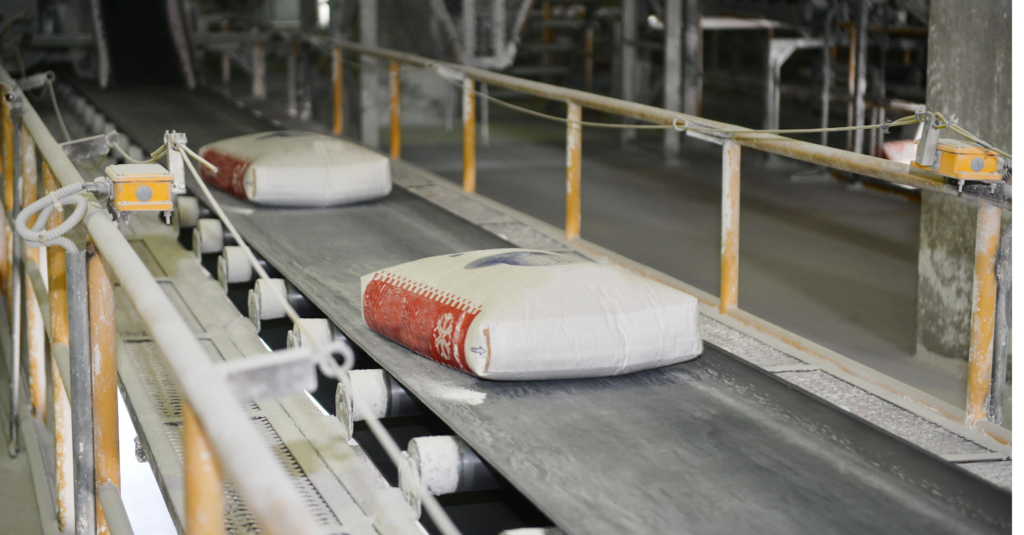
The cooled clinkers are finally grinded in ball mills. At this stage gypsum(2-4%) is added which functions to reduce the setting time of cement. The grinded powder is take to the cement silos for storage. The particle distribution is also done in a graded manner. The stored grinded powder is taken to the packing plant and packed for distribution

ALSO READ : DRY PROCESS OF MANUFACTURING OF CEMENT

ALSO READ : DIFFERENCE BETWEEN DRY PROCESS AND WET PROCESS OF MANUFACTURING.

Advertisements