Category Archives: Roads

Alignment of road: Factors affecting- obligatory points with figures

Alignment of road is very important during the road construction (for exams and interviews too). We will sweep through what is highway alignment and then the requirements of highway alignment. Followed by that, I will walk you through factors affecting alignment of road. Then, I will describe obligatory points in depth with figures. In nutshell, l am going to make you savvy in the topic.

What is highway alignment?

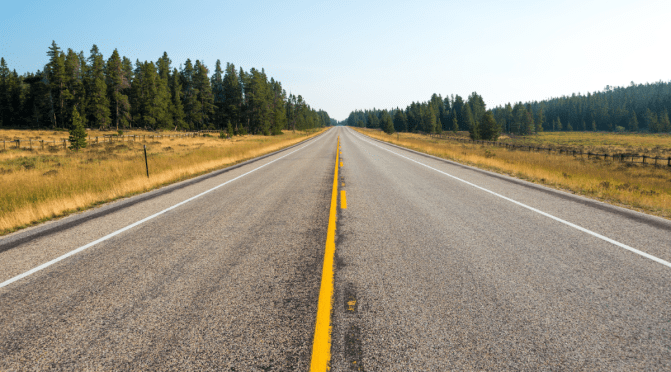
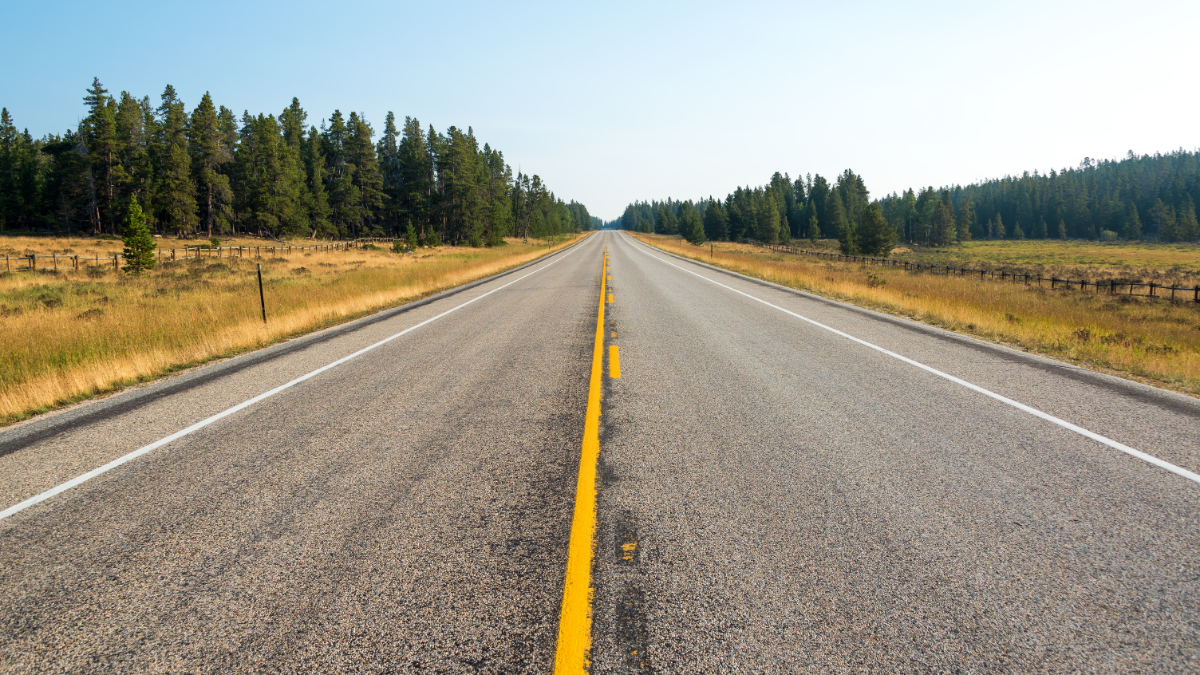
The position or layout of center line of the highway on the ground is called alignment of road. It includes straight paths, horizontal deviation and curves. Improper alignment would result in one or more of the following disadvantages.

  1. Increase in construction cost
  2. Increase in maintenance cost
  3. Increase in vehicle operation cost
  4. Increase in accident rate

Once the road is aligned and constructed, it is not easy to change the alignment due to increase in cost of adjoining land and construction of costly structures. Therefore, let’s take a trip through the important topics under highway alignment. Let’s start from requirements of highway alignment.

Basic requirements of highway alignment

Figure shows highway alignment
Highway alignment

There are 4 basic requirements for the alignment of road.

  1. Short– Length will be short means, it is straight, reduces the time of travel
  2. Easy– Easy to construct and maintain the road with minimum problems and easy for operation of vehicles.
  3. Safe– The alignment should be safe enough for construction and maintenance from the viewpoint of stability of natural hill slopes, embankment and cut slopes etc. also it should be safe for traffic operations.
  4. Economical– Total cost including initial maintenance and vehicle operation cost should be minimum

Now, you know the requirements of highway alignment. Let’s dig in deep through the factors affecting alignment of road.

Factors affecting alignment of road

For an alignment to be shortest, it should be straight. This is not always possible due to practical difficulties such as intermediate obstructions and topography. The ideal condition rarely exist and it becomes necessary to adjust the highway alignment as per prevailing conditions.

The various factors affecting alignment of road are,

Obligatory points

The controlling points which govern the highway alignment are known as obligatory points. They are mainly responsible for the deviation of highway from its straight location.

For the purpose of convenience the obligatory points are divided into two.

  1. Obligatory points which are to be accommodated on alignment of road
  2. Obligatory Points which are to be avoided on alignment of road

The figure below shows the deviated alignment adopted due to river. The actual road was supposed to be through road PQ. But the suitable bridge site is not available along the road alignment because of peculiar characteristics of river or stream.

Obligatory points which are to be accommodated on alignment of road

There are various examples for first category, bridge site, intermediate town, mountain pass etc.

As shown in figure below, the proposed road has to pass through intermediate important towns, villages, or places of historical importance. Here, the straight result PQ will take the shape of PRSQ to put the points R and on the alignment. If points R and S are not much significance, the straight line PQ may be adopted with link roads RA and SB.

Obligatory points which are to be avoided on alignment of road

It includes religious places very costly structures, unsuitable land etc. Acquiring costly structures would mean heavy compensation resulting in increased cost. Marshy and waterlogged are generally unsuitable.

However if there is no alternative and the alignment has to be taken across such an area, the construction and maintenance costs are likely to be very high due to special construction technique.

That’s it about the first factor. Let’s look into other important factors affecting alignment

Also read: Classification of roads-5 types of roads full details

Type of vehicular traffic- a determining factor for alignment of road

The alignment should be provided according to the type of vehicular traffic. In case of fast moving traffic, the road alignment should be as straight as possible.

Geometric  design factors- an important factor for alignment of road

Geometric design factors such as gradient, radius of curve, sight distance etc. would govern the final alignment of highway

Availability of road building materials

The materials for construction of road are a determining factor. Their availability should be ensured while planning on the highway alignment.

Geological factors

The highway alignment should be made in such a way that no serious difficulties are met from geological factors of the locality such as stability of earth work, land slides etc.

Class and purpose

National highway and State highways between two stations should be aligned as straight as possible where as in the case of other types of roads, deviation may be permitted.

Earthwork

To avoid excessive cutting or filling, the alignment should be economical.

Public demand

The selected alignment of the road should meet the public demand of the area.

Conclusion

Highway alignment is crucial in road construction, directly impacting construction and maintenance costs, vehicle operation costs, and safety. Proper alignment ensures shorter travel distances, ease of construction and maintenance, safety, and cost-effectiveness. Factors such as obligatory points, vehicle type, geometric design, material availability, geological conditions, and public demand influence alignment decisions. Obligatory points, both to be accommodated and avoided, significantly affect the deviation from a straight path. Alignments must adapt to intermediate towns, bridge sites, and avoid costly structures or unsuitable land. Meeting these requirements ensures a functional, safe, and economical highway, underscoring the importance of careful planning and consideration of various influencing factors.

Road margins- 6 types of road margin in highway

Road margins is an inevitable topic everyone should know who are into transportation engineering. We will see the different types of road margins, the details about the right of way on road and the formation width of road as per irc in the blog. I will also walk you through shoulder of the road being an important road margin.

  1. What are road margins?
  2. Road margin types
    1. Shoulder of the road-important among road margins
      1. The main objectives of the shoulder of the road
    2. Parking lanes
    3. Bus bays
    4. Cycle track
    5. Footpath
    6. Guard rails
  3. Formation width of road as per irc
  4. Right of way on road
    1. Key Takeaways of Road Margins
  5. Conclusion

What are road margins?

The portion of the road beyond the carriageway and on the roadway can be generally called road margins. Different elements of road margins are shoulder, parking lanes, bus bays, cycle track, footpath and guard rails. Let’s get into each one of them and learn in detail.

Road margins are essential components of highway design, serving various functions to enhance safety and efficiency. They include areas adjacent to the roadway such as shoulders, sidewalks, footpaths, road verges, berms, and medians. These elements provide space for emergency stops, pedestrian pathways, drainage control, and separation of traffic lanes. Properly designed road margins contribute to the overall functionality and safety of highways, accommodating diverse users and environmental conditions.

Road margin types

Road margins are essential components of highway design, enhancing safety and functionality. Here are the main types:

  • Shoulder of the road
  • Parking lane
  • Bus bays
  • Cycle track
  • Footpath
  • Guardrails

We’ll cover each type one by one to provide a comprehensive understanding.

Shoulder of the road-important among road margins

A shoulder is an emergency stopping lane by the verge of a road or motorway, on the right side in countries which drive on the right, and on the left side in countries which drive on the left. Shoulder of the road is provided along the road edge.

The shoulder of the road is a crucial element among road margins, providing a safety buffer for vehicles to stop during emergencies. It offers additional space for cyclists and pedestrians, enhancing overall road safety. Shoulders also support the structural integrity of the pavement and facilitate drainage, preventing water accumulation on the roadway. Regular maintenance of shoulders ensures they remain effective, contributing to the smooth operation and longevity of the road infrastructure.

Also read: Bitumen for road- Grade and properties of bitumen

The main objectives of the shoulder of the road

The main objectives of shoulders are,

  • The accommodation of stopped vehicles
  • They serve as an emergency lane for vehicle
  • Shoulders of the road provide lateral support for base and surface courses

A shoulder of the road should be strong enough to bear the weight of fully loaded truck even wet conditions. The shoulder width should be adequate for giving working space around a stopped vehicle. It is desirable to have a width of 4.6m for the shoulders. Minimum width of 2.5m is recommended for 2 lanes rural highway in India.

That’s it about shoulder of the road. Next, let’s see about parking lanes.

Parking lanes

Parking lanes are designated areas adjacent to roadways where vehicles can be parked temporarily or for extended periods. Parking lanes are provided in urban lanes for side parking. Parallel parking is preferred because it is safe for side parking. Parking lanes should have minimum of 3m width in the case of parallel parking.

They help manage traffic flow by keeping parked cars off the main travel lanes, thus reducing congestion. Properly marked and managed parking lanes enhance road safety, improve access to businesses and residences, and provide organized parking solutions in urban areas.

Bus bays

A bus bay, otherwise called bus turnout, bus pullout, off-line bus stop is a designated spot on the side of a road where buses may pull out of the flow of traffic to pick up and drop off passengers. It is often indented into the sidewalk or other pedestrian area. They are provided so that they don’t obstruct the movement of vehicles in the carriageway. But at the cost of the time necessary to merge back into flowing traffic.

Bus bay - Component of Road Margins
Bus bays of road margins

Cycle track

A Cycle_track, otherwise called separated bike lane or protected bike lane is an exclusive bikeway that has elements of a separated path and on-road bike lane. They are provided in urban areas when the volume of cycle traffic is high. Minimum width of 2m is required.

Footpath

A footpath is a type of thoroughfare that is intended for use only by pedestrians and not other forms of traffic such as motorized vehicles, cycles, and horses. They can be found in a wide variety of places, from the center of cities, to farmland, to mountain ridges. Urban footpaths are usually paved, may have steps, and can be called alleys, lanes, steps, etc. Footpaths are for pedestrians, especially in urban areas. Minimum width should be 1.5m.

Footpath - Road Margin
Footpath – Road Margin

Also read: Applications of Intelligent transportation system- everything you want to know

Guard rails

They are provided at the shoulder of the road. Various designs of guard rails are there. Guard rails painted in alternate black and white are usually used. They also give better visibility of curves at night.

Guard rails are safety barriers installed along roadways to prevent vehicles from veering off the road or into hazardous areas. They absorb impact and redirect vehicles, reducing the risk of severe accidents and enhancing overall road safety.

So, we have seen the main road margins. Its time to look into some terms related to them.

Formation width of road as per irc

Formation width of road as per irc (The Indian Road Congress) or roadway width is the sum of width of pavement or carriageway including separators and shoulder of the road.

According to the Indian Road Congress (IRC) standards, the formation width of a road refers to the total width required to accommodate the roadway and its components. It includes the width of the pavement or carriageway, which is the portion of the road where vehicles travel, and the shoulders, which are adjacent strips of land providing safety and support.

Additionally, formation width encompasses separators or medians, which are central areas separating opposing traffic flows to prevent collisions and manage traffic effectively. This comprehensive width ensures that the road can safely handle the intended traffic volume and type, provides space for emergency stops, and supports drainage and other road infrastructure. The design of the formation width takes into account factors such as traffic volume, road classification, and safety considerations, ensuring that roads are both functional and safe for users. Width of formation for various class of roads (IRC) are:-

Formation width of roads

Right of way on road

Right of way on road otherwise called land width is the width of land acquired for the road, along its alignment. It should be adequate to accommodate all the cross-sectional elements and may reasonably provide for future development. To prevent ribbon development along the highways, control lines and building lines may be provided.

Also read: Intelligent transportation system: A comprehensive approach to its components

The figure below shows the right of way on road for different type of roads.

Right of way - Road Margin
Right of way

Got every detail about road margins and related terms? Let me know your doubts and feedbacks in the comments.

Key Takeaways of Road Margins

  • Road Margins: Essential components of highway design that enhance safety and functionality.
  • Shoulders: Provide emergency stopping space, structural support, and aid in drainage.
  • Parking Lanes: Manage traffic flow by keeping parked vehicles off main lanes, enhancing road safety.
  • Bus Bays: Allow buses to pick up and drop off passengers without obstructing traffic flow.
  • Cycle Tracks: Dedicated paths for cyclists, improving safety and accommodating high cycle traffic.
  • Footpaths: Designated pathways for pedestrians, ensuring safe movement in urban areas.
  • Guard Rails: Safety barriers that prevent vehicles from veering off the road and reduce the risk of severe accidents.
  • Formation Width: Total width of the road including pavement, shoulders, and separators, as per IRC standards.
  • Right of Way: Width of land acquired for the road, ensuring adequate space for road elements and future development.

Conclusion

In transportation engineering, road margins play a crucial role in enhancing road safety and functionality. They encompass shoulders, parking lanes, bus bays, cycle tracks, footpaths, and guard rails, each serving specific purposes. Shoulders are essential for emergency stops and structural support, while parking lanes and bus bays improve traffic flow and safety. Cycle tracks and footpaths ensure safe pathways for non-motorized users, and guard rails prevent vehicles from veering off the road. Properly designed road margins contribute significantly to the overall efficiency and safety of highways. A thorough understanding of these elements is essential for developing effective road infrastructure that meets diverse needs and environmental conditions.

MUST READ: Classification of roads-5 types of roads full details

Happy learning!

Classification of roads- 6 types of roads

Classification of roads or Types of road is an important topic in transportation engineering. It varies with different parameters. Let’s go through the important types of roads every civil engineer should know. We will see important details about cement concrete roads and types of road surface through the course of journey.

Road classification is fundamental for effective infrastructure planning and management. It involves the categorization of roads into specific categories of roads to ensure optimal functionality and connectivity. Understanding classified roads helps in addressing different transportation needs and designing suitable solutions. This blog will delve into road classification, exploring the various ways roads are categorized based on their use and characteristics. We will specifically highlight what are 6 types of roads, including National highways, Highways, District roads , village roads, each playing a crucial role in maintaining an efficient and well-organized transportation network.

Classification of roads or Road types

Road classification is essential for understanding the diverse categories of roads. There are six basic types of roads based on various factors, including surface type, location and function, number of lanes, weather conditions, pavement type, and traffic volume.

There are 6 basic types of roads depending on a mouthful of factors.

  • Types of roads based on type of road surface
  • Types of roads based on location and function
  • Types of roads based on number of lanes
  • Types of roads based on weather
  • Types of roads based on the type of road pavement  
  • Types of roads based on volume of traffic they handle  

We are going to sneak peep into types of roads in detail.

Classification based on type of road surface

This category in the types of roads is based on the type of road surface used in the construction. Classification based on type of road surface is a key aspect of road classification. This involves understanding classified roads by their construction materials and surface characteristics. By exploring these categories of roads, we can determine their durability, maintenance needs, and suitability for various conditions.

These can be divided into 7 types.

classification of roads

Now, let’s go deep into each of this.

Natural earth roads – Main road types

Classification of Roads : Natural Earth Roads

These are the cheapest type of road and is used at the places where traffic is rare. The type of road surface used in these roads is soil. The pavement structure is totally made up of soil available at site. The performance of these roads mainly depend upon the effective maintenance and proper drainage.

Gravel roads

These are intermediate between earthen and metalled roads. The carriage way of these roads is made by compacting a mixture of gravel and earth. These type of road surface usually consists of 26 percent sand, 13 percent clay and 61 percent gravel.

Kankar roads

The type of road surface used in this classification of roads is Kankar. Kankar is impure form of limestone. Hard variety of kankar may be as strong as stones, but soft variety may be very weak. The road having pavement layer of kankar are termed as kankar roads. Traffic capacity of this type of road depends on the type of kankar used.

Moorum roads

In this type of roads, Moorum is the material used for building the road. Moorum is obtained due to disintegration of igneous rocks by weathering agencies. In this road, the surfacing of the traffic way is constructed from Moorum. These type of roads are low and is equivalent to gravel and Kankar road in performance.

Water bound macadam roads (WBM roads)

The broken stones of base and surface course, if any are bound by the stone dust in presence of moisture is called WBM rods. Total thickness may vary from 7.5 to 30cm depending upon the traffic.

Bituminous roads

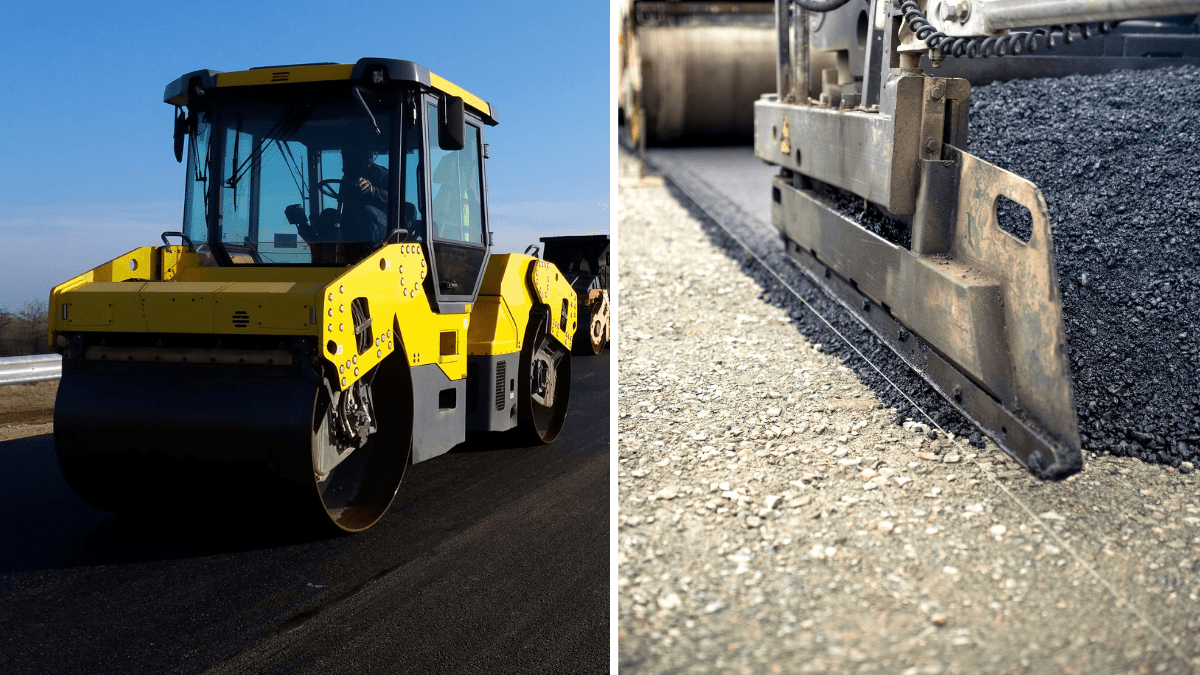
Most of the roads around the world are constructed by using bitumen. It is also called flexible pavement because it changes according to nature of loads and sub base. This is an important member in the types of roads in India. For the road construction, the major concerns, as with concrete, are cost and durability.

Applications of bituminous roads

Bituminous roads, a vital category of roads, are known for their durability and smooth surface. This classified road type is widely used due to its ability to withstand heavy traffic and diverse weather conditions. In road classification, bituminous roads are favored for highways, arterial roads, and urban streets, providing a comfortable and safe driving experience. They are also commonly used for airport runways and parking lots. When exploring what are 6 types of roads, bituminous roads stand out for their cost-effectiveness and ease of maintenance, making them a preferred choice in various transportation infrastructures. The application of bituminous road is mainly used in

  • Highways
  • Express ways
  • Runways

Now, let’s meet cement concrete roads.

Cement concrete roads types – Most durable classification of road

Cement concrete roads are the roads whose wearing surface is constructed with cement concrete. They are otherwise called concrete roads. They can be constructed either reinforced or plane type. Cement concrete roads are compatible to all weather conditions. It comes under rigid pavements. These are best suitable to roads having higher traffic.

Main applications of cement concrete roads
  • Parking aprons, taxiways and runway take off areas in airports
  • Parking grounds for vehicles of heavy weight
  • Heavy duty Industrial floors (vehicles on tracks and military tanks)
  • Floors for handling and storage of containers at ports
  • Industrial floors with high requirements in terms of flatness and durability to abrasion and surface exposure to aggressive attacks (use of toxic materials, welding etc)
  • Bridge decks
  • Road pavements in long tunnels for fire safety reasons, immediate reuse of the road following a fire and better energy consumption during service life (lower intensity lighting required)
  • Pavements at toll stations (resistance to braking and acceleration)

Now, let’s move on to the next classification of roads.

Related posts from vincivilworld

Classification of roads according to location and function

Classification of roads according to location and function is a key aspect of road classification, organizing roads into specific categories of roads. This classified road type includes national highways, highways, district roads, and village roads. National highways connect major cities and regions, while highways link significant urban and rural areas. District roads serve local connectivity, and village roads provide access to smaller communities.

Roads can be classified according to the location and function as follows.

Classification of Roads - High Altitude Roads
  • National highways
  • Highways
  • District roads
  • Village roads

Going deep to each of them,

National highways- top member in classification of roads according to location

Main highway runs through the length and breadth of the country. Roads connecting the neighbouring country. are also called national highways. Roads connecting the neighbouring countries are also called national highways. It should have high class surface finishing together with adequate structural strength.

Highways

These are the main roads within a state. These connect important towns and cities of the state. Highways should be two lane wide, but if it is one lane only, it must be provided with wide shoulder.

District roads

These roads should carry the traffic to the interior rural areas. These roads are considered as main branches from NH or SHs. District roads are of 2 types. Major district roads and other district roads.

Village roads

These roads are mainly meant for village roads use. These connect villages with each other and also with nearby towns. These roads can be stabilised each roads, but if metal surface is provided it can serve more useful purpose.

Moving on to the third classification…

Classification of roads based on number of lanes

You might have observed this type of classification while you travelled.
There are mainly 4 types as given below.

  • Single lane road- having only one lane for to and for mobility.
  • Double lane road- having two lanes for direction to opposite sides
  • Three lane road- having three lanes for movement in a road
  • Multi lane road- having more than three lanes for vehicle movement.

The decision on which of the above lanes is to be chosen is based on the traffic.

The next classification of roads is based on the geographic location of the roads.

Types of roads depending on weather

These are of 2 types.

  1. All weather roads- Roads which are compatible to all weather conditions. Types of roads in India should mostly belong to this type. Because the weather conditions are extreme.
Classification of roads based on weather

2. Fair weather roads- Roads which are not compatible to worse weather conditions.

Next is an interesting classification based on the geometry of roads.

Types of roads based on Road pavement type

  • Parallel roads- These are local roads running parallel to a higher-speed, limited-access road
  • Unparallel roads- These are local roads that don’t run parallel to a higher speed and limited access road. The village roads that connect small geographical places best fit for this classification other than other types of roads in India.

Cool. Let’s jump into the last classification of a road.

Types of roads according to the volume of traffic they handle

Roads can be classified depending on the traffic through it.

  • Light traffic road- Road carrying up to 400 veh/ day
  • Medium traffic road- 400- 1000 veh/day
  • Heavy traffic road- More than 1000 veh/day

That’s it. Any doubts or comments? Drop it in the comments. Let’s dwell on more.

MUST READ: Traffic signals in India- All types simplified

Key Takeaways – Road Classifications

  1. Surface Types: Roads are categorized by surface type, including natural earth, gravel, kankar, moorum, water-bound macadam (WBM), bituminous, and cement concrete roads.
  2. Location and Function: Roads are classified by their function, such as national highways, highways, district roads, and village roads, each serving specific connectivity needs.
  3. Lane Number: Classification includes single-lane, double-lane, three-lane, and multi-lane roads, based on traffic volume and requirements.
  4. Weather Compatibility: Roads are categorized into all-weather and fair-weather types, based on their ability to handle different weather conditions.
  5. Pavement Type: Roads are also classified by pavement type, including parallel and unparallel roads.
  6. Traffic Volume: Roads handle varying traffic volumes, categorized into light, medium, and heavy traffic roads.

Conclusion

Road classification is vital for infrastructure planning and management, addressing diverse transportation needs. Understanding road types based on surface materials, functional roles, lane numbers, weather conditions, pavement types, and traffic volumes ensures optimal road design and maintenance. By categorizing roads appropriately, civil engineers can enhance connectivity, safety, and efficiency in transportation networks, catering to both urban and rural needs. This structured approach aids in strategic development, maintenance, and resource allocation, ultimately supporting effective and sustainable transportation systems.