Concrete mixing is a critical step in ensuring strong, durable, and workable concrete for construction projects. This process involves blending cement, aggregates, water, and admixtures to achieve a uniform mixture. Understanding different concrete mixing methods is essential to achieving desired strength and performance. In this blog, we’ll explore the objectives of concrete mixing, various concrete mixing techniques, and compare manual vs. machine mixing to help you choose the right method for your needs. Whether you’re working on small residential jobs or large-scale infrastructure, knowing the types of concrete mixing and their advantages can improve quality and efficiency. Dive into the best practices and discover how to mix concrete properly for reliable, long-lasting results in all construction settings.
To begin with, let’s try to understand the objectives of mixing concrete and concrete mixing types
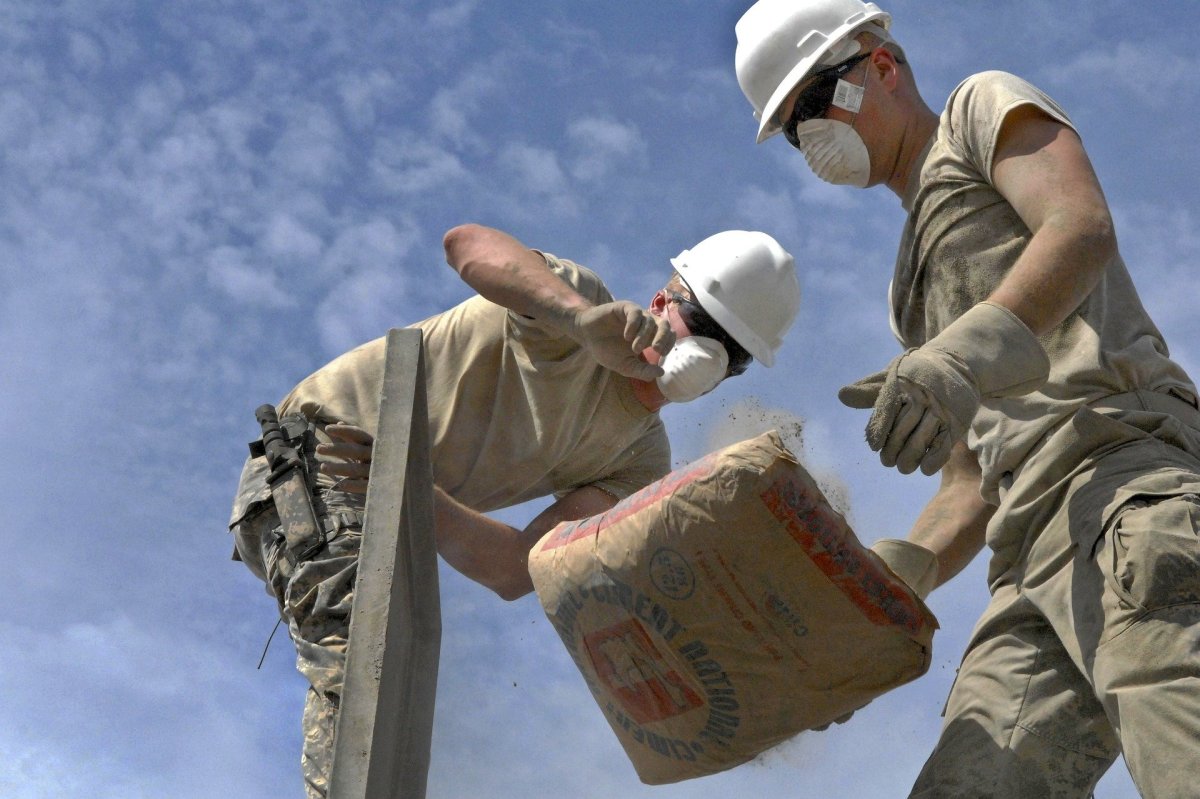
In a dry state, the sand and cement are thoroughly combined with shovels several times until the mixture achieves an even colour.
The coarse aggregates are then spread out on top of the above mixture and thoroughly mixed.
The whole mixture is properly mixed by twisting it from centre to side, back to centre, and then to the sides several times.
After that, depression is rendered in the mixed materials’ nucleus.
75 per cent of the necessary amount of water is then poured into the depression and mixed with shovels.
Finally, the remaining water is applied, and the mixing process is repeated until the concrete has a uniform colour and consistency.
The total time for concrete mixing does not exceed 3 minutes.
Let’s move on to the next method ie mechanised concrete mixing.
Machine Mixing of Concrete
The method of combining concrete materials with a concrete mixer system is known as machine mixing.
It meets the demands of fast mixing times, optimal consistency, and homogeneous concrete efficiency.
Since it ensures uniform homogeneity, machine mixing of concrete is best suited for large projects requiring large quantities.
Concrete Mixing Machine
It is also known as a concrete mixer is a machine that mixes cement, aggregate (such as sand or gravel), and water in a uniform manner to shape concrete. A rotating drum is used to combine the components in a traditional concrete mixer. Concrete mixers powered by gasoline, diesel, or electricity are now widely available. The mixer machine is mostly used for mixing ingredients by volume. They are also used for mixing ingredients by weight by providing weigh batcher.
Concrete Mixer Machine
Machine Mixing Process
Wet the inner surfaces of the concrete mixer drum first.
The coarse aggregates are added first, followed by sand, and finally cement, in the mixer.
In a mixing machine, combine the products in a dry state. In most cases, 1.5 to 3 minutes should suffice.
While the machine is running, slowly add the appropriate amount of water after the dry materials have been thoroughly mixed.
Don’t use any extra water.
Concrete must be mixed in the drum for at least two minutes after adding water.
We have seen the details of machine mixing. How about getting an idea about ready-mix concrete?
Ready Mix Concrete
Ready Mix Concrete (RMC) is a specialised material in which the cement, aggregates, and other materials are weighed and batched at a central location, then mixed either in a central mixer or in truck mixers. Then it is shipped to construction sites.
The consistency of the resulting concrete is much superior to that of site-mixed concrete.
Useful on congested sites or in road construction where space for a mixing plant or aggregate storage is limited or nonexistent.
Quality control of concrete is simple in this process.
So far, I have showed you the types of concrete mixing and its procedures. Now its time to throw some light on concrete mixing ratios.
Concrete Batching Plant
Mixing Ratios
The proportions of concrete components such as cement, sand, aggregates, and water are known as concrete mix ratios. The method of building and mix designs are used to determine these ratios. In comparison to other mixing processes, the water/cement ratio in RMC can be easily managed.
Conclusion
To summarise,
Hand blending of concrete is the cheapest method.
It is only recommended for very limited projects requiring a small amount of concrete since consistent concrete consistency is difficult to achieve with this method.
It ensures proper material mixing.
When compared to site mixing (both hand and machine mixing), RMC takes less time and produces a higher quality product.
It’s also very handy when you need a large amount of concrete per day.
Test of cement on site or field tests of cement is one of the most crucial things to be performed to assure the quality of the construction. Every structure is made up of hundreds of different building materials, such as sand, cement, aggregates, bricks, tiles, marble, and so on. However, the quality of the building materials is crucial for producing a high-quality structure and should be regularly evaluated at various phases of construction. Cement is the most important material used in construction and is responsible for the overall strength of the structure. In order to guarantee excellence in building, cement quality must be properly.
This article is about the various test of cement on-site or field tests of cement to ensure quality.
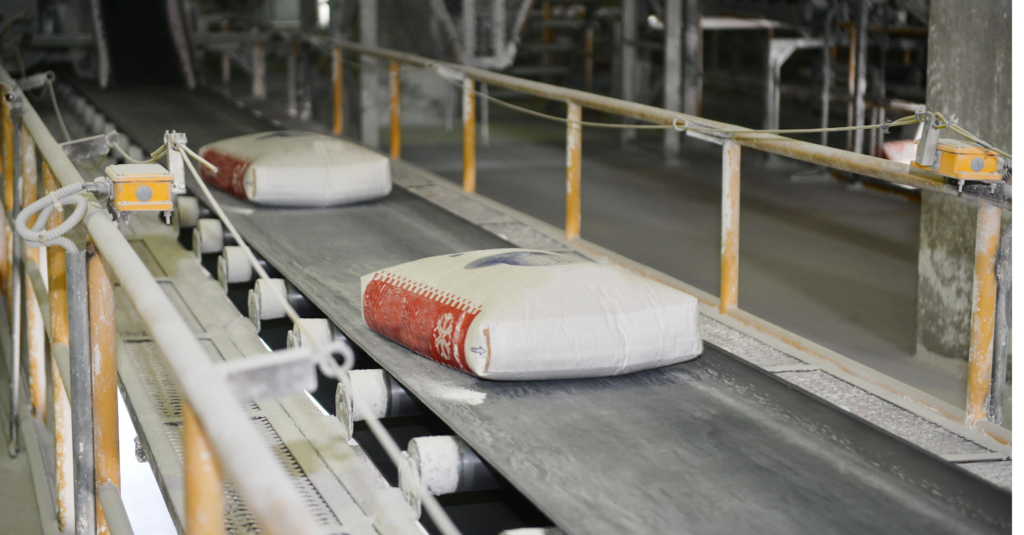
Cement plants are generally found in isolated areas near limestone mines. Generally, clinker is produced by cement companies at a centralised clinkerization plant. Clinkers are either ground at the clinkerization facility or transported to strategically placed grinding units for grinding and cement bag packing. The manufactured and packed cement is transported and delivered to the prescribed destinations by road or rail. Even with the finest protection, the cement still has the potential of absorbing moisture while being transported. After absorbing moisture, the cement tends to harden, deteriorating its quality. Because of these unforeseen concerns, cement must be tested for quality before being used in construction. Basically, cement testing is carried out in accredited laboratories.
How to check cement quality?
The characteristics of cement are often determined by laboratory tests. Lab tests need time, specialised equipment, and expertise to evaluate and interpret the data. All of the cement’s qualities might not be able to be tested on-site. To address this issue, cement tests are divided into two types.
Some simple field tests can be used to confirm the quality of cement. Generally, these tests do not require the use of costly equipment or professional skills, and the results are obtained quickly. We can determine whether to accept or reject the cement by doing these quick tests, analysing the findings, and drawing conclusions about its quality. These are preliminary evaluations, and the cement’s quality is confirmed by factors such as how smooth it feels to the touch and its colour etc.
Checking the manufacturing date of cement
Visual checking for lumps
Feel test of cement
The heat of cement test
Colour test of cement
Water float tests
Setting tests
Field tests of cement
Checking the manufacturing date of cement
When stored under perfect conditions, the cement must be utilised within 90 days of manufacture. The manufacturing date and batch number are imprinted on each cement bag. By verifying the manufacturing date, we can get a good indication of how old the cement is and decide whether to use it. In addition, every batch of cement is accompanied by a Manufacturers Test Certificate, which can be requested and examined to verify the dates of manufacture.
Visual checking for Lumps for the test of cement on site.
Cement can be inspected for visible lumps. To establish the potential existence of lumps, you can press the cement bag’s corners. This test determines if the cement has hardened or not.
Feel test of cement on site
Feel a pinch of cement between the figures. Cement has to feel smooth and not grainy. By this test, we can rule out the presence of any adulterated material like sand mixed with cement.
Heat of cement
Put your hand inside a bag of cement that is open. If the cement is of good quality and has not yet begun to hydrate, the hand feels cool.
Colour
Cement is usually greenish-grey in colour. We can verify and confirm the colour of the cement on-site. However, the type and source of the ingredients can affect the colour of the cement.
Water float test
This test is performed to find out whether there are impurities in cement. A cement hand is thrown into a bucket of water. The cement floats for a while before settling down if it is good cement free of impurities or other foreign objects. Impurities in the water can cause the cement to settle instantly.
Setting test
A thick paste of cement is applied to a glass piece and slowly immersed in water for 24 hours. The cement piece won’t break or alter shape while it sets and maintains its original shape. This cement is regarded as excellent.
Conclusion
We have the opportunity to contact cement manufacturers through their customer services if we have any questions about the product’s quality and they will be happy to help. It is possible to confirm field observations with laboratory tests. Cement quality should never be compromised during construction. Because the most crucial component that affects the durability and quality of a structure is cement.
Refractory bricks are specialized construction materials designed to withstand extremely high temperatures, making them essential in industries such as steel, glass, ceramics, and cement. These heat-resistant bricks maintain structural integrity and insulation in high-temperature environments like furnaces, kilns, and reactors. Whether you’re a builder, engineer, or homeowner planning a fire-safe project, understanding refractory bricks can help you choose the right materials for long-lasting performance. In this blog, we explore what refractory bricks are, their types, key properties, applications, and how to choose the right one for your project. We’ll also guide you on pricing and sourcing in India and beyond. Let’s dive into the world of refractory fire bricks and how they can improve safety and efficiency in thermal systems.
Refractory bricks, also known as fire bricks, resist heat and retain their strength and structure under extreme thermal stress. Manufacturers make them from ceramic materials such as alumina, silica, magnesia, or chromite. These bricks differ from ordinary building bricks in their ability to resist thermal shock, corrosion, and abrasion. Commonly used in furnaces, fireplaces, and kilns, refractory bricks act as a barrier against heat loss and mechanical wear. Refractory experts categorize bricks into several types based on their material composition and properties, ensuring suitability for specific environments and temperatures.
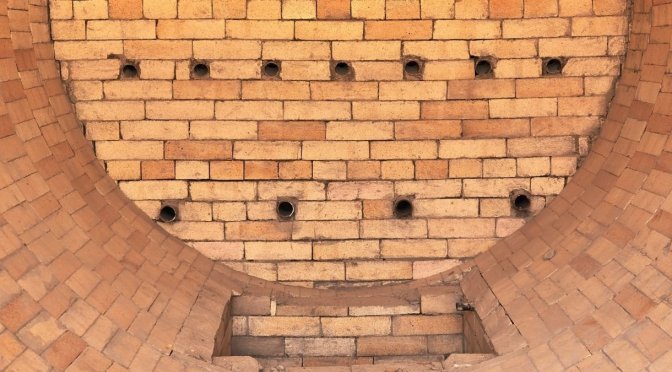
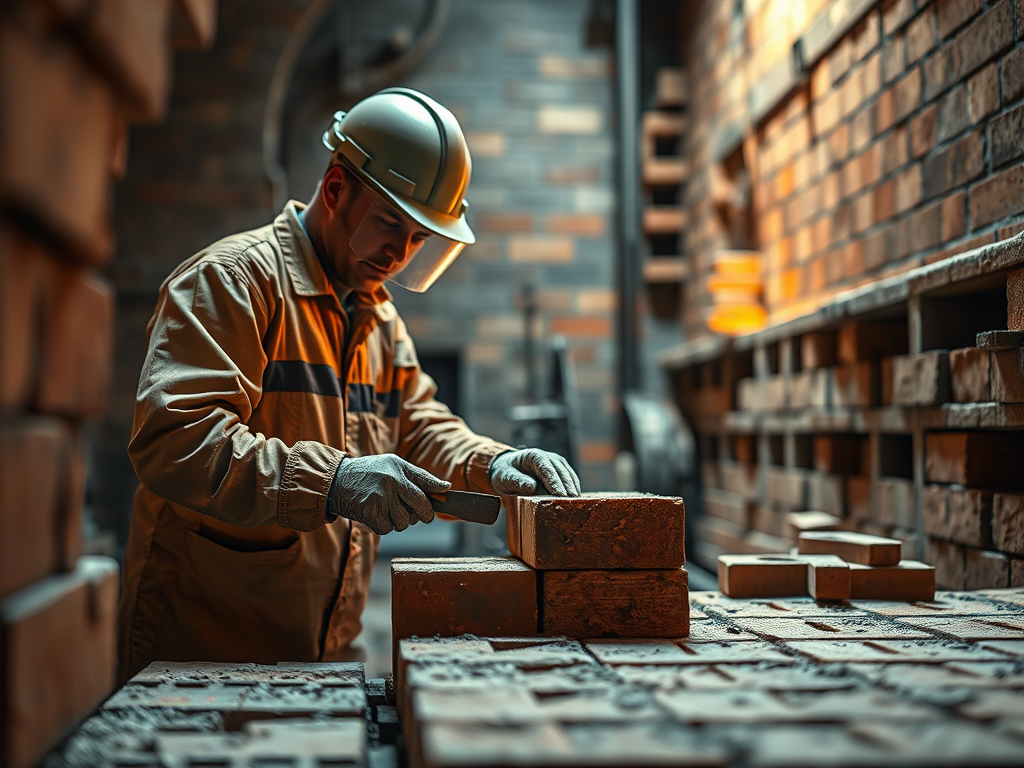
Close-up view of refractories showcasing heat-resistant bricks, essential for industrial applications like kilns and furnaces.
Key Properties of Refractory Bricks
Refractory bricks exhibit the following core properties:
High Heat Resistance: Capable of withstanding temperatures exceeding 1,500°C.
Mechanical Strength: Resists cracking, abrasion, and pressure under load.
Chemical Inertness: Withstands attack from acidic or basic slags.
Low Porosity: Ensures minimal moisture absorption and better insulation.
These properties make refractory bricks ideal for high-temperature industrial operations and thermal insulation applications.
Types of Refractory Bricks
Fire Clay Bricks: Made from hydrated aluminum silicates; used in fireplaces, ovens, and boilers.
High Alumina Bricks: Contain over 45% alumina; ideal for steel plants and glass melting furnaces.
Silica Bricks: Withstand high temperatures and acidic environments; used in coke ovens.
Magnesia Bricks: Excellent resistance to basic slags; suitable for cement kilns.
Insulating Fire Bricks (IFB): Lightweight and low thermal conductivity; used for insulation rather than structural load.
Each type serves a unique function depending on thermal, mechanical, and chemical demands.
Fire Clay Bricks
Craftsmen craft fire clay bricks from refractory clays rich in hydrous aluminum silicates, primarily kaolinite. These bricks can endure temperatures up to 1,775°C, making them particularly suitable for high-temperature applications such as fireplaces, ovens, and boilers. Additionally, their composition includes natural argillaceous materials, which may contain fine-grained micas and quartz, further enhancing their thermal stability. Furthermore, fire clay bricks exhibit excellent resistance to thermal shock. This is why they are commonly used for lining furnaces and kilns. As a result, their durability and cost-effectiveness make them a preferred choice in various industrial settings, where both performance and affordability are key considerations.
High Alumina Refractory Bricks
High alumina bricks contain a minimum of 45% alumina (Al₂O₃), with some premium grades exceeding 80%. As a result, they exhibit exceptional resistance to high temperatures, chemical corrosion, and mechanical wear. Industries such as steel plants, glass melting furnaces, and cement kilns widely use high alumina bricks due to these qualities. Furthermore, they offer high refractoriness, often above 1,750°C, which ensures performance under extreme heat. In addition, they demonstrate excellent thermal shock resistance, allowing them to withstand sudden temperature changes. Moreover, their low porosity and high density enhance their mechanical strength and durability. Consequently, high alumina bricks remain a reliable and long-lasting choice for industries that operate under aggressive thermal and chemical conditions.
High Alumina Refractory Bricks
Silica Refractory Bricks
Silica bricks consist primarily of silicon dioxide (SiO₂), typically exceeding 93% content. They withstand temperatures up to 1,700°C and resist acidic slags effectively. Engineers commonly use these bricks in constructing coke ovens, glass furnaces, and acid converters. Silica bricks also exhibit low thermal expansion and high thermal conductivity, which make them ideal for applications involving rapid temperature changes. Their ability to maintain structural integrity at high temperatures ensures they last longer in demanding industrial processes.
Silica Refractory bricks
Magnesia Bricks
Magnesia bricks are primarily composed of magnesium oxide (MgO), offering excellent resistance to basic slags and high refractoriness, often above 1,800°C. They are widely used in environments where basic slags are prevalent, such as in steelmaking furnaces and cement kilns. Magnesia bricks exhibit good thermal conductivity and are known for their ability to withstand thermal shocks. Their high melting point and chemical stability make them suitable for lining furnaces that operate under harsh conditions.
Insulating Fire Bricks (IFB)
Engineers design Insulating Fire Bricks (IFBs) as lightweight refractory bricks to provide thermal insulation. Their low thermal conductivity helps reduce heat loss and improve energy efficiency in furnaces and kilns. Made from refractory clays with high porosity, IFBs trap air, enhancing their insulation properties. They withstand temperatures ranging from 1,260°C to 1,760°C, depending on the grade. Common applications include using them as backup insulation in high-temperature furnaces, flue linings, and kilns.
Each type of refractory brick serves specific functions based on its thermal, mechanical, and chemical properties. These properties ensure optimal performance in various high-temperature industrial applications.
Applications of Refractory Bricks
Refractory bricks are critical in numerous applications:
Steel and Iron Furnaces: Line blast furnaces and converters.
Glass Manufacturing: Used in tank furnaces and regenerators.
Boilers and Incinerators: Offer insulation and corrosion resistance.
Home Fireplaces and Pizza Ovens: Provide a safe and durable lining.
Use-specific selection ensures performance and longevity of thermal systems.
Steel Industry
Refractory bricks line blast furnaces, converters, and ladles in steel production, enduring extreme temperatures and corrosive slags. Their thermal resistance ensures structural integrity during smelting and refining processes, making them indispensable for efficient and safe steel manufacturing.
Glass Industry
Glass manufacturers use refractory bricks to withstand high temperatures and chemical corrosion from molten glass. To ensure durability, they line melting furnaces and annealing lehrs with these bricks. As a result, the bricks provide thermal insulation and maintain structural stability. This stability, in turn, is crucial for achieving consistent glass quality. Moreover, it enhances energy efficiency during the production process. Therefore, refractory bricks play a vital role in ensuring the reliability and performance of glass manufacturing systems.
Cement Industry
Refractory bricks are essential in cement production, lining rotary kilns and coolers. They resist thermal shock and chemical erosion, ensuring the longevity of kilns and maintaining optimal temperatures for efficient clinker formation.
Ceramics and Pottery
In ceramics, refractory bricks line kilns and ovens, enduring high firing temperatures. Their thermal stability and resistance to thermal shock are vital for producing high-quality ceramic products without structural damage to kilns.
Petrochemical Industry
Refractory bricks line reactors, reformers, and furnaces in petrochemical plants, withstanding high temperatures and corrosive chemicals. Their durability ensures safe and efficient processing of petrochemical products.
Power Generation
In power plants, refractory bricks line boilers, incinerators, and chimneys, providing insulation and withstanding high temperatures. They enhance energy efficiency and protect structural components from thermal damage.
Non-Ferrous Metal Industry
Refractory bricks are used in furnaces and crucibles for smelting non-ferrous metals like aluminum and copper. They resist high temperatures and corrosive slags, ensuring the integrity of melting and refining processes.
Foundries
In foundries, refractory bricks line furnaces and ladles, enduring the intense heat of molten metals. Their thermal resistance and durability are crucial for safe and efficient metal casting operations.
Chemical Processing
Refractory bricks line reactors and containment vessels in chemical industries, withstanding high temperatures and corrosive substances. They ensure safe chemical reactions and longevity of processing equipment.
Waste Incineration
Refractory bricks line incinerators, enduring high temperatures and corrosive by products during waste combustion. They protect structural components and ensure efficient and safe waste disposal.
These applications highlight the versatility and critical role of refractory bricks in industries requiring high-temperature resistance and structural durability.
Maintenance and Lifespan of Refractory Bricks
Refractory bricks typically last 5–10 years in industrial use, depending on operating conditions. Maintenance tips:
Inspect for surface cracks or erosion regularly
Avoid water seepage to prevent structural weakening
Replace damaged bricks immediately to prevent hot spots
Reapply protective coatings if required in corrosive environments
Proper care extends performance and reduces long-term costs.
FAQs
Q1: What are refractory bricks made of?
They are made of ceramic materials like alumina, silica, magnesia, or combinations depending on temperature and corrosion requirements.
Q2: Which refractory brick is best for a kiln? A: High alumina or insulating fire bricks are commonly used, based on whether structural strength or insulation is needed.
Q3: Can fire bricks be used in a fireplace? A: Yes, fire clay bricks are ideal for fireplaces due to their heat resistance and durability.
Q4: Are these bricks eco-friendly? A: Many modern bricks are made using low-emission processes and recyclable materials, enhancing their eco-credentials.
Key Takeaways
Refractory bricks withstand high heat and protect industrial furnaces, kilns, and ovens.
Multiple types (fire clay, high alumina, silica, magnesia) serve specific thermal and chemical needs.
Prices vary based on material and quality, with sourcing available locally and globally.
Regular maintenance ensures longer lifespan and safe performance.
Choosing the right refractory brick enhances energy efficiency and structural safety.
Conclusion
Refractory bricks play a foundational role in high-temperature construction, offering heat resistance, durability, and safety. Understanding their types, properties, and applications helps in selecting the best option for industrial or residential use. Whether you’re lining a kiln or building a fireplace, the right brick ensures long-term efficiency and reliability. Always consult suppliers and material experts to get the best quality suited to your specific needs. Embrace heat with confidence—with the right refractory bricks in place.
Intelligent transportation system is a hot topic among all civil engineering subjects that has gained popularity and many countries are successfully implementing it. With the rapidly exploding population, ITS has even become a mandatory technique in all countries. Here, we are going to read through the main components of the intelligent transportation system. We will swim through the benefits of intelligent transportation system in the middle, then to uses and challenges of ITS.
What is Intelligent Transport System is the first step to dive in the topic. They are advanced applications which, aim to provide innovative services relating to different modes of transport and traffic management and enable various users to be better informed and make safer, more coordinated, and ‘smarter’ use of transport networks. In ITS the information and communication technologies are applied in the field of road transport, including infrastructure, vehicles and users, and in traffic management and mobility management, as well as for interfaces with other modes of transport.
Another answer to the question of what is Intelligent transportation system (ITS) is that, it is the application of sensing, analysis, control and communications technologies to ground transportation in order to improve safety, mobility and efficiency. ITS includes a wide range of applications that process and share information to ease congestion, improve traffic management, minimize environmental impact and increase the benefits of transportation to commercial users and the public in general.
Now, let me walk you through the main components of intelligent transportation system.
The main components of intelligent transportation system are,
1. Accurate tracking system GPS enabled vehicles along with smartphone apps will help citizens to track buses and other vehicles.
2. Electronic timetables Schedules of bus service should be updated in standard format which can be easily read by people and utilised by softwares.
3. Smart model to predict time of arrival Transportation studies like that be conducted in IIT Madras, funded by Ministry of Urban Development. should be encouraged to obtain a robust algorithm to predict the arrival time of buses, which is what a citizen needs.
4. Standardisation by regulating authority
This is very important among all the components of intelligent transportation system. An authority should be set up which can standardise various components of the public transport and encourage the use of better and smart IT services in transport sector
5.Smart commuting
Latest information on traffic jams, accidents and ways for navigation
6. Mobile technology
App based technology, incentives for young technical entrepreneurs
7. Smart traffic control
Dynamic controls of traffic signals instead of current static control, automated system.
8. Scalability
The ITS should be easily applicable to 2nd tier cities so that problem of congestion doesn’t arise in the first place
9. Improved and better BRT system enacted with public participation
10. Installing CCTVs on traffic routes and in buses.
11. Creation of flyover and overbridges to eliminate need of traffic lights
12. Electronic payment of fare
13 Traveller’s advisory system like the use of advisory radio, SMS services, internet etc
14. Highway Management Systems: Use ramp metering techniques to measure and regulate by knowing the traffic entering or leaving the highway
15. Emergency Management Systems: To manage any unforeseen emergencies
16. Railroad Crossing: Gives signals about approaching rail junctions
17 Wireless communication System
18. Safe driving Support System
This includes,
a) Right turn collision prevention system
b) vehicle detection system c) Pedestrian detection system
d) voice guidance
e) display warning
18. Electronic toll payment System
19. Computational technologie
20. Inductive loop detection and sensing technology
21.Freeway management.
Cool! Now how are these components of the intelligent transportation system benefiting transportation? Let’s see below.
Benefits of intelligent transportation system
The main benefits of intelligent transportation are as follows.
Develop (and subsequently renew), a secure and effective revenue collection system – this has formed the backbone of the ITS
Develop enhanced operations management capabilities to provide reliable services and deal with disruptions
Provide communications for staff security
Provide improved passenger information
Obtain data for planning, resource optimisation and performance monitoring
To assist the achievement of the quantity and quality of the service required in the service contract with the province of Florence
• To generate the trip logs, analysis and reporting required by the province of Florence under the service contract
• To manage the daily operations, on both normal and disrupted state
• To manage the driver vehicle handovers and shift-changes
• To provide the platform for real-time and other information to passengers
• To provide the platform for e-ticketing
• To identify vehicle faults and assist rapid response
• To support demand responsive transport and other non-standard mobility services
• To generate and manage data for post-event analysis, including running time analysis, scheduling, resource optimization, and incident investigation
So, I walked you through the important benefits of intelligent transportation system.
Its time to see the results now.
Uses and challenges of intelligent transportation system
1. Use of cameras equipped with automatic number plate recognition(ANPR)
Equip the intersections with traffic light crossing violations recording system and video surveillance cameras monitoring traffic flow
Advantages
Cameras are capable of fining any number of offending vehicles simultaneously
Challenges
Drivers cover the number plate of their cars daily in order to not to be fined
Some drivers who repeatedly pass specific passages try to destroy or damage the cameras and their equipment.
2. Speed violation recording cameras
Fixed cameras equipped with radar technology are assembled to identify and record speed violations
Advantage
Assured of getting fined through being caught on camera, drivers rarely attempt to drive over the speed limit
Challenges
After identifying the locations where the cameras are installed, drivers may attempt to increase their speed in the distances between cameras, and this may cause many disturbances in traffic flow.
Due to the weakness of technology, identifying motorcycles is not possible in this system
3. Cameras for recording violations of passing through red-lights at intersections
Cameras are assembled at intersections to record the red light running violations.
Advantages
A decrease in this kind of violation will have a direct effect in reducing car crashes and capital loss.
Challenges
In many intersections, due to the low quality of crosswalks and zebra crossings, it is really hard to determine a threshold running from which enables the driver to be known as an offender
As in many intersections, turning left or right is not legally forbidden, it is really a hard job to distinguish the vehicles doing so from the violators.
4. Equipping the transportation system with GPS
Position of the buses and the approximate arrival time of buses to stations can be calculated those who are speeding or using unauthorized routes can be identified
Advantages
Reduction of dangerous high speed of buses
Decreasing of delay time of journey
Challenges
Some drivers try to deactivate the GPS before attempting violation. They cover the GPS with aluminum foil to make it disconnected from the center.
Due to the need for a GPRS platform for sending the information to the center, using this system in Tehran is very expensive.
Due to the low average educational level of drivers and users of public transportation services, the relevant systematic training for using this system will be needed.
5. Use of intelligent routing systems for public transportation passengers
Passenger can receive information about the journey duration and the best manner of navigation after determining the origin and destination and also specifying the desired transportation mode such as metro, taxi, bus or walking
Advantages
Decrease in delay of journeys and an increase in productivity.
6. Modern informative systems for offenders
All fine notifications and notices for a technical test will be informed to the offenders via SMS
Advantages
Deliver the fine notifications to the offenders, omitting the process of printing and stuffing envelopes with fine notification
Informing all offenders of their violations in an online manner, and creating a cohesive database of the offenders.
Challenges
As the telecommunications system and necessary infrastructure have not been completely developed, some problems in sending the SMS to offenders have been occasionally observed.
Informative limitations such as length of words in SMS.
What is a plinth beam in construction? Plinth beams are horizontal structural elements that are built at the plinth level. It is the first beam built after the foundation has been completed. Furthermore, the plinth beam is an important component in a building because it serves as a foundation for brickwork as well as a moisture barrier, preventing moisture from entering the superstructure walls. The height of the plinth beam is typically 200mm to 450mm. It can be both reinforced and unreinforced.
The most important components of a building are the substructure and superstructure. The substructure is the part of the building that is below ground level, while the superstructure is the part of the building that is above ground level. The plinth level separates the substructure from the superstructure. The plinth beam follows the foundation’s construction. This article discusses what a plinth beam is, as well as plinth level, plinth beam size, and plinth beam height.
The plinth is the structural stratum that separates the superstructure and substructure of a building. All structures must have a ground floor that is 45 to 60 centimetres higher than the surrounding ground. This will prevent rainwater, dirt, and dust from entering the building. Because of this, the outer dimensions of a pedestal constructed first are slightly larger than those of the ground floor. That is referred to as the Plinth. A level or base known as a plinth is used to support superstructure walls, columns, and other structures. The plinth’s function is to distribute pressure and load evenly across a surface.
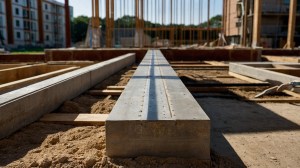
A plinth beam, as the name implies, is a beam at the plinth level. It is a particular kind of beam that is situated at the bottom of a framed structure. Because it holds the columns in place, it is also referred to as a Tie Beam. A horizontal structural component that joins the columns at the plinth level of the building is called a plinth beam. It is constructed above the top of the plinth level in load-bearing walls to aid in uniform load distribution and building settlement. Plinth beams reduce the length and slenderness ratio of a column. These beams are installed to prevent foundationcracks from spreading into the structure.
Plinth Beam
Plinth beams are installed to stop cracks from the foundation from spreading into the wall above when the foundation settles. Plinth beams distribute the load of the wall evenly over the foundation.
Plinth beam in construction – Functions and advantages
Following are the functions and advantages of plinth beams
To prevent the development of cracks from the foundation to the walls
For distributing loads uniformly from columns to the foundations via superstructure.
Prevention of differential settlement
To prevent the entry of dampness in the structure.
For avoiding the collapse of building due to earthquakes. It is crucial to provide plinth beams in earthquake-prone areas.
For providing support for walls
To reduce the effective length of columns.
Prevention of column buckling
To withstand lateral forces.
It saves buildings by preventing differential settlement which is caused by the partial failure of substructure or by the failure of soil on which buildings are constructed.
It provides uniformity to buildings at the plinth level.
The best application of a plinth beam is to withstand outside actions such as water, tree roots, and termites which could affect the life of the plinth.
plinth beam
Size of plinth beam
The plinth beams are designed in accordance with IS 132920-2016. According to the IS Code, the minimum width of the plinth beam cannot be less than 250mm. The depth should be not more than 1/4 of the clear span and not less than 200mm depth. In addition, the span to overall depth should be between 15 and 18. The concrete strength of the plinth beams shall not be less than 200Mpa.
Plinth beam
Plinth beam reinforcement
At the bottom of the beam, two bars with a minimum diameter of 12mm are recommended. Similarly, two bars with a minimum diameter of 10mm must be provided at the top of the plinth beams. A 25mm concrete cover should be used to protect reinforcement bars. The stirrup diameter should be at least 6mm, with a 15cm spacing.
Plinth beam construction
1) Determining the mark-up width First, the plinth level is marked. Plinth beams are usually half the width of the foundation. The skeleton is prepared after marking the width of the plinth. The beam reinforcement must then be completed prior to shuttering.
2) Formwork Installation The next step is to put up formwork. Steel, wood, or plastic must be used for formwork. By levelling the ground, you can fix the formwork properly.
3) Concrete pouring Before pouring concrete, make sure the shuttering is dry and all the joints are tight.
4) Pouring of the concrete
Before pouring concrete, ensure the shuttering is dry and all the joints are tight. Pour the concrete evenly.
5) Curing of the Concrete
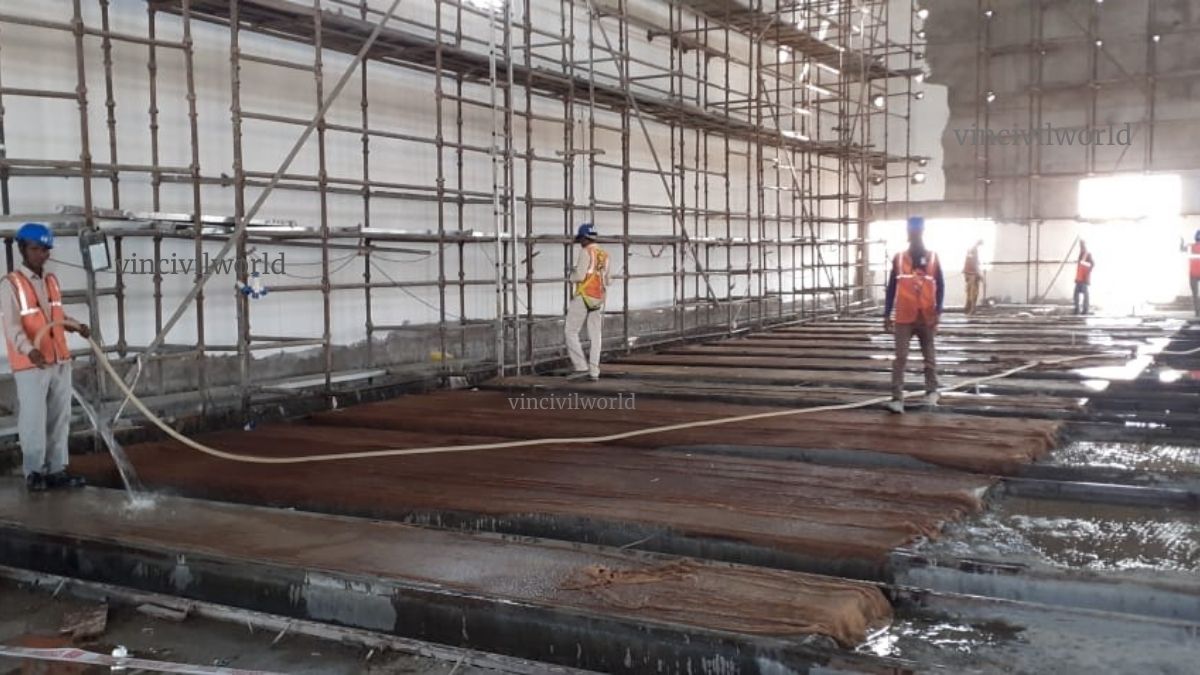
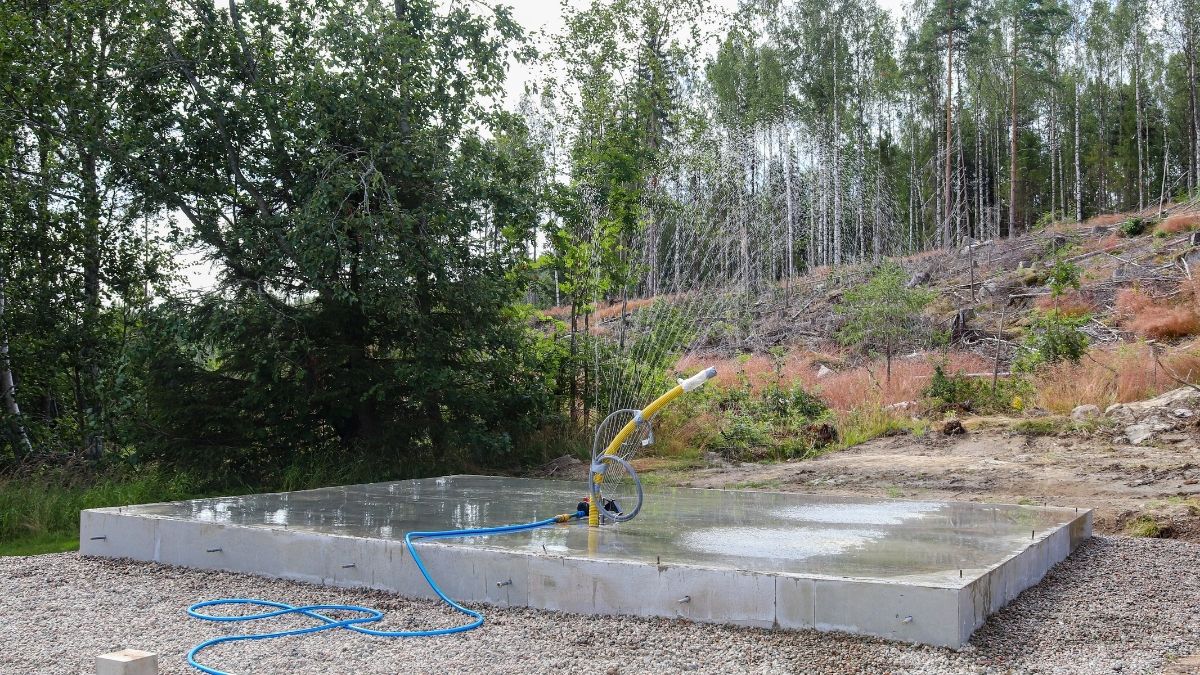
After the concrete is dried, It is cured for at least 7 to 14 days for attaining good strength and durability
5) Removal of Formwork
After curing Once the concrete is set, remove the formwork.
Glass fiber reinforcement concrete or GFRC is made up of portland cement, fine aggregate, water, acrylic copolymer, alkali-resistant glass fibre, reinforcement, and additives. Glass fiber reinforced concrete or GFRC is a type of fiber-reinforced concrete. The glass fibres used in Glass Fiber reinforcement concrete give this distinctive compound its strength. Alkali-resistant fibres serve as the primary tensile load-carrying member, while the polymer and concrete mix holds the fibres together. It assists in the transfer of load from one element to another.
These are mainly used in exterior building façade panels and as architectural precast concrete. Somewhat similar materials are fibre cement siding and cement boards. They consist of high-strength, alkali-resistant glass fibre embedded in a concrete matrix.
In this form, both fibres and matrix retain their physical and chemical identities, while offering a synergistic combination of properties that cannot be achieved with either of the components acting alone.
The fine aggregates used passed through a 4.75mm sieve and had a specific gravity of 2.68. The fine aggregates belonged to Zone II according to IS 383. 2
Polymers
Acrylic polymer is typically preferred over EVA or SBR polymers for GFRC. Acrylic is non-retweetable, so once dry, it will not soften or dissolve, nor will it yellow from exposure to sunlight.
The solids content of most acrylic polymers used in GFRC ranges from 46% to over 50%.
Typically, the polymer dose is 4%- 7% solids by weight of cementitious material depending on the design.
Glass fibre, also known as fibreglass is made from extremely fine fibres of glass.
It is a lightweight, extremely strong and robust material. Glass fibre, the most popular of the synthetics, is chemically inert, hydrophobic, and lightweight.
They are manufactured as continuous cylindrical monofilaments that can be cut to specific lengths or cut as films and tapes before being formed into fine fibrils with rectangular cross-sections. Glass fibers that can withstand alkalis are a crucial part of GFRC. When using the spray-up method of casting, your sprayer will automatically cut the fibers and add them to the mixture as you apply it. If you’re casting with a premix or a hybrid method, you’ll have to mix the fibres along with other ingredients.
Although fibre content varies, it usually ranges from 3% to 7% of the total cementitious weight. High fibre content increases strength but decreases workability. Unlike most concrete mix design ingredients, fibres in GFRC are not calculated as a percentage of dry cementitious weight. Instead, they are calculated as a percentage of total weight. As a result, calculating fibre load in GFRC mix designs becomes quite complicated. Glass fibre, when used at a rate of at least 0.1 per cent by volume of concrete, reduces plastic shrinkage cracking and subsidence cracking over steel reinforcement.
Other Admixtures
Other ingredients to consider include pozzolans (such as silica fume, metakaolin, or VCAS) and superplasticizers.
So, we dug deep into the inside of Glass fibre-reinforced concrete. Next, let me walk you through the advantages of GFRC.
Glass Fiber Reinforced Concrete – Casting Process
GFRC is typically cast using two methods ie: spray up and premix. Let’s take a quick look at both, as well as a less expensive hybrid option.
Spray-Up
The fluid concrete mixture is sprayed into the forms, similar to shotcrete. The process employs a specialised spray gun to apply the fluid concrete mixture while simultaneously cutting and spraying long glass fibres from a continuous spool. Spray-up produces very strong GFRC due to the high fibre load and long fibre length, but the equipment is very expensive.
Premix
Premix incorporates shorter fibres into the fluid concrete mixture before it is sprayed or poured into moulds. Spray guns for premix do not require a fibre chopper, but they can be very expensive. Premix has less strength than spray-up because the fibres are shorter and distributed more randomly throughout the mix. The cost and strength are comparitievely lesser than spray up method.
Hybrid method
An inexpensive hopper gun can be used to apply the face coat while a handpacked or poured backer mix is used to create GFRC using a hybrid technique. A thin, fiber-free face (referred to as a mist coat or face coat) is sprayed into the moulds, and the backer mix is then packed in by hand or poured in, much like ordinary concrete. This is the method most concrete countertop manufacturers employ. This is an inexpensive way to get started. However, it is critical to carefully create both the face mix and the backer mix. This is to ensure similar consistency and makeup, as well as to know when to apply the backer coat. While doing so the backer coat can adhere properly to the thin mist coat without tearing it.
This method is comparatively inexpensive when compared to other two methods. The face and backer mix are applied at different times ensure to have similar make up of mixes to prevent curling
Glass Fiber Reinforcement Concrete Advantages
The main advantages are,
Glass fiber reinforced concrete
Low weight and high strength of Glass Fiber Reinforced Concrete
Self-weight of structures decreases when Glass Fiber Reinforcement Concrete (GFRC) is used and demands on foundations are reduced.
GRC cladding is suitable even for very high-rise buildings and offers good performance under seismic loading.
Freedom of shape of Glass Fiber Reinforced Concrete
GRC is easily moldable into a wide range of shapes, including intricate grilles, panels with a double curvature and 3-D objects.
The high freedom of shape permits the production of structurally very efficient elements.
Easily cast, it can produce items with very fine details and reproduce very complex features and elements of both modern and historic buildings.
3. Durability
Basic reinforcement is non-ferrous and the GRC products are not susceptible to corrosion as in traditional reinforced concrete.
Low permeability and a very slow rate of carbonation offer protection against the corrosion of steel in adjacent reinforced concrete.
GFRC has an inherently high resistance to extreme exposure conditions (freeze/thaw, fire etc.)
The appearance of Glass Fiber Reinforced Concrete
An extremely wide range of attractive surface finishes is available.
It satisfies the highest requirements for an aesthetic appearance of new structures and is capable of matching the colour and texture of surfaces of existing buildings.
Durable and brightly coloured surfaces with enhanced self-cleaning can be achieved in a variety of textures and shapes.
Environment
The relatively low weight of GRC products reduces CO2 emissions associated with their transport.
There are no Volatile_organic_compounds or other pollutants emitted from the material itself, neither in production nor in use.
GRC is fully recyclable into concrete and other applications.
In addition, the photocatalytic E-GRC reduces directly and significantly the concentration of pollutants in the surrounding air, leading to a better quality of the environment.
This is good especially in congested urban centres and at a minimal additional cost.
Now, how about a quick glance through the applications?
Applications of Glass Fiber Reinforced Concrete
GFRC Building
Due to its versatility the range of GFRC is growing.
All the categories of buildings have been constructed using GFRC
Small, simple and unsophisticated items for everyday use are made using GFRC on a large-scale
Architects prefer GFRC to fulfil high structural complexity, size of construction elements, and freedom of shape to achieve spectacular appearance, durability and the highest quality
Positive environmental performance
That’s it. Time to sum up.
Conclusions
GFRC has a large scope of application and research and development is going on
It is a very versatile material and the freedom of shape makes it the number one choice by architects
Glass fibre reinforced concrete is used from small scale household products to large-scale buildings of structural complexity
So, how is our buddy GFRC? Let me know your thoughts in the comments.





























 vin civilworld