Methods of concrete curing – Top 3 curing methods explained

The concrete curing methods depend on the nature of the structure, site conditions, and ingredient parameters. In this article, we will go through some common curing methods adopted in constructions sites. For getting a better understanding of the topic, refer to our earlier article Curing of concrete – Process and significance.

Methods of concrete curing

Curing is the process that helps in maintaining moisture to allow fresh concrete to attain its desired strength in a planned manner through a hydration reaction. If the water evaporates quickly, the requisite amount of water will not be available for the hydration process. The curing of concrete helps to retain the concrete moisture until the hydration process is complete and concrete attains the requisite strength.

The curing method and time primarily depend on structure type, site conditions, and ingredient parameters. Some of the curing concepts adopted in constructions sites are as follows.

  • Maintaining a water layer of water over the concrete surfaces (water curing)
  • Reducing the loss of water from concrete
  • Accelerating the initial strength gain

Let us go through these three basic concepts and curing methods adopted for each of these criteria.

Also Read : Non destructive tests ( NDT } on hardened concrete

Maintaining water over the concrete surfaces -Methods of concrete curing

Maintaining water over concrete surfaces or water curing is the most popular and conventional method of concrete curing. The methods of curing depends on the type of structure basically. Let us go through the water curing methods adopted in construction sites .

  • Ponding
  • Spraying and fogging
  • Saturated or wet coverings
  • Immersion curing

Ponding

Ponding is the method of wetting the concrete surface by creating a temporary containment area around the concrete. 

The ponding method is one of the very well-known and widely adopted concrete curing methods. This method is possible only on horizontal or flat structures and is best suited for curing concrete slabs. 

Small bunds of clay or lean cement sand are placed over the concrete surface. Water is filled in the bunds, refilled, and maintained as and when the level goes down.

This method is very efficient but requires a huge amount of water. The ponding method of curing is not preferred for large areas and areas where water is scarce.

Spraying and fogging method of curing

Spraying and fogging are conventional water curing methods for horizontal and vertical concrete surfaces. These methods are very effective and efficient in supplying additional moisture during hot weather. The spraying and fogging methods help in reducing the temperature of the concrete.

Spraying is a manual method of simply spraying water over the concrete surface. Even though the spraying method is effective, it tends to waste a lot of water.

curing by water spraying

Fogging is applicable for areas where the temperature is above freezing point and with low humidity. This process raises the humidity higher than curing concrete by spraying a fine mist of water regularly across the concrete surface. Fogging, or fog spraying is effective in reducing the chances of plastic shrinkage cracking in mixes.

Saturated or wet coverings

In this method of curing, saturated or wet coverings are placed over the hardened concrete. The wet covering material includes hessian cloths, cotton mats,moisture-retaining fabrics, etc. Vertical and inclined structures like columns, beams, sloped roofs, etc are cured in this method.
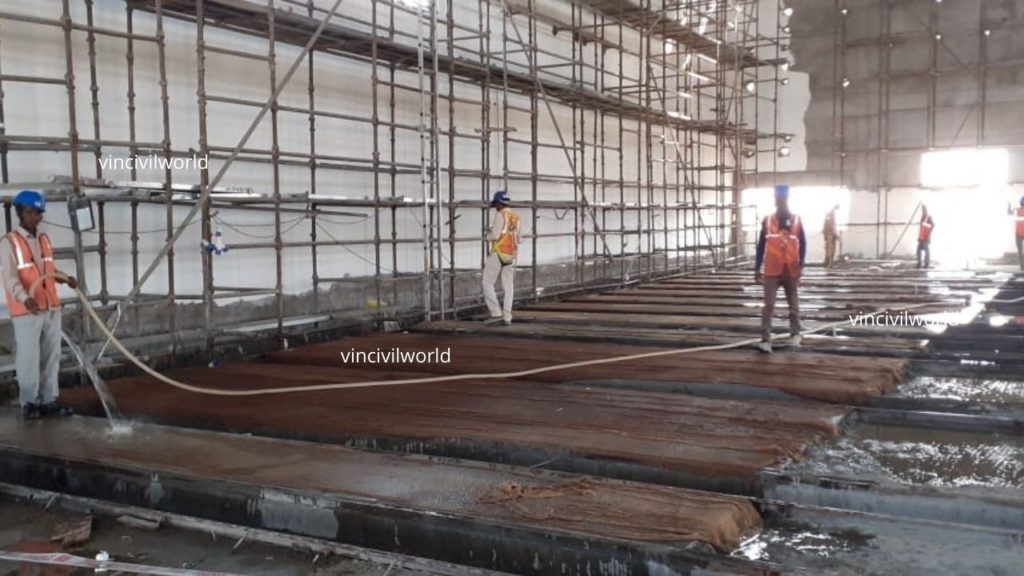
Curing by wetting -methods of concrete curing
Curing by wetting

Immersion curing

Immersion method of curing is for curing concrete specimens.

Reducing Water loss from concrete- Methods of concrete curing

This concept of curing is by reducing the moisture loss from the concrete surface by wrapping it with an impermeable membrane or plastic sheets. This method is the most practical and efficient way to cure concrete nowadays and is a much-needed option for areas where there is water scarcity. The common methods are..

  • Membrane curing
  • Covering concrete with impervious sheets or plastic sheets

Membrane curing

The application of curing compounds is through spraying or painting directly on the concrete surface. The compound dries and forms an impermeable membrane that retards or reduces the moisture loss from the concrete. The membrane curing method is a flexible and easy method of curing.

membrane curing-methods of concrete curing
membrane curing /curing compound

Curing compounds are applied once the concrete is hardened, but still having water content on it. The application has to be done before the water evaporates fully from the concrete. The membrane curing may not produce desired results, if applied after the water evaporates. Ensure uniform thickness and coverage during the application process.
Curing compounds are available in acrylic-based and water-based forms.
The curing compound should comply with ASTM C3094 or ASTM C13155.
Always go through the manufacture specification before application of curing compounds.

Covering with plastic sheets

In this method, Impervious paper and plastic sheets is applied on thoroughly wetted concrete. The concrete surface should be hard enough to take the possible damages while placing the sheets.

Accelerating strength gain method – Methods of concrete curing

Accelerating strength gain using heat or additional moisture is done to speed up the early hardening of concrete and mortars by subjecting them to steam and humidity. Following are the methods adopted in this method of curing.

Steam curing for concrete

The steam curing method uses water vapor or steam for curing the concrete elements. This method of curing is for cold weather conditions where the concrete needs accelerated early strength gain and additional heat for hydration. Prestressing and precast factories use the steam curing method for early strength gain of components. The early strength gain can enable rapid removal and reuse of forms. 

The steam curing is done in two ways

  • live (or low pressure) steam at atmospheric pressure
  • high-pressure steam curing in autoclaves.

Steam curing at atmospheric pressure

Steam curing allows increased production due to rapid repetition and reuse of molds/forms in precast yards.

The steam temperature should be kept at around 140 degrees Fahrenheit or less for live steam at atmospheric pressure until the desired concrete strength is achieved.

By maintaining an optimum temperature, a 28 days strength of normal water cured concrete can be achieved in 3 days using the steam curing method.

High-pressure steam

High-pressure steam curing is carried out in a closed chamber at high temperature and high pressure. This process is also known as “Autoclaving”. Temperature should be maintained between 325°to 375°F and pressures should be around 80 to 170 psi. This method is used for manufacturing precast components, cellular concrete products, such as cellular blocks, precast panels, autoclaved aerated concrete (AAC) blocks, etc.

The main advantage of a high-pressure steam curing system is the capability of attaining 28 days of strength of normally cured concrete in 24 hours.

High-pressure steam cured concrete got less creep and shrinkage and better sulfate resistance. There will not be any efflorescence and moisture content after curing.

Heating coils

Heating coils are usually used as embedded elements near the surface of concrete elements. Their purpose is to protect concrete from freezing during cold weather concreting.

Conclusion

The type of curing to be suggested depend upon the structure, type, nature of the structure and climatic conditions. Curing is the most important activity to be done on concrete to maintain its design strength, durability,serviceability and life span.
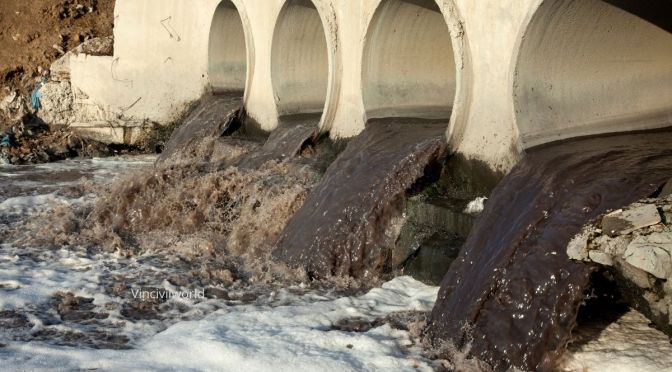
What are Water Pollutants? – Definition, Sources and Types

Water Pollutants kill more people every year than from all forms of violence including war, according to the UNDESA. Every day, 2 million tons of sewage, industrial, and agricultural waste reaches water bodies all over the world. With the growth of the human population, industrial and agricultural activities the hydrological cycle got disrupted. As a result, declining water quality has become a global issue of concern.

In this blog, I will take you on a short trip exploring the various water pollutants, its sources and effects.

Water Pollutants Definition

Water Pollutants are the organic or inorganic chemicals and microbes that degrade the water quality of a water body and renders it hazardous for human consumption and the aquatic life thriving in it. Toxic compounds from farms, cities, and factories easily dissolve and combine with it, polluting the water.

Water, also known as a “universal solvent,” can dissolve more chemicals than any other liquid on the planet. It’s also the reason why water gets easily polluted.

Water pollution
Water pollution

Water Pollutants Sources

The sources of water pollutants belong to two categories.

  • Point Source Water Pollutants
  • Non-Point source Water Pollutants

Point Source Water Pollutants

Point source water pollution occurs when contamination arises from a single source. Examples of point source water pollutants include contamination from leaking septic systems, chemical and oil spills, effluent released illegally by an oil refinery, or wastewater treatment plant . While point source water pollutants originate in a single location, it has the potential to pollute miles of streams and the ocean.

Non-Point Source Water Pollutants

Water Pollutants arising from dispersed sources is referred to as non point source water pollutants. Agricultural or storm water runoff, pond ash from ash dykes, as well as debris blown into streams from land, are examples. Above all, it’s tough to control because there’s no single, recognisable source.

Water Pollutants Types

Water Pollutants are classified into nine types as shown below.

  • Oxygen Demanding Wastes
  • Disease-causing Agents
  • Synthetic Organic Compounds
  • Plant Nutrients
  • Inorganic Chemicals and Minerals
  • Sediments
  • Radioactive Substances
  • Thermal Discharges
  • Oil

Oxygen Demanding Wastes

  • Organic wastes which demand a high amount of dissolved oxygen for their microbial decomposition are referred to as oxygen demanding wastes.
  • Such kind of organic wastes arises from sewage, food processing plants, tanning operations etc.
  • Biochemical Oxygen Demand or BOD measures the water pollution potential of the organic waste.
  • The amount of dissolved oxygen (DO) required by aerobic biological organisms to decompose the organic waste present in a given water sample at a particular temperature over a given time period is known as biochemical oxygen demand (BOD).
  • Oxygen demand is directly proportional to the organic waste concentration in the water.
  • In other words, the higher the BOD of the wastewater, the higher is the amount of oxygen required for the degradation of waste.
  • Oxygen demanding wastes pose a hazard to aquatic life by using up the dissolved oxygen in the water for its degradation.
Water pollution effects on aquatic life

Disease-causing Agents

Sewage and wastes from farms and industries like tanning and meat packaging industries carry pathogens into the water bodies. As a result, water contains bacteria which causes cholera, typhoid, amoebic dysentery and viruses responsible for polio, coxsackie fever. These pathogens enter the human body through drinking water and other activities.

Escherichia coli is a harmless bacteria found in high concentrations in human faeces. They are used to assess the hygienic quality of water. Since the coliforms usually travel together with the pathogens, a high concentration of E. coli indicates faecal contamination and the presence of pathogens.

Synthetic Organic Compounds

  • Pesticides, insecticides and herbicides used in the crop fields reach the water bodies via surface runoff from agricultural lands and stormwater.
  • The commonly used chlorinated pesticides include aldrin, dieldrin and DDT.
  • They are highly stable, volatile and soluble in fats and oils and they accumulate in the bodies of aquatic organisms.
  • Through biological magnification, it gets more concentrated from one trophic level to the next in the food chain.
  • Fishes and predatory birds are the victims of pesticide pollution. For instance, dieldrin affects the calcium metabolism in predatory birds and leads to thinning of their eggshells.
  • Through drinking water and consumption of fishes, pesticide residues enter the human body.
  • The surfactants present in detergents create foam in water bodies and hamper the oxygen absorption of water. And, higher levels of phosphate act as a plant nutrient and generate eutrophic conditions.

Plant Nutrients

  • Phosphates, nitrates and ammonia are the major plant nutrients. They find their way into water bodies via effluents from fertilizer, food and textile industries.
  • As the concentration of these nutrients increases in the water bodies, algae absorbs them and grows excessively, resulting in eutrophication.
  • The process through which a water body gets enriched in dissolved nutrients is known as eutrophication.
  • This leads to algal bloom and develops a green slime layer over the surface of the water.
  • Therefore, sunlight can’t reach the bottom of the water bodies and this hampers atmospheric reoxygenation.
  • After that, the algal growth dies down and its degradation results in anaerobic conditions.
  • An anaerobic bacterium, Clostridium botulinum can flourish in this environment. It secretes a powerful toxin, botulinum that kills the algae feeding birds and humans.
  • Nitrate enters the human body through drinking water. It forms a complex, methaemoglobin which reduces the oxygen-carrying capacity of the blood. This leads to a fatal condition called methaemoglobin anaemia or blue baby disease.

Inorganic Chemicals and Minerals

The water pollutants like inorganic salts, mineral acids, finely divided metals and metal compounds fall under the category of inorganic chemicals and minerals. Municipal and industrial wastewater and mine runoffs are the main sources of these pollutants. Sulphur and coal mining leads to acid mine drainage consisting of sulphuric acid and iron compounds. In addition to this, tanneries, textiles and coke oven operations release alkalies to the water bodies.

  • Cadmium, Chromium, Lead, Mercury and Silver are metals found in industrial wastewater that requires serious attention.
  • Effluents from chemical plants, electroplating and textiles generate cadmium. The use of cadmium contaminated water for irrigation may have been the reason for itai-itai disease in Japan.
  • Wastewaters from aluminium anodizing, paint and dye industries, ceramic and glass industry brings both trivalent and hexavalent chromium to the water bodies.
  • Lead is present in industrial effluents from battery manufacture, printing and painting operations. It is a cumulative poison and concentrates mainly on the bones.
  • The most toxic aquatic pollutant is mercury owing to its rapid methylation in the aquatic environment. It builds up in the food chain and reaches toxic levels at the top of the trophic level.
  • Severe mercury poisoning causes Minamata disease, a neurological disease. Industrial effluents from chlorine and caustic soda, fertilizers and pesticides are the main culprits of mercury pollution.
  • The main sources of silver in wastewater are electroplating and photographic operations.
Water Pollution by chemicals

Sediments

Soil, sand and mineral particles reaching the aquatic environment through floodwaters constitute the sediments. The presence of sediments increases the turbidity of water bodies. Therefore, sunlight can’t penetrate to the bottom and its availability to aquatic plants decreases. Moreover, they cause the thickening of fish gills and asphyxiation of the fish and sediments also destroy the spawning sites of fish on the river bed.

Radioactive Substances

The radioactive material used in industrial, medical, or scientific activities creates nuclear waste. Uranium and thorium mining and refining are also sources of nuclear waste. Radium is the most important radioactive waste product and is a health hazard in drinking water.

Thermal Discharges

  • Heat is a water pollutant because it reduces the capacity of water to carry dissolved oxygen and raises the rate of metabolism in fish.
  • The practice of releasing cooling water from power stations into rivers is a major source of heat since the released water can be up to 15 degrees Celsius warmer than naturally occurring water.
  • Firstly, some fish species, such as trout, cannot survive in water with very low dissolved oxygen levels. Secondly, their eggs will not hatch at temperatures higher than 14.5 degree Celsius.
  • Moreover, there is a decline in oxygen saturation percentage with the increase in temperature.
  • Due to the density difference, hot water forms a separate layer above cold water.
  • This prevents the reaeration of the cold water underneath, as it has no atmospheric contact.
  • Due to the normal biological activities in the lower layer, the Dissolved Oxygen level falls rapidly and generates anaerobic conditions.

Oil

Every year, nearly half of the estimated 1 million tonnes of oil that enters marine habitats comes from land-based sources such as factories, farms, and towns. In addition, oil can ooze out from the ocean’s depths and eroded sedimentary rocks. Since oil does not dissolve in water and instead forms a thick sludge, it suffocates fish and sticks to the feathers of marine birds, preventing them from flying. Also, it prevents photosynthetic aquatic plants from receiving sunlight.

water pollution
water pollution

To sum up, the concentration of pollutants in water can be reduced by treating the effluents. To know more about wastewater treatment methods, please check our blogs, Wastewater Treatment- Stages and Process full details.

Air Pollution Control measures – Top 9 Air pollution control devices

It’s the need of the hour to take measures for air pollution control and prevention since millions of Indians are constantly exposed to polluted air. For instance, they breathe up to 25 micrograms/cubic metre of the lethal, microscopic pollutant PM 2.5 on a 24-hour average. This is well above the World Health Organization’s (WHO) limit of 10 micrograms/cubic metre.

To begin with, let’s first look at the causes of air pollution.

Air Pollution Causes

Industrialisation and urbanisation have technologically upgraded our lives. But, they had some negative byproducts like degradation of the environment, air pollution etc. The air quality index in most of the metropolitan cities is alarmingly high. Let’s have a quick glimpse at some of the major causes of air pollution:

  • Emissions from Industries and Power Plants
  • Construction and Demolition
  • Mining
  • Vehicular Emissions
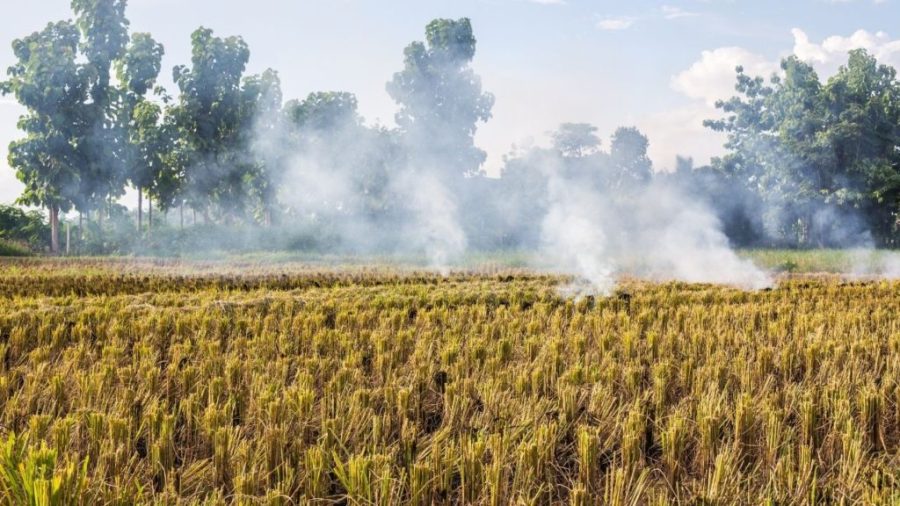
  • Burning of waste and stubble

If you wish to dig deeper into the causes of air pollution, please check our blog Air Pollution Causes – A Comprehensive Guide

 If we can prevent the release of toxic gases by removing them from the flue gas stream or converting it into harmless compounds, we can control air pollution to a great extent. Similarly, if we can collect the dust and dispose of it properly, we can avoid particulate pollution. 

Also read: Air Pollution Effects and Causes – A complete overview

Air Pollution Control Measures and Devices

Air pollution control equipment refers to devices and facilities used in industries to control and prevent the emission of particulate matter and toxic gases. Fans or blowers direct industrial emissions and pollutants into air pollution control equipment and systems. Subsequently, they eliminate or reduce air pollutants using one or more of the following procedures:

  • Combustion i.e., destroying the pollutant.
  • Conversion i.e., chemical conversion of the pollutant to a less harmful compound.
  • Collection i.e., removal of the pollutant from stack gas before releasing into the atmosphere.

Having understood the basic mechanism of pollution control devices, let’s have a closer look at each of the devices.

Scrubbers

  • Scrubbers are the most widely used air pollution control devices in production and manufacturing facilities.
  • They use a physical process called scrubbing to remove particulates and gases from industrial emissions before releasing them into the atmosphere.
  • Scrubbers are of two types: dry scrubbers and wet scrubbers.
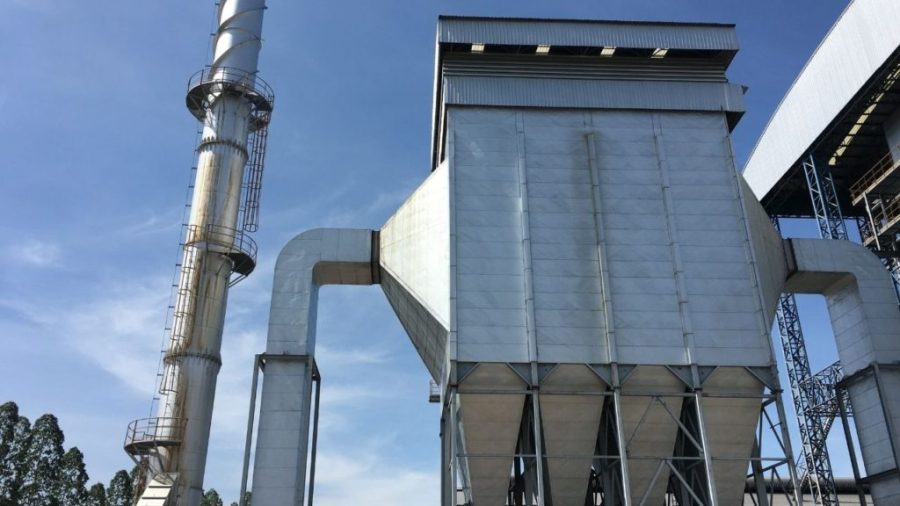
Industrial air scrubber- Air pollution control device

Dry Scrubbers

  • Dry scrubbers inject dry, neutralising chemical agents such as sodium bicarbonate into the exhaust stream.
  • Subsequently, the gaseous pollutants undergo a chemical reaction that either neutralises or transforms the pollutants into harmless compounds.
  • When the chemical reaction is finished, the expended agents are collected and removed from the cleansed emission gas by filters within the scrubber chamber.
  • Dry scrubbers are typically used to neutralise acid gas in oil refineries, wastewater treatment plants and metallurgical plants

Wet Scrubbers

  • Also known as wet adsorption scrubbers or wet collectors.
  • Wet scrubbers capture and remove water-soluble gas and particulate emissions from industrial emissions using liquid solutions—typically water.
  • A gas stream is passed through a liquid solution or a liquid solution is injected into a gas stream in the wet scrubbing process.
  • The solution on coming in contact with the gas stream absorbs the pollutant.
  • This process eliminates the pollutants from the gas and clean gas is released into the atmosphere.
  • The types of wet scrubbers include venturi, packed bed and bubbling scrubbers.
  • Flue gas desulphurisation employs wet scrubbing with a slurry of alkaline sorbent, usually limestone or lime.

Air Filters

  • Air filters are air pollution control systems that use a certain type of filtration media such as fabric, sintered metal, ceramic, etc.
  • They capture and remove dry particles and contaminants from air passing through them, such as dust, pollen, microorganisms, chemicals, and so on.
  • These devices remove pollutants from exhaust air and enhance the air quality in residential, commercial, and industrial buildings.
  • There are various types of air filters available for industrial purposes, including HEPA filters, fabric filters, and cartridge dust collectors.

Bag Filters

  • Also known as baghouses or fabric filters.
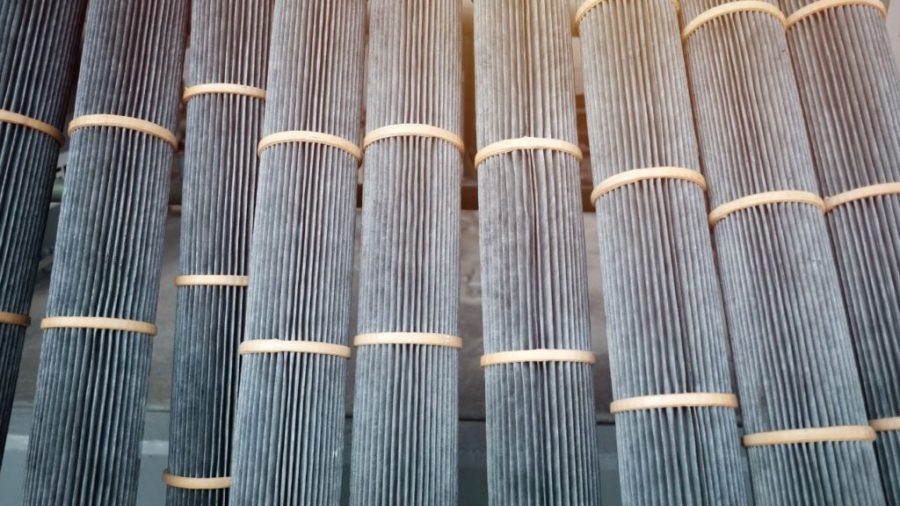
  • The bag filter uses cylindrical fabric bags to trap and remove dust and other pollutants in the air.
  • Particulates aggregate on the filter’s surface as the polluted air travels through a baghouse.
  • This particle buildup improves the filter’s efficiency by reducing the surface area of openings.
  • This allows even smaller particles to be collected.
  • Fabric filters usually offer collection efficiencies exceeding 99.9%.
  • These filters find wide applications in industrial processes, such as power plants, metal processing centres, and foundries.

Periodic cleaning is crucial due to continuous dust accumulation and the associated pressure differential. Baghouses use a variety of methods to remove the accumulation from the filter bags, including:

  • Shaking the filter bags.
  • Increasing the air pressure on the bag such that the bag collapses or deforms and dislodges the accumulated dust. 

Particulates fall from the filter cloth to the bottom of the baghouse enclosure into a collection hopper for processing and disposal.

Bag Filter
Bag Filter

HEPA Filters

  • Also known as high-efficiency particulate air filters.
  • These filters use fibreglass filter mats to physically remove airborne particulates like pollen, smoke, dust, and bio-contaminants from the workspace.
  • Fibres in fibreglass filter mats typically range in size from 0.5 to 2 metres.
  • According to the US Department of Energy (DOE), a filtering system maintaining a 99.97% efficiency for collecting particulates more than or equal to 0.3 m in diameter can be designated as a HEPA filter.
  • Widely used in pharmaceuticals, computer and electronics manufacturing, aerospace applications and nuclear power plants.
HEPA Air filters
HEPA Air filters

Cyclones – Air pollution control measures

  • Cyclones, also known as cyclone dust collectors, are air pollution control equipment that collects and remove particulates using centrifugal force.
  • When gas streams enter a cyclone, they spiral around the cylindrical chamber.
  • The centrifugal force experienced by the spinning gas stream is considerably higher than gravity.
  • Hence the centrifugal force throws the larger particles against the chamber wall, slowing their inertia and forcing them to fall into the collection hopper below.
  • The treated gas streams proceed upward and out of the cyclone.

The separation factor of a cyclone is defined as the ratio of centrifugal force to gravitational force. The higher the separation factor, the better is the cyclone performance. 

Electrostatic Precipitators

  • Electrostatic precipitators (ESPs), like air filters and cyclones, collect and remove particulate matter, such as dust, from industrial emissions and exhaust.
  • ESPs establish a large static electrical potential difference between charging electrodes and collecting plates, using transformers.
  • At very high DC voltages of the order of 50 kV a corona discharge adjacent to the negative electrode.
  • This creates an electric field between the positively charged collecting surface and the emitter.
  • Consequently, the electric field ionises the dust particles as the particle-laden gas flows upwards.
  • The electrostatic force directs ionised particles towards the grounded plates.
  • Particulate Matter deposit is periodically removed from the collecting plates and dumped in a collection hopper below.
  • Wet ESPs uses water to rinse off the dust particles.
  • ESPs’ efficiency reaches 99% since they have several collection plates.
  • The Deutsch equation gives the collection efficiency of an ESP.
Electrostatic Precipitator (ESP)

Mist Collectors

  • Also known as mist or moisture eliminator filters.
  • These air pollution control devices remove moisture and vapour from gas streams, such as smoke, oil, mist, etc.
  • Fine mesh-like filters separate liquid droplets from gas and collect them in a separate chamber.
  • Finds wide applications in food and chemical processing, desalination plants, paper and pulp mills etc.
  • For submicron liquid particles, mist collectors have exceptional filtering efficiencies, with some collectors offering 99.9% efficiency for particles 0.3 μm in diameter.

Shall we wrap up?

Conclusion – Air pollution control Measures

In this blog, we saw some air pollution control measures and For the effective control of air pollution, the National Green Tribunal and the pollution control boards should strictly monitor and ensure the usage of these devices in the industries. We are still in need of green technologies like solar cells for power generation instead of coal-fired power stations, clean coal technologies, electric vehicles etc. Together, it is possible to reduce and control air pollution for a green future.

What are air pollutants? | Types,sources and effects of air pollution

Most of the times you can’t see it or smell it, but air pollutants kill. As the level of air pollutants in our atmosphere are rising at an alarming rate we must be aware of them. In the previous blogs, we had described the causes and effects of air pollution. Today let’s dive deep into various air pollutants.

Let’s get started.

What are Air Pollutants ?

Air pollutants are substances that can contaminate the air and are hazardous to human and other living species’ health. They can be either primary pollutants like dust, smoke, ammonia etc that are emitted directly from their sources or secondary pollutants.

Secondary Pollutants are formed in the atmosphere by chemical reactions between primary pollutants and the other atmospheric constituents. The common examples include ozone, sulphur trioxide, Peroxy Acetyl Nitrate (PAN), ketones etc.

Air Pollutants Types

The Environmental Protection Agency regulates three types of pollutants:

  • Criteria air pollutants
  • Air Toxics
  • Greenhouse Gases

Criteria air pollutants

Criteria Air pollutants include Particulate matter (PM), photochemical oxidants (e.g., ozone), carbon monoxide, sulphur oxide, nitrogen oxide, and lead. They can have a significant impact on public health and wellbeing, the atmosphere and environment, and neighbouring structures.

Air Toxics

The term “air toxics” consists of a list of over 180 air pollutants such as organic chemicals, volatile organic compounds (VOCs), metals, metal compounds, solvents, mercury, arsenic, asbestos, and benzene etc. Even when existent in trace amounts and emitted by fewer sources than criteria pollutants, they have harmful health and environmental impacts.

Greenhouse Gases

Greenhouse gases (GHGs) are gases such as carbon dioxide, chlorofluorocarbons (CFCs), methane, and ozone. They can harm human health. In addition, they contribute to the acceleration of the greenhouse effect on Earth and the resulting impact on global climate.

Major Air Pollutants – Sources and Effects

The sources of air pollutants can be natural or anthropogenic. Check out our previous blog Air Pollution Causes – A Comprehensive Guide for detailed information on various sources of pollutants. Let me describe each of the air pollutants in detail.

Nitrogen Oxides

  • Nitrogen oxides, notably nitrogen dioxide, are ejected from high-temperature combustion and created by electric discharge during thunderstorms.
  • This reddish-brown poisonous gas has a distinctive sharp, biting stench.
  • They appear as a brown haze above cities or as a plume downwind.
  • High levels of NO2 can irritate and inflame the lining of your airways.
  • This results in asthma or COPD flare-up, as well as symptoms like coughing and difficulty in breathing.

Carbon Monoxide

  • CO is a poisonous gas that is colourless and odourless.
  • It causes a smog-like buildup in the air.
  • CO reacts with haemoglobin in the blood to generate carboxyhaemoglobin when inhaled.
  • CO has a 200-fold higher affinity for haemoglobin than oxygen.
  • The tissues are deprived of oxygen as a result of this situation.
  • When carboxyhaemoglobin saturation levels are about 20%, it affects the heart and destroys tissues by preventing oxygen from reaching them.
  • This has been related to a variety of pulmonary ailments as well as environmental problems.

Sulphur Oxides

  • Sulphur compounds are common in coal and petroleum, and their combustion produces sulphur dioxide.
  • Further oxidation of SO2, usually in the presence of a catalyst like NO2, produces H2SO4, which results in acid rain.
  • It also arises from chemical, paper, and fuel manufacturing plants.
  • People with asthma or emphysema may find it more difficult to breathe after being exposed to sulphur dioxide.
  • It can also irritate the eyes, noses, and throats of people exposed to it.
  • Sulphur dioxide can injure trees and crops, cause structural damage, and impair people’s ability to see over long distances.
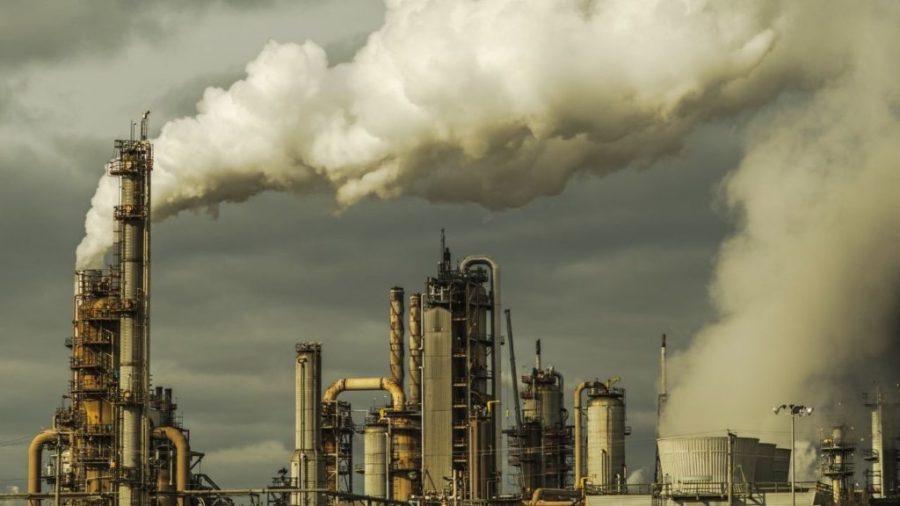
sulphur dioxide Pollution- Petroleum refinery

Volatile Organic Compounds

  • Compounds with high vapour pressure and low water solubility are known as volatile organic compounds.
  • VOCs are man-made substances that are utilised and created in the production of paints, medicines, and refrigerants.
  • Industrial solvents, such as trichloroethylene; fuel oxygenates, such as methyl tert-butyl ether (MTBE); or chlorination by-products, such as chloroform, are examples of VOCs.
  • The aromatic non-methane VOCs such as benzene, toluene, and xylene are suspected carcinogens. They can cause leukaemia in those who are exposed to them for a long time. 

Carbon Dioxide

  • The major greenhouse gas emitted by human activity is carbon dioxide.
  • Fossil fuel combustion, industrial emissions, wildfire etc. are the main sources of CO2 emissions.
  • It traps the solar radiations reflecting from Earth and increases the average temperature of Earth.
  • Due to its contribution to the greenhouse effect and climate change, it is often called the worst climate pollutant
  • It reaches the Earth’s surface as acid rain.

Particulate Matter

Fine particles, also known as atmospheric particulate matter, are microscopic solid or liquid particles suspended in a gas. Volcanoes, dust storms, forest and grassland fires, and sea spray are all sources of particulate matter. Particulate pollution comprises the following:

PM10:  inhalable particles with a diameter of 10 micrometres or less.

Can you imagine how small is 2.5 micrometre? Consider a single hair on your head. The average human hair is 70 micrometres in diameter, which is 30 times the size of the smallest microscopic particle. I hope this makes it clear how they penetrate deep into our lungs.

Aerosols

Aerosols are produced by human activities such as the combustion of fossil fuels in automobiles, power plants, and numerous industrial processes. Anthropogenic aerosols, or those produced by human activity, currently make up around 10% of our atmosphere. Increased fine particle levels in the air have been related to health risks such as heart disease.

Chlorofluorocarbons

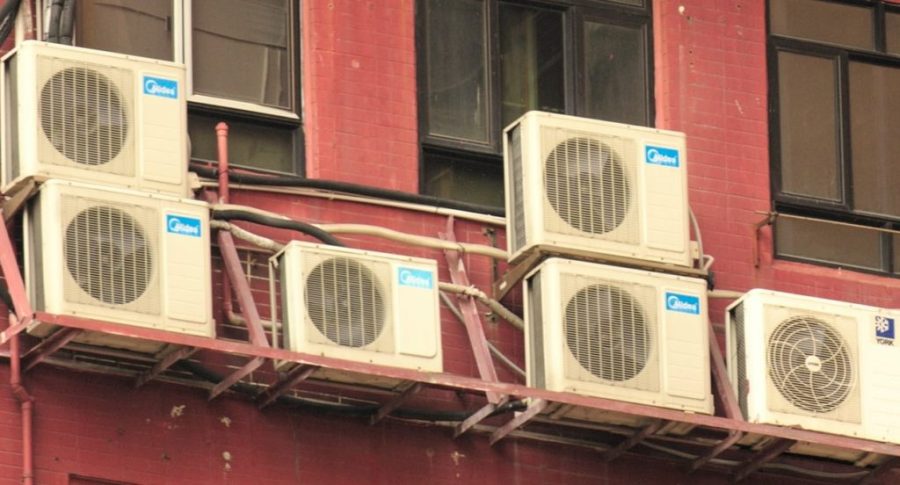
  • CFCs are gases emitted by air conditioners, freezers, aerosol sprays, and other similar devices.
  • CFCs reach the stratosphere after being released into the atmosphere.
  • They interact with other gases here, causing harm to the ozone layer.
  • This allows UV radiation to reach the earth’s surface, which are hazardous.
  • This can result in skin cancer, eye problems etc.
  • As a result, they are currently restricted from usage in products.
Air Conditioners - Source of Chlorofluorocarbons
Air Conditioners – Source of Chlorofluorocarbons

Ammonia

Ammonia is a gas that is emitted primarily by agricultural waste. As a precursor to foodstuffs and fertilisers, it contributes considerably to the nutritional demands of terrestrial species. It is both corrosive and toxic, despite its widespread use. Ammonia combines with nitrogen and sulphur oxides in the atmosphere to generate secondary pollutants.

Ozone 

  • Carbon monoxide (CO), methane (CH4), or other volatile organic compounds (VOCs) are oxidised in the presence of nitrogen oxides (NOx) and sunlight to form ozone.
  • As a result, ozone is most abundant in the summer.
  • Ground-level ozone is a primary component of photochemical smog.
  • It is a significant health hazard connected to breathing issues, asthma, deterioration of lung function, and respiratory disorders.
  • People with asthma may experience more frequent asthma attacks as a result of ozone exposure, as well as sore throats, coughing, and breathing difficulties.
  • It could potentially result in premature death. Plants and crops can be harmed by ozone.

Lead

Lead is a neurotoxin. It was earlier used in petrol as an antiknocking agent. The fine particles emitted through automobile exhausts reaches the lungs and settles down there. At higher levels in the blood, it interferes with haemoglobin production. This results in oxygen starvation and anaemia. Higher levels lead to behavioural disorders.

Cadmium

Cigarette smoking is the main contributor to cadmium in the atmosphere. It can cause hypertension, cardiovascular diseases, kidney and liver damage.

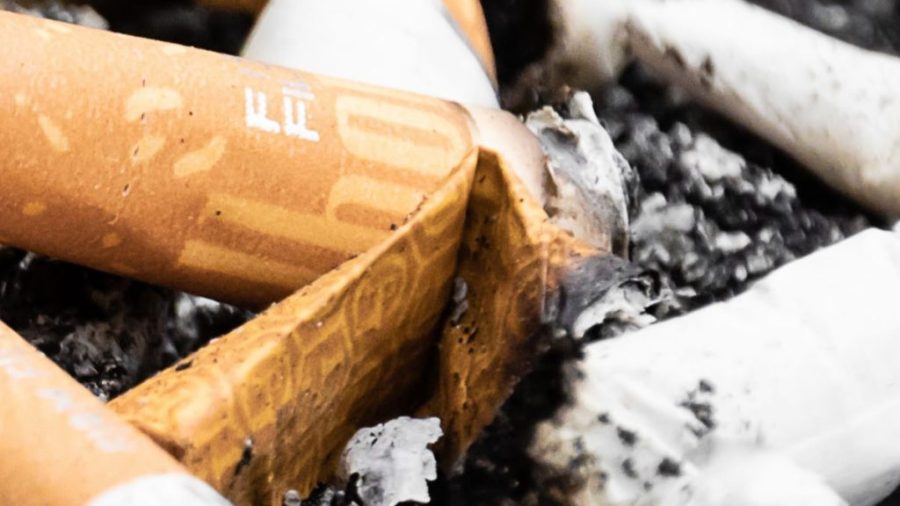
 Cigarette Smoke - Source of Cadmium
Cigarette Smoke – Source of Cadmium

Nickel

Finely divided nickel can react with carbon monoxide and forms Nickel Carbonyl. It is also formed in cigarette smoke. When it reaches our lungs it breaks down and deposits finely divided nickel inside our lungs. This is the main cause of lung cancer.

Mercury

Mercury enters the aquatic systems and soil from the atmosphere through acid rain. The adverse effects of mercury poisoning include chromosomal aberrations, neurological damage and even death. It can damage the cerebellum and cortex of brain by penetrating the membranes separating bloodstream from the brain.

So, we had taken a quick trip understanding all the major air pollutants. In case of any doubts, feel free to ask in the comments.

Happy Learning!

Air Quality Index in Delhi – AQI categories and Causes

The air quality index (AQI) is a daily reporting index for air quality. According to the recently released IQAir AirVisual 2020 World Air Quality Report, India is home to 15 of the world’s 20 most polluted cities. Would you believe it if I say that a public emergency was declared after the air quality index in Delhi plunged to ‘severe plus’ levels of about 530? Read on to find more about the Delhi Air Quality Index and what were the causes of this extreme level of pollution. To understand the severity of air pollution in Delhi, we should first know about Air Quality Index and its categories. So let’s look into the details of AQI and its categories.

Air Quality Index

The air quality index (AQI) is a daily reporting index for air quality. It’s an indicator of how air pollution impacts one’s health over a short period. The AQI’s objective is to inform individuals about how local air quality affects their health. 

AQI disseminates the air quality information in real-time. It is necessary to be aware of daily levels of air pollution, especially for people who suffer from ailments related to exposure to air pollution.

The AQI is calculated by the Environmental Protection Agency (EPA) for five primary air pollutants for which national air quality guidelines have been set to protect public health. They are listed below:

  • Ground-level ozone
  • Particulate matter (PM2.5/PM10)
  • Carbon Monoxide
  • Sulphur dioxide
  • Nitrogen dioxide
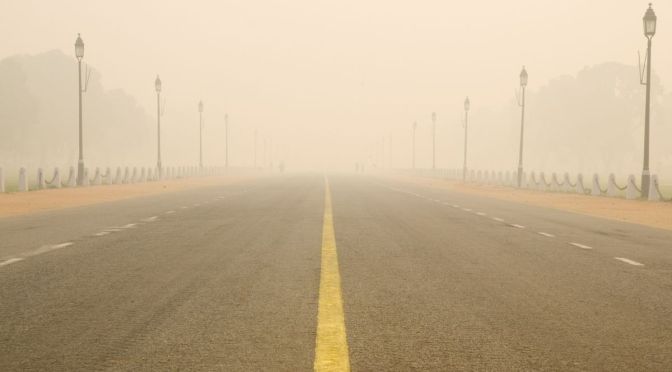
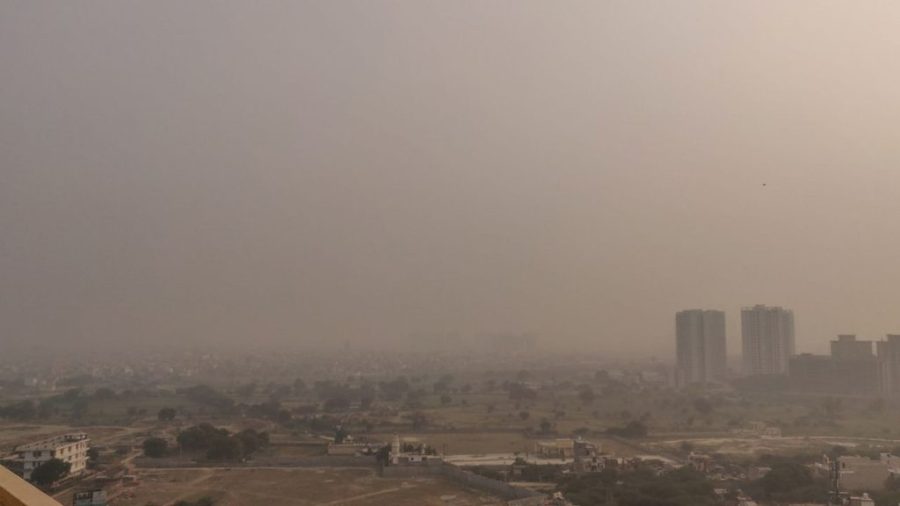
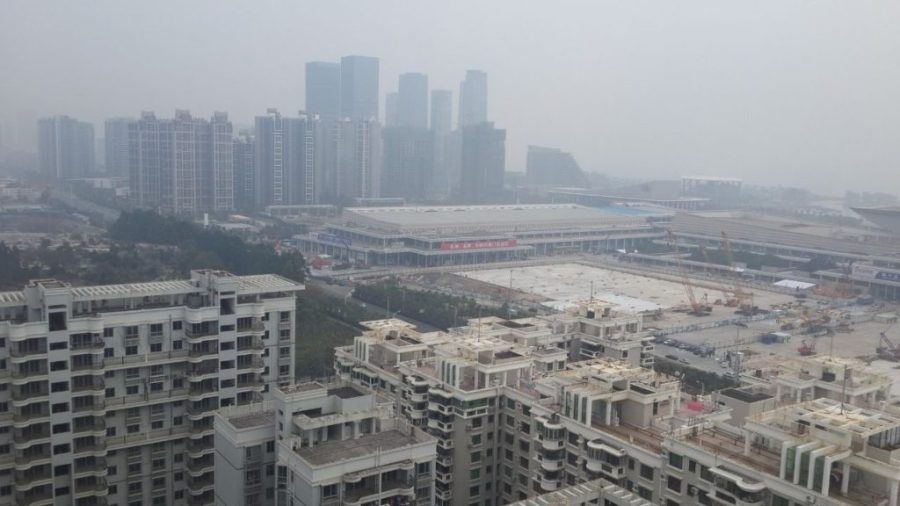
Air pollution in delhi

The higher the Air Quality Index value, the more polluted the air is and the higher the health risks. For the past three decades, many developed countries has widely applied the principle of AQI.

Also Read : Air pollution Effects and Causes – A complete overview

How Air quality index (AQI) is calculated?

To report air quality, different countries use different point scales. For instance, the United States employs a 500-point scale, with a score of 0 to 50 deemed satisfactory. A rating of 301 to 500 is considered dangerous. India, too, uses the 500-point scale. 

Everyday air pollution monitors record the major contaminants’ concentrations. EPA-developed standard equations are used to translate these raw values into a separate AQI value for each pollutant (ground-level ozone, particle pollution, carbon monoxide, and sulphur dioxide and nitrogen dioxide). The highest of these AQI values gives the the AQI value for that day

Air pollution in delhi

Categories of Air Quality Index

Depending on the level of pollutants in the air and the health effects it can cause, AQI has the following categories.

  • Good (0 to 50) – Minimal Impact
  • Satisfactory (51 to 100) – In sensitive people, this may cause slight breathing difficulties.
  • Moderately Polluted (101 to 200) – May cause breathing difficulties in individuals with lung disorders such as asthma, as well as discomfort in persons with heart disease, children, and the elderly.
  • Poor (201 to 300) – May cause breathing issues in persons exposed for an extended period, as well as discomfort in persons who have heart ailments.
  • Very Poor (301–400) – May cause respiratory sickness in individuals exposed for an extended period. People with lung and heart issues may experience a stronger effect.
  • Severe (401-500) – May cause breathing problems in healthy persons, as well as major health problems in persons who have lung or heart diseases. Difficulties can arise even when engaging in light physical activity.
  • Severe Plus or Emergency ( Above 500 ) – Extremely high levels of air pollutants.

Goals of  Air Quality Index

Let’s have a look at the objectives of calculating the Air Quality Index.

  • Compare air quality conditions in various locations or cities.
  • It also aids in the detection of incorrect standards and insufficient monitoring programmes.
  • The Air Quality Index (AQI) helps to monitor the changes in air quality (improvement or degradation).
  • The Air Quality Index (AQI) provides information to the public regarding environmental conditions. Therefore it’s particularly beneficial for persons who have ailments that are intensified or triggered by air pollution.

Who is most vulnerable to air pollution?

  • People who suffer from lung disorders such as asthma, chronic bronchitis, and emphysema.
  • Teenagers, as well as children
  • People of all ages who exercise or work outdoor often
  • Even individuals who are healthy can be sensitive to certain pollutants like ozone.

Now, we are done with the basic information about AQI. Keeping this in mind, lets analyze the AQI in Delhi.

Air Quality Index in Delhi

According to the AQI report, PM2.5 (particulate matter) is the most prevalent pollutant in Delhi and its outskirts, consistently exceeding the standard. It was the second most polluted city in India, barely behind the number one most polluted city, Ghaziabad, with an exceptionally high value of 110.2 g/m3 for PM2.5. In addition, Delhi came in the fifth rank out of every city in the world.

For the past few years, the concentration of NO2 in the air ranges from high to critical as per the AQI values. Also, the pollution level of particulate matter (PM10) crosses the critical level every year.

Surprised about such drastic levels of pollutants? Well, I have the answer for how this had happened. Read on to find the main causes of air pollution in Delhi.

Air Pollution in Delhi – Causes

Following are the main causes which made Delhi the second most polluted city.

Stubble Burning

To begin with, agricultural stubble burning by farmers produces nearly 15% of Delhi’s air pollution during the winter months. Farmers in the neighbouring regions burn the stubble to clear land after the September harvest, which contributes to the poor air quality. This is accompanied by changes in the weather, such as lower wind speeds and less rain in the winter season. Thus the smog remains in the atmosphere persistently. 

Stubble burn - Reason for air pollution
Stubble burn – Reason for air pollution

Topographical Factors

Due to its location as well as how the wind and its direction deposits pollutants in the air, Delhi is at a significant disadvantage in terms of topography. Winds blowing towards Delhi bring enormous volumes of smoke and particulates from neighbouring states as well.

When winter arrives, these winds typically die down, trapping the accumulated pollutants in Delhi’s atmosphere. This has a bigger impact on pollution levels than one might think. A 2019 estimate claims that dust brought in by the winds amounted to 21.5% of the entire pollution in Delhi.

Also read : Air Pollution Meteorology and Plume Types

Construction Activities and Vehicular Emissions

In addition, construction activities contribute significantly to the city’s pollution burden. According to the Delhi Pollution Control Committee, dust from construction sites is responsible for 30% of air pollution in the city. A large number of cars in the city, many of which have problematic engines, emit massive amounts of smoke and haze. Thus, coating the city in soot and black carbon (BC). It is a form of carbon that is exceptionally hazardous to all living organisms. 

Air pollution due to construction activities

Industrial Emissions

The industrial sector is responsible for an estimated 18.6% of total air pollution in Delhi. The industries alone release hundreds to thousands of tonnes of pollutants into the atmosphere each year. It should come as no surprise that PM2.5 levels have reached 829.2 g/m3. This was more than 80 times the WHO’s (World Health Organization) recommended yearly level.

Now it’s time for some good news.

Conclusion

The National Green Tribunal is entrusted with delivering adequate and sustainable remedies in situations involving the protection of the environment, forest and pollution prevention. The Tribunal has authority over all civil matters involving significant environmental issues, including the implementation of any environmental legal right. It is playing a key role in bringing down pollution levels in Delhi.

The National Green Tribunal (NGT) ruled in 2015 that all diesel vehicles older than ten years will be prohibited from operating in Delhi-NCR. In 2017, the NGT issued an interim ban in Delhi on plastic bags having a thickness lesser than 50 microns. This was because they were causing animal deaths, blocking sewers, and polluting the environment.

Let’s hope that the National Green Tribunal along with the Delhi Pollution Control Board is able to bring positive changes in curbing Delhi’s air pollution. That’s it about Air Quality Index in Delhi. Let us know your opinions in the comments.

Air Pollution Effects and Causes – A complete overview

Air pollution is one of our era’s biggest scourges, not only because of the impact it causes on climate change but also because it influences public and individual health due to chronic illness and death. The effects of air pollution range from environmental effects like global warming to even financial and health effects like coma and death.

Here’s the truth. According to WHO figures, air pollution-related diseases claimed the lives of 6.5 million people globally in 2012. That’s more than HIV/AIDS, TB, and road accidents combined, accounting for 11.6% of all world deaths. Shocking, right?

In this blog, I will show you the different effects of air pollution in detail. Let’s get started with the classification of the effects.

Also readCauses of Air Pollution

Classification of Air Pollution Effects

The adverse effects of air pollution can be divided into two classes.

Acute Effects

Acute effects of air pollution appear immediately upon short term exposure to the pollutants at relatively high concentrations.

Chronic Effects

Chronic effects don’t appear immediately, rather become evident only after long term exposure to low levels of air pollutants.

Air Pollution Effects on Environment

Not only does air pollution impair our health, but it also harms the environment in which we live. The following are the most significant environmental effects.

Air Pollution Effects
Global Warming

Global Warming 

One of the most alarming effects for scientists and environmentalists is likely global warming. The greenhouse effect, which is caused by the excessive emission of CO2 and methane into the atmosphere, causes global warming. 

Climate Change

Another effect of global warming is climate change. When the planet’s temperature rises, the typical climatic cycles are disrupted, accelerating the changes of these cycles noticeably.

Acid Rain

Sulphur dioxide (SO2) and nitrogen oxides (NOx) are two gases released into the atmosphere as a result of fossil fuel combustion. When those compounds build up in the atmosphere and react with water, they produce dilute nitric and sulphuric acid solutions. They mix with the rain and reaches the surface of Earth as acid rain.

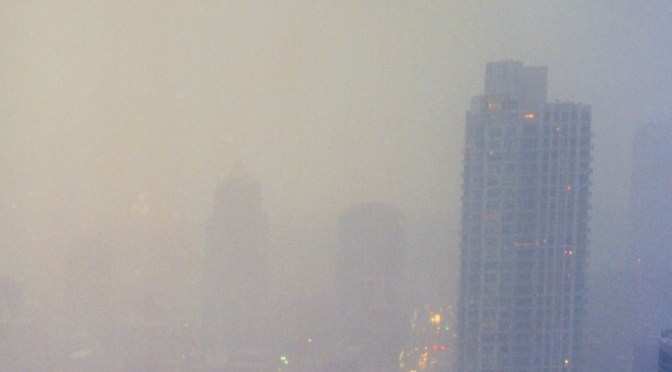
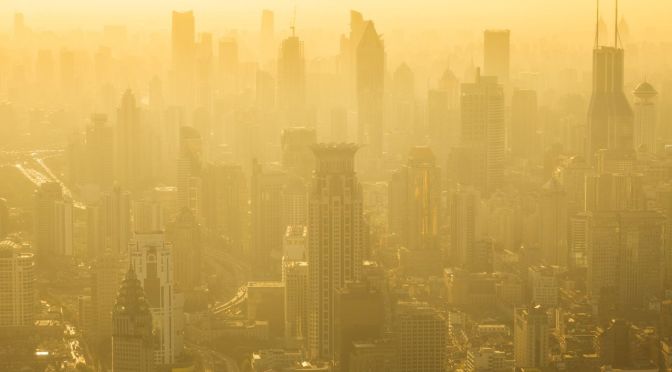
Effects of Air Pollution - Smog
Effects of Air Pollution – Smog

Smog

  • The smog effect, sometimes known as the beret effect, occurs when a dense dark fog forms over cities and fields. This fog is made up of pollutants.
  • There are two varieties of smog: sulphurous smog and photochemical smog.
  • The smog of both forms is a result of industrial and urban activity.
  • When nitrogen oxides and volatile organic compounds (VOCs) combine with sunlight, photochemical smog is created, resulting in a brown cloud above cities.
  • Sulphurous smog, on the other hand, is mostly caused by the usage of coal in numerous industrial operations.

Deterioration of Crop Fields

  • The Earth’s surface is degraded by acid rain, climate change, and smog.
  • Polluted water and gases infiltrate into the ground, altering the soil’s makeup.
  • This has a direct impact on agriculture, as crop cycles change and the composition of the food we eat changes.
  • In India, it was reported in 2014 that air pollution from black carbon and ground-level ozone had cut crop yields in the most impacted areas by nearly half in 2011 compared to 1980 levels in the most afflicted districts.

Extinction of animals

  • Many animal species that rely on oceans and rivers for existence are threatened as the poles’ ice melts and sea levels rise.
  • Because currents, ocean temperatures, and migratory cycles fluctuate, many creatures are driven to seek food in unfamiliar environments.
  • Ecosystems and habitats are also disappearing as a result of deforestation and low soil quality. And, without a doubt, this leads to the extinction of many wild animals.

Deterioration of construction materials

Because air pollutants degrade and modify the composition of building materials, many structures and infrastructure are weakened, degraded, or destroyed at a faster rate over time. The air pollution has been turning the Taj Mahal yellow-brown.

Destroys Vegetation

The pollutants penetrate the inner leaf tissues through stomata and destroy the chlorophyll. This disrupts photosynthesis. The damages caused ranges from chlorosis, necrosis, epinasty to the death of the plant. Cement dust deposits along with mist or rain cause incrustations in the leaves. 

Air Pollution Effects on Materials

Pollutants in the air have the following effects on materials, resulting in economic losses.

  • Abrasion
  • Materials deposition
  • Chemical attack 
  • Corrosion 

Sulphuric Acid mist in the atmosphere leads to the deterioration of structural materials like marble and limestone. Leather readily absorbs sulphur dioxide and gets disintegrated. Ozone causes the weathering of fabrics like acetate, cotton, nylon and polyester. At atmospheric levels of 0.01 to 0.02 ppm, it can cause the cracking of synthetic rubber. Particulates erode the exposed surface of materials and accelerate their corrosion.

Air Pollution Effects on Human Health

Air pollution has a variety of negative health consequences. Even on days when air pollution is low, vulnerable and sensitive people’s health can be harmed. COPD (Chronic Obstructive Pulmonary Disorders), cough, shortness of breath, wheezing, asthma, and respiratory disease are all linked to short-term exposure to air pollution.

Let me describe the health effects caused by each of the major air pollutants.

Oxides of Sulphur

  • When people are exposed to an atmosphere with sulphur dioxide concentrations above permissible levels, they get respiratory ailments.
  • At higher temperatures, their visibility is also affected.
  • Even at low concentrations of 1.6 ppm, it can cause bronchoconstriction in healthy individuals.
  • At higher concentrations, it leads to throat and eye irritation and immediate coughing. 

Carbon Monoxide

  • Carbon monoxide is released as a result of incomplete combustion of fuels in petrol engines, industrial operations, and other sources.
  • When CO is inhaled it mixes with the haemoglobin in the blood and forms carboxyhaemoglobin.
  • The affinity of CO towards haemoglobin is 200 times that of oxygen.
  • This condition deprives the tissues of oxygen.
  • When carboxyhaemoglobin saturation levels are about 20%, it affects the heart and also damages tissues by restricting oxygen.
  • Since the blood supply to vital organs including the brain is obstructed it can lead to mental impairment, visual acuity and even fatal coma at higher COHb levels in the blood. 

Oxides of Nitrogen

When NO2 is inhaled it reaches the moist alveoli of the lungs. There it is converted to nitrous and nitric acids which are highly irritating. They can damage the lung tissues. Long term exposure leads to symptoms resembling emphysema and biochemical alterations in blood.

Particulate Matter

  • Particulate matter of size less than 0.5 micrometres gets deposited in the alveoli and damage the respiratory tissues.
  • They can also act as carriers of toxic gases such as SO2 and produce synergistic effects.
  • Long-term exposure to PM2.5 raises the risk of non-accidental mortality by 6% for every 10 micrograms/m3 increase in concentration.
  • PM2.5 exposure was also linked to an elevated risk of lung cancer mortality ranging from 15% to 21% per 10 micrograms/m3 increase.

Shall we wrap up?

Conclusion

To sum up, air pollution affects not only humans but also our mother nature and other living beings. The effects of air pollution include environmental, economical and health effects. So it’s our responsibility to keep air pollution in check for a better tomorrow.

Updates in civil engineering, architecture finishes, building construction, Environmental Engineering