
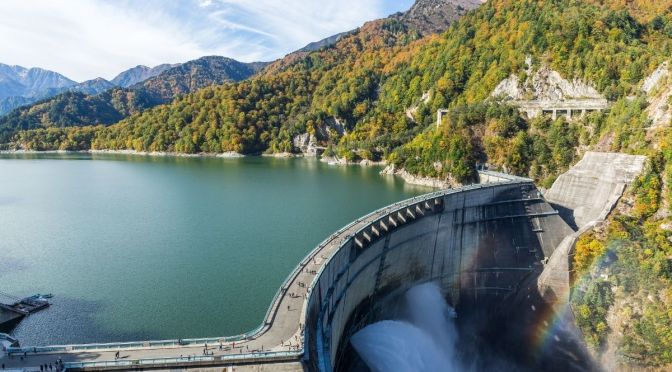
Types of dam play a vital role in water management, energy production, and flood prevention. These structures are classified based on factors like design, materials, and purpose. Understanding the classification of dams helps in choosing the right structure for specific needs. There are various dam types, each with unique characteristics suited for different environments and applications. In this article, we will discuss the key types of dams, including gravity, arch, and embankment dams. Exploring the classification of dams provides insight into how these structures are engineered to meet specific requirements.
Dams are large impounding structure or barriers which are outlined and constructed on a river or stream. Dams provide a wide variety of environmental, economic, and social benefits. The configuration and type of dam built should fulfill one or more purposes. Let’s explore the different dam types and their criteria for choice. We will also examine their distinct advantages and uses.
- Types of dams – Selection criteria
- Types of dams – Classification based on function, structure and material used
- Types of dams – Based on Functions
- Types of Dams – Based on structure
- Types of Dams – Based on Materials Used.
Types of dams – Selection criteria
When selecting types of dams, various factors such as location, materials, and purpose must be considered. The classification of dams helps engineers choose the most suitable design based on these criteria. Different dam types, including gravity, arch, and embankment dams, offer unique benefits for specific conditions. Understanding the classification of dams ensures optimal performance and safety.

While selecting the type of dams the following criteria is taken into consideration. Geology, Topography, Hydrology, etc are the essential requirements for planning and selecting dam types.
- Geological features like slopes, valleys, mountains, channels, etc. to be taken into account while selecting the types of dams.
- The topography of the dam site has to ensure sufficient slope on the upstream side of the dam. For small dams narrow sites to be chosen. For low-lying areas, arch dams are more suitable. Earthen dams are preferred in steep areas.
- The hydrological data like groundwater table, precipitation, stream flow, etc. serves as a perfect guideline.
- In rivers, streams, etc. dams serve as flood prevention mechanisms. They collect, store, and manages floods with the help of reservoirs.
- Since dams are massive structures, the materials required for construction should be available nearby. The soil wrenched from the reservoir can be used as earth fill and reduces transportation costs.
- The foundation of the dam must have a uniform bearing capacity. Earthen dams are good for gravel-type soils. For clay-type soils, there are chances of unequal settlement. Therefore foundations have to be designed with strict precautions and factors of safety.
- Depending on the height of the location, dams are selected. Concrete gravity dams have high altitudes. Earthen dams have less elevation.
- Earthquake zone is another criterion for dam type selection. An earthquake can cause structural failure and damages in dams. Therefore Seismic analysis and intensity to be investigated before choosing the type.
Types of dams – Classification based on function, structure and material used
Dams can be categorized in different ways depending on their design and purpose. The classification of dams typically falls into three main groups: function, structure, and materials used. Each of these dam types serves specific needs and conditions.
Dams are broadly classified into three categories based on the following criteria.
- Classification based on function
- Classification based on the structure
- Classification based on the material used
Also read : Dams – Importance – Selection Criteria, Advantages, Disadvantages.
Types of dams – Based on Functions
Dams are classified based on their function into four main types. These types are storage dams, diversion dams, detention dams, and cofferdams. Each serves a unique purpose in water management and control.
- Storage dam
- Diversion dam
- Detention dam
- Cofferdam
Storage Dam
Storage dams are widely constructed across rivers and streams with high water discharge to store surplus water. This surplus water stored in the upstream area. These types of dams are essential for various purposes, including hydroelectric power generation, irrigation, and domestic water supply schemes. Additionally, they provide water for local wildlife, recreational activities, and human consumption. Storage dams control and store water in the upstream area. They ensure a steady water supply for multiple needs. This makes them one of the most versatile and commonly used dam types.
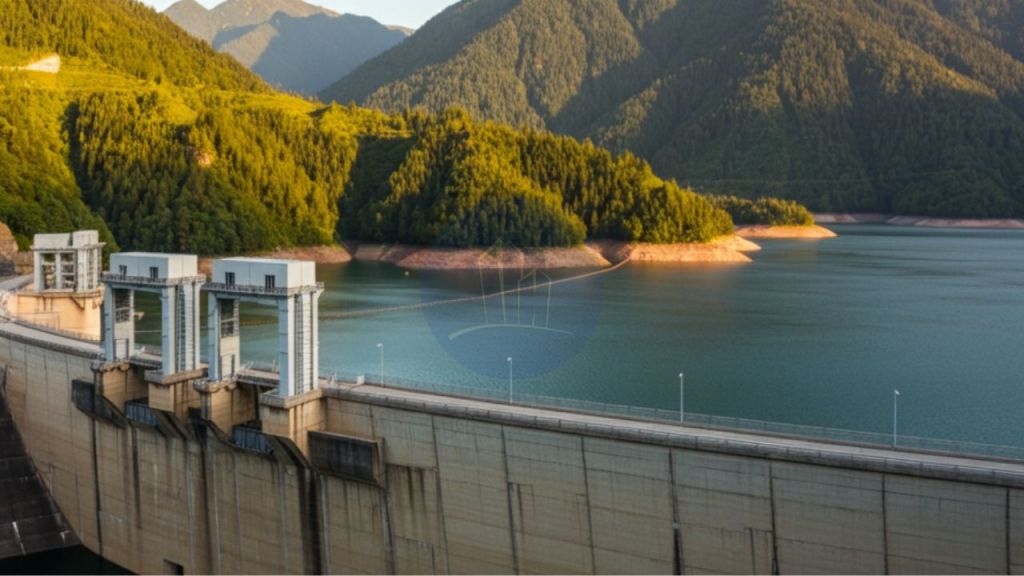
Diversion Dam
Diversion dams are also known as weirs or barriers. They are designed to divert water from rivers or streams into channels or conduits. These types of dams create the necessary pressure. This pressure guides water flow from a wide area to a more focused, fine-scale distribution. Diversion dams are typically low in height. They have a small upstream storage area. Despite these characteristics, they play a critical role in directing water for irrigation, water supply, or other controlled uses.
Detention Dams
Detention dams are designed to impede and slow down water flow in downstream areas, acting as effective flood control measures. By reducing downstream flow rates, they help prevent flash floods and manage water during heavy rainfall. These types of dams are also referred to as debris dams, as they trap sediments and debris. Detention dams are crucial for reducing flood risks. They control sediment movement. This provides safety and protection for surrounding communities.
Cofferdams
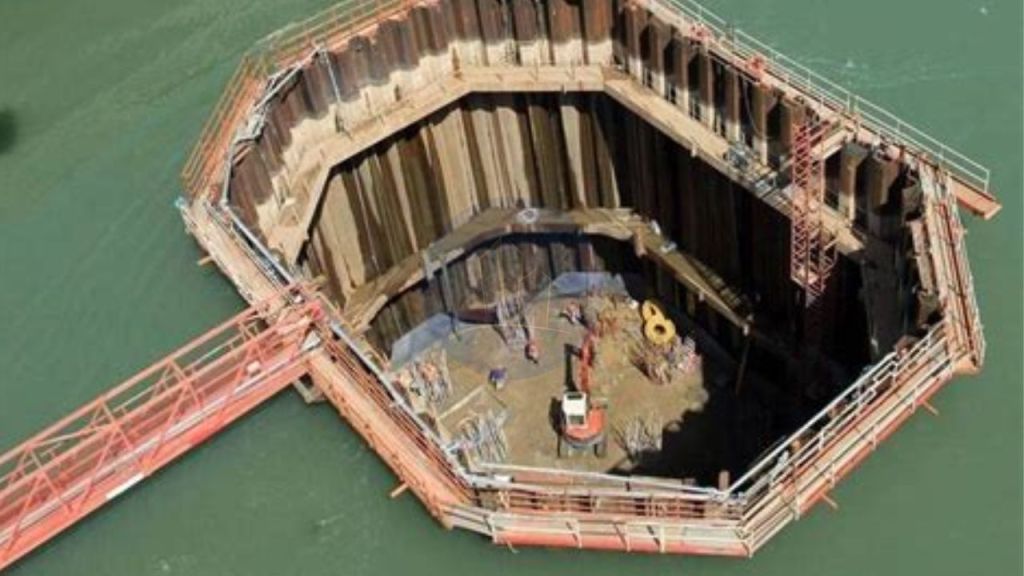
Cofferdams are temporary enclosures that create a dry workspace. They are used in marine or wet areas, such as during bridge rehabilitation and piling works. These structures prevent water and soil from entering construction sites. Cofferdams can be earthen, rock-filled, or cellular, depending on the project needs. They are portable and reusable. Their main purpose is to ensure a safe working environment. By providing a stable, dry platform, cofferdams minimize environmental disruption during construction activities.
Types of Dams – Based on structure
Dams are classified based on their structural design. Each type serves specific purposes and is built using different methods. Gravity dams rely on their weight to hold back water, making them sturdy and effective. Arch dams use a curved design to distribute water pressure, ideal for narrow canyons. Buttress dams feature sloping surfaces supported by vertical columns, offering strength while using less material. Embankment dams are made of earth and rock, providing stability and flexibility for large water reservoirs.
Based on the type of structure used for construction of dams the dam types are classified as follows.
- Gravity dams
- Arch dams
- Buttress dam
- Embankment dam
Gravity Dam
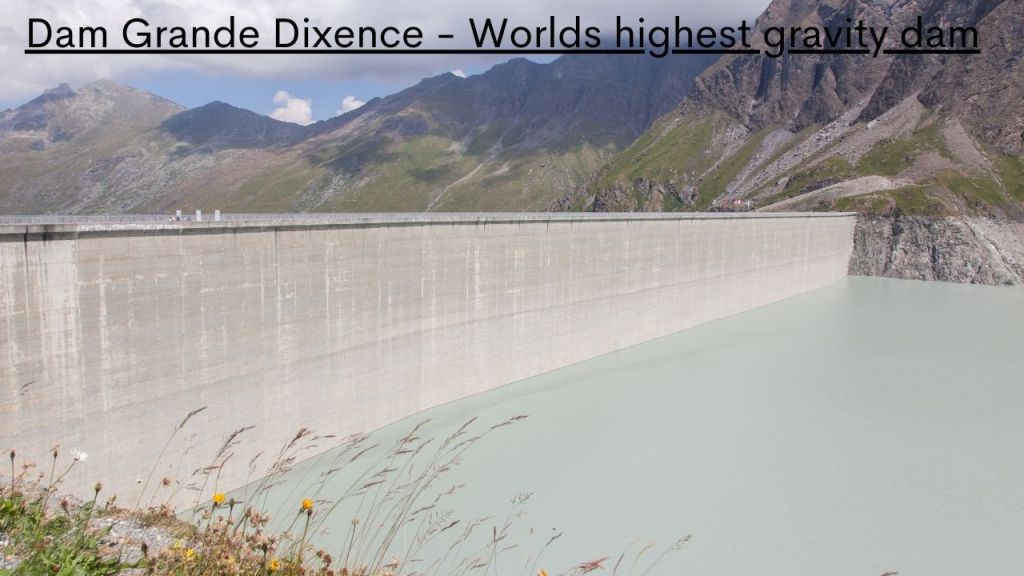
Gravity dams are substantial structures made of masonry or concrete. They are specifically designed to withstand large volumes of water. The horizontal thrust from the water, combined with the force of gravity, keeps the dam firmly anchored to the ground. These dams typically have a triangular profile, which enhances their stability. When designing gravity dams, engineers carefully consider the strength of the foundation rock. This classification of dams is crucial in various applications, making gravity dams one of the most common types of dams used today.
Arch Dam
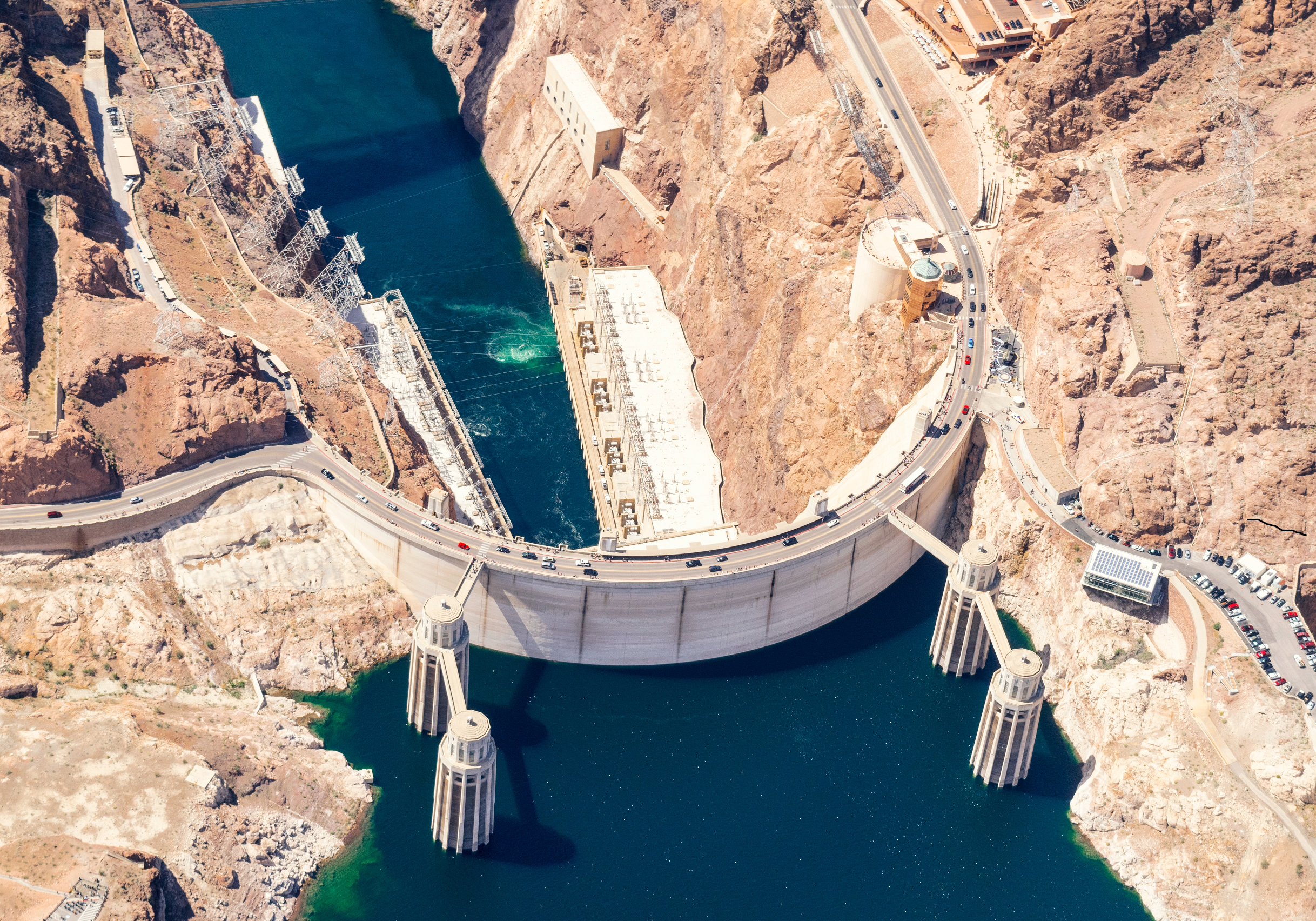
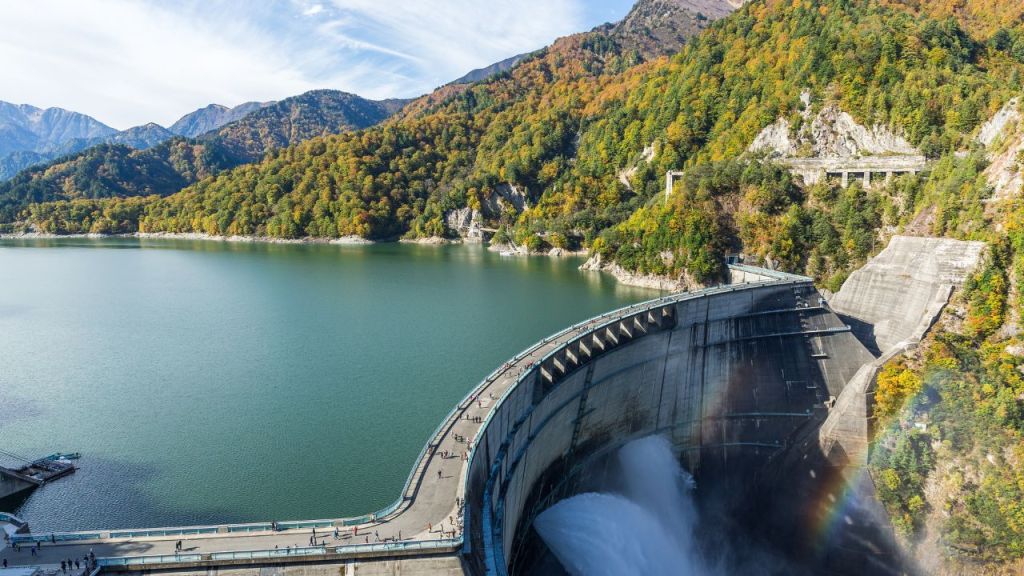
An arch dam is a curved structure that utilizes the force of water pressure to distribute the load across its arch shape. This design makes it highly efficient for sites with steep, narrow canyons. An arch dam works on the principle of hydrostatic pressure. This pressure straightens and strengthens the structure by pushing it into the foundations or abutments. Thus the hydrostatic pressure is equalized by arch actions.
As a key classification of dams, arch dams require less material compared to gravity dams, making them lighter and more cost-effective. Their main advantages include high strength-to-weight ratios and the ability to withstand high water pressure. However, they require solid foundation rock for stability, which can limit their placement. Other disadvantages include higher construction costs and design complexity. Overall, arch dams represent an essential category among types of dams, showcasing innovative engineering for water retention and hydroelectric power generation.
Compared to gravity dams, the Arch dam bears less weight and got thin walls. An arch dam is built-in narrow gorges and is arch-shaped.
Arch dams are economical and considerable.
Buttress Dams
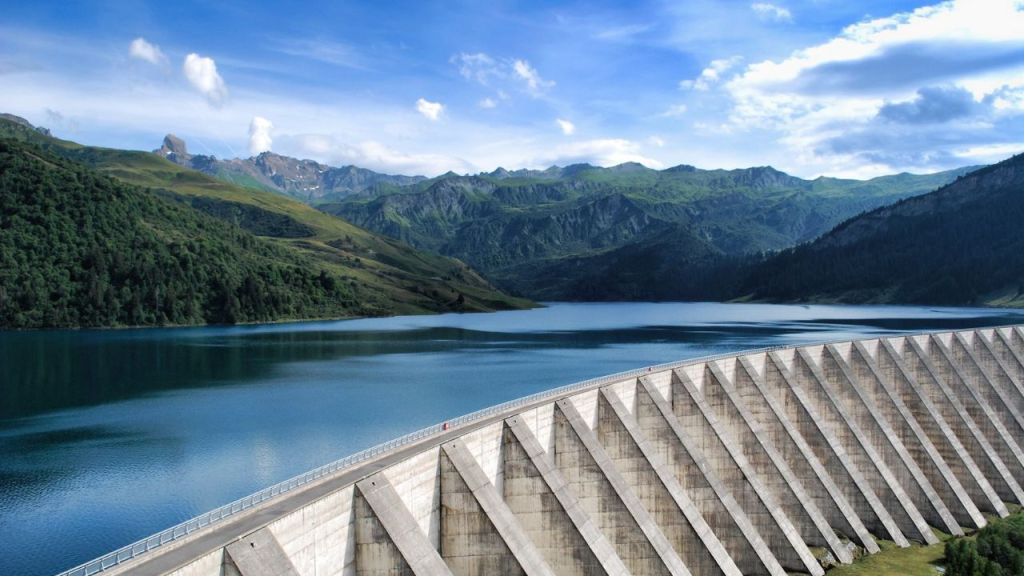
Buttress dams are a unique classification of dams that feature a sloping face supported by reinforced concrete buttresses or columns. These dams types are designed to resist the horizontal pressure of water while using less material compared to gravity dams. One key advantage is that they are more economical for large water reservoirs, as the buttresses reduce the volume of concrete required. Buttress dams are also suitable for sites with weaker foundation conditions. However, they have some disadvantages, such as higher maintenance costs due to the complexity of the structure and vulnerability to seismic activity. Among various types of dams, buttress dams are an effective option when considering cost and material efficiency while maintaining structural stability.
Buttress dams assemble in bowed or straight shape. They got a sloping deck supported by buttresses at regular intervals. Mostly they are preferred for soil with poor bearing capacity. The main components of the dam include a face slab, standing slab, and base slab.
This dam provides stability and endurance. The pressure in the deck is held by the buttress.

Embankment dam
An embankment dam is a type of dam constructed using natural materials like earth, rock, or and industrial waste materials like compacted plastics, etc. dam types rely on the mass of the materials to resist water pressure. Embankment dams are a popular classification of dams due to their cost-effectiveness and adaptability to various site conditions. They are ideal for wide valleys and are typically more flexible, which makes them less prone to cracking. The main advantage is their ability to store large volumes of water with minimal cost. However, they require extensive maintenance and are susceptible to erosion and seepage. Among the various types of dams, embankment dams offer a practical solution for water storage in both large and small projects.
They are built-in wide valleys. They are of two types; Earth fills and rock fill. The core consists of impermeable materials.
Reinforced concrete and asphalt concrete are used in rock fill dams.
Types of Dams – Based on Materials Used.
Dams can be classified based on the materials used in their construction. This classification of dams includes masonry, steel, and timber dams. Masonry dams are made from stone or concrete, providing durability and strength. Steel dams are lightweight and suitable for specific environments, while timber dams are used in temporary or small-scale projects. Each of these types of dams has unique features, and selecting the right types of dam depends on the project’s requirements and conditions.
Based on material used, Dams are classified as
- Masonry dams
- Steel dams
- Timber dams
Masonry dams
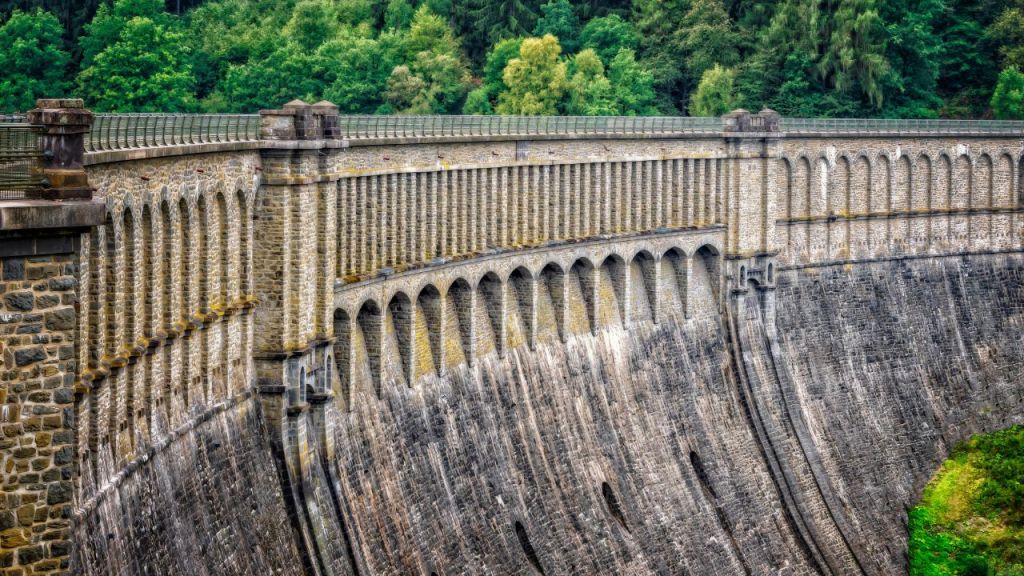
Masonry dams are a strong and durable types of dam constructed using stone or concrete blocks. They fall under a key classification of dams known for their ability to withstand immense water pressure. These dams types are commonly built in areas where solid, stable foundations are available, making them ideal for permanent, long-term water storage or flood control projects. Masonry dams are highly resistant to weathering, providing long-lasting structural integrity. However, they require significant material and labor during construction. Among various types of dams, masonry dams stand out for their strength and durability, making them a reliable choice for many large-scale projects.
Steel dams
Steel dams are a unique type of dam constructed primarily from steel framework. In the classification of dams, steel dams are rare compared to other dam types due to their specific construction materials. They are often used in areas with weak foundations where concrete or masonry structures would not be suitable. This type of dam offers strength and flexibility, making it ideal for temporary purposes or in specific geotechnical conditions. The key advantage of steel dams lies in their lighter weight and easier construction. However, they require constant maintenance to prevent corrosion, making them less favorable in long-term projects for many types of dams.
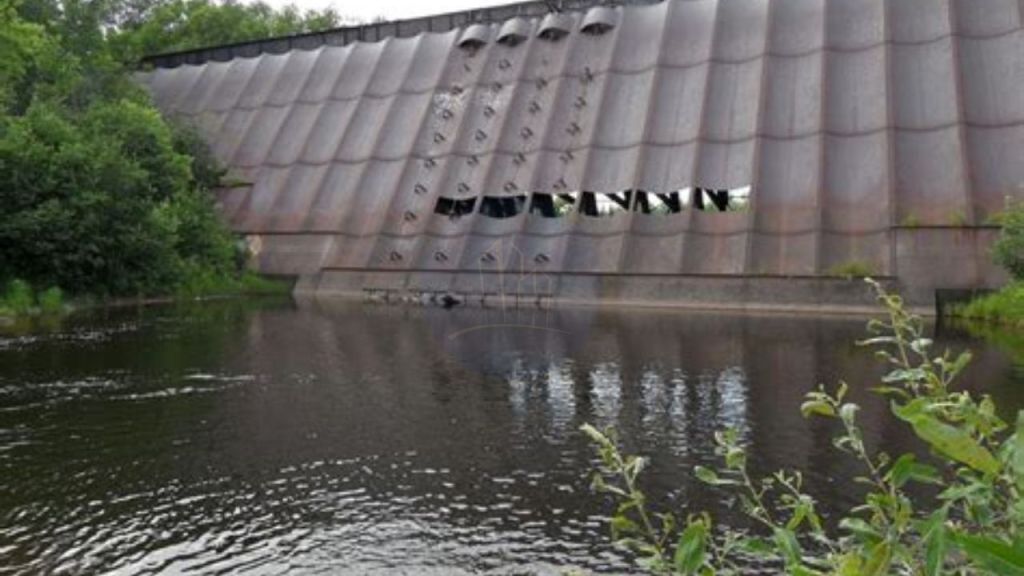
Timber dams
Timber dams are a specific type of dam built using wood. In the classification of dams, these are often seen in smaller or temporary applications, where rapid construction is needed. This dam type was more common in the past, especially in remote areas with abundant wood. Timber dams are lightweight and easier to build compared to other types of dams, like concrete or steel. However, they require constant maintenance due to the susceptibility of wood to decay, especially in wet conditions. While cost-effective in certain settings, timber dams are now less common due to modern materials and durability concerns across dam types.
Concrete Dams
Concrete dams are a widely used type of dam constructed from reinforced or mass concrete. In the classification of dams, concrete dams are preferred for their strength, durability, and ability to withstand significant pressure. This dam type is versatile, suitable for various applications like gravity dams, arch dams, or buttress dams, depending on design requirements. Concrete dams provide long-term stability and can resist erosion, making them ideal for large-scale water retention. However, they require significant materials and time to construct. Among all types of dams, concrete structures are favored for high-resistance applications, particularly in areas with stable foundations.
Also read : Components of a bridge – Bridge Components – Types and functions
 vin civilworld