

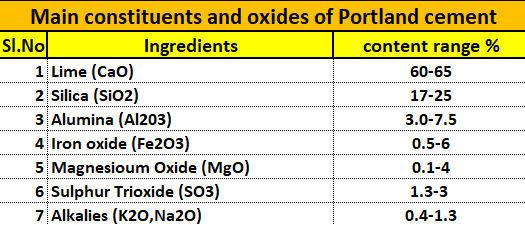
Cement ingredients and properties play a crucial role in defining the behavior and effectiveness of cement in construction applications. Cement is primarily composed of several key ingredients including lime, silica, alumina, iron oxide, magnesia, sulfur compounds, and calcium sulfate. These constituent materials, in precise cement ingredients percentage, contribute to the strength, setting time, and durability of cement.
Portland cement composition specifically refers to the balanced ratio of these raw materials such as limestone and clay, which undergo heating to form clinker before grinding. Understanding the functions of cement ingredients is essential, as each ingredient influences important properties like hardness, color, and soundness. Together, these cement raw materials determine the overall quality and performance of cement used in construction projects.
Importance of Cement in Construction
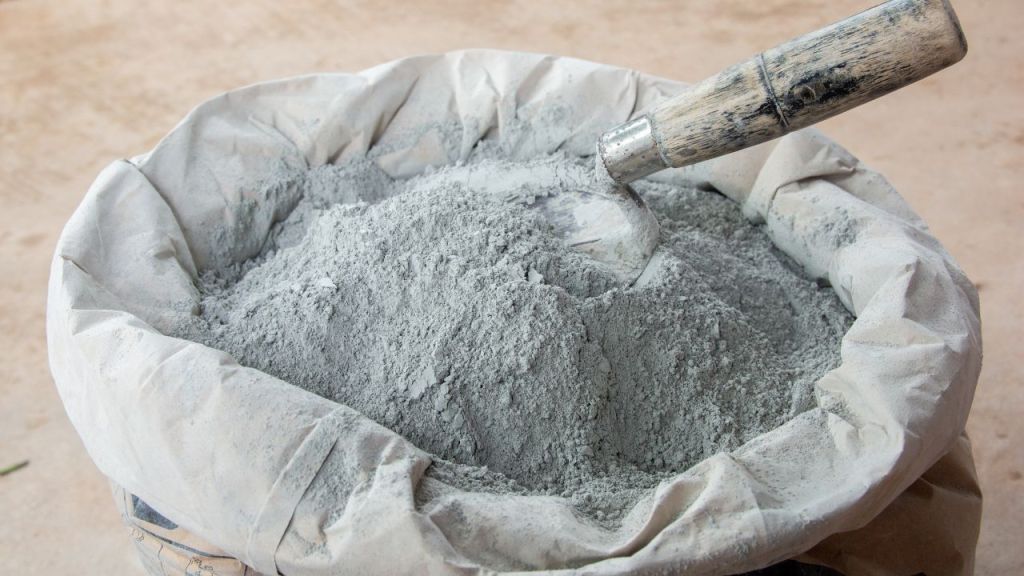
Cement is one of the most significant structural materials used in construction. It is a binding agent that sets and hardens to adhere to building materials like sand, bricks, stone, etc. Cement is a fine powder made of limestone, clay, bauxite, and iron. When mixed with aggregates and sand, cement produces concrete; when mixed with sand alone, it produces mortar used for brickwork, plaster, flooring, etc. Cement is the most unavoidable element dominating the construction sector.
Ingredients and Properties of Portland Cement
Cement ingredients and properties are fundamental to understanding how cement functions as a crucial construction material. Cement is a finely ground powder made primarily from natural raw materials. Its properties, such as strength, setting time, and durability, depend on its composition. This section introduces the importance of these ingredients, their typical proportions, and how they influence the quality and performance of cement, including the Portland cement composition and cement raw materials, in construction applications.
Portland Cement Ingredient Composition and Percentage
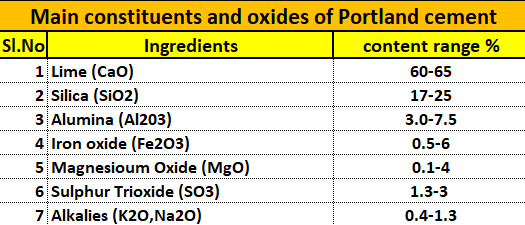
Cement ingredients and properties are essential for producing high-quality construction materials. The Portland cement composition consists of key cement raw materials like lime, silica, alumina, iron oxide, gypsum, and minor components. Each ingredient is present in a specific cement percentage. This directly influences essential functions of cement like strength development. It also affects setting time, durability, and hardness. Understanding how these raw materials interact chemically and physically during clinker formation provides insight into the final cement’s performance. Proper control of composition and ingredient proportions ensures optimum cement properties suitable for various construction applications.
Raw Materials for Cement Manufacturing
Cement is manufactured from Lime, silica, alumina and iron oxide. Lime is obtained from limestone and oxides of silica, alumina and iron which is found in clay and shale.
Cement Ingredients and Functions
The production of cement relies on several key raw materials: limestone, clay or shale, silica sand, and iron ore. Limestone provides calcium oxide for strength, while clay or shale supplies silica, alumina, and iron oxide. Together with other additives, these materials are processed and heated in a kiln to form clinker—the key intermediate material in cement production. This section explores the sources, preparation, and roles of these raw materials.
Lime
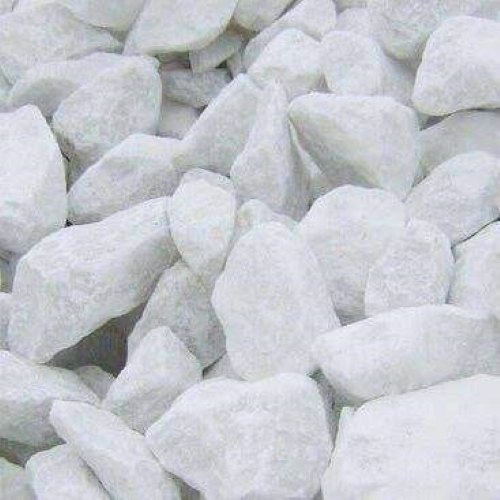
Lime is the major and main constituent of cement and which accounts to about 60-65%. Lime is the main ingredient for production of calcium silicates aluminates and responsible for the cementing properties and strength of cement. The proportion of lime content can alter the properties of cement. Less quantity of lime can reduce the strength of cement and higher lime content can make the cement unsound. Lime in correct proportions is responsible for the strength of cement.
Silica
SiO2 or silicon dioxide is called silica. Silica is responsible for the formation of dicalcium silicate and tricalcium silicate in reaction with lime . Right proportions of silica plays a major part in inducing cement strength.

Alumina
Alumina is responsible for lowering the clinkering temperature and controlling the setting time of cement. Alumina imparts quick setting properties in cement and any increase in proportions can weaken the cement.
Iron oxide
Iron oxide is responsible for the color of the cement. It acts as a flux in the cement manufacturing process. It acts as a flux in high temperatures and combines with calcium and alumina to form tricalcium alumino ferrite which is the main ingredient behind the hardness of cement.
Magnesium oxide
Magnesium oxide is found in minor traces but increase in the quantity can reduce the strength of cement.
Sulphur Trioxide
Sulphur trioxide is available in traces but any increase can effect the cement quality.
Properties of Cement
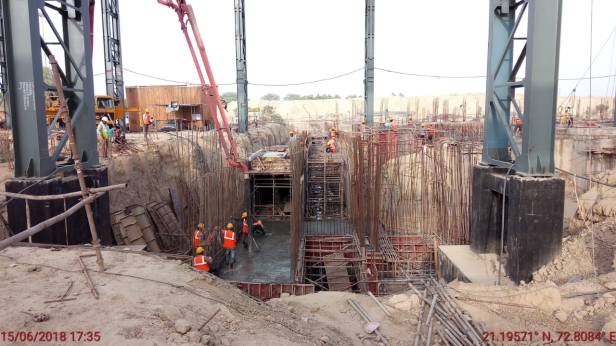
Cement is the most significant structural material used in construction. Cement is the most recognized binding material and can be used in any nature of structures starting from a home to sky scrappers, industrial structures ,bridges, roads etc. Cement when mixed with sand and aggregates forms concrete and when mixed with sand makes mortar. The serviceability, strength and durability of a structure is purely depend on the quality of cement which is being used for concrete and mortar. The properties of cement is directly related to the proportioning of ingredients, grinding, packing etc.
Physical Properties of Cement
Physical properties include fineness, setting time, soundness, and strength, influencing workability and durability. For detailed information, please refer to our blog: Physical Properties of Cement.
Key Takeaways
- Cement ingredients and properties determine cement’s behavior and effectiveness in construction.
- Portland cement composition involves precise proportions of lime, silica, alumina, iron oxide, magnesia, sulfur compounds, and calcium sulfate.
- Lime forms calcium silicates and aluminates providing essential cementing properties and strength.
- Silica contributes to hardness and strength by forming calcium silicate compounds.
- Alumina lowers clinker temperature and influences quick setting, but excess weakens cement.
- Iron oxide imparts color and contributes to the cement’s hardness and strength.
- Excess magnesium oxide and sulfur trioxide negatively affect cement quality and stability.
- Proper cement ingredients percentage ensures optimal cement properties including strength, durability, and setting time.
- Quality of raw materials like limestone and clay controls the Portland cement composition and performance.
- The functions of cement ingredients collectively determine cement’s suitability for various construction applications.
- Physical characteristics like fineness and soundness impact cement performance and concrete workability.
- Controlled manufacturing processes ensure consistent, high-quality cement production.
Conclusion
Cement serves as a fundamental structural material in construction. Its properties are deeply influenced by its carefully controlled cement ingredients percentage. They are also influenced by Portland cement composition. The primary raw materials include lime, silica, and alumina. Iron oxide and minor components like magnesia and sulfur trioxide also contribute specific functions crucial for strength. These components affect setting time, durability, and appearance. Manufacturers must understand the role and balance of these cement raw materials. This understanding enables them to produce cement with desired properties. It is essential for diverse construction needs. Ultimately, maintaining the correct proportions and quality of raw materials ensures cement meets stringent performance standards, making it indispensable in building long-lasting, reliable structures.
 vin civilworld