Tag Archives: Concrete Materials

Soundness test on Aggregate | Sample selection and procedure


Soundness test of aggregates is a crucial evaluation that determines an aggregate’s ability to withstand weathering effects. These weathering effects include wetting, drying, freezing, and thawing. This test is vital in assessing the durability and longevity of aggregates used in construction. Soundness test determines the disintegration of aggregates due to weathering. This includes freezing, thawing, marine condition etc. Yet, the weak and porous aggregate shows a change in weight during this soundness test.

Understanding the soundness of aggregate test is essential for ensuring the performance and reliability of materials in various infrastructure projects.Aggregates are the significant factor that contributes adequate strength to concrete. Hence, it is important to obtain the right quality aggregate for construction. This article examines both IS 2386 Part 5 and ASTM methods. It aims to highlight why maintaining aggregate quality is important in construction applications.

We will explore the soundness test on aggregate in this article. We will focus on the methodologies outlined in IS 2386 Part 5 and American Society for Testing and Materials (ASTM) standards.

  1. Tests on Aggregate
  2. Purpose of soundness test for aggregate
    1. Durability Assessment
    2. Expansion and Contraction
    3. Preventing Structure Failure
    4. Construction Material Selection
  3. Soundness test for aggregates (IS-2386-PART-5)- Testing method
  4. Relevant IS code
  5. Sample selection for fine and coarse aggregates
  6. Apparatus for Soundness test
  7. Reagents used
  8. Test procedure of soundness test
  9. Soundness test on Aggregate as per ASTM C88
    1. Key Takeaways
    2. Conclusion

Tests on Aggregate

For ensuring the quality of aggregates the following tests are conducted.

This article is about the soundness test on aggregate. We will focus on the methodologies in IS 2386 Part 5. We will also follow relevant American Society for Testing and Materials (ASTM) standards.

Purpose of soundness test for aggregate

This section explores the importance of the soundness test on aggregate.
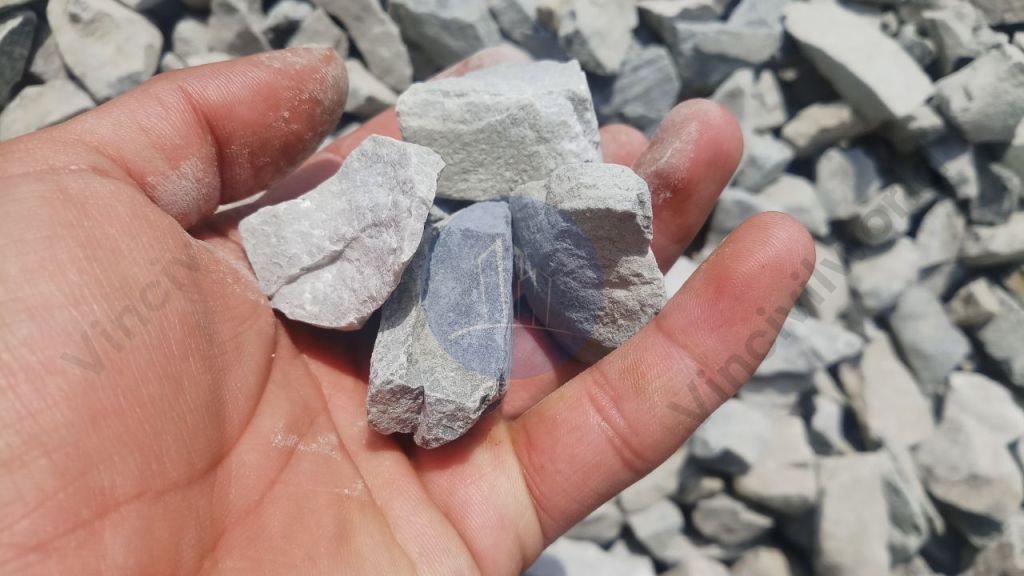
A hand holding several pieces of aggregate, showing different shapes and sizes, against a background of loose aggregates.
A hand holding various aggregates used for soundness testing in construction.

Durability Assessment

The soundness test on aggregate evaluates its resistance to deterioration due to freezing and thawing cycles. It also assesses its resistance to repeated wetting and drying. This test ensures the aggregate’s longevity in construction applications.

Expansion and Contraction

Moisture absorption and freezing lead to expansion and contraction of aggregates. This can weaken structures, emphasizing the need for the aggregate soundness test to identify potential vulnerabilities.

Preventing Structure Failure

The soundness of aggregate test is essential for confirming that aggregates can withstand environmental stresses. This capability prevents structural failure. It ensures long-term stability and durability in construction projects.

Construction Material Selection

Results from the IS 2386 Part 5 soundness test guide engineers and contractors. They help in choosing appropriate aggregates for specific construction applications. This promotes effective material selection and enhances overall project quality.

Soundness test for aggregates (IS-2386-PART-5)- Testing method

In the soundness test on aggregate, samples are immersed in sodium sulfate or magnesium sulfate solutions multiple times. Salt deposits form within the aggregate’s pores due to this repetitive process. These deposits cause internal pressure that can weaken and break the aggregates. After a specified number of cycles of dipping and drying, workers sieve the aggregates. This process assesses the percentage of material loss. This procedure, outlined in IS 2386 Part 5, is crucial for conducting a successful aggregate soundness test. It ensures the durability and longevity of aggregates in construction applications.


Soundness test of aggregate
A laboratory setting where a person in a lab coat and blue gloves is conducting a soundness test on aggregates, using measuring equipment and samples.
A laboratory technician preparing samples for the soundness test of aggregates, ensuring quality control in construction materials.

Relevant IS code

  • IS: 2386 Part V
  • ASTM C88

Sample selection for fine and coarse aggregates

  • The fine aggregate passing through the 10 mm IS sieve should be held as a sample for this test.
  • Then sieve the sample again through 10mm, 4.75 mm, 2.36 mm, 1.18 mm, 600 microns, 300 microns.
  • However, the sample should be decided in such a way that, it will not yield below 100g of given sizes. 
  • For coarse aggregate, sample remove aggregates finer than 4.75 mm. 
  • Then dry the sample and again sieve through 80mm, 63mm, 40mm, 20mm, 10mm IS sieves.
  • Choose the sample in such a way that, it will not yield below the given amount for the given sizes.
  • Weigh the samples separately and store them in different containers.

Apparatus for Soundness test

  • IS Sieves (80 mm, 63 mm, 40 mm, 31.5 mm, 25 mm, 20 mm, 16 mm, 12.5 mm, 10 mm, 8.0 mm, 4.75 mm, 4.0 mm, 2.36 mm, 1.18 mm, 600 micron, 300 micron, 150 micron)
  • Container
  • Weighing machine
  • Drying oven (105 to 110 degree)
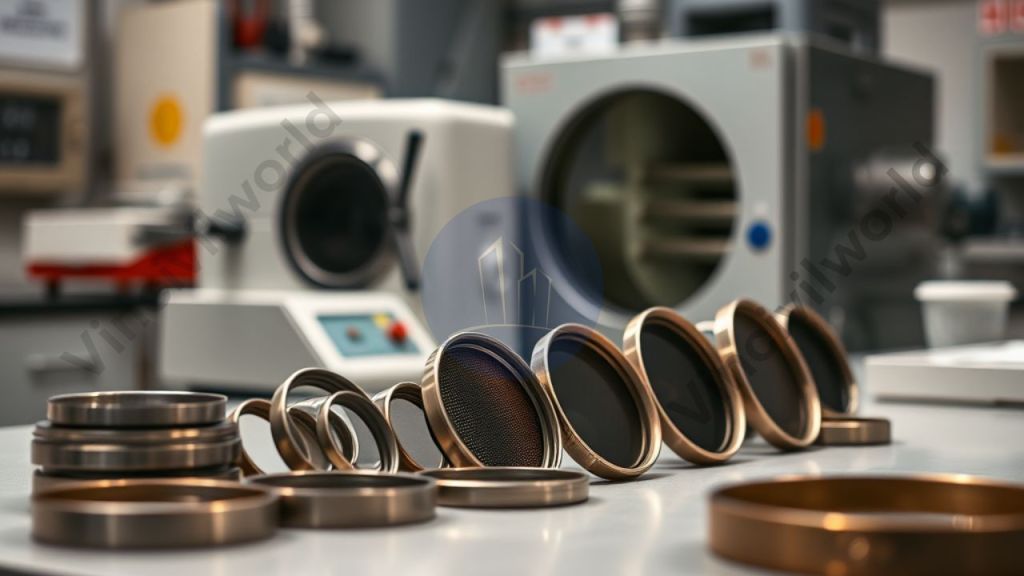
Laboratory setup with metal sieves arranged on a table, showcasing equipment used for the soundness test of aggregates.
Apparatus used for conducting the soundness test on aggregates, crucial for assessing their durability in construction.

Reagents used

  • Sodium sulphate solution
  • Magnesium sulphate solution

Test procedure of soundness test

  • After the selection of aggregate samples, wash them thoroughly on a 300 micron IS sieve.
  • Then dry them at 105 to 110-degree celsius in drying oven.
  • After that immerse the sample in a solution of sodium sulphate or magnesium sulphate for 16 to 18 hours. 
  • Cover the container for reducing evaporation and accidental addition of extraneous substances. 
  • The temperature of the solution should be 27 degree Celsius. 
  • After 18 hours, take out the sample and dry them at 105 to 110-degree celsius. 
  • Allow them to cool to room temperature and repeat this process.
  • After the final cycle, wash the sample and dry them again at 105 to 100-degree celsius.
  • Weigh them and sieve them through the same sieve we used before the test.
  • The percentage of finer sieve after the test and before the test is determined.
  • The percentage loss of weight indicates the soundness of aggregate.

Soundness test on Aggregate as per ASTM C88

The soundness test on aggregate using ASTM C88 assesses how well aggregates resist weathering. It subjects them to alternate cycles of immersion in a sulfate solution and drying. This test simulates natural conditions where aggregates are exposed to wetting, drying, freezing, and thawing, helping determine their durability. The procedure involves immersing aggregate samples in either sodium sulfate or magnesium sulfate solutions for 16 to 18 hours. After soaking, the aggregates are dried at 105°C to 110°C, then cooled to room temperature. This cycle is repeated a set number of times, typically five, to simulate environmental conditions.
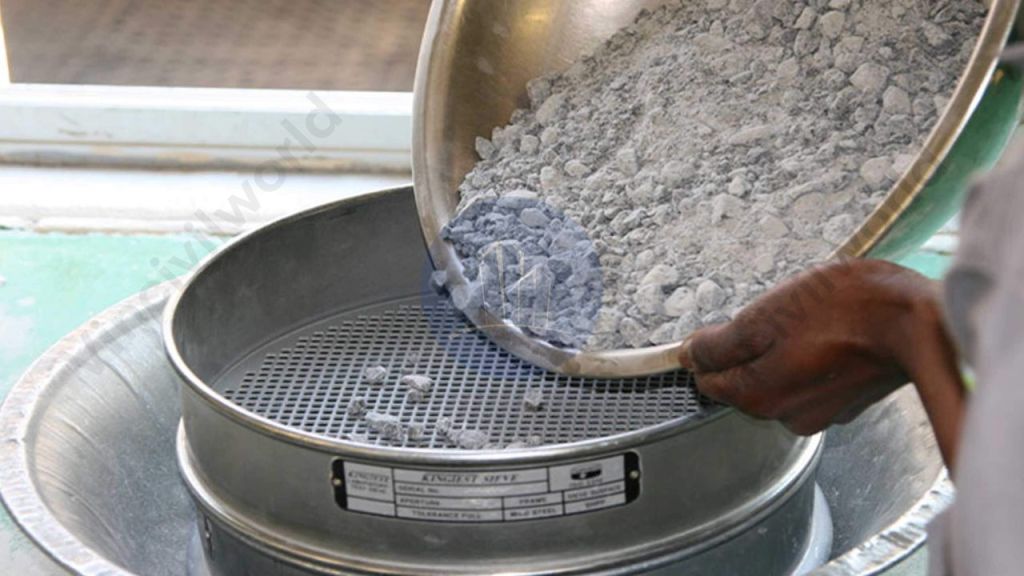
A person pouring aggregate material into a sieve for testing, illustrating the soundness test process for assessing the quality of aggregates used in construction.
Sifting aggregate samples during the soundness test, a crucial step for assessing durability and resistance to weathering effects.

After the cycles, the samples are sieved, and the percentage loss in mass is calculated to assess the aggregate’s soundness. The higher the loss in mass, the less durable the aggregate. The aggregate soundness test per ASTM C88 helps engineers select durable aggregates. These aggregates are reliable for use in construction projects under harsh environmental conditions.

Key Takeaways

  1. Soundness test on aggregate evaluates the durability of aggregates. It assesses their resistance to weathering effects like wetting, drying, freezing, and thawing.
  2. IS 2386 Part 5 outlines the standard procedure for performing this test, ensuring accuracy and consistency.
  3. Aggregate soundness test involves repeated cycles of soaking in sodium or magnesium sulfate solutions. These cycles assess the percentage of material loss.
  4. Fine and coarse aggregate samples are sieved, immersed, and dried under controlled conditions. These steps help determine the soundness of aggregate test results.
  5. The test ensures proper material selection, preventing structural failure due to environmental stress.

Conclusion

The soundness test on aggregate is essential. It evaluates an aggregate’s ability to withstand weathering effects. This test also helps maintain an aggregate’s structural integrity. This test is defined in IS 2386 Part 5 and ASTM C88 standards. It involves submerging aggregate samples in sodium sulfate or magnesium sulfate solutions. These solutions simulate real-world conditions such as freezing, thawing, and drying. The test identifies aggregates that may deteriorate by measuring the percentage loss of material. This is done after a specified number of cycles. Soundness testing is vital. It ensures only durable aggregates are used in construction projects. This enhances the longevity and reliability of infrastructure.

Specific Gravity and Water absorption test on Aggregate

Specific gravity and water absorption test are significant tests on aggregates. Perhaps aggregates are the fundamental and essential components of concrete and play a significant role in the design mix of concrete. More than 70 to 80 per cent of the volume of concrete is aggregate. Hence the water absorption and specific gravity test are essential and significant tests .

The specific gravity test of aggregates is a crucial procedure in construction and materials engineering. This test measures the density of aggregates, which helps decide their quality and suitability for construction. Specifically, the specific gravity for coarse aggregate is essential for mix design and ensuring structural stability. Additionally, the specific gravity test of aggregate provides valuable data for comparing different materials. Alongside this, the water absorption test is vital. It measures how much water aggregates absorb, which affects their performance in concrete. The water absorption formula calculates the amount of water absorbed relative to the aggregate’s weight. Both the specific gravity and water absorption tests are critical. These tests assess aggregate properties and ensure the durability of construction materials.

The specific gravity is the measure of strength of aggregates, while water absorption indicates the porosity of aggregates.

  1. Specific Gravity Tests on Aggregates
  2. Specific gravity test on aggregates
  3. Water absorption test on aggregates
  4. Specific gravity test on aggregates
    1. Relevant IS code:
    2. Apparatus used:
    3. Test procedure of Specific gravity test of aggregates
    4. Water absorption test of aggregates – Test procedure
  5. Key Takeaways
  6. Conclusion

Specific Gravity Tests on Aggregates

Aggregates are the second major ingredient of concrete that contributes around 60 to 70% of its volume. One of the major contributing factors to the concrete quality is the quality of aggregates used therein. The test methods of aggregates are done as per IS 2386 part-4 assists in assessing the quality of aggregates. Following are the tests for analyzing the quality of aggregate.

Construction site showing a concrete batching plant with aggregates piled on the ground.
A modern aggregate processing facility with various types of aggregates ready for concrete production.

This article is about Specific Gravity and Water absorption test on Aggregate.

Also Read : Quality tests to be done on Concrete

Also Read : Bitumen – 9 quality tests on bitumen

Specific gravity test on aggregates

The specific gravity test of aggregate is crucial for assessing the density and quality of aggregates used in construction. This test evaluates the ratio of the weight of the aggregate to the weight of an equal volume of water. It is essential for both fine and coarse aggregates, providing insights into their suitability for various applications. The specific gravity for coarse aggregate, in particular, impacts the mix design and overall performance of concrete. Precise results from the specific gravity test of aggregates help guarantee that the concrete achieves the desired strength and durability. Proper understanding of these tests is vital for effective construction practices.

The specific gravity is an indirect measure of the strength of aggregate. Through this test, the general identification of the aggregate becomes easier. Low specific gravity aggregates are weak. Hence, they are not suitable for construction. 

Specific gravity and water absorption test on aggregate.
Close-up view of aggregates used in construction, highlighting their essential role in concrete mix design.

Water absorption test on aggregates

The water absorption test on aggregates measures how much water an aggregate can absorb. This impacts the strength and durability of concrete. This test is crucial for determining the porosity of the aggregate and its ability to retain moisture. To conduct the water absorption test, aggregates are first weighed dry and then submerged in water until they reach saturation. The water absorption formula calculates the percentage of water absorbed by comparing the saturated weight to the dry weight. Accurate water absorption test results ensure proper mix design. They also predict concrete performance. This makes it a key factor in construction quality control.

Water absorption of aggregate measures the weather resistance. It is the percentage of water the aggregate absorbs when immersed in water. The test method for specific gravity and water absorption test is as follows.

Specific gravity test on aggregates

Relevant IS code:

  • IS:2386(Part 4)-1963

Apparatus used:

  • Weighing machine
  • Drying oven 
  • Wire mesh
  • Container
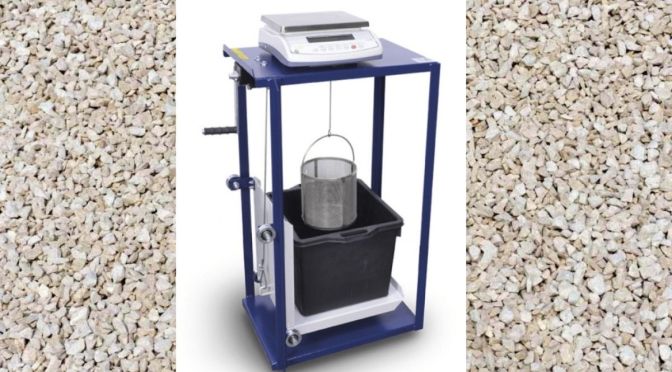
Specific gravity and water absorption testing apparatus
Apparatus for conducting the specific gravity and water absorption tests on aggregates, essential for evaluating the quality of construction materials.

Test procedure of Specific gravity test of aggregates

  • For this test, take about 2000g of aggregate and wash them thoroughly with water.
  • Remove the fine particles and dust, then drain the water and place them in the wire basket.
  • Then immerse this in distilled water with a temperature between 22 and 32 degree Celsius for 24 hours.
  • Then Weigh the basket with aggregates and record them as A1.
  • After 24 hours, remove the aggregates from the mesh and weigh them as A2.
  • Then drain the water from the aggregate and Again weigh the dried aggregate. B
  • Place the sample in the dry oven for 24 hours. after the oven drying weighs them and record as C.
  • Now calculate the specific gravity and water absorption of the aggregate using the given formula.

Specific gravity = C / (B- A)

Water absorption = {(B-C)/C} * 100

where, A= A1 – A2, ie weight of the saturated aggregate in water

B = weight of drained aggregate 

C = weight of oven-dried aggregate.

Aggregate with high specific gravity has good strength. The normal value of specific gravity is 2.5 to 3.0. The water absorption should not exceed 0.6%. Thus this test helps to determine the quality, strength and water absorption.

Water absorption test of aggregates – Test procedure

The procedure is same as specific gravity of aggregates. The water absorption should not exceed 0.6%. Thus this test helps to find the quality, strength and water absorption.

Key Takeaways

The specific gravity test of aggregate is essential in determining the strength and quality of aggregates. It provides critical information for construction mix designs and ensures structural stability. Specifically, the specific gravity for coarse aggregate influences the mix design and overall concrete performance. The water absorption test evaluates how much water an aggregate absorbs, affecting its durability. The water absorption formula helps calculate the water retained by aggregates, influencing mix design accuracy. Both the specific gravity test of aggregate and the water absorption test are vital in assessing aggregate properties. They guarantee that materials meet the required standards for construction durability.

Conclusion

The specific gravity test of aggregate is critical in determining the quality of aggregates in construction. The water absorption test is also crucial for assessing the suitability of aggregates. The specific gravity for coarse aggregate is a key parameter for concrete mix design, ensuring strength and structural integrity. Precise testing of specific gravity of aggregates helps predict performance and durability. On the other hand, the water absorption test assesses the porosity of aggregates. The water absorption formula determines the percentage of water absorbed. These tests are crucial for ensuring that aggregates meet the required standards. They give essential data for achieving high-quality, durable concrete structures.