
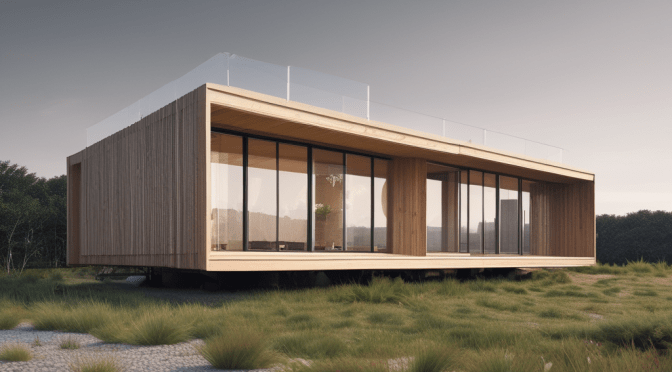
Prefabrication is revolutionizing the construction industry with its efficiency and cost-effectiveness. Prefabricated structures, assembled offsite, offer significant time and resource savings. In India, prefabricated houses are gaining popularity due to rapid urbanization and the demand for affordable housing. Prefabricated construction involves creating components in a factory-controlled environment, ensuring quality and precision. This method reduces construction time and waste, providing an eco-friendly alternative to traditional building practices. Whether for residential or commercial use, prefabrication offers numerous benefits. Consequently, more builders and homeowners are embracing prefabricated solutions for their projects, recognizing the advantages of speed, sustainability, and cost savings.
In this blog, we will delve into the advantages of prefabrication and explore the various types of prefabricated structures. Additionally, we will discuss the growing popularity of prefabricated houses in India, the process of prefabricated construction, its sustainability and cost-effectiveness, as well as the challenges and solutions associated with it. Finally, we will look into future trends in the industry.
- What is prefabrication?
- Advantages of Prefabrication
- Types of Prefabricated Structures
- Challenges and solutions of Prefabricated construction
- Future Trends in Prefabrication
- Conclusion
What is prefabrication?
Prefabrication is the process of manufacturing building components in a factory-controlled environment. “Workers transport these components to the construction site and assemble them.” Generally, this method ensures high quality, accuracy, and efficiency, reducing construction time and costs. Prefabricated structures can range from small residential homes to large commercial buildings, offering versatility and flexibility, for various construction projects.
Advantages of Prefabrication
Prefabrication offers numerous benefits, including time and cost savings, increased quality control, reduced waste, and durability. Altogether, these advantages make it an attractive choice for modern construction. Let us discuss the advantages of prefabrication that make it a preferred choice.

Speed of Construction
- Prefabrication significantly speeds up construction projects.
- Components are manufactured simultaneously while site preparation occurs, reducing overall build time.
- Faster construction allows for earlier occupancy or use, especially beneficial for large projects.
- Factory-controlled environments minimize climate related delays, and maintain a consistent production schedule.
- Rapid build process translates to cost savings and increased productivity.
Cost Savings
- Prefabrication reduces labor costs by manufacturing components in a factory environment.
- It minimizes material wastage and allows for bulk purchasing of materials, further reducing expenses.
- Faster construction times reduce labor hours on-site, cutting down overall project costs.
- Precision of prefabricated components minimizes errors, reducing costly rework.
- Significant savings in large projects make prefabrication financially attractive.
Quality Control
- Factory settings provide consistent conditions, ensuring precise and uniform production.
- Moreover, strict quality checks at each stage guarantee that components meet high standards before reaching the site. This reduces the risk of defects and structural issues, resulting in more durable and reliable buildings.
- Additionally, materials are protected from climate-related damage, maintaining their optimal condition.
- Overall, high quality control significantly enhances building performance and life.
Reduced Waste
- Controlled manufacturing minimizes material use, reducing offcuts and scrap.
- Excess materials are recycled within the factory, further reducing waste.
- On-site construction waste is reduced since prefabricated components arrive ready for assembly.
- Consequently, reduced waste not only lowers disposal costs but also supports efficient resource use.
- Moreover, sustainable practices in prefabrication actively contribute to environmental conservation.
Sustainability
- Efficient use of materials and reduced waste significantly contribute to a lower environmental impact.
- Moreover, factory environments enable the use of eco-friendly materials and processes.
- Additionally, energy-efficient manufacturing techniques effectively reduce carbon emissions.
- Furthermore, prefabricated buildings often feature better insulation and energy performance, thereby reducing energy consumption.
- Lastly, this approach supports green building standards and certifications, promoting environmental conservation.
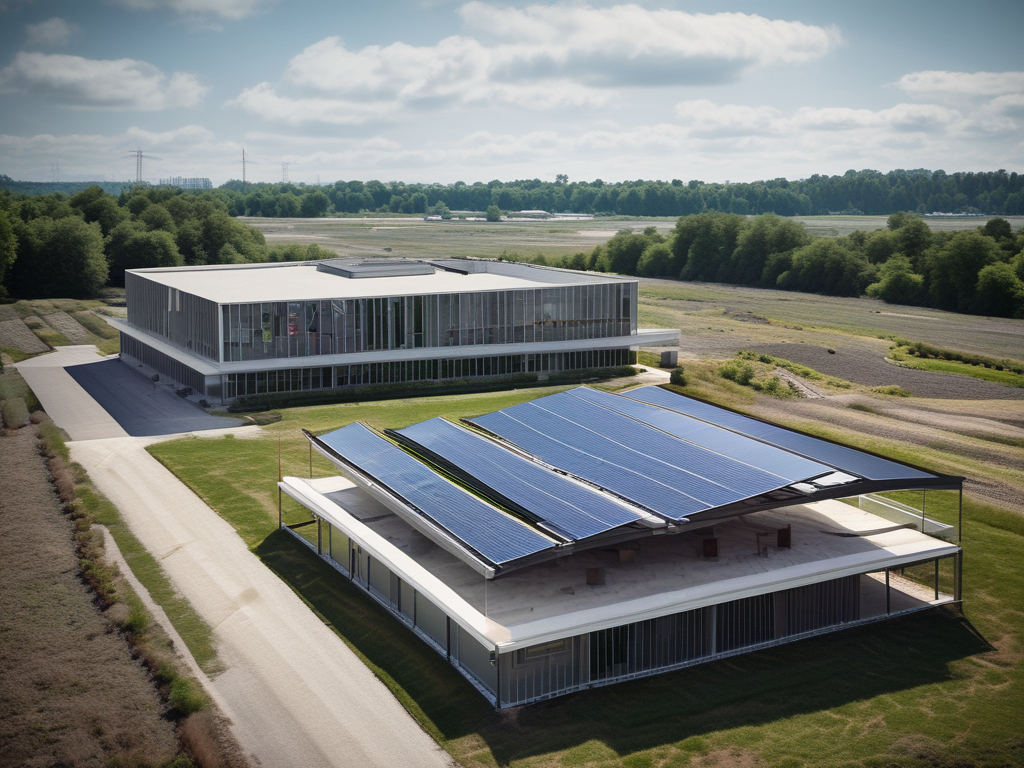
Mitigating the labour shortage
- It is already difficult for contractors to find labour, but construction still needs to take place.
- It decreases labour productivity much more as on-site building continues piecemeal.
- Therefore, prefabrication helps businesses speed up schedules, make the most of their on-site labour, improve efficiency, and succeed in the market.
Lower environmental impact
- Accelerated offsite production of parts results in reduced emissions and work disruption.
- Consequently, this preserves wetlands or protected areas nearby and minimizes local flora and fauna disturbance.
- Moreover, the controlled, dry environment of modular construction saves water consumption and allows scrap and other materials to be recycled.
- Additionally, fossil fuel consumption plummets with less on-site traffic and streamlined transportation.
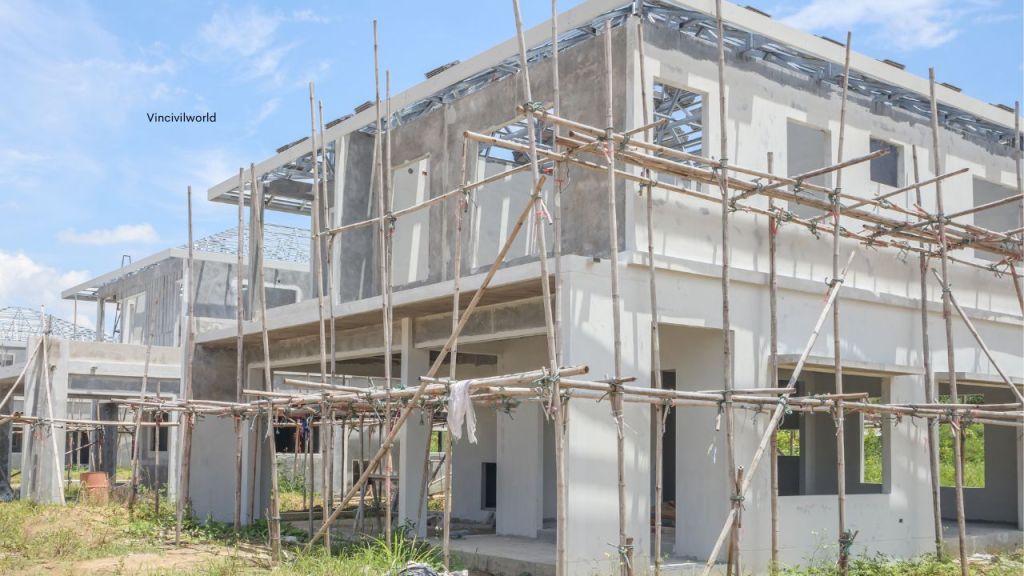
Better safety and security
- By reducing a construction site’s timeframe, you simultaneously decrease the amount of time that the site is vulnerable to vandalism or robbery.
Flexibility
- Generally, It is easy to disassemble and move modular construction to various sites.
- This greatly decreases the demand for raw materials, minimises the resources spent and overall reduces time.
- Modular construction also allows for versatility in the structure’s design, allowing for an infinite number of possibilities.
- Since prefabricated building units can be used in various spaces, their neutral aesthetics can be combined with almost any form of construction.
Reduced Site Disruption
- There is much fewer truck traffic, machinery and material suppliers around the final construction site as several parts of a building are completed in the factory.
- The disturbance of conventional workplaces suffering from noise, emissions, waste and other common irritants is therefore minimal.
- This structured design approach offers a much more productive productivity environment and removes unwanted disruptions and interruption typical of construction sites.
Time to know about the types of Prefabricated structures.
Types of Prefabricated Structures
Prefabricated structures encompass a wide range of building types, manufactured offsite in controlled environments before being transported and assembled on-site. Altogether, these structures are versatile and offer numerous advantages in terms of speed, cost-effectiveness, and design flexibility.
Residential Prefabricated Structures
- Single-Family Homes: Complete homes or modular components.
- Multi-Family Housing: Apartment buildings and societies.
- Prefab Villages: Housing solutions for communities and developments.
Commercial Prefabricated Structures:
- Office Buildings: Modular offices and business centers.
- Retail Spaces: Prefabricated shops and commercial units.
- Hospitality: Hotels and accommodations.
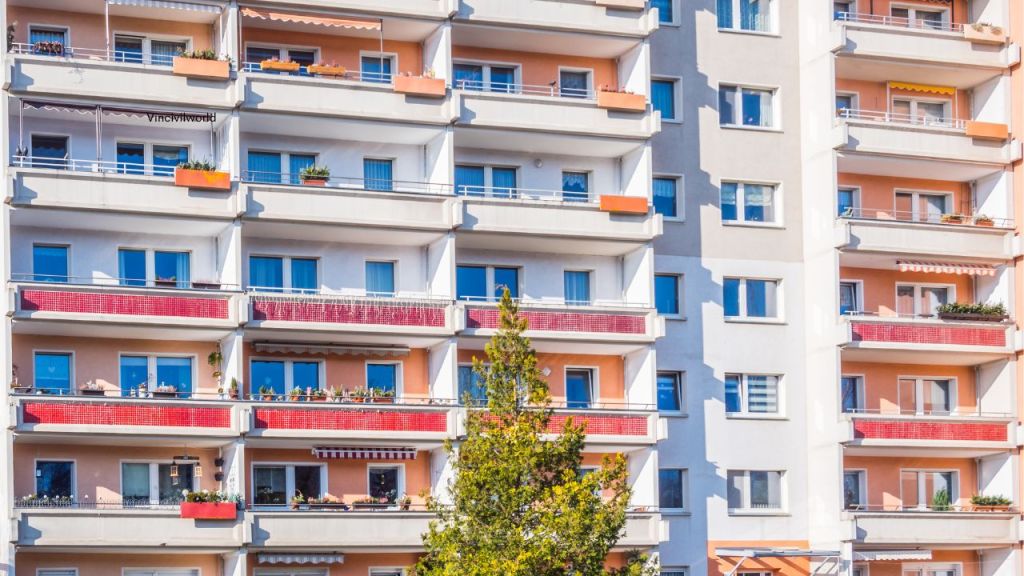
Industrial Prefabricated Structures:
- Warehouses: Storage facilities and distribution centers.
- Factory Buildings: Manufacturing plants and industrial structures.
- Specialized Facilities: Custom-built structures for specific industrial needs.
Prefabricated structures meet diverse needs, from temporary housing to permanent commercial complexes, ensuring quality, faster construction, and lower environmental impact than traditional methods. Mostly, their modular nature enables scalability and customization for different styles and functions. As demand for sustainable building grows, prefabricated structures evolve with advanced technologies and materials to address modern construction challenges.
Challenges and solutions of Prefabricated construction
Prefabricated construction faces many challenges, like transporting large components and finding skilled workers. However, to tackle these issues, careful planning and strict quality control are crucial. Now, let’s explore these challenges and their solutions in detail.
Challenges of Prefabrication
Prefabrication faces several challenges that impact its widespread adoption in construction projects. Generally, these challenges include transportation logistics, customization limitations, perception issues, stringent regulatory requirements, and the need for specialized workforce skills.
Transportation Logistics
Moving large prefabricated components from factories to construction sites requires accurate planning and coordination. Delays or mishaps in transportation can lead to increased costs and project schedules, impacting overall efficiency.
Customization Limitations
Prefabricated components are designed for efficiency and standardization, which may not easily accommodate unique architectural designs or specific project requirements without extensive modifications. This limitation can compromise the cost-effectiveness and adaptability of prefabricated solutions for certain projects.
Perception Issues
Some stakeholders may perceive prefabricated structures as less durable or aesthetically pleasing compared to traditional construction methods. Overcoming these biases and educating stakeholders about the benefits and capabilities of prefabrication is crucial for wider acceptance in the construction industry.
Skilled Labor Requirements
Prefabricated construction requires a skilled labor force proficient in both on-site assembly and factory production processes. Maintaining consistent quality across different phases of construction can be challenging, necessitating specialized training and effective management practices.
Joint Strength and Integrity
The critical role of well-built joints in ensuring structural strength and stability. The joints to be given should be well-built enough to convey all sorts of stresses, connecting the core structure and the components.
System-Level Analysis
Shifting focus from component-based to holistic system-level analysis for better integration and performance.
On-Site Automation
Addressing the lack of automation in on-site assembly processes.
Solutions for Prefabricated Structures
Prefabricated structures benefit from several solutions that enhance efficiency and quality, ensuring successful implementation and overcoming construction challenges.
- Advanced Planning: Detailed logistics and scheduling to streamline transportation and reduce costs.
- Modular Design: Flexibility in design to accommodate various architectural styles and functional needs.
- Quality Control: Rigorous inspection processes to maintain high standards and minimize errors.
- Regulatory Compliance: Adherence to building codes and local regulations for safe and legal construction.
- Training and Skill Development: Programs to enhance workforce capabilities in both assembly and production processes.
Future Trends in Prefabrication
The future of prefabrication in construction is marked by technological innovations, expanding applications across industries, and robust global market growth driven by urbanization and sustainability demands.
Technological Innovations
Technological advancements are set to revolutionize prefabrication in construction. Innovations such as Building Information Modeling (BIM), robotic automation, and 3D printing are enhancing precision and efficiency in prefabricated component production.
BIM allows for detailed virtual modeling of structures, optimizing design and assembly processes. Robotic automation is streamlining manufacturing tasks, improving quality control and reducing labor costs.
3D printing offers new possibilities in creating complex prefabricated shapes and structures with minimal material waste. These innovations promise to further accelerate the adoption of prefabrication by making it more adaptable, sustainable, and cost-effective.
Expanding Applications
Prefabrication is increasingly being applied beyond traditional residential and commercial buildings. Industries such as healthcare, education, and infrastructure are exploring prefabricated solutions for hospitals, schools, bridges, and even skyscrapers.
The versatility of prefabrication allows for tailored solutions to meet specific needs in diverse sectors, promising faster project delivery and reduced construction risks.
Global Market Growth
The global prefabricated construction market is experiencing significant growth, driven by urbanization, infrastructure development, and the need for sustainable building practices. Emerging economies in Asia-Pacific and Latin America are witnessing rapid adoption of prefabrication due to its potential to address housing shortages and infrastructure demands efficiently.
Government initiatives promoting affordable housing and green building standards are further propelling market expansion. As technologies mature and awareness grows, prefabrication is poised to play a pivotal role in shaping the future of construction worldwide.
The Rise of Prefabricated Houses in India
Discover the burgeoning trend of prefabricated houses in India, revolutionizing construction with speed, affordability, and sustainability in the quest for modern housing solutions.
Urbanization and Housing Demand
India’s rapid urbanization and growing population have intensified the demand for affordable housing solutions. Prefabricated houses offer a timely response to this need, providing quick and cost-effective construction methods that can meet the scale and pace of urban development.
Government Initiatives
Government initiatives promoting affordable housing schemes and sustainable urban development are driving the adoption of prefabricated housing solutions across India. These initiatives aim to address housing shortages and improve living conditions in urban and rural areas.
Case Studies of Successful Projects
Successful prefabricated housing projects in India demonstrate the efficacy of this construction method in delivering quality housing quickly and efficiently. These case studies highlight innovative designs, sustainable practices, and community-focused solutions that are shaping the future of housing in the country.
- Tata Housing’s Xylem: Located in Bengaluru, this project by Tata Housing showcases modular homes designed for urban living. It emphasizes sustainability with features like rainwater harvesting and solar panels, offering eco-friendly living solutions.
- Mahindra Lifespaces Happinest: Happinest projects in Chennai and Pune focus on affordable housing using prefabricated components. They incorporate efficient design principles and community amenities to enhance quality of life for residents.
- L&T Realty’s Eden Park: In Chennai, Eden Park offers prefabricated apartments known for their quality construction and quick delivery. The project integrates modern amenities and green building practices to promote sustainable urban development.
- GODREJ Properties’ Godrej Origins: Located in Mumbai, Godrej Origins features prefabricated luxury residences that combine aesthetic design with efficient construction techniques. The project emphasizes premium living standards while maintaining environmental sustainability.
- Prefab Projects in Kerala: Various projects in Kerala have implemented prefabricated construction methods to rebuild after natural disasters. These projects demonstrate the resilience and rapid deployment capabilities of prefabricated housing in disaster-prone regions.
These examples illustrate how prefabricated housing projects in India are leveraging innovative designs, sustainable practices, and community-focused solutions to meet diverse housing needs efficiently and effectively.
Key Takeaways of prefabrication
- Efficiency and Cost-effectiveness: Prefabrication reduces construction time and costs by shifting tasks to factory environments, minimizing onsite labor and material waste.
- Technological Advancements: Innovations like BIM and robotic automation improve precision and efficiency in prefabricated component production.
- Sustainability: Prefabrication supports eco-friendly practices with efficient material use, reduced energy consumption, and minimal onsite disruption.
- Government Support: Initiatives promoting affordable housing and sustainable urban development drive adoption of prefabricated solutions.
- Case Studies: Successful projects in India demonstrate the efficacy of prefabrication in delivering quality housing quickly and efficiently.
- Challenges and Solutions: Transportation logistics and skilled labor shortages are addressed through meticulous planning and training programs.
Conclusion
Prefabrication is reshaping the construction landscape globally and in India, responding to urbanization and sustainability challenges with innovative solutions. As the industry evolves, advancements in technology and materials continue to enhance prefabricated construction’s efficiency and versatility. Government support and growing market demand drive its adoption, promising faster project delivery and improved living standards. With ongoing developments and successful implementations, prefabrication stands poised to play a pivotal role in the future of sustainable and efficient building practices worldwide.
 vin civilworld