
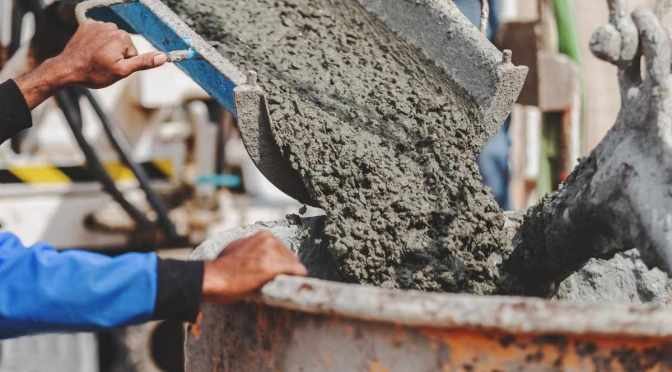
Soundness test of aggregates is a crucial evaluation that determines an aggregate’s ability to withstand weathering effects. These weathering effects include wetting, drying, freezing, and thawing. This test is vital in assessing the durability and longevity of aggregates used in construction. Soundness test determines the disintegration of aggregates due to weathering. This includes freezing, thawing, marine condition etc. Yet, the weak and porous aggregate shows a change in weight during this soundness test.
Understanding the soundness of aggregate test is essential for ensuring the performance and reliability of materials in various infrastructure projects.Aggregates are the significant factor that contributes adequate strength to concrete. Hence, it is important to obtain the right quality aggregate for construction. This article examines both IS 2386 Part 5 and ASTM methods. It aims to highlight why maintaining aggregate quality is important in construction applications.
We will explore the soundness test on aggregate in this article. We will focus on the methodologies outlined in IS 2386 Part 5 and American Society for Testing and Materials (ASTM) standards.
- Tests on Aggregate
- Purpose of soundness test for aggregate
- Soundness test for aggregates (IS-2386-PART-5)- Testing method
- Relevant IS code
- Sample selection for fine and coarse aggregates
- Apparatus for Soundness test
- Reagents used
- Test procedure of soundness test
- Soundness test on Aggregate as per ASTM C88
Tests on Aggregate
For ensuring the quality of aggregates the following tests are conducted.
- Crushing test
- Abrasion test
- Impact test
- Soundness test
- Water absorption test
- Flakiness index test
- Elongation index test
- Bulk specific gravity test
- Polishing test
This article is about the soundness test on aggregate. We will focus on the methodologies in IS 2386 Part 5. We will also follow relevant American Society for Testing and Materials (ASTM) standards.

Purpose of soundness test for aggregate
This section explores the importance of the soundness test on aggregate.
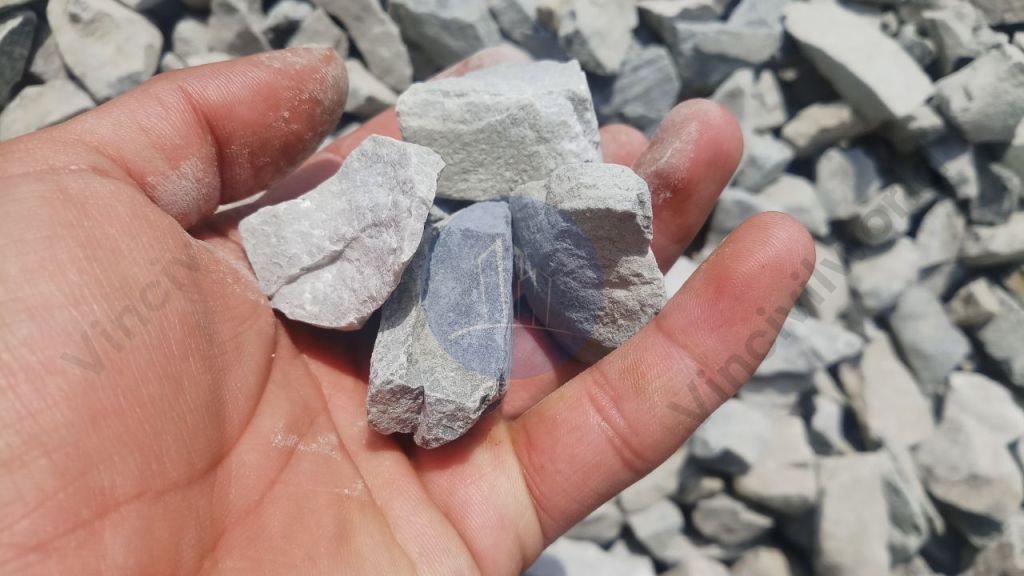
Durability Assessment
The soundness test on aggregate evaluates its resistance to deterioration due to freezing and thawing cycles. It also assesses its resistance to repeated wetting and drying. This test ensures the aggregate’s longevity in construction applications.
Expansion and Contraction
Moisture absorption and freezing lead to expansion and contraction of aggregates. This can weaken structures, emphasizing the need for the aggregate soundness test to identify potential vulnerabilities.
Preventing Structure Failure
The soundness of aggregate test is essential for confirming that aggregates can withstand environmental stresses. This capability prevents structural failure. It ensures long-term stability and durability in construction projects.
Construction Material Selection
Results from the IS 2386 Part 5 soundness test guide engineers and contractors. They help in choosing appropriate aggregates for specific construction applications. This promotes effective material selection and enhances overall project quality.
Soundness test for aggregates (IS-2386-PART-5)- Testing method
In the soundness test on aggregate, samples are immersed in sodium sulfate or magnesium sulfate solutions multiple times. Salt deposits form within the aggregate’s pores due to this repetitive process. These deposits cause internal pressure that can weaken and break the aggregates. After a specified number of cycles of dipping and drying, workers sieve the aggregates. This process assesses the percentage of material loss. This procedure, outlined in IS 2386 Part 5, is crucial for conducting a successful aggregate soundness test. It ensures the durability and longevity of aggregates in construction applications.


Relevant IS code
- IS: 2386 Part V
- ASTM C88
Sample selection for fine and coarse aggregates
- The fine aggregate passing through the 10 mm IS sieve should be held as a sample for this test.
- Then sieve the sample again through 10mm, 4.75 mm, 2.36 mm, 1.18 mm, 600 microns, 300 microns.
- However, the sample should be decided in such a way that, it will not yield below 100g of given sizes.
- For coarse aggregate, sample remove aggregates finer than 4.75 mm.
- Then dry the sample and again sieve through 80mm, 63mm, 40mm, 20mm, 10mm IS sieves.
- Choose the sample in such a way that, it will not yield below the given amount for the given sizes.
- Weigh the samples separately and store them in different containers.
Apparatus for Soundness test
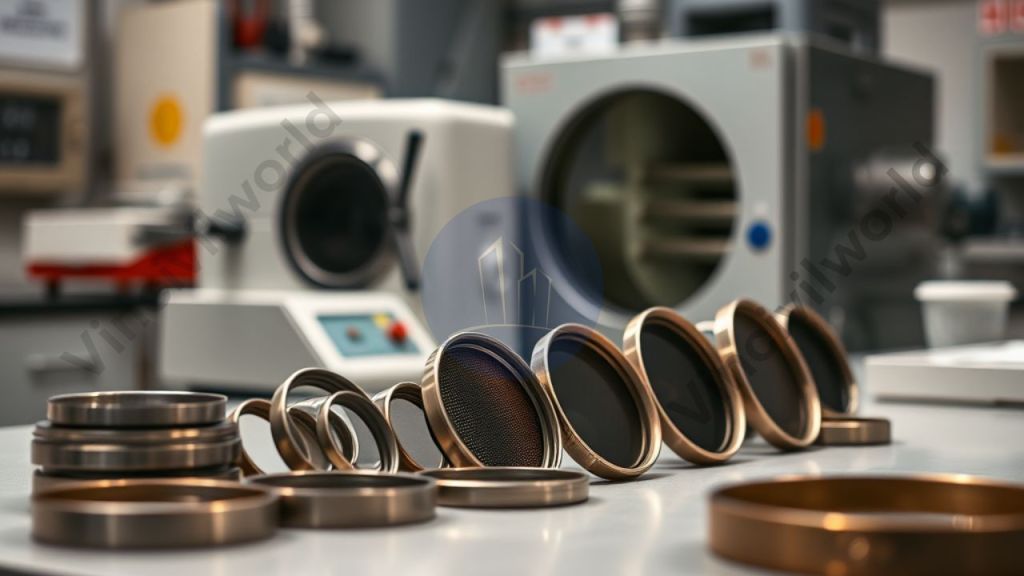
- IS Sieves (80 mm, 63 mm, 40 mm, 31.5 mm, 25 mm, 20 mm, 16 mm, 12.5 mm, 10 mm, 8.0 mm, 4.75 mm, 4.0 mm, 2.36 mm, 1.18 mm, 600 micron, 300 micron, 150 micron)
- Container
- Weighing machine
- Drying oven (105 to 110 degree)
Reagents used
- Sodium sulphate solution
- Magnesium sulphate solution
Test procedure of soundness test
- After the selection of aggregate samples, wash them thoroughly on a 300 micron IS sieve.
- Then dry them at 105 to 110-degree celsius in drying oven.
- After that immerse the sample in a solution of sodium sulphate or magnesium sulphate for 16 to 18 hours.
- Cover the container for reducing evaporation and accidental addition of extraneous substances.
- The temperature of the solution should be 27 degree Celsius.
- After 18 hours, take out the sample and dry them at 105 to 110-degree celsius.
- Allow them to cool to room temperature and repeat this process.
- After the final cycle, wash the sample and dry them again at 105 to 100-degree celsius.
- Weigh them and sieve them through the same sieve we used before the test.
- The percentage of finer sieve after the test and before the test is determined.
- The percentage loss of weight indicates the soundness of aggregate.
Soundness test on Aggregate as per ASTM C88
The soundness test on aggregate using ASTM C88 assesses how well aggregates resist weathering. It subjects them to alternate cycles of immersion in a sulfate solution and drying. This test simulates natural conditions where aggregates are exposed to wetting, drying, freezing, and thawing, helping determine their durability. The procedure involves immersing aggregate samples in either sodium sulfate or magnesium sulfate solutions for 16 to 18 hours. After soaking, the aggregates are dried at 105°C to 110°C, then cooled to room temperature. This cycle is repeated a set number of times, typically five, to simulate environmental conditions.
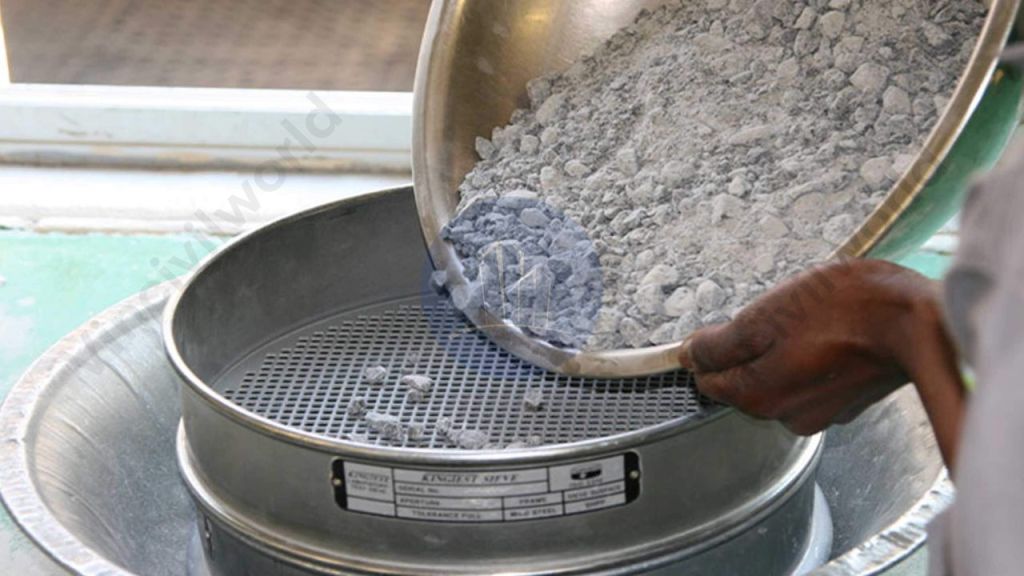
After the cycles, the samples are sieved, and the percentage loss in mass is calculated to assess the aggregate’s soundness. The higher the loss in mass, the less durable the aggregate. The aggregate soundness test per ASTM C88 helps engineers select durable aggregates. These aggregates are reliable for use in construction projects under harsh environmental conditions.
Key Takeaways
- Soundness test on aggregate evaluates the durability of aggregates. It assesses their resistance to weathering effects like wetting, drying, freezing, and thawing.
- IS 2386 Part 5 outlines the standard procedure for performing this test, ensuring accuracy and consistency.
- Aggregate soundness test involves repeated cycles of soaking in sodium or magnesium sulfate solutions. These cycles assess the percentage of material loss.
- Fine and coarse aggregate samples are sieved, immersed, and dried under controlled conditions. These steps help determine the soundness of aggregate test results.
- The test ensures proper material selection, preventing structural failure due to environmental stress.
Conclusion
The soundness test on aggregate is essential. It evaluates an aggregate’s ability to withstand weathering effects. This test also helps maintain an aggregate’s structural integrity. This test is defined in IS 2386 Part 5 and ASTM C88 standards. It involves submerging aggregate samples in sodium sulfate or magnesium sulfate solutions. These solutions simulate real-world conditions such as freezing, thawing, and drying. The test identifies aggregates that may deteriorate by measuring the percentage loss of material. This is done after a specified number of cycles. Soundness testing is vital. It ensures only durable aggregates are used in construction projects. This enhances the longevity and reliability of infrastructure.
 vin civilworld