

Classification of roads or Types of road is an important topic in transportation engineering. It varies with different parameters. Let’s go through the important types of roads every civil engineer should know. We will see important details about cement concrete roads and types of road surface through the course of journey.
Road classification is fundamental for effective infrastructure planning and management. It involves the categorization of roads into specific categories of roads to ensure optimal functionality and connectivity. Understanding classified roads helps in addressing different transportation needs and designing suitable solutions. This blog will delve into road classification, exploring the various ways roads are categorized based on their use and characteristics. We will specifically highlight what are 6 types of roads, including National highways, Highways, District roads , village roads, each playing a crucial role in maintaining an efficient and well-organized transportation network.
- Classification of roads or Road types
- Key Takeaways – Road Classifications
- Conclusion
Classification of roads or Road types
Road classification is essential for understanding the diverse categories of roads. There are six basic types of roads based on various factors, including surface type, location and function, number of lanes, weather conditions, pavement type, and traffic volume.
There are 6 basic types of roads depending on a mouthful of factors.
- Types of roads based on type of road surface
- Types of roads based on location and function
- Types of roads based on number of lanes
- Types of roads based on weather
- Types of roads based on the type of road pavement
- Types of roads based on volume of traffic they handle
We are going to sneak peep into types of roads in detail.
Classification based on type of road surface
This category in the types of roads is based on the type of road surface used in the construction. Classification based on type of road surface is a key aspect of road classification. This involves understanding classified roads by their construction materials and surface characteristics. By exploring these categories of roads, we can determine their durability, maintenance needs, and suitability for various conditions.
These can be divided into 7 types.


- Natural earth roads
- Gravel roads
- Kankar roads
- Moorum roads
- WBM roads
- Bituminous roads
- Cement concrete roads
Now, let’s go deep into each of this.
Natural earth roads – Main road types


These are the cheapest type of road and is used at the places where traffic is rare. The type of road surface used in these roads is soil. The pavement structure is totally made up of soil available at site. The performance of these roads mainly depend upon the effective maintenance and proper drainage.
Gravel roads
These are intermediate between earthen and metalled roads. The carriage way of these roads is made by compacting a mixture of gravel and earth. These type of road surface usually consists of 26 percent sand, 13 percent clay and 61 percent gravel.
Kankar roads
The type of road surface used in this classification of roads is Kankar. Kankar is impure form of limestone. Hard variety of kankar may be as strong as stones, but soft variety may be very weak. The road having pavement layer of kankar are termed as kankar roads. Traffic capacity of this type of road depends on the type of kankar used.
Moorum roads
In this type of roads, Moorum is the material used for building the road. Moorum is obtained due to disintegration of igneous rocks by weathering agencies. In this road, the surfacing of the traffic way is constructed from Moorum. These type of roads are low and is equivalent to gravel and Kankar road in performance.
Water bound macadam roads (WBM roads)
The broken stones of base and surface course, if any are bound by the stone dust in presence of moisture is called WBM rods. Total thickness may vary from 7.5 to 30cm depending upon the traffic.
Bituminous roads
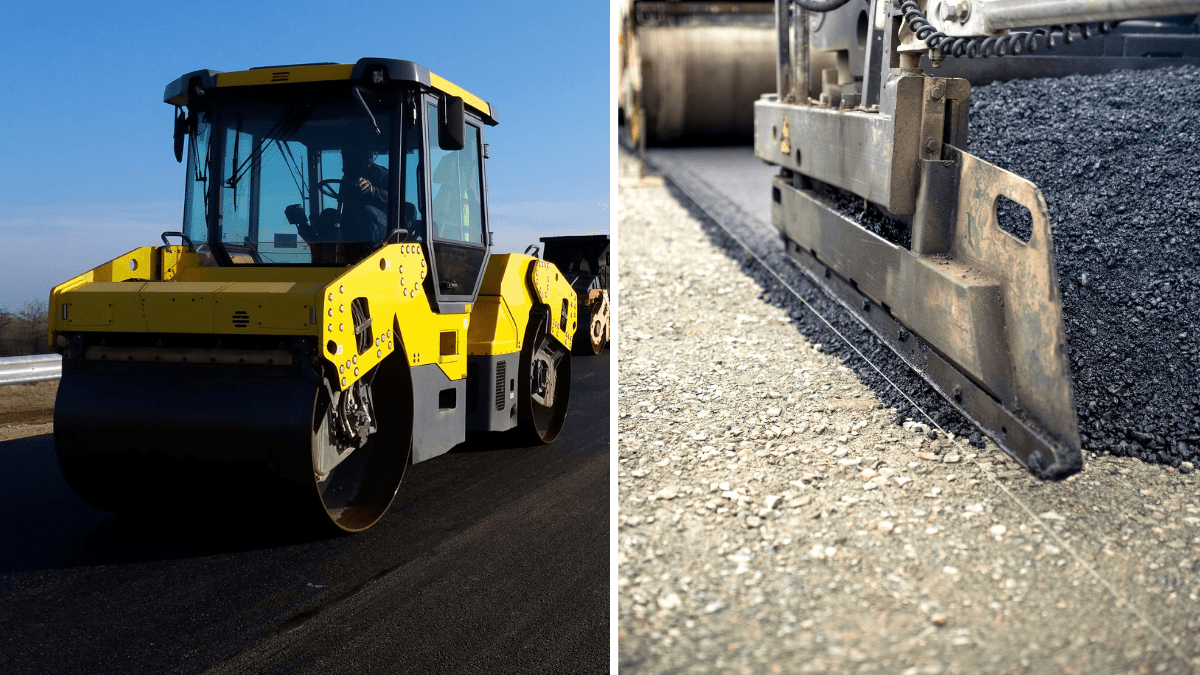
Most of the roads around the world are constructed by using bitumen. It is also called flexible pavement because it changes according to nature of loads and sub base. This is an important member in the types of roads in India. For the road construction, the major concerns, as with concrete, are cost and durability.
Applications of bituminous roads
Bituminous roads, a vital category of roads, are known for their durability and smooth surface. This classified road type is widely used due to its ability to withstand heavy traffic and diverse weather conditions. In road classification, bituminous roads are favored for highways, arterial roads, and urban streets, providing a comfortable and safe driving experience. They are also commonly used for airport runways and parking lots. When exploring what are 6 types of roads, bituminous roads stand out for their cost-effectiveness and ease of maintenance, making them a preferred choice in various transportation infrastructures. The application of bituminous road is mainly used in
- Highways
- Express ways
- Runways
Now, let’s meet cement concrete roads.
Cement concrete roads types – Most durable classification of road
Cement concrete roads are the roads whose wearing surface is constructed with cement concrete. They are otherwise called concrete roads. They can be constructed either reinforced or plane type. Cement concrete roads are compatible to all weather conditions. It comes under rigid pavements. These are best suitable to roads having higher traffic.
Main applications of cement concrete roads
- Parking aprons, taxiways and runway take off areas in airports
- Parking grounds for vehicles of heavy weight
- Heavy duty Industrial floors (vehicles on tracks and military tanks)
- Floors for handling and storage of containers at ports
- Industrial floors with high requirements in terms of flatness and durability to abrasion and surface exposure to aggressive attacks (use of toxic materials, welding etc)
- Bridge decks
- Road pavements in long tunnels for fire safety reasons, immediate reuse of the road following a fire and better energy consumption during service life (lower intensity lighting required)
- Pavements at toll stations (resistance to braking and acceleration)
Now, let’s move on to the next classification of roads.
Related posts from vincivilworld





Classification of roads according to location and function
Classification of roads according to location and function is a key aspect of road classification, organizing roads into specific categories of roads. This classified road type includes national highways, highways, district roads, and village roads. National highways connect major cities and regions, while highways link significant urban and rural areas. District roads serve local connectivity, and village roads provide access to smaller communities.
Roads can be classified according to the location and function as follows.


- National highways
- Highways
- District roads
- Village roads
Going deep to each of them,
National highways- top member in classification of roads according to location
Main highway runs through the length and breadth of the country. Roads connecting the neighbouring country. are also called national highways. Roads connecting the neighbouring countries are also called national highways. It should have high class surface finishing together with adequate structural strength.
Highways
These are the main roads within a state. These connect important towns and cities of the state. Highways should be two lane wide, but if it is one lane only, it must be provided with wide shoulder.
District roads
These roads should carry the traffic to the interior rural areas. These roads are considered as main branches from NH or SHs. District roads are of 2 types. Major district roads and other district roads.
Village roads
These roads are mainly meant for village roads use. These connect villages with each other and also with nearby towns. These roads can be stabilised each roads, but if metal surface is provided it can serve more useful purpose.
Moving on to the third classification…
Classification of roads based on number of lanes
You might have observed this type of classification while you travelled.
There are mainly 4 types as given below.
- Single lane road- having only one lane for to and for mobility.
- Double lane road- having two lanes for direction to opposite sides
- Three lane road- having three lanes for movement in a road
- Multi lane road- having more than three lanes for vehicle movement.
The decision on which of the above lanes is to be chosen is based on the traffic.
The next classification of roads is based on the geographic location of the roads.
Types of roads depending on weather
These are of 2 types.
- All weather roads- Roads which are compatible to all weather conditions. Types of roads in India should mostly belong to this type. Because the weather conditions are extreme.


2. Fair weather roads- Roads which are not compatible to worse weather conditions.
Next is an interesting classification based on the geometry of roads.
Types of roads based on Road pavement type
- Parallel roads- These are local roads running parallel to a higher-speed, limited-access road
- Unparallel roads- These are local roads that don’t run parallel to a higher speed and limited access road. The village roads that connect small geographical places best fit for this classification other than other types of roads in India.
Cool. Let’s jump into the last classification of a road.
Types of roads according to the volume of traffic they handle
Roads can be classified depending on the traffic through it.
- Light traffic road- Road carrying up to 400 veh/ day
- Medium traffic road- 400- 1000 veh/day
- Heavy traffic road- More than 1000 veh/day
That’s it. Any doubts or comments? Drop it in the comments. Let’s dwell on more.
MUST READ: Traffic signals in India- All types simplified
Key Takeaways – Road Classifications
- Surface Types: Roads are categorized by surface type, including natural earth, gravel, kankar, moorum, water-bound macadam (WBM), bituminous, and cement concrete roads.
- Location and Function: Roads are classified by their function, such as national highways, highways, district roads, and village roads, each serving specific connectivity needs.
- Lane Number: Classification includes single-lane, double-lane, three-lane, and multi-lane roads, based on traffic volume and requirements.
- Weather Compatibility: Roads are categorized into all-weather and fair-weather types, based on their ability to handle different weather conditions.
- Pavement Type: Roads are also classified by pavement type, including parallel and unparallel roads.
- Traffic Volume: Roads handle varying traffic volumes, categorized into light, medium, and heavy traffic roads.
Conclusion
Road classification is vital for infrastructure planning and management, addressing diverse transportation needs. Understanding road types based on surface materials, functional roles, lane numbers, weather conditions, pavement types, and traffic volumes ensures optimal road design and maintenance. By categorizing roads appropriately, civil engineers can enhance connectivity, safety, and efficiency in transportation networks, catering to both urban and rural needs. This structured approach aids in strategic development, maintenance, and resource allocation, ultimately supporting effective and sustainable transportation systems.
 vin civilworld