
Pervious concrete is a modern eco-friendly solution for outdoor surfaces, tackling drainage issues like standing water and surface flooding. While it’s more expensive than traditional concrete, it provides effective water management and environmental benefits. Discover more about pervious concrete mix design, functionality, benefits, drawbacks, and cost considerations.
- What Is Pervious Concrete?
- Pervious concrete – How Does It Work?
- Benefits of Pervious Concrete
- Best practices for annual maintenance of pervious concrete
- Drawbacks of Pervious Concrete
- Pervious Concrete pavements
- Cost Considerations of Pervious Concrete
- Conclusion
What Is Pervious Concrete?
Pervious concrete, used for “flat work” such as patios, driveways, sidewalks, walkways, and sometimes parking lots, is defined by ACI 522R as a zero-slump, open-graded material.
Pervious concrete mix design includes portland cement, coarse aggregate, minimal fine aggregates, admixtures, and water.
These components create a hardened material with interconnected pores (0.08 to 0.32 inches or 2 to 8 mm), allowing for easy water infiltration.
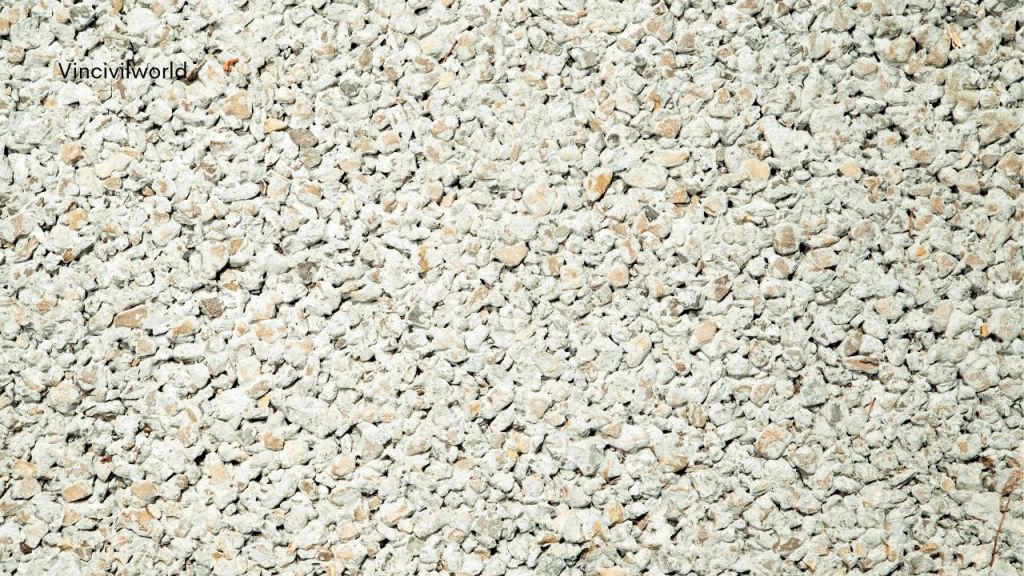
The void content ranges from 18% to 35%, with compressive strengths of 400 to 4000 psi (2.8 to 28 MPa).
The drainage rate varies with aggregate size and mixture density, generally falling between 2 to 18 gallons per minute per square foot (81 to 730 liters per minute per square meter).
Pervious concrete – How Does It Work?
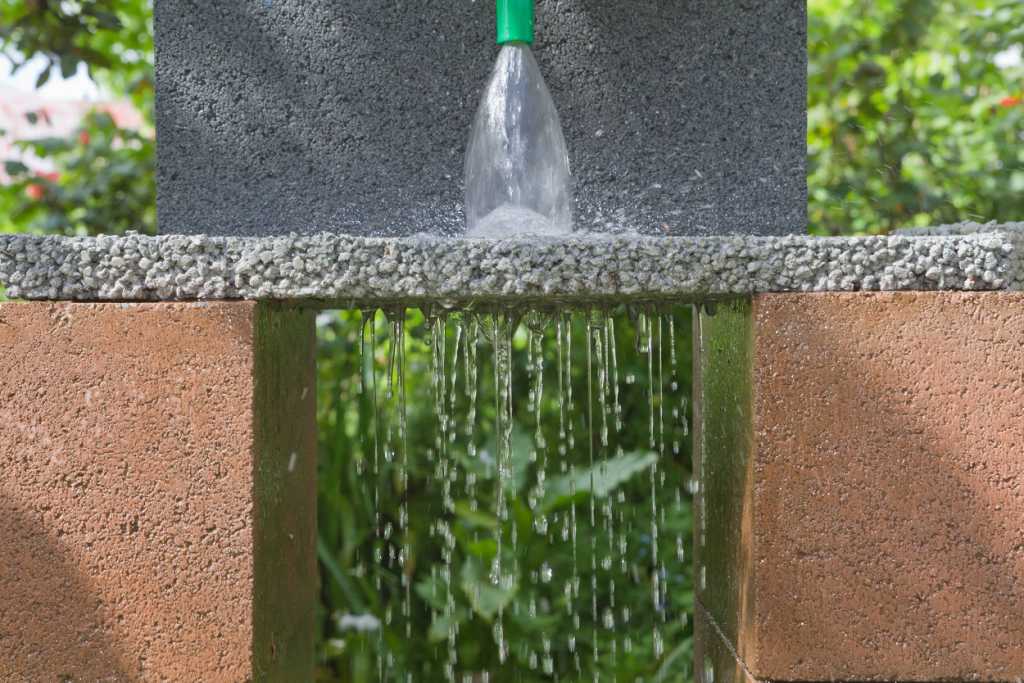
Unlike regular concrete, pervious concrete contains minimal to no sand in its composition. The absence of sand creates a larger volume of voids (15% to 25% of the total aggregate volume), making it more porous. This increased porosity enables water to drain through the material instead of collecting on the surface.
Pervious concrete can effectively drain water, storing up to 1 inch of rainwater within its voids with a 5-inch thick surface, and up to 3 inches when poured over a 6-inch sub-base of gravel or crushed rock.
Preamble concrete drains water at a rate of 3 to 8 gallons per square foot per minute, providing efficient drainage even during heavy rainfall.
Benefits of Pervious Concrete
- Pervious concrete offers significant advantages due to its ability to manage water effectively and reduce runoff.
- It promotes groundwater recharge, minimizes surface flooding, and supports environmentally sustainable construction practices, making it a valuable choice for various outdoor applications.
Let us dive into the details..
Minimal Runoff
Pervious concrete directs water into the soil rather than stormwater drains, making it ideal for areas prone to overwhelmed drainage systems during heavy rainfall. This can be particularly helpful in urban areas where outdated or undersized drainage systems can get overwhelmed by rainfall.
Reduced Pollution
Pervious concrete typically requires fewer sealers or bonders than traditional concrete, resulting in cleaner stormwater runoff and reduced environmental contaminants. According to the National Library of Medicine, this leads to fewer contaminants in stormwater runoff, providing a significant environmental benefit.
Lower Need for Drainage Systems
Its natural drainage capabilities often eliminate the need for additional drainage systems, potentially lowering installation costs. In some cases, drainage systems are required in or around driveways, patios, and parking lots. Since pervious concrete drains water naturally, it often doesn’t need any additional system installed, which means lower installation costs in some cases.
Cooler Surface
The voids in pervious concrete reduce heat retention, providing a cooler walking surface during warmer weather. This can be beneficial for outdoor spaces like patios and walkways, enhancing comfort during hot summer months.
Reduced Freezing Risk
Due to minimal water accumulation on its surface, pervious concrete reduces the risk of freezing and becoming a slippery hazard. Consequently, it provides a safer option for areas susceptible to freezing temperatures and ice formation.
Environmental impact and sustainability
- Pervious concrete contributes positively to the environment by promoting groundwater recharge and reducing stormwater runoff, which helps mitigate urban flooding and water pollution.
- Its sustainable attributes extend to lower heat island effects due to reduced heat retention, and less reliance on drainage infrastructure, thus conserving resources.
- With proper maintenance, pervious concrete can offer long-term durability, supporting eco-friendly construction practices that enhance urban resilience and environmental sustainability.
Best practices for annual maintenance of pervious concrete
- Annual maintenance of pervious concrete is crucial for preserving its drainage efficiency and longevity.
- Best practices include regular vacuuming to remove debris, especially from the surface and within pores, to prevent clogging.
- Pressure washing with low-pressure water helps clear out finer particles without damaging the concrete.
- Inspecting and repairing any cracks promptly ensures structural integrity and prevents water from pooling on the surface.
- Applying a new layer of sealer as needed helps maintain permeability.
- Overall, proactive maintenance ensures that pervious concrete continues to function effectively in managing stormwater and supporting sustainable urban infrastructure.
Drawbacks of Pervious Concrete
While beneficial, pervious concrete has limitations that may restrict its use in certain projects:
Lower Strength
Without fine aggregates, pervious concrete is weaker than traditional concrete, limiting its use to non-structural applications. It’s not suitable for heavily trafficked surfaces like roadways or structural purposes like foundations.
Maintenance Needs
Voids in pervious concrete can clog with debris over time. This needs annual maintenance to preserve its drainage efficiency. Regular cleaning and upkeep are necessary to prevent blockages and maintain optimal performance.
Challenges for DIY Projects
Larger applications of permeable concrete can be challenging for DIYers due to precise mixing requirements and installation techniques. However, proper knowledge and expertise are essential to ensure successful installation and functionality.
Soil Compatibility
Pervious concrete may not be suitable over expansive soils like clay, which can affect its structural integrity and performance. Soil expansion and contraction can lead to cracking and compromise the concrete’s strength.
Pervious Concrete pavements
They are best suited for flat work applications such as pavements for
- Driveways
- Walkways
- Patios
- Parking Lots
Additionally, it is used in various other applications, including:
- Streets and Road Shoulders: Enhances drainage and reduces surface water accumulation.
- Bridge Embankments: Minimizes erosion risks by managing water flow and stabilizing soil.
- Edge Drains: Provides effective water capture and drainage solutions along pavements.
- Tennis Courts and Swimming Pool Decks: Ensures safe and functional surfaces with efficient water drainage.
- Golf Cart Paths: Supports golf cart traffic while maintaining natural water drainage patterns.
- Greenhouse Floors: Facilitates efficient water management and soil health in agricultural settings.
- Zoo Areas and Animal Barns: Improves animal habitat conditions by aiding natural water filtration and drainage.
Cost Considerations of Pervious Concrete
Pervious concrete typically costs between $8 and $20 per square foot, including materials and labor—approximately double the cost of traditional concrete.
- Driveway: $1,440 to $5,280
- Walkway: $640 to $5,600
- Patio: $1,340 to $7,200
While initial costs are higher, long-term savings may be realized through reduced need for drainage systems and lower maintenance expenses. Additionally, using pervious concrete can potentially lower overall project costs by eliminating the need for extensive drainage infrastructure.
You’ll likely find that the total cost of hiring a local concrete contractor for a larger project like a driveway or parking lot will often be less expensive when using pervious concrete. Using permeable concrete will demand a thicker slab to be poured for strength, but the lack of a drainage system beneath the concrete can end up saving money overall.
Conclusion
Pervious concrete provides a sustainable solution for water runoff management and improving outdoor living areas. Knowing its advantages, disadvantages, and costs will help you determine if it’s the right choice for your project and environmental concerns.
As cities grow and environmental challenges increase, permeable concrete will play a growing role in sustainable construction practices, helping to build resilient communities worldwide. Its ability to facilitate groundwater recharge, reduce surface runoff, and support green infrastructure makes it an essential component in modern urban planning and development, particularly in the construction of pervious concrete pavements (PCP). Check out the blog for details on design considerations, performance factors, and limitations of PCP.
 vin civilworld