
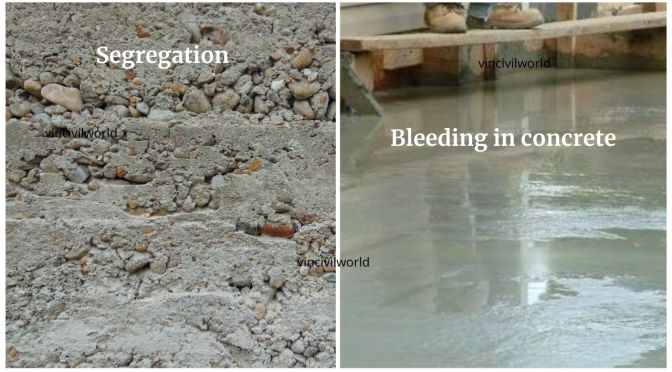
Segregation is the separation of concrete ingredients from one another. Concrete is one of the most used construction materials. It consists of coarse aggregate, fine aggregate, cement and water. There are many reasons for the cause of segregation. This article is about segregation and bleeding and their types, causes and remedies.
Segregation and bleeding in concrete are common issues that affect its quality and durability. Segregation of concrete occurs when its components separate, leading to uneven distribution of materials. Bleeding in concrete happens when water rises to the surface, causing weak spots. Both segregation and bleeding of concrete can compromise the strength and finish of a structure. Understanding the causes and effects of segregation and bleeding in concrete is essential for ensuring high-quality construction. This blog will explore these problems, their causes, preventive measures, and solutions to maintain concrete integrity.
- What is Segregation in Concrete?
- What is segregation in concrete ?
- Effects of Segregation on Concrete
- Bleeding of Concrete
- What is bleeding in concrete?
- Methods for Detecting Segregation
- Methods for Identifying Bleeding
- Standard Testing Procedures
- Key Takeaway
- Conclusion
What is Segregation in Concrete?
Workability is an important property of concrete that reflects how easily we can place a particular concrete mix . Good concrete should be uniformly mixed and easily placeable without segregation or bleeding.
What is segregation in concrete ?
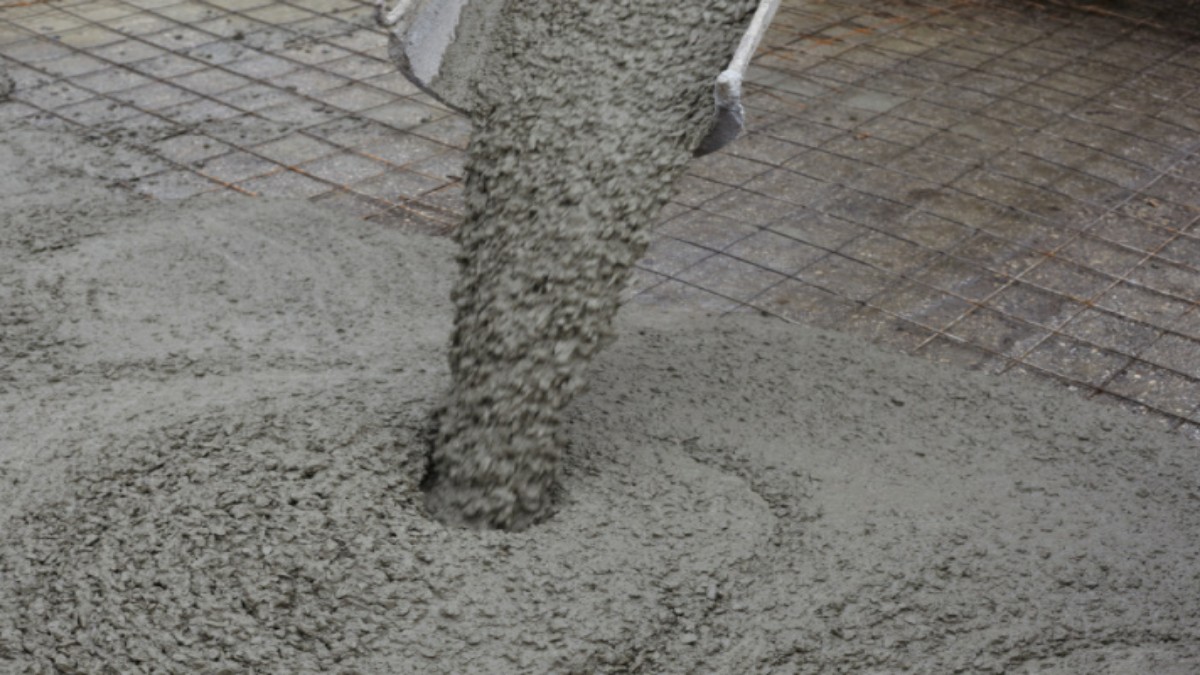
Segregation of concrete is the separation of ingredients in concrete. Since concrete is a non-homogeneous material, improper mixing is the main reason for the segregation. It occurs during transporting, handling and placing of concrete. Also, it affects the concrete properties. The strength of concrete decreases and leads to cracking. Therefore it should be properly mixed before use in construction.
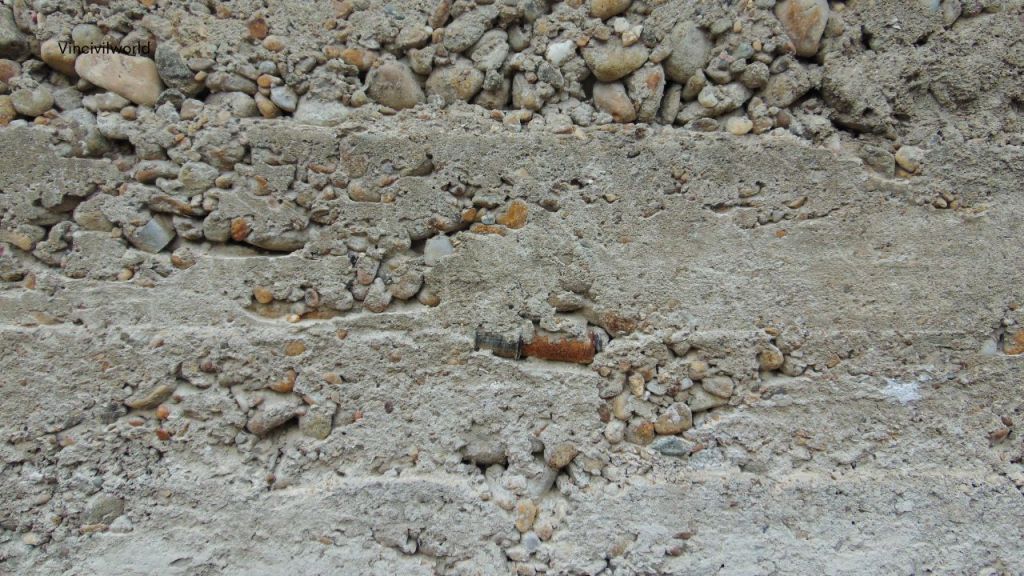
Segregation in concrete is the separation of its different components, leading to uneven distribution. This means that the coarse aggregates, fine aggregates, and cement paste do not stay uniformly mixed. As a result, heavier particles settle at the bottom, and lighter ones rise to the top. Segregation of concrete can lead to weak spots, reducing the overall strength and durability of the structure. Segregation and bleeding in concrete are common issues that affect its quality. Proper handling and mix design are crucial to prevent segregation and bleeding of concrete. We will describe the causes of segregation in concrete in the coming paragraph.

Causes of Segregation in Concrete
A good quality concrete mix is prepared by considering factors like the size of aggregate, water-cement ratio, compaction, etc. They are many reasons for the causes of segregation in concrete. They are
- Improper mixing of concrete ingredients
- Excess use of water
- Poorly grading of aggregates
- difference in the aggregate sizes
- Due to improper handling of concrete
- Difference in the specific gravity of aggregates
- Improper vibration of concrete
- Placing of concrete from greater heights
- Improper transporting of concrete
- Long time Mixing of concrete
Prevention of concrete segregation is very important as it adversely affects the properties of concrete.
Types of Segregation in concrete
Segregation of Concrete occurs in three types such as
Separation of water and cement from other ingredients : Fine particles separate from the mix, often floating to the surface or forming distinct layers.
- Segregation of coarse aggregate : This occurs when heavy aggregates settle at the bottom, leaving a weak, paste-heavy layer at the top.
- Separation of water content : Excess water rises to the surface, leading to a watery top layer and a dry, aggregate-heavy bottom.
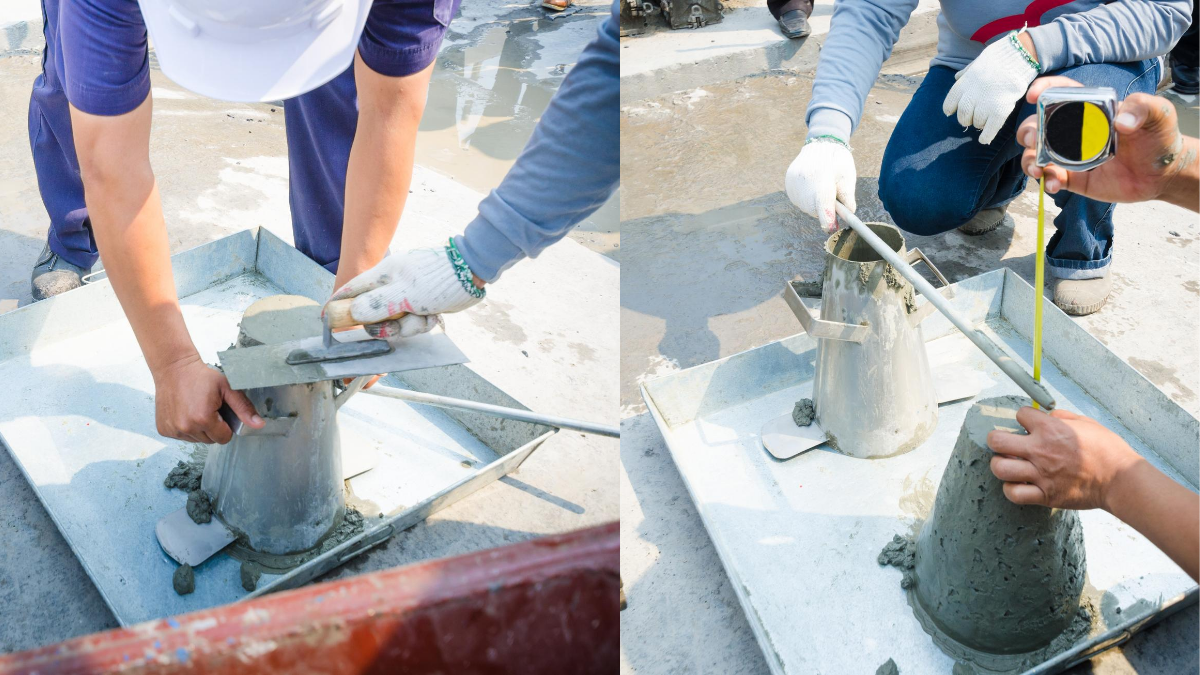
Segregation is hard to measure since there is no particular test for determining it. However, the Flow table test measures the segregation. Also, the slump test of concrete can give an idea about segregation. Coarse aggregate in concrete tends to settle down from other ingredients. Usually, It occurs when the concrete mix is dry. While segregation by separation of water content occurs due to an insufficient amount of fine aggregates or due to the use of an excess amount of water content.
Effects of Segregation on Concrete
Segregation in concrete negatively impacts its strength and durability. When aggregates settle unevenly, it creates weak zones prone to cracking. This uneven distribution leads to poor load-bearing capacity, reducing the structure’s overall stability. Segregation also causes surface defects, such as honeycombing and voids, which can affect the concrete’s appearance and longevity. Moreover, it increases the risk of permeability, making the concrete susceptible to water infiltration and chemical attacks, further compromising its integrity.
Related posts from vincivilworld


Bleeding of Concrete
Bleeding of concrete occurs when excess water rises to the surface during setting. This weakens the mix and can lead to cracks, affecting the quality of concrete. Let’s dive deep into these details in the coming section.
What is bleeding in concrete?
Segregation occurs when the principal ingredients in a concrete mix – in other words, gravel aggregate, cement, and water – separate prior to and during the curing process. Moreover, Segregation causes excessive amounts of water to rise to the surface. This process is know as bleeding. Bleeding is also similar to segregation in which the water in the concrete rises to the surface of the concrete. As a result, the concrete becomes porous and weak.
Bleeding in concrete is the upward movement of excess water to the surface during the setting process. This occurs when the heavier solid particles settle, displacing the lighter water. Concrete bleeding can weaken the surface layer, creating weak spots and leading to cracks. Bleeding affects its strength and its durability of concrete . Likewise, It breaks the bond between the concrete and steel reinforcement. Segregation and bleeding in concrete often occur together, compromising the quality.
However, a proper proportion of concrete ingredients and controlled vibration can reduce bleeding. Moreover, air entraining admixtures can also be used for reduce bleeding. Proper mix design, adequate water-cement ratio, and good compaction practices are essential to minimize segregation and bleeding of concrete. Understanding and preventing these issues is crucial for maintaining the integrity and longevity of concrete structures. We will describe the main causes and remedies in the next sections.


Causes of bleeding in concrete
The main causes of bleeding in concrete mix is as follows
- Segregation is the main cause of bleeding in concrete
- Improper Mix Design : Improper proportions of cement, sand and aggregate can lead to concrete bleeding
- Inadequate Mixing : Poor mixing results in uneven distribution of materials,causing bleeding of concrete.
- High water cement ratio causes bleeding.
- Type of cement used and quantity of fine aggregate
- High temperature causing rapid evaporation of water accelerates bleeding
- Low cement content in the mix fails to bind water effectively leading to bleeding
- Over vibration during compaction can cause water to rise to the surface, increasing bleeding.
Segregation and bleeding of concrete are interconnected issues that need careful handling and design to prevent.
How to reduce bleeding in concrete?
By adapting the following methods bleeding can be reduced
- Minimum water cement ratio necessary for workability should be maintained to reduce bleeding in concrete.
- A proper design mix : Ensure correct proportions of cement, sand, and aggregates to create a balanced mix that minimizes concrete bleeding.
- Incorporate water-reducing admixtures or superplasticizers to maintain workability without adding extra water.
- Adequate Mixing : Mix the concrete thoroughly to ensure even distribution of materials, reducing the chances of bleeding of concrete.
- Control Temperature : Avoid high temperatures during mixing and curing to prevent rapid evaporation and bleeding.
- Increase Fines Content: Use mineral admixtures like fly ash or silica fume, to improve the mix’s cohesiveness and reduce bleeding.
- Proper compaction : Use appropriate vibration techniques to compact the concrete without causing excess water to rise.
- Use air entrapping admixtures
- Maintain fine aggregate ratio
By following these steps, you can effectively minimize segregation and bleeding in concrete, ensuring a stronger and more durable structure
Methods for Detecting Segregation
Detecting segregation involves visual inspection and sampling. Look for uneven distribution of aggregates and a water-rich layer on the surface. Concrete cores or test cylinders can reveal segregation by examining the uniformity of material distribution. Additionally, a slump test can indicate segregation if the mix shows excessive water separation.
Methods for Identifying Bleeding
Identifying bleeding involves observing the surface for excess water accumulation. This can be seen as a watery film forming on the surface during setting. A simple test involves tapping the surface to check for a thin, water-rich layer. Surface inspection and core samples can also reveal internal bleeding patterns.
Standard Testing Procedures
Standard testing procedures for segregation and bleeding include the slump test to assess workability and consistency, and the bleed water test to measure the amount of water rising to the surface. Additionally, laboratory analysis of concrete cores and cylinders can identify segregation and bleeding by examining the material distribution and surface conditions.
Key Takeaway
Segregation and bleeding in concrete are critical issues affecting construction quality. Segregation involves the separation of concrete ingredients, leading to weak spots and poor durability. Bleeding is the rise of excess water to the surface, weakening the concrete and causing cracks. Key causes include improper mix design, excessive water content, and poor compaction. Prevention measures involve optimizing mix design, controlling the water-cement ratio, and using appropriate admixtures. Regular testing and proper handling are essential to detect and address these problems.
Conclusion
Segregation and bleeding in concrete undermine structural integrity and durability. Addressing these issues involves understanding their causes, implementing preventive measures, and employing standard testing procedures. By maintaining proper mix proportions, controlling environmental factors, and ensuring adequate mixing and compaction, one can significantly reduce the risks associated with segregation and bleeding. Proper attention to these aspects ensures high-quality concrete, enhancing the longevity and performance of construction projects.
 vin civilworld