Tag Archives: vastu shastra

Vastu for home plan- all design tips backed by logic

We have seen how magnificent the concept of vastu shastra is in the previous blog Vastu for home: A gem or a sham? If you have not read it, I highly recommend that you give a peep into it before you continue here because then only you will thoroughly understand why you should spend your money and time on vastu for home plan.

So, I assume that you have checked out the basics. Let me take you through a tour right into different spaces in a building that’s perfectly in agreement with vastu.

Alright. I’m going to start the tour from the favourite place of your stomach.

Obviously kitchen.

1. Vastu for kitchen in home plan
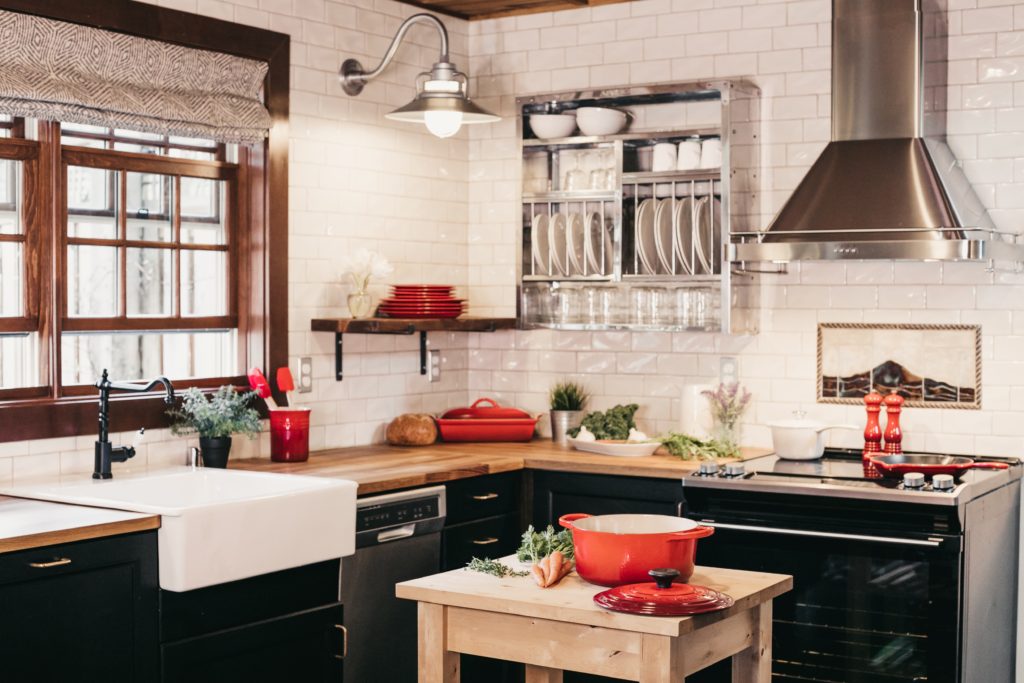
Normally, it is best if the kitchen is located in the southeast quadrant. The southwest quadrant is never a good place for the kitchen. Because of the heavy-duty appliances associated with the kitchen and the heat produced by the stove, the kitchen is related to fire. The southwest quadrant bears the sun’s intensity. Heat naturally collects in this part of the house.

Other points to be considered are,

a. The food preparation area of your kitchen should allow you to face east. Facing east and letting the sunshine on your ingredients makes healthier food.

b. The oven, microwave, and drier, which radiate heat, should be near the southeast corner on the south wall or east wall.

c. The dishwasher and washing machine, which create heat and use water, should be on the east wall in between the northeast and southeast quadrants so that these appliances receive the benefit of the elements of water which is conserved in the northeast and the element of fire in the southeast.

d. The sink should be against the east wall or north wall, near the northeast quadrant.

e. The refrigerator, which is typically heavy and can trap energy inside the room and home, should be placed against a wall in the south or west. If it is placed in the west, the door also opens to the east, which is good for food.

f. Placing the table directly opposite to the eastern wall and a window also allows for the benefit of the morning sun.

g. If you have a window that receives lots of sun, grow spices, or edible flowers. The garden serves an excellent purpose, providing you with ingredients that are good for your health.

See, simple but powerful right?

Okay. From kitchen, we are heading towards the perfect dining room envisaged by vastu for home plan where you have the real talk with the family.

2. Vastu for dining room in design

The dining room in a vastu home should be in the western or the eastern side of your home. Obviously, this room should be close to the kitchen.

Try to avoid placing the table in the center of the room.

Why?  Because the center should be kept empty to allow the air circulation that generates in this area to radiate in all directions and placing your dining table toward the western or eastern side of the room.

The eastern side can motivate stimulating conversation since this is the direction of enlightenment (Just reminding the impact of air you breathe on our brain in case you forgot).

And try to mix materials in seat cushion, by using wood with wrought iron, for instance. Wrought iron adds a delicate airy touch to a dining room.

Last but not the least, do remember to welcome nature. If you have the space, put a couple of tall leafy plants on the floor.

From the dining room, let me take you to the living room. To add a little bit of drama to it, you may imagine yourself having fun there with your close ones there.

3. Vastu for living room in home plan
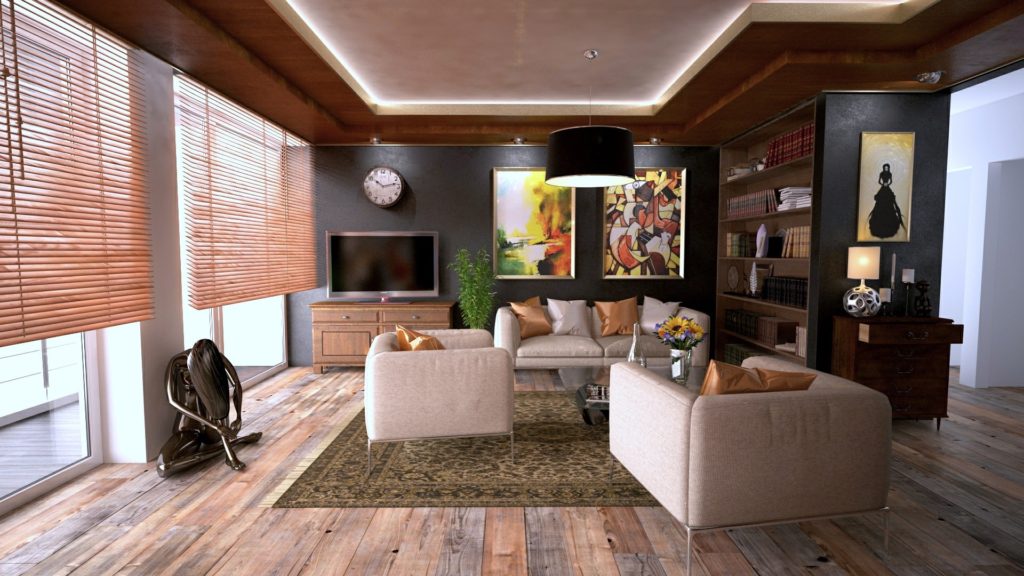
Vastu for home plan proposes a good location for the living room in the northwest, the north, or the northeast of your house.
You are likely to have many of your heaviest pieces of furniture in your living room.

Do your best to put the heaviest pieces in the southern or western part of the space. For example, if you plan to keep books, which are normally heavy, in the living room, try to put built-in bookshelves into the south and west walls, where they will also act as a barrier to keep the positive energy in the room. If you have a large and heavy sofa, this should also be placed in the south or west.
Another thing is that if you love to relax in your living room, place your favorite chair north facing or the east near the northeast corner. This way it can catch the aura of sunlight for you. After all, who wants to put down a free meal?
So, enough of fun. Let’s be serious now.

Yes, put up a grave face and follow me to the study room.

4. Vastu for study room in the plan

A home office or study should be placed in the east, the north, or the west of your home. The east is a particularly good choice since it is the direction of inspiration and enlightenment.
Regarding other elements,

  • The ideal location for your desk is in the south or west this is especially important if the desk is heavy.
  • If you place your desk in the west and face east, this leads to contemplation, creativity, inspiration, and focus.
  • All heavy items, such as bookcases and file cabinets and sofas, should be kept in the south or the west.

Whenever you feel like questioning on the logic, you can just try to relate with the direction of sunlight and air circulation

Continuing the tour, let’s go to a beautiful corner in your home, which is the spiritual room. You may or may not have this. But just let yourself know about it. Otherwise, skip to the next section.

5. Vastu for spiritual room in design

Spiritual room devoted to yoga or meditation or pure relaxation has its ideal location in the northeast, the east, or the north of your home. If the space has a window looking to the east or northeast, this creates a spiritually charged room.

Tired of the advocacy of vastu for home plan?

Don’t worry. Relax now. We have reached your bedroom.

6. Vastu for bedroom in the plan

Bedroom in vastu homes can be in any area while incorporating vastu for a house, but the preferred locations for bedrooms are the southwest, the west, and the northwest. And,

  • The beds should not be in the direct center of a bedroom. Place them so that there is more open space on the north and the east. Since the bed is normally a heavy object, it should usually be placed in the south, the southwest, or the west of the room.
  • Lighter pieces, such as a bureau, delicate sofa, or reading chair, can be safely placed in the north, the east, or the northeast of the room.
  • If you have a desk with a computer, create a study or work area near the southeast wall so that you can sit facing the north, the northeast or east. The active energy from these electronics can interfere with your sleep and the electrical fields may harm your body (Finally an area where there is no scope for debates)

So, did we miss out any area? Right. Bathroom.

7. Vastu for bathroom in design
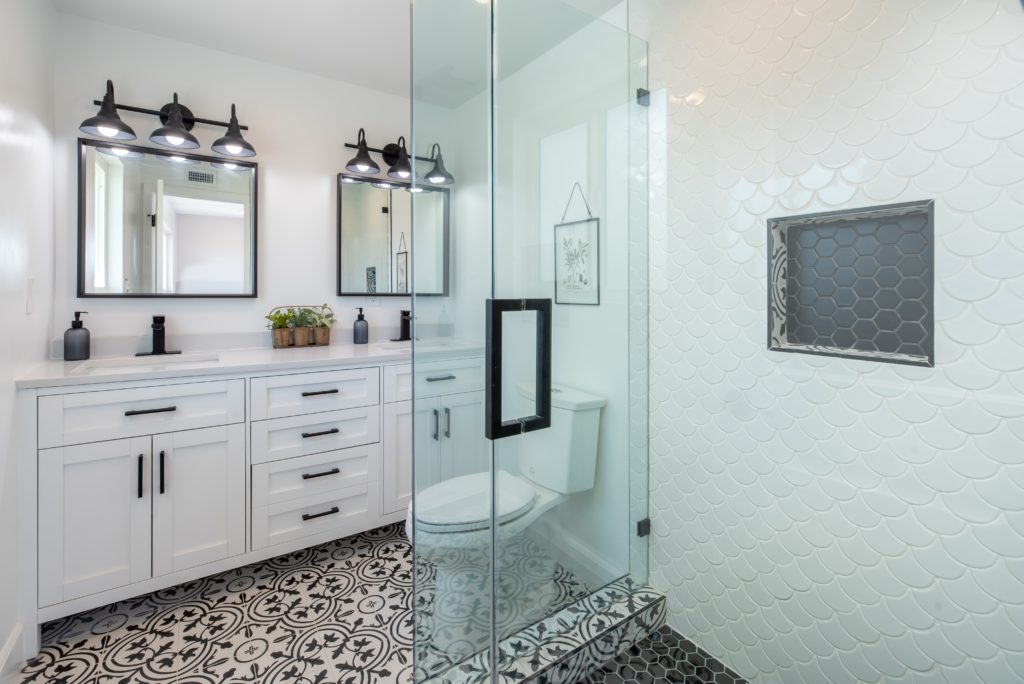
The bathroom in the vasthu house situated in the east catches the morning sunrays, which is good on the body. But the bathroom can be located anywhere in the house except the northeast.

And the toilet should face the north or the south.

Cool. The tour has reached at the culmination.

Oh, no! How can we not remember our chilling spot? 

8. Vastu for terrace, balcony in home plan
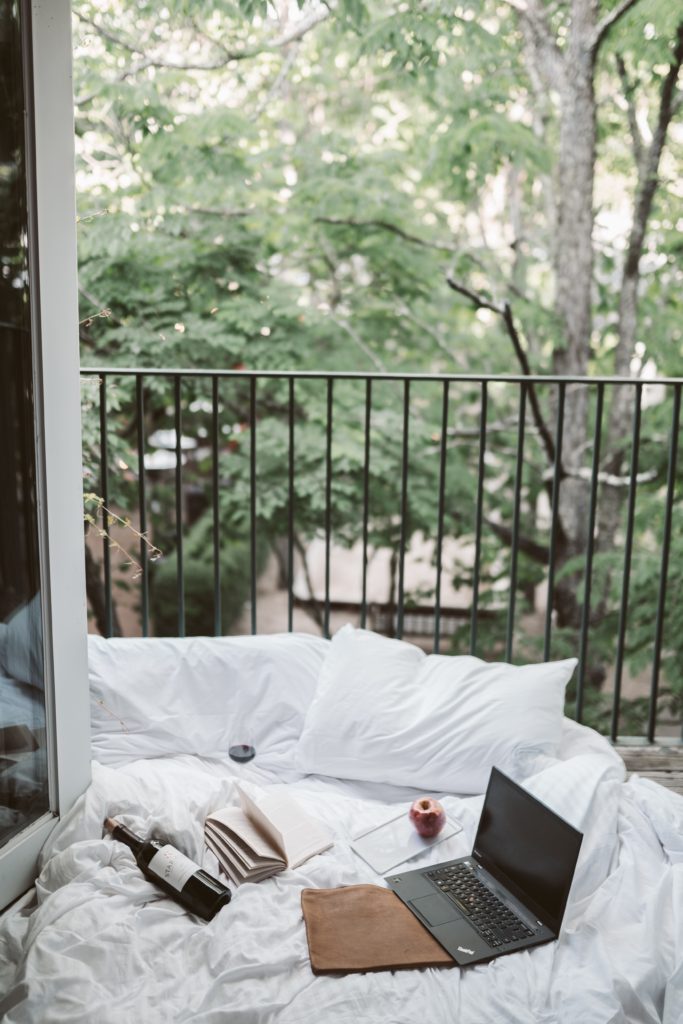
The preferred locations for a special middle zone are the east, north, and west. The north gives you a taste of the sunrise and sunset. The east is an ideal space for a thinker and an early riser who likes to experience the reawakening of the sun. The west is for individual whose quiet time is in the early evening.

Thanks for accompanying me in the trip. Hope it was insightful.

Looking forward to know your doubts in the comments.

Credit: All of the shared information in this post on vastu for home plan is referred from two books, mainly “Vastu Living: Creating a home for the soul” of Kathleen M. Cox, the founder of vastuliving.com and a renowned vasthu consultant in America and “Vastu: Breathing life into space” by Dr. Robert E. Svoboda, (http://www.drsvoboda.com/) another foremost proponent of vastu.
Advertisements

Vastu for home: A gem or a sham?

Be yourself an atheist, believer or an agnostic. By the end of this blog, you are going to agree with me that vastu is something you can’t ignore in your life, because it is underpinned at science.

Before I begin to break down the points for you, let me be frank. I happened to stumble on the news that the Apollo Hospital Group, which is revolutionizing the standards of medical care in India with its chain of attractive private hospitals has incorporated vastu into its design. I thought it seems like a very interesting topic. Maybe I can provide some information about vastu to my readers. Let me go through some books and figure out if it’s worth sharing.

And you know what? I ended up searching for a vastu consultant for my own home near me before I started writing! Trust me, it was an eye opening week for me to enthral unknown pathway of vastu in home that literally changed the way of perceiving the influence of my home in vasthu on my well being.

Vastu, it seemed, went way beyond design, form, utility, durability concepts that define construction of a quintessential building.

So, what is Vasthu in simple words?

Vasthu, a traditional system of design and construction of buildings, is a mixture of strong spiritual philosophy and science which revolves around the concept that everything in the universe is interconnected and interdependent.

A successful Vastu of home also encourages optimum vibrations to thrive and flow within the individual. Sounds familiar anywhere?

Indeed. This is exactly what quantum mechanics stands for. The quantum theory researchers discovered that everything is energy and everything is interconnected through fields.

Vasthu looks carefully at the orientation of physical space so that it reinforces the ancient theories connected to the five primary elements: space, air, fire, water, and earth, which are present in our environment and within each of us. Hold on, are we going back to the superstitious beliefs?

Nope, but to the science behind the concepts.


Sun, for example is a significant factor that determines the orientation of a building. The vedha texts say that Surya is the sun god, who lords over the east and enlightenment.

When we match up this with the science, we come to understand that when natural sunlight hits the skin it triggers the body’s production of vitamin D which is a crucial ingredient for overall health, protects against inflammation, lowers high blood pressure, helps muscles, improves brain function and may even protect against cancer. Also, it helps to make your home energy efficient which is an integral part of a green building.

Diving on to vasthu tips for home,

The first lesson is understanding quadrants.

There are four quadrants.

1. North east

Vastu for house prescribes to situate water resource which can be a stream, pond or well in the east, north, or northeast of a territory, building, or room. This is to promote inspiration in that entire space. Because of the same reason, this quadrant is best for worship.

2. South east

The southeast quadrant of your home is the right area to establish the vasthu kitchen stove and electrical and electronic equipment such as computer and TV.

3. South west

Vastu says to encourage inactivity in the southwest, calling it the best direction in which to store items and information, to perform routine activities, to position heavy furniture. This quadrant is called kannimoola in vastu shastra, which is the best place to keep money and other valuable possessions of yours.

4. North west

Northwest is particularly good if your parties and gatherings tend to run late. This quadrant indicates movement, a characteristic that suits the function of the living room, where people come to visit but don’t stay too long.
Television would be good in the northwest if you can dip into it from time to time.
Communication devices like phone and computer modem often do well being situated in the north western region of a room or structure, for similar reasons.

If there is any disparity popped up in you that contradicted your logic and things I stated above, you are smart. You should read on to clear them out and start afresh. We are going to dive deep.

1. Orientation of the site and home

Vastu exhorts to face the entrance to your property in the north or the east of the northeast corner which creates an open space in the northeast quadrant. An east-facing house receives the benefit of the morning sun and its association with sun who brings us inspiration, enlightenment apart from the health benefits we scoped out earlier. This makes the eastern direction ideal for individuals with a propensity or preference for contemplative or scholarly activities.


2. Shape of the Site and Home

The ideal shape of piece of land and a house is a square or rectangle. The site is irregular in shape, just mark out a square and rectangle on the site and use that as your area for development. The circulation of wind and air can be the possible reason.


3. Flow of Energy


The ideal Vasthu plot would slope to the north and east and rise to the south and the west, since the east is the realm of the sun and enlightenment with an actual barrier (a fence, a rock garden, a cluster of trees, a dense hedge) in the southwest.
If there is a depression or a pool or a pond located in the northeast, which belongs to the element of water, so much the better. I know you want to know the logic, right?

 The presence of a north eastern receptacle draws in the sunlight, which then moves in an arc to the southwest and radiates to the southeast and northwest. A barrier in the southwest, which belongs to the element of earth, helps to hold in the light so that it keeps flowing around the property. A good barrier can be anything heavy and with height.


4. Location of the house on the site

The greatest amount of open land on your site should be left on the east and north, and the house should be set back in the south and west so that your vastu home will receive a greater amount of eastern sun and the positive energy that comes from the northeast.

Any doubt about the positive energy I’m talking about? Then you should definitely pause here and sneak into the concepts of Yoga and the paramount of influence it has had on people who practice Suryanamaskar, a Yogasana which the Yogis practice by paying tribute to Sun.

5. Welcoming door


Ancient Vastu guidelines say that an entrance on the north wall of the northeast quadrant of the building allows the positive energy, which comes from the northeast, to flow into your house. An entrance on the east wall fills your home with inspiration and enlightenment. A southern entrance reminds you of your responsibilities. And a western entrance speaks of the calm of night and is essentially neutral.

Really? How does the position of door matters in the wiring your brain? You asked it right. It’s simple. The interconnection of all elements we figured out in the beginning. Just like your favourite music can sooth your mind, the surrounding conditions such as the flow of air around you which influence your breathing and availability of oxygen to the neuron that involve in decision making. You are picking up the magic in it, right?

6. Interior Layout

Cool! I bet this is the dearest part where your juice of creativity flows seamlessly. Fueling it by vasthu,


I. Enhance positive energies

Because positive energy from Sun, which enters through the northeast, travels in an arc to the southwest of the home, try not to disturb this energy flow. If possible, keep the northeast corner in the home and the northeast corner of each room empty of furniture, at least heavy furniture that can stop the circulation of the energy.

Yup, let’s look into the arrangement of furniture in detail. (If you feel like frowning at the concept of the flow of energy again, first you may have to win over the debate with the scientists who discovered quantum mechanics.

Ii. Furniture Placement

The proper placement of furniture is extremely important to vastu living. First, keep all furniture, such as desks, beds, sofas, bureaus, and chairs, at least four inches from the wall. This gap prevents your own energies from being absorbed into the wall.

Because built-ins, such as cupboards and bookshelves, are incorporated into the wall, consider them part of the wall and just be certain that your desk or chair or any furniture is placed four inches away. More than likely, this gap is already there, so that you can get to these storage areas.

Keep lightweight furniture in the north and the east of the home and in the north and the east of each room or wall-less space that serves a specific function in a one-room studio or loft.

To trap this positive energy inside the home, put your heavy furniture in the south and the west of the home and in the south and west of each room or wall-less space. And, if you can afford it, why not consider elevating the floor in the southwest quadrant of the house or living room?


So, how do you feel now? Even if you can’t incorporate all the factors, do not get discouraged. Aim for Fifty Percent or Better. After all, having it all is an illusion in the universe, right?

Must read: Vastu for home plan- all design tips backed by logic

Let me know your thoughts and doubts in the comments.

Credit: All of the shared information is adopted from two books, mainly from “Vastu Living: Creating a home for the soul” of Kathleen M. Cox, the founder of vastuliving.com and a renowned vasthu consultant for over 20 years in America and “Vastu: Breathing life into space” by Dr. Robert E. Svoboda, (http://www.drsvoboda.com/) another foremost proponent of vastu. Some information was referred from the book Maha Vastu by India vastu shastri Kushdeep Bansal.

A BUILDING AT ZERO COST!!

The past decade has been a witness to a lot of path breaking ideas and tremendous technological advancements. But a building at zero cost??

The people crazy enough to think they can change the world are the ones who do”. So at one point hopefully mankind would do that. For now, let’s dive into the key aspects that are nearly ideal for a low cost building.

1.INTAKE OF NATURAL LIGHT

Natural light has a lot of proven benefits over productivity and well being of people who reside/ work there. It has  a positive effect on you life too.

Positioning of windows and doors, mirrors that can reflect light to maximum space can contribute greatly for maximizing natural light to indoor areas.  A light intake medium to be available on the roof top also contributes for this. 

The real success in constructing a building is in its utility. 

Open plan living which are popular recently is very much close to the feature. The columns or structural walls will need to be carefully placed to ensure they have minimal impact on the flow of spaces/views. Also the passages inside the building should be an optimized design considering the position of doors that utilizes the floor space cleverly.

2. CHERRY- PICK THE STRUCTURAL COMPONENTS

A home is an emotion…

The windows that give you view to the outer world from your cozy personal space, the doors that welcome you to your universe of comfort and boundless freedom, the walls and corners of the house who have been with you in your thick and thin…

These different structural components where the housing material plays a significant role are one the quintessential factors that contribute to the cost of erection of a building. A proper care towards the different elements will help us save a lion’s share of the amount spent for the construction. These are,

i. Foundation

Foundations need to be as per available local materials and soil.

ii. Super structure

a.) Flooring material

b.) Walls

Environmental degradation in the top soil used for brick walls, the environmental pollution and enormous cost while making the bricks compel us to consider another alternatives for bricks Brick walls. GFRG Panels and AAC Blocks are best fits for this that highlight the significance of low cost construction materials.

GFRG Panels

Glass fibre reinforced gypsum(GFRG) panels have emerged as a recent trend in low cost buildings. It has the potential to reduce the cost of construction of a building by 30 percent.

The lucky charm of the low cost material is that it doesn’t require cement plastering of the walls and there by a considerable amount of money can be saved. Well, this not all. There are some amazing qualities of the material that can pull you towards it.

Find it here: GFRG panels – Glass fiber reinforced gypsum, an innovation of enormous potential…

AAC blocks

Autoclaved aerated concrete blocks (AAC) is one of the best low cost building materials suitable for producing concrete masonry unit like blocks. The whole building can be built and no plastering is required in internal and external areas.

AAC Blocks have a clear upper hand over bricks  thanks to its characteristics. They are easy to transport and handle leading to less labour charges. They eliminate the need for applying costly fire proof material and ensures fast construction owing to its physical characteristics.  And less wastage reduces the extra expenses for removal of debris in the construction site.

How can you not be biased towards this cutipie?

EXTRA BOUT: AAC blocks have an overall saving of 30% on the total construction cost.

c.) Roof:  

When Khaled Hussein said “One could not count the moons that shimmer on her roofs…” he might not have thought that it could have a meaning from civil engineering point of view. When we have filler in concrete that is capable of reducing the amount of cement in concrete without loss of strength, there is no doubt that it will catch our attention and mental presence.

Polyurethane Foam Infill (PUF) is a commercially attractive filler material which is reusable or disposable mold systems.

GRFG Panels can also be use and affordable and cost effective alternative for roofing system

GREEN WALLS

Another category which we shall miss at no cost is green walls. A green wall is comprised of plants grown in supported vertical systems that are generally attached to an internal or external wall. They  illustrate the back to nature concept with several healing benefits that can vent you from the hustle and bustle of urbanization.

3. INCORPORATING TECHNIQUES OF VASTU

There is a prevailing myth pertaining to Vastu that it is a blind belief. But there is also a sound claim that draws a fair line of pragmatic concepts that rely on logical reasoning that talk about techniques to save money. For example Vastu advocates the position  of  kitchen  windows in the  eastern  direction which  helps to trap  sunlight  rays that  can disinfect kitchen.

4. SHIFT IN THE PERSPECTIVE

“I’m so happy that I could build my home at low cost”- When was the last time you heard this from someone?

Very rare, I tell you. That’s because cheap buildings are never stylized. Because of the persuasion of some people who involve in between an engineer and the client, a low cost buildings is always looked down upon. Think over it the next time you hear the boasting of an expensive building.

5. LAURIE BAKER CONCEPTS

Figure shows Laurie Baker and the building designed by him

How is it possible to close the chapter  without reaching it through the wizard of the realm?

Laurie Baker made a variety of practical suggestions, including the use of rat trap bonding for brick walls, providing wall bends that increased strength and offered ready-made shelves, thin concrete roofs and even basic precautions, such as moving the dug up to the built-up area rather than out of it.

Now that we have taken a wonderful journey through all the possible factors for a low cost building, you may also think about other aspects like installing solar panels for energy efficiency. Remember a penny saved is a penny earned.

Money has its value when used for the right purpose. Low cost for a building can imply an empty belly filled. So liberate yourself from living in others thoughts and construct an independent mind as a perfect start.

Advertisements