

Tunnel Engineering plays a vital role in modern infrastructure by enabling safe and efficient passage through mountains, urban areas, and underwater regions. This field focuses on planning, designing, and constructing tunnels using advanced methods and technologies. A clear Tunnel Engineering Definition helps students and professionals understand its scope. Structured Tunnel Engineering Study Modules guide learners through essential topics like geology, excavation methods, support systems, and safety practices. Understanding the Basics of Tunnel Engineering is essential. It helps build a strong foundation for exploring innovative Tunnel Construction Techniques used in today’s complex projects. This article serves as an Introduction to Tunnel Engineering. It offers an easy-to-follow study path. This is for anyone interested in mastering this specialized branch of civil engineering.
There is much more to know about the amazing sector. Needless to say, no tiny virus can be a reason to prevent us from transporting for essential purposes. Therefore, the career opportunities are always out there for you.
In this blog, I will walk you through the basics of tunnel engineering. I will explain the works done by a tunnel engineer. I will also cover fundamental details about tunnels. And finally the advantages and disadvantages of tunnels.
Let’s jump into it right away!
- What are tunnels in tunnel engineering?
- Tunnel engineering basics and Definition
- What does a Tunnelling Engineer do?
- Tunnel Construction Techniques
- Advantages of Tunneling
- Tunneling Disadvantages
- Conclusion
What are tunnels in tunnel engineering?
- A tunnel is an underground corridor built through the surrounding soil/earth/rock and completely enclosed except for the entrance and exit points, which are usually at each end.
- Some contemporary tunnels have used immersed tube construction techniques. These techniques differ from classic tunnel boring methods. However, a pipeline is not a tunnel.
- A tunnel can be used for pedestrian or vehicular traffic, rail traffic, or a canal.
- The tunnel is usually where the key parts of a rapid transit network are located.
- Some tunnels are aqueducts that transport water for human consumption or hydroelectric power plants, while others are sewers.
- Utility tunnels are used to transport steam, chilled water, electrical power, and communications cables. They also connect buildings to allow people and equipment to move about more easily.
- Military tunnels are constructed to smuggle weapons, contraband, and people. In contrast, civilian tunnels are built for the same purpose, smuggling weapons, contraband, and people.
- Wildlife crossing tunnels, for example, are created to assist wildlife to safely cross human-made barriers.

Cool. Time to know about the basics of tunnel engineering.
Tunnel engineering basics and Definition
Tunnel Engineering involves the planning, design, and construction of underground passages. This section introduces its definition and covers the fundamental basics that shape safe and efficient tunnel development.

Definition/Introduction of Tunnel Engineering
Tunnel engineering is a truly interdisciplinary field. It requires knowledge and abilities from civil, geological, and mining engineering. It also involves mechanical and electrical engineering, geophysics, geology, and other disciplines. Tunnel Engineering is a specialized branch of civil engineering. It focuses on designing and planning underground passages. It also involves constructing these passages for transportation, utilities, and water conveyance. It involves understanding geology, selecting excavation methods, ensuring structural stability, and applying safety measures. The goal of tunnel engineering is to create durable, efficient, and safe tunnels that meet functional demands while minimizing environmental and construction risks.
Basics of Tunnel Engineering
Basics of Tunnel Engineering cover the fundamental principles needed to design and build safe underground structures. These basics include understanding geology, selecting suitable excavation methods, choosing support systems, and applying modern Tunnel Construction Techniques. Together with a clear Tunnel Engineering Definition, learners can follow structured Tunnel Engineering Study Modules to build strong technical knowledge. These essentials form the core of any Introduction to Tunnel Engineering, ensuring reliable and efficient tunnel development.
Modules
The main modules involved in the course are,
- General Tunneling Aspects
- Engineering Geology (stresses, strains, and anisotropy)
- Engineering Rock Mechanics
- Soil Mechanics & Geotechnical Engineering, Investigations
- Using Rock and Soil Mechanics
- Analytical and Numerical Methods for Diagnosis Phase; Therapy Phase for Preliminary Confinement
- Type A tunnels: Analytical
- Methods of Analysis and Design
- Type A Tunnels: Excavation in Rock
- Therapy Phase and Construction Phase for Preconfinement (Type B & C Tunnels) and Final Lining
- Mechanized Tunneling with Face Control for Type B and C Tunnels
- Monitoring and Surveying
- Risk Assessment & Management
Now you might be thinking about what exactly you will be doing after being an engineer. Here we go.
What does a Tunnelling Engineer do?
Tunnel engineers are highly qualified civil engineers who are in charge of designing and managing tunnelling projects. From the original design stages through the day the first automobile or train travels through, they are involved in every step of the tunnel construction process.
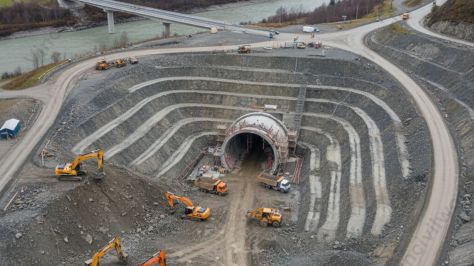
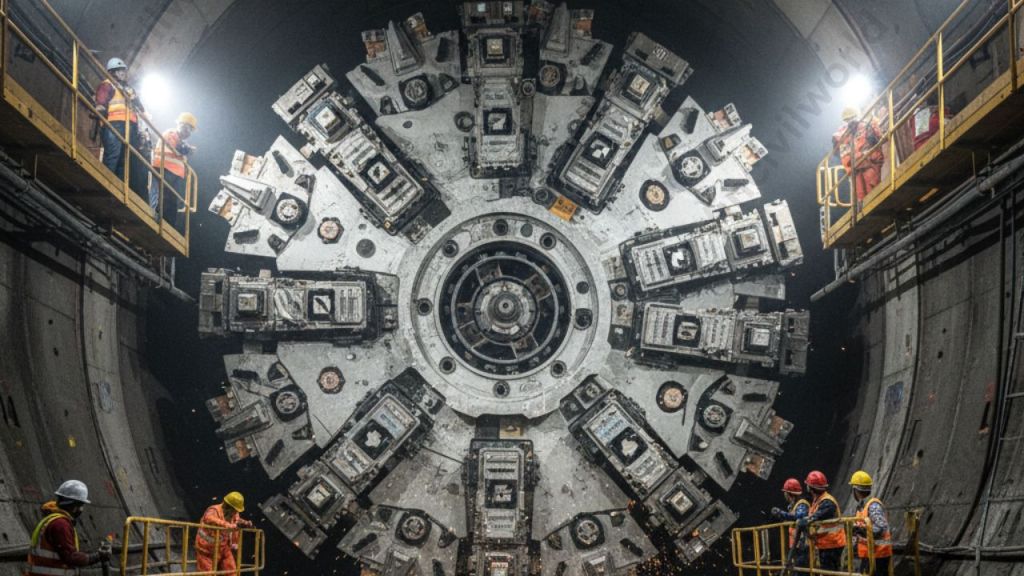
Tunnel building can be done in a variety of ways, each needing specialised expertise and equipment. Bored tunnels with Tunnel Boring Machines (TBMs), sprayed concrete lined tunnels, tunnels built with explosives, and tunnels built by pipejacking, piperamming, or thrustboring are examples of these procedures.
Tunnel Construction Techniques
Tunnel Construction Techniques involve methods used to excavate and support tunnels safely and efficiently. These techniques are selected based on geology, tunnel size, and project requirements. They ensure stability, speed, and cost-effectiveness during construction while minimizing risks. Cut and Cover Method
- Drill and Blast Method
- Cut and Cover Method
- Bored Tunnelling (TBM Method)
- New Austrian Tunneling Method (NATM)
- Immersed Tube Method
- Sequential Excavation Method (SEM)
Advantages of Tunneling
When compared to other approaches, the tunnelling method has a few advantages, which are listed below:
- When the depth exceeds a certain limit, the tunnelling approach is more cost effective than the open cut trench method.
- When tunnelling takes place, there is no disruption to surface life or ground activities such as transportation.
- The approach provides high-speed building while consuming minimal power.
- Noise Pollution is Reduced
- In high-altitude settings, these approaches are devoid of snow and iceberg risks.
- Tunnels are subject to restrictions on surface and air interference.
- The provision of tunnels with gentle gradients aids in the reduction of hauling costs.
- When it comes to public utility transit, tunnelling offers a significant advantage over bridges.
- When a dangerous open cut to a nearby structure is required, the tunnelling approach is used to solve the problem.
- In aerial warfare and bombing situations, the tunnelling provides more protection.

How about the disadvantages? It’s waiting for you in the next section.
Tunneling Disadvantages
Because of its complexity and difficulty, the tunnelling approach has some drawbacks. Here are a few examples:
- When compared to the open cut method, the initial investment cost for starting the tunnel is significant.
- Only a team of highly competent and experienced designers and engineers will be able to complete this procedure.
- You need to maintain higher and continuous supervision from the beginning to the finish of the tunnelling project, with no compromises.
- Tunneling activities necessitate the use of very sophisticated and specialised equipment.
That’s it about tunnel engineering and the basics of tunneling. Do you have any more doubts regarding the topic? Let us know in the comments.
Key Takeaways
- Tunnel engineering is crucial for modern infrastructure, facilitating safe passage through various terrains.
- The field combines aspects of civil, geological, and mining engineering and includes study modules on geology, excavation, and safety practices.
- Tunnel engineers oversee the design and construction process, utilising various methods such as TBMs and explosives.
- While tunneling is cost-effective for deep projects and reduces disruption, it also requires high initial investment and skilled supervision.
- Understanding both the advantages and disadvantages of tunneling helps in making informed engineering decisions in tunnel engineering.
Conclusion
Tunnel Engineering plays a crucial role in shaping modern transportation and utility networks by enabling construction beneath mountains, cities, and waterways. Understanding the Tunnel Engineering Definition helps readers appreciate how this field blends geology, structural design, and safety planning. The Basics of Tunnel Engineering further highlight the importance of ground behavior, support systems, and proper excavation choices. Through well-organized Tunnel Engineering Study Modules, learners can explore each concept step by step and build strong technical competence. Additionally, familiarizing themselves with various Tunnel Construction Techniques allows engineers to select the most suitable method for each project. This Introduction to Tunnel Engineering concludes by emphasizing that mastering these core principles ensures the creation of durable, economical, and safe tunnels for future infrastructure needs.
 vin civilworld