All posts by Jefy Jean A

Hello, I am Jefy Jean A, a freelance content writer, and blogger. I am pursuing my M.Tech from IIT ISM, Dhanbad. I can create authentic and well-researched content that would drive visitors to your website and turn them into your customers. Right now I focus on technical blogs and SEO optimised articles. I would be more than happy to venture into other genres like health and fitness, travel, lifestyle, home decor, food recipes, etc. as I believe in exploring new arenas and opportunities. If I am not researching or writing an article I would be in the kitchen trying out all the recipes that catch my eyes on YouTube. If you are in search of some insightful and irresistible content mail me your writing requirements to jefy98aj@gmail.com.

Public health engineering – Definition and Objectives

Public health engineering helps people to satisfy their humanitarian needs. Today’s crises occur often in urban areas. They usually last longer and have a wider regional effect. They cause widespread human misery, threaten basic services such as water supply and sanitation. Public health engineering is the innovative field dedicated to designing and managing systems for clean drinking water supply, sanitation, waste management, and disease prevention. By integrating environmental engineering with public health, it aims to improve quality of life and community well-being. Key roles include water supply engineering, wastewater management, sanitation infrastructure, and safeguarding against environmental hazards. Public health engineers ensure sustainable practices that address global health and hygiene challenges effectively.

In this blog, I will show what is Public Health Engineering, its learning objectives and the role of a Public Health Engineer.

  1. What is Public Health Engineering?
  2. Role of a Public Health Engineer
  3. Objectives of Public Health Engineering:
    1. Fundamentals of Public Health Engineering: 
    2. Humanitarian contexts:
    3. Water Supply Systems:
    4. Sanitation: 
    5. Waste management & Hygiene promotion: 

What is Public Health Engineering?

A clean and balanced Earth is a good place where everyone owns and bears responsibility for ensuring a good quality of life. It can be made possible through several ways.

Some of them are safe drinking water, proper sanitation, and best hygiene practices. This is what Public Health Engineering envisions for our society. It is a specialisation in civil engineering.

A public health engineer in a safety vest and hard hat, conducting water quality testing near a wastewater outlet, using a laptop and equipment to analyze samples.
A public health engineer conducting water quality testing in an urban environment, highlighting the vital role of engineering in sanitation and water management.

Engineers and technical specialists in the fields of water, sanitation, electricity and other related fields are critical in meeting the challenges and rising demands. They are known as public health engineers.

Water processing, purification, transmission, and distribution are all handled by the Public Health Engineering industry. Thus “Sanitary Engineering” is now referred to as “Public Health Engineering.” 

Role of a Public Health Engineer

A public health engineer plays a crucial role in water supply engineering by planning, designing, and maintaining safe systems to deliver clean drinking water supply, ensuring community health and environmental sustainability. Sanitation engineering focuses on designing and managing systems for safe sewage and waste disposal, preventing pollution and disease transmission. It plays a vital role in maintaining community hygiene and protecting public health.

A Public Health Engineer must calculate design flow, design population, design area, and population density in order to do his job. They will play an important role in the present and future scenarios for tackling the following issues:

  • Water, air, and soil contamination 
  • Environmental crises
  • Industrial solid and liquid waste management
  • Industrial and occupational safety hazardous 
  • Chemical hazards

A Public Health Engineer’s position today includes a wide range of responsibilities. This includes: 

  • Ensuring that water levels are controlled and managed
  • Rivers are built to function with increasing populations
  • Water and wastewater treatment systems are planned to meet growing demands
  • Evaluating and reducing water use in domestic and industrial applications.

Now let’s move on to the learning objectives of this amazing course.

Objectives of Public Health Engineering:

The course consists of the following modules.

  • Fundamentals of public health engineering
  • Humanitarian contexts
  • Water supply systems
  • Sanitation
  • Waste management and hygiene protection

Now let’s dive deeper into each of the objectives.

Fundamentals of Public Health Engineering: 

  • The first section explores the fundamentals of public health engineering.
  •  It shows how engineers can help reduce mortality and morbidity in a variety of humanitarian situations. 
  • Engineers must have a thorough understanding of how infectious diseases spread in order to do so.
  •  You will be exposed to various disease transmission routes in the area.
  •  You will gain awareness about steps that can be taken to prevent the spread of such diseases. 
  • To aid comprehension, real-life case studies will be presented.

Humanitarian contexts:

 The humanitarian background in which public health engineering activities take place is presented in this section. How long-running disputes impact urban basic services like water supply and sanitation, causing public health problems are dealt in this section.

Water Supply Systems:

 This section takes a look at some of the most popular water technologies used from the source to the distribution point. We address the benefits and drawbacks of various water distribution systems that can be used.

Sanitation: 

The section covers an analysis of sanitation technology and excreta management. Some of the humanitarian sector’s problems and activities are highlighted with the help of case studies.

Waste management & Hygiene promotion: 

The section focuses on medical waste. It is a form of solid waste that public health engineers often encounter in humanitarian crises. Finally, in humanitarian emergencies, we address the crucial problem of behaviour modification and hygiene promotion.

A hand placing a plastic bottle into a box labeled with a recycling symbol, surrounded by other bottles, with greenery in the background.
A person recycling plastic water bottles, promoting sustainable waste management and hygiene practices.

A career in Civil Engineering with a specialisation in Public Health offers promising prospects. Some career choices that students can explore after their specialisation include:

  • Building Engineering & Services
  • Water Resources Engineering
  • Renewable Water Resources Management
  • Facility Management
  • Operations Management
  • Sustainable Design & Solutions
  • Clean Energy
  • Research & Development
  • Entrepreneurship

This Civil Engineering specialisation will place you on the right track if you want to make a difference in combating the global issues. Hope you found this article insightful.

Also read: Golden Gate Bridge: Design and 2 Main Issues

What is your motivation to take up this course? Let us know in the comments.

What Biochemical Oxygen Demand (BOD) Measures?

Biochemical oxygen demand (BOD) is a crucial parameter in assessing water quality and monitoring environmental health. In the field of wastewater treatment, understanding BOD in wastewater treatment is essential for evaluating how much organic matter exists in water bodies and the efficiency of purification processes. The BOD test measures the amount of oxygen that microorganisms consume while breaking down organic pollutants, providing a reliable indicator of organic pollution. Elevated BOD levels can signal excessive contamination, which can deplete dissolved oxygen and harm aquatic life.

By regularly conducting BOD measurement, experts can identify sources of water pollution, compare BOD vs COD (chemical oxygen demand), and implement effective strategies for sewage treatment. Ultimately, controlling biological oxygen demand is fundamental for protecting both public health and the environment.

What Biochemical Oxygen Demand measures are a question that all of us have in our minds while learning about water pollution. In this blog, I will walk you through Biochemical Oxygen Demand and, and its significance. The concept of Dissolved Oxygen is described in detail in the upcoming paragraphs.  In the next section, I will show you the complete details about what actually the Biochemical Oxygen Demand measures and BOD vs COD

  1. What does the Biochemical Oxygen Demand measure?
  2. Total Biological Oxygen Demand Measures
    1. Biological Oxygen Demand Measures of Drinking Water
    2. Factors affecting Biochemical Oxygen Demand
  3. Dissolved Oxygen (DO)
    1. Dissolved Oxygen Determination
    2. Calculation of Biochemical Oxygen Demand
    3. BOD5 vs BOD20
  4. BOD vs COD – Understanding Key Water Quality Indicators
  5. Key Takeaways
  6. Conclusion

What does the Biochemical Oxygen Demand measure?

Biological oxygen demand (BOD) measures the amount of oxygen that microorganisms require to break down organic matter present in a water sample. It also accounts for the chemical oxidation of some inorganic materials, both of which contribute to the overall depletion of dissolved oxygen. Typically, the BOD test expresses results in milligrams of oxygen consumed per litre over a 5-day incubation at 20°C, offering a reliable estimate of organic pollution in water.

Monitoring BOD in wastewater treatment is essential for assessing the effectiveness of sewage treatment processes and ensuring optimal water quality. Major sources contributing to high BOD values include plant debris, animal waste, food-processing effluents, wastewater from pulp and paper mills, leachate from urban stormwater runoff, and poorly functioning septic systems. Reduction in biochemical oxygen demand is a key factor in evaluating successful wastewater treatment and protecting aquatic environments.

Biochemical Oxygen Demand in wastewater (BOD)
Biochemical Oxygen Demand in wastewater

Biochemical Oxygen Demand has a direct effect on the amount of dissolved oxygen in rivers and streams. The higher the BOD, the faster the rate of oxygen depletion in the stream. This results in higher forms of aquatic life having less oxygen available to them. As a result, they suffocate, and eventually, die.

Total Biological Oxygen Demand Measures

Total biochemical oxygen demand is the quantity of oxygen necessary to totally oxidise organic substances to carbon dioxide and water over generations of microbial development, death, degradation, and cannibalism. It has a greater impact on food webs than water quality.

Biological Oxygen Demand Measures of Drinking Water

A water sample having a BOD5 between 1 and 2 mg/l indicates very pure water, 3.0 to 5.0 mg/l means moderately clean water and > 5 mg/l indicates a neighbouring pollution source. The biochemical oxygen demand of safe drinking water must be 1-2 mg/l.

Factors affecting Biochemical Oxygen Demand

Temperature, nutrient concentrations, aeration and the enzymes available to indigenous microbial populations affect the BOD measurements. For instance, rapids and waterfalls will speed up the decomposition of organic and inorganic material in stream water. As a result, BOD levels at a sampling location with slower, deeper waters may be higher for a given volume of organic and inorganic material than at a similar site in highly aerated waters.

Chlorine can interfere with the BOD measurements by preventing or killing the microorganisms that break down the organic and inorganic substances in a sample. Therefore, use sodium thiosulfate to neutralise the chlorine while sampling in chlorinated waters, such as those below a sewage treatment plant’s effluent.

Algae in the wastewater affect the Biochemical Oxygen Demand measures by releasing extra oxygen into the wastewater during photosynthesis. Hence, perform the BOD test in complete darkness. Before delving into Biochemical Oxygen Demand measures we should first understand the concept of Dissolved Oxygen (DO), its significance and its measurement.

Dissolved Oxygen (DO)

Aquatic plants and algae release oxygen into the water after performing photosynthesis in the presence of sunlight. The aquatic animals breathe this dissolved oxygen. Also, some oxygen from the atmosphere continuously dissolves into the water through reaeration. These three processes are in equilibrium and maintain the level of oxygen in water bodies at the required levels.

When organic substances or pollutants enter the waterbody, it disturbs the dissolved oxygen balance since microbes utilize dissolved oxygen in its breakdown. In other words, these organic substances exert a demand on the available dissolved oxygen.

Dissolved Oxygen - Aquatic plants
Dissolved Oxygen – Aquatic plants

The greater the oxygen necessary for its breakdown, the greater would be the reduction in the dissolved oxygen in the water body. Pollution occurs when the oxygen demand exceeds the dissolved oxygen availability.

Also read: Wastewater Treatment- Stages and Process full details

Dissolved Oxygen Determination

Winkler’s method helps in determining the dissolved oxygen. The principle behind this method is the reaction between dissolved oxygen and manganese ions to precipitate out manganese dioxide.

Mn2+ + O2 —-> MnO2 

The manganese dioxide then reacts with iodide ions. This reaction liberates iodine in an amount chemically equivalent to the original dissolved oxygen.

MnO2 + 2I + 4H+ —-> Mn2+ + I2 + 2H2O

Titration with sodium thiosulphate gives the amount of iodine liberated and thereby the equivalent dissolved oxygen content. Thus we can measure the amount of Dissolved Oxygen in a given water sample.

Now, you have got a clear idea about Dissolved Oxygen. In the next section, I will show you the complete details about what actually the Biological Oxygen Demand measures.

Next, let’s see the procedure to obtain the Biochemical Oxygen Demand measures.

Calculation of Biochemical Oxygen Demand

We require two samples from a location to measure Biochemical Oxygen Demand. One is immediately tested for dissolved oxygen, while the other is incubated in the dark at 20o Celsius for 5 days before being examined for the residual dissolved oxygen. 

Let me show you the detailed procedure.

  1. Fill two standard 300-ml BOD bottles with the sample wastewater. Seal the bottles properly.
  2. Immediately determine the dissolved oxygen content of one of the samples using Winkler’s method.
  3. Incubate the second bottle at 20 0C for 5 days in complete darkness.
  4. Determine the DO levels after 5 days.

The amount of BOD is the difference in oxygen levels between the first and second tests, measured in milligrams per litre (mg/L). This is the amount of oxygen that the microorganisms require throughout the incubation period to break down the organic materials in the sample container.

DO (mg/L) of first bottle – DO (mg/L) of second bottle = BOD (mg/L)

The dissolved oxygen level may be nil at the end of the 5-day incubation period. This is particularly the case for rivers and streams which have a high pollution load of organic matter. Moreover, it is impossible to determine the BOD level because it is unknown when the zero point was reached. In this situation, dilute the original sample by a factor that yields a final dissolved oxygen content of at least 2 mg/L. The dilutions should be done with special dilution water of high purity.

The dilution water consists of deionised water with sufficient nutrients, phosphate buffer, trace elements and seed organisms (mostly settled domestic sewage). Perform a blank run on this dilution water and subtract its oxygen demand from the results.

BOD5 (mg/l) = D* [(DOt=0 – DOt=5)]sample – [(DOt=0 – DOt=5)]blank

BOD5 vs BOD20

During the standard 5-day/20 0Celsius conditions, about two-thirds of the carbonaceous material undergoes degradation. In the 5-day test, compounds that aren’t easily biodegradable or soluble don’t undergo complete digestion. Incubation of 5 days gives the soluble BOD or BOD5 measures while that of 20 days gives Ultimate Biochemical Oxygen Demand measures or BOD20

Biochemical Oxygen Demand

It requires nearly 20 days for the complete breakdown. On the other hand, the 20-day Biochemical Oxygen Demand measures greater long-term oxygen demand from insoluble materials including cellulose, long-chain fatty acids, and grease. Always keep in mind that COD > BOD20 > BOD5.

In spite of its limitations, Biochemical Oxygen Demand analysis has wide applications in monitoring pollution. These days, Chemical Oxygen Demand analysis is gaining wide popularity for research and plant control.

BOD vs COD – Understanding Key Water Quality Indicators

Biochemical Oxygen Demand (BOD) and Chemical Oxygen Demand (COD) are critical indicators for water quality assessment. BOD measures the amount of oxygen that microorganisms need to biologically break down organic matter in water, reflecting the level of biodegradable organic pollution. In comparison, COD quantifies the total oxygen required to chemically oxidize both organic and inorganic substances, providing a broader measure of all oxidizable pollutants. BOD is determined by incubating a water sample for five days, while COD uses strong oxidizing agents for a faster result. COD values are always higher than BOD because COD includes both biodegradable and non-biodegradable materials. Monitoring both parameters is essential in wastewater treatment to evaluate pollution levels and treatment efficiency

Key Takeaways

  • Biochemical Oxygen Demand (BOD) measures the amount of dissolved oxygen microorganisms need to decompose organic matter in water, indicating the level of organic pollution.
  • BOD is determined by measuring oxygen levels before and after a 5-day incubation period at 20°C to assess microbial activity and organic load.
  • High BOD values signal greater organic pollution, leading to depleted dissolved oxygen and potentially harming aquatic life, including fish kills.
  • Controlling BOD is essential in wastewater treatment to ensure discharged water meets environmental standards and sustains aquatic ecosystems.
  • Main sources of high BOD include sewage, industrial effluents, plant debris, animal waste, stormwater runoff, and failing septic systems.
  • Dissolved Oxygen (DO) levels are inversely related to BOD; higher BOD reduces DO, affecting water quality.
  • BOD vs COD: While BOD measures biologically oxidizable matter, COD includes both biodegradable and non-biodegradable substances; COD values are typically higher and tests are faster.
  • BOD testing is a standard practice in monitoring and regulating water and wastewater treatment plant performance.
  • BOD is expressed in milligrams per litre (mg/L), enabling clear comparison and assessment of water samples’ pollution levels.
  • Both BOD and COD are critical for understanding water pollution and ensuring effective environmental management.

Conclusion

Biochemical Oxygen Demand (BOD) is a fundamental indicator used to gauge the organic pollution in water by quantifying the amount of oxygen required for microbial decomposition. Regular measurement of BOD is essential for environmental health, as it helps identify pollution sources and assess the effectiveness of wastewater treatment systems. High BOD levels are directly linked to reduced dissolved oxygen, which can endanger aquatic organisms and disrupt ecosystem balance. Comparison with Chemical Oxygen Demand (COD) complements this analysis by accounting for total oxidizable substances both biodegradable and non-biodegradable providing a comprehensive picture of water quality. Effective BOD control supports the protection of natural waterbodies and public health, highlighting its critical role in environmental monitoring and water resource management

That’s it about Biochemical Oxygen Demand. Hope you found it insightful. Let us know your queries in the comments.

Eutrophication – Definition, Causes, Effects and Control

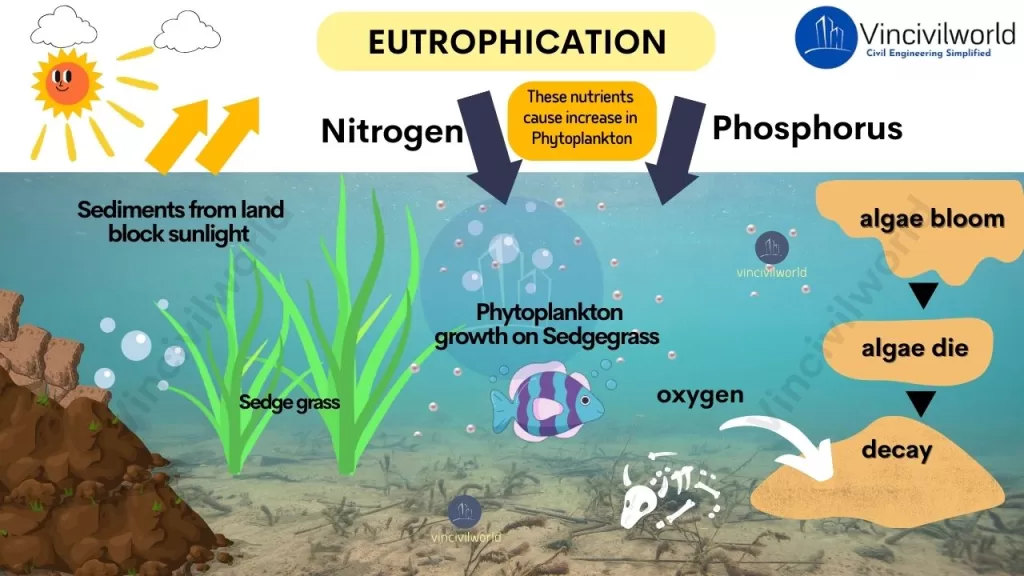
Eutrophication is a natural process in water bodies that becomes problematic when accelerated by human activities. It is caused by the excessive accumulation of nutrients, particularly nitrogen and phosphorus, leading to algal blooms and oxygen depletion. This phenomenon, also known as cultural eutrophication, occurs when agricultural runoff, wastewater discharge, and industrial effluents introduce pollutants into water systems. The cause of eutrophication is primarily linked to nutrient overloading, which fosters the growth of algae, eventually causing harm to aquatic ecosystems. The process of eutrophication disrupts aquatic life, while its effects include loss of biodiversity, poor water quality, and fish mortality. Understanding eutrophication causes and effects is crucial for managing its impact. In simple terms, eutrophication explained involves the imbalance caused by excess nutrients in aquatic systems.

Eutrophication in US freshwaters costs approximately $2.2 billion per year. Astonishing, right? Want to know more about this process that can wreak havoc if left unchecked? In this blog, let’s visit a eutrophied lake and understand the entire events that lead to eutrophication and its effects.

Let’s dive in.

  1. What Is Eutrophication?
  2. Eutrophication Process
  3. Types of Eutrophication
    1. Natural Eutrophication
    2. Cultural Eutrophication
  4. Eutrophication Effects
    1. Loss of Biodiversity
    2. Harmful Algal Blooms (HABs)
    3. Monetary Loss
  5. Eutrophication Control Measures
  6. Key Takeaways
  7. Conclusion

What Is Eutrophication?

Eutrophication refers to the process of nutrient over-enrichment in water bodies. It involves primarily nitrogen and phosphorus. This leads to excessive algal and plankton growth. This phenomenon, often termed cultural eutrophication, occurs due to human activities such as agricultural runoff and fertilizer use. Eutrophication explained highlights that this process reduces dissolved oxygen levels, causing poor water quality and threatening aquatic ecosystems.

The cause of eutrophication is primarily linked to artificial fertilizers and untreated waste discharge. As algae bloom, oxygen depletion follows, creating “dead zones” incapable of supporting life. This causes both environmental and ecological harm, ranking alongside global warming and deforestation. Understanding eutrophication meaning involves addressing the causes of eutrophication like synthetic fertilizers and urban runoff. The effects of eutrophication include biodiversity loss and water quality degradation, making it a critical issue in environmental management.

Also check out : Wastewater Treatment- Stages and Process full details.

In the next section, I will show you how a water body undergoes eutrophication.

Eutrophication Process

  • Soil receives nutrients in excess from synthetic fertilizers. Surface runoff washes them away into the water body.
  • Nutrients reach the water body via untreated sewage and industrial effluents too.
  • Excess nutrients cause accelerated growth of algae or algal bloom.
  • Light penetration reduces due to the algal bloom.
  • Plants beneath the algal bloom perish because they are unable to perform photosynthesis in the absence of sunshine.
  • The algal bloom eventually dies and settles to the lake’s bottom.
  • Bacterial populations begin to break down the remnants, consuming oxygen in the process.
  • Oxygen is lost in the water as a result of decomposition.
  • Aquatic organisms die due to a lack of dissolved oxygen. The waterbody turns into a dead zone which doesn’t support life.
Eutrophication Process

Types of Eutrophication

Based on the source of nutrient enrichment, there are two types of eutrophication. They are:

Natural Eutrophication

Although human activities are the most prevalent cause of eutrophication, it can also be a natural process, especially in lakes. Due to climate change, geology and other external factors, the nutrient density of a water body increases over time and undergoes the process of natural eutrophication.

A few lakes also show the reverse process called meiotrophication. In this process, nutrient-poor inputs make the lake less nutrient-rich over time. Artificial lakes and reservoirs usually undergo this process, which starts out as very eutrophic but eventually become oligotrophic. An oligotrophic lake is a lake with low primary productivity due to low nutrient content.

The major difference between natural and anthropogenic eutrophication lies in the timescale. The former takes geologic ages to complete while the latter is a quick process.

Cultural Eutrophication

Eutrophication caused by human activity is also known as cultural or anthropogenic eutrophication. It is a process that accelerates natural eutrophication. Land runoff increases as a result of the land clearing and construction of towns and cities. Therefore, surface runoff from croplands carry nutrients such as phosphates and nitrate into the lakes and rivers, and then to coastal estuaries and bays.

When excess nutrients from anthropogenic sources such as runoff from fertilised croplands, lawns, and golf courses, untreated sewage and wastewater end up in water bodies, they cause nutrient pollution and simultaneously speeds up the natural process of eutrophication. The degradation of water quality induced by cultural eutrophication severely impacts human uses such as potable water, industrial usage, and recreation.

Let’s move on to the section describing its effects or consequences.

Eutrophication Effects

The effects of eutrophication range from ecological losses to economical losses. Let’s have a closer look at each one of them.

Loss of Biodiversity

Aquatic environments support a diverse range of plant and animal life. The process of eutrophication disrupts the ecosystem’s balance by promoting the growth of basic plant life. The ecosystem’s biodiversity is drastically reduced as a result of the loss of some desirable species.

The most noticeable consequence of cultural eutrophication is the formation of dense blooms of toxic, foul-smelling blue-green algae or cyanobacteria that impairs water clarity and quality. Algal blooms reduce light penetration. This limits aquatic plant growth and diminishes the success of predators that rely on light to hunt and catch prey in the benthic zone. Eventually, it leads to the mass death of aquatic plants and organisms.

Furthermore, eutrophication’s high rates of photosynthesis drain dissolved inorganic carbon and elevate pH to dangerously high levels throughout the day. By diminishing chemosensory skills, elevated pH can ‘blind’ organisms that use the sense of dissolved chemical cues for survival.

When the dense algal blooms die, microbial breakdown depletes dissolved oxygen, resulting in a hypoxic or anoxic “dead zone” where most species are unable to survive. Many freshwater lakes contain dead zones. Eutrophication-induced hypoxia (extremely low oxygen concentrations in bottom waters) and anoxia pose a danger to profitable commercial and recreational fisheries around the world.

Eutrophication effects

Harmful Algal Blooms (HABs)

Some algal blooms are also dangerous because they produce toxins like microcystin and anatoxin-a. Harmful algal blooms (HABs) leads to:

  • water quality degradation
  • the extinction of commercially important fishes 
  • public health problems 

Toxic cyanobacteria such as Anabaena, Cylindrospermopsis, Microcystis, and Oscillatoria (Planktothrix) dominate nutrient-rich, freshwater systems due to their superior competitive abilities under high nutrient concentrations, low nitrogen-to-phosphorus ratios, low light levels, reduced mixing, and high temperatures.

Algal Blooms
Algal Blooms

Toxic cyanobacteria bloom causes poisonings of domestic animals, wildlife, and even humans all around the world. For instance, shellfish poisoning is a result of HABs. Shellfish ingests the biotoxins produced during algal blooms. When humans consume them, it leads to various kinds of poisoning including paralytic, neurotoxic, and diarrhoetic shellfish poisoning.

Ciguatera, a predator fish becomes a vector for such toxins by accumulating the poison in its body and then poisoning the humans who consume it. Furthermore, cyanobacteria are responsible for various off-flavour compounds (such as methyl isoborneol and geosmin) detected in municipal drinking water systems.

Monetary Loss

Due to the continuous feeding of the fish, aquaculture ponds often accumulate high concentrations of nutrients such as nitrogen and phosphorus. As a result, these ponds are subjected to cyanobacterial blooms and hypoxia regularly. aquaculture-reared fish, resulting in significant financial losses.

Eutrophication also lowers the recreational value of rivers, lakes, and beaches. This severely impacts the tourism sector. When eutrophic conditions interfere with the treatment of drinking water, health concerns and monetary losses arise.

OK, I know what you’re thinking. How to control eutrophication, right? Read on to find more.

Eutrophication Control Measures

  • Prevent the flow of plant nutrients to water bodies. Reduce the overuse of synthetic fertilizers.
  • Proper channelling of agricultural wastes and runoffs.
  • Releasing only safe and treated effluents to water bodies.
  • Seaweed cultivation absorbs nitrogen and phosphorous and removes excess nutrients.
  • Promoting the growth of shellfish.

That’s it about eutrophication. Hope you found it useful.

Key Takeaways

Eutrophication is a nutrient enrichment process in water bodies, primarily caused by nitrogen and phosphorus. While natural eutrophication takes centuries, cultural eutrophication accelerates due to human activities like agricultural runoff and untreated wastewater. This leads to algal blooms, oxygen depletion, and the formation of hypoxic or “dead zones,” harming aquatic ecosystems. Key effects include biodiversity loss, harmful algal blooms (HABs), water quality degradation, and economic losses in fisheries and recreation. Addressing eutrophication requires reducing nutrient pollution from fertilizers and industrial effluents. Understanding this process and its impacts is crucial for effective environmental management.

Conclusion

Eutrophication, whether natural or cultural, poses significant ecological and economic challenges. Cultural eutrophication, driven by human activities, intensifies nutrient pollution, causing harmful algal blooms and oxygen-depleted waters. The resulting biodiversity loss and water quality degradation lead to habitat destruction and economic losses, such as reduced fisheries and recreational opportunities. Combating eutrophication demands action, including limiting nutrient runoff, improving wastewater treatment, and promoting sustainable agricultural practices. By addressing these causes, we can mitigate the adverse effects on aquatic ecosystems and preserve water resources. Understanding eutrophication is key to safeguarding our environment and ensuring long-term ecological balance.

Highway Engineering- Definition, Importance and Construction Details

Highway engineering is the branch of civil engineering that oversees the planning, design, construction and maintenance of roads and highways, a critical discipline enabling modern infrastructure. At its core, highway engineering ensures that road networks are safe, efficient, and durable. This is true whether for local streets or major expressways. When readers ask “what is highway engineering” or seek a highway engineering definition, they find that it includes geometric road layouts. It also spans pavement design, drainage, and traffic-flow planning. Understanding the importance of highway engineering becomes clear when you realize how it supports trade, mobility, and national development by facilitating swift movement of people and goods. A dedicated section on highway engineering construction shows how design transforms into physical roads that serve communities and economies.

In this article, we will also explore what highway engineering entails, its key components, and its significance in modern infrastructure. We’ll also delve into the essential aspects of road and highway engineering. We will highlight its importance in the development of safe and efficient transportation systems.

  1. Overview of Highway Engineering
    1. Importance of Highway Engineering in Modern Infrastructure
  2. What is Highway Engineering ?
  3. Importance of Highway Engineering
  4. Planning and Development of Highway Engineering
    1. What are Highway Plans?
  5. Construction of Highways: Key Aspects
    1. Technological Components
    2. Commercial Components
  6. Maintenance of highways
  7. Highway Engineering Safety
  8. Key Takeaways
  9. Conclusion

Overview of Highway Engineering

Highway engineering involves the planning, design, and construction of roads and highways, ensuring safe and efficient transportation. It covers a range of activities, from initial route selection to the final construction phase. This field combines technical expertise with practical solutions to address the needs of modern traffic systems. Road and highway engineering plays a pivotal role in enhancing connectivity, boosting economic growth, and improving overall quality of life.

Importance of Highway Engineering in Modern Infrastructure

Highway engineering is vital to the development and maintenance of modern infrastructure. It facilitates the safe and efficient movement of people and goods, supporting economic activities and social development. Engineers apply advanced techniques in road and highway engineering. They ensure that transportation networks are reliable. They also ensure that they are sustainable and capable of meeting future demands. The strategic design and construction of highways are crucial for reducing congestion, improving safety, and promoting environmental sustainability.

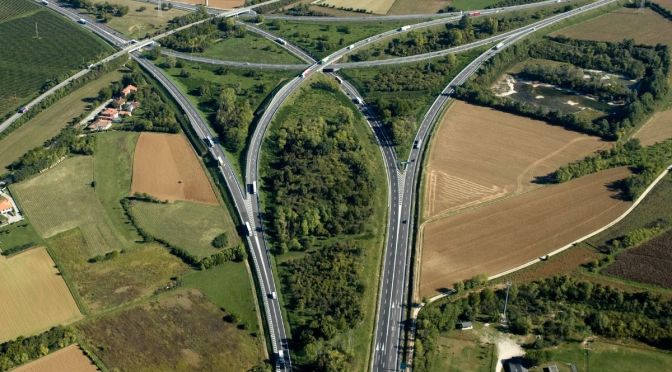
Highway engineering

What is Highway Engineering ?

Highway engineering is a subset of highway engineering. It deals with the planning, development, and upkeep of various types of roads, tunnels and bridges. It plays an important role in ensuring safe and efficient transport of people and goods. Highway engineering is a specialized field within civil engineering. It focuses on the planning, design, construction, and maintenance of highways and roads.

It plays a crucial role in ensuring the safety and efficiency of transportation networks. Understanding what is highway engineering involves recognizing its impact on daily travel and commerce. Highway engineering encompasses various aspects, including pavement design, traffic management, and environmental considerations. As a fundamental part of road and highway engineering, it addresses challenges related to traffic flow, safety, and sustainability. This makes it essential for the development of modern infrastructure.

It entails researching the following topics:

1) Highway planning, location, and growth.

2) The materials needed to build a highway.

3) The performance of highway traffic and its regulation.

4) Road drainage, etc.

Before we jump on to the details, let me tell you the importance of highway engineering.

Importance of Highway Engineering

Highway engineering is crucial for developing efficient transportation networks, enabling safe and rapid movement of people and goods. It enhances connectivity, reduces travel time, and supports economic growth. Understanding highway engineering is essential in designing roads that meet modern infrastructure needs. Road and highway engineering are vital for progress.

The Importance of roads is summarised below.

1. They provide transportation for people, commodities, raw materials, and other items to various parts of the world.

2. In hilly areas, they are the only means of contact.

4. Assists in the upkeep of law and order in a government.

Let’s talk a bit about the planning of highways in the next section.

Planning and Development of Highway Engineering

Planning and development in highway engineering focus on designing road networks that meet safety, efficiency, and environmental standards. By mastering the principles of highway engineering, engineers can optimize road and highway projects. This ensures these projects accommodate current and future traffic demands. It also minimizes environmental and community impacts.

Highway planning involves predicting existing and potential traffic volumes on a road network. This prediction is crucial for the success of highway engineering. It also forms a fundamental basis for highway construction. Highway engineers work diligently to anticipate and assess all potential civil consequences of highway systems.

Environmental impacts are key considerations in road and highway engineering. Factors such as noise pollution, air pollution, and water pollution must be addressed, along with other ecological impacts.

What are Highway Plans?

In highway engineering, highway plans or highway drawings are essential documents. They are created from data obtained during various surveys aimed at locating a highway. These plans include the main map, index map, preliminary survey plans, and other sketches related to the road project. Detailed plans for additional works like bridges, culverts, and railway crossings are also prepared.

Purposes and Objectives of Highway Plans:

  1. To understand how the highway will function.
  2. To estimate the cost of the road project.

Now, let’s explore the construction phase.

Construction of Highways: Key Aspects

Understanding what is highway construction is vital for ensuring that highways can handle traffic demands and minimize environmental impact. The following are the key aspects of construction of highways.

  • Planning and Design: In highway engineering, careful planning and design are crucial to ensure safety, efficiency, and durability.
  • Site Preparation: The initial step in road and highway engineering involves clearing, grading, and preparing the site.
  • Foundation Laying: Establishing a strong foundation is essential to support the road structure.
  • Surface Construction: Laying the road surface, typically with asphalt or concrete, completes the construction process.

In most cases, extensive surveys and subgrade planning precede highway construction. There are many aspects of highway design that can be broken down into technological and commercial components.

The following are some examples of each:

Technological Components

Technological components in highway engineering include advanced construction machinery, GPS-guided equipment, and smart traffic management systems. These technologies enhance efficiency, precision, and safety in road and highway projects.

  • Material quality
  • Installation techniques
  • Traffic

Commercial Components

Commercial components involve project financing, procurement of materials, and contract management. They ensure the economic viability of road and highway engineering projects by balancing costs, timelines, and resource allocation. 

  • Environmental considerations in contracts
  • Aspects of politics and law
  • Concerns from the public

Regardless of the project type, highway construction usually starts at the lowest elevation of the site and progresses upward. By looking over the project’s geotechnical requirements, we get an idea about the following:

  • Current ground condition.
  • Specific equipment requirement for excavation, grading, and material transportation to and from the site.
  • Properties of material to be excavated.
  • For below-grade work, dewatering requirement.
  • Excavation safety criteria
  • Quantities of water for dust control and compaction

How about the maintenance of highways? I will show you in the next section.

Maintenance of highways

The ultimate goal of highway maintenance is to correct flaws and maintain the structure and usability of the pavement. In order to construct an adequate maintenance plan, defects must be identified, recognised, and registered. Flexible and rigid pavements have different defects.

The four primary goals of highway maintenance are as follows:

  1. Repairing functional pavement defects helps to prolong the pavement’s functional and structural life. 
  2. Ensure road protection and signage.
  3. Keep the highway in a usable state
  4. Highway systems and all of their components can be kept in initial, as-built condition by following routine maintenance procedures.

Last, but not the least a bit about the safety.

Highway Engineering Safety

Highway engineering safety is important since it involves the life of people. Automated traffic signals can be used to further ensure this.

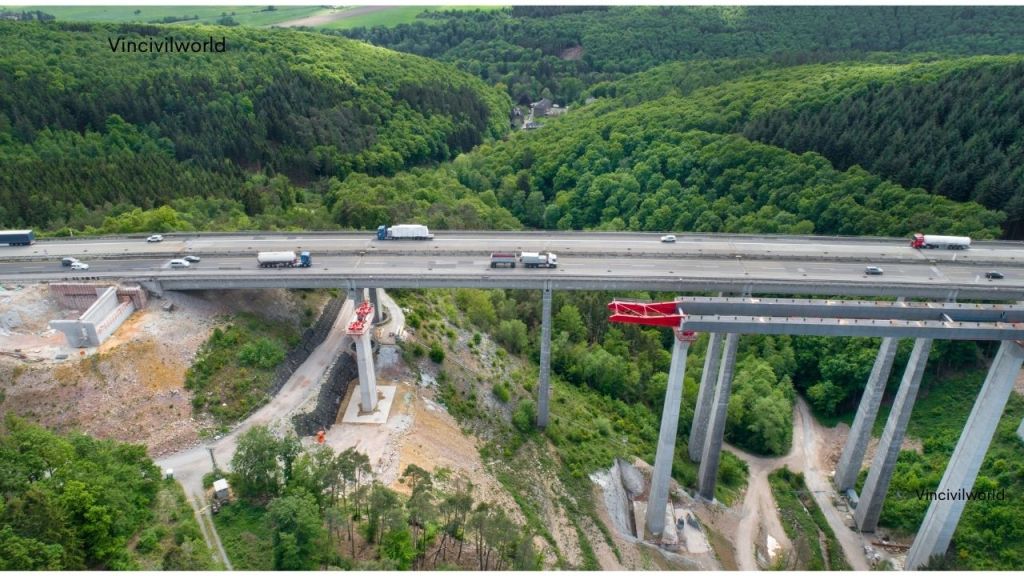
Highway under construction
  • Safety management is a comprehensive approach to reducing the frequency and severity of traffic incidents. 
  • The key to improving highway safety is to design, develop, and maintain highway structures. These structures need to be much more tolerant of the average range of man/machine interactions with highways.
  • Over time, technological advances in highway engineering have enhanced the methods used in design, construction, and maintenance.

Key Takeaways

  1. Highway Engineering: Essential in civil engineering, focusing on the design, construction, and maintenance of roads and highways.
  2. Modern Infrastructure: Plays a critical role in developing safe, efficient transportation systems that support economic growth.
  3. Environmental Considerations: Addressing noise, air, and water pollution is crucial in road and highway engineering.
  4. Technological Components: Advanced machinery and smart traffic systems enhance construction efficiency and safety.
  5. Commercial Components: Project financing, material procurement, and contract management ensure the economic viability of highway projects.

Conclusion

Highway engineering is a pivotal discipline in civil engineering, central to developing modern transportation networks. It encompasses planning, design, construction, and maintenance, with a strong emphasis on safety, efficiency, and environmental sustainability. Understanding the key aspects of road and highway engineering is crucial. This includes technological advancements and commercial considerations. These factors are essential for building infrastructure that meets current and future demands. By balancing these elements, highway engineering supports economic growth. It also enhances the quality of life through improved connectivity and reduced environmental impact. This field remains vital in shaping the future of global transportation systems.

Sustainable Cities and communities – The future essentials

Sustainable cities and communities are gaining popularity due to rapid urbanization, population growth, and pollution. They aim to achieve environmental, social, and economic sustainability for current populations without compromising the ability of future generations to do the same. According to the 2018 Revision of World Urbanization Prospects, 68% of the global population is projected to live in urban areas by 2050, with this figure expected to rise. In this blog, we will explore the concept of sustainable cities and society, examine a sustainable city model, and discuss their features, as well as the reasons for their growing prominence.

  1. What are Sustainable Cities and Communities ?
    1. Sustainable city – Definition and Key features
    2. Sustainable community -Definition and Importance
  2. Importance of Sustainable City model
  3. Sustainable City Model – Benefits
  4. Features of Sustainable Cities
    1. Urban Agriculture and Urban Forests
      1. Contribution of Urban Farming in a Sustainable City
    2. Sustainable Transportation
      1. Car-free Cities
      2. Urban Proximity
    3. Energy Conservation
    4. Green Buildings
    5. Effective Waste Management Strategies
    6. Recycling and Circular Economy Practices
      1. Recycling
      2. Circular Economy Practices
  5. Economic Benefits of sustainable city model
    1. Economic Advantages of Sustainable Cities
    2. Business Opportunities in Sustainable Development
  6. Challenges and Solutions of Sustainable Cities
    1. Challenges
    2. Solutions
    3. Sustainable Cities of the World
  7. The Future Outlook for Sustainable Cities and Communities
  8. Call to Action for Creating a Sustainable Future
  9. Conclusion

What are Sustainable Cities and Communities ?

Sustainable cities and communities are those that are dedicated to achieving environmental, social, and economic sustainability for existing populations. However, the concept doesn’t put at risk the ability of future generations to have the same experience. We will go through the definition of each of the terms.

  • Sustainable Cities
  • Sustainable communities

Sustainable city – Definition and Key features

A sustainable city balances environmental, social, and economic needs. This aims to provide residents with a high quality of life while safeguarding resources for future generations.

Key features of sustainable cities include efficient public transport, renewable energy sources, ample green spaces, and robust waste reduction programs. Generally, these cities prioritize economic opportunities alongside social equity. They focus on minimizing energy usage, conserving water, and optimizing food production. Additionally, they aim to drastically reduce waste and heat emissions while lowering carbon footprints through sustainable practices.

Sustainable Cities and Communities

Urban planning integrates smart technology and innovative design to build resilient infrastructure. This basically ensures long-term environmental health, economic prosperity, and social well-being for all residents.

Sustainable community -Definition and Importance

Sustainable communities are essential for our future. Together, they ensure that we meet our needs today without compromising the ability of future generations to meet theirs. Here’s why they matter:

  • Environmental Impact: Sustainable practices reduce waste and preserve natural resources. Consequently, they contribute to mitigating climate change.
  • Public Health: Clean air, water, and energy sources improve community well-being. Additionally, they reduce healthcare costs and enhance quality of life.
  • Active Transportation: Walking and biking options reduce pollution and promote health. Moreover, they ease traffic congestion and enhance urban livability.
  • Renewable Energy: Using solar and wind power lowers greenhouse gas emissions. Consequently, it supports energy independence and reduces reliance on fossil fuels.
  • Local Economy: Supporting local businesses and agriculture boosts economic resilience. Furthermore, it fosters community pride and enhances economic diversity.
  • Social Equity: Access to affordable housing, healthcare, and education for all ensures fairness and opportunity. Additionally, it reduces disparities and promotes inclusive growth.
  • Resilience: Collaborative efforts build strong communities prepared for challenges. Therefore, they enhance disaster preparedness and community cohesion.

“Together, these elements create neighborhoods that are not only environmentally friendly but also socially and economically robust, ensuring a sustainable and equitable future.”

Now that we’ve explored sustainable cities and communities, let’s delve into why they are essential.

Importance of Sustainable City model

According to the UN Environment Programme, contemporary cities grapple with several critical challenges. Basically, these include

  • Environmental degradation
  • Traffic congestion
  • Insufficient urban infrastructure
  • Shortage of basic services such as water supply and sanitation
  • Waste management

Despite covering a mere 3% of the Earth’s land, cities consume 60 to 80% of global energy and produce over 70% of carbon emissions. Consequently, prioritizing the development of clean, resilient, and sustainable cities stands as a paramount goal within the UN Sustainable Development Agenda.

By addressing these challenges through innovative urban planning, renewable energy adoption, and enhanced infrastructure, cities can mitigate their environmental footprint while improving the quality of life for residents. This approach not only promotes a sustainable city model but also contributes to global efforts in combating climate change and fostering equitable economic growth.

Sustainable City Model – Benefits

  • A sustainable city model encourages economic development and meets the basic needs of its residents while also ensuring that all residents live in safe and healthy environments.
  • A sustainable city model provides a long-term way of life in all four domains: ecology, economics, politics, and culture and can solve all the problems faced by modern-day cities.
  •  Richard Florida, an urban studies theorist, focuses on the social effect of sustainable cities, stating that cities should foster a great people environment that appeals to individuals and families of all sorts, rather than just a competitive business climate.
  • As a result, a transition to a sustainable urban living will provide a venue for social interaction and create conditions conducive to human flourishing.
  • Sustainable city model will also encourage the use of public transportation, walkability, and biking, both of which would improve both residents’ health and the environment.

Let’s go for a trip through a sustainable city and learn its features.

Features of Sustainable Cities

“Sustainable urban planning focuses on principles that enhance livability and resilience in cities:

  • Urban Agriculture and Urban Forests
  • Sustainable Transportation
  • Energy Conservation
  • Green Buildings
  • Effective Waste Management Strategies
  • Recycling and Circular Economy Practices
  • Mixed Land Use
  • Community Engagement

These principles aim to create cities that are environmentally sustainable, socially inclusive, and economically vibrant, meeting the needs of current and future generations.”

Urban Agriculture and Urban Forests

Urban agriculture is the method of growing and distributing food, as well as raising livestock, in and around a city or urban areas. It strongly links and depends on the urban ecosystem in the following ways:

  • Use of urban residents as key workers 
  • Use of typical urban resources (such as organic waste as compost or urban wastewater for irrigation)
  • Direct links with urban consumers
  • Direct impacts on urban ecology (both positive and negative)
  • Being a part of the urban food system
  • Being influenced by urban policies and plans are all examples of such linkages.
Urban forest of Sustainable cities

Let’s have a look at how urban farming contributes in making a city sustainable.

Contribution of Urban Farming in a Sustainable City

  • Energy used to transport food is decreased when urban agriculture can provide cities with locally grown food.
  • Urban agriculture’s energy-efficient design will minimise each city’s carbon footprint thereby reducing the amount of transportation required to deliver goods to consumers. 
  • Mostly, such areas can serve as carbon sinks, absorbing some of the carbon that urban areas naturally accumulate. 
  • Produce grown in urban gardens is often thought to be more flavorful and appealing than produce purchased in stores. 
  • Increased consumption of fruits and vegetables is linked to a lower risk of disease, and urban agriculture. Generally, this can be a cost-effective way to provide residents with fresh produce in urban areas.

Sustainable Transportation

Sustainable transportation aims to create a more environmentally responsible and socially equitable urban core. This altogether reduces a city’s dependence and use of greenhouse gases by combining

  • Eco-friendly urban development
  • Low-emission cars
  • Residential proximity

Basically, transportation networks currently account for about a quarter of global energy consumption and CO2 emissions. Since transportation services have such a large effect on a city’s energy use, planning experts have placed a greater focus on sustainable transportation in the last decade. Some of the key areas of focus are:

Car-free Cities

  • Car-free cities or cities with significant pedestrian areas are often included in the design of a sustainable city.
  • The car-free idea is often considered an important part of the design of a sustainable city.
  • Following the COVID-19 lockdown, large areas of London will be made car-free to enable people to walk and cycle safely.
Car free cities of sustainable cities

Urban Proximity

  • Urban proximity necessitates the construction and expansion of cities with sufficient population and landmark density so that destinations can be reached in less time.
  • This reduced time in transit reduces fuel consumption and makes alternative modes of transportation, such as biking and walking, more available.

Energy Conservation

Sustainable cities prioritise the use of renewable energy sources to reduce and manage emissions. Renewable energy is the energy obtained from sources that are naturally replenished on a human time scale such as wind turbines, solar panels, or bio-gas generated from sewage.

Sustainable cities  minimise the need for air conditioning (a huge energy demand) by:

  • Planting trees 
  • Lightening surface colours
  • Using natural ventilation systems 
  • Creating green spaces covering at least 20% of the city’s surface 
  • These interventions combat the “heat island effect” caused by an excess of tarmac and asphalt, which can make urban areas several degrees warmer than rural areas—up to six degrees Celsius in the evening. 
Green Roof : Sustainable cities
  • Green roofs help to reduce the urban heat island effect by altering the surface energy balance. However, Air quality, environment, and water runoff are all benefited from incorporating eco-roofs or green roofs in sustainable cities.
  • Sustainable cities also adopt xeriscaping, rainwater harvesting, hydroponics etc for water conservation. 

Green Buildings

Sustainable Cities promote LEED-certified green buildings. LEED, or Leadership in Energy and Environmental Design, is a green building certification scheme that is used all over the world. A building may have a variety of features that make it “green.” Let’s have a look at some of them:

  • Power, water, and other resources are used more efficiently.
  • Use of renewable energy sources.
  • Steps to reduce pollution and waste, as well as the facilitation of re-use and recycling.
  • Satisfactory indoor air quality.
  • Non-toxic, ethical, and long-lasting products are used.

Effective Waste Management Strategies

Effective waste management aims to reduce environmental impact and conserve resources. Key strategies include:

  • Recycling: Convert waste into reusable materials.
  • Composting: Turn organic waste into valuable soil amendments.
  • Circular Economy Practices: Design products for durability, reuse, and recycling.
  • Waste Segregation: Ensure hazardous and non-recyclable waste is disposed of safely.
  • Public Awareness and Education: Promote sustainable waste practices through campaigns.

Recycling and Circular Economy Practices

Recycling

  • Material Recovery: Collect and process waste materials to create new products, thereby reducing the need for virgin resources.
  • Waste Reduction: Decrease the amount of waste sent to landfills by reusing materials.
  • Energy Savings: Manufacturing products from recycled materials often requires less energy than producing them from new materials.
  • Environmental Protection: Reduces pollution and conserves natural resources by limiting the extraction and processing of raw materials.

Circular Economy Practices

  • Product Design: Create products with longer life spans, easy repairability, and recyclability to minimize waste.
  • Resource Efficiency: Maximize the use of resources by keeping them in use for as long as possible through reuse, remanufacturing, and recycling.
  • Waste as a Resource: Treat waste as a resource to be recovered and reused, rather than discarded.
  • Sustainable Business Models: Implement models like leasing, sharing, and product-as-a-service to reduce the need for new products and encourage efficient resource use.
  • Lifecycle Thinking: Consider the environmental impact of products throughout their entire lifecycle, from production to disposal.

Economic Benefits of sustainable city model

Sustainable cities provide economic benefits by enhancing efficiency, creating jobs, reducing costs, attracting investment, and improving property values.

Economic Advantages of Sustainable Cities

  • Increased Efficiency: Sustainable cities optimize resource use, thereby reducing waste and costs.
  • Job Creation: Green industries and technologies create new employment opportunities.
  • Health Benefits: Improved air and water quality reduce healthcare costs and increase productivity.
  • Attracting Investment: Sustainability initiatives draw investors seeking eco-friendly projects.
  • Enhanced Property Values: Green infrastructure and amenities boost property desirability and values.
  • Cost Savings: Energy-efficient buildings and public transport reduce utility and transportation costs for residents and businesses.

Business Opportunities in Sustainable Development

  • Renewable Energy: Invest in solar, wind, and other renewable energy sources.
  • Green Construction: Develop eco-friendly buildings and infrastructure.
  • Waste Management: Innovate in recycling, composting, and waste-to-energy solutions.
  • Sustainable Agriculture: Promote organic farming, urban agriculture, and sustainable food systems.
  • Eco-Tourism: Create experiences that highlight natural beauty and conservation efforts.
  • Sustainable Products: Develop and market products made from recycled or sustainable materials.
  • Consulting Services: Offer expertise in sustainability practices to businesses and governments.

Challenges and Solutions of Sustainable Cities

Challenges

  1. High Initial Costs: Implementing sustainable infrastructure requires significant upfront investment.
  2. Public Awareness: Limited understanding and support for sustainable practices among residents.
  3. Regulatory Barriers: Outdated laws and policies that hinder sustainable development.
  4. Urban Planning Complexity: Integrating new technologies into existing infrastructure poses challenges.

Solutions

  1. Public-Private Partnerships: Share costs and risks between government and private sectors.
  2. Incentives and Subsidies: Offer tax breaks and financial support to encourage sustainability.
  3. Education and Awareness Campaigns: Inform and engage the public on the benefits of sustainability.
  4. Policy Reform: Update regulations to facilitate the adoption of sustainable technologies.
  5. Best Practice Adoption: Learn from successful global examples and tailor solutions locally.
  6. Community Engagement: Involve residents in decision-making to ensure buy-in and effectiveness.

Sustainable Cities of the World

  1. Adelaide – Australia
  2. Bafut – Cameroon
  3. Victoria – Canada
  4. Vancouver – Canada
  5. Tianjin – China
  6. Turku – Finland
sustainable city - Adelaide
sustainable city – Adelaide

The Future Outlook for Sustainable Cities and Communities

The future of sustainable cities and communities holds promise amidst ongoing challenges. Generally, as urbanization accelerates globally, the imperative to embrace sustainability becomes ever more critical. Sustainable practices not only mitigate environmental impact but also enhance economic resilience, improve public health, and foster inclusive growth. By investing in renewable energy, efficient infrastructure, and smart urban planning, cities can reduce carbon footprints while creating vibrant, livable spaces for residents. Collaboration between governments, businesses, and communities is essential to overcome financial barriers and regulatory hurdles.

Call to Action for Creating a Sustainable Future

To build sustainable cities and communities, stakeholders must act decisively. However, governments should prioritize policies that incentivize green technologies and urban planning strategies. Businesses can innovate sustainable solutions and adopt responsible practices. Communities must engage actively, advocating for sustainable development in local decision-making processes. Educational initiatives should promote awareness and empower individuals to adopt eco-friendly behaviors. However, by integrating these efforts, we can transform urban landscapes into resilient, inclusive, and environmentally conscious hubs that meet the needs of current and future generations. Generally, embracing sustainability today ensures a brighter and healthier tomorrow for all.

Conclusion

  • To sum up, Sustainable cities are those that address the social, economical and environmental aspects of sustainability by adopting urban farming, sustainable transportation, conserving energy, reducing emissions and pollution and promoting green buildings.
  • Sustainable cities aren’t merely a lofty target for urban planners and environmentalists, however, they are essential in the fight against climate change.
  • Flooding, heat waves, contaminated water sources, and other disasters can all be mitigated with sustainable infrastructure.
  • Moreover, disease spread can be reduced or eradicated through smart, sustainable urban planning, as demonstrated during the coronavirus pandemic.
  • Generally, cities that decrease their vulnerability to climate change and other natural disasters will face fewer property damage, insurance losses, and fatalities, making sustainable urban practices vital for long-term success.

Road Pavement Layers – Components and Functions

Road pavement layers play a critical role in infrastructure development, significantly impacting a country’s economic growth. Constructing roads necessitates a careful assessment of traffic patterns, climate variations, and terrain characteristics. As a result, these layers must withstand abrasion, heavy loads, and diverse environmental conditions to ensure durability and prevent structural failures. Therefore, this article explores the essential components of road pavement layers, with a particular emphasis on flexible pavement structures.

  1. Road Pavement Layers and their functions
    1. Subgrade of a Road Pavement
      1. Functions of Subgrade
    2. Sub-base Course of a Road Pavement Layer
      1. Functions of Sub-base Course
    3. Base Course
      1. Functions of Base Course:
    4. Surface Course or Wearing Course
      1. Functions of Surface or Wearing Course:
  2. Key Takeaways on Road Pavement Layers
  3. Conclusion

Road Pavement Layers and their functions

A road pavement is a multi-layered structure designed to support and distribute traffic loads, provide a smooth driving surface, and withstand environmental stresses. Each layer has a specific function, working together to ensure durability, stability, and long-term performance of the roadway.

The layers of a road pavement structure include:

  1. Subgrade or roadbed
  2. Sub-base course
  3. Base course
  4. Surface course or wearing course
ROAD PAVEMENT STRUCTURE
Concrete road layers

Subgrade of a Road Pavement

The Subgrade, composed of compacted natural soil, forms the foundation for road Pavement layers. It serves as the finished or compacted surface where the formation supporting the pavement rests. Whether an embankment, cutting, or aligned with natural ground, its load-bearing strength is evaluated by the California Bearing Ratio (CBR) test. Locally sourced, robust, and cost-effective materials typically compose the Subgrade, crucial for structural integrity.

SUB GRADE PREPARATION FOR ROAD PAVEMENT LAYERS
SUB GRADE PREPARATION
Concrete road layers : Subgrade preparation

Functions of Subgrade

  • Serves as the foundation and provides uniform support to the road pavement layers.
  • Bears the entire load of the pavement along with the service load of traffic.

Sub-base Course of a Road Pavement Layer

The sub-base course is positioned between the subgrade and the base course within the framework of road pavement layers. It requires materials that meet strict criteria for size, strength, and flexibility. This layer is crucial when the subgrade quality is inadequate. It often needs additional materials like burnt clinkers, gravel, or slag to enhance its strength.

Functions of Sub-base Course

  • Enhancing the bearing capacity of the subgrade and improving the load distribution of the base course and wearing course.
  • The sub-base course also prevents the entry of finely graded subgrade soil into the base course layer.
  • Additionally, it prevents the capillary rise of water and facilitates the free drainage of water entering the pavement.
  • Moreover, the sub-base material must be free-draining, with suitable systems in place to collect and remove accumulated water.
  • It provides insulation to subgrades against frost. It also helps to raise the pavement height to align with the natural water table.
  • Lastly, it offers a solid stratum for subsequent construction activities.

Base Course

The base course is a pivotal element in road pavement layers. It comprises one or more layers of specified or select material. These layers have a designed thickness. It is positioned on the sub-base or directly on the subgrade in the absence of a sub-base layer. This crucial layer provides uniform and stable support for the binder and surface courses within the road pavement layers.

Additionally, responsible for transferring stresses from traffic impacts to the wearing course, the base course ensures structural integrity. To adhere to technical standards, high-quality crushed aggregates are typically utilized. If these aggregates do not meet requirements, they can be reinforced with Portland cement, lime, or asphalt. Moreover, for superior durability and performance in high-quality pavements, these aggregates undergo treatment with asphalt or Portland cement.

BASE COURSE OF ROAD LAYER
Concrete road construction - Base course
Concrete road construction – Base course

Functions of Base Course:

  • Acts as the foundation of the road pavement and safely transfers traffic load to the sub-base and subgrade.
  • Withstands high shearing stresses due to traffic impact.
  • Prevents undesirable entry of subgrade soil into the pavement when constructed directly over the subgrade.

Surface Course or Wearing Course

The surface course is also known as the wearing course. It is the topmost layer in road pavement layers. This layer is directly exposed to traffic. In flexible pavements, this layer typically consists of bituminous material. Rigid pavements utilize concrete. The concrete serves both as the base and wearing course. The primary role of the wearing course is to minimize water percolation. It also provides a durable, anti-skid surface. This surface resists abrasion caused by traffic.

Concrete road construction - Wearing Course
Concrete road construction – Wearing Course

Functions of Surface or Wearing Course:

  • Provides a smooth and uniform rigid surface.
  • Resists abrasive forces from traffic.
  • Prevents dust nuisance.
  • Acts as a structural component of the pavement.

Key Takeaways on Road Pavement Layers

  1. Components: Road pavement consists of four primary layers: subgrade, sub-base, base course, and surface course.
  2. Subgrade: Acts as the foundational layer, providing uniform support and load-bearing capacity.
  3. Sub-base Course: Enhances bearing capacity, improves load distribution, prevents soil migration, and facilitates drainage.
  4. Base Course: Transfers traffic loads to the subgrade, withstands shearing stresses, and prevents subgrade soil intrusion.
  5. Surface Course: The top layer exposed to traffic, designed for durability, skid resistance, and water percolation minimization.
  6. Durability: Each layer plays a critical role in the road’s structural integrity. It also impacts its longevity. This necessitates careful material selection and construction practices.
  7. Load Distribution: Proper design and construction ensure that the pavement can withstand traffic loads and environmental conditions effectively.

These insights emphasize the need to understand each layer’s role. This understanding is crucial for the overall pavement structure. It ensures effective road construction and maintenance.

Conclusion

In road construction, each layer of the pavement structure plays a vital role. These layers ensure both the durability and functionality of the road. Starting with the subgrade providing foundational support, the sub-base enhances load distribution and drainage. The base course offers structural strength. The surface course provides a smooth and durable riding surface. These layers work together seamlessly to create a resilient and long-lasting road.