Category Archives: architectural finishes

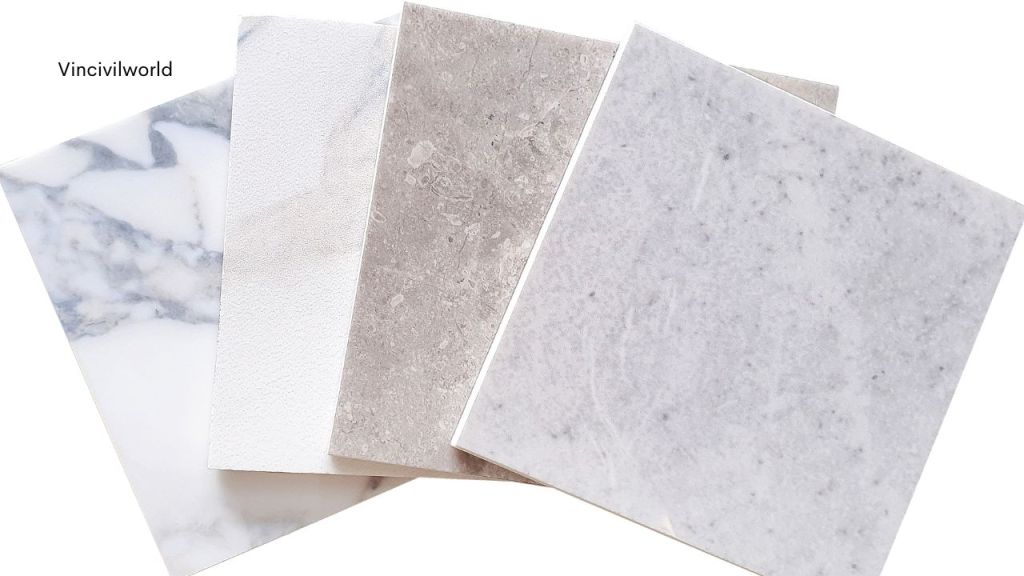
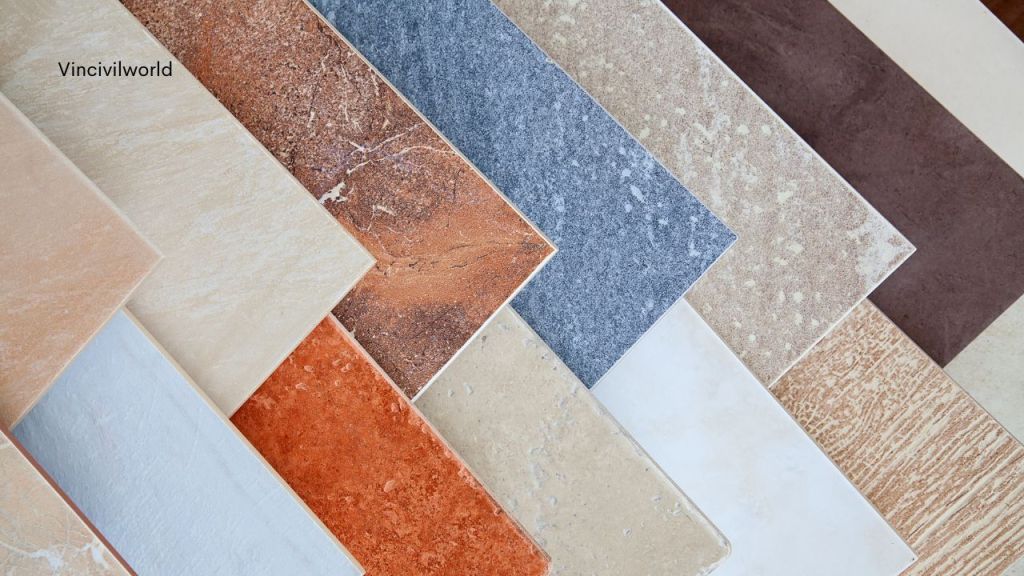
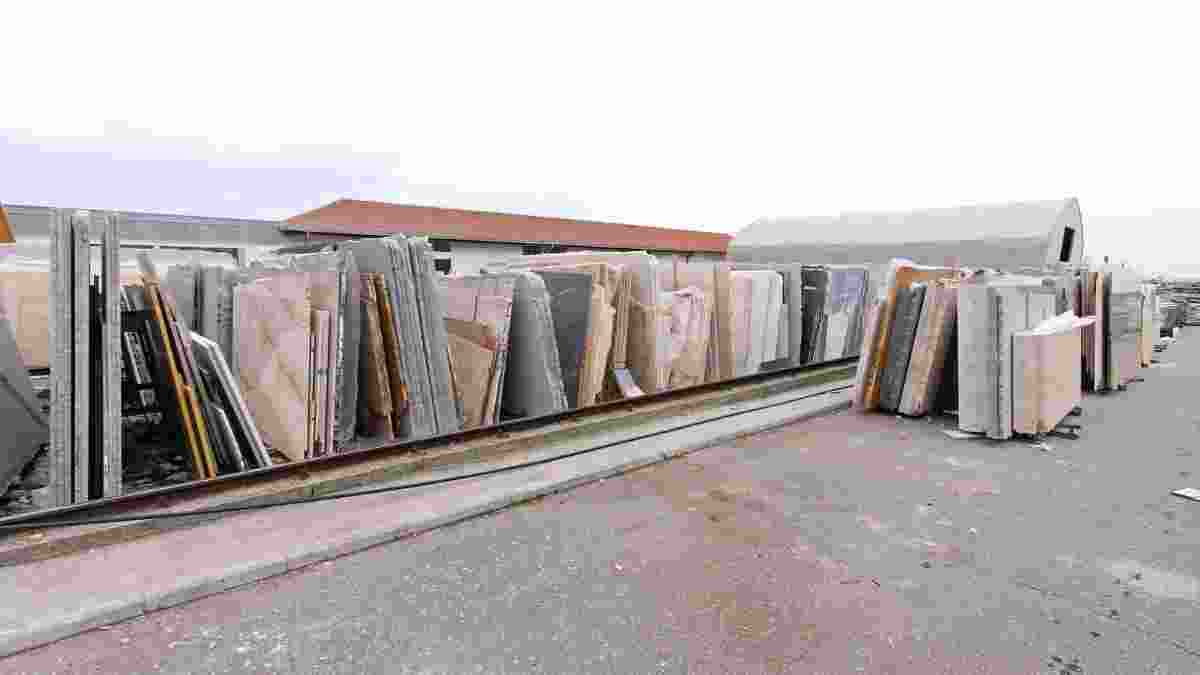
Architectural finishes in a holistic sense can refer to a variety of textures, , colours and materials and refers to hard and soft permanently fixed finishes such as plaster or render and other surface coatings, such as paint. Architectural finishes can be in form of  Vitrified tiles for flooring, ceramic tiles, False ceiling, textured paints, dry walls, facades, aluminium doors and windows, UPVC doors and windows, Epoxy painting, plastic emulsion, Plaster of Paries, natural stones like marble, granite etc

IPS Flooring – Types , applications and Methodology

IPS flooring, also known as Indian Patent Stone flooring, is a popular type of flooring widely used in commercial and industrial spaces. It is a durable, cost-effective solution providing a smooth surface. IPS floor consists of a mixture of cement, aggregates, and pigments, which is poured onto a prepared base and then finished to achieve the desired level and texture. It offers excellent strength, resistance to heavy loads, and easy maintenance, making it suitable for areas with high foot traffic. IPS floor is a reliable choice for creating functional and aesthetically appealing floors in various settings.

What is IPS flooring ?

IPS flooring (Indian Patent Stone flooring) is a versatile and durable flooring solution. It is also cost-effective. It is widely used in commercial, industrial, and residential spaces. IPS flooring is made from a mix of cement, aggregates, and pigments. It delivers excellent strength and smooth finishes. It also offers long-lasting performance under heavy loads. Available in various types such as plain, coloured, decorative, and polished, it offers both functionality and design flexibility. Its easy installation, low maintenance, and eco-friendly composition make it a preferred choice for high-traffic areas. IPS flooring also incorporates strips for expansion control, enhancing durability. From installation methodology to benefits of IPS flooring, this solution remains a reliable option for creating strong, safe, and visually appealing floors tailored to diverse project needs.

  1. What is IPS flooring ?
  2. Features of IPS Floors
  3. Types of IPS Floors
  4. Main ingredients of IPS floor
  5. Strips in IPS flooring
  6. Installation methodology of IPS flooring

Features of IPS Floors

IPS flooring offers several key features that make it a popular choice:

  1. Durability: IPS floor is highly durable and can withstand heavy loads and constant foot traffic, making it ideal for commercial and industrial spaces.
  2. Cost-effective: It is a cost-effective flooring option compared to alternatives like marble or tiles, making it a budget-friendly choice for many projects.
  3. Easy maintenance: IPS floor requires minimal maintenance, with regular cleaning being sufficient to keep it in good condition.
  4. Versatility: It can be customized to achieve various textures, patterns, and colours, allowing for creative design possibilities.
  5. Strength: IPS floor provides excellent stability and resistance to wear, making it suitable for areas that require long-lasting flooring solutions.
  6. Installation flexibility: It can be poured and finished on-site, allowing for customization and adaptation to the specific requirements of the space.
  7. Eco-friendly: IPS floor is made from natural materials like cement and aggregates, making it an environmentally friendly flooring option.
  8. Non-slip properties: The texture of the IPS floor provides a non-slip surface, enhancing safety in areas prone to moisture or spills.
IPS FLOOR

Types of IPS Floors

IPS flooring offers various types to suit different requirements:

  1. Plain IPS Floor: It is the standard type, providing a smooth and level surface suitable for most applications.
  2. Coloured IPS Floor: We add pigments or dyes to the IPS mixture, which enables us to create customized colours and explore various decorative possibilities.
  3. Decorative IPS Floor: This type incorporates designs, patterns, or logos into the flooring, adding aesthetic appeal to the space.
  4. Epoxy IPS Flooring: The IPS mixture enhances durability, and chemical resistance, and provides a glossy finish by mixing epoxy resin with it.
  5. Stamped IPS Flooring: During the finishing process, texture mats or stamps create patterns resembling natural materials like stone, brick, or wood.
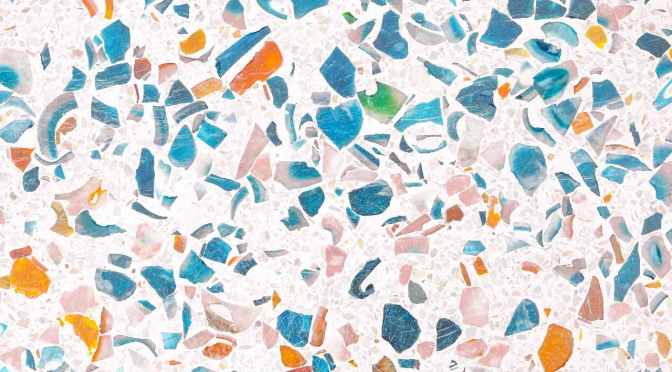
  6. Polished IPS Flooring: To achieve a smooth and shiny finish that enhances the overall appearance, we use abrasives to polish the surface.
  7. Anti-static IPS Flooring: It contains special additives to minimize static electricity, making it suitable for sensitive electronic environments.
  8. Self-levelling IPS flooring pours and spreads evenly, levelling itself automatically to create a smooth and seamless surface.

Main ingredients of IPS floor

IPS flooring typically consists of a mixture of cement, aggregates, pigments, and water. The specific proportions of these ingredients may vary depending on the desired strength and characteristics of the flooring. Cement acts as a binding agent, while aggregates like sand and crushed stone provide stability and strength. To achieve desired colours or decorative effects, you add pigments. You use water to mix the ingredients into a workable consistency. Additionally, you can include additives like plasticizers or admixtures to enhance workability, improve curing, or provide specific properties such as water resistance or chemical resistance.

IPS FLOOR

Strips in IPS flooring

Strips in IPS floor serve as control joints or expansion joints. These strips serve the purpose of accommodating the natural movement and expansion of the flooring due to temperature changes. They are commonly made of materials such as PVC, glass, or metal and are installed to fulfil this function. These strips help prevent cracking and maintain the structural integrity of the IPS flooring.

Strips, such as control joints or expansion joints, are highly recommended for IPS floors. While not always mandatory, they serve important purposes in ensuring the long-term durability and integrity of the flooring. These strips accommodate the natural movement and expansion of the floor due to temperature changes, preventing cracks and structural damage. Additionally, they help control the formation of shrinkage cracks and provide a designated area for any potential future repairs or modifications. The utilization of strips is generally regarded as beneficial and advisable for installations of IPS flooring.


PVC Strips: PVC (Polyvinyl Chloride) strips are commonly used as control joints in IPS flooring. They provide flexibility, durability, and resistance to moisture, making them suitable for various applications.

Metal Strips: Metal strips, often made of aluminium or stainless steel, offer strength and stability. They provide effective control joints and can withstand heavy loads and traffic.

Rubber Strips: Rubber strips are flexible and offer excellent shock absorption and noise reduction properties. They are commonly used in areas where vibration control and comfort are important.

Fibre Strips: Fiber strips, made from materials like fibreglass or carbon fibre, offer high tensile strength and resistance to cracking. They are commonly used as expansion joints in IPS flooring.

Foam Strips: Foam strips, typically made of closed-cell polyethylene foam, provide cushioning and flexibility. They are effective in absorbing impact and reducing noise transmission in IPS flooring.

Installation methodology of IPS flooring


The installation methodology of IPS flooring typically involves the following steps:

  1. Surface Preparation: Thoroughly clean the existing floor surface, ensuring it is free from dust, dirt, grease, or any other contaminants. Remove any loose or damaged portions if necessary.
  2. Base Preparation: Prepare a base layer using a mixture of cement and coarse sand. Spread it evenly on the cleaned surface, compacting and levelling it to establish a stable foundation for the IPS flooring.
  3. Mixing IPS Mixture: Combine cement, aggregates (such as fine sand and crushed stone), pigments (if desired), and water to prepare the IPS mixture. Thoroughly mix until achieving a consistent and workable consistency.
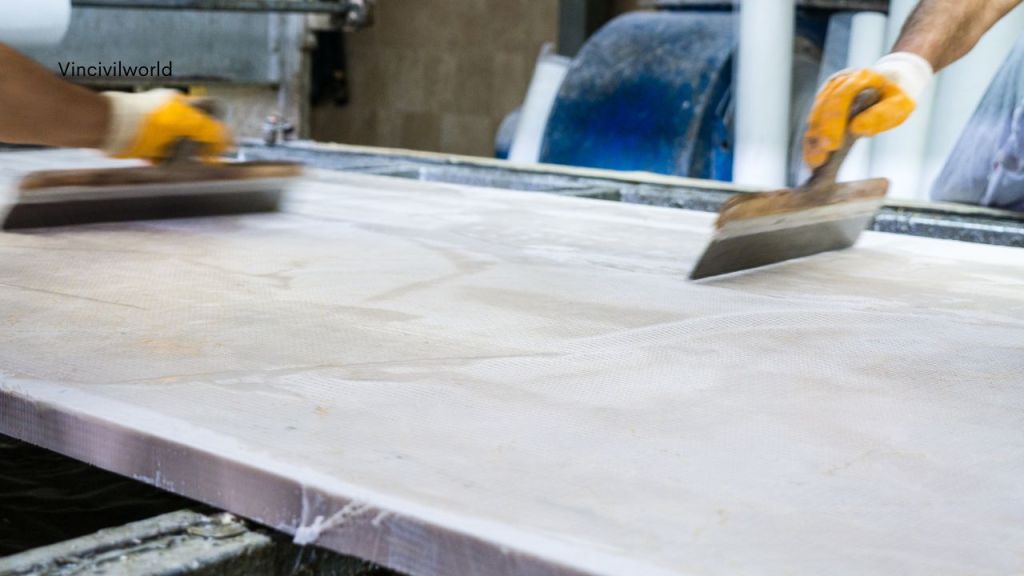
  4. Pouring and Spreading: Pour the mixed IPS mixture onto the prepared base in sections. Spread and level it using trowels or screeding techniques to achieve the desired thickness and evenness.
  5. Finishing: Use tools like trowels or power floats to smoothen the surface, eliminating imperfections. Apply texture or pattern stamps if desired.
  6. Curing: Allow the freshly installed IPS flooring to cure for a specific period. Cover it with a curing compound or use wet curing methods to ensure proper hydration and strength development.
  7. Cleaning and Sealing: After the curing period, clean the surface to remove any residue or loose particles. Consider applying an appropriate sealant to enhance the durability and stain resistance of the IPS flooring.

It’s important to note that the exact installation methodology may vary depending on specific project requirements and the recommendations provided by the manufacturer or flooring experts.

Flushing door/Flush door – Types and applications

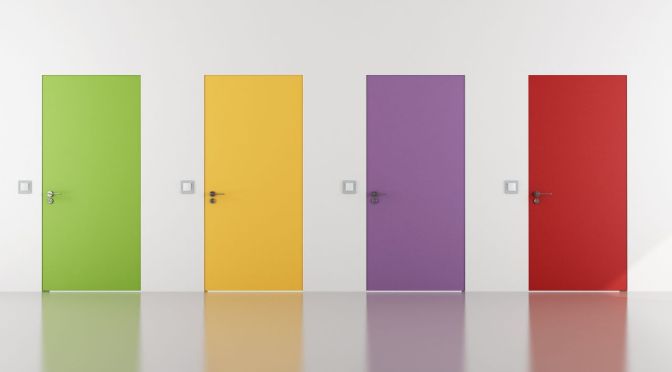
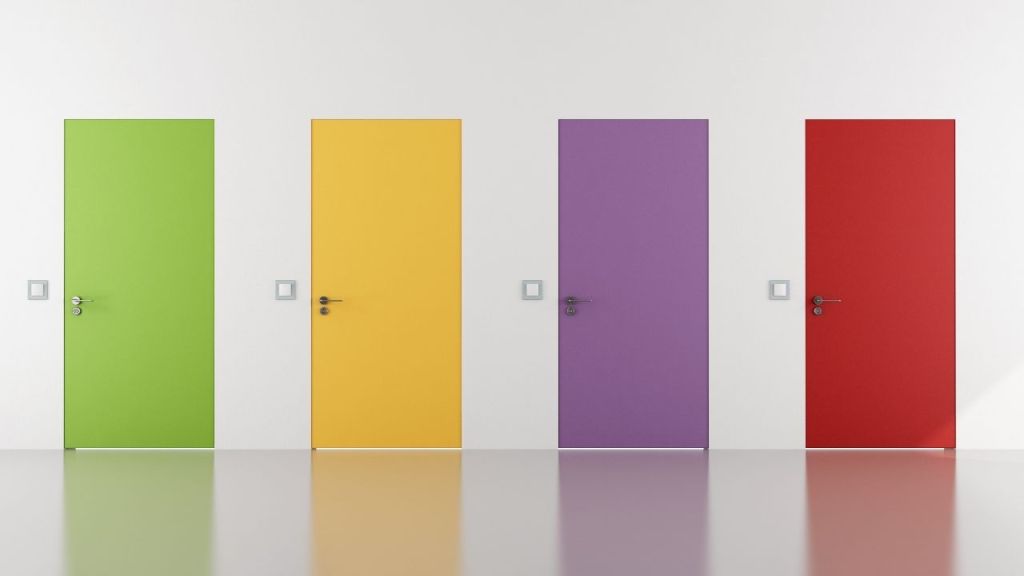
Flushing door or flush doors are internal doors with a basic and elegant form, a level surface, and minimum decoration. The door panels are flush with the frame, hence the name “flush door.” Flush doors are popular in modern architectural design because of their clean, minimalist appearance and adaptability.

Doors obstruct or provide access to an entrance or exit to a building, room, or vehicle. Doors are essential for providing security and privacy. They can be made of various materials, including wood, metal, glass, or composites. They come in different forms. Doors are outfitted with a range of hardware such as locks, handles, hinges, and closers. This is to limit access and facilitate smooth operation. The type of door and hardware used depends on the intended purpose and location. For example, residential doors are typically more aesthetically pleasing, while commercial doors prioritize functionality and durability. Doors are essential in building construction and architecture because they can contribute to the overall aesthetics of a room.

This article is about Flush doors and types of flush doors used in building construction and architecture.

  1. What is a flushing door or flush door?
  2. Different types of flushing doors
    1. Solid Core flushing/flush Doors
    2. Cellular core flush door
    3. Hollow core flush door
    4. Fire-rated flush Door
    5. Louvered Flushing Door
    6. Acoustic flushing door
  3. Key Takeaways
  4. Conclusion

What is a flushing door or flush door?

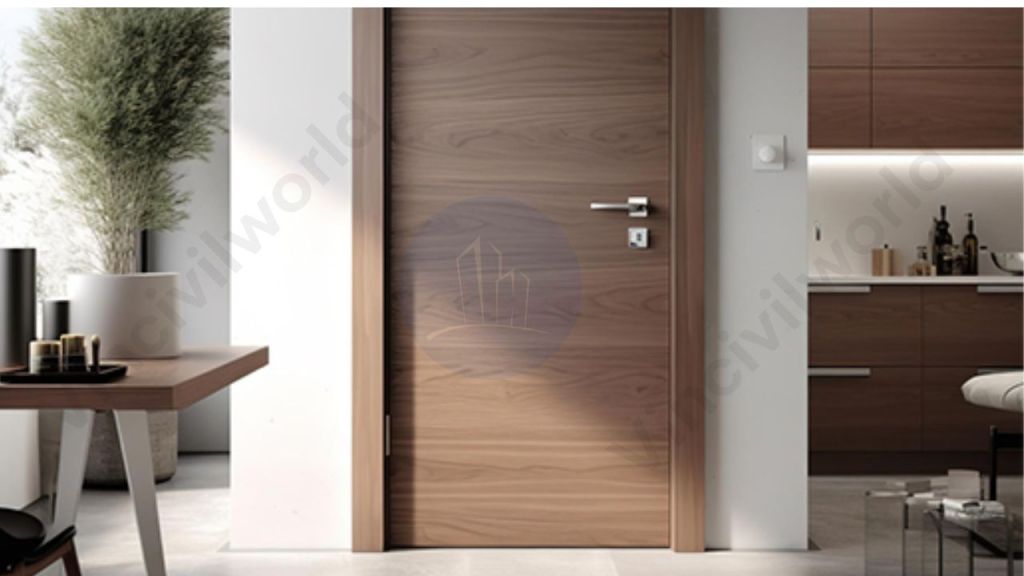
A flush door is an interior door with a smooth, flat surface and no decoration or raised panels. The door panels are flush with the frame, giving the door its name. These doors have a wooden frame with plywood, MDF, or natural wood fixed on both sides. The top surface is finished with laminated sheets, veneers, paint, etc., resulting in a standardized and straightforward appearance. Flush doors are commonly constructed using wood in residential buildings due to their attractive and rich appearance. Poplar, mango, or pine wood can be used to construct the doors.

Solid Core Flush Door

Different types of flushing doors

Flush doors are classified into different types. Classification is based on the materials used, the manufacturing method, the finish, and the location of the application.

The following are a few examples of common flush door designs:

  • Solid Core Flush Doors
  • Hollow Core Flush Doors
  • Cellular core flush door
  • Fire-rated flush door
  • Louvered flush door
  • Acoustic flush door

Let us discuss different types of flush doors in detail

Solid Core flushing/flush Doors

The manufacturers sandwich a solid core between two thin sheets of plywood or MDF. The core is made of particleboard, MDF, or solid wood. This construction provides a flush surface on both sides of the door. They then veneer the door with real wood or decorative laminate. These doors typically consist of robust and mineral-based timber and use a variety of materials. The materials they use include blockboard, laminated core, cross band, face wood veneer, and particle board.

This construction method improves the door’s durability and resistance to damage compared to a hollow core door. Solid-core flush doors find frequent use in both residential and commercial structures. This is because of their excellent sound insulation and privacy features.

Solid core flush door
Solid Core flush door

Solid-core flush doors are popular due to their customization options and affordability compared to solid wood doors. Solid core flush doors come in various sizes and styles, including panel and slab options. They can also be purchased with a range of hardware options, including hinges, handles, and locks.

Cellular core flush door

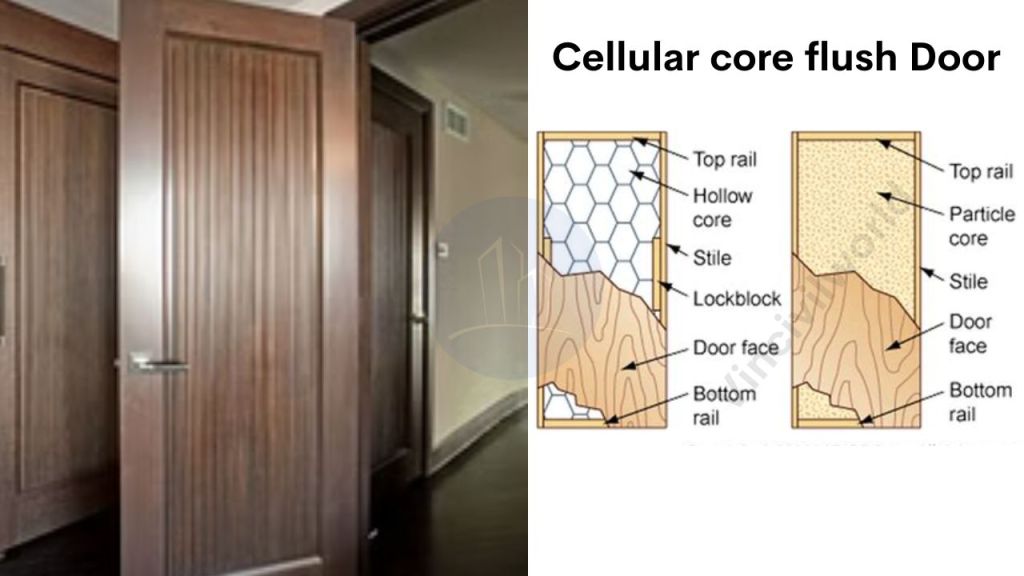
The cellular core flush door comprises a hollow core made up of a honeycomb or grid-like structure. The core is then sandwiched between two thin sheets of plywood or MDF. This creates a flush surface on both sides of the door. This construction method creates a lightweight and cost-effective door that is still sturdy and durable.

The core of cellular core flush doors consists of a honeycomb or grid-like structure. The materials used to construct the core include cardboard or engineered wood, such as particleboard, MDF, or plywood. This structure creates a strong, yet lightweight core. The core provides some insulation and sound dampening, although not as much as a solid core door.

Cellular core flush Door

Cellular core flush doors are popular in residential and commercial buildings. This is because they are affordable, lightweight, and easy to install. Manufacturers offer a variety of sizes and styles for cellular core flush doors, such as panel and slab designs. Additionally, these doors are painted or stained to match any interior decor.

Doors made with this construction method may not offer the same level of durability or sound insulation as solid-core flush doors. This makes them more susceptible to damage from impacts or moisture. As a result, they are mainly used for interior residential doors rather than high-traffic commercial or industrial settings.

Hollow core flush door

Two thin sheets of plywood or MDF sandwich a lattice or grid-like structure. This creates a flush surface on both sides of hollow core flush doors. These doors are a type of interior door with a hollow core. The hollow core makes the door lightweight and easy to handle. This makes them a popular choice for interior doors in residential and commercial settings.

Hollow core flush doors are relatively affordable, and they are available in a variety of sizes and styles, including panel and slab designs. They are also easy to install, and they can be painted or stained to match any interior decor.

While hollow-core flush doors are lightweight and affordable, they do have some limitations. They are not as durable or sound-insulating as solid core or cellular core flush doors. The hollow core can also make them more prone to damage from impacts or moisture. Hollow core flush doors have a lattice or grid-like structure sandwiched between thin plywood or MDF sheets. This structure makes them best suited for interior use where sound insulation and durability are not a significant concern.

Fire-rated flush Door

Fire-rated flushing/flush doors withstand fire and smoke for a certain period of time. People typically use them in commercial or public buildings. They are also used in multi-family residential buildings where building codes require their installation. These buildings need fire resistance in certain areas.

Manufacturers typically make fire-rated flush doors from fire-resistant materials. These materials include metal, gypsum, or solid core materials like particleboard, MDF, or timber. The doors are often filled with fire-resistant materials. Further, they are covered with a layer of fire-resistant material, such as sheet metal, gypsum, or special fire-resistant paint.

Fire rated Flush Door

The rating of a fire-rated flushing door is determined by the length of time it can withstand a fire. This is measured before it begins to fail. Fire ratings typically range from 20 minutes to 3 hours or more. The required rating will depend on the building code and the specific application.

Fire-rated flushing doors may also have additional features. These features include intumescent strips around the edges or fire-resistant glazing. These help contain fire and smoke. These doors can also be equipped with special hardware. Examples include self-closing hinges and automatic door closer. These help ensure that the door remains closed during a fire.

Ensuring the correct installation of fire-rated flush doors in accordance with local building codes is crucial. This guarantees the required level of protection in case of a fire.

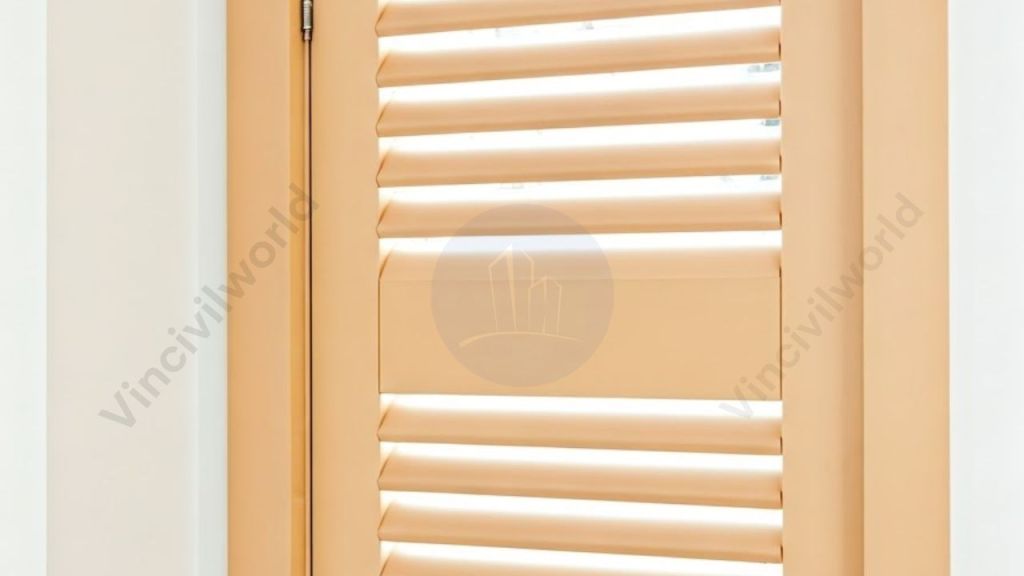
Louvered Flushing Door

A louvered flushing door is a type of interior door. It has a series of horizontal slats or louvers inserted into the door panel. The manufacturers can make the louvers from wood, glass, or metal, and they usually fix them in place. However, some designs may permit adjustable louvers.

Louvered flush doors find their usage in areas that require air circulation or ventilation, such as utility rooms or closets. They can also be used in rooms that need privacy or light control, such as bathrooms or bedrooms.

The design of a louvered flush door can vary widely. Traditional styles have solid wood louvers. More modern designs incorporate metal or glass louvers. They are also available in a variety of sizes and configurations. This includes single or double doors. There are different hardware options, such as hinges and handles.

Louvered Flush Doors

Manufacturers can make louvered flush doors from various materials. These materials include wood, MDF, or metal. They can paint or stain them to match any interior decor. They can also paint or finish the louvres in different colours or textures to add an extra design element to the door.

Overall, louvred flush doors provide a unique combination of ventilation, privacy, and design. These features make them a popular choice for a variety of applications in residential and commercial buildings.

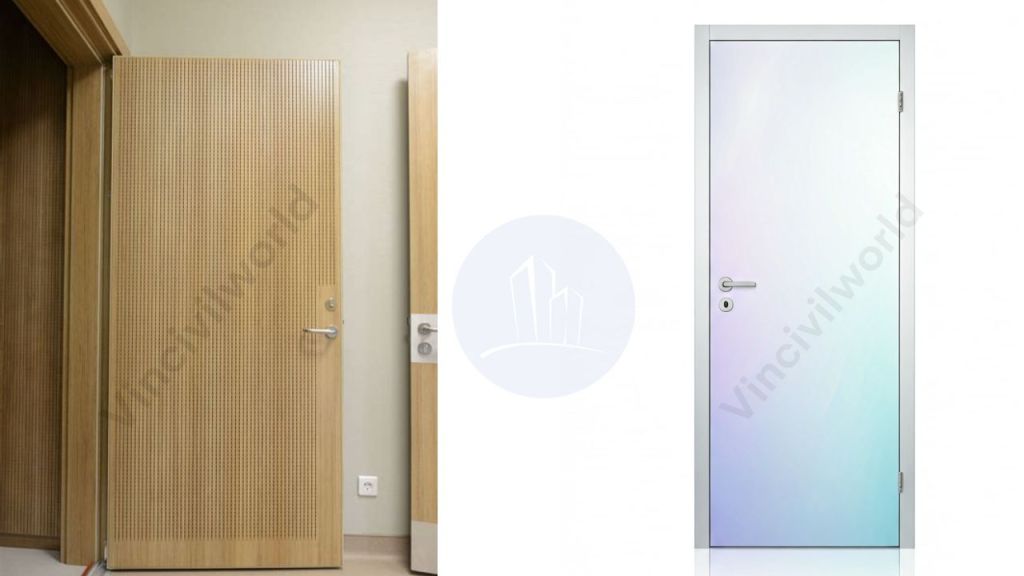
Acoustic flushing door

People often use acoustic flush doors in commercial settings. These places include recording studios, theaters, and conference rooms. Privacy and sound isolation are important in these settings. The manufacturer selects materials with soundproofing properties to construct an acoustic flush door. They usually build it with a solid core that dampens sound waves.

The name “flush” door comes from its design, which allows it to fit within the plane of the surrounding wall, creating a smooth and seamless surface when closed. This helps to prevent sound from leaking through gaps around the edges of the door.

People often use acoustic flush doors in commercial settings. Examples include recording studios, theaters, and conference rooms. They require privacy and sound isolation in these settings. Homeowners can also use acoustic flush doors in residential settings. They are particularly useful in homes with open floor plans. They also help control noise levels in rooms like home theatres or bedrooms.

When selecting an acoustic flush door, it is essential to consider several factors. These factors include the sound transmission class (STC) rating, which indicates the door’s ability to block sound. Additionally, consider the material used for the door’s core and surface. Proper installation and sealing of the door are also crucial for optimal soundproofing performance.

Key Takeaways

  • Flush Doors Overview: Flush doors are simple, elegant interior doors with a smooth, flat surface. They are often used in modern architecture for their minimalist look.
  • Types of Flush Doors:
    • Solid Core Flush Doors: Made with a solid core between plywood or MDF sheets. They offer excellent sound insulation and durability. These doors are suitable for both residential and commercial use.
    • Cellular Core Flush Doors: Feature a honeycomb or grid-like structure inside, making them lightweight and cost-effective, ideal for residential applications.
    • Hollow Core Flush Doors: Comprise a hollow lattice structure. They provide an affordable, lightweight option for interior doors. However, they are less durable and sound-insulating.
    • Fire-Rated Flush Doors: These doors are designed to withstand fire and smoke for a specified duration. They are commonly used in commercial buildings and areas requiring fire resistance.
    • Louvered Flush Doors: Include horizontal slats for ventilation, often used in utility rooms, closets, or spaces needing airflow.
    • Acoustic Flush Doors: Constructed with soundproofing materials for environments requiring privacy and noise control, such as studios and conference rooms.

Conclusion

Flush doors, with their clean, streamlined appearance, are an excellent choice for both residential and commercial spaces. Their versatility is evident in the wide range of options available. These range from solid and hollow core doors to specialized types like fire-rated and acoustic doors. Solid core flush doors provide durability and sound insulation. This makes them ideal for high-traffic areas. Hollow core and cellular core doors offer a lightweight, budget-friendly option for interior use. Fire-rated and acoustic doors serve specific functional needs in safety and sound management. Understanding the unique characteristics and applications of each type helps in selecting the right flush door for any architectural or design requirement.

Types of doors – Top 7 door types explained

Types of doors commonly used in residential, commercial, and industrial construction depend on the application area, durability required, the purpose of the door, etc.

What is a door?

A door is a movable barrier or mechanism for opening and closing an entranceway or a building/room. The purpose of the door in this urban environment is security and privacy. Apart from security, safety, and privacy, an aspect of art, beauty, and elegance is associated with it. The entrance door acts as a warm welcome to the areas inside.

This article is about the types of doors popularly used in civil construction.

  1. Classification of doors in Civil Engineering
    1. Types of doors in civil engineering– location based
      1. Exterior door
      2. Interior door
    2. Types of Doors – Based on Materials
      1. Wooden Door/Timber Door
        1. Demerits of wooden doors
      2. Glass Doors
      3. Metal Doors
      4. Types of Doors – Flush Doors
      5. PVC Doors
      6. Types of Doors – UPVC Doors
      7. Types of Door – Aluminium doors
  2. Conclusion

Classification of doors in Civil Engineering

Doors come in a number of types. The selection of a door type, on the other hand, is determined by the location, purpose, aesthetic needs, material availability, security, and privacy. Doors types are typically classified as follows.

  • Location based
  • Based on material
  • Based on operation mechanism

Types of doors in civil engineering– location based

The doors types are classified as follows

  • Exterior Doors
  • Interior Doors

Exterior door

An outside door is one that allows entry to a building/house. An outside door’s main function is to safeguard the building as well as the security and privacy of the occupants of the building. While selecting an exterior door, style, colours, finishes, and aesthetic looks to match the architectural theme must be considered.

Interior door

Interior doors provide access to interior spaces like bed, kitchen, special functional rooms, toilets, etc. However, choice of material and type depends on the nature of privacy, security, and purpose of the room. Interior doors used to be lighter than exterior doors.

Types of Doors – Based on Materials

The door choice is confirmed based on the material to be used. For that, we should have a better idea of the readily available, durable, and aesthetically matching materials. Following are the popular choices of doors based on materials used in construction nowadays.

  • Wooden Doors
  • Glass Door
  • Metal Door
  • Flush Door
  • PVC door
  • Aluminium Door
  • UPVC door

Wooden Door/Timber Door

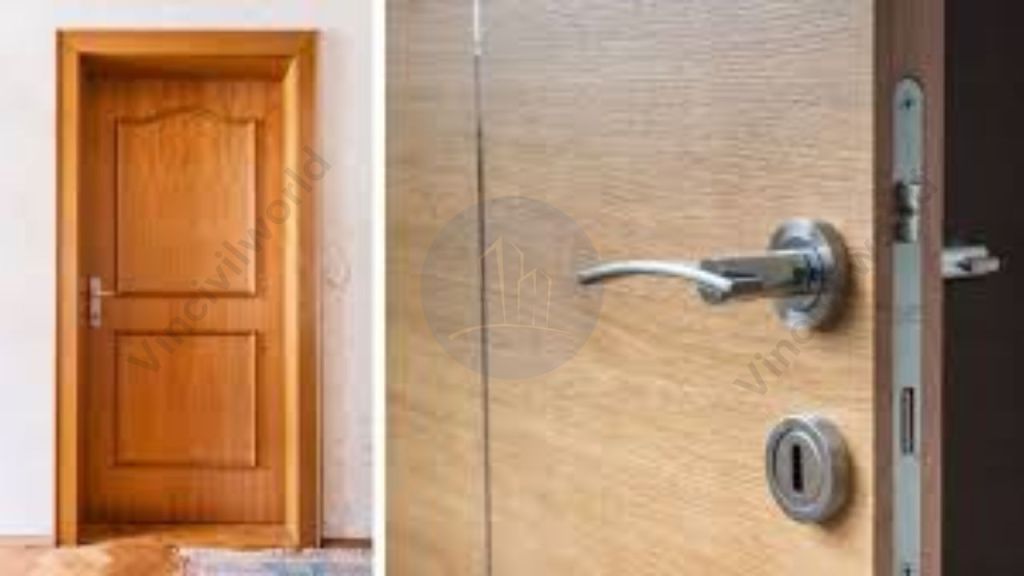
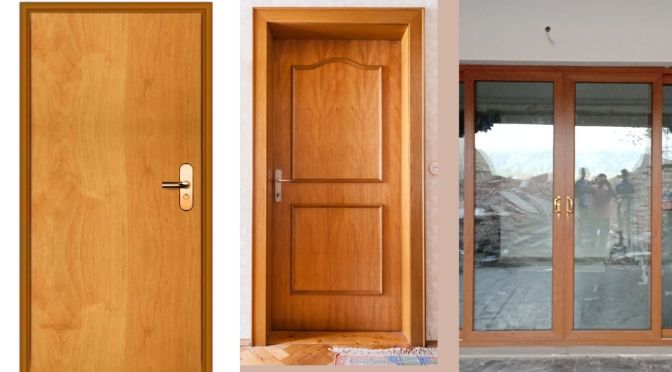
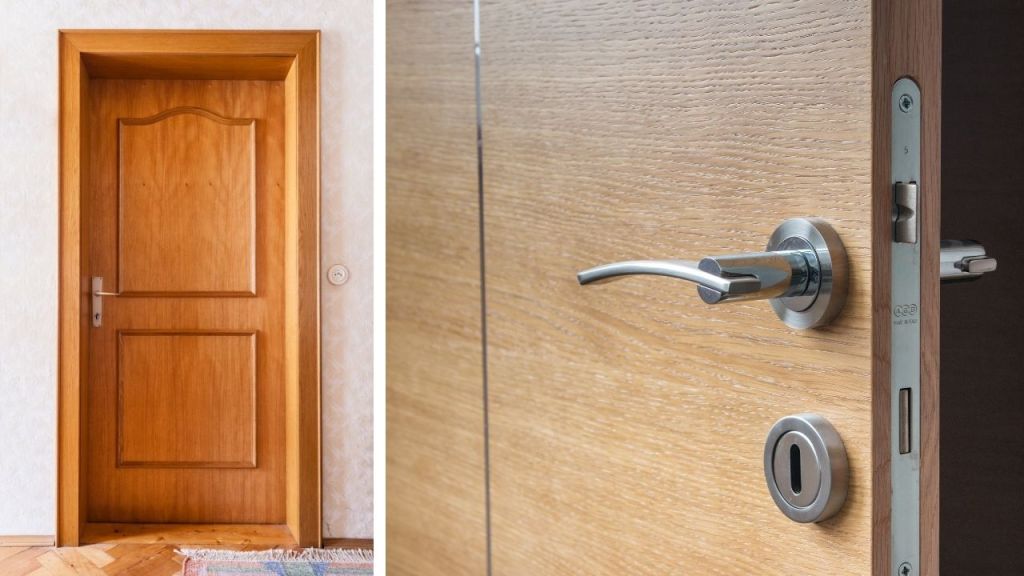
Wooden doors types are the most common and premium choice for both external and internal doors. They are the preferred choice due to their classy and elegant looks, high durability, and ability to match any architecture theme. Moreover, they are aesthetically pleasing and are widely available on a reasonable budget. Wooden doors can be custom-made for any functional requirements and design. They are the oldest material used and never lose their sheen even after long years.

wooden door
wooden door
  • Easily available
  • Easy working
  • Best material for front doors due to its high durability.
  • Used for any functional requirement.
  • Wooden doors are mostly polished rather than painted for exposing the natural grain looks.
  • Simple and easy installation.
  • Carving works are easily done on wooden doors.
  • Wooden doors are soundproof, got high thermal insulation capabilities and are strong.
Demerits of wooden doors

Even though wooden doors are superior materials they have their demerits also. However, needs periodic maintenance to retain the sheen and looks.

  • Needs periodic maintenance to retain the sheen and looks.
  • Wooden doors on long exposure to moisture may deteriorate.
  • Prone to termite attacks.
  • May sags

Glass Doors

Glass doors are for areas where the availability of natural light and open feeling is the main functional requirement. They are mainly used in areas where privacy is not a prime factor-like back yard, balcony doors, cabin doors, etc.

Glass doors are elegant and give an enhanced look to the house. However, the main problem with glass doors is the safety and privacy factor and the possibility of glass breaking. The glass breaking problem is managed by using small glass pieces for front doors. The glass should be safety glass or toughened glass.

Metal Doors

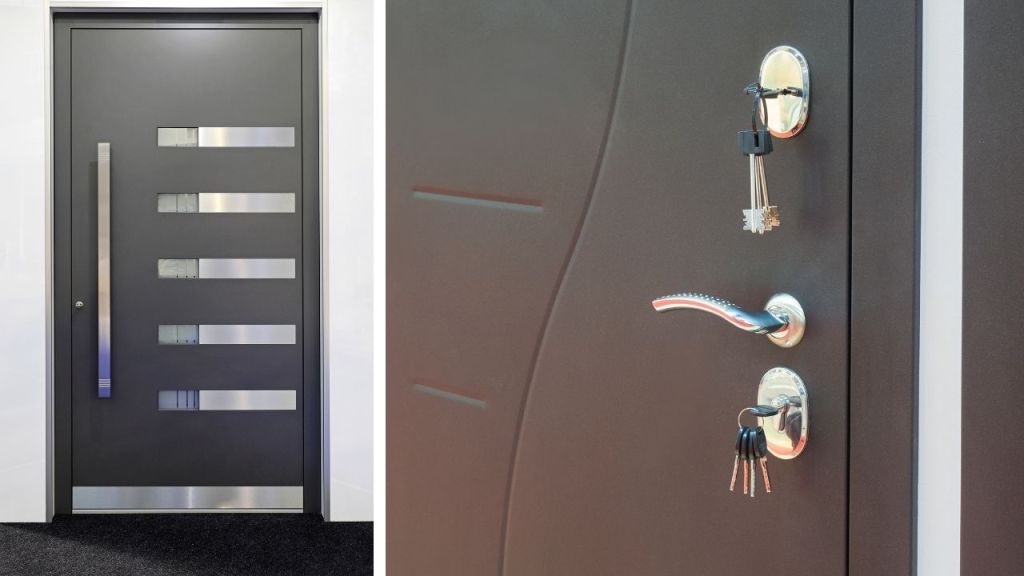
Steel is one of the preferred and favorite alternatives to wood for both external and internal doors. Mild steel or Galvanized steel is used for the manufacturing of doors. These doors are manufactured in solid and hollow types and are a safer, durable, and stronger option when compared to wooden doors.

metal door
metal door

Steel door frames are usually combined with wooden, PVC, steel, and flush door shutters. Steel door frames are manufactured by pressing steel sheets, angles, channels, etc. Holdfasts and hinges are welded to the steel frames.
Steel frames are popular and are used for residences, factories, industrial buildings, etc. They are economical than conventional wooden frames.

Metal door shutters are manufactured from high-quality cold-rolled Mild Steel (MS) sheets, with a steel face and rock wool or foam insulation. Steel is a more economical and stronger option compared to other materials even though steel may not look as attractive as wooden or glass doors.
Metal doors are available in different tones and shades. They are durable, have minimal maintenance, and provide excellent security.

Types of Doors – Flush Doors

The flush door is made of a timber frame covered with plywood from both sides. However, the hollow core is filled with rectangular blocks of softwood just like block boards. Flush door surface finished with decorative finish by fixing veneers. The flush door is usually laminated or veneered to match the architectural themes. These doors are usually hinged type and have one side opening only. The frame can be of wooden, PVC, or steel.
Flush doors got a seamless look and are economical, look elegant, and are easily available in the market.

flush door
flush door

While providing these doors for toilets, baths; the inner face of the door should be covered with aluminum sheets to protect against water.

PVC Doors

PVC or polyvinyl chloride doors are a very popular choice for doors. They are available in a range of colors and styles. Furthermore these doors have high resilience, are anti-destructive, termite-proof, moisture-resistant, lightweight, etc. As a result they are best suited for areas with moisture chances like bathroom areas.
Polyvinyl doors come in a variety of designs types. colors, style and looks beautiful. Similarly these doors do not corrode like steel or disintegrate like wood and do not need much maintenance.
They are very simple and easy to install and are scratch-proof. These doors are not preferred for front doors due to their lightweight characters and inability to resist environmental conditions. These doors are cost-effective when compared to wooden and metal doors.

Types of Doors – UPVC Doors

uPVC stands for Unplasticised Polyvinyl Chloride. It is a form of plastic that is hard and inflexible, also known as rigid PVC. UPVC doors are a preferred choice of architects and home owners due to the superior qualities they offer when compared to other door materials like wood, metal , PVC etc

  • Easy to clean and maintain – UPVC doors can be cleaned by simply wiping with a soft cloth soaked with mild detergents even though they may not peel or cracks after years of usage.
  • UPVC Profiles are manufactured to accommodate double glass units (DGU) in fact provides excellent thermal and acoustic insulations. Furthermore glass panes can be substituted with reflective glass to reflect sunlight and keep the rooms cooler in summers.
  • Durability – UPVC is a highly durable material, in addition to that allows for the construction of doors and windows that are long-lasting. In addition to all above they are dust-proof, termite-proof, moisture, and weather-resistant.
  • Ease of installation – Similarly UPVC doors are very fast and easy to install.
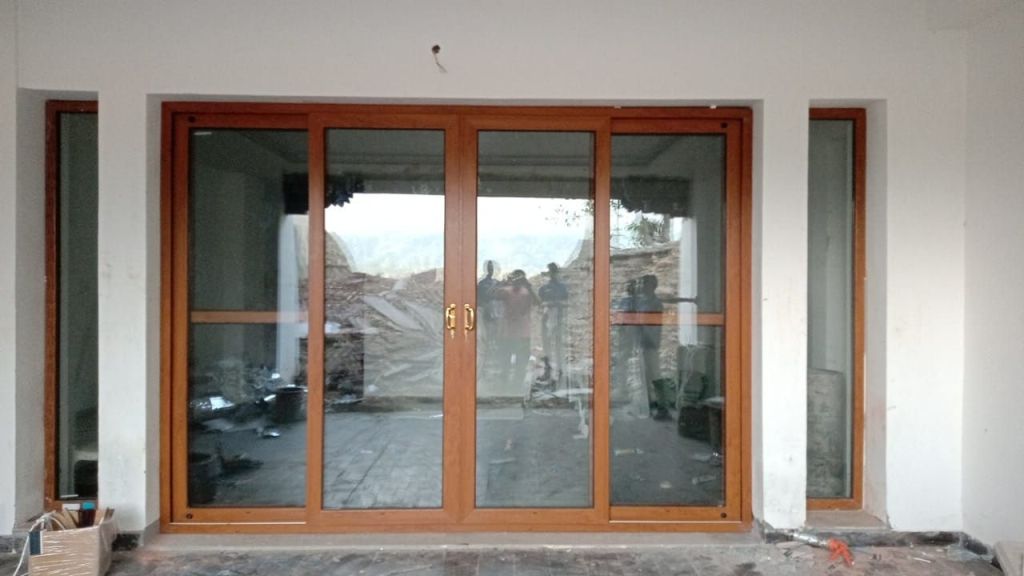
UPVC doors
UPVC doors

Types of Door – Aluminium doors

Aluminium doors due to their excellent and durable qualities are the most preferred option for designers and architects. They are durable, strong and maintenance free material. The fabrication and installation is very easy and got the choice of using as member for DGU units for thermal insulation applications. Aluminium is expensive, however considering the superior qualities aluminium is preferred in most of the areas.

Conclusion

Apart from the types described above there are a lot of doors varieties available in the market to cater each and every situation and applications. However, these door type selection has to be in line with the requirements.

Aluminium Composite Panel || ACP sheets design

Aluminium composite panel, also known as an ACP sheet, is a modern panelling material used for building exteriors (facades), interiors, kitchen cabinets, and signage applications.

Aluminium composite panels are flat panels having a non-aluminium core sandwiched between two thin coil-coated aluminium sheets. Aluminium Composite Panel is the most durable and flexible decorative surface material available, with enhanced performance attributes. This article discusses the production process, ACP sheet types, advantages, and applications.

  1. What is an Aluminium Composite panel or ACP sheets ?
  2. Types of Aluminium Composite Panels (ACP)
    1. Non fire rated Aluminium Composite Panel (ACP)
  3. Fire rated Aluminium Composite Panels
  4. Advantages of Aluminium Composite Panels
    1. Light weight
    2. Flexible
    3. Availability and colour choices
    4. Environmental friendly
    5. Dimensional stability
    6. Smooth and elegant
    7. Cost
    8. Weather resistant and Durable
  5. Applications of Aluminium Composite Panels
    1. External and internal architectural cladding/partitions
    2. Internal partitions
    3. Signage
    4. Interior work
  6. Conclusion

What is an Aluminium Composite panel or ACP sheets ?

Aluminum composite panels are made up of two thin layers of aluminium sheets sandwiched by a polymer core. ACP sheet’s polymer core is made of Low-Density Polyethylene (LDPE) or Polyurethane. These polymer cores are made of components that are flammable and not fire-resistant. Because aluminium has a low melting point, the Aluminium composite panel is more flammable when the combustible polymer core is present. The presence of a combustible polymer core limits the use of Aluminium composite panel in fire-prone areas.

To improve fire resistance, polymer cores should be specially treated or over 90% (Non-Combustible Mineral Fiber FR core) sandwiched between two layers of aluminium skins should be used. To preserve the ACP sheets, polyvinylidene fluoride (PVDF), fluoropolymer resin (FEVE), polyester coating, and other materials are applied. The typical thicknesses of aluminium composite panel are 2 mm, 3 mm, 4 mm, and 6 mm.

Aluminium Composite Panels
Aluminium Composite Panels – Façade

Types of Aluminium Composite Panels (ACP)

Depending on the usage and fire rating standards ACP sheets are classified into two categories

  • Non fire rated grade
  • Fire rated grade

Non fire rated Aluminium Composite Panel (ACP)

Two thin layers of aluminium sheets plus a sandwiched polymer core make up aluminium composite panels. Aluminium Composite Panel’s polymer core is made of polyurethane or low-density polyethylene (LDPE). These Aluminium Composite Panels are not fire-rated since they are flammable and could catch fire. The use of these sheets is restricted based on the fire rating. The image below depicts a typical cross-section of an ACP sheet that is not fire-rated.

Non Fire rated or Standard Aluminium Composite Panel - Typical section
Non Fire rated or Standard Aluminium Composite Panel – Typical section

Fire rated Aluminium Composite Panels

Depending on the core composition, fire-rated Aluminium Composite panel can withstand fire for up to 2 hours. The core materials are the fundamental distinction between ACP sheets that are fire-rated and those that are standard. While the fire-rated ACP has a specially formulated fire-resistant mineral core, the standard ACP uses LDPE/HDPE as its core material. Fire resistant mineral core uses Magnesium hydroxide as core for enhanced fire retardant qualities. As the name suggests, Fire Grade Aluminium Composite Panels have the unique capability to withstand extreme temperatures. The highest grade ACP is fire retardant ACP (A2 GRADE), which contains over 90% inorganic material content.

Aluminium Composite Panel - Fire retardant grade
Aluminium Composite Panel – Fire retardant grade (Credits – Alstrong )

Related posts from vincivilworld

Advantages of Aluminium Composite Panels

Aluminium Composite Panels are widely used nowadays because of their countless unique properties. Let’s highlight a few of its unique features that set it apart from other panelling materials.

Light weight

When compared to other building materials like steel, Aluminium Composite Panel is lightweight. This significantly reduces the design loads on the structure with big spans and vast areas involved. Lifting and erecting ACP sheets is simple. This, in turn, minimises labour and construction costs while maintaining the schedule.

Flexible

The ACP sheet is flexible and very simple to use. The installation process is quick and simple, and the fixing framework construction is uncomplicated.

Availability and colour choices

This composite panel has exceptional flexibility because to the vast range of finishes it supports. Aluminium composite board can be textured, solid, mirror, or wood type to meet any architectural concept. The colour and feel of real stone and wood are effectively replicated on aluminium.

Environmental friendly

ACP is an environmentally friendly material that is composed of 85% recycled aluminium. ACP’s cover sheets and core material are both recyclable.

Dimensional stability

Aluminium composite panels got high dimensional stability and the material can remain stable for a long period without changing the dimensions.

Smooth and elegant

The exteriors of buildings can have a pleasant and attractive appearance because to the smooth, elegant ACP surface.

Cost

ACP sheet is the most economical panelling option when compared with other panelling materials. The cost depends on the core materials. The fire grade materials are costlier than standard non fire rated ACP.

Weather resistant and Durable

ACP panels are UV resistant and chemical resistant. They are unbreakable stain-resistant, weather-resistant, termite resistant, moisture resistant, and anti-fungal.

Applications of Aluminium Composite Panels

ACP sheet is mainly used for a wide range of applications due to its extraordinary qualities. Major uses of the ACP sheet are as follows.

  • External and internal architectural cladding 
  • Internal partition
  • False ceilings
  • Signage
  • Machine coverings
  • Container construction

External and internal architectural cladding/partitions

For exterior cladding/façade applications, ACP sheets are used, thanks to their versatile qualities like UV resistance, fire resistance, and durability. ACP sheets come in a wide range of colours to match any architectural style. ACP sheet is the material of choice for facades and partitions because of its lightweight characteristics, simple fixing procedures, and quick construction.

Internal partitions

Aluminium Composite Panels in combination with aluminium, UPVC etc are used for office cabins and internal partitions. Partitions can be done with minimal space wastage.

Signage

ACP is used to render a wide variety of flexible exterior signs, as signage and hoardings are being used for exterior applications and must survive changes in temperature or weather

Interior work

ACP sheets are used for interior applications such as wall coverings, false ceilings, cupboards, portable kitchen cabinets, tabletops, column covers, and more.

Conclusion

ACP sheets are Green and environmentally friendly, easy to clean, and can shorten the construction period. ACP panels are resistant to corrosion, prevents acid and alkali, and other types of corrosion. Due to these versatile properties, ACP sheets are one of the popular choices in the construction sector.

Glass Fibre Reinforced Concrete- Fiberglass reinforced concrete Advantages

Glass Fibre Reinforced Concrete or GFRC is made up of portland cement, fine aggregate, water, acrylic copolymer, alkali-resistant glass fibre, reinforcement, and additives. Glass fibre-reinforced concrete or GFRC is a type of fibre-reinforced concrete. The glass fibres used in Glass Fibre reinforcement concrete give this distinctive compound its strength. Alkali-resistant fibres serve as the primary tensile load-carrying member, while the polymer and concrete mix holds the fibres together. It assists in the transfer of load from one element to another.

These are mainly used in exterior building façade panels and as architectural precast concrete. Somewhat similar materials are fibre cement siding and cement boards. They consist of high-strength, alkali-resistant glass fibre embedded in a concrete matrix.

In this form, both fibres and matrix retain their physical and chemical identities, while offering a synergistic combination of properties that cannot be achieved with either of the components acting alone.

Let’s get into each of them now.

  1. Glass Fibre Reinforcement Concrete – Ingredients
    1. Cement
    2. Fine Aggregates
    3. Polymers
    4. Water
    5. Glass Fibre
    6. Other Admixtures
  2. Fibre Glass reinforced concrete – Casting Process
    1. Spray-Up
    2. Premix
    3. Hybrid method
  3. Glass Fiber Reinforced Concrete Advantages
    1. Low weight and high strength of Glass Fiber Reinforced Concrete
    2. Freedom of shape of Glass Fiber Reinforced Concrete
    3. 3. Durability
    4. The appearance of Glass Fiber Reinforced Concrete
    5. Environment
  4. Applications of Glass Fibre Reinforced Concrete
  5. Conclusions

Glass Fibre Reinforcement Concrete – Ingredients

The main ingredients used in Glass Fibre Reinforced Concrete are as follows

Related contents from vinciviworld

Cement

Fine Aggregates

  • The fine aggregates usually should be river sand.
  • The fine aggregates used passed through a 4.75mm sieve and had a specific gravity of 2.68. The fine aggregates belonged to Zone II according to IS 383. 2

Polymers

  • Acrylic polymer is typically preferred over EVA or SBR polymers for GFRC. Acrylic is non-retweetable, so once dry, it will not soften or dissolve, nor will it yellow from exposure to sunlight.
  • The solids content of most acrylic polymers used in GFRC ranges from 46% to over 50%.
  • Typically, the polymer dose is 4%- 7% solids by weight of cementitious material depending on the design.

Water

Ordinary tap water which is safe and potable for drinking and washing was used to produce the concrete

Glass Fibre

  • Glass fibre, also known as fibreglass is made from extremely fine fibres of glass.
  • It is a lightweight, extremely strong and robust material. Glass fibre, the most popular of the synthetics, is chemically inert, hydrophobic, and lightweight.
  • They are manufactured as continuous cylindrical monofilaments that can be cut to specific lengths or cut as films and tapes before being formed into fine fibrils with rectangular cross-sections. Glass fibres that can withstand alkalis are a crucial part of GFRC. When using the spray-up method of casting, your sprayer will automatically cut the fibres and add them to the mixture as you apply it. If you’re casting with a premix or a hybrid method, you’ll have to mix the fibres along with other ingredients.
  • Although fibre content varies, it usually ranges from 3% to 7% of the total cementitious weight. High fibre content increases strength but decreases workability. Unlike most concrete mix design ingredients, fibres in GFRC are not calculated as a percentage of dry cementitious weight. Instead, they are calculated as a percentage of total weight. As a result, calculating fibre load in GFRC mix designs becomes quite complicated. Glass fibre, when used at a rate of at least 0.1 per cent by volume of concrete, reduces plastic shrinkage cracking and subsidence cracking over steel reinforcement.

Other Admixtures

  • Other ingredients to consider include pozzolans (such as silica fume, metakaolin, or VCAS) and superplasticizers.

So, we dug deep into the inside of Glass fibre-reinforced concrete. Next, let me walk you through the advantages of GFRC.

Fibre Glass reinforced concrete – Casting Process

GFRC is typically cast using two methods ie: spray up and premix. Let’s take a quick look at both, as well as a less expensive hybrid option.

Spray-Up

The fluid concrete mixture is sprayed into the forms, similar to shotcrete. The process employs a specialised spray gun to apply the fluid concrete mixture while simultaneously cutting and spraying long glass fibres from a continuous spool. Spray-up produces very strong GFRC due to the high fibre load and long fibre length, but the equipment is very expensive.

Premix

Premix incorporates shorter fibres into the fluid concrete mixture before it is sprayed or poured into moulds. Spray guns for premix do not require a fibre chopper, but they can be very expensive. Premix has less strength than spray-up because the fibres are shorter and distributed more randomly throughout the mix. The cost and strength are comparatively lesser than the spray-up method.

Hybrid method

An inexpensive hopper gun can be used to apply the face coat while a handpicked or poured backer mix is used to create GFRC using a hybrid technique. A thin, fibre-free face (referred to as a mist coat or face coat) is sprayed into the moulds, and the backer mix is then packed in by hand or poured in, much like ordinary concrete. This is the method most concrete countertop manufacturers employ. This is an inexpensive way to get started. However, it is critical to carefully create both the face mix and the backer mix. This is to ensure similar consistency and makeup, as well as to know when to apply the backer coat. While doing so the backer coat can adhere properly to the thin mist coat without tearing it.

This method is comparatively inexpensive when compared to the r two methods. The face and backer mix are applied at different times ensure to have similar make-up of mixes to prevent curling

Glass Fiber Reinforced Concrete Advantages

The main advantages are,

Glass fibre reinforced concrete

Low weight and high strength of Glass Fiber Reinforced Concrete

  • Self-weight of structures decreases when Glass Fiber Reinforcement Concrete (GFRC) is used and demands on foundations are reduced.
  • GRC cladding is suitable even for very high-rise buildings and offers good performance under seismic loading.

Freedom of shape of Glass Fiber Reinforced Concrete

  • GRC is easily moldable into a wide range of shapes, including intricate grilles, panels with a double curvature and 3-D objects.
  • The high freedom of shape permits the production of structurally very efficient elements.
  • Easily cast, it can produce items with very fine details and reproduce very complex features and elements of both modern and historic buildings.

3. Durability

  • Basic reinforcement is non-ferrous and the GRC products are not susceptible to corrosion as in traditional reinforced concrete.
  • Low permeability and a very slow rate of carbonation offer protection against the corrosion of steel in adjacent reinforced concrete.
  • GFRC has an inherently high resistance to extreme exposure conditions (freeze/thaw, fire etc.)

The appearance of Glass Fiber Reinforced Concrete

  • An extremely wide range of attractive surface finishes is available.
  • It satisfies the highest requirements for an aesthetic appearance of new structures and is capable of matching the colour and texture of surfaces of existing buildings.
  • Durable and brightly coloured surfaces with enhanced self-cleaning can be achieved in a variety of textures and shapes.

Environment

  • The relatively low weight of GRC products reduces CO2 emissions associated with their transport.
  • There are no Volatile_organic_compounds or other pollutants emitted from the material itself, neither in production nor in use.
  • GRC is fully recyclable into concrete and other applications.
  • In addition, the photocatalytic E-GRC reduces directly and significantly the concentration of pollutants in the surrounding air, leading to a better quality of the environment.
  • This is good especially in congested urban centres and at a minimal additional cost.

Also read: 3 d Printing buildings |Concrete Printing & Contour Crafting Methods Full Guide

Now, how about a quick glance through the applications?

Applications of Glass Fibre Reinforced Concrete

Glass Fiber Reinforced Concrete - Fascia
GFRC Building

Due to its versatility the range of GFRC is growing.

  • All the categories of buildings have been constructed using GFRC
  • Small, simple and unsophisticated items for everyday use are made using GFRC on a large-scale
  • Architects prefer GFRC to fulfil high structural complexity, size of construction elements, and freedom of shape to achieve spectacular appearance, durability and the highest quality
  • Positive environmental performance

That’s it. Time to sum up.

Conclusions

  • GFRC has a large scope of application and research and development is going on
  • It is a very versatile material and the freedom of shape makes it the number one choice by architects
  • Glass fibre reinforced concrete is used from small scale household products to large-scale buildings of structural complexity

So, how is our buddy GFRC? Let me know your thoughts in the comments.

Also read: Shotcrete – An overview| Shotcrete vs Gunite

Happy learning!

Top 10 Indoor Plants and their Benefits – Must Read

Nothing can add as much beauty and comfort to our homes and offices as the luxuriant blossoms and leaves of indoor plants. Bedrooms, toilets, kitchens, and cubicles, to name a few… There isn’t a room in the house that a houseplant can’t lighten up. Simply add light and water, and you’ve got yourself an interior garden in the making.

Indoor plants not only look good but also make you feel good. Bringing plants into your home is not just aesthetically pleasing, but provides significant health advantages as well! Numerous studies show that indoor plants make you healthier and happier, providing both psychological and physical health advantages.

Buckle up your shoes as we go on a trip meeting some amazing indoor plants and understanding their benefits. Let’s get started.

What are indoor plants?

Indoor Plants are those plants that are cultivated indoors, usually in spaces like homes and workplaces for decorative purposes. Tropical or semi-tropical epiphytes, succulents, and cacti are common indoor plants. They require the right amount of hydration, light, soil, temperature, and humidity. Most indoor plants will quickly perish if these criteria are not met. In addition, indoor plants require the proper fertiliser and pot size.

Also read: Hydroponics – Everything you should know

Benefits of Indoor Plant

Indoor plants have been shown in numerous studies to make you healthier and happier, providing psychological and physical health advantages such as:

  • Indoor plants help in lowering stress levels.
  • Aids in sharpening your attention.
  • Working with plants has therapeutic benefits.
  • Helps you recover from illness quickly.
  • Improve the indoor air quality.
  • Increases productivity and focus in the workplace.
  • Enhances pain tolerance and healing process.

Impact on Air Pollution

Indoor plants minimise volatile organic compounds (VOCs) like benzene, toluene, and xylene, as well as other pollutants in the air. The presence of indoor plants reduces these VOCs by 50-75%. Soil microbes are principally responsible for the removal of these chemicals.

Plants can generate and convert benzene, then convert it to carbon usage for future use, according to several tests of benzene purification by houseplants. It can help eliminate carbon dioxide from indoor spaces, which can lower our work performance. Plants appear to minimize airborne microorganisms while also increasing humidity.

Also read: What are air pollutants? | Types, sources and effects of air pollution

List of Indoor Plants

Here’s a list of the best indoor plants for every situation at your home:

  • Low Maintenance Indoor Plants: Marble Queen Pothos, Tillandsia Ionantha
  • Low Light Indoor Plants: ZZ Plant, Modern Bamboo
  • Indoor Plants For Small Spaces: Snake Plant, Peperomia Obtusifolia, Opuntia Microdasys
  • Indoor Plants For Pet Owners: Bird’s Nest Fern, Ponytail Palms, Pilea Peperomioides
  • Flowering Indoor Plants: Anthurium, Hoyas
  • Indoor Plants For Clean Air: Parlor Palm, Red Maranta Prayer Plant, Burgundy Rubber Tree Plant
Indoor plants
Indoor plants

Also read: Aeroponics – Process, Types, Advantages – Full Details

Best Indoor Plants having Low Maintenance

If you are someone who often forgets to water the plants or have less time to take care of them, here are some options for you:

Marble Queen Pothos

The Marble Queen Pothos is one of the easiest home plants to grow. With exquisite heart-shaped leaves and vines, they will rapidly fill your plant shelf with beauty. This low-maintenance species is good for novices or anyone who isn’t always careful with their plants. It can grow in low-light conditions and with less watering.

Bromeliad Summer

Air plants, such as Bromeliad Summer, have no roots and absorb nutrients through their leaves. This makes them a great choice for anyone who forgets to water their plants or doesn’t have time to deal with soil problems. These air plants are extremely easy to care for and require only indirect light and a monthly dip in the sink. Just make sure to dry them upside down to prevent the water from rotting the base.

Best Indoor Plants For Low Light

A wannabe plant parent living in a shady apartment? No worries, we have options for you as well.

ZZ Plant

Another good plant for beginners is the Zamioculcas zamiifolia, also known as the ZZ plant. It can resist a variety of adverse conditions, such as infrequent watering or dry air. They can also easily endure low-light conditions, which is very important for apartment residents or those who live in other shady areas. The ZZ plant is a joyful alternative for the kitchen or bathroom, and it looks great on its own or in a group with other plants.

Modern Bamboo

While many plants grown indoors require a lot of light to flourish, some plants like modern bamboo flourish well in dim light. The modern bamboo, which is a symbol of prosperity and good fortune, is easy to care for and thrives best in low-light settings. Its size makes it ideal for any tabletop or desk. As per Feng Shui principles it will bring great energy to the environment it resides in.

Best Indoor Plants For Small Spaces

Do you think that small apartments can’t offer the luxury of having an indoor garden? Not anymore after meeting these vertically growing plants.

Snake Plant

This cheerful succulent comes in a variety of colours and grows straight up, making it an excellent choice for those with little space. The narrow, upright leaves of this tropical plant have uneven banding that resembles snakeskin. Snake plants filter benzene, formaldehyde, trichloroethylene, xylene and toluene from interior air. Arrange a couple in various sizes near a bedroom window to add a touch of green to your sleeping place.

Indoor plant - snake plant
Indoor plant – snake plant

Best Indoor Plants For Pet Owners

Apprehensive about being a pet owner and plant parent at the same time? Check out these pet-friendly plants that are non-toxic to your pets.

Pilea peperomioides 

Pilea peperomioides is another non-toxic plant that is great for a pet-friendly home. It’s visually appealing and easy to care for. The leaf resembles miniature lily pads, and it doesn’t require a pond. The soil needs to dry completely between waterings, which in certain regions means watering once every few weeks. and, It self-propagates when properly cared for.

Calathea Orbifolia

Calatheas don’t prefer direct sunlight since it burns their leaves. This houseplant prefers partial shade, making it ideal for a plant stand or shelf in an area with limited natural light. A regular watering regimen, as well as keeping your plant in a room with temps between 60 and 80 degrees F, will keep it healthy and hydrated. It also likes a lot of humidity, so mist it frequently or put it near a humidifier.

pet friendly indoor plant

Best Indoor Plants For Clean Air

If you wish to use your indoor garden as an air purifier, then these are the plants you should include.

Parlor Palm

The parlour palm is a tropical plant popular for its ability to remove benzene and trichloroethylene, two pollutants typically dispersed by furniture off-gassing. It’s also a low-maintenance plant, requiring just one to two weeks of watering. It grows in indirect to low light. It’s also pet-friendly, so you won’t have to keep it locked away from your furry friends.

Red Maranta Plant

The herringbone pattern on the Red Maranta prayer plant is distinctive, with touches of red throughout. This plant not only adds charm and natural beauty to one’s house, but it also has relaxing and air-purifying properties. This plant thrives in indirect light. It’s best to keep it out of direct sunlight, as the colour of its leaves may fade and possibly burn.

Bird’s Nest Fern

The fronds of the Bird’s Nest Fern have rippled edges and grow out of a nest-like crown. It makes a stunning interior hanging plant. Indirect light and a humid climate are ideal for them. Ferns filter formaldehyde, xylene and toluene.

Shall we wrap up?

Conclusion

We saw the best options to be included in an indoor garden. There’s no doubt that investing in a few indoor plants would bring many more benefits than aesthetic beauty. Try adding a dash of green to your office room and see your productivity and mood going up. Which plants are you going to add to your living space? Comment Below.