Category Archives: architectural finishes

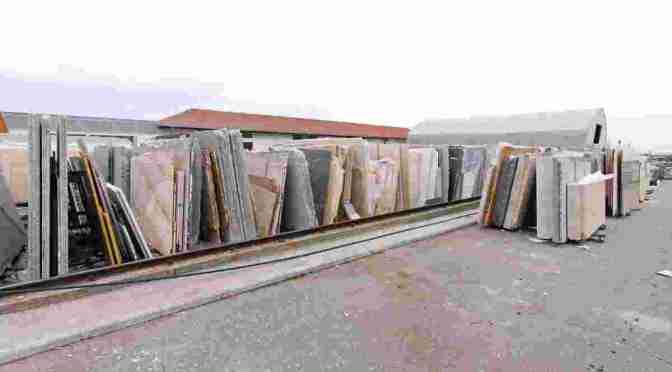
Architectural finishes in a holistic sense can refer to a variety of textures, , colours and materials and refers to hard and soft permanently fixed finishes such as plaster or render and other surface coatings, such as paint. Architectural finishes can be in form of  Vitrified tiles for flooring, ceramic tiles, False ceiling, textured paints, dry walls, facades, aluminium doors and windows, UPVC doors and windows, Epoxy painting, plastic emulsion, Plaster of Paries, natural stones like marble, granite etc

Thermal Bridging – Types, causes and effects

Thermal bridging can have a major impact on a dwelling’s overall thermal efficiency, even in very well-insulated homes. According to recent studies, thermal bridging has been found to be responsible for up to 30% of a home’s heat loss.

In this blog, I will show you what exactly is thermal bridging, its consequences, causes, types and strategies to reduce them. Let’s get started.

What is a thermal bridge?

A thermal bridge is a part of an object that has a higher thermal conductivity than the surrounding areas. This allows heat to flow through it with the least amount of resistance. The object’s thermal resistance is reduced as a result of thermal bridges. It is also known as a cold bridge, heat bridge, or thermal bypass.

Thermal Bridging is the phenomenon by which heat easily flows away through a part of the construction that has very less thermal resistance compared to its surroundings. This leads to uneven heating in a building.

Also read : ALC Panels – Aerated Light Weight Concrete panels- Overview

Thermal Bridging Consequences

  • Thermal bridging in buildings will increase the amount of energy needed to heat and cool a room. 
  • Results in condensation of moisture inside the building envelope
  • Cause thermal discomfort. 
  • Causes additional heat losses in colder climates and require more energy to mitigate.

Thermal Bridging Causes

Thermal bridging can be caused by:

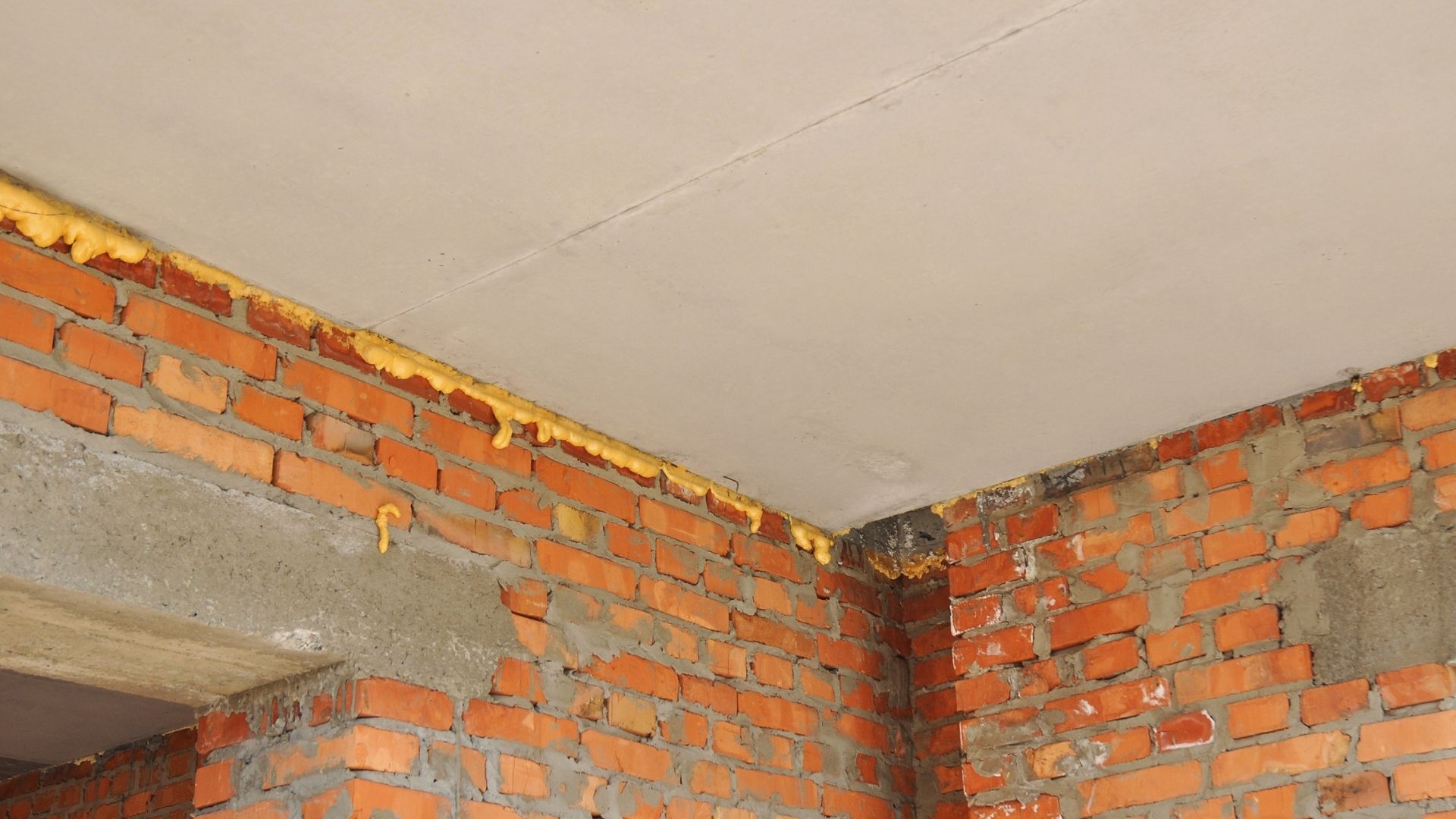
  • The points where the wall and the floor come together
  • Wall-to-roof junctions
  • Pipe and cable access holes in the building envelope
  • Window and door reveals
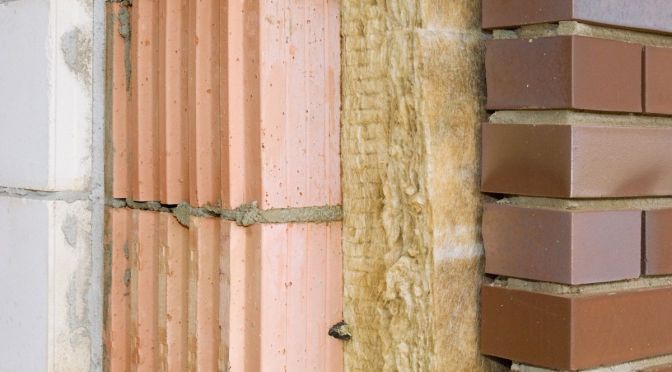
  •  Steel wall links in masonry work, (e.g. cavity walls)
Thermal Bridging
Thermal Bridging

Thermal Bridging Types

There are several types of thermal bridges, which can be further classified as follows:

Repeating Thermal Bridges 

Repeating thermal bridges follow a trend. And it is “repeated” over a large area of the building’s thermal envelope. The examples include:

  • Steel wall ties used in masonry cavity wall construction
  • Ceiling joists used in cold pitched roofs when insulating at the ceiling level
  • Split created by timber framing when insulation occurs between the studs  

Repeating thermal bridges are normal and predictable. But still, they result in significant heat loss. Because of that, we should consider thermal bridging when calculating the U-value and during planning, design, and construction.

Non Repeating Thermal Bridges 

  • Thermal bridges appear periodically. And, they are located where the building’s thermal insulation has a split in it.
  •  Non-repeating thermal bridges can form where materials with different thermal conductivity come together to form the envelope. 
  • Examples include reveals around windows and doors, loft hatches, and other openings in the building’s thermal envelope.

Geometrical Thermal Bridges 

Geometrical thermal bridges are induced by the building’s geometry, as the name implies. They are more likely to occur with complex building forms. So it’s best to keep the overall design as simple as possible to avoid them. The examples include:

  • Corners of exterior walls
  •  Wall-to-floor junctions 
  • Wall-to-roof junctions 
  • Junctions between adjacent walls
Ceiling insulation
Ceiling insulation

Why should we avoid thermal bridging?

Let me give you a set of reasons that would prompt you to avoid thermal bridges during construction of a building.

Decreased Insulation Effectiveness

  • Buildings that are airtight and have high levels of insulation may be more vulnerable to thermal bridges. 
  • When high levels of air tightness and insulation are present, thermal bridges can account for up to 30% of heat loss. 
  • During the warmer months of the year, thermal bridges can actually cause an increase in heat gain. This can contribute to overheating of the indoor room.

Increased expenditure of energy

The amount of heat lost depends on the intensity and frequency of thermal bridges. it’s best to design and construct buildings with no thermal bridges. If you don’t, you’ll end up spending more money to maintain a constant and comfortable indoor air temperature. This will undermine the intention of installing energy efficiency measures in the first place. 
Polystyrene board for thermal bridging

Greater risks of Condensation, mould, and rot 

  • Thermal bridges can cause interstitial condensation within walls and other building elements.
  •  Since it cannot be seen from the inside or outside of the house, interstitial condensation can be extremely hazardous. 
  • As the interior temperature falls below the dew point, moisture in the warm air condenses into water droplets.
  • Mold growth is one of the most common side effects of condensation. 
  • Invisible mold can develop out of reach, resulting in poor indoor air quality and negative health effects for building occupants.

Strategies to reduce Thermal Bridging

Depending on the source, site, and form of construction, there are many methods that have been proven to minimise or eliminate thermal bridging. The aim of these approaches is:

  1. Either create a thermal break where a building component would otherwise stretch from outside to inside.
  2. Or, minimise the amount of building components that span from outside to inside.

 These are some of the strategies:

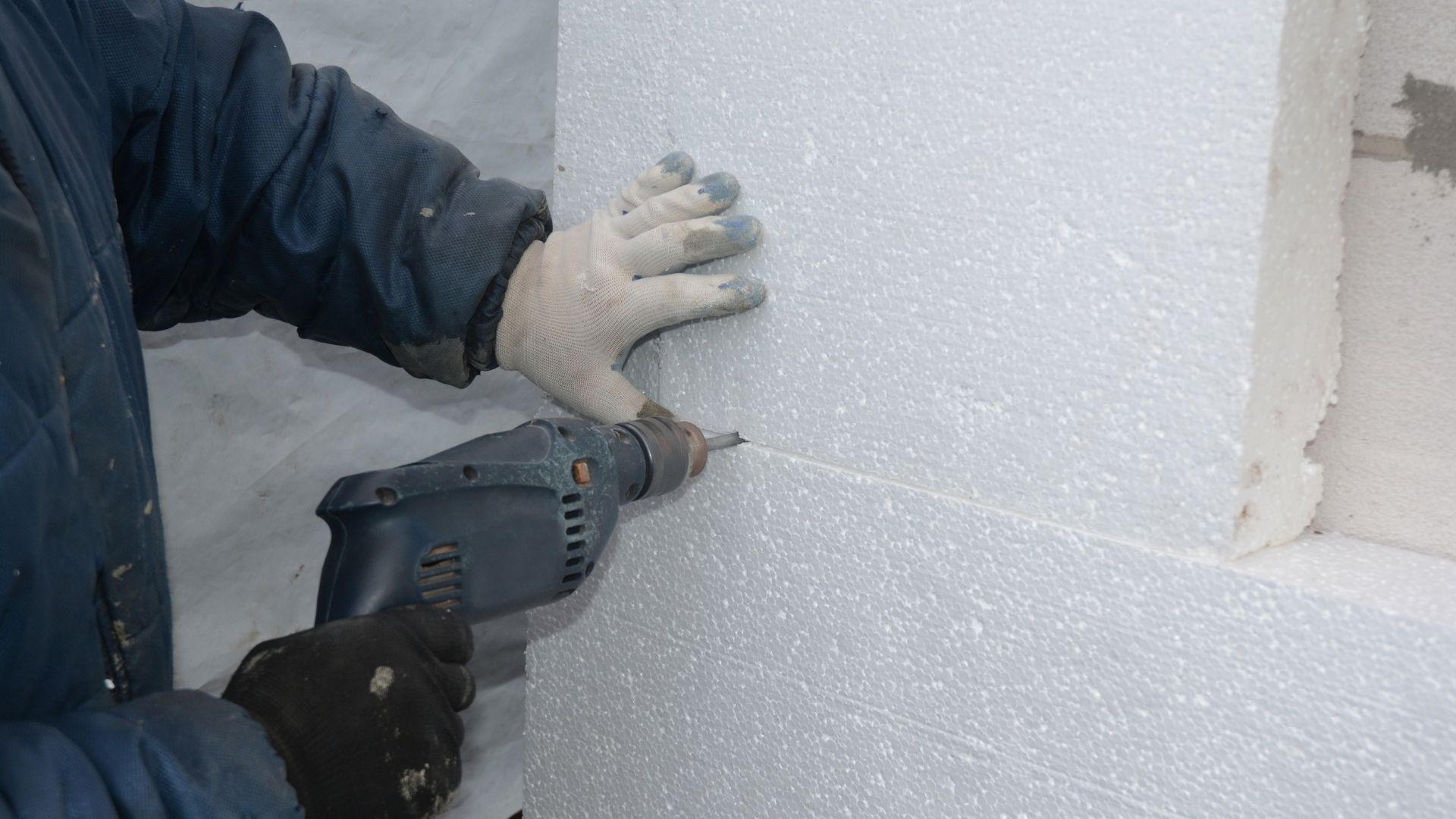
  • Using a continuous thermal insulation layer, such as rigid foam board insulation in the thermal envelope.
  • Lapping of insulation where direct continuity is not feasible.
  • Usage of Wall assemblies with double and staggered walls.
  • Using Insulating Concrete Forms (ICFs) and Structural Insulated Panels (SIPs).
  • Reduce the framing factor by removing unnecessary framing members.
  • Increased insulation depth by using raised heel trusses at wall-to-roof junctions.
  • Installation of high-quality insulation with no voids or compressed insulation.
  • Adding a gas filler and a low-emissivity coating to double or triple-pane windows.
  • Installing windows with thermally broken low conductivity frames.

Keep this strategies in mind so that they can help you construct a building with zero thermal bridges. Hope you found them useful. Let’s know in the comments.
ALC Panel – Autoclaved lightweight Concrete Panel

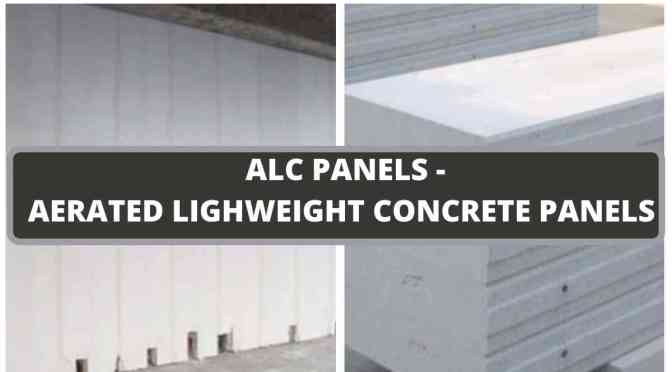
ALC Panel or Autoclaved Lightweight Aerated Concrete panel is composite material consists of cement, lime, and silica sand. These light weight panels use two-way welded steel mesh as reinforcement. Reinforcements are treated with anti-rust liquid. ALC panels are manufactured at high temperatures and are steam cured.

Lightweight panels are a versatile solution in modern construction, offering easy handling, reduced weight, and enhanced insulation. These lightweight panels provide superior strength-to-weight ratios, making them ideal for both structural and decorative applications. Additionally, they contribute to energy efficiency and sustainability, benefiting green building projects by lowering overall environmental impact.

Autoclaved light weight Concrete panels are used for external and internal non-load bearing walls. They are also used for roofs and floors. These panels are suitable for commercial, industrial, and residential buildings.

  1. AAC panels or Autoclaved Lightweight Concrete panels – Introduction
  2. Significance of Autoclaved Light weight Concrete panel or ALC panel
  3. Technical parameters of ALC panel
  4. Advantages of ALC panel
    1. Thermal insulation
    2. High fire resistance
    3. Acoustic insulation- ALC panel
    4. Water and moisture resistant
    5. Light weight product
    6. Durability and strength
    7. Environmental friendly
    8. Earthquake resistant
    9. Installation process and speed
  5. Conclusion

    AAC panels or Autoclaved Lightweight Concrete panels – Introduction

    ALC panels, or Autoclaved Lightweight Concrete panels, are innovative construction materials known for their durability and insulation properties. These lightweight panels are made from autoclaved lightweight concrete, offering strength while being easier to handle. ALC panels are increasingly popular in modern construction for their efficiency and sustainability.

    In this blog, we will explore everything you need to know about ALC panels. We’ll start by discussing what ALC panels are and how they are made. Then, we’ll delve into the benefits and key features of these lightweight panels, including their durability, insulation, and fire resistance. We’ll explore the various applications of ALC panels in modern construction. We will compare them to traditional concrete and other lightweight materials. Finally, we’ll cover the environmental advantages and cost-effectiveness and future trends of ALC panels. This will help you understand why they are becoming a preferred choice in the building industry.

    Processing…
    Success! You're on the list.
    1. AAC panels or Autoclaved Lightweight Concrete panels – Introduction
    2. Significance of Autoclaved Light weight Concrete panel or ALC panel
    3. Technical parameters of ALC panel
    4. Advantages of ALC panel
      1. Thermal insulation
      2. High fire resistance
      3. Acoustic insulation- ALC panel
      4. Water and moisture resistant
      5. Light weight product
      6. Durability and strength
      7. Environmental friendly
      8. Earthquake resistant
      9. Installation process and speed
    5. Conclusion

      Significance of Autoclaved Light weight Concrete panel or ALC panel

      ALC panels are next-generation, a versatile green building material that possesses superior technical and functional advantages. These advantages gave them an upper edge over conventional construction materials to become a favorite walling alternative. ALC panels are designed for non-load bearing walls, load-bearing walls, basement walls, partition walls, floor and roof slabs, etc.
      There is an extraordinary rise in construction expenses due to higher costs of construction materials and the non-availability of construction materials. ALC panels emerged as a superior and green alternative. They effectively address these issues. Additionally, they manage the construction schedules and deliveries.

      ALC Panel - Aerated Light weight concrete panels
      ALC panels – Aerated Light weight concrete panels

      ALC Panel – Aerated Light weight concrete panels

      Technical parameters of ALC panel

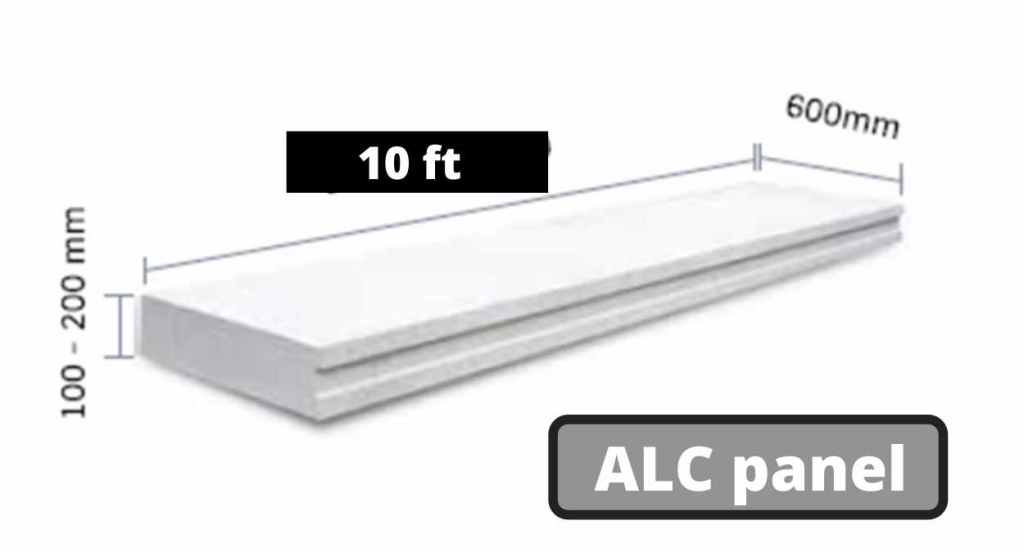
      ALC panels are solid panel systems having insulation properties and are embedded with steel reinforcements. They are suited for load-bearing and non-load-bearing applications. Load-bearing applications are restricted to single-storied or low-rise buildings. The floor and roof panels are usually 10 ft long. They have a standard width of 2 ft with tongue and groove joints. ALC panels are designed in suitable thickness to cater to the loads acting on the components. The technical properties of ALC panels as follows.

      ALC Panel - Aerated Light weight concrete panels
      ALC panels – Technical comparison

      ALC Panel – Aerated Light weight concrete panels

      Advantages of ALC panel

      ALC panels are best suited to cater to the present-day challenges of energy efficiency. They provide better fire safety and thermal insulation than any other building material. Let us examine the features and benefits of ALC panels. These advantages make them superior and a preferred choice of wall paneling systems.

      • Thermal insulation
      • High fire resistance
      • Acoustic insulation- ALC panel
      • Water and moisture resistant
      • Light weight product
      • Durability and strength
      • Environmental friendly
      • Earthquake resistant
      • Installation process and speed

      Also Read : AAC block Manufacturing process

      Thermal insulation

      ALC panel got a unique cellular structure that constitutes around 75% to 80% air bubbles. These air bubbles are responsible for their low thermal conductivity. The ALC panels got a k value nine (9) times less than concrete and twice less than bricks. ALC panels got the highest thermal rating of R30 in the industry.
      The low thermal conductivity helps ALC panels in maintaining and retaining indoor temperatures. The indoors will be kept cool during summers and warm in winters. ALC panels can reduce substantial energy loads and thereby generates an energy bill savings of around 25%.

      High fire resistance

      ALC panels got a unique cellular structure. They provide a superior fire rating of around 4hr for a 100 mm thick panel. The melting point of ALC panels is over 1600 degrees Celsius. It is much higher than the typical building temperature of 650 degrees Celsius. ALC panels do not release smoke or toxic gas during a fire incident.

      Acoustic insulation- ALC panel

      ALC panels possess natural sound insulation properties. They can also reduce mechanical vibrations to an extend. Noise insulation of these panels ranges between 40-60Db depending on the thickness of the panels and surface treatments. They can function as sound absorption and a sound resistance material simultaneously, which is not possible with other building materials. A good STC rating of around 44 is ideal. This enables ALC panels to be used in areas designed to have high acoustic performance. Ideal for hotels, hospitals, commercials, and residential uses.

      Water and moisture resistant

      Consists of millions of microscopic cells that resist the capillary flow of water and strongly resists water and moisture. 

      Light weight product

      ALC panels got a density of around 600-650 kg per m3. They are 4 times lighter than concrete and three times that of brick. These lightweight properties can reduce the self-weight. This reduction in self-weight in turn reduces the design loads on foundations. Usage of ALC panels can substantially economize the structure and ease the construction process. The overall saving in structural cost is around 15-20%.

      Durability and strength

      High pressure steam-curing autoclaving process gives ALC panels high strength to weight ratio even higher than M 150 concrete. ALC panels are used with reinforcements to meet load-bearing design requirements like bearing capacity, stiffness, shear resistance, deflection, etc.

      ALC blocks are a preferred choice for all kinds of walls due to their high load-bearing strength. They are used for external and internal walls, load bearing and non-load-bearing walls, basements, and firewalls, etc.
      They can absorb strong impacts, while also being able to withstand harsh weather conditions without cracking. They have a designed life span of 50 to 80 years.

      Environmental friendly

      ALC panels are environment-friendly building products. From the raw material to the production process there is no emission of toxic wastes to the environment. The wastage is minimal and negligible and the entire material is reusable and recyclable. ALC blocks use Energy saving manufacturing process and are LEED-certified and belong to the green building category.

      Earthquake resistant

      Earthquake forces on a structure is proportional to its weight and ALC panels can considerably reduces the weight of the structure. ALC panels have high shear wall strength and capable of resisting lateral loads. ALC panels can withstand wind loads.

      Installation process and speed

      ALC panels are manufactured in precise sizes, hence the tolerance in length, height, and width are only +/- 2 mm. The tongue and groove fixing arrangements are fast and easy and uses only thin mortar joints and putty. These thin mortar joints and precise dimensions can eliminate possible cracks and enhances the construction speed. ALC walls are fully cured in 11 hours where as concrete takes 28 days, minimizing cracks due to shrinkage.

      The panel erection is by dry masonry continuous operations and there are no height restrictions like conventional masonry works. Joints are sealed by special adhesives and no curing is required. After installation putty can be applied directly over the surface. The product can be cut and grooved using wood working tools much easier than wooden products. ALC panels can be cut easily, cored, ground, and installed fast and easy. Conduit joints and openings can be made easily in panels.

      Conclusion

      ALC blocks are a kind of porous plate with high performance. They can be a perfect, economic, and green alternative for conventional walling systems. They are easy and fast to install, durable and environmental friendly products. ALC panels got superior thermal conductivity, acoustic properties and fire resistant properties.

      Types of interior paints – Distemper and Emulsion.

      Interior paints, as the name suggests is the process of decorating the interior walls of a structure. While thinking of interior painting most people are more concerned about colours, shades, and textures. They never focus on the type of paint to be used for their interiors. The paint types to be used determine the durability, sheen and elegance, and life of the interiors and structures.

      Deciding the right interior paint is the first and prime thing to do before going to shades and textures. Each paint type comes with its composition, properties, and functionalities.

      This blog is about the type of interior paints that are used extensively in the painting of internal walls.

      Also Read : Vitrified tiles vs ceramic tiles – which one do you choose

      Also Read Tiles and marbles – which is best

      Interior paints – Types

      The right paint for the interior surface is the first thing to be decided before choosing the paint colours and textures. Following are the major interior wall used extensively nowadays.

      • Distemper
      • Emulsion
      • Enamel paint
      • Textured paint
      • Metallic paint
      Interior paints
      INTERIOR PAINTS

      Interior paints – Distemper

      Distemper is the oldest type of paint made out of mixing water, chalk, and pigment. Animal glue or resins are used as binding materials. Distemper was the only paint type available in the early 80s. However, distemper has evolved with time and is now available in a variety of types and grades.
      Distempers is also known as whitewash or cement wash but they are superior to whitewash.

      Distempers are applied directly over the plastered surface without any primer or putty. Distemper also functions as base coats for other superior paints and thereby helps in increasing the life of surface coats.

      Distemper is available in two types

      • Dry distemper ( water based paint)
      • Oil bound distemper (OBD)

      Dry distemper

      Dry Distemper is a water-based wall paint ingredient whose constituents are chalk lime, glue, and water. Distemper is brush applied and gives a better look than the traditional whitewash. It is available in powder form and has to mix in glue and water. A minimum of three or coats has to be applied to give a smooth finish. You can create a rustic or earthy look with Dry Distemper and is non – washable. This is the most economical paint available for interior surfaces.

      Oil bound distemper 

      Oil-bound distemper or popularly called OBD consists of an emulsion of drying oil or varnish that resists water. They are available in a ready-mix form and applied with a brush or a roller. On application of a minimum of three coats, you get a smooth matt finish. The main feature of this paint is that it is washable.

      The presence of drying oils in Oil bound distemper increase coverage area and enables the surface to dry within four hours. This distemper is usually affordable and durable, as well as gives a smooth matte finish. It is available in many colours. Oil-bound distemper is preferred for interior applications on plaster, brick, and ordinary walls, and ceilings for industrial /residential uses. Oil-based distemper is more durable than dry distemper.

      Also read : Marble flooring – Advantages and disadvantages – complete analysis

      Distemper availability in market

      Distemper paint is available in three main forms

      • Acrylic distemper
      • Synthetic distemper
      • UNO Acrylic distemper 

      Acrylic distemper

      Acrylic distemper is a water-based acrylic co polymer formulation. The environment-friendly distemper is also most suitable for interior applications. It gives a matte finish to the area it is applied.

      Synthetic distemper

      Synthetic Distemper is a water-based oil-bound interior wall paint. It is available in a variety of direct shades and gives a good-looking, time-tested, and durable finish for the walls. Being oil bound, the paint film becomes harder over a period, which gives better washability and durability.

      Uno Acrylic distemper

      Tractor Uno Acrylic Distemper (Asian paints) is a water-based acrylic distemper suitable for interior walls at an economical price. This washable distemper will keep your walls as good as new for a long time and it is available in more than 950 different shades.

      Interior paints – Emulsion paints

      Emulsion paints are water-based and odourless paint and are the most preferred painting choice for interior walls.

      The ingredients constitutes pigments, acrylic resin, solvent, and additives. The acrylic resins are in emulsion forms and function as an adhesive enabling the paint to stick onto the surface and holds the ingredients in place even after drying. The pigments in paints are responsible for colour and protection from UV light.

      Emulsion paints are durable, washable, and quick drying. The stains can be washed easily using mild detergents. The VOC emission is very low and it is very easy to maintain the walls and minimises the odours which are a part of other oil-based paints. Emulsion paints requires a primer coat and putty coats before applying finish paint.

      Plastic emulsion
      Plastic emulsion

      Types of emulsion interior paints

      Emulsion paints are known as plastic paints/plastic emulsions or acrylic emulsions. But in simple words all emulsions are technically plastic paints and all these are same. Basically plastic emulsion or plastic paint is a water based wall paint. It is based on acrylic and provides smooth matte finish. The main difference between normal emulsion paint and plastic emulsion is the washability factor and presence of acrylic materials.

      The plastic emulsions are available in the following types.

      Vinyl matt emulsion

      Gives a matt non-shiny finish that expertly covers small imperfections on the wall or ceiling.

      Vinyl satin emulsion

      Gives a subtle soft-sheen finish and is a more durable surface than vinyl matt.

      Vinyl silk emulsion

      Gives a high sheen finish and is the most durable of all the emulsion paints.

      Interior paints – Advantages of Emulsions

      Plastic emulsions/ acrylic emulsions gained popularity because of their ease of application, quick drying qualities , do not have any objectionable order like distemper and they have good washability. Stains can be removed easily from the surface with the help of mild detergents. They are humidity resistant and emits very less Volatile organic compound (VOC s).

      Conclusion

      Plastic emulsion is a much superior quality paint compared to distemper. Distemper can be applied with out any base coats and is very economical where as Plastic emulsion needs base coats and primer coats and is expensive. Considering the superior qualities plastic emulsion is the best choice if we really need a durable and long lasting interior.

      Monolith- The Technology, Merits and Demerits Full Guide

      Monolith is a well-known concept in the world. The technology is used to construct high-rise buildings and skyscrapers. The monolithic structure can withstand high loads (up to 8 points) without being broken, which makes it a suitable candidate to be used in seismic zones.

      Let’s look at what monolithic houses are, their benefits and drawbacks, and the construction process.

      The Technology of Monolith building

      Monolith
      Monolith

      The technology’s essence lies in pouring reinforced concrete sections of a monolithic house during erection. Since there is no load on this part of the wall, any sound (brick, block, sheet) or low-strength material (wood, PVC panel with insulation, glass) may be used to fill the gaps between slabs.

      In this technology a few variants of the frame are used:

      Steel rods of various diameters are used to make the reinforcement cage for a monolithic building. Many of the frame’s components are welded or bound together. However, since it takes more time and effort, the last bonding technique is rarely used.

      Formwork construction

      Circular or stay-in-place formwork is used for this housing. A framework structure is a large sound panel (panel formwork) or prefabricated pouring form (tunnel formwork) that prevents the concrete mixture from flowing and allows the shape to be saved during the setting time.

      There are various types of formwork construction in use:

      • Horizontal
      • Vertical
      • Creeping
      • For rounded elements

      In apartment buildings, monolithic houses with stay-in-place formwork are more popular. There are single-story monolithic cottages.

      Concrete mixture and grouting

      Concrete mixtures may be manufactured immediately on the building ground in a mixing batch or a special concrete goods plant, depending on the monolithic construction scale. In the second case, concrete is transferred to the moto mixer.

      Works with setting concrete

      The concrete is densified after it has been filled into a formwork. This phase is required to remove airlocks, which impede the mixture’s efficiency. The per vibrator or external vibrator is used to densify the concrete mixture. The smoothness of the surface of the walls and ceiling is influenced by the consistency of the densification of the concrete mixture, which in turn affects the fine finish budget.

      Form stripping

      After the concrete has reached the required strength, the formwork is removed and passed on to the next stage of grouting.

      Merits and Demerits of Monolith Building

      Monolith Building
      Monolith Building

      Monolithic houses have both benefits and drawbacks. Let’s make a distinction between them.

      One of the prime benefits would be the speed of construction. Monolithic buildings, which are similar to brick houses in design, are constructed faster than the previous ones. Equality of design is also a compelling point.

      The majority of houses are constructed in a specific pattern that is characterized by their constructional peculiarities. A monolithic building, on the other hand, has no bounds. Plans for such houses can be varied, multilevel, and have ceilings of varying heights, which is not typical of block or brick houses.

      The complete absence of open joints in a monolithic house has a range of benefits, including:

      • Increase in sound isolation level
      • Thermal insulation improvement
      • Extension of house life
      • Increase in strength
      • Protection from cracking
      • Lowering of construction weight

      You should pay attention to its disadvantages also Monolithic structures permit the easy propagation of sound and vibrations making soundproofing of the rooms a difficult task. Also, it demands a large amount of finishing work.

      Water proofing types – 5 effective methods explained.

      Water proofing is a method of applying coatings to a structure to make it waterproof or leak proof. Waterproofing is one of the most critical construction activities meant for enhancing the life and stability of the building/structure. In other words, we can say waterproofing means preventing the entry of water through a structure. This article is about the waterproofing methods suggested for residential, industrial, and commercial applications.

      Why waterproofing is required?

      Waterproofing is applied for basement or below-ground areas, toilet areas, swimming pools, water storage tanks, water retaining structures, rooftops and podium areas, deep industrial structures, foundations, etc.

      • Waterproofing is a must for basements below grade/ground level to prevent water seepage and structural damages. Basement waterproofing is unavoidable in areas where the water table is very high, and chances of rainwater flooding around the building and sweeping through the basement walls.
      • Concrete is a porous material and hence vulnerable to chemical attack. Water will enter and cause structural deterioration to the concrete and corrosion of embedded steel.
      • Rooftop and podium areas are exposed to rain and water seepage through concrete surfaces and cracks will damage the valuable interiors and embedded steel.
      • Waterproofing is a much-needed construction activity essential to maintain the life of the building.

      Also Read : Ready mix plaster vs conventional plaster – comparison

      Also read : Smart Building- 4 features full guide

      Areas of water proofing

      Water proofing is required in the following areas to prevent serious structural damage and enhance the durability and life of a building/structure.

      • Basement structure
      • Kitchen,toilet and other wet areas
      • Roof, terraces, balconies, podium, grass decks etc
      • Swimming pools and water retaining structures
      • Under ground tanks
      • Under ground industrial structures like wagon tipplers and track hoppers
      • Tunnels etc

      Types of water proofing

      Different waterproofing systems are suggested for different areas and locations depending upon the nature of water seepage expected.

      They are classified on the basis of method adopted

      • Cementitious water proofing
      • Liquid water proofing membranes
      • Bituminous water proofing membrane
      • Bituminous coating
      • Polyurethane (PU) based water proofing membrane

      Also read : Shotcrete – A total overview – Shotcrete vs gunite

      Cementitious water proofing

      Cementitious waterproofing is the most common and economical method of waterproofing used in construction works. The materials are readily available and can be mixed and applied with ease.

      The cementitious waterproofing materials are available in various types.
      Commonly used types are

      • Polymer modified Cementitious waterproofing
      • Acrylic polymer modified Cementitious coatings.
      • Crystalline water proofing

      Polymer-modified cementitious waterproofing

      Polymer-modified cementitious waterproofing systems are two-part cement-based polymer coatings that are highly flexible and elastic. Polymer-based coatings possess enhanced adhesion and are breathable. No vapor from concrete is entrapped inside. These types of coatings are preferred for waterproofing works in water storage tanks, basements, swimming pools, and pumping stations, and any other structures that are constantly in contact with water. These coatings are not preferred for waterproofing works exposed to sunlight.

      Water proofing method - Application of cementitious membrane
      cementitious coating

      Acrylic polymer-modified cementitious coating

      The acrylic polymer-modified cementitious coating is a single component /two-component material mixed with an acrylic polymer and special additives. The acrylic additives provide strong adhesion and a durable coating on any surface like steel, concrete, etc. The ingredients constitute cement-based materials that can easily blend with water or polymer emulsions. The acrylic polymer coatings are solid, durable, elastic, and nonbreakable.

      Crystalline water proofing

      Crystalline Cementitious Waterproofing systems consist of cement, quartz, or silica treated with and chemicals for the crystallization process. Once combined with water, it creates a crystalline structure that fills the pores, cracks, and capillaries in concrete which disallows water from seeping through them. This method of waterproofing is preferred for internal and external waterproofing of concrete structures.

      Cementitious water proofing systems are not preferred for areas where there are structural cracks or any other moments.

      Liquid-applied membrane

      Liquid-applied membrane (LAM) is a monolithic, fully-bonded, liquid-based coating that cures to form a rubber-like elastomeric waterproof membrane. These are mainly used for roof waterproofing.
      The coating is capable of stretching and returning to its original shape without damage. They can also be reinforced with materials like glass-reinforced plastic to enhance tensile strength.
      Liquid waterproofing membranes provide a cost-effective method of making a new or existing roof waterproof. They are durable, flexible, and got excellent life of around 20 years without failure. The application is done using brushes or sprayed over a coat of appropriate primers. The main ingredient responsible for the properties is polymer-modified asphalt.

      Polyurethane liquid based elastomeric membrane

      Polyurethane waterproofing is a two-component material based on urethane pre-polymers and cures by reaction with atmospheric moisture to form a continuous elastic and rubbery film. Unlike other waterproofing systems like sheet membranes and liquid applied membranes, this polyurethane application requires comparatively less skill and supervision.
      These membranes got excellent UV-resistant properties and got good adhesion to any surface like concrete, slate, tile, steel, etc. They are mainly used for roof applications.

      Bituminous coating

      Bituminous coating is a flexible coating used for structural protection and waterproofing of concrete foundations and exposed sides of underground exposed structures. The main ingredient of bituminous coatings is bitumen based material and anti-stripping agents. Bituminous coating is not preferred for works exposed to sunlight. On exposure, they will become brittle and peel off from the surface.

      water proofing - Bituminous coating
      Water proofing – Bituminous coating

      Bituminous membrane or APP Membrane

      water proofing - Bituminous membrane or APP membrane
      Water proofing – AAP Membrane or torch applied membranes

      APP membrane is a bituminous membrane modified with APP polymers. APP stands for Atactic Polypropylene and is manufacture from a plastic called atactic polypropylene and bitumen mix. These membranes are also called torch-applied membranes. During this process, the plastic begins to melt and form a wax-like liquid which is levelled on a surface.

      Conclusion

      The methods of waterproofing depends on the application areas and location of seepage. The locations, nature, economy, purpose of structure has to be technically studied and analysed before proposing an appropriate treatment method.

      Marble flooring – Advantages || Disadvantages – A complete analysis

      Marble is one of the most durable, elegant, and beautiful flooring materials used for centuries. Marble flooring is a superior quality flooring that can match any architecture concept and never get outdated. Apart from presenting luxurious interiors, the marble flooring can enhance the value of the building.

      Despite being one of the best flooring options, marble stone got their disadvantages also. This article provides a fair knowledge about the advantages and disadvantages of marble stone flooring.

      Must read : Vitrified tiles vs Ceramic tiles- How to choose a tile?

      Must Read : Types of ceramic tiles – Advantages & Disadvantages

      Composition of marble 

      A sedimentary stone like limestone subjected to enormous heat and pressure for millions of years is transformed into a much harder stone with elegant color, swirls, and veined patterns. This process of transformation is known as metamorphosis and the natural stone developed through this process is known as marble stone. The marble is quarried and cut into slabs and tiles and used for applications like flooring, countertops, wall cladding, floor and wall tiles, antique pillars, etc.

      Marble stone quarry

      The veins and swirls present in many marble pieces occur when various mineral impurities like clay, silt, sand, iron oxides, etc mixed with the original limestone. On polishing, the marble looks elegant, smooth, reflects light, and feels the interior more spacious.

      Also Read : AAC Blocks vs Red Bricks

      Also Read : WPC vs Plywood – Which is best ?

      Marble flooring stones – Types

      Marble is a semi- transparent and soft natural stone. They have a tendency to penetrate and reflects lights, They are porous stone with a high water absorption rate, Marble flooring tiles come in varying colors and surface patterns. Here we are listing some of the popular types of marble stone available.

      • Makarana Marble
      • Italian Marble
      • Rajnagar White Marble
      • Ambaji Green Marble
      • Kesarayaji Green Marble
      • Udaipur Pink Marble
      • Udaipur Green Marble
      • Jaisalmer Yellow Marble
      • Abu black Marble
      • Aandhi Marble
      Marble flooring

      Marble flooring – Finishing

      Marble floors/sculptures are finished in different patterns depending on the architecture concept and usage.

      • Polished marble
      • Honed finished marble

      Polished marble

      Polished marble is the most popular finishing option of marble flooring. The marble surface is ground with a stone polishing machine using a variety of stones. Polishing gives a smooth and high gloss look to the marble floor. Polishing exposes the veins and swirls in the marble and provides a classy, superior, and elegant look. Polished marble is less porous and very easy to maintain when compared to other finishes and able to retain the sheen and charm for many years.

      Polished marble is very slippery and not preferred in areas where there are chances of any water presence.

      b) Honed finish

      Honey-finished marble is the lightly polished form of marble finishing done just enough to produce a minor glossiness. These are less slippery but they may not be scratch resistant. Maintenance is also a little bit difficult when compared to polished marble.

      Advantages of marble flooring

      Marble flooring is one of the most popular options and is available in a wide range of colors, textures, and patterns. They are durable, elegant, and gives a superior feel to the interiors. Despite all these enormous advantages marble got a bit of a disadvantage also. These parameters have to be taken into account while considering the option of flooring with marble stones.

      a) Durability

      Marble is a natural material and got a reputation for durability over hundreds of years now. Marble is extremely durable,scratch-free, and long-lasting and can withstand any traffic and external pressures, and weight changes. Apart from residential uses, they are suitable for high traffic areas like commercial buildings, hotels, institutions, etc.

      b) Versatile Designs and natural elegance

      Marble is available in different colors, veins, swirls, patterns, and shades and can match any color scheme of the space and the customer’s needs. No other natural stone is elegant as marble that gives a simple and natural look to any space. The patterns, color, and design vary slightly in each slab/tile resulting in a custom look for each tile/slab.

      Marble flooring designs
      Marble flooring designs

      c) Translucent properties

      Marble is a translucent, semi-transparent material that allows some light to pass through it. The shiny translucent marble surface reflects light and thereby enhances the amount of natural light present in the rooms. This makes the rooms brighter, open, and more spacious. Because of the translucent properties, white and light-colored marble is best for flooring works. White cement grouts are more suitable for marble laying instead of grey cement.

      d) Ease of cleaning

      The marble floor is seamless and smooth and hence can be cleaned easily using mild detergents and water. The maintenance cost of a marble floor is low when compared with tile or any other type of flooring.

      e) Ease of cutting and moulding

      Marble stones are soft and the exact size as can be cut, moulded and shaped very easily.

      f) Eco-friendly material

      Marble is an eco-friendly and natural material. No chemical process is involved in the manufacturing of marble. Marble is a completely degradable material.

      g) Cool feeling on foot

      Marble stone provides a cool feeling in hot climates.

      h) Architect favourite

      Marble flooring gives an excellent look when mirror polished and provides a significant aesthetic for interiors. Marble flooring can match any color scheme of the space. The light-reflective properties enhance the class of this product and hence preferred by architects and interior designers.

      i) Heat conduction

      Marble is a good conductor of heat and is an integral part of radiant, in-floor heating system . This can make us feel warm even in the coldest temperatures.

      j) Antibacterial and anti allergic properties

      Marble eliminates microscopic particles and germs if it is cleaned properly.

      Disadvantages of marble flooring

      Despite its beauty, elegance, durability, and classic looks marble has some disadvantages. Let us go through the disadvantages of marble flooring.

      a) Softer stone

      Marble is a softer stone and is susceptible to scratching, chipping, breaking, etc when compared to any other material like granite, tile, etc. The surface is smooth and light in color and tends to show scratches and defects. Any damage may lead to the replacement of the total area with another piece.

      b) Vulnerable to acidic substances

      Marble is vulnerable to acidic substances like cleaners, lime, wine coffee, sauces, etc. These can permanently stain and decolor the marble surface.
      Hence marble flooring is not preferred for kitchen counters.

      c) Slippery surface

      Marble gets its looks from polishing. But polishing can make it slippery when it is wet. Hence marble flooring is avoided for wet areas like bathrooms, kitchen, etc.
      For overcoming this situation semi-polished or horned marble finishing is to be done. But the horned finish is not as attractive as the mirror finish.

      d) Water absorption

      Because marble is porous, it’s susceptible to water seeping in and causing damage,stains or discoloration. A penetrating sealer helps keep water from soaking into the flooring.

      e) High cost

      Marble is one of the high-end stone flooring options. But the durability and life will not be in line with the total cost price of the marble. They may not necessarily last longer than any other flooring options like granite and vitrified tiles. Marble stone is soft and may chip or damage in long run.

      f) Weight

      Marble stone is very heavy and increases and thereby increases the dead load on a structure. Lifting of marble is difficult when compared to any other flooring material. The building structure has to be strong enough to support the weight of heavy floors.

      g) Skilled installation manpower

      Marble flooring needs highly skilled and expert manpower for fixing systematically by matching the swirls and grains. Marble stone is a soft material and is prone to cracks. Any mistake in installation may ruin the pattern and also causes huge wastage and financial losses.

      h)Maintenance

      Acid free mild detergents are to be used for cleaning marble floors. Marble flooring requires annual sealing to restrict the penetration of water and liquids.

      Marbles are low heat resistance stone so its floor getting very cold in winter season. So it not suitable for cold regions.

      i) Wastage and no availability of matching stone

      Marble is a soft stone and tends to crack during loading,transportation and installation and creates a lot of wastage at site.

      It is very difficult to change/replace marble flooring once installed. The stone of same colour and design is hard to find after few years. You have to maintain some minimal stock while buying the marble tiles.

      Conclusion : Marble is one of the most versatile and luxurious flooring materials that can match any color schemes and themes. The selection of marble as a flooring material depends on the economy, aesthetic requirement, function, and purpose of space.