Category Archives: architectural finishes

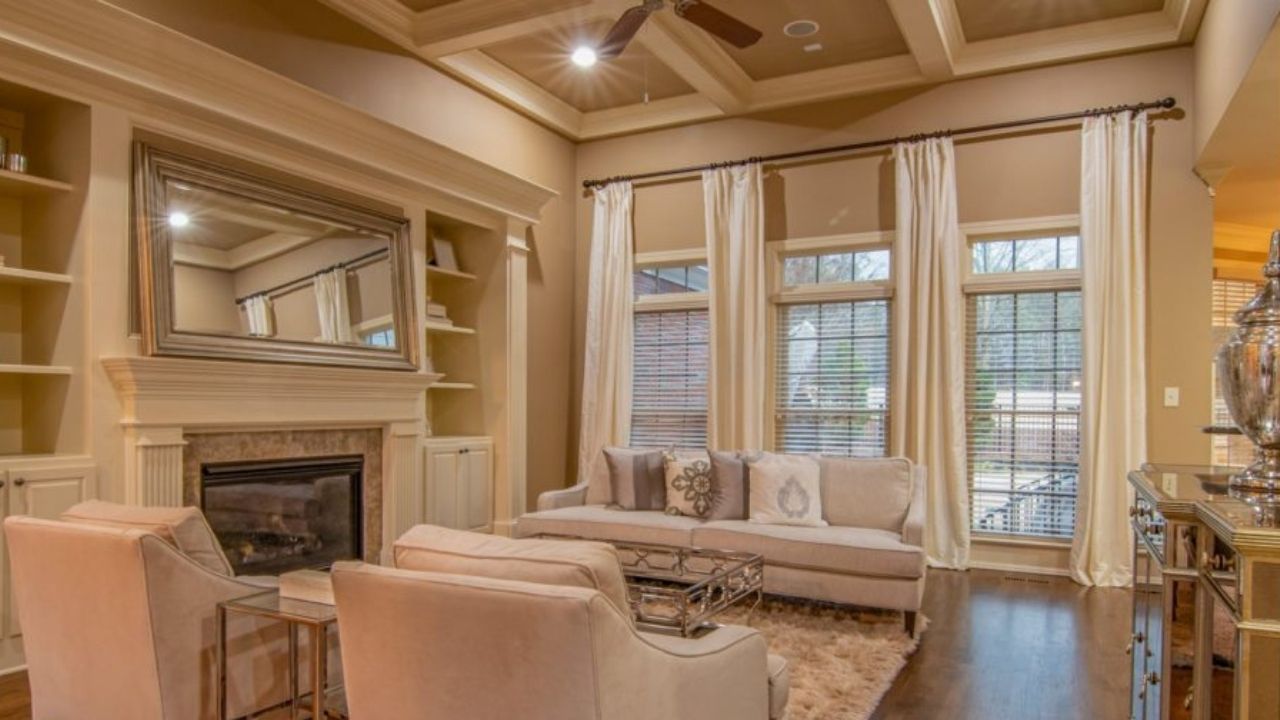
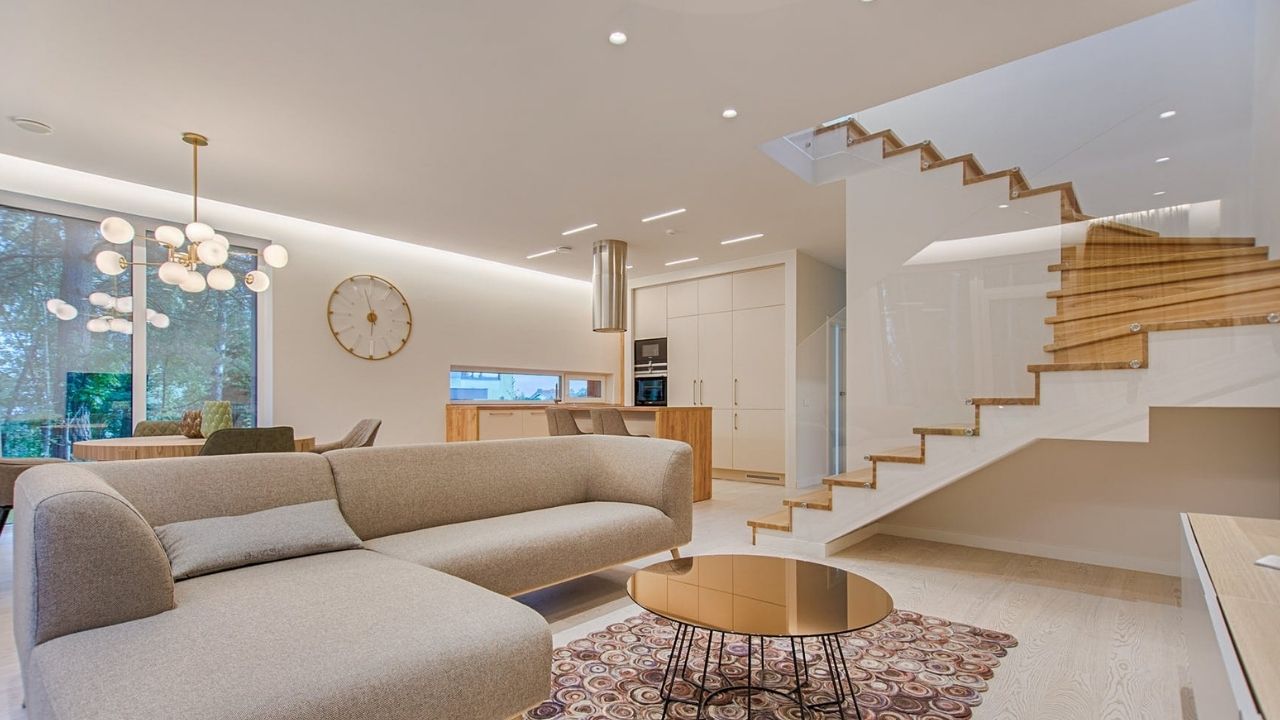
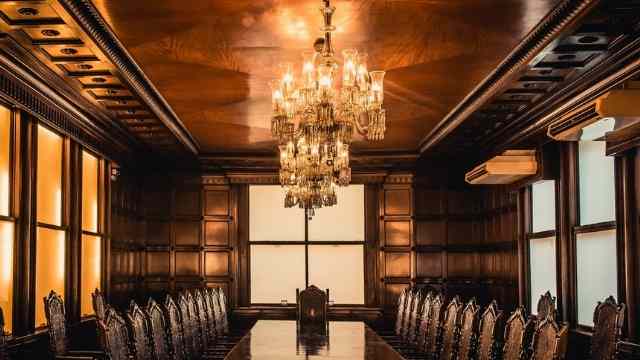
Architectural finishes in a holistic sense can refer to a variety of textures, , colours and materials and refers to hard and soft permanently fixed finishes such as plaster or render and other surface coatings, such as paint. Architectural finishes can be in form of  Vitrified tiles for flooring, ceramic tiles, False ceiling, textured paints, dry walls, facades, aluminium doors and windows, UPVC doors and windows, Epoxy painting, plastic emulsion, Plaster of Paries, natural stones like marble, granite etc

Types of ceramic tiles Advantages and Disadvantages

Ceramic tiles vs Vitrified tiles – The real difference between ceramic and vitrified tile is still out of reach to a consumer. For an average consumer Ceramic tiles, vitrified tiles/ porcelain tiles, etc are simply tiles used for flooring or cladding works because all are installed in the same way, got almost identical looks, got similar merits and demerits as a flooring material. On enquiring, you may get a lot of merit claims which confuses more than clarifying.
What exactly is the difference between these tiles or is it simply a marketing technique for selling out the more costly option?

Must read : Types of Vitrified tiles

What is a ceramic tile?

The tile is a very thin flooring material made of clay, stone, metal, etc extensively used for covering floors, roof, walls, etc. Enormous varieties like ceramic tile, vitrified tile, porcelain tile, terrazzo tile, chequered tile, metal tiles, stone tiles, etc are used as flooring materials based on the area of application and requirements. The category of tiles manufactured from natural clay, mixed with other ingredients, baked in kilns, and glazed for protection and looks are called ceramic tiles. Ceramic and vitrified/porcelain tiles come under the category of ceramic tiles whereas vitrified tiles are known non-porous ceramic tiles.

Classification of tiles

Classification of tiles
CLASSIFICATION OF TILES

The classifications of tiles are mostly based on their method of manufacturing, water absorption qualities, choice of application, area of usage, strength, etc. The most commonly used tiles are ceramic and vitrified tiles or porcelain tiles. The classification criteria are the percentage of water absorption which is around 4-5% in ceramic tiles where as it is below 0.5 % for vitrified tiles. Please refer above figure for the classification of tiles.

CERAMIC TILE FLOORING
CERAMIC TILE FLOORING (credits : Kajaria tiles)

Ceramic tiles – Properties

These are the most commonly used tiles available in a lot of designs, textures, and patterns and are used for almost every flooring applications. They are durable, comparatively cheap, and strong flooring material available in a lot of designs, colours, and textures. These tiles are easy to cut and fix and consists of a glazing coating for enhancing the protection. and are widely used in residential construction due to their versatile colour choice and designs and are capable of withstanding reasonable traffic and retain the sheen and charm for an extended period if maintained properly.

Reference IS CODE = IS 15622 – 2017

Water absorption3% -6%
Breaking strengthMinimum – 1000 N
Modulus of rupture20 to 30 N/mm2
Scratch hardness (Moh scale)4 minimum

These types of tiles are not preferred in high traffic areas and outdoors due to their low density and high water-absorbing qualities.

Ceramic tile manufacturing process

Ceramic tiles are manufactured from natural clay, sand, and water. The ingredients are ground and mixed with water in the right proportions to form a paste. The mix is pressed or extruded to form a tile and passed through a drying process for imparting the strength. The pattern, design, or textures are digitally printed on the surface and sprayed with a glaze powder before passing through the kiln for the firing process.

CERAMIC TILE MANUFACTURING PROCESS

In the first stage, the tiles are subjected to medium temperatures for removing the water content, and in the next stage, the kiln temperature is raised to 1000-1200 degrees. In high temperature, the glaze fuses and forms a transparent layer on the tile surface. Further, the tiles are subjected to a curing process before exposure to ambient temperature to avoid breakage.

Type of ceramic tiles

Ceramic tiles are classified into wall tiles and floor tiles. They are available in glazed and un-glazed varieties. Ceramic wall tiles are normally less durable than vitrified tile which is designed specifically for flooring. Most wall tile is glazed with a semi-gloss or matt surface. The glazed surface has a very low slip resistance and becomes slippery when wet. Therefore, glazed wall tile is much more suited for wall or counter-top applications rather than floors. Floor tiles are available in anti-skid and matt finishes which are used for flooring, bathrooms, and wet areas.

Advantages of ceramic tiles

Ceramic tiles are one of the most affordable, durable, and aesthetic flooring options in the residential construction sector. Ceramic tiles inherit a hand full of excellent properties making them the most preferred flooring options. Proper placing and regular care can maintain the charm, glaze, and sheen of ceramic tiles for a long-lasting period.

CERAMIC TILE FLOORING

Water resistant & Stain resistant

Ceramic tiles got a protective glazing layer on the surface and are impenetrable to water and stains. This glazing layer also protects the designs and textures and can also resist humidity to some extent. Because of these properties, Ceramic tile is preferred for moist environments like kitchen, bathrooms, etc.

Durability

Ceramic tiles are very strong, durable, and abrasion-resistant. Proper workmanship accompanied by regular maintenance can make ceramic tiles last for years. Broken tiles can be easily replaced without damaging other nearby tiles. The glazing coating is very hard and does not dent or scratch easily. They can be used for heavy traffic areas like living rooms, office space, bedrooms, etc.

Maintenance of ceramic tiles

Ceramic tiles are stain-resistant and very easy to clean and maintain using mild detergents. Ceramic tiles got a smooth and hard surface and do not attract or absorb dust, mites, and other micro-organisms which causes allergy and other asthmatic issues. Both un-glazed and glazed tiles can provide a long-lasting resilient and essentially an easy to maintain option for your home.

Colour/texture choice and affordability

Ceramic tiles are available in countless colors as well as textures, different looks and patterns can be created with flexible tile sizes. They can also be printed to reproduce the look of many hardwoods and natural stones. They can match almost any color scheme or theme. After the introduction of digital printing technology, we can print anything on ceramic tiles.
Ceramic tiles are not so costly compared to any other type of flooring material. They are rather not cheap also. But they are affordable considering the investment and the life of the ceramic tile. They are very easy to place and maintain will last a lifetime if properly installed and cared for.

Environmental friendly

Ceramic tiles are made from clay, sand, and glass. Nowadays ceramic tiles are made from recycled industrial wastes and considered environment friendly material. Ceramic tiles have insulating properties that can make the rooms cooler in summer and warmer in winter thus reducing the energy costs.

Disadvantages of Ceramic tiles

Easy to care for and available in hundreds of styles, nonetheless there are disadvantages that should be taken into consideration when a homeowner is choosing ceramic installation for the home. On getting clarity on the drawbacks we can make an easy choice.

Tile joints

Ceramic tiles are stain-resistant and water-resistant. But Grout lines are suspectable to moisture if not sealed properly. Care should be taken in choosing the sealant and sealing of grout lines. The tile joints have to be periodically sealed to restrict moisture entry and increase the tile life.

For installation, we need skilled workers to maintain the level and alignment. A proper laying is the most important factor deciding the tile life.

Ceramic tiles got a wide variety of colours and shades and the shades’ textures and style and choice of interiors tend to change with time. Once a ceramic tile is installed, replacing it will be a messy and costly option. Replacing a broken tile needs highly skilled workers and tools or else chance of breakage of nearby tiles will happen.

Ceramic tiles are very cold and it is very uncomfortable in winter times to stand on the tile. Area rugs has to be provided to cover up the area. Ceramic floors also retain heat during summers.

These tiles are denser and heavier than other flooring materials. They give extra dead load on the structure.

Conclusion

Considering the unique properties, added with a wide choice of colours and shades, and excellent resistance to stain and moisture, easy to clean and maintain Ceramic tiles are the most preferred flooring choice.
Video : Difference between Vitrified and ceramic tiles

Types of Vitrified tiles – Advantages and Uses

Types of vitrified tiles – Vitrified tiles are ceramic tiles with less porosity. Various types of vitrified tiles are available for catering to different functional requirements. Vitrified tiles are considered as a superior quality tile compared with ceramic tiles because of their excellent water-resistant and frost-resistant qualities, aesthetic looks, and durability. They are well suited for external and internal flooring and cladding applications and are used as an alternative to marble and granite.

What are vitrified tiles?

Tiles are classified into vitrified tiles and ceramic tiles. Vitrified tiles are manufactured by mixing clay with silica, quartz, and feldspar, pressed and heated in kilns whereas ceramic tiles are made from natural clay, moulded, and heated in kilns. The high pressure applied during the hydraulic pressing followed by the Vitrification process is responsible for imparting the superior qualities in vitrified tiles.

Vitrified tiles can withstand abrasion and maintain the surface quality and charm for several years. Vitrified tiles are available in a variety of patterns, designs, textures, and types and can match any colour schemes. Hence they are preferred for numerous applications in residential, commercial, and industrial works.

Vitrified tile flooring

Also read : Ceramic tiles – Types and uses

Vitrified tiles manufacturing process

Vitrified tile is made by hydraulic pressing a mixture of clay, quartz, feldspar, and silica. The hydraulic pressed tiles are heated in kilns at a temperature of around 1000-1400 degrees centigrade. The ingredients like Quartz, silica, and feldspar melts and transforms into a glass-like hard layer. This process of manufacturing is called the vitrification process which means making like glass. At high temperatures, the molten silica fills the gaps and air bubbles thereby making the surface extremely strong and non-porous. The manufacturing process is the one that makes vitrified tiles a much superior option to ceramic tiles. The vitrification process makes vitrified tiles dense, non-porous, abrasion-resistant, and durable than ceramic tiles.

Properties of Vitrified tiles

  • Vitrified tiles are superior flooring materials and are available in a wide range of textures and shades and posses a lot of unique qualities.
  • They are available in a wide range of colours, shades, and textures and can match any interior colour scheme of the structure.
  • Vitrified tiles are durable, dense, non-porous, and strong material. They have a Flexural strength of around 35 N/ mm2 and breaking strength of around 700 N.
  • Water absorption of vitrified tiles is less than 0.5% due to its non-porous quality. Hence they are preferred for external and wet areas.
  • Ceramic tiles have to be glazed whereas vitrified tiles do not need any glazing. The vitrification process transforms the surface into a glass-like layer.
  • Vitrified tiles look aesthetically elegant with a smooth texture and glossy looks. Vitrified tiles do not fade easily and can maintain the charm and looks for an extended period.
  • Due to the vitrification process, they possess high abrasion-resistant qualities and are preferred for high traffic areas.
  • Vitrified tiles are very easy to fix and generates less wastage due to its high breaking strength. They are very easy to clean and maintain due to its high stain-resistant properties.
  • Vitrified tiles are anti-skid and possess anti-bacterial qualities.

Also read : Difference between Vitrified tile and ceramic tiles

Types of Vitrified tiles

Vitrified tiles are available in a wide range of variations to cater to any functional requirements and costs. They can cater to high traffic areas like airports, metro stations, railway stations, industrial uses, etc to small residential uses. The category and types of vitrified tiles are tailor-made for adapting to any application.

CLASSIFICATION OF VITRIFIED AND CERAMIC TILES

Vitrified tiles are broadly classified into

  • Soluble salt vitrified tiles
  • Glazed vitrified tiles,
  • Double charge vitrified tiles
  • Full body vitrified tiles

The classification is based on the method of manufacturing, method of vitrification, material qualities, density, type of traffic, color choices and functions.

Also read : Ceramic vitrified tiles: Sizes, Finish,price comparison & applications

Soluble salt vitrified tiles

The liquid screen printing technique is used for soluble salt vitrified tiles. The single colour of soluble salts provides the colour layer on the surface of the tiles. These tiles are heated in a kiln and polished for use. The main problem with soluble tiles is that the colour fades gradually and losses the original sheen and looks very dull. Colour choice is very limited for Soluble vitrified tiles and is replaced by double charge vitrified tiles having much more flexibility in terms of colour and design choices. Soluble salt vitrified tiles are normally ivory colour based tiles.

Glazed Vitrified tiles (GVT)

Glazed vitrified tiles are vitrified tiles with glazing. These tiles are very much similar to ceramic tiles. Due to the vitrification process involved in the production method, they possess high strength, durability, and excellent water repellent qualities.

Type of GVT tiles are Digital Glazed Vitrified tiles (DGVT) and Polished Glazed Vitrified tiles (PGVT tiles)

Also Read : Difference between Digital Glazed Vitrified Tiles and Double charge Vitrified tiles.

Digital Glazed Vitrified tiles (DGVT)

Glazed vitrified tiles uses digital inkjet printing technology and hence it is called Digitally glazed vitrified tiles. Due to the involvement of digital printing technology the design choices are unlimited and can print rich textures and designs over the tiles. Marble patters, wood patters and anything can be print on the tiles using digital inkjet printing technology. This is only possible in the case of Glazed vitrified tiles.

The digital designs are printed on a 1mm – 2 mm thick glazing layer which provides the required protection and long-lasting charm to the tiles. These tiles are comparatively cheap and can be used for medium traffic residential and commercial applications. This is the most commonly used tiles now a days.

These tiles may scratch and fade in long run due to the lesser top layer bearing the textures and prints.

DIGITAL GLAZED VITRIFIED TILES

Polished glazed Vitrified tiles (PGVT)

Digitally glazed vitrified tiles are further polished for extra glossiness. Then the tiles are known as Polished Glazed Vitrified tiles. These tiles are mostly used for residential and commercial applications involving moderate traffic.

Double charged Vitrified tiles (DCVT)

Double charged vitrified tiles are also called double-loaded tiles. They are made from a mixture of clay, quartz, feldspar, and silica. They do not have a glazed layer and hence digital printing is not possible in these tiles. For Double charged vitrified tiles the designs are formed with a double layer of pigment having a thickness of 3-4 mm thick. That means the upper layer of the design mix is 3-4 mm thick and contributes almost 30% of the total tile thickness. These layers are pressed and fused to become a part of the tile body and not a layer as in Glazed Vitrified tiles. The tile surface is further nano-polished for making it non porous, extremely durable and abrasion-resistant with superior qualities.

Double charged vitrified floor tiles are by far the most preferred choice in flooring for Residential, commercial and industrial projects  because of the simple reason that they can withstand heavy traffic and need extremely low maintenance and last longer and gives a fresh look  when compared to Ceramic and Glazed Vitrified tiles. They are scratch resistant and abrasion resistant and can resist all climatic conditions.

Full Body Vitrified Tiles

This type of vitrified tiles has colour all the way throughout the body (thickness) of the tile. Because of this scratches are less noticeable in this type of tiles. Full body vitrified tiles are formed with the paint mixture pre-added while making the body. The design is in the total thickness of the tile and got a uniform shade through out the tile body.

FULL BODY VITRIFIED TILES
DESIGN IN THE TOTAL THICKNESS

Design will never fade because it is spread over the entire body of tiles. Full body tiles are ideal flooring choice for heavy traffic areas, industrial structures, airports etc. These tiles are less preferred in residential construction due to their higher costs.

Conclusion

All types of vitrified tiles are good when chosen based on the functional requirements.

Powder coating process – An amazing paint alternative

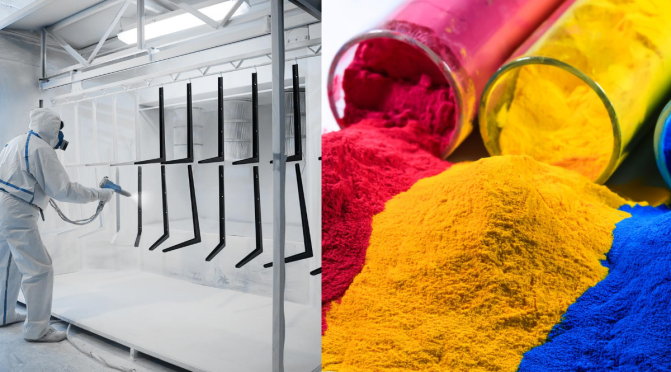
The powder coating process is a method of spraying electrostatically charged dry powder over the material surface. The powder coating process is also known as the electrostatic spray deposition process. The dry powder constitutes a combination of finely ground pigments and resins. Powder coating was introduced in the late 1980 s and is being extensively used in the industrial, commercial, and household applications. This process provides a smooth, durable, decorative, and a corrosion-resistant coating.
Powder coating process
POWDER COATING PROCESS

Difference between Powder coating process and Polyester Powder coating

A lot of confusion is prevailing between the terms, “Powder Coating” and “Polyester powder” coating. Powder coating is the method of application of electrostatically charged dry powder to the material to be coated. Powder coating can be applied on any surface. However, the powder coating ingredients differs with material types and the environment where it is used. The most popular powder coating types are Epoxy Powder Coating, Polyester Powder Coating, and Hybrid Powder Coatings.
Polyester powder coatings preferred in applications are classified into TGIC Polyester coating and Urethane polyester coating. For aluminium extrusions, TGIC Polyester coating is preferred due to there low temperature curing properties.

Also read : Aluminium Anodising Process -A remarkable Finish Coating

Powder coating process

Powder coating process is broadly classified into three important stages.

  • Surface preparation
  • Powder coating process
  • Curing process

Surface Preparation

The durability and serviceability of a coating depend on the quality of surface preparation. Surface preparation is essential to remove the dirt, grease, and other impurities from the material surface. The cleaning process includes various stages of cleaning, rinsing, etching, blasting, and drying, etc. The surface preparation stages are as follows.

  • Chemical cleaning
  • Conversion coating

Chemical cleaning

The chemical cleaning process uses mild alkalies(caustic soda), acids, and detergents for cleaning. The cleaning process is followed by rinsing with hot water, steam, detergent, etc. However, the type of acid/alkali cleaners depends on the material type to be coated. For example, aluminium is sensitive to acid attacks and requires mild alkaline cleaners. Rinsing with nitric acid done on anodised surfaces.
On completion of the cleaning process, the surface feels smooth and free from grease, oil, impurities, etc

REMOVING MATERIALS FROM OVEN

b) Conversion coating

A conversion coating is applied on the surface to enable strong adhesion with powder coating. The chemical solutions for conversion coating are selected based on the type of material to be coated. For aluminium surfaces, the conversion coating is applied for a surface with strong adhesive nature and to arrest the progress of oxidation before powder coating.

For aluminium surfaces, conversion coating uses chromatic or phosphate solutions. In mild steel Zinc phosphate/ iron phosphate solutions are used. After completing the conversion coating, the coated material is cleaned in rinsing tanks. The final rinse is done using simonized water. The rinsing process removes chemical salts and other residues from the surface of the material that can trigger corrosion and can affect the coating adhesion properties.

On completion of the conversion coating, the material is dried in a drying oven to remove any possible moisture before application of the coating.

Powder coating process-Types

Once the drying process is over, the clean and dry material from the drying oven is shifted to a powder coating booth for powder coating. The powder coating application is commonly done in two methods based on the type of material and environment where it is used.

  • Electrostatic deposition
  • Fludized bed powder coating

Electrostatic deposition

In Electrostatic spray deposition or ESD method of powder coating, the finely ground powder is sprayed by a gun to the material. The entire system constitutes a spray booth, a powder feeder, an electrostatic spray gun, and a power unit.
For the ESD process of powder coating, a finely ground resin and pigment powder are charged inside a gun. The material to be coated is grounded/earthed to provide an opposite charge. The electrically charged particles from the gun are sprayed on to the earthed material. The powder on leaving the gun gets attracted to the earthed parts due to electrostatic attraction. In this process, areas that are not even in line with the gun also get attracted to the material to be coated. The powder will continue to stick on the surface as long as it is grounded/earthed. The thickness of the coatings depends on the type of environment the part will be used in. Any powder left after the coating is reclaimed and reused.

Powder coated materials
POWDER COATED MATERIALS

Fluidized bed powder coating process

In the Electrostatic deposition process, the powder coating material is electrostatically sprayed and adhered to the surface. But in the case of fluidized bed powder coating, preheated parts are dipped to the powder material within a fluidized bed. There is also an alternative option called electrostatic fluidized bed powder coating, which generates a cloud of electrically charged powder particles above the fluidized bed through which the part to be coated is passed.

Curing of coated materials

The coated materials are co to an oven, where the painting process gets completed by ‘curing’ the particles.
The oven heats the metal to about 200°C. The high temperature first fuses and melts the powder particles, allowing them to flow together to form a film and then cures the resin system in the film to form a smooth surface.
Other additives within the powder formulation make them anchored to the conversion coating, developing a cohesive structure.
After the curing oven, sections are transported to a cooling station, inspected, packed, and dispatched.

CURING BOOTH
CURING BOOTH FOR POWDER COATING

Advantages of powder coatings process over liquid coatings

The wet painting system was the most common and traditional coating method. In this method, water-based or solvent-based paint is sprayed or painted to the material surface. Many concerns or issues associated with liquid paints are eliminated or minimised with the powder coating process. The advantages of powder coating over wet paint are listed below.

Resistance to corrosion and chemicals

Powder coatings are more durable and more resistant to corrosion, chemicals, weather, etc than liquid coatings. Powder coating provides wear, scratch-free, and abrasion-resistant coatings in comparison with liquid paints. The application process of powder coating is thermal bonding which provides a uniform, smooth, and even coating. The colours always look fresh and bright and give a refreshing look than liquid paints.

Color choice

Powder coatings offer an unlimited range of colours, finishes, textures, which is not achievable through any type of conventional liquid coating method. Powder coating can match the colour scheme of any object/structure. The enormous choice of colours and textures ranging from matt, glossy, and textured to metallic finishes makes powder coating one of the most preferred coating choices. Powder coating can be used as a protective coating as well as decorative applications.

POWDER COATING COLOURS

Durability of powder coating

Powder coatings are long-lasting and durable than any other liquid coatings. Powder coatings offer high resistance to impact, moisture, chemicals, wear, and abrasion compared to any other liquid coatings. They can also protect the materials against possible scratches occurring during the fabrication and fixing of the material and can be used in high traffic areas.

Environmental friendly

The liquid coatings emit VOC s (volatile organic compounds) due to the presence of solvents and cause serious environmental issues. Powder coating is free of any solvents and does not emit any VOCs and is thereby considered a green product. Moreover, the powder coating process does not create any hazardous waste that needs disposal. Any waste powder left after the coating is reclaimed and used. Powder coating is considered an environmentally friendly alternative to liquid coatings and thereby extensively used for green building-related projects.

Operational cost of powder coating

Powder coating is an economic option when compared with other organic finishes/ liquid painting methods. The powder coating application can be done with minimal training and supervision and thereby can reduce costs related to labour and operations. Powders left after the coating is recycled and reused. Fewer energy costs, reduced disposal costs, and low reject costs makes powder coating an economical option. Powder coating also has a longer life span when compared to other coatings and this can be another value addition in terms of money.

Safety

Liquid paints are flammable, carcinogenic, and full of volatile organic compounds and are harmful to the environment as well as the workers involved in the process, if not handled properly. Powder coating consists of solids and no solvents and hence is not harmful to persons handling it. Moreover, powder coatings possess good fire rating qualities in comparison with other liquid coatings.

Disadvantages of powder coating process

Thin coatings are difficult to produce

Powder coatings are 100% solid and because of this, even with a minimum amount of application, the initial thickness is formed. Moreover, it does not contain any volatile organic compounds. This makes it impossible to have thicknesses of less than 25 microns. Whereas in liquid paint, we have paint thinner and it is possible to have a lower percentage of solids, the film thickness can even be limited to 10 microns.

Failure of coating on exposed to atmosphere

On exposure to extreme atmospheric conditions like sunlight, heat, humidity, etc powder coating tends to fail, crack, and peel off. Hence not preferred for external applications involving exposure to extreme atmospheric conditions.

Color change after application

The production process and blending of powder coatings are carried out in a molten form. Hence it is not possible to change the color after production. Whereas in liquid paint we can change the color in all the stages, even when applying the paint, by adding stainers and pigments.

Size of coating material

The spray equipment and method of application of powder coatings confine the coating application to spray chambers only. Substrates must be charged and on completion of the coating. The materials have to be transferred to an oven where the curing process involving a temperature up to 200 degrees is done. Considering these conditions, it is not possible to coat and cure large substrates.

Oven curing

Powder coatings only dry and cure in temperatures above 180 degrees. Whereas liquid paints are varied and could dry up even in room temperature.

Control of material quantity and smoothness

Powder coating offers less control over the speed and amount of powder coating applied. The smoothness of the coating cannot be controlled as it is happening inside the oven.

Start up costs

The start up costs are high for powder coatings. Requires skilled workers for coating and operation of the plant.

After considering the limitations and advantages of powder coatings, and the selected product to be coated, you can evaluate whether coating metals with liquid paint or powder is more suitable.

Uses of powder coating process

Powder coating process is being used for a wide range of applications ranging from household , commercial, industrial ,automobile sectors.

Appliances

Powder coating is used for appliances like stoves, refrigerators, washers, dryers, dishwashers, air conditioners, water heaters, microwave ovens, and many other areas.

POWDER COATED HOUSE HOLD APPLIANCES

Automotive

Powder coating is used often in the automotive industry for engine parts and componets. It is also used by major auto brands as a clear top coat for increasing protection

Commercial Buildings and Offices

Powder coating is used for doors, windows, partions, roofing, cladding etc for residential buildings, commercial buiding etc.

Everywhere you look there are various building and highway projects which use powder coating as well – guardrails, light poles, fencing, posts, and signs are a few examples.

ALUMINIUM DOORS AND WINDOWS

Normal Daily Products

Many daily products are being powder coated to increase the quality of finishes. These products include antennas, lighting fixtures, and electrical elements. Farm equipment and tractors use powder coating. Fitness industries use powder coating on golf cards, golf clubs, ski poles, bicycles, snowmobiles, and other different types of exercise equipment.

Powder coating is also used for supermarkets, stores, malls etc . Every where around us we can see a material using powder coating.

Video : Difference between Anodising and Powder coating

DIFFERENCE BETWEEN ALUMINIUM ANODISING AND POWDER COATING

Aluminium Anodising – A remarkable finish coating

Aluminium Anodising is an electrochemical process done on aluminium to increase the thickness of thin natural oxide coating and thereby enhance its corrosion properties. In our previous article Properties of Aluminium, the reasons behind applying a coating are described in detail. The anodic layer is non-conductive and acts as an insulation against electricity, sound, and heat. Aluminium anodising can increase the aesthetic look, absorb wear and tear and provide requisite durability against possible scratches occurred during handling, fabrication, and erection.

What is Aluminium Anodising ?

Anodising is an electrochemical process that transforms the metal surface into a decorative, durable, and anti corrosive anodic oxide finish. The Anodising process is conducted by passing an electric current through an electrolyte with aluminium to be coated as an anode. The oxygen ions released from the electrolyte get deposited on the surface of the object/anode. Oxygen reacts with aluminium to produce aluminium oxide. The thickness of Anodising ranges from 4 microns to 30 microns or some times more.

Anodising Tank
ANODISING TANK

Aluminium Anodising Process

The process of anodising is divided into stages depending upon t

Pre-treatment

The products to be anodised are cleaned in acid or alkali solutions to remove the dirt, grease, and other impurities from the surface. The pre-treatment method depends on the types of finish to be applied. The material is de-oxidised in an acidic solution to remove the natural oxide film.

Etching

Etching involves the removal of some parts of aluminium from the surface. This can be done using alkali or acid according to the finish coat type and texture.
For satin finishes and precision parts light etching is done using alkali where minimum etching is done just enough to remove the natural oxide film. The alkaline solution used for light etching is Sodium Hydroxide.
For non-precision parts and architectural extrusions, minor scratches and dye markings will be visible. Hence etching is done by treating in a concentrated mixture of phosphoric and nitric acids.

Etching process of aluminium

Brightening

Brightening is a micro level treatment done on the aluminium surface by chemical or eletrochemical means. This is done to level up the undulations. This provides a high lustre on the surface for receiving the coatings

Aluminium Anodising

The aluminium part to be anodised is submerged in an electrolyte solution. The electrolyte used in this process is sulphuric acid.
The positive charge is applied to the submerged aluminium which acts as an anode and negative charge is applied to the plates suspended in the electrolyte. High voltage direct current is passed through the electrolyte constituting positive and negative ions. The electric current in the circuit causes positive ions to get attracted to the negative plates, and negative ions to flock to the positive aluminium anode.

Anodising aluminium in an electrolyte

Formation of barrier layer

The aluminium combines with the negatively charged oxygen ions to create aluminium oxide. This process develops a metal oxide film on the surface of aluminium that is treated. The layer quality can be adjusted with the concentration of solution and temperature.This is called a barrier layer, a defence against further chemical reactions at those spots.

Formation Of Barrier Layer
FORMATION OF BARRIER LAYER

As current continues to be applied, the relatively weak and reactive areas of the pores will continue to penetrate deeper into the substrate, forming a series of column-like hollow structures. At this point the surface is porous and attracts dirt and other substances. Colour can be added at this stage.

SEQUENCE OF PORES FORMATION DURING ANODISING

For typical non-hard coatings, the depth can be up to 10 microns. Once this level is reached, and if no colour is needed, the process is stopped. 

Sealing process

The final stage is sealing of pores and the process involves in dipping in a de-ionised water rinsing.

The coating can withstand chemical attack, scratch resistant and have a hardness index of 9 out of 10  in Mohs Hardness scale , means second only to diamond.

Application of colour

As mentioned above the barrier layer is porous like what is shown in the figure. At this stage we can go application of colour. The pigments fills the porous.

The pigment fills all the empty pores up to the surface, where it’s then permanently sealed off. That’s why anodised colours are so durable – they can’t be scratched off from the surface because in fact the colours are deep down and can only be removed by grinding away the substrate.

COLOUR/PIGMENT FILLING IN PORES
COLOUR/PIGMENT FILLING IN THE PORES

After colouring, anodised aluminium has a characteristic “metallic” look. This is caused because of the roughness left after a uniform electro-chemical etching. The deeper the pores, the rougher the surface will be but the colours will also be that much more durable.

Technique of colour anodising

There are several techniques for colour anodising aluminium. One technique is electrolytic colouring, which involves immersing the anodised aluminium in an inorganic metal salt bath. An electric current is applied to this bath as the metal salts oxidise in the aluminium’s pores. Depending on the chemical conditions of the bath and the length of time immersed, the aluminium colour will vary. Popular anodised colour finishes include gold, black, stainless, clear, brown, bronze, and nickel. 

Advantages of aluminium anodising

Anodised aluminium possesses a lot of advantages over any other type of coatings. What is unique, is that no additional layer is applied to the aluminium during anodising. Anodising creates a layer that is built up from the existing aluminium. The oxide layer is fully integrated into the material.

a) Appearance of aluminium anodising

Anodising protects the natural feel and appearance of aluminium with its aesthetically pleasing looks. Anodised look feels better than a painted artificial look.

b) Resistance to corrosion & wear

Anodising increases corrosion resistance and the material retains its appearance for a longer period. Anodising creates a hard, wear-resistant layer which protects the underlying aluminium. Anodised aluminium is used in high traffic areas subjected to excessive wear and abrasion. It can also be used in areas exposed to sunlight, humidity, heat, etc without any effect on the coating.

c) Increase life span of aluminium anodising

Anodising is a very old and proven process. Anodised materials have a greater life span when compared with any other coating material.

d) Adhesion 

Unlike paints and powder coatings, anodising is not a coating. Hence it may not fade or peel off when exposed to atmospheric conditions like sunlight, heat, moisture, etc.

e) Abrasion resistant

The aluminium oxide layer is one of the hardest material next to diamond. The anodic layer is capable of withstanding wear and abrasion in transportation, handling, and fabrication. Powder coatings are not as harder as anodised aluminium.

f) Environmental Friendly and VOC s

The process of anodising aluminium is an environmentally friendly metal coating technique. It does not emit any volatile organic compounds. (VOC s). The waste of aluminium anodising constitutes aluminium sulphate and aluminium hydroxide which are recycled and used in water treatment systems and cosmetics. Anodised aluminium can be used in green buildings.

Anodised Aluminium used for Green Building

g) Surface finish

Anodising creates a uniform and regular finish. The problem of orange peeling and high coating thickness may not occur in anodising. Anodising can be applied to modified materials also.

h) 100% Recyclable

Anodised Aluminium can be recycled and reused to any extend. The recycled product possesses the same quality as the virgin product. Coating removal is not necessary before recycling like other coating products.

i) Filiform corrosion

The diminishing of the internal layer between the aluminium surface and the coating doesn’t happen in anodising like other coatings.

J) Chalking

Chalking is the formation of fine powder on the surfaces of paint films due to weathering, whereas in aluminium no chalking will be formed. The colour , gloss, texture etc shall be retained in all atmospheric conditions.

Aluminium anodising – Applications

Anodised aluminium is used in a lot of applications.

a) Building and construction sector in the form or extrusions which are fabricated and erected for sky light,facades, green building, handrails,doors and windows etc.

b) Used for automobile, boat and aircraft parts

c) Food processing industry

d) Decorative works

e) Marine – Yacht masts, pontoons and decks etc

AIRCRAFT PARTS
AIRCRAFT PARTS

Demerits of Anodised aluminium

Aluminium anodising got limited colour selection because of the chemicals used in the anodising process. The available colours may not match with the colour scheme of structures.

Touch-up, repair and re coating of anodised product is not possible.

Anodising is vulnerable to lime and cement, Industrial acid, alkali pollutants etc. Anodised aluminium has to be protected while using in under construction buildings.

Anodising is costly than the other polyester coatings.

Anodising does not cover the welded joints.

Shade variation between batches usually happens in anodising.

Properties of Aluminium – The Most Unique Metal.

The Properties of Aluminium play an important role in its transformation to one of the most significant and versatile materials on earth. The properties of aluminium are acquired from its ability to form aluminium alloys on combining with chemical elements. These aluminium alloys got unique properties that can be customised for various applications. Aluminium sections are available in various forms that include aluminium square bars, aluminium plates, aluminium extrusions etc.

What is aluminium?

Aluminium is a silvery-white lightweight material that makes up for more than 8% of the earth’s core mass. It is the 13th element of the periodic table. and is the third common element on earth other than silicon and oxygen. Aluminum is available in the form of aluminium sulphates.

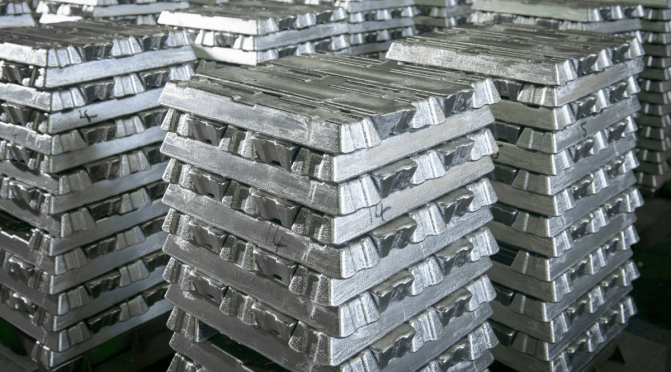
Aluminium Processed In Smelter
ALUMINIUM PROCESSED IN SMELTERS

Manufacturing process of aluminium

The primary raw material used for producing aluminium is Bauxite. Extracting a tonne of aluminium requires 5-6 tonnes of bauxite. Aluminum is manufactured in two phases: the Bayer process of refining the bauxite ore to produce aluminium oxide. Aluminium oxide is processed in smelters to produce aluminium. The process of extraction of aluminium from bauxite is known as electrolysis or electrolytic reduction.

Aluminium Smelter
ALUMINIUM SMELTER

Properties of aluminium.

Aluminum is one of the most commonly used building material. Aluminum is the preferred choice for a lot of applications because of its unique and valuable properties.

a) Light weight properties of aluminium

Aluminium is lightweight and is 1/3rd the weight of steel and is one of the lightest materials in the world. Even though aluminium is lightweight it is very strong and corrosion-resistant. Because of its lightweight properties, aluminium can reduce the dead loads on a structure and optimise the design. This optimisation can reduce costs in a lot of applications.

b) Corrosion Resistant properties of aluminium

Aluminum is corrosion-resistant, due to the formation of a thin oxide film on its surface. This film acts as a barrier and prevents corrosion.

c) Non magnetic properties of aluminium

Aluminum is non-magnetic and a very good conductor of heat and electricity. Because of these properties aluminium is used for power transmission cables, computer components, LED lights, etc

d) Flexibility in moulding and fabricating

Aluminum is processed in both cold and hot conditions. It can be easily pulled, moulded, rolled, and extruded very easily. Similarly, aluminium can be formed into thin sheets of even 4-micron thickness.
They can be welded and fabricated to any shape. Aluminum is used for making sophisticated aircraft parts to foils for wrapping. Considering the flexibility of fabrication into any shape aluminium forms an integral part of the construction sector for facades, skylights, green building structures, doors, and windows, etc

Aluminium Glass House
ALUMINIUM GLASS HOUSE

e) Aluminium alloys

Aluminum forms a huge variety of alloys in combination with a lot of chemical elements. Even the smallest change in the percentage of ingredients can change the metal properties. This gives the much-needed flexibility for usage in various conditions. Aluminum zinc alloy is used for making computer and mobile components, similarly aluminium with silicon is used for manufacturing alloy wheels and automobile components. A small percentage of elements can vary the properties to any extend.

f) No toxic and odourless

Aluminum is non-toxic and orders less. Hence it is used extensively in the food processing and beverage industries.

g) Strength at low temperatures

Aluminum can retain its strength even at very low temperatures wherein steel tends to get brittle in low temperatures.

h) Coating/painting

Aluminium can be coated/finished using any colour in line with the objects colour scheme.

i) Recyclable

Aluminum is a hundred percent recyclable. The recycled product has all the qualities of a virgin product.

j) Reflective properties of aluminium

Aluminum posses very good reflectivity. Hence it is used for roofing sheets and Light shades. Aluminum roofing can reflect heat and cools the ambient temperature.

Applications of aluminium in construction sector

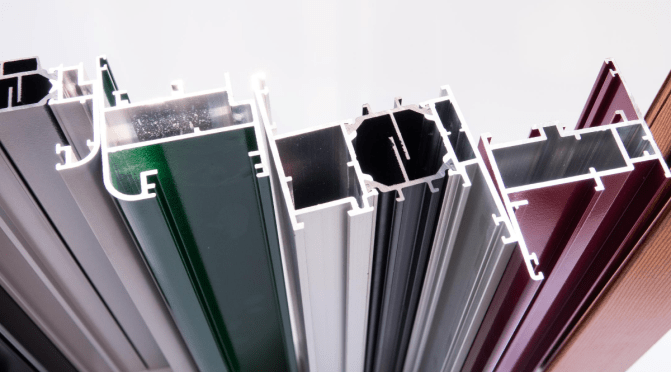
Aluminum can be welded, fabricated, painted, and moulded into any shape and forms. They are lightweight and can be lifted and erected very easily. Because of these unique qualities, aluminium is one of the most versatile, significant, and cost-effective materials used in the construction sector. The most important use of aluminium is in the form of extrusions. Aluminium is also available in form of aluminium square bars, aluminium plates etc. Extrusions are fabricated/jointed to form doors, windows, and partitions, frames of facades, skylight structures, green buildings, aluminium structures, etc. Aluminum extrusions are coated/painted to match the colour scheme of the building/structure. Because of these qualities, aluminium is the most popular material used extensively in the construction sector.

Aluminium Extrusions For Various Uses
ALUMINIUM EXTRUSIONS FOR VARIOUS USES

Aluminium coatings

Aluminum itself is non-corrosive due to the formation of thin oxide films on the surface for protection from corrosion. Then why you need a coating for aluminum.

a) Enhance the look and appearance

Mill finished aluminium is dull in colour and may not always match with the building/structure’s colour scheme. On the application of the coating, the aluminium structures can match the colour scheme of buildings/structures. Designers/architects proposes the type of coating and colour to be applied after analysing the utilities, environment, and colour schemes. A coating matching with an appropriate colour scheme can enhance the appearance and look of structures/buildings.

b) Increase the Corrosion resistant properties

Most of the cases the oxide film on the surface of aluminium is sufficient to take care of corrosion. In some cases, the structures need an extra protection from corrosion. Similarly long exposure to moisture and water can damage the natural oxide film. The coatings can increase the thickness of oxide film and can provide an extra layer of protection which in turn enhance the protection against wear and tear, handling defects, and corrosion.

Aluminium Wall Cladding
ALUMINIUM CLADDING

c) Hardness of members

Coatings can increase the hardness of the materials and protect the material from excessive wear and abrasion encountered on transportation, loading, fabrication erection, etc. Coatings also protect the structures against possible wear and abrasion when used in high traffic areas.

d) Dye marks

Mill finished aluminium have dye marks. Coatings cover these dye marks and makes the surface look smooth and even.

e) Reflectivity

Coatings increase the reflectivity of aluminium and hence used for roofing sheets and light covers.

ALUMINIUM CLADDING
ALUMINIUM CLADDING

Coatings and treatments on aluminium

The most commonly used types of coatings are as follows. The type of coating basically depends on the choice of colour, hardness required, durability and area of application. The following are the the three different types of coatings commonly used for aluminium.

a) Polyster Powder coating

b) Anodising

c) PVDF Coatings

Materials for False ceiling – Top 7 False ceiling materials

Selecting the materials for the false ceiling is one of the tricky tasks everyone should be facing while thinking of a new construction or renovating an old one. The materials for false ceilings should be durable and be in line with the requirements of application areas.

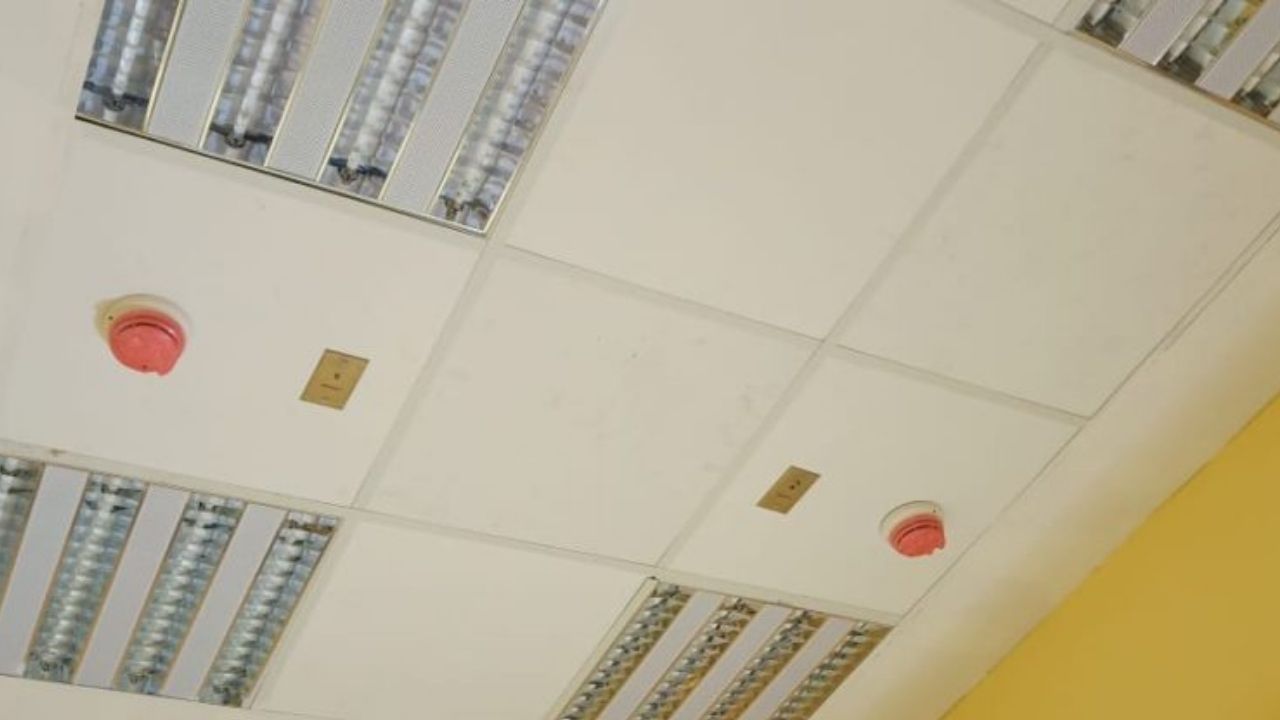
An artificial ceiling below the main roof of a room or a building is known as a false ceiling. False ceilings are second layer roofs, hanging from the main roof on suspended hanger supports. False ceilings provide an attractive and aesthetically pleasing look on the roofs. This article is about the top 7 trending materials for false ceilings.

  1. Benefits of False Ceiling
  2. Materials for False ceiling
  3. POP of Plaster of Paris False ceiling
  4. Gypsum board false ceiling
  5. Metal False ceiling (Tile and plant type)
  6. Wooden Ceiling
  7. PVC False Ceiling
  8. Mineral Fibre Board
    1. Open Grid False ceilings
  9. Disadvantages of false ceiling
  10. Installation method of all false ceilings
    1. Checks for brickwork
    2. Plastering and painting
    3. Check for concealed systems
    4. Fixing of False ceiling
    5. Cut outs for fixtures
  11. Precautions For False ceiling works

Benefits of False Ceiling

The main benefits of false ceilings are…

  • Improves the aesthetic appearance of the interiors.
  • Reduces room height proportionally and makes space feel more compact and pleasant.
  • Acts as heat insulators and thereby reduces air conditioning load. The air gap between the ceiling and roof behaves like a nonconducting medium and minimises the heat and cold transmission. This reduces the air conditioning loads and energy bills.
  • A false ceiling hides the air condition ducts, fire sprinkler lines, and wiring for concealed light systems. It also conceals other security systems. This setup gives an excellent look to the ceilings.
  • Helps accommodating additional ceiling lights. Ceiling lights in the right places enhance ambient lighting inside the room considerably.
  • Acts as an acoustic insulator and a noise reduction medium (mainly uses in auditoriums and movie halls).
  • False ceiling materials are mostly fire-rated and provide fire protection.

Materials for False ceiling

  • POP or Plaster of Paris false ceiling
  • Gypsum False ceiling
  • Metal False ceiling
  • Wooden False ceiling
  • Mineral fibre board false ceiling
  • PVC false ceiling
  • Open grid False ceiling

POP of Plaster of Paris False ceiling

Plaster of Paris (POP) is the most popular and economical choice of material for false ceiling works. It is preferred in residential, commercial, and industrial sectors. Plaster of Paris is a white powder obtained by calcinating gypsum. ie. heating at a high temperature to remove the water content.

Steel grids are suspended from the roof and is covered with chicken wire mesh. POP is mixed with water to form a paste. The POP paste is applied over the chicken mesh in layers, leveled, and finished.

POP or Plaster of Paris False ceiling

POP is a very flexible, durable, and readily available material for false ceilings. It is moulded to any shape, design, and pattern. POP false ceilings are very cheap, elegant, and maintenance-free when compared to other false ceiling materials.

The main disadvantage with POP is the time taken to finish the work. It also creates an enormous amount of wastage. Housekeeping expenses will be high. Plaster of Paris could not match the factory-made superfine surface of gypsum boards. POP is vulnerable to water and moisture and should be avoided for areas prone to water and moisture.

Gypsum board false ceiling

Gypsum board is a premier and widely used surface layer material for interior works. It includes wall, ceiling, and partition systems in residential, institutional, and commercial buildings.
The gypsum panel has a non-combustible gypsum core. It is covered by a firmly bonded specialised paper on the surface and long edges. These panels are fixed on steel frames hanging from the ceiling.
The joints between Gypsum boards are sealed with tapes, thereby giving a seamless and elegant look to the ceiling. Apart from providing a very elegant look, they offer fire resistance and sound control. They are economical, versatile, durable, and very easy to install.

Gypsum board false ceiling

Metal False ceiling (Tile and plant type)

A false ceiling that uses metals either in the form of GALVANISED IRON, STEEL OR ALUMINIUM is called a metal false ceiling. Metal false ceilings are hard, durable and very easy to install. The ceilings are plank type (linear pattern) or grid type. Metal false ceiling tiles are easy to remove and refix after maintenance. They are economical, Maintenance-free and got high self-life when compared to other false ceiling materials.

Metal false ceilings tiles use suspended systems capable of fixing panel and grid tiles.

For more details about the Metal false ceiling please check our earlier article “ Metal false ceiling types – Clip in and Lay in tile.”

Tile type metal false ceiling
Plank type metal false ceiling

Wooden Ceiling

Wooden false ceilings are versatile, classic materials having a variety of natural patterns and textures. They are easy to work with and is installed using screws. Block boards with veneer surfacing are used for wooden false ceiling panels.
Wooden false ceiling is expensive because of its high material cost and higher maintenance cost. They are used in full areas or used as a highlighter. A wooden false ceiling is durable but is vulnerable to termite attacks and moisture.

Wooden False ceiling

PVC False Ceiling

PVC or Polyvinyl chloride ceiling is a popular and easy false ceiling option available for residential and commercial areas. PVC false ceiling consists of strong, lightweight, factory-manufactured panels with a hollow core and shiny surface. Polyvinyl chloride false ceilings are strong, seamless finish and come with various designs, colours, sizes and lengths. They are very effective in resisting moisture and water. They are used for bathrooms, balconies, and other areas prone to moisture.

PVC false ceilings are reusable and durable materials that do not require any painting or polishing. They are available in pre-laminated shades and do not split, crack, wrap or rot.

Mineral Fibre Board

Mineral fibre board panels are manufactured using naturally occurring resources to recycled and processed materials. Mineral fibreboard possess excellent acoustic performance and fire resistance properties.
Mineral fibre board false ceiling got a suspended T- Grid Support system like metal false ceilings. They are lightweight and easy to install the environmentally friendly product. The main disadvantage with mineral fibre is that they are brittle and breaks frequently. Mineral fibre boards are vulnerable to water and moisture and painting is not possible over the surface.

Mineral Fibre Board False ceiling

Open Grid False ceilings

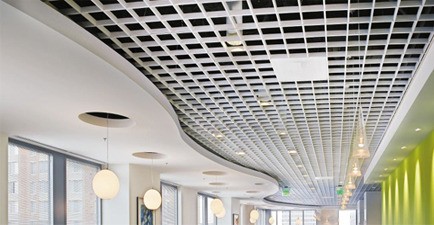
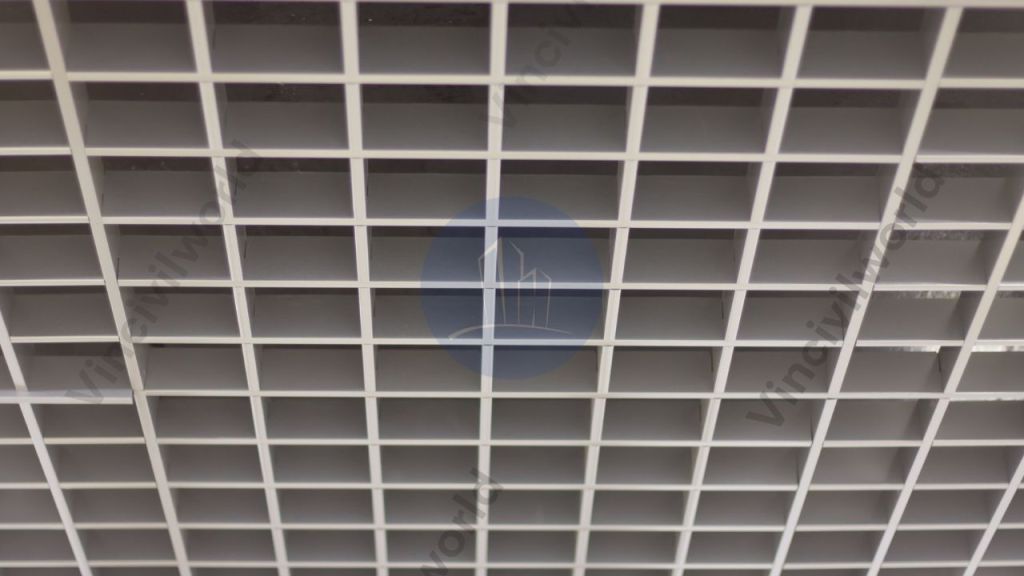
Open Cell Ceiling systems comprise a series of open-cell modules designed to lay onto a suspension grid. Open cell ceilings are especially useful for buildings areas lower ceilings without actually changing the roof height.
The tiles are integrated with metal ceiling support systems and plasterboard ceilings. Open cell ceilings are pleasant and can create a visually pleasing look to the room.
Open grid metal ceilings are suitable for the leisure industry, schools, offices, and corporate buildings as well as public spaces.

Open Grid Type False ceiling
Open grid False ceiling

Disadvantages of false ceiling

  • False ceiling reduces the height of the rooms. Hence installation of fans may not be possible.
  • Chances of fittings falling from the ceiling.
  • Ceilings may sag and de- colourise in course of time and to be replaced.
  • Rodents and pests can easily enter the ceiling.
  • False ceiling system may fall due to weak supports.

Installation method of all false ceilings

Checks for brickwork

The room’s walls should be perpendicular to each other. Diagonals to be checked to ensure 90 degrees of the walls.

Plastering and painting

  • Plastering to be done for a height of 150 mm above the false ceiling.
  • The main ceiling and area above the false ceiling are to be rendered.
  • A basic coat of primer to be applied before starting ceiling works.
  • Final painting to be done after work completion.

Check for concealed systems

  • Cabling /wiring relating to all concealed systems like Ceiling lights, Air condition system, Fire alarm and sprinklers, security cameras has to be completed.
  • Under deck insulation, if any to be done before doing the ceiling.
  • The ducts for supply and return air for the air condition system are to be completed and insulated before starting ceiling works.

Fixing of False ceiling

The ceiling level has to be marked all around the room using marking fluids Edge angle / Wall angle shall be fixed in line with the marking .

Appropriate hangers (steel wires/steel angles ) in line with the ceiling system shall be fixed to the ceiling using anchor fasteners, likewise the hangers may be used as per the ceiling type and manufacturer. Main grids shall be hanged from the hangers and end of the main grids however should rest on the wall angle. Intermediate tees/ sections are fixed on the main grid for facilitating ceiling boards or tiles fixing.

Cut outs for fixtures

Cut outs required for fixtures shall be done on the board as per drawings, however provision of additional members around the openings to ensure the hold of ceiling fittings.

Precautions For False ceiling works

  • Check with the services drawings to ensure completion of concealed wiring works before starting ceiling works.
  • Provide strong hangers well enough to handle the false ceiling load.
  • The centre portion of the ceiling should be kept little bit higher than the external portion to counter the sagging.
  • Light layouts and marking for cut outs should be marked and checked before cutting
  • Extra members if required shall be provided in case of cutting of any member coming in line with the fixtures.
  • All openings made for cable entry and ducting have to be properly sealed before doing ceiling to restrict pests and rodents from entering the area.