Category Archives: architectural finishes

Architectural finishes in a holistic sense can refer to a variety of textures, , colours and materials and refers to hard and soft permanently fixed finishes such as plaster or render and other surface coatings, such as paint. Architectural finishes can be in form of  Vitrified tiles for flooring, ceramic tiles, False ceiling, textured paints, dry walls, facades, aluminium doors and windows, UPVC doors and windows, Epoxy painting, plastic emulsion, Plaster of Paries, natural stones like marble, granite etc

Epoxy for floor | Epoxy flooring Types | Best flooring option

Epoxy is a system based on a combination of RESINS & HARDENERS. On mixing ,the resins and hardeners chemically react to form a homogeneous rigid plastic material. The final product has good adhesive properties to bond well irrespective of the surface where it is applied. Epoxy floors are very strong , abrasion resistant and inert and can resist heavy traffic . The reason for this, is that epoxy flooring proves to last many years, and offers a durable, smooth, easy to clean, water impermeable and high-performance floor surface that is able to resist heavy loads.That is why epoxy floor is used in industrial facilities , sports complex, hospitals ,commercial areas etc.

THE TYPES OF EPOXY FLOORING

A ) SELF LEVELLING EPOXY

SELF LEVELLING EPOXY

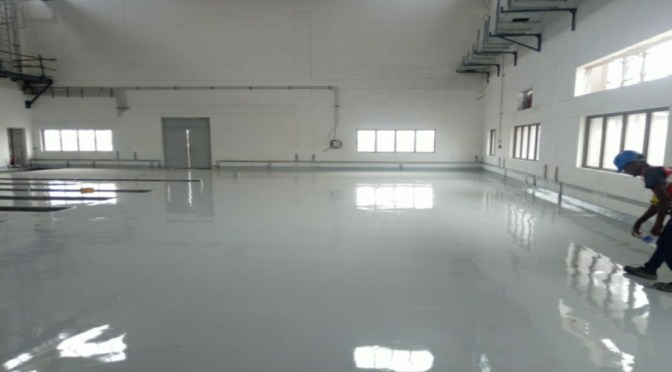
Self-levelling epoxy is applied over new, old, cracked, or damaged concrete floors to create a smooth, durable, and a levelled texture on the surface of the floor. Self-levelling epoxy floors comes with different colours and it can be used in commercial, industrial, and residential spaces. Upon application the epoxy resin coating forms a smooth and level texture on the surface of the floor .The resin has a tendency to “self-level” unlike applying the coating with a roller. The self levelling epoxy shall be used as flooring and floor coatings.

EPOXY MORTAR FLOORS

This flooring option is the most stringent epoxy floor system available for use. This epoxy floor is made up of 100% solid epoxies and graded or quartz sand. Mortar systems are ideal for floors that has to be highly chemically-resistant and has to negotiate a great deal of impact. This epoxy mortar can also be used to repair cracks and level a pitted floor prior to the application of self levelling epoxy floorings.

QUARTZ FILLED EPOXY FLOORS
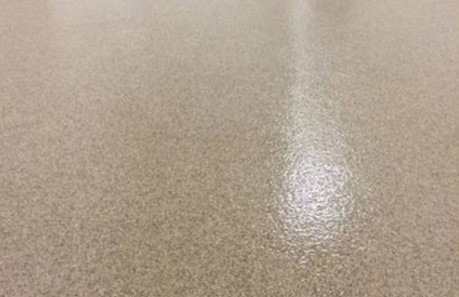
Quartz epoxy flooring is a combination of a high-performance epoxy polymer resin and stained quartz grains. Normally 150 micron to 2 mm quartz sand is used in this type of flooring. This epoxy is used for decorative spaces that require sanitary and slip-resistant properties.

ANTISTATIC EPOXY FLOORS (ESD FLOORS)
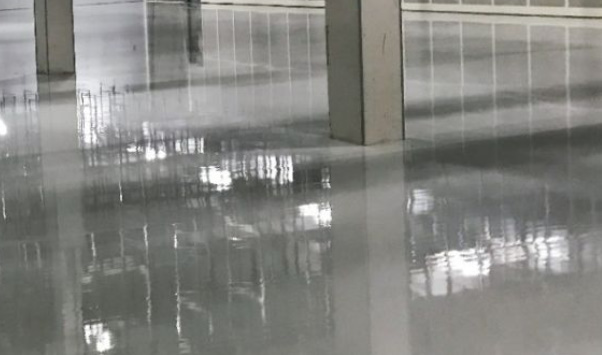
ANTI STATIC EPOXY FLOOR

This is also called ESD floorings (Electro static Dissipate). For taking care of static hazards anti-static epoxy floors are applied.This epoxy floor typically holds a conductive compound that accumulates static electricity that dissipates any potential discharge. An anti-static solution is a highly recommended epoxy floor for spaces that contain flammable materials. This type of flooring is commonly used in electronic, chemical, or pharmaceutical manufacturing facilities, healthcare facilities, or any spaces that use flammable gases or liquids that bring a risk of combustible dust buildup.

EPOXY FLAKE FLOORS

EPOXY FLAKE FLOORS
EPOXY FLAKE FLOORS

This type of epoxy floor contains colored flake materials that are inserted in the epoxy to create a vibrant, multi-hued look. The flakes not only offer a seamless look but also provides each surface with subtle grooves to reduce any slips and falls. Epoxy flake floors come in an infinite variety of sizes, colors, styles, and textures that is customizable for any space. and used in sports venues , showrooms etc.
VIDEO ON EPOXY FLOORING


Metal False ceiling Types -Clip in and Lay in Tile

WHAT IS A METAL FALSE CEILING?

A false ceiling that uses metals either in the form GALVANISED IRON, STEEL OR ALUMINIUM is called metal false ceiling. Metal false ceilings are hard and durable and very easy to install. The ceilings are plank type (linear pattern) or grid type. These ceiling tiles can be removed and refixed easily after maintenance .These ceilings are economical and maintenance is very low.The self life of the metal ceilings are high compared with other false ceilings. For more details about false ceiling material types, refer our earlier article ” Materials for false ceiling – Top 7 false ceiling materials.

WHAT ARE THE DIFFERENT TYPE OF METAL FALSE CEILINGS?

a) Metal ceiling lay in type

b) Metal ceiling clip in type

c) Metal ceiling plank type

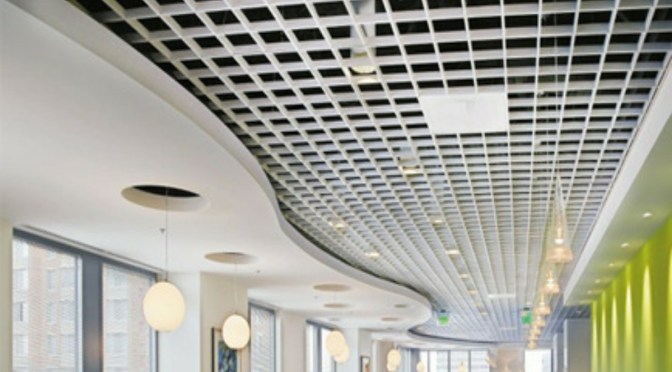
d) Open cell type

c) linear pattern C shape, U shape, R shape panels, 150 F panels

 d) customise ceiling panels.

e) plain & perforated patterns

The thickness of a metal false ceiling mostly ranges from 0.4 mm to 1 mm. Thickness more than 1 mm is also available . The metal false ceiling is available in GALVANISED IRON , ALUMINIUM & STEEL types and the surface coating shall powder coated type which is used in aluminium and coil coated type used in steel false ceilings. The tiles used for metal false ceiling shall be square type or plank type or perforated type.

Following are the commonly used types of metal false ceiling.

METAL CEILING WITH LAY IN TILE

Lay in type Metal false ceiling

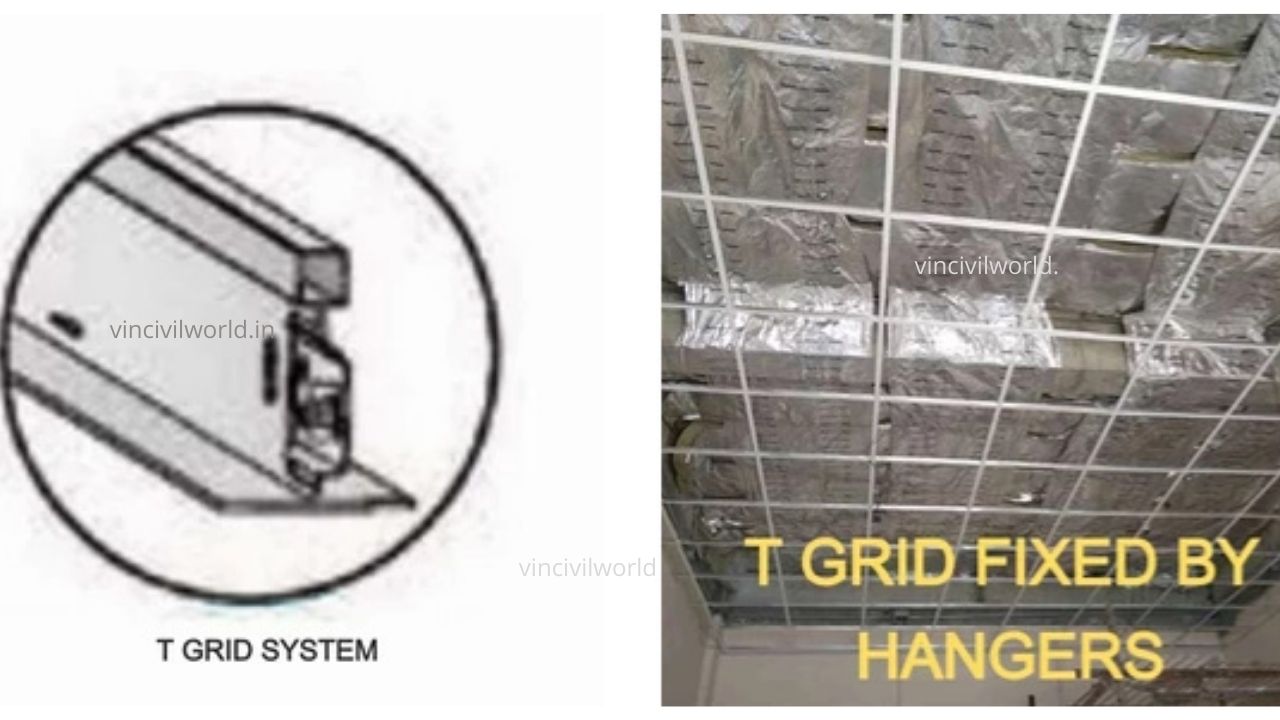
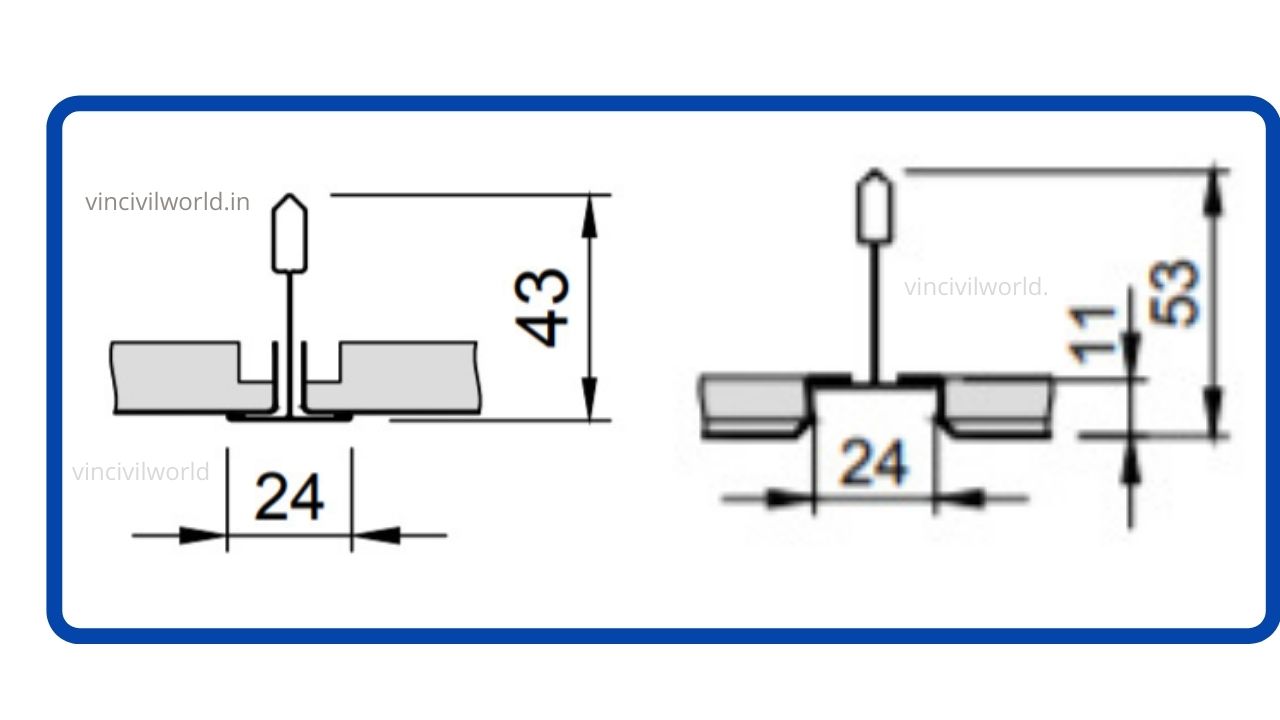
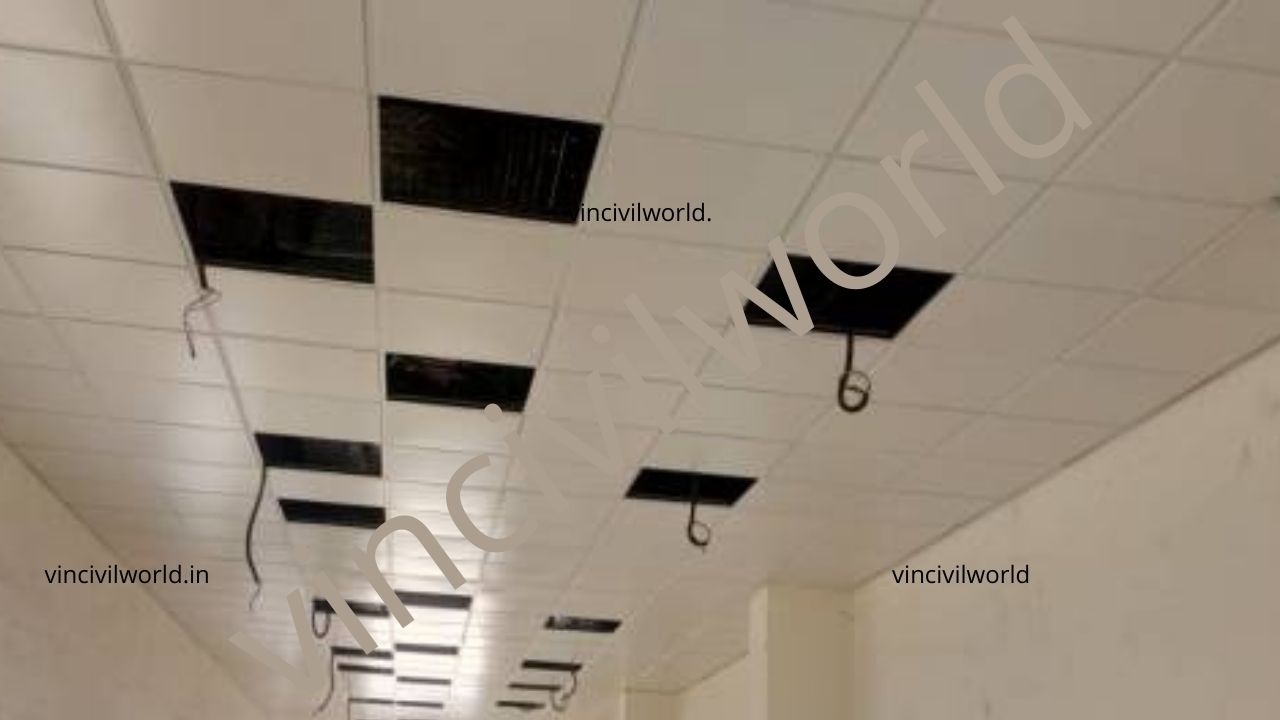
In these type of ceilings the tiles are laid over a T grid (as shown in fig) which is hanged to the ceiling using hangers/ wires 3 to 4 mm thick. The tiles used can either be plain type or perforated type. The size of grids normally used shall be 600×600 mm. In this type of false ceiling the grids are exposed and can be seen from outside. Tiles are simply placed on a T-shaped runner (ref fig), generally between 10 and 25mm, and can be easily installed and can be demounted as individual tiles during maintenance of services like AC, fire fighting,electrical etc.

T grids for Tile Laying


This ceiling system comprises of Galvanized steel /Aluminium lay in tiles ( 600 mm x 600 mm) are manufactured out of 0.50-1 mm thick polyester coil coated steel 120 gsm zinc coating or powder coated with 50 microns polyester paint. Aluminium tiles are manufactured out of 0.70mm – 1 mm thick aluminium sheets and are powder coated using polyester paint 50 micron thick. The lay in tiles used can be plain tiles or perforated tiles. The perforations depend on the client requirement and manufacturer specifications.

Grid system for lay in tiles

Advantages of lay in tile
Lay-in tiles are easy to remove and flexible for services related to electrical, fire ,plumbing and air conditioning facilities concealed in the false ceiling etc. They are also the easiest to move around when renovating and shifting office spaces.Installation and maintenance is very easy.The tile can be removed and remounted without any skilled assistance.The material is very durable and moisture and fire resistant.

METAL CEILING WITH CLIP IN TILES

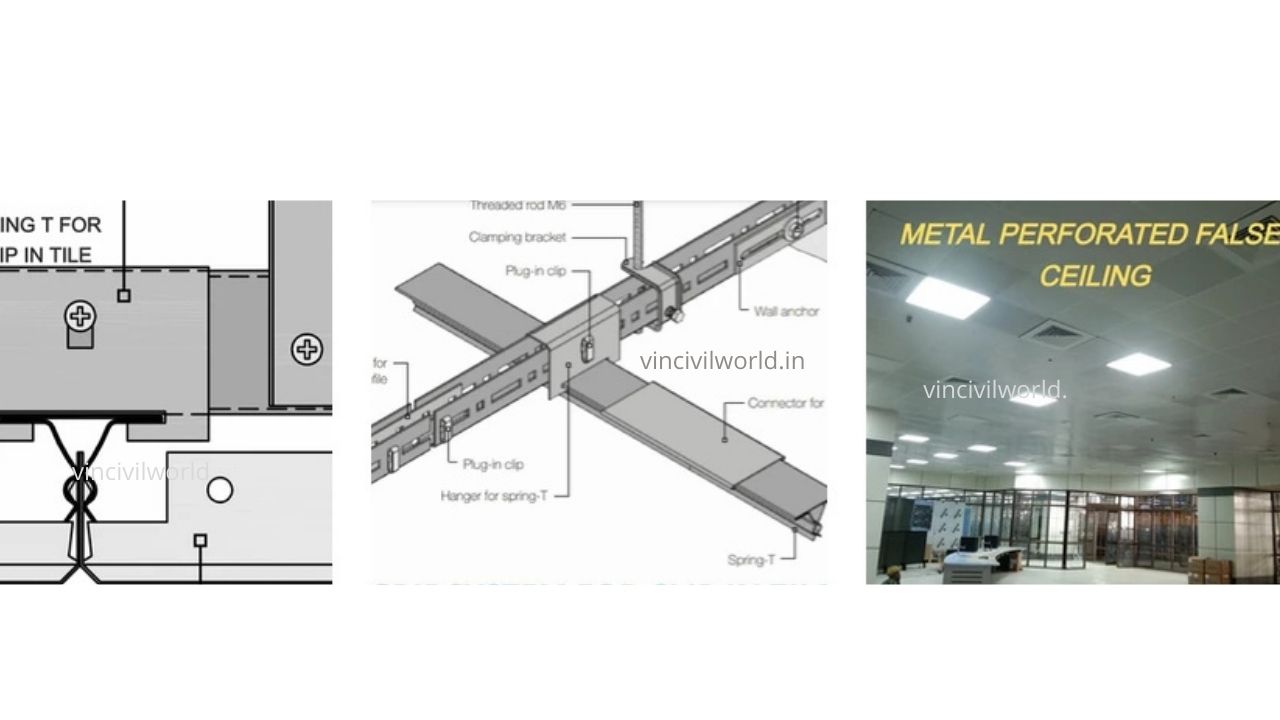
In the clip-in system, ceiling tiles clip into the suspended runner. Due to their washability clip-in tiles see consistent use in industrial and commercial uses. Ceiling tiles clip on to the suspended grid and therefore conceal the grid from view. Manufacturers have their own unique clip-in systems that match their boards but generally they all consist of a spring tee runner from which boards clip on to.

Clip in tile grid system

This ceiling system comprises of Galvanized steel /Aluminium lay in tiles ( 600 mm x 600 mm) are manufactured out of 0.50/1mm mm thick polyester coil coated steel 120 gsm zinc coating or powder coated with 50 microns polyester paint. Aluminium tiles are manufactured out of 0.70mm-1 mm thick aluminium sheets with powder coated 50 microns polyester paint. The CLIP IN TILES used can be plain tiles or perforated tiles. The perforations depend on the client requirement and manufacturer specifications.

Conclusion

Metal false ceiling systems are durable and long lasting when compared with any other ceiling. They are easy to install and maintain and a very preferred choice for industrial, commercial and residential areas.