Category Archives: Building materials

Types of Cement for Concrete – Top 15 Cement Types

Types of Cement used in construction are categorised according to their properties, applications, and advantages. Concrete construction involves the use of different varieties of cement, each possessing unique characteristics, benefits, and applications that depend on the materials utilized in their production. This categorization is based on the composition of the materials used in production.

Cement is an integral part of all types of construction ranging from huge skyscrapers, bridges, tunnels, etc to small residential buildings. It is one of the oldest and most used binding materials and an integral ingredient used in the construction sector. There are different types of cement available in the market. Each type of cement has its application depending on its properties. This article is about the cement types mostly used in construction.

15 Types of Cement and Their Uses

Let us have a look at the top 15 cement types widely used in India and other nations. They are,

  • Ordinary Portland cement  
  • Portland pozzolona cement 
  • Portland Slag cement
  • Rapid hardening cement 
  • Hydrophobic Portland cement
  • Low-heat Portland cement 
  • Sulphates resisting Portland cement 
  • Quick setting Cement
  • High alumina cement
  • Masonry cement
  • White cement
  • Coloured cement
  • Expansive cement
  • Air-entraining Portland cement
  •  Hydrographic cement

Ordinary Portland cement (OPC ) – Types of Cement  

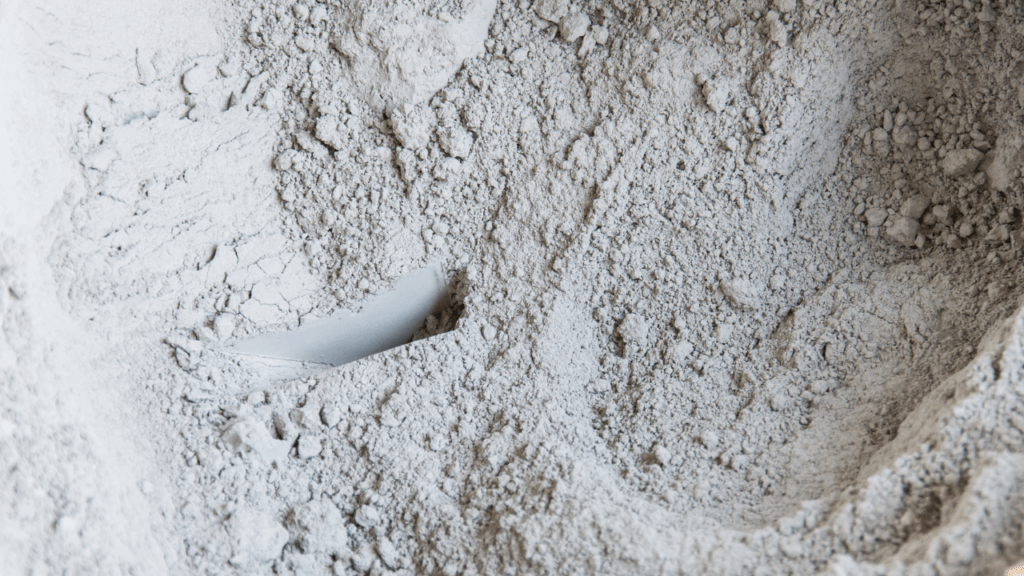
OPC stands for Ordinary Portland Cement, which is one of the most commonly used types of cement in construction. It is made from a mixture of limestone, clay, and other materials, heated at high temperatures to produce a fine powder. Mostly, gypsum, calcareous material, and argillaceous substance make up Ordinary Portland Cement. OPC cement has excellent binding properties and provides high compressive strength to the concrete.

Ordinary Portland Cement is versatile and suitable for a wide range of construction applications, including buildings, bridges, and pavements. Ordinary Portland Cement is available in different grades, each with unique characteristics, making it easy to choose the most appropriate type for a specific construction project. Additionally, it has a relatively fast setting time, allowing for faster completion of construction projects. Ordinary Portland cement is more economical and forms a crucial component of high-strength concrete. This kind of cement is well-resistant to deterioration from chemicals, shrinkage, and fractures.

Ordinary Portland Cement

Also read : Best cement of India

Portland pozzolana cement – Types of cement in India

Portland Pozzolana Cement (PPC) is a type of cement made by combining Portland cement clinker with pozzolanic materials like fly ash, volcanic ash, or silica fumes. contains 15% to 35% pozzolanic ingredients, gypsum, and clinker. The pozzolanic materials improve the workability and durability of concrete and reduce the risk of cracking. PPC is preferred in locations with high moisture content, as it is highly resistant to dampness and corrosion. It is also eco-friendly since it uses industrial waste as a raw material. PPC cement is suitable for a wide range of construction applications, including dams, bridges, and buildings.

PPC has an initial setup time of 30 minutes and an ultimate setting time of 600 minutes. It is appropriate for hydraulic and marine structures. sewage works, and underwater concrete laying, such as bridges, piers, dams, and mass concrete works. because PPC has strong resistance to sulphate attack. PPC has a slower setting time than OPC, which may prolong construction time. Its initial strength is also lower than OPC.

Portland Slag Cement (PSC) -Types of cement for concrete

Portland Slag Cement (PSC) is a type of cement made by blending granulated blast furnace slag (GGBFS) with Portland cement clinker. The slag is a waste product from steel manufacturing, making PSC an eco-friendly alternative to traditional cement. PSC has excellent workability, durability, and low heat of hydration. It is widely used in construction applications such as dams, bridges, and underground structures. PSC provides high strength and durability, making it a popular choice for high-performance concrete. It is also known for its resistance to chloride and sulphate attacks. It has good compressive strength.

Rapid hardening cement – Types of cement in India

Rapid Hardening Cement (RHC) is a type of cement that attains high strength in a short time. It is made by grinding Portland cement clinker with a higher amount of C3S and a lower amount of C2S. RHC is suitable for emergency repair works and precast concrete components. Its rapid setting and strength gain properties make it ideal for use in cold weather conditions. It has high resistance to chemical attacks. RHC needs less curing time. The strength of rapid hardening cement at the three days is similar to the 7 days strength of OPC with the same water-cement ratio. So it is suitable for formworks, pavements etc. It has more application than OPC because of its early hardening property. Rapid-hardening cement is expensive. 

Hydrophobic Portland cement

Hydrophobic Portland Cement (HPC) is a type of cement that repels water due to its chemical composition. It is made by adding water-repellent chemicals to the cement during the grinding process. HPC is suitable for construction projects in areas with high rainfall or moisture content. It is commonly used in the construction of basements, swimming pools, and water storage tanks. HPC also has increased durability and can resist chemical attacks. It consists of admixtures such as acid naphthene soap, oxidized petrolatum, etc., reducing the melting of cement grains. The strength of hydrophobic cement is similar to OPC after 28 days. This type of cement is expensive. 

Low-heat Portland cement 

Low-heat Portland cement is a type of cement that produces less heat during hydration, which reduces the risk of cracking and improves durability. It is typically used in large concrete structures such as dams, bridges, and high-rise buildings, as well as in mass concrete applications. Because the heat of hydration of this type of cement is 20% less than normal cement. It consists of 5% of tricalcium aluminate and 46% of dicalcium silicate. Therefore it produces low heat of hydration. It has excellent wear, impact resistance and workability. 

Sulphate-resisting Portland cement 

Sulphate-resisting Portland cement (SRPC) is a type of cement designed to resist the effects of sulphates, which can cause concrete to deteriorate. It contains lower levels of tricalcium aluminate, which is the component most susceptible to sulphate attack. SRPC is commonly used in construction projects involving soil with high sulphate content or exposure to seawater.

Quick setting Cement

Quick-setting cement is a type of cement that hardens and gains strength rapidly after mixing with water, usually within 5 to 30 minutes. It is used in situations where the rapid setting is necessary, such as in cold weather or for emergency repairs. However, quick-setting cement may not be suitable for projects requiring longer workability or for structures that need to withstand heavy loads over time. It is a special type of cement manufactured by adding aluminium sulphate and reducing the amount of gypsum. It is applicable for underwater concreting and grouting. The setting time of this cement is less because aluminium sulphate is an accelerating admixture. It is also preferable for concrete repair works, tunnelling etc.

High alumina cement

High alumina cement (HAC) is a type of cement that is made from bauxite and limestone with a high percentage of alumina content, typically over 35%. It sets and hardens rapidly, has high early strength, and can withstand high temperatures and acidic environments. It is commonly used in refractory applications such as furnace linings, precast shapes, and high-temperature concretes. However, HAC is not recommended for structural applications due to its high shrinkage and susceptibility to chemical attacks over time. High alumina concrete attains strength within 24 hours. It can withstand high temperatures and fire. It is applicable in refractory concrete. Rapid hardening cement with an initial and final setting time of about 3.5 and 5 hours, respectively.

Masonry cement

Masonry cement is a type of cement that is specifically designed for use in masonry construction, such as bricklaying and plastering. It is a blend of Portland cement, hydrated lime, and sometimes additional additives such as sand, clay, or other minerals. The addition of hydrated lime improves the workability and durability of the cement, and it also enhances the bond strength between the cement and the masonry units. Masonry cement is commonly used in both exterior and interior masonry applications, such as building walls, chimneys, and decorative stonework. Since it has low strength it is not suitable for structural applications. The cost of masonry cement is less. Also, they have high water retentivity and workability. 

White cement

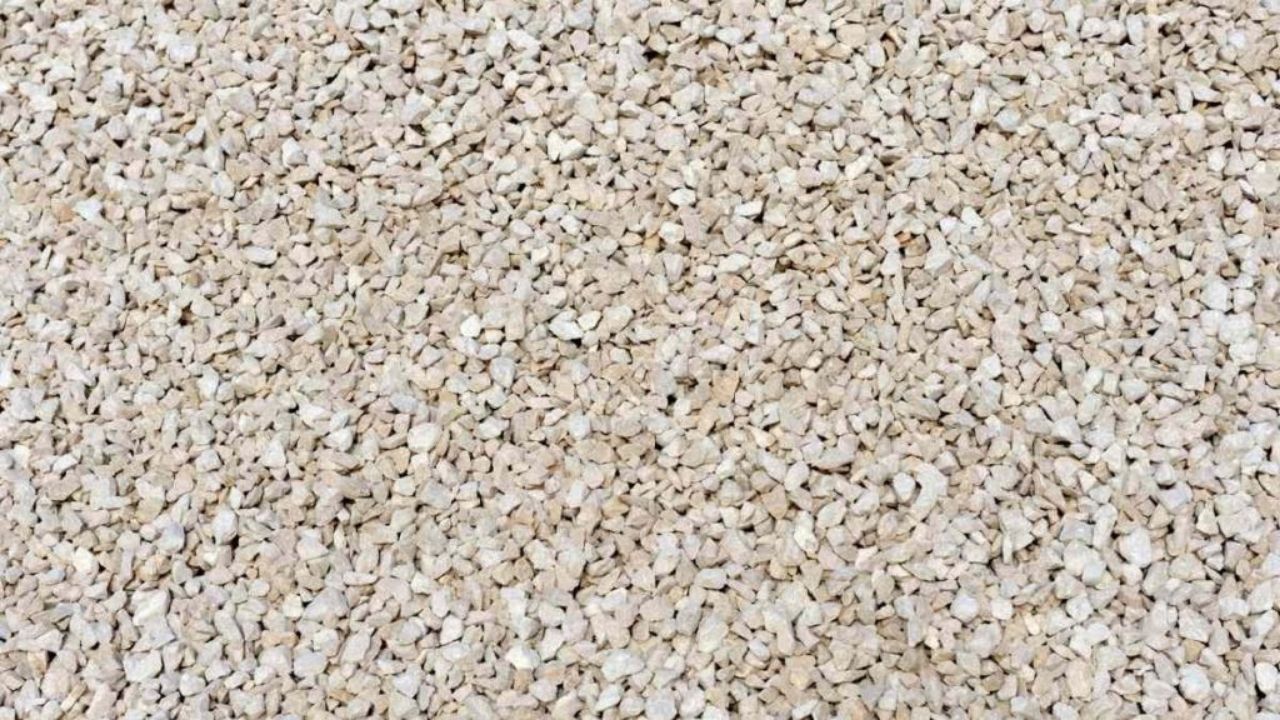
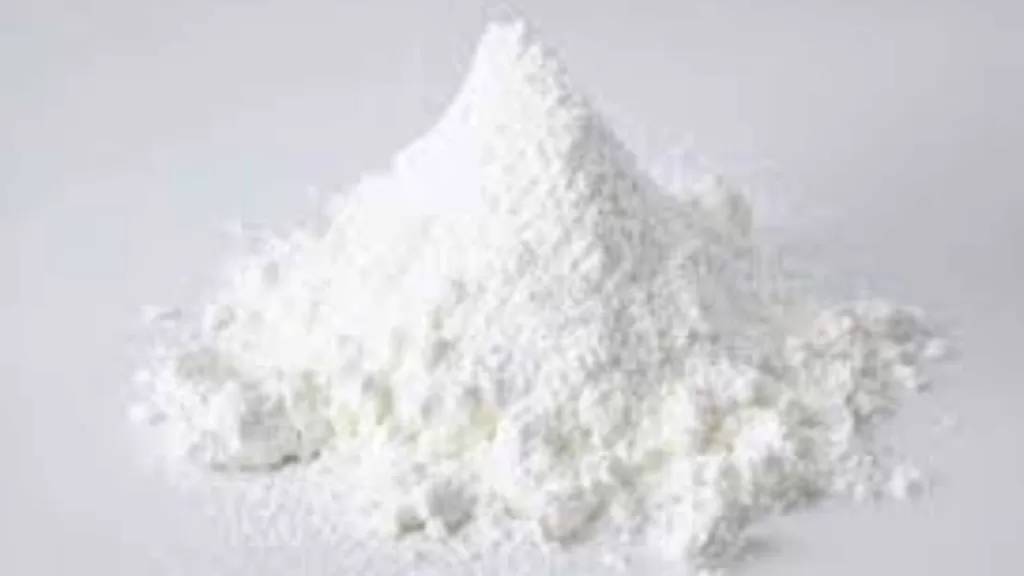
White cement is a type of cement that is similar to Portland cement, but with a white or light-coloured appearance. It is made from raw materials with low iron content, such as limestone, kaolin, and clay, and is often used for decorative or architectural purposes, such as in terrazzo flooring, precast panels, and ornamental concrete. White cement is also used in applications where colour consistency is important, such as in coloured concrete or mortars, as it can be tinted to various shades. It has similar properties to grey cement in terms of setting time, strength development, and durability. White cement is manufactured by using limestone, clay, oil and gypsum. But they are expensive compared to normal cement. 

Coloured cement

Coloured cement is a type of cement that is produced by adding pigments to the raw materials during the manufacturing process. It is available in a wide range of colours, and the pigments used can be natural or synthetic. Coloured cement is used in decorative concrete applications where aesthetics are important, such as stamped concrete, exposed aggregate, and decorative overlays. It can also be used in architectural concrete, including precast panels, masonry units, and concrete countertops. The colour of the cement can be affected by the curing process, and it is important to use a consistent curing method to ensure the desired colour is achieved. Coloured cement consists of colour pigments like chromium, cobalt, ton oxide, manganese oxide etc which gives them colour. It is preferable for floor finishing, window sills stair treads, and other external surfaces. The number of colouring pigments should about be 5 to 10 per cent. 

Coloured cement
Coloured cement

Expansive cement

Expansive cement is a type of cement that expands during the early stages of hydration. It contains a mixture of Portland cement clinker, gypsum, and an expansive agent, such as calcium sulphate or anhydrite. Expansive cement can expand up to 3% of its original volume, and this expansion can help offset the shrinkage that occurs as the concrete dries and hardens, reducing the risk of cracking. It is commonly used in applications where shrinkage cracking is a concern, such as in large concrete structures, pavements, and bridge decks. However, the expansion can also cause problems if it is not properly controlled, and it is important to follow the manufacturer’s guidelines for use.

  • K-type expansive cement
  • M-type expansive cement
  • S-type expansive cement

The use of expansive cement is in water retaining structures, concrete repairing, large floor slabs, etc. 

Air-entraining Portland cement

Air-entraining Portland cement is a type of cement that contains an air-entraining agent, such as resins, surfactants, or fatty acids, that creates microscopic air bubbles in the concrete. These air bubbles improve the durability of the concrete by reducing the effects of freeze-thaw cycles, as the water trapped in the bubbles can expand and contract without damaging the concrete. Air-entraining Portland cement is commonly used in cold climates or areas with high humidity, where freeze-thaw cycles can cause damage to concrete structures. However, the use of air-entraining agents can also reduce the compressive strength of the concrete, so it is important to properly balance the amount of air entrainment with the desired strength and workability of the concrete. Air-entraining agents like aluminium powder and hydrogen peroxide are added to the cement. 
Hydrographic cement

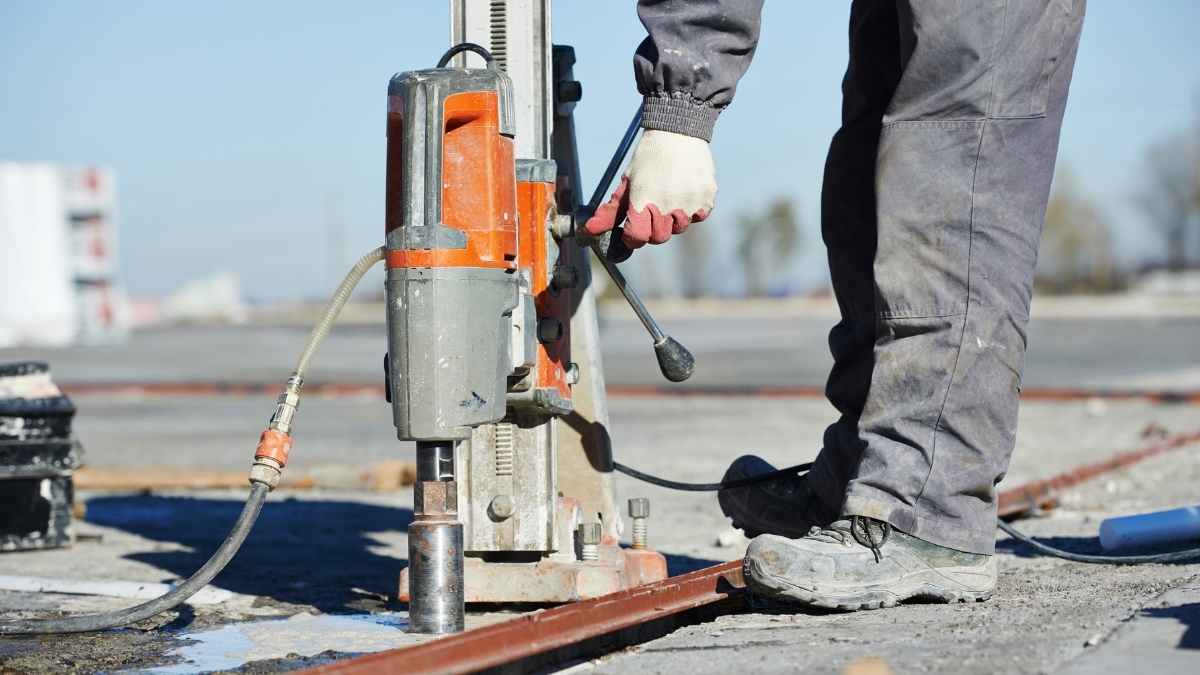
Hydrographic cement, also known as underwater cement, is a type of cement that can harden and set even when submerged in water. It is specifically designed for use in underwater construction projects, such as building foundations, bridges, and pipelines. Hydrographic cement contains special additives that allow it to set and harden underwater without being affected by the water, and it can also be mixed with accelerators to speed up the setting time. The cement is typically mixed and applied using specialized equipment, such as pumps or tremies, to ensure proper placement and consolidation.

Development length formula as per IS 456 & ACI 318-19

Development length is an essential concept in civil engineering that refers to the length of reinforcement required to transfer the force from the steel reinforcement to the surrounding concrete. It is crucial in ensuring that the reinforcement is effectively bonded to the concrete to resist the applied forces. “The development length depends on several factors, including the diameter of the bar and the strength of the concrete. “Another factor that affects the development length is the bond strength between the steel reinforcement and the surrounding concrete.”

Properly understanding development length is essential for designing reinforced concrete structures to ensure their safety and stability. Engineers calculate the development length to ensure that the reinforcement will provide the intended strength and reinforcement to the structure. “Insufficient development length can cause the reinforcement to fail to transfer forces to the concrete effectively. This can ultimately lead to structural failure.”

  1. What is the development length?
  2. Significance and functions of Development length.
    1. Transfer of applied forces
    2. Prevents structural failure
    3. Important for design
    4. Structural safety and stability
  3. Factors determining Development strength
  4. Development length as per IS 456
  5. Development length as per IS 456 for columns, footings and beams
  6. Typical section beam-column junction
  7. Development length as per codes
    1. ACI 318-19 (American Concrete Institute)
    2. BS 8110-1:1997 (British Standard)

What is the development length?

To develop the full tensile strength of the reinforcement, one must embed the reinforcement in concrete for a minimum length known as the development length. This is necessary to ensure that the reinforcement can resist the applied loads. This should happen without pulling out of the concrete or causing concrete failure.

Either pull-out or splitting failure modes typically control the length. In pull-out failure, the force applied to the reinforcement exceeds the pull-out strength of the concrete. This generally causes the reinforcement to pull out of the concrete. In splitting failure, the force applied to the reinforcement causes the concrete to crack and split. This can lead to the failure of the reinforcement.

Related posts from vincivilworld

Significance and functions of Development length.

This is a critical concept in reinforced concrete structures that ensures the effective transfer of forces and prevents premature failure. It is important for the safety and stability of structures and is a crucial factor in their design and construction. The main function is as follows.

Transfer of applied forces

Ensuring effective bonding of the steel reinforcement to the surrounding concrete is the purpose of the Development length in reinforced concrete structures. This allows it to transfer the applied forces to the concrete.

Prevents structural failure

Basically, the proper bonding of the reinforcement to the concrete prevents premature failure of the structure. This could otherwise result in catastrophic consequences.

Important for design

Properly understanding Develop length is critical for designing reinforced concrete structures. Engineers must calculate the length to ensure that the reinforcement provides the intended strength and reinforcement to the structure.
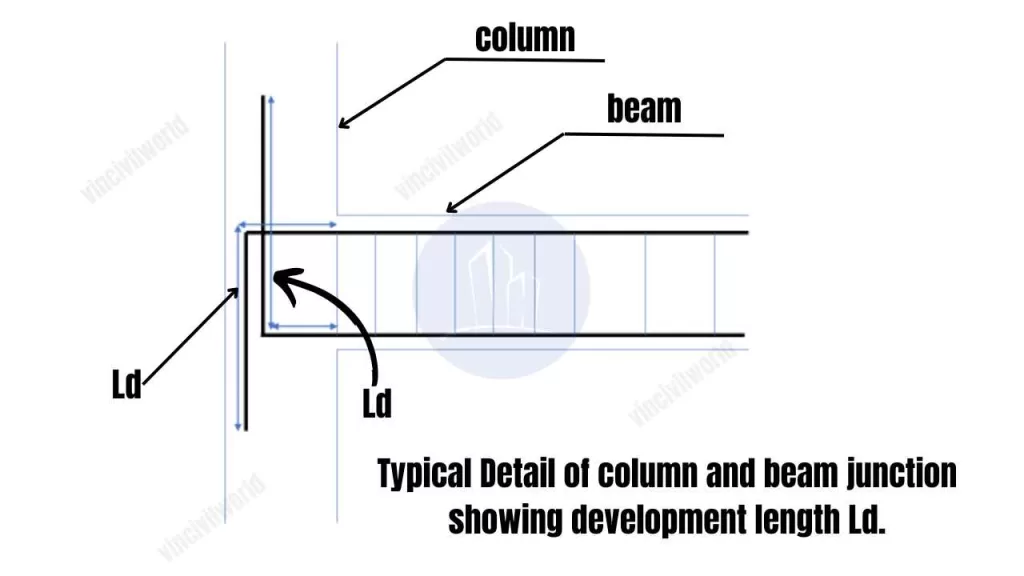
Basically, an insufficient development length can lead to the reinforcement not being able to transfer the forces to the concrete effectively. However, this results in premature failure and instability.

Structural safety and stability

Generally, this is crucial for the safety and stability of reinforced concrete structures. The failure to effectively bond the reinforcement to the concrete would result in the inability to transfer the applied forces. However, this can lead to structural failure.

Factors determining Development strength

Several factors influence the required development length to fully develop the tensile strength of reinforcement in concrete, including

  • Reinforcement properties: The strength and diameter of the reinforcement significantly impact the required development length. Generally, high-strength reinforcement with a larger diameter will require a longer D length to develop its full strength.
  • Concrete properties: The strength, stiffness, and thickness of the concrete member where we place the reinforcement are crucial factors. However, a higher concrete strength requires a longer d length, while a thicker concrete section may require a shorter length.
  • Bond strength: The bond strength between the reinforcement and concrete is critical in determining the development length. However, the bond strength depends on various factors. This includes the surface condition of the reinforcement, the degree of deformation, and the quality of the concrete surface.
  • Environmental conditions: Environmental factors such as humidity, temperature, and exposure to corrosive agents can affect the bond strength between the reinforcement and concrete. In such cases, we may require a more extended development length.
  • Load conditions: The type, magnitude, and direction of the load applied to the reinforcement significantly influence the development length required. Generally, Higher loads require a longer D length to prevent the reinforcement from pulling out of the concrete.
  • Design codes and standards: Design codes and standards typically provide guidelines for determining the minimum development length required for different types of reinforcement and loading conditions. However, these guidelines may vary depending on the specific code or standard used.

Development length as per IS 456

Basically, Clause 26.2.1 of the Indian code for the design of reinforced concrete structures (IS 456:2000) provides the formula. The formula is used to calculate the development length of reinforcement bars in tension. We require the length of the reinforcement bar to transfer the stresses between the reinforcement and the surrounding concrete.

The formula for calculating the length (Ld) of a reinforcement bar with a diameter of D, embedded in concrete with a grade of M, and subject to tension, is as follows:

Ld = (0.87 fy A / 4τ_bd) + (0.2 √fc) …Equation 1

where:

  • fy is the characteristic strength of the reinforcement in N/mm²
  • A is the area of the reinforcement in mm²
  • τ_bd is the bond stress between the reinforcement and the surrounding concrete in N/mm²
  • fc is the characteristic compressive strength of concrete in N/mm²

The first term in Equation 1 represents the basic development length. This is the minimum length required for the reinforcement to fully develop its strength. The second term represents the additional development length due to the curvature of the bar.

It is worth noting that the code also provides alternative methods for calculation, such as the empirical equations given in Table 5 of the code. However, Equation 1 is the most widely used method for calculating the development length in India.

It is important to note that these calculations are based on certain assumptions and simplifications. The actual development length required may vary based on the specific design requirements and site conditions.

Development length as per IS 456 for columns, footings and beams

The development length of rebars is the minimum length required. This ensures the effective transfer of forces from the steel reinforcement to the surrounding concrete. However this ensures that the reinforcement is properly bonded to the concrete, preventing premature failure of the structure.

Typical section beam-column junction

Development length of a beam column junction

Development length as per codes

The development length of a reinforcing bar, or rebar, is the minimum length that must be embedded or overlapped with concrete. This ensures proper transfer of stresses between the concrete and steel. This is a critical design parameter, and it is determined based on various factors such as the strength of the rebar, the strength of the concrete, and the design requirements of the structure.

Here are the formulas as per some commonly used codes:

ACI 318-19 (American Concrete Institute)

Ld = [(φ x Fy x As) / (4 x Fc’^(0.5))] x (1.3 for deformed bars, 1.7 for plain bars)

where: Ld = development length in inches

φ = strength reduction factor (0.7 for deformed bars, 0.8 for plain bars)

Fy = yield strength of rebar in ksi

As = area of rebar in square inches

Fc’ = specified compressive strength of concrete in psi

BS 8110-1:1997 (British Standard)

Ld = [(1.2 x σst x As) / (0.87 x Fy x (1 + (200/d))^(0.5))] x (1.4 for deformed bars, 1.7 for plain bars)

where: Ld = development length in mm

σst = stress in rebar at yield in N/mm2

As = area of rebar in mm2 Fy = characteristic yield strength of rebar in N/mm2 d = diameter of rebar in mm

IS 456:2000 (Indian Standard)Ld = [(0.87 x fy x As) / (4 x τbd x fck^(0.5))] x (1.2 for deformed bars, 1.6 for plain bars)

where: Ld = development length in mm

fy = characteristic strength of rebar in N/mm2

As = area of rebar in mm2 τbd = design bond stress in N/mm2

fck = characteristic compressive strength of concrete in N/mm2

It is important to note that the development length calculation may vary based on the specific requirements of the structure, and it is recommended to consult the appropriate code for accurate and up-to-date information.

Test of cement on site – Field tests of Cement

Test of cement on site or field tests of cement is one of the most crucial things to be performed to assure the quality of the construction. Every structure is made up of hundreds of different building materials, such as sand, cement, aggregates, bricks, tiles, marble, and so on. However, the quality of the building materials is crucial for producing a high-quality structure and should be regularly evaluated at various phases of construction. Cement is the most important material used in construction and is responsible for the overall strength of the structure. In order to guarantee excellence in building, cement quality must be properly.

This article is about the various test of cement on-site or field tests of cement to ensure quality.

  1. Test of cement on site – Significance
  2. How to check cement quality?
  3. Test of cement on site / Field tests of cement
    1. Checking the manufacturing date of cement
    2. Visual checking for Lumps for the test of cement on site.
    3. Feel test of cement on site
    4. Heat of cement
    5. Colour
    6. Water float test
    7. Setting test
    8. Conclusion

Test of cement on site – Significance

Cement plants are generally found in isolated areas near limestone mines. Generally, clinker is produced by cement companies at a centralised clinkerization plant. Clinkers are either ground at the clinkerization facility or transported to strategically placed grinding units for grinding and cement bag packing. The manufactured and packed cement is transported and delivered to the prescribed destinations by road or rail. Even with the finest protection, the cement still has the potential of absorbing moisture while being transported. After absorbing moisture, the cement tends to harden, deteriorating its quality. Because of these unforeseen concerns, cement must be tested for quality before being used in construction. Basically, cement testing is carried out in accredited laboratories.

How to check cement quality?

The characteristics of cement are often determined by laboratory tests. Lab tests need time, specialised equipment, and expertise to evaluate and interpret the data. All of the cement’s qualities might not be able to be tested on-site. To address this issue, cement tests are divided into two types.

  • Field Tests of Cement

This article is about the field tests of cement.

test of cement on site
FIELD TEST OF CEMENT

Related posts from vincivilworld

Test of cement on site / Field tests of cement

Some simple field tests can be used to confirm the quality of cement. Generally, these tests do not require the use of costly equipment or professional skills, and the results are obtained quickly. We can determine whether to accept or reject the cement by doing these quick tests, analysing the findings, and drawing conclusions about its quality. These are preliminary evaluations, and the cement’s quality is confirmed by factors such as how smooth it feels to the touch and its colour etc.

  • Checking the manufacturing date of cement
  • Visual checking for lumps
  • Feel test of cement
  • The heat of cement test
  • Colour test of cement
  • Water float tests
  • Setting tests
Test of cement on site
Field tests of cement

Checking the manufacturing date of cement

When stored under perfect conditions, the cement must be utilised within 90 days of manufacture. The manufacturing date and batch number are imprinted on each cement bag. By verifying the manufacturing date, we can get a good indication of how old the cement is and decide whether to use it. In addition, every batch of cement is accompanied by a Manufacturers Test Certificate, which can be requested and examined to verify the dates of manufacture.

Visual checking for Lumps for the test of cement on site.

Cement can be inspected for visible lumps. To establish the potential existence of lumps, you can press the cement bag’s corners. This test determines if the cement has hardened or not.

Feel test of cement on site

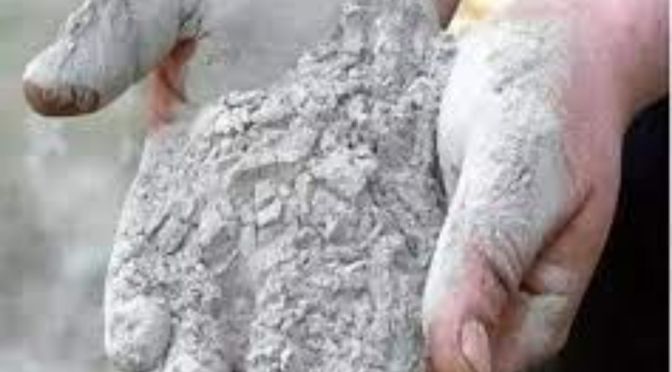
Feel a pinch of cement between the figures. Cement has to feel smooth and not grainy. By this test, we can rule out the presence of any adulterated material like sand mixed with cement.

Heat of cement

Put your hand inside a bag of cement that is open. If the cement is of good quality and has not yet begun to hydrate, the hand feels cool.

Colour

Cement is usually greenish-grey in colour. We can verify and confirm the colour of the cement on-site. However, the type and source of the ingredients can affect the colour of the cement.

Water float test

This test is performed to find out whether there are impurities in cement. A cement hand is thrown into a bucket of water. The cement floats for a while before settling down if it is good cement free of impurities or other foreign objects. Impurities in the water can cause the cement to settle instantly.

Setting test

A thick paste of cement is applied to a glass piece and slowly immersed in water for 24 hours. The cement piece won’t break or alter shape while it sets and maintains its original shape. This cement is regarded as excellent.

Conclusion

We have the opportunity to contact cement manufacturers through their customer services if we have any questions about the product’s quality and they will be happy to help. It is possible to confirm field observations with laboratory tests. Cement quality should never be compromised during construction. Because the most crucial component that affects the durability and quality of a structure is cement.

ALSO READ : WHAT ARE THE PROPERTIES OF CEMENT?

Advertisements

Understanding Refractory Bricks: A Comprehensive Guide

Refractory bricks are specialized construction materials designed to withstand extremely high temperatures, making them essential in industries such as steel, glass, ceramics, and  cement. These heat-resistant bricks maintain structural integrity and insulation in high-temperature environments like furnaces, kilns, and reactors. Whether you’re a builder, engineer, or homeowner planning a fire-safe project, understanding refractory bricks can help you choose the right materials for long-lasting performance. In this blog, we explore what refractory bricks are, their types, key properties, applications, and how to choose the right one for your project. We’ll also guide you on pricing and sourcing in India and beyond. Let’s dive into the world of refractory fire bricks and how they can improve safety and efficiency in thermal systems.

  1. What Are Refractory Bricks?
  2. Key Properties of Refractory Bricks
  3. Types of Refractory Bricks
    1. Fire Clay Bricks
    2. High Alumina Refractory Bricks
    3. Silica Refractory Bricks
    4. Magnesia Bricks
    5. Insulating Fire Bricks (IFB)
  4. Applications of Refractory Bricks
    1. Steel Industry
    2. Glass Industry
    3. Cement Industry
    4. Ceramics and Pottery
    5. Petrochemical Industry
    6. Power Generation
    7. Non-Ferrous Metal Industry
    8. Foundries
    9. Chemical Processing
    10. Waste Incineration
  5. Maintenance and Lifespan of Refractory Bricks
  6. FAQs
  7. Key Takeaways
  8. Conclusion

What Are Refractory Bricks?

Refractory bricks, also known as fire bricks, resist heat and retain their strength and structure under extreme thermal stress. Manufacturers make them from ceramic materials such as alumina, silica, magnesia, or chromite. These bricks differ from ordinary building bricks in their ability to resist thermal shock, corrosion, and abrasion. Commonly used in furnaces, fireplaces, and kilns, refractory bricks act as a barrier against heat loss and mechanical wear. Refractory experts categorize bricks into several types based on their material composition and properties, ensuring suitability for specific environments and temperatures.

Close-up view of stacked refractory bricks in warm tones, showcasing their uniform texture and arrangement.
Close-up view of refractories showcasing heat-resistant bricks, essential for industrial applications like kilns and furnaces.

Key Properties of Refractory Bricks

Refractory bricks exhibit the following core properties:

  • High Heat Resistance: Capable of withstanding temperatures exceeding 1,500°C.
  • Thermal Insulation: Low thermal conductivity prevents heat loss.
  • Mechanical Strength: Resists cracking, abrasion, and pressure under load.
  • Chemical Inertness: Withstands attack from acidic or basic slags.
  • Low Porosity: Ensures minimal moisture absorption and better insulation.

These properties make refractory bricks ideal for high-temperature industrial operations and thermal insulation applications.

Types of Refractory Bricks

  1. Fire Clay Bricks: Made from hydrated aluminum silicates; used in fireplaces, ovens, and boilers.
  2. High Alumina Bricks: Contain over 45% alumina; ideal for steel plants and glass melting furnaces.
  3. Silica Bricks: Withstand high temperatures and acidic environments; used in coke ovens.
  4. Magnesia Bricks: Excellent resistance to basic slags; suitable for  cement kilns.
  5. Insulating Fire Bricks (IFB): Lightweight and low thermal conductivity; used for insulation rather than structural load.

Each type serves a unique function depending on thermal, mechanical, and chemical demands.

Fire Clay Bricks

Craftsmen craft fire clay bricks from refractory clays rich in hydrous aluminum silicates, primarily kaolinite. These bricks can endure temperatures up to 1,775°C, making them particularly suitable for high-temperature applications such as fireplaces, ovens, and boilers. Additionally, their composition includes natural argillaceous materials, which may contain fine-grained micas and quartz, further enhancing their thermal stability. Furthermore, fire clay bricks exhibit excellent resistance to thermal shock. This is why they are commonly used for lining furnaces and kilns. As a result, their durability and cost-effectiveness make them a preferred choice in various industrial settings, where both performance and affordability are key considerations.

High Alumina Refractory Bricks

High alumina bricks contain a minimum of 45% alumina (Al₂O₃), with some premium grades exceeding 80%. As a result, they exhibit exceptional resistance to high temperatures, chemical corrosion, and mechanical wear. Industries such as steel plants, glass melting furnaces, and cement kilns widely use high alumina bricks due to these qualities. Furthermore, they offer high refractoriness, often above 1,750°C, which ensures performance under extreme heat. In addition, they demonstrate excellent thermal shock resistance, allowing them to withstand sudden temperature changes. Moreover, their low porosity and high density enhance their mechanical strength and durability. Consequently, high alumina bricks remain a reliable and long-lasting choice for industries that operate under aggressive thermal and chemical conditions.

High Alumina Refractory Bricks

Silica Refractory Bricks

Silica bricks consist primarily of silicon dioxide (SiO₂), typically exceeding 93% content. They withstand temperatures up to 1,700°C and resist acidic slags effectively. Engineers commonly use these bricks in constructing coke ovens, glass furnaces, and acid converters. Silica bricks also exhibit low thermal expansion and high thermal conductivity, which make them ideal for applications involving rapid temperature changes. Their ability to maintain structural integrity at high temperatures ensures they last longer in demanding industrial processes.

Silica Refractory bricks

Magnesia Bricks

Magnesia bricks are primarily composed of magnesium oxide (MgO), offering excellent resistance to basic slags and high refractoriness, often above 1,800°C. They are widely used in environments where basic slags are prevalent, such as in steelmaking furnaces and  cement kilns. Magnesia bricks exhibit good thermal conductivity and are known for their ability to withstand thermal shocks. Their high melting point and chemical stability make them suitable for lining furnaces that operate under harsh conditions.

Insulating Fire Bricks (IFB)

Engineers design Insulating Fire Bricks (IFBs) as lightweight refractory bricks to provide thermal insulation. Their low thermal conductivity helps reduce heat loss and improve energy efficiency in furnaces and kilns. Made from refractory clays with high porosity, IFBs trap air, enhancing their insulation properties. They withstand temperatures ranging from 1,260°C to 1,760°C, depending on the grade. Common applications include using them as backup insulation in high-temperature furnaces, flue linings, and kilns.

Each type of refractory brick serves specific functions based on its thermal, mechanical, and chemical properties. These properties ensure optimal performance in various high-temperature industrial applications.

Applications of Refractory Bricks

Refractory bricks are critical in numerous applications:

  • Steel and Iron Furnaces: Line blast furnaces and converters.
  • Glass Manufacturing: Used in tank furnaces and regenerators.
  •  Cement Kilns: Withstand rotation and high heat.
  • Boilers and Incinerators: Offer insulation and corrosion resistance.
  • Home Fireplaces and Pizza Ovens: Provide a safe and durable lining.

Use-specific selection ensures performance and longevity of thermal systems.

Steel Industry

Refractory bricks line blast furnaces, converters, and ladles in steel production, enduring extreme temperatures and corrosive slags. Their thermal resistance ensures structural integrity during smelting and refining processes, making them indispensable for efficient and safe steel manufacturing.

Glass Industry

Glass manufacturers use refractory bricks to withstand high temperatures and chemical corrosion from molten glass. To ensure durability, they line melting furnaces and annealing lehrs with these bricks. As a result, the bricks provide thermal insulation and maintain structural stability. This stability, in turn, is crucial for achieving consistent glass quality. Moreover, it enhances energy efficiency during the production process. Therefore, refractory bricks play a vital role in ensuring the reliability and performance of glass manufacturing systems.

Cement Industry

Refractory bricks are essential in cement production, lining rotary kilns and coolers. They resist thermal shock and chemical erosion, ensuring the longevity of kilns and maintaining optimal temperatures for efficient clinker formation.

Ceramics and Pottery

In ceramics, refractory bricks line kilns and ovens, enduring high firing temperatures. Their thermal stability and resistance to thermal shock are vital for producing high-quality ceramic products without structural damage to kilns.

Petrochemical Industry

Refractory bricks line reactors, reformers, and furnaces in petrochemical plants, withstanding high temperatures and corrosive chemicals. Their durability ensures safe and efficient processing of petrochemical products.

Power Generation

In power plants, refractory bricks line boilers, incinerators, and chimneys, providing insulation and withstanding high temperatures. They enhance energy efficiency and protect structural components from thermal damage.

Non-Ferrous Metal Industry

Refractory bricks are used in furnaces and crucibles for smelting non-ferrous metals like aluminum and copper. They resist high temperatures and corrosive slags, ensuring the integrity of melting and refining processes.

Foundries

In foundries, refractory bricks line furnaces and ladles, enduring the intense heat of molten metals. Their thermal resistance and durability are crucial for safe and efficient metal casting operations.

Chemical Processing

Refractory bricks line reactors and containment vessels in chemical industries, withstanding high temperatures and corrosive substances. They ensure safe chemical reactions and longevity of processing equipment.

Waste Incineration

Refractory bricks line incinerators, enduring high temperatures and corrosive by products during waste combustion. They protect structural components and ensure efficient and safe waste disposal.

These applications highlight the versatility and critical role of refractory bricks in industries requiring high-temperature resistance and structural durability.

Maintenance and Lifespan of Refractory Bricks

Refractory bricks typically last 5–10 years in industrial use, depending on operating conditions. Maintenance tips:

  • Inspect for surface cracks or erosion regularly
  • Avoid water seepage to prevent structural weakening
  • Replace damaged bricks immediately to prevent hot spots
  • Reapply protective coatings if required in corrosive environments

Proper care extends performance and reduces long-term costs.

FAQs

Q1: What are refractory bricks made of?

They are made of ceramic materials like alumina, silica, magnesia, or combinations depending on temperature and corrosion requirements.

Q2: Which refractory  brick is best for a kiln? A: High alumina or insulating fire bricks are commonly used, based on whether structural strength or insulation is needed.

Q3: Can fire bricks be used in a fireplace? A: Yes, fire clay bricks are ideal for fireplaces due to their heat resistance and durability.

Q4: Are these bricks eco-friendly? A: Many modern bricks are made using low-emission processes and recyclable materials, enhancing their eco-credentials.

Key Takeaways

  • Refractory bricks withstand high heat and protect industrial furnaces, kilns, and ovens.
  • Multiple types (fire clay, high alumina, silica, magnesia) serve specific thermal and chemical needs.
  • Prices vary based on material and quality, with sourcing available locally and globally.
  • Regular maintenance ensures longer lifespan and safe performance.
  • Choosing the right refractory  brick enhances energy efficiency and structural safety.

Conclusion

Refractory bricks play a foundational role in high-temperature construction, offering heat resistance, durability, and safety. Understanding their types, properties, and applications helps in selecting the best option for industrial or residential use. Whether you’re lining a kiln or building a fireplace, the right brick ensures long-term efficiency and reliability. Always consult suppliers and material experts to get the best quality suited to your specific needs. Embrace heat with confidence—with the right refractory bricks in place.

Los Angeles abrasion Test on Aggregates

Los Angeles Abrasion test is used to determine aggregates’ level of abrasion resistance and toughness. Los Angeles abrasion test of aggregate assesses the deterioration of aggregate standard gradings when subjected to abrasion and impact in a rotating steel drum containing an abrasive charge of steel balls. LA abrasion test on aggregates is the measure of aggregate toughness and abrasion resistance such as crushing, degradation and disintegration. Basically, finding the percentage wear as a result of relative rubbing between the aggregate and steel balls used as an abrasive charge is the primary objective of the Los Angeles abrasion test.

  1. Significance of Los Angeles Abrasion Test of aggregates
  2. Types of aggregate tests
  3. Los Angeles Abrasion tests on aggregates
    1. Codes and standards for Los Angeles Abrasion test of aggregates
    2. Working principle of LA Abrasion test
    3. The test procedure for the Los Angeles Abrasion test of aggregate
    4. The formula for LA Abrasion Test

Significance of Los Angeles Abrasion Test of aggregates

Aggregate is a fundamental and necessary component of concrete, flexible pavements, and other similar structures. More than 70% to 80% of the volume of concrete is aggregate. Quality matters when it comes to aggregates because they are the main component of concrete, flexible pavements, etc. Various tests are conducted to determine the following properties of Aggregates.

  • Strength
  • Toughness
  • Hardness
  • Shape
  • Water Absorption etc.

Related posts from Vincivilworld

Types of aggregate tests

The following are the various aggregate tests used to determine aggregate suitability:

This article is about Los Angeles Abrasion tests on aggregates

Los Angeles Abrasion tests on aggregates

The aggregate toughness and abrasion resistance such as crushing, degradation, and disintegration are evaluated by the Los Angeles abrasion test. Generally, this test is performed in accordance with AASHTO T 96 or ASTM C 131.

The Los Angeles Abrasion test determines the aggregate’s wearing resistance and hardness. Abrasion is indeed the wearing action on aggregate caused by vehicle movement. In order to resist abrasion, the aggregate should have an adequate abrasion value. The abrasion test value can ensure the quality and suitability of aggregates. Furthermore, aggregate with high abrasion resistance has a long life span.

Codes and standards for Los Angeles Abrasion test of aggregates

There are 3 tests commonly used to test aggregates for their abrasion resistance. (a) Deval Attrition Test (b) Dorry Abrasion Test (c) Los Angeles Abrasion Tests. However, Los Angeles abrasion test values are more realistic and correct.

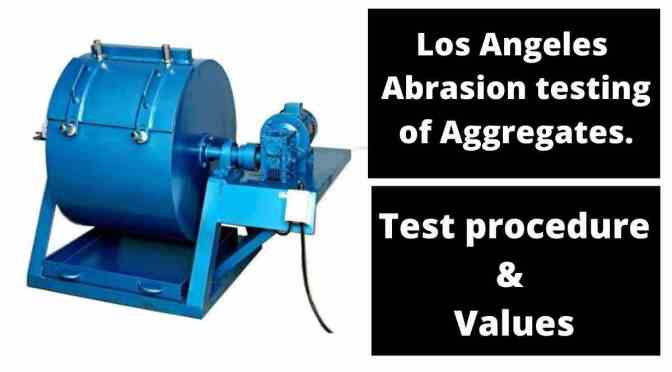
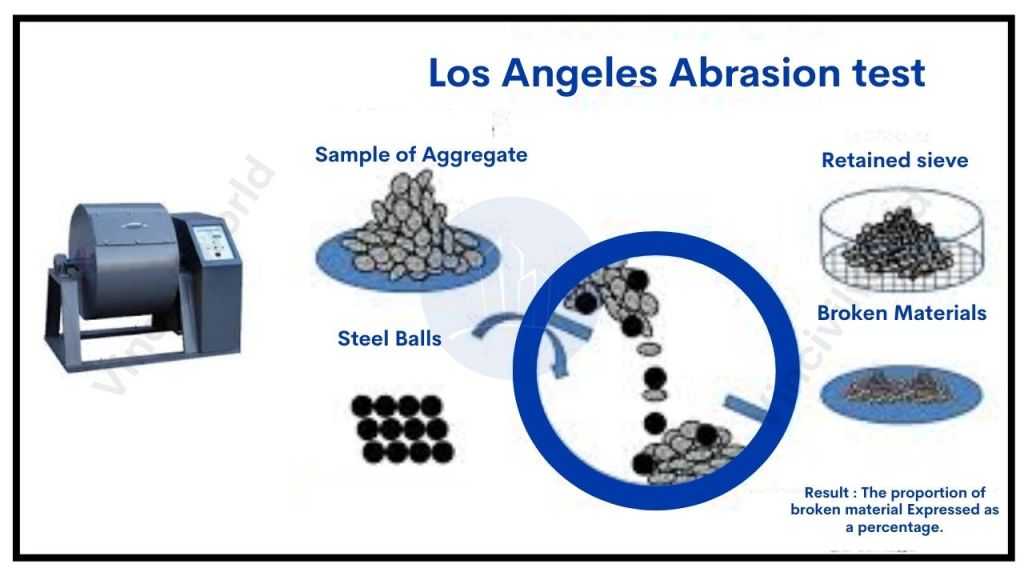
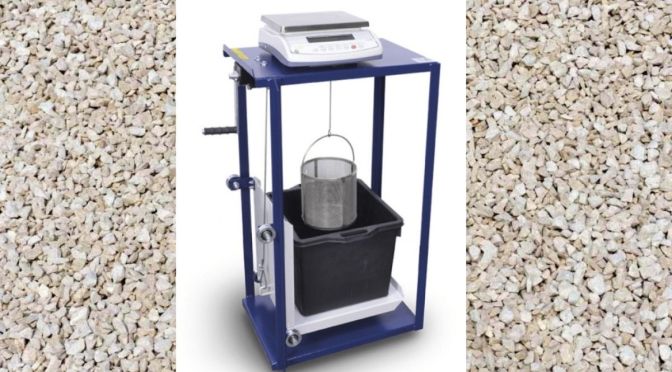
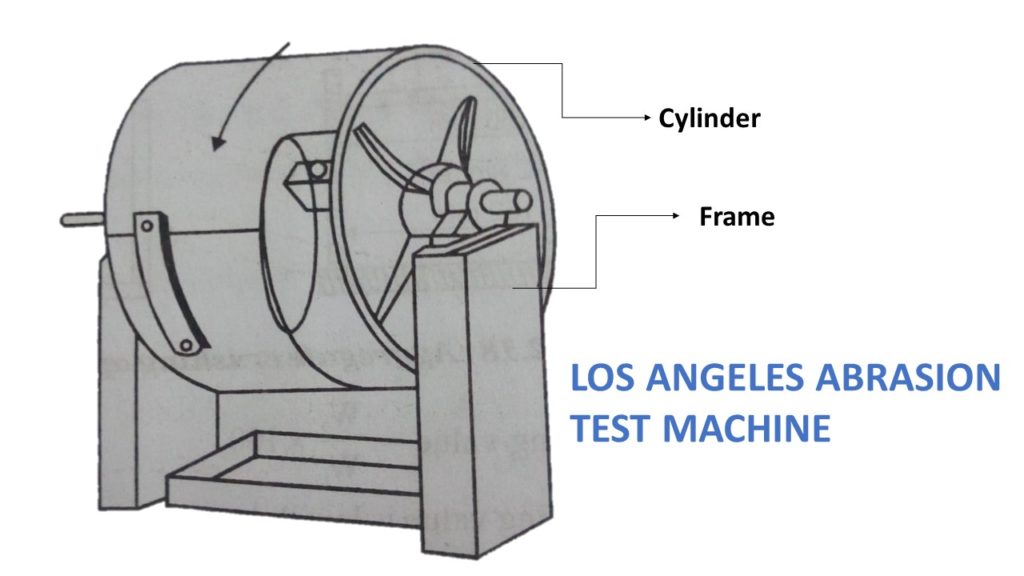
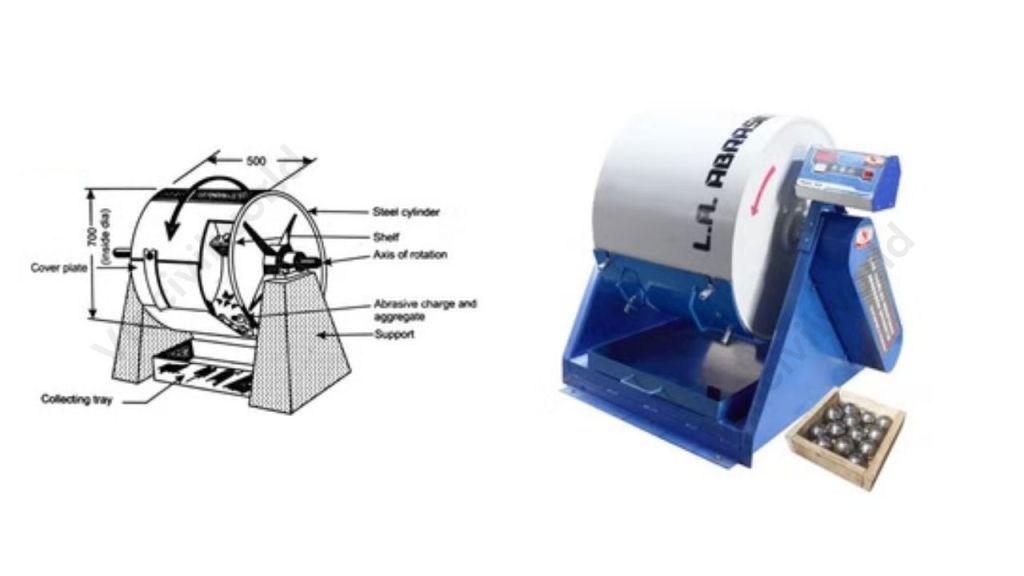
Los angeles Abrasion testing apparatus
Los Angeles Abrasion Testing Apparatus

Working principle of LA Abrasion test

The principle of this test is to produce abrasive action using steel balls mixed with aggregates. Accordingly, the aggregate and steel balls are rotated in a drum for a specific number of rotations. The percentage of wear due to relative rubbing action between the aggregate and steel balls is recorded. This value is the Los Angeles Abrasion value.

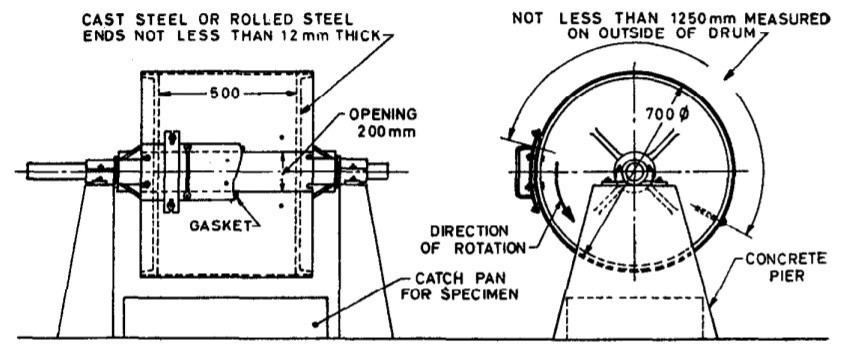
Los Angeles Machine cross section
Los Angeles abrasion testing machine

The test procedure for the Los Angeles Abrasion test of aggregate

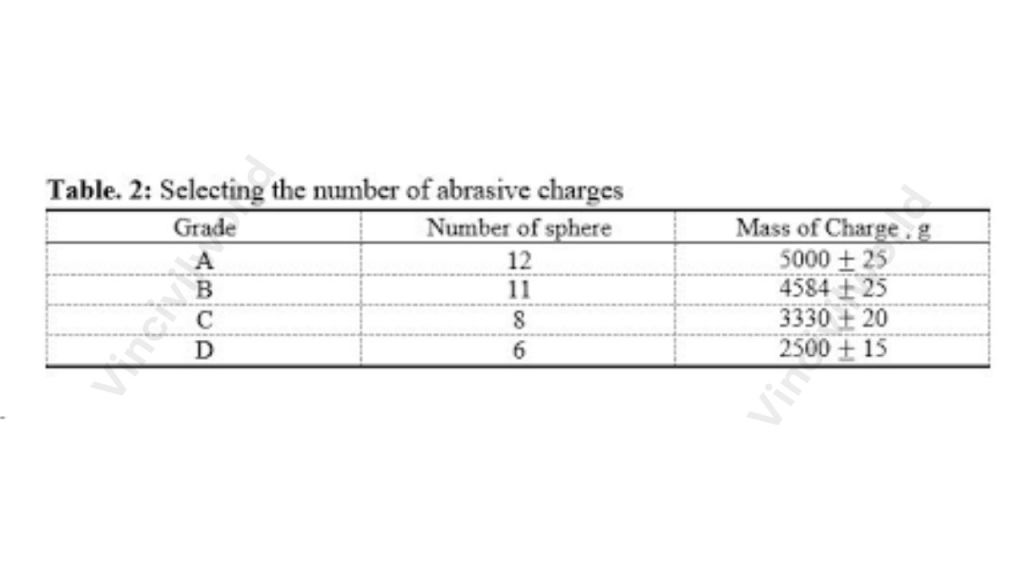
The Los Angeles abrasion testing machine consists of a hollow steel cylinder, closed at both ends, having an inside diameter of 700 mm and an inside length of 500 mm. The abrasive charge shall consist of cast iron spheres or steel spheres approximately 48 mm in. diameter and each weighing between 390 and 445 g. The number of balls to be placed shall be as per IS 2386.

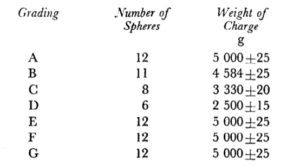
Grading and number of abrasive charges

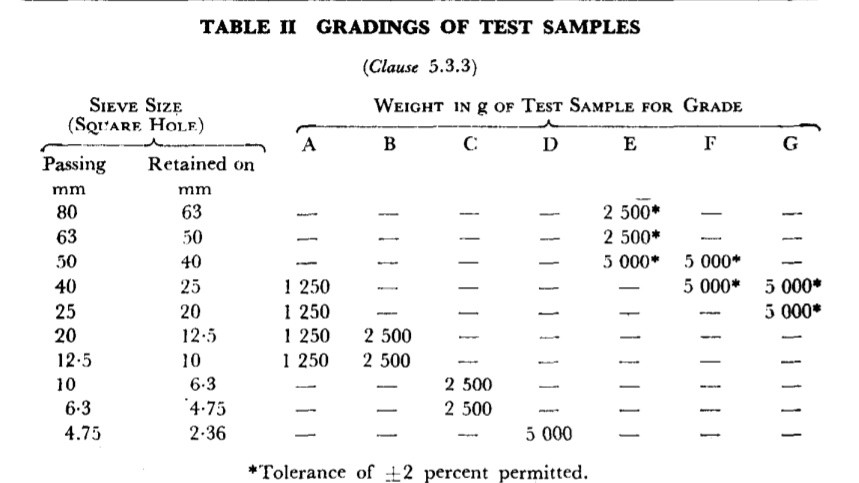
The test sample shall consist of clean aggregate which has been dried in an oven at 105 to 110°C to substantially constant weight. They shall conform to one of the gradings shown in Table II.

GRADINGS OF TEST SAMPLES AS PER IS 2386PLES
GRADINGS OF TEST SAMPLES AS PER IS 2386
  • Firstly, place the specimen inside the horizontal drum.
  • Then, put the steel balls and rotate the cylinder for a total of 500-1000 revolutions at the speed of 30-33 rpm about its horizontal axis. For gradings A, B, C and D, the machine shall be rotated for 500 revolutions. However, for gradings E, F and G, it shall be rotated for 1000 revolutions.
  • After completing the specific rotations, collect the specimens from the cylinder.  
  • Then sieve on a 1.7 mm IS sieve and weigh the specimen.
  • Lastly, calculate the abrasion value using the formula below.

The formula for LA Abrasion Test

The original weight of aggregate sample = W1 g

Weight of aggregate sample retained = W2 g

Weight passing 1.7mm IS sieve = W– Wg

Abrasion value = [(weight of sample taken – weight of sample retained on IS sieve) / weight of sample taken ] x 100

The difference between the original weight and the final weight (sieved through 1.7mm) is expressed as % of the original weight of the sample aggregate. Similarly, this value is called as Los Angeles abrasion value.

Testing of Bricks – Top 8 Test on bricks to ensure quality

Testing of bricks is a crucial step both on-site and in laboratories to verify the quality and suitability of bricks for construction. Bricks are one of the oldest and most reliable building materials, valued for their strength, durability, and affordability. Typically made from clay, bricks usually measure 190 mm × 90 mm × 90 mm with sharp, rectangular edges. They serve as essential components in construction, acting as both load-bearing structures and means of load transfer. To ensure their effectiveness, several brick quality tests are conducted, including the compressive strength of bricks, water absorption test, efflorescence test, and brick durability test. These types of brick tests help assess the brick’s resistance, porosity, and overall performance under different conditions. Adhering to these testing methods guarantees that only high-quality bricks are used, leading to safer and more durable construction projects. Understanding the methods for testing bricks is vital for builders, engineers, and quality controllers.

Audio on test on bricks
  1. Requirement of Good Quality Bricks
  2. Testing of Bricks – Top 8 tests on bricks
    1. Water absorption testing of bricks
  3. Compressive strength of brick/Crushing strength of brick
  4. Efflorescence test on brick – Testing of bricks
  5. Hardness test on bricks
  6. Shape and size Testing of Bricks
  7. Colour test of bricks
  8. Structure Test on Bricks
  9. Soundness test of bricks

Requirement of Good Quality Bricks

Good quality bricks are essential in construction to ensure strong, durable, and safe structures. They provide a stable base and resist environmental stresses, contributing to the longevity of buildings. The requirement for good bricks includes uniformity in size and shape, strength, durability, and minimal water absorption to prevent damage from moisture.
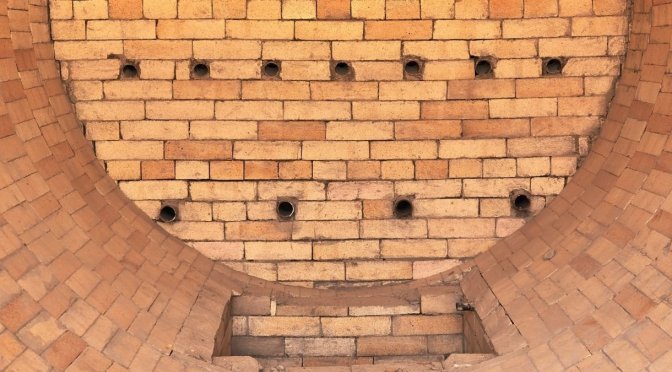
  • Bricks should be homogeneous and compact.
  • They should have equal proportions of clay, sand, and silt. 
  • Bricks should have requisite plasticity.
  • They should be free from defects like lumps and holes. 
  • The shape of the brick should be rectangular. 
  • A good brick should not break if dropped from a one-meter height.
  • Brick should not possess internal cracking and shrinkage.
  • The brick should be fire and scratch-resistant.
  • Water absorption of brick should not exceed 20 per cent of its dry weight. 
  • The compressive strength of the brick should not be less than 3.5N/mm2.
Good quality bricks
Good Quality Bricks

To maintain these qualities, testing of bricks should be done. This article discusses the test on bricks that are carried out to ensure the quality of good bricks.
Testing of Bricks – Top 8 tests on bricks

Bricks must undergo various tests to ensure their quality, strength, and durability for safe and long-lasting construction. Proper testing helps identify defects, assess strength, and confirm compliance with standards, preventing structural failures and ensuring cost-effective use of materials.
  • Water absorption test of brick
  • Compressive strength test of brick/ crushing strength test on bricks
  • Hardness test of brick
  • Shape and size test of bricks
  • Colour test of bricks
  • Soundness test of brick
  • Structure of brick test
  • Efflorescence test of brick

Water absorption testing of bricks

A water absorption test of the brick is performed to determine the amount of moisture absorbed by the brick under extreme conditions. The purpose of the water absorption test of bricks is to determine their durability of the bricks. The water absorption test necessitates the use of a weighing machine and a drying oven.

  • Firstly, the brick specimen is dried in a drying oven 
  • After that, weigh the dry specimen using the weighing machine and mark it as W1.
  • Secondly, immerse the brick in water for 24 hours.
  • Then take the brick out and drain the water.
  • Similarly, measure the weight and mark it as W2.
  • Finally using the formula determine the water absorption.

Water absorption = (W1 -W2) / W1 x 100

The moisture content of the brick is thus determined by the difference between the dry weight and the wet weight. Water absorption for high-quality bricks should be less than 20% of the dry weight. This brick test ensures that the brick is long-lasting and can withstand extreme weather conditions.

Compressive strength of brick/Crushing strength of brick

The ability of the brick to withstand a particular load without failure is the compressive strength of the brick.

A compressive strength testing machine is the apparatus for determining the compressive strength of brick.

  • First, Take three sample specimens and submerge them in water. 
  • After 24 hours, drain the water. Fill the frog and void with mortar in a ratio of 1: 3. 
  • Subsequently, store the brick in jute bags for 3 days. 
  • Place the brick in the compression testing machine with the brick frog area facing upwards. After that apply the load slowly.
  • Note down the load at which the bricks break.
  • Finally, using the formula to determine the compressive strength of brick. 

Compressive strength (N/mm2) = Maximum load at bricks fail/ Loaded area of brick

For good quality bricks, the compressive strength should not be less than 3.5 N/mm2

Compressive strength of brick/Crushing strength of brick - Apparatus
Compressive strength of brick/Crushing strength of brick – Apparatus

Efflorescence test on brick – Testing of bricks

A good quality brick should be free of soluble salts. However, If soluble salts are present, they form a white substance on the brick surface. Generally, efflorescence on brick is the name given to this white formation. The test procedure for performing the Efflorescence test on brick is as follows.

  • First, take a brick specimen and submerge it in water for 24 hours. 
  • After 24 hours, drain the brick and allow them to dry.
  • Keenly observe the brick surface.
Brick surface conditionDegree of Efflorescence
No white substanceZero efflorescence
10% white substanceSlight efflorescence
50% white substanceModerate efflorescence
More than 50% white substanceHeavy efflorescence
Efflorescence test on brick – Range
Efflorescence Test on Bricks
Efflorescence test on brick

Hardness test on bricks

The hardness test on bricks is a field verification test. Hence they are performed on-site. A good brick should resist scratches against sharp things. The following is the test procedure for the hardness test on bricks.

  • At first, choose a brick randomly from the stack.
  • Using a nail or finger make a mark on its surface. 
  • If there is no scratch, then it is a good quality brick.

Shape and size Testing of Bricks

A good quality brick should be uniform in size and rectangular in shape. In order to check this, measure the brick on the field. The standard size of the brick is 190mm x 90mm x 90mm.

  • Randomly, choose 20 bricks from the stack.
  • Sort them in length, width and height wise.
  • If the sizes are the same, Then they are good bricks.
shape and size test of bricks

Colour test of bricks

Normally good quality bricks are deep red or copper colour. The colour test is a field test. Therefore, it can be observed visually.

Structure Test on Bricks

Homogeneity and compact structure are the quality of good bricks. 

  • Randomly, pick one brick from the stack.
  • Cut the brick into two pieces at the centre. 
  • Then observe its inner side.
  • They should be free from defects such as lumps, holes etc. 

Soundness test of bricks

The soundness test of bricks is a field test used to determine the strength of the bricks.

  • In this test, choose two bricks randomly without damage or break.
  • Hit the bricks with each other. 
  • Then, listen to the sound the brick produce. 
  • If a metal ringing sound is produced, then it is good quality bricks.