Category Archives: Environmental engineering

Activated Sludge Process – Stages and Process Control

The activated sludge process is a widely used and highly effective method in wastewater treatment, employing aerobic microorganisms to remove organic pollutants efficiently. This guide covers the activated sludge process definition, stages, and diagram, while explaining its role in secondary wastewater treatment for producing high-quality effluent. You will understand how aeration tanks, wastewater treatment microorganisms, mixed liquor suspended solids (MLSS), and return activated sludge (RAS) work together to maintain stable and efficient system performance. The activated sludge process in wastewater treatment relies on proper aeration, controlled sludge recycling, and effective process monitoring. Due to its reliability, adaptability, and high treatment efficiency, activated sludge wastewater treatment remains the preferred choice for many municipal and industrial wastewater treatment plants, ensuring consistent performance and environmental compliance.

Activated Sludge Process is a globally used wastewater treatment technique. In the previous blogs, I had shown you the various secondary wastewater treatment techniques. In this blog, we will dig deep into this widely used technique of activated sludge process, its configuration, process control and aeration methods.

Activated sludge Process – Definition

The activated sludge process is a type of wastewater treatment that uses aeration. It involves a biological floc made up of bacteria and protozoa to clean sewage or industrial waste waters. This process is biological and has various applications. It includes oxidising carbonaceous biological matter. Additionally, it deals with nitrogenous waste in the biological matter, mostly ammonium and nitrogen.

Before starting make sure that you take a quick glance through the blog, Wastewater Treatment- Stages and Process full details for better understanding

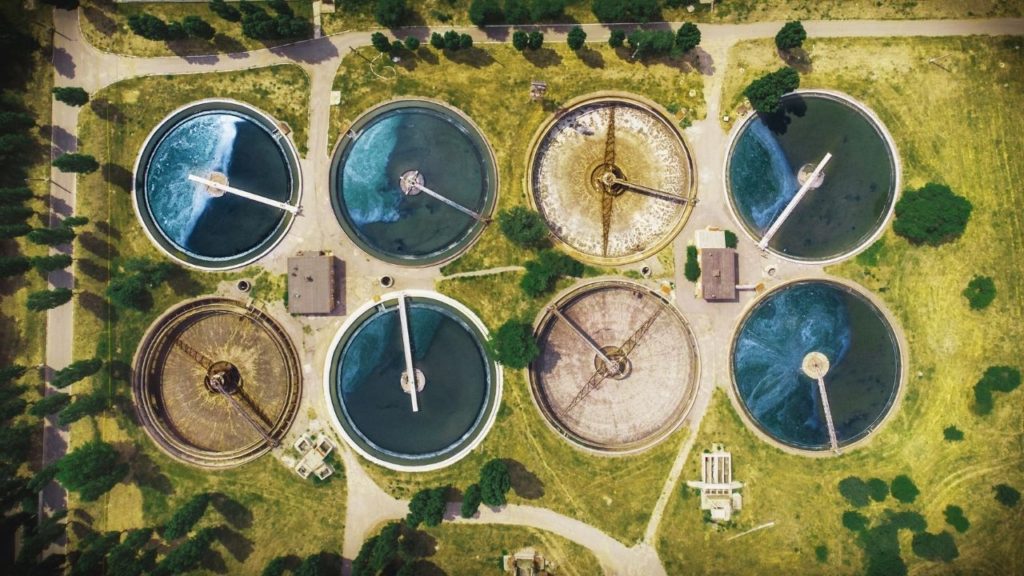
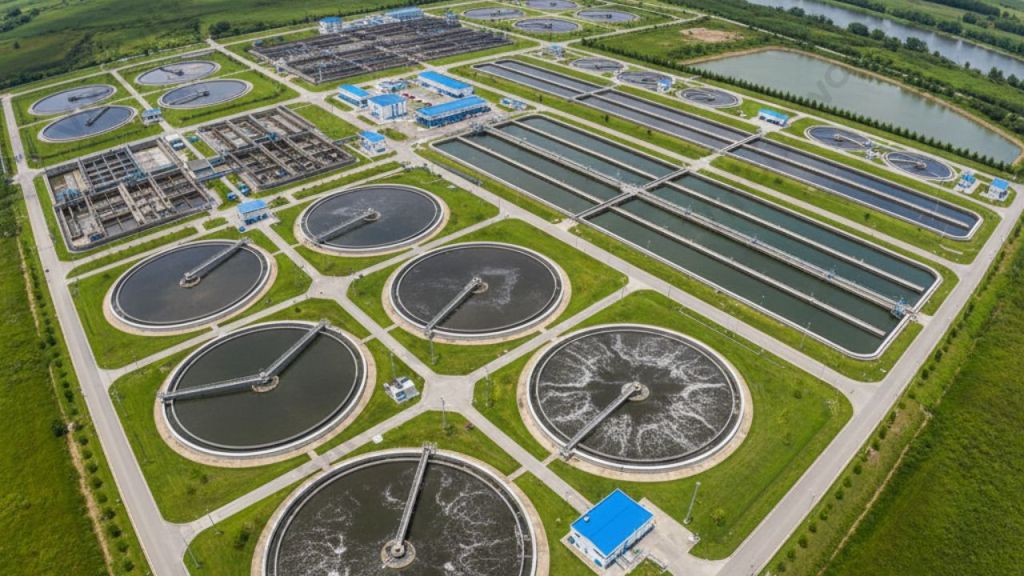
Aerial view of multiple circular wastewater treatment tanks with varying water clarity, surrounded by greenery.
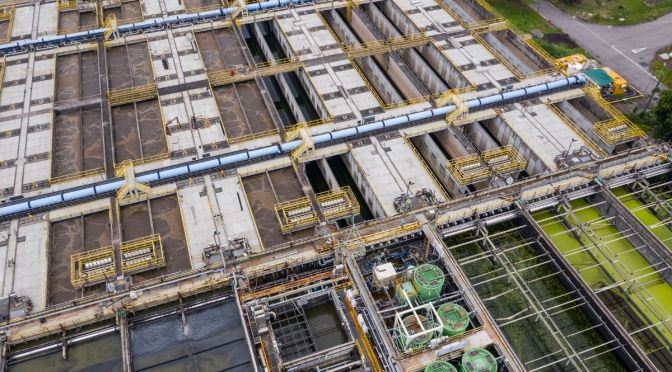
Aerial view of multiple aeration tanks used in the activated sludge process for wastewater treatment.

The activated sludge process employs aerobic microorganisms that can digest organic substances in sewage. Also, they have the ability to cluster together via flocculation. The flocculated particles settle out as sludge. As a result, the liquid coming out is relatively free of suspended solids and organic matter.

Activated Sludge Process – Stages, Configuration, and Diagram

The activated sludge process is a widely used secondary wastewater treatment method. It removes carbonaceous organic pollution through aerobic biological activity. The configuration of an activated sludge wastewater treatment system consists of interconnected units that operate together to ensure efficient treatment.

Aeration Tank

The aeration tank is the heart of the activated sludge process in wastewater treatment. Primary treated sewage is mixed with microorganisms, forming mixed liquor suspended solids (MLSS). Air or oxygen is supplied using diffusers or mechanical aerators to support aerobic microbes. These microorganisms consume organic matter and convert it into stable end products.

Secondary Settling Tank (Secondary Clarifier)

The mixed liquor flows into the secondary settling tank, where biological flocs settle by gravity. Clarified effluent overflows for further treatment or discharge. Settled sludge collects at the bottom.

Sludge Recycling System

A portion of the settled sludge is returned as Return Activated Sludge (RAS) to maintain microbial concentration in the aeration tank. Excess sludge is removed as Waste Activated Sludge (WAS) to control sludge age and system stability.

Advanced control systems regulate aeration, sludge recycling, and flow rates, ensuring stable and efficient secondary wastewater treatment performance.

Now, how about looking deep into what happens inside an activated sludge process?

Diagram illustrating the activated sludge process, featuring an aeration tank, mixed liquor, secondary clarifier, return activated sludge (RAS), and waste activated sludge (WAS).
Diagram illustrating the activated sludge process, featuring the aeration tank, secondary clarifier, mixed liquor, return activated sludge (RAS), and waste activated sludge (WAS) pathways.

Activated Sludge Process Steps

The activated sludge process operates through a series of well-defined stages that enable effective secondary wastewater treatment. Each stage supports biological activity, sludge separation, and recycling to achieve high organic pollutant removal and regulatory compliance.

  • After primary treatment, wastewater enters into an aeration tank. A portion of sludge from the secondary settling tank also enters.
  • Organic matter comes into close contact with sludge from the secondary settling tank. Sludge is densely populated with microorganisms that are actively growing.
  • Diffusers or surface aerators inject air in the form of bubbles into the sewage-sludge mixture.
  • Microorganisms break down organic matter into stable chemicals like NO3, SO4, and CO2 while also producing new bacterial cells.
  • The effluent along with the actively growing microbial population passes to the secondary settling tank.
  • The secondary settling tank separates the aeration tank’s effluent, which contains flocculent microbial matter into supernatant and sludge. The treated supernatant undergoes further treatment before discharge.
  • This sludge from the settled waste returns to the aeration system’s inlet to re-seed the new wastewater reaching the tank. Return activated sludge (R.A.S.) is the fraction of the floc that returns to aeration tank.
  • The remaining sludge goes to sludge digesters for further treatment and safe disposal.

“Mixed liquor” refers to the combination of the liquid and microorganisms in the aeration tank. The suspended solids are called “Mixed Liquor Suspended Solids” (MLSS).

In the next section, we will find out the basic process control parameters in an activated sludge process.

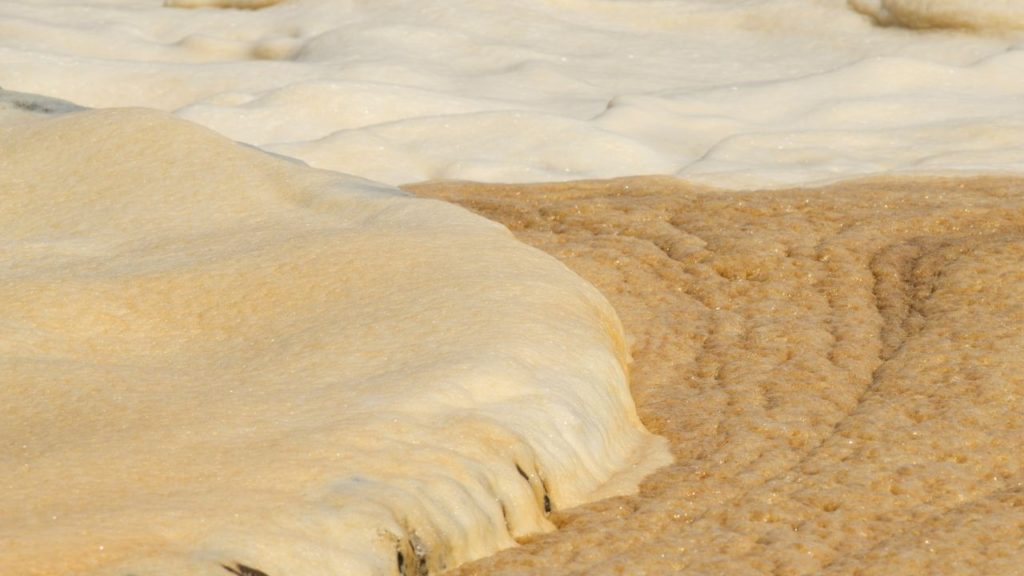
Close-up of foam and sediment in a wastewater treatment process, illustrating the activated sludge process used for organic pollutant removal.
Foamy surface of wastewater during the activated sludge process, illustrating the aeration and microbial activity involved in organic matter treatment.

Process Control in Activated Sludge Process

The general process control method monitors the following variables:

  • Sludge Volume Index (SVI)
  • Mean Cell Residence Time (MCRT)
  • Food to Microorganism Ratio (F/M)
  • Dissolved oxygen (DO)
  • Biochemical oxygen demand (BOD)
  • Chemical oxygen demand (COD)

Let me explain these parameters in detail.

Sludge Volume Index

Sludge Volume Index measures the volume of settled sludge in milliliters. This volume is occupied by 1g of dry sludge solids after 30 minutes of settling in a 1000 milliliter graduated cylinder. It gives a measure of the settling ability of the sludge. SVI ranges from 40 to 100 for a good sludge which settles down easily. Bulking Sludge is a biomass consisting of filamentous organisms with very poor settling characteristics. For a bulking sludge, SVI value can exceed 200. Sufficient pH control, adequate aeration and addition of hydrogen peroxide to the aeration tank prevents bulking.

Mean Cell Residence Time

Mean Cell Residence Time is the ratio of total mass (lbs) of mixed liquor suspended solids in the aerator and clarifier to the mass flow rate (lbs/day) of mixed liquor suspended solids leaving as final effluent.

Food to Microorganism Ratio

The Food to Microorganism Ratio indicates how much organic matter is fed to the microorganisms each day. It is relative to the mass of microorganisms under aeration. In other words, it is the ratio of the amount of BOD fed to the aerator (lbs/day). It is compared with the amount (lbs) of Mixed Liquor Volatile Suspended Solids (MLVSS) under aeration. 

Main Control Parameters

The mean cell residence time and F/M Ratio are the main control parameters used industrially. Both are directly related to the effluent quality. However, it is tedious to control the plant on the basis of the F/M ratio since it necessitates a lot of laboratory work to find the BOD and MLSS in the system. Therefore, the mean cell residence time is the best choice for controlling an activated sludge system.

Now you got an idea about the entire process and its important parameters. Next, we move on to the various aeration methods.

Aeration Methods in Activated Sludge Process

The decomposition of organic waste requires a very high concentration of oxygen at the initial stages of contact between microorganisms and the organic matter. The conventional systems usually maintain a plug flow hydraulic regime and keeps aeration and a mixing at an uniform rate along the entire tank. As a result, the oxygen concentration drops rapidly in the inlet and this can harm the microbes.

At the outlet, there is a surplus of oxygen which is not necessary and leads to economical losses. In order to match the oxygen supply and demand along the entire journey of wastewater from inlet to outlet, the mode of aeration needs some modifications. Let’s have a look at the different aeration methods in an activated sludge process.

Diffused Aeration

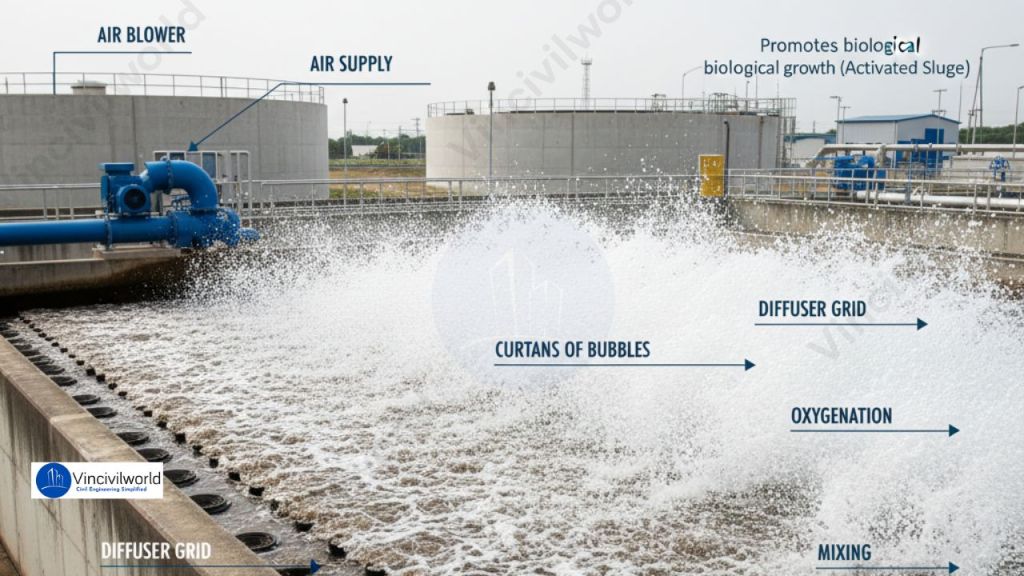
Sewage liquor is pumped into large tanks with floor-mounted diffuser grid aeration devices. Passing air creates a curtain of bubbles that oxygenates the liquor while also mixing it. An air blower usually creates the air. Oxygen replaces air for unusually strong and difficult to treat sewage.

Aeration tank in activated sludge process featuring air supply and diffuser grid for oxygenation, promoting biological growth with visible bubbles.
Diffused aeration system in activated sludge process, promoting oxygenation and biological growth.

Tapered Aeration

The organic waste needs more oxygen at the inlet. As it degrades progressively its oxygen demand decreases. Tapered aeration works on this principle. Aeration is intense at the inlet and decreases progressively along the length of the aeration tank. As this method involves the more efficient use of air, it results in savings in the pumping costs too.

Step Aeration

This method aims to equalize the oxygen supply and its demand. It introduces fresh feed at several points in the aeration tank, while keeping the rate of oxygen supply constant. This ensures a more even oxygen distribution over the entire tank and throughout the aeration stage. Baffles divide the aeration tank into several channels with each channel representing one step of the process.

Complete Mix Activated Sludge Process

In complete mix process, the aeration tank receives a mixture of fresh feed and recycled sludge at several locations within the tank. This ensures a constant supply and demand of oxygen along the length of the tank.

Contact Stabilisation

The microbial mass comes in contact with wastewater for short durations of time, approximately 0.5 to 1 hour in the biosorption unit. An anaerobic digestion unit stabilizes the resulting sludge after a retention period of about 2-3 hours. In the digestion unit, microbes consume the organic wastes removed in the biosorption unit. Since we stabilize the return sludge with higher solid concentrations, this reduces the volume of the aeration tank.

Pure Oxygen Activated Sludge Process

This type of activated sludge process supplies pure oxygen instead of air. It recirculates this oxygen into well mixed and converted chambers. Conventional processes utilize only 5-10% of oxygen. In contrast, the pure oxygen activated sludge process ensures about 90% utilization of oxygen. Further, it results in higher bacterial activity, lower sludge volume and sludge with better settling characteristics.

That’s it about activated sludge process. Let us know in the comments if you wish to know more.

Key Takeaways

  • The activated sludge process effectively treats wastewater using aerobic microorganisms to remove organic pollutants.
  • Key stages include aeration tanks, secondary settling tanks, and sludge recycling to maintain treatment efficiency.
  • Proper aeration and control parameters like SVI and F/M Ratio are essential for optimal performance.
  • Various aeration methods, such as diffused and tapered aeration, improve oxygen supply and microbial activity.
  • This process provides a reliable solution for secondary wastewater treatment, ensuring cleaner effluent.

Conclusion

The activated sludge process is a proven method for secondary wastewater treatment. It is highly efficient and used worldwide. This process removes organic pollutants from sewage and industrial wastewater. This process promotes aerobic microbial activity in aeration tanks. It achieves effective BOD reduction, suspended solids removal, and stable effluent quality. Proper control of operational parameters, such as dissolved oxygen, MLSS, and sludge age, ensures consistent system performance. It also prevents common issues like sludge bulking. With multiple activated sludge process configurations and aeration methods, the system can adapt to varying wastewater loads and treatment requirements. Due to its flexibility, reliability, and high treatment efficiency, the activated sludge process remains a cornerstone of modern biological wastewater treatment systems and sustainable water management.

Secondary Treatment for Wastewater – Methods and Process

Secondary wastewater treatment uses biological processes to remove dissolved and suspended organic pollutants from sewage. It follows primary treatment and greatly lowers BOD levels. Microorganisms break down waste and improve water quality. This process creates cleaner effluent for discharge or reuse. Secondary treatment of sewage relies on activated sludge systems and trickling filters. These biological wastewater treatment methods work with constant aeration. The wastewater aeration process keeps microorganisms active and effective. Plants use aeration tanks and clarifiers for stable operation. Types of secondary wastewater treatment include activated sludge, oxidation ditches, SBR systems, and trickling filters. Each system supports reliable pollutant removal in municipal and industrial plants. Operators use the secondary treatment process in sewage treatment plants to reduce pathogens and organic matter. Advantages of secondary wastewater treatment include higher efficiency and better environmental protection. Secondary treatment vs tertiary treatment differs by the degree of purification offered.

n this blog, I will walk you through various biological methods used in the secondary treatment of wastewater. Before diving deep into the biological treatment processes, make sure you understand the entire wastewater treatment process. So please go through our blog,

 Wastewater Treatment- Stages and Process full details.

  1. What is Secondary or Biological treatment for wastewater?
    1. Anaerobic Wastewater Treatment
    2. Aerobic Wastewater Treatment
      1. Biochemical Oxygen Demand
  2. Types of Secondary or Biological wastewater Treatment Methods
    1. Trickling Filter in Secondary wastewater treatment
    2. Oxidation Ponds
    3. Oxidation Pond Configurations
      1. Anaerobic Pond
      2. Facultative Pond
      3. Maturation Ponds
    4. Activated Sludge wastewater treatment Process
    5. Anaerobic sludge blanket reactors
  3. Conclusion

What is Secondary or Biological treatment for wastewater?

Secondary or biological treatment for wastewater uses bacteria to remove dissolved and suspended organic pollutants. These microorganisms consume organic matter as food and convert it into carbon dioxide, water, and energy for growth. This process reduces BOD and improves water quality in the secondary treatment of sewage. It also protects the dissolved oxygen balance in rivers, lakes, and receiving streams. Biological wastewater treatment methods work in controlled environments inside treatment tanks. Operators maintain proper aeration, mixing, and retention time to keep microorganisms active. The wastewater aeration process plays a major role in activated sludge systems and other types of secondary wastewater treatment.

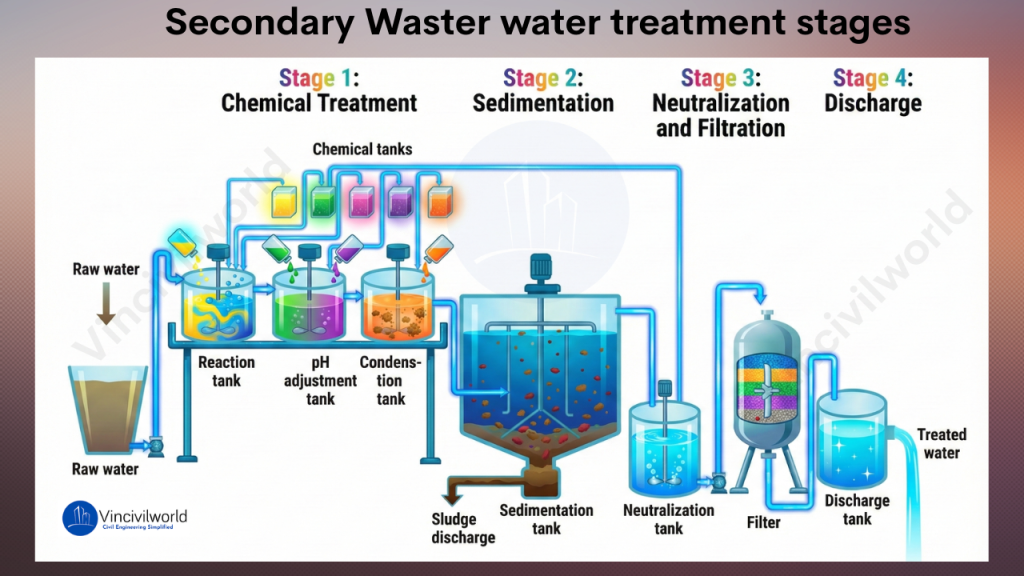
A diagram illustrating the stages of secondary wastewater treatment, including chemical treatment, sedimentation, neutralization and filtration, and discharge. It shows various tanks and processes involved in each stage.
Illustration of the secondary wastewater treatment stages, including chemical treatment, sedimentation, neutralization and filtration, and discharge of treated water.

The Biological treatment or decomposition of organic matter takes place in two ways as shown below:

  • Anaerobic Wastewater treatment
  • Aerobic Wastewater treatment

Anaerobic wastewater treatment works without oxygen and produces biogas. Aerobic wastewater treatment uses oxygen and supports faster decomposition. Both methods enhance the secondary treatment process in sewage treatment plants, and moreover, they ensure efficient pollutant removal.

Anaerobic Wastewater Treatment

Anaerobic wastewater treatment uses anaerobic microorganisms to break down and remove organic pollutants from wastewater. The anaerobic wastewater treatment process consists of two major stages:

  • Acidification
  • Methane generation
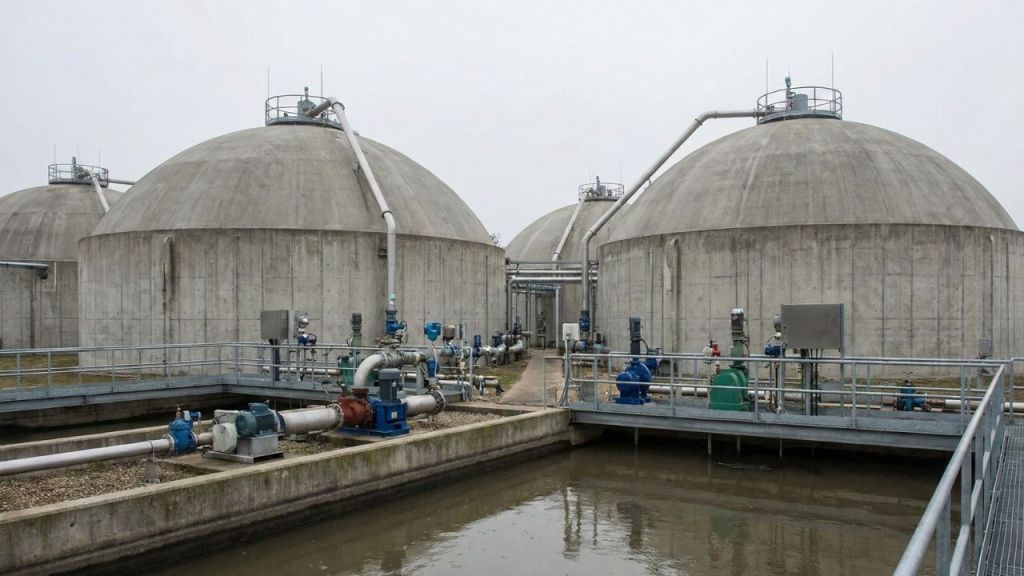
Concrete anaerobic digesters at a wastewater treatment facility, with pipes and pumps visible for managing sewage processing.
Anaerobic treatment tanks used in secondary wastewater treatment to break down organic matter.

In the initial acid-forming or acidification phase, anaerobes convert complex organic molecules into simpler, short-chain volatile organic acids. The second stage, known as the methane-production phase, includes two key steps:

  • Acetogenesis
  • Methanogenesis

During acetogenesis, anaerobes transform organic acids into acetate, hydrogen gas, and carbon dioxide. In the methanogenesis step, microbes react with these products to generate methane gas and carbon dioxide, completing the anaerobic treatment process.

Anaerobic systems are widely used for treating wastewater streams with high organic loads and warm temperatures. They offer several advantages over aerobic or biological wastewater treatment methods, including lower sludge production and the generation of valuable energy-rich by-products.

Aerobic Wastewater Treatment

Aerobic wastewater treatment uses oxygen-dependent microorganisms to break down organic pollutants efficiently. Furthermore, this biological treatment process involves aeration tanks where microbes oxidize waste, producing cleaner effluent. As a result, aerobic wastewater systems offer fast decomposition, stable operation, and high treatment efficiency, making them ideal for municipal and industrial aerobic wastewater treatment processes.

The aerobic wastewater treatment systems use oxygen-feeding microorganisms to clean water. These systems take advantage of the natural microbial decomposition process to break down industrial wastewater pollutants and remove them.

Biochemical Oxygen Demand (BOD) is directly related to aerobic wastewater treatment. It measures the amount of oxygen microorganisms need. This oxygen is necessary to break down organic pollutants.

Biochemical Oxygen Demand

The biochemical oxygen demand (BOD) provides a clear measure of the organic pollutants decomposed by bacteria during wastewater treatment. BOD refers to the amount of dissolved oxygen required by aerobic organisms to break down organic matter into smaller molecules. Additionally, high BOD values indicate a greater concentration of biodegradable material in the wastewater, signaling increased organic pollution levels.

Aerobic digestion is preferred for large quantities of dilute wastewater with BOD₅ < 500 mg/L. It is suitable for most aerobic wastewater treatment systems. For highly polluted wastewater streams with BOD₅ > 1000 mg/L, anaerobic digestion is recommended. It handles stronger organic loads more efficiently.

Types of Secondary or Biological wastewater Treatment Methods

The three most commonly used type of aerobic secondary wastewater treatment procedures for are listed below:

  • Trickling filter
  • Oxidation pond
  • Activated sludge wastewater treatment
  • Moving Bed Biofilm Reactor (MBBR)

Now, let’s dig deeper into their features and working. Off, we go.

Trickling Filter in Secondary wastewater treatment

A trickling filter is an aerobic secondary wastewater treatment system. It uses a microbial biofilm attached to filter media to break down and remove organic pollutants. This biological wastewater treatment method is called an attached-growth process. In contrast, suspended-growth systems keep microorganisms mixed within the effluent. Trickling filters offer stable performance, effective BOD reduction, and low operational complexity, making them a reliable option in modern secondary wastewater treatment processes.

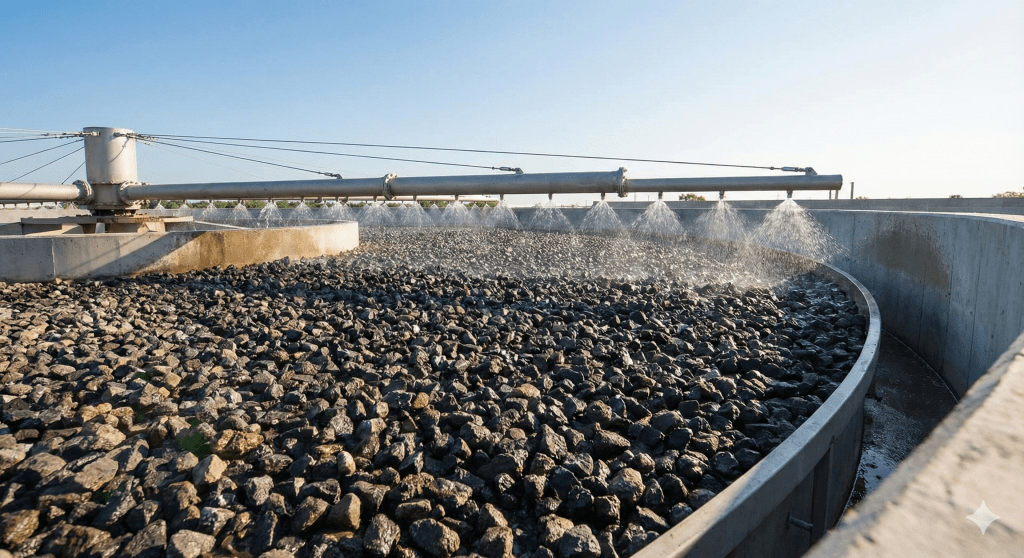
A trickling filter system for wastewater treatment showing a circular tank filled with rocks, with a spray mechanism distributing water over the surface.
A trickling filter system used in secondary wastewater treatment, showcasing a microbial biofilm attached to filter media for effective organic pollutant removal.
  • A trickling filter consists of a fixed bed of rocks, coke, gravel, slag, polyurethane foam, sphagnum peat moss, ceramic, or plastic media.
  • As wastewater trickles down, bacteria attach to the media and form a microbial slime layer (biofilm).
  • The continuous flow of sewage over the biofilm allows microbes to consume dissolved organic pollutants.
  • They release carbon dioxide, water, and other oxidised end products as wastewater passes over the media.
  • This process lowers the sewage’s biochemical oxygen demand (BOD).
  • Air moving upward through the media crevices supplies oxygen required for aerobic microbial activity.
  • The biofilm absorbs and adsorbs organic compounds and inorganic ions such as nitrite and nitrate.
  • The biofilm layer needs dissolved oxygen for effective biological oxidation.
  • As the biofilm thickens, available oxygen depletes before reaching the lower layers.
  • Anaerobic conditions develop at the base of the slime layer.
  • Microbes enter a decay stage and lose their ability to attach.
  • The biofilm detaches and becomes part of the secondary sludge, a process known as sloughing.
  • Trickling filters are widely used in milk processing, paper mills, and pharmaceutical wastewater treatment.

Ever heard of a pond which treats wastewater? Let’s look at what’s happening inside such oxidation ponds.

Oxidation Ponds

Oxidation ponds are artificial ponds that treat wastewater through the combined action of sunlight, microbes, and oxygen to reduce organic content and pathogens. Moreover, this waste stabilization pond uses microbes to stabilise residential, commercial, and industrial wastes. Typically, it appears as a shallow treatment pond with a water depth of 2–6 feet.

Industrial or domestic wastewater enters the oxidation pond through the inlet system. Bacteria then convert biodegradable organics into inorganic molecules through microbial interaction, producing carbon dioxide. Common bacteria in these stabilisation ponds include Achromobacter, Proteus, Alcaligenes, Pseudomonas, Thiospirillum, and Rhodothecae.

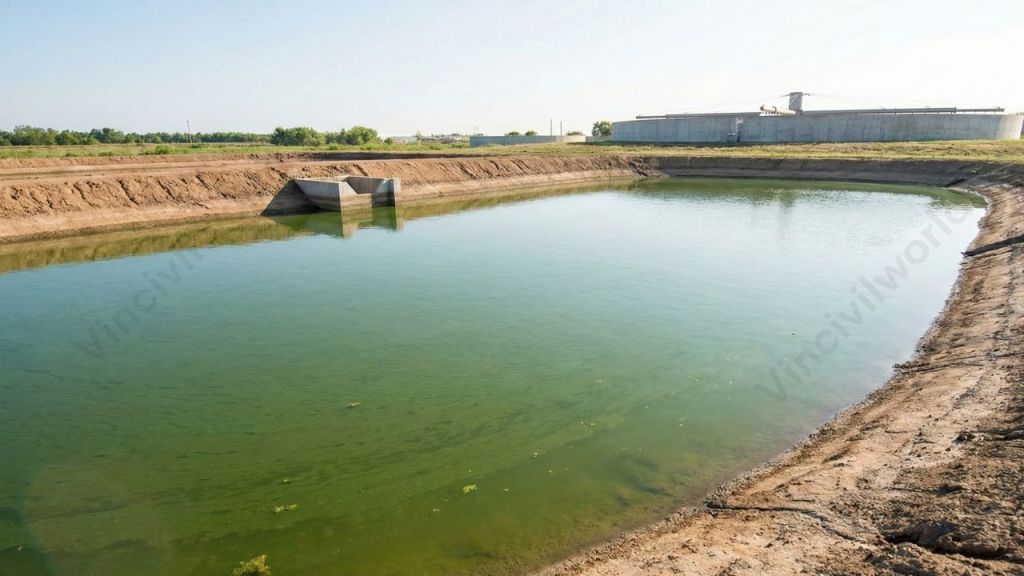
A shallow oxidation pond for wastewater treatment, showcasing water with visible aquatic vegetation and a concrete inlet structure, surrounded by earth banks.
An oxidation pond used for biological wastewater treatment, combining sunlight, microbes, and oxygen to reduce organic content and pathogens.

Anaerobic bacteria first convert insoluble organic waste into soluble organic acids such as ethanol without oxygen. These acids are further decomposed, releasing H₂S, NH₃, CH₄, CO₂, and other gases. Non-biodegradable solids settling at the bottom form sludge.

Most ponds require both bacteria and algae to maximise the breakdown of organic matter and remove contaminants. Algae produce oxygen during photosynthesis and leave an excess amount. Aerobic bacteria use this oxygen for respiration and oxidation of organic matter.

Treated water exits through the pond’s outlet system. Dredging removes accumulated sludge from the pond. Filtration or a combination of chemical treatment and settling removes algal and bacterial biomass.

Now, let’s move on to the various configurations of oxidation ponds.

Oxidation Pond Configurations

Waste stabilization ponds are artificial basins designed for biological wastewater treatment, consisting of single units or multiple series of anaerobic, facultative, or maturation ponds. Moreover, the main oxidation pond configurations used in wastewater treatment are:

  • A single facultative pond.
  • An anaerobic pond followed by a facultative pond.
  • A facultative pond followed by maturation ponds in series.
  • A series of maturation ponds preceded by an anaerobic pond and a facultative pond.

These configurations help optimise performance in waste stabilization pond systems.

Anaerobic Pond

Anaerobic ponds are deep ponds (usually 3.0 to 5.0 m) that receive raw wastewater. Most of the solid matter in the wastewater settle to the bottom as sludge. Due to the depth of the pond, oxygen can’t penetrate to the bottom of the pond. Thus the sludge digestion takes place under anaerobic conditions.

Facultative Pond

After coming out of an anaerobic pond, the remaining solid particles in the wastewater settles into a larger but shallow pond called a facultative pond. Air and sunlight kill the harmful germs in the wastewater and makes it less dangerous to the aquatic flora and fauna.

Maturation Ponds

Maturation ponds are two or three ponds in series wherein sunlight and oxygen destroy more harmful germs and make the liquid fit enough to be released for irrigation or into a river. Moreover, the higher the number of maturation ponds, the cleaner the effluent becomes.

Activated Sludge wastewater treatment Process

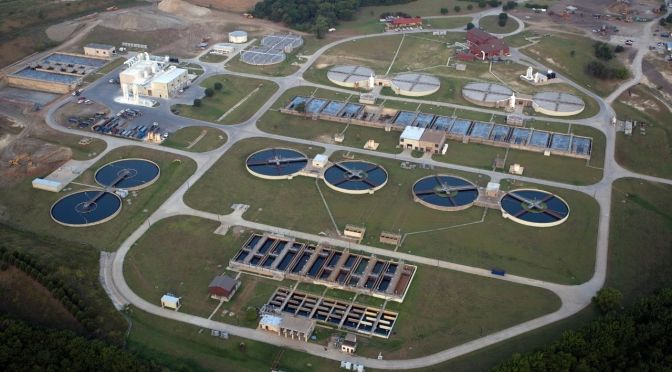
The Activated Sludge wastewater treatment method employs aerobic microorganisms that can digest organic substances in sewage. Also, they have the ability to cluster together via flocculation. The flocculated particles settle out as sludge. As a result, the liquid coming out is relatively free of suspended solids and organic matter.

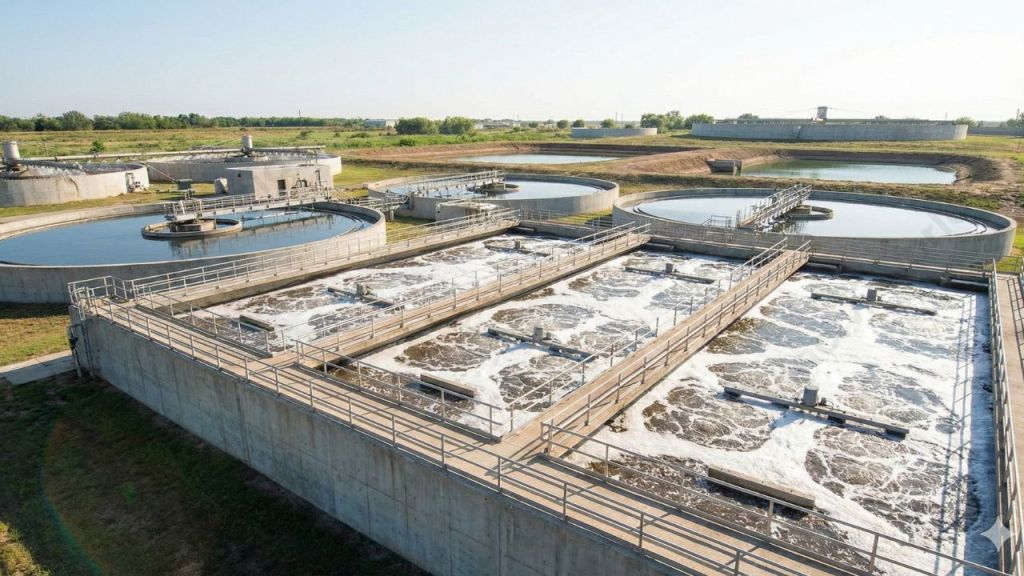
Aerial view of a wastewater treatment facility with several circular and rectangular tanks, featuring flowing water and foam, used for secondary treatment processes.
Overview of an activated sludge wastewater treatment plant, showcasing aeration tanks and clarifiers for effective pollutant removal.

The sludge blanket becomes Return Activated Sludge (RAS) once it has settled. Then, the RAS returns to the primary clarifying tanks, where the bacteria in it aid in the breakdown of organic waste in the entering sewage.

Anaerobic sludge blanket reactors

  • A popular method used in the anaerobic secondary treatment for water.
  • The wastewater is carried across a free-floating “blanket” of suspended sludge particles in sludge blanket reactors, which are a type of anaerobic treatment.
  • Anaerobes in the sludge multiply and accumulate into larger granules that settle to the bottom of the reactor tank and can be recycled for future cycles as they decompose the organic contents in the wastewater.
  • The treated effluent rises and exits the unit.
  • Throughout the treatment cycle, collection hoods collect biogases produced by the degradation process.

Shall we wrap up?

Key Takeaways

  • Secondary wastewater treatment uses biological processes to remove organic pollutants through methods like activated sludge and trickling filters.
  • Anaerobic and aerobic treatments both improve water quality, with anaerobic processes operating without oxygen and producing biogas.
  • Trickling filters employ a biofilm of microbes on media to reduce biochemical oxygen demand (BOD) and purify wastewater.
  • Oxidation ponds rely on sunlight, microbes, and oxygen to treat wastewater, showcasing various configurations for effectiveness.
  • Activated sludge processes involve aerobic microorganisms that cluster together, aiding in the removal of suspended solids and organic matter.

Conclusion

We explored the key secondary wastewater treatment methods, including the trickling filter system, oxidation pond process, activated sludge process, and anaerobic sludge blanket reactors. Each of these biological wastewater treatment methods plays a crucial role in reducing organic pollutants, lowering BOD levels, and improving overall effluent quality. The sludge produced from these secondary treatment units undergoes dewatering and digestion to reduce volume and enhance stability. Afterward, the dried sludge is commonly used in landfills or converted into nutrient-rich fertilizer, supporting sustainable wastewater treatment and reuse practices. Ultimately, these methods strengthen modern secondary wastewater treatment systems and ensure reliable environmental protection.

That’s it about secondary treatment methods for wastewater. Hope you found it informative.

Primary Treatment for Wastewater – Process and Details

Primary wastewater treatment is the essential first step in preparing sewage for advanced purification systems. At this crucial stage, operators employ specific primary treatment methods to effectively remove large particles. This vital process prevents potential damage to valuable equipment and avoids obstructing the continuous flow of wastewater. The treatment process initially starts with screening, which extracts substantial debris from the incoming wastewater. Subsequently, grit removal follows, meticulously separating coarse waste, plastics, sand, and various stones. This diligent separation maintains smooth and efficient operation throughout all later treatment units.

After screening and grit removal, the wastewater progresses into settling tanks designed for purification. Within these tanks, the sedimentation process allows heavier solids to gracefully sink, consequently forming what is known as sludge. Simultaneously, lighter oils and greases accumulate on the surface, which are then carefully skimmed off.

By significantly reducing the overall solid load during these early stages, primary treatment demonstrably enhances the performance of all subsequent wastewater treatment stages. This method is notably simple, exceptionally effective, and absolutely crucial for safeguarding both valuable infrastructure and delicate natural water bodies.

Sewage is temporarily stored in a calm basin during primary treatment for wastewater. In this process, heavy materials sink. Oil, grease, and lighter solids float to the top. Wastewater reaching a treatment plant through pipes first undergoes primary treatment irrespective of its source.

In the previous blog, Wastewater Treatment- Stages and Process full details, I had given an overview of the wastewater treatment process. In this blog, we go on a trip with wastewater entering the primary treatment plant. Let’s dive deep into primary treatment for wastewater and closely observe each of the processes.

  1. Primary wastewater treatment stages
  2. Screening – Primary Treatment for Wastewater
    1. Comminutors
    2. Grit Chambers
      1. Types of Grit chambers
  3. Flow Equalisation – Primary treatment for waste water
    1. Sedimentation – Primary treatment for wastewater
      1. Types of Primary Sedimentation Tanks
        1. Rectangular Horizontal Flow Tank
        2. Circular Radial Flow Tank
        3. Up Flow Tanks
  4. Flocculation
    1. Sludge Removal
  5. Scum Removal
  6. Conclusion

Primary wastewater treatment stages

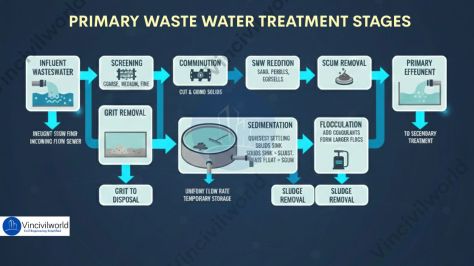
Primary wastewater treatment process removes large and suspended solids using physical methods . This is to protect downstream units and improve overall treatment efficiency.

Main Stages

Flowchart illustrating the stages of primary wastewater treatment, including influent wastewater, screening, comminution, grit removal, sedimentation, flocculation, scum removal, and primary effluent.
Illustration depicting the stages of primary wastewater treatment, including screening, grit removal, sedimentation, flocculation, and scum removal.
  • Screening
  • Grit removal
  • Sedimentation (Primary clarification)
  • Flocculation
  • Sludge removal and handling
  • Scum removal

Let us dive deep into each of the primary waste water treatment stages .

Screening – Primary Treatment for Wastewater

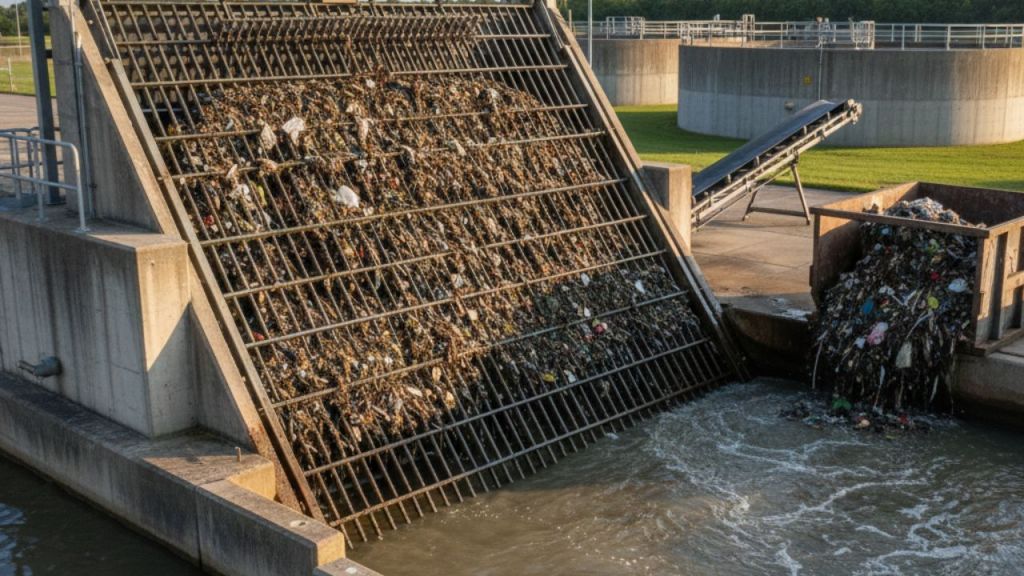
The first step in the primary wastewater treatment process is screening. This stage plays a major role in removing large solids before advanced treatment begins. In primary treatment for wastewater, the screening system blocks stones, rocks, and plastics. It even prevents dead animals from entering the treatment plant. These materials can damage pumps and obstruct the flow in pipelines. Therefore, eliminating solid waste at the initial stage makes all later wastewater treatment stages more efficient.

Screening process at a wastewater treatment facility, showing a large screen collecting debris and solid waste from incoming sewage.
A screening system in primary wastewater treatment captures and removes large debris before the purification process.

Screens and settling units remove most floating and large materials from the wastewater. The flow passes through screening and grit removal wastewater equipment such as bar screens. These screens consist of parallel metal bars, wires, or gratings placed at a 30°–60° angle to the flow. Based on the cleaning system, screens can be manually cleaned or mechanically cleaned. In manually cleaned racks, the opening size ranges from 25–50 mm. For mechanically cleaned screens, the opening size ranges from 5–40 mm.

Based on the size of the screen opening, we have 3 types of screens as follows:

  • Coarse screens (≥ 50 mm)
  • Medium screens (25-50 mm)
  • Fine screens (10-25 mm).

Normally, domestic wastewater treatment uses medium screens. The channel approach velocities fall in the range of 0.3 to 0.6 m/s for manually cleaned racks and from 0.6 to 1.0 m/s for mechanically cleaned racks.

The wastewater moves to comminutors after screening.

Comminutors

Comminutors reduce bigger suspended particles to smaller sizes by cutting and grinding action. Large plants frequently employ comminutors. It consists of a fixed screen that has either a rotating or oscillating cutter. Alternatively, there is a curved screen with a rotating or oscillating cutter. They are of considerable importance in treatment plants located in cold areas since they eliminate the trapping of waste on freezing screens.

Next, we are going to see grit chambers and their functions.

Grit Chambers

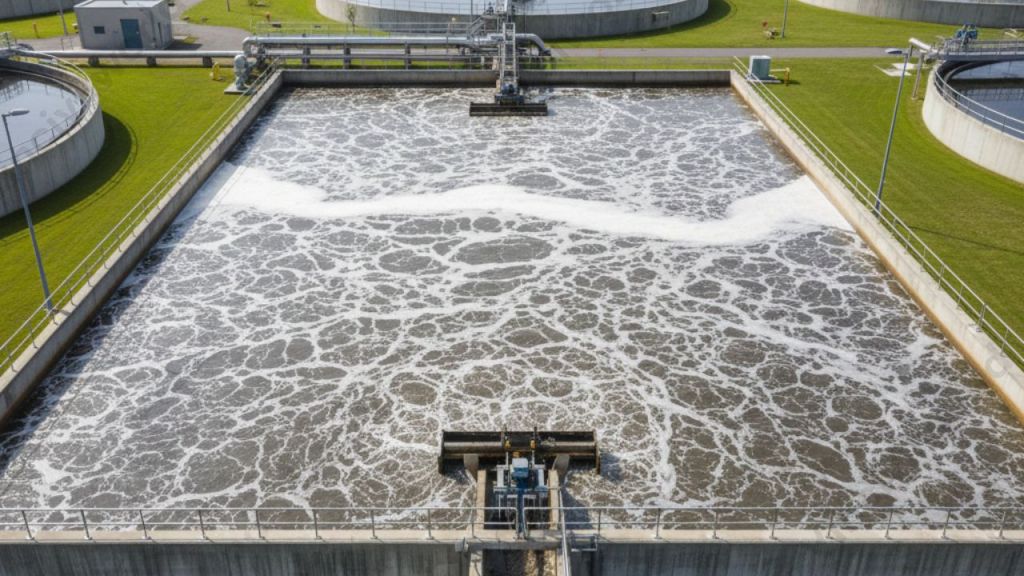
Aerated grit chambers in primary wastewater treatment remove sand, gravel, and heavy particles using controlled aeration. This process protects pumps and improve the treatment efficiency.

  • The wastewater after screening enters a grit chamber to settle the grit particles like sand, pebbles etc.
  • Grit chambers are long and narrow tanks. They reduce the flow of water. This allows particles like sand, stones, and eggshells to settle out.
  • They are highly relevant in places with combined sewer systems. These systems carry a significant amount of silt, sand, and gravel washed off roadways or land during a storm.
  • They protect pumps and pipelines from abrasion and prevents the deposition of grit in pipes and channels.

Types of Grit chambers

Types of grit chambers in primary wastewater treatment help remove heavy particles and protect downstream equipment efficiently.

  • There are two common types of grit chambers – Horizontal flow and Aerated.
  • Horizontal Flow Grit chambers permit a velocity of about 0.3 m/s to settle the grit material while allowing the organic impurities to flow through the chamber.
  • The aerated grit chamber constitutes a spiral flow aeration tank. Wastewater takes a spiral path through the aeration tank. This spiralling action throws away the grit particles into a hopper located underneath.
  • Scrappers remove the grit for disposal.
Aerial view of a primary wastewater treatment facility showing a settling tank with bubbling, aerated water and foamy surface.
Aerial view of wastewater treatment facility, showcasing the sedimentation tanks where solids settle during primary treatment.

Flow Equalisation – Primary treatment for waste water

  • Under uniform flow rates, clarifiers and mechanised secondary treatment are more efficient.
  • Equalization basins store diurnal or wet-weather flow peaks temporarily and make the water flow rate uniform.
  • Basins serve as a temporary holding area for the incoming wastewater during temporary plant shut down and maintenance.
  • It acts as a means of diluting and distributing hazardous or high-strength waste into batches.
  • Flow equalisation basins require variable discharge control which features bypass and cleaning options as well.
  • Cleaning is easier if the basin is downstream of screening and grit removal.

Also read : What are Water Pollutants? – Definition, Sources and Types

Sedimentation – Primary treatment for wastewater

The wastewater, then moves to sedimentation ponds, settling tanks, or clarifiers after the removal of settled grit. The sedimentation process removes the settleable solids by gravitational settling under quiescent conditions.

On proper adjustment of water flow in the sedimentation tank, the suspended particles begin to fall to the bottom and form a solid mass. Raw primary biosolids, also known as sludge, is the solid mass formed out of the particles. This sludge is removed by vacuum suction or raking it to a discharge point.

Types of Primary Sedimentation Tanks

  • Rectangular Horizontal Flow Tank
  • Circular Radial Flow Tank
  • Up Flow Tanks
Rectangular Horizontal Flow Tank
  • Feed enters at one end along the width of the horizontal tank.
  • They can be economically built side-by-side with common walls.
  • Length ranges from15 to 100m and width ranges from 3 to 24m (length/ width ratio 3:1 to 5:1).
  • In rectangular tanks, the flow occurs in a horizontal, lengthwise direction.
  • Rectangular tanks, sometimes use baffle walls to prevent short-circuiting.
  • Rectangular sedimentation tanks provide reduced maintenance expenses.
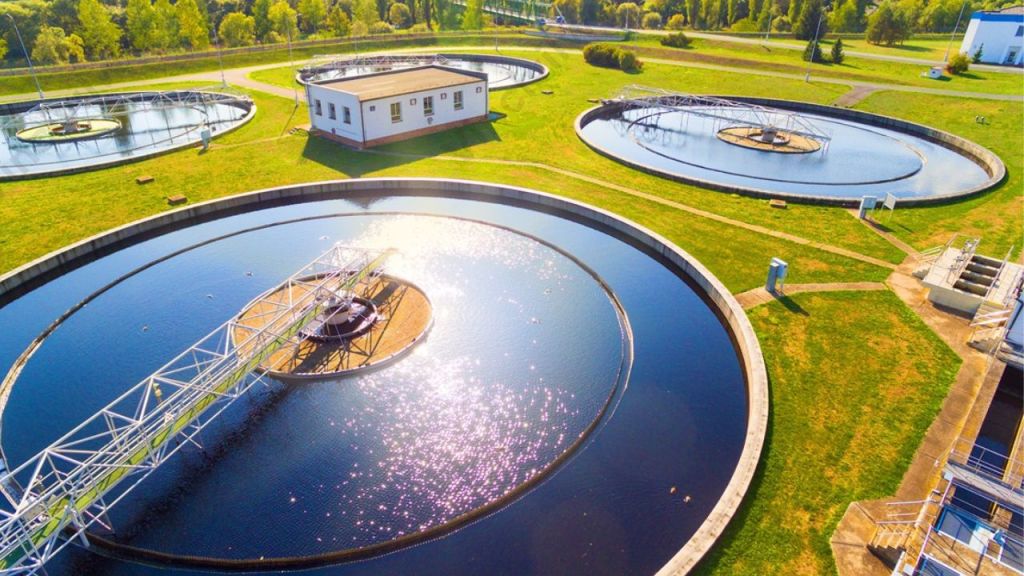
Circular Radial Flow Tank
  • In circular radial flow tanks, influent is fed through a central pipe of the tank and radial flow happens.
  • They have diameters ranging from 3 to 60 metres (side water depth range from 3 to 5m).
  • Mechanical sludge scrapers gather the sludge, and a sludge pipe transports it to the bottom.
  • Circular tanks are more expensive than rectangular tanks, but they have a higher clarification efficiency.
An aerial view of a wastewater treatment facility featuring circular sedimentation tanks, a treatment building, and surrounding green space.
View of primary wastewater treatment tanks, showcasing the sedimentation process essential for removing large particles and preparing sewage for advanced purification.
Up Flow Tanks
  • Up Flow tanks find application in small treatment plants.
  • Feed enters through openings along the bottom side of the tank and the effluent after clarification collects at the top.
  • The flow takes place in a vertical direction.
  • A sludge blanket in the lower part of the tank acts as a filter for small particles.

The next stage is flocculation which removes the remaining suspended solids.

Flocculation

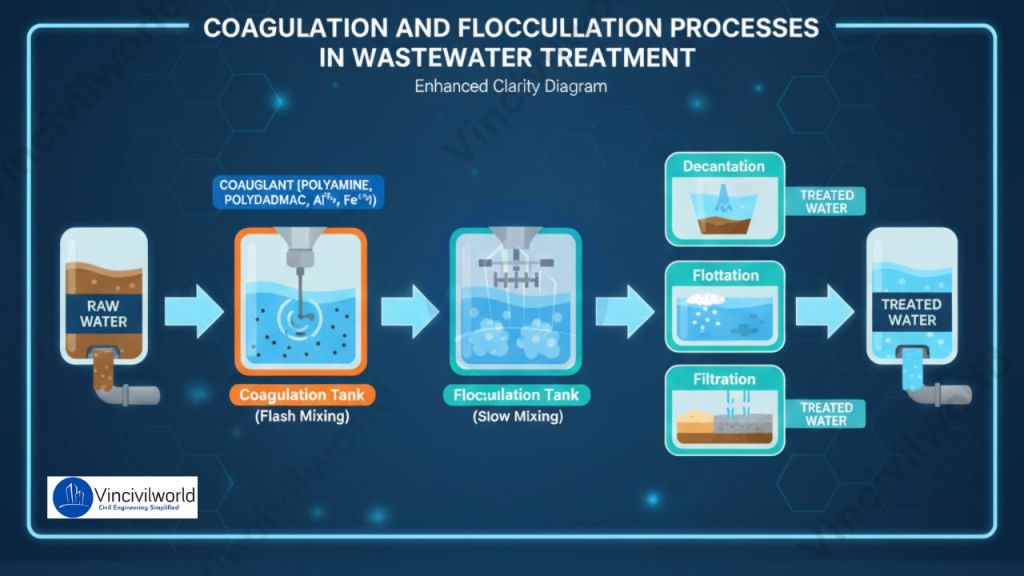
Flocculation is a water treatment process to remove small suspended solids which don’t settle in the sedimentation tank. In this process solids form larger clusters, or flocs on the addition of a flocculent like aluminium sulphate.

The coagulant molecules have a positive charge. Hence, they can neutralize the negatively charged solid particles that are suspended in the water. Neutralization of the particles initiates the flocculation process. The individual suspended particles come together to join and form a larger mass called a floc.

Diagram illustrating coagulation and flocculation processes in wastewater treatment, depicting stages including raw water input, coagulation tank for flash mixing, flocculation tank for slow mixing, decantation, flotation, and final filtration leading to treated water output.
Illustration of the coagulation and flocculation processes in wastewater treatment, showcasing the stages from raw water to treated water.

At the onset of flocculation, we add a chemical polymer. It acts as a bridge between micro and macro flocculants, increasing the mass of particles aggregating together. It also bonds the accumulated material together, preventing it from dissolving even when the water is stirred slightly. After the flocculation, the solid masses are removed either through settling or through the use of filters.

Sludge Removal

In the sedimentation tanks, sludge (the organic component of the sewage) settles out of the wastewater. Mechanical scrapers in the tank’s base continuously move accumulated sludge to a hopper, where it is pumped to sludge treatment facilities. The thickening step removes some of the water before processing the sludge in digesters.

Also read : Activated Sludge Process – Stages and Process Control

Scum Removal

Lighter materials rise to the surface as sludge settles to the bottom of the sedimentation tanks. The constituents of ‘scum’ are grease, oils, plastics, and soap. Scum is skimmed off the surface of the wastewater by slow-moving rakes. Scum is thickened before being poured into the digesters with the sludge.

Primary treatment removes about 60% of the total suspended solids and nearly 35% of BOD. It doesn’t remove the dissolved impurities. The waste must undergo secondary treatment in order to be completely free of toxic substances.

Also read : Biochemical Oxygen Demand

That’s it about primary treatment for wastewater. But, our trip doesn’t end here. Next, we move on to the secondary wastewater treatment plant – Secondary Treatment for Wastewater – Methods and Process. So, how was the trip? Let us know in the comment

Key Takeaways

  • Primary Treatment for Wastewater is the first crucial step in treating sewage, removing large particles to protect equipment.
  • It involves screening, where coarse waste is separated, followed by grit removal and sedimentation processes.
  • Sedimentation allows heavier solids to settle, forming sludge, while oils and greases float to be skimmed off.
  • The process removes about 60% of total suspended solids and 35% of biochemical oxygen demand, but not dissolved impurities.
  • Following primary treatment, wastewater must undergo secondary treatment for complete purification.

Conclusion

Primary treatment for wastewater plays an essential role in protecting both treatment facilities and the environment. It removes large solids, sand, grit, oil, and floating debris before advanced purification begins. Processes like screening, grit removal, sedimentation, and flocculation work together to reduce the pollutant load effectively. By eliminating harmful materials early, primary treatment improves the efficiency and lifespan of pumps, pipelines, and biological treatment units. It also ensures that downstream processes receive cleaner wastewater, leading to better final effluent quality. Although simple and cost-effective, primary treatment remains the foundation of a reliable wastewater treatment system. Therefore, investing in and maintaining strong primary treatment operations is crucial for sustainable water management and public health protection.

What is Sewage? – Sources, Treatment and Quality Indicators

What is Sewage? Sewage is the wastewater produced from homes, industries, commercial areas, and even stormwater entering the drainage network. It contains human waste, food residues, soaps, and chemicals. It also includes oils and harmful microorganisms. These substances can pollute the environment if not treated properly. By identifying the types and sources of sewage, we can classify it into domestic sewage and industrial sewage. Each has different contamination levels. To protect public health, the sewage treatment process removes pollutants. It utilizes physical, biological, and sometimes advanced treatment methods. During treatment, key sewage quality indicators such as BOD, COD, TSS, and pH are monitored. Monitoring also includes coliform bacteria to ensure standards are met. This article explains the meaning of sewage. It discusses where sewage comes from and how it is treated. Additionally, it covers how sewage quality is evaluated for safe disposal or reuse.

lobally, 44% of sewage is not safely treated, according to UN-Water 2021. Releasing untreated sewage into water bodies pose a great threat to humans as well as the environment. But, how do we understand the quality and the number of pollutants in it? This blog let me walk you through the basics of sewage, its sources, types, and quality indicators.

Here are a few shocking facts about water pollution. These facts highlight its effects before we delve into the details about sewage. Water Pollution – Effects and Causes. Going through this blog will help you better understand the importance of treating sewage.

Now, let’s get started.

  1. What is sewage?
  2. Components of Sewage
  3. Sources and Types of Sewage
    1. Domestic Sewage (Household Wastewater)
    2. Industrial Sewage
    3. Stormwater / Urban Runoff
  4. Sewage Quality Indicators
    1. Physical Characteristics
      1. 1️⃣ Temperature
      2. 2️⃣ Colour
      3. 3️⃣ Odour
      4. 4️⃣ Turbidity
      5. 5️⃣ Solids
    2. Chemical Characteristics
      1. 1️⃣pH
      2. 2️⃣Dissolved Oxygen (DO)
      3. 3️⃣Biochemical Oxygen Demand (BOD)
      4. 4️⃣Chemical Oxygen Demand (COD)
    3. Biological Characteristics
      1. Bacteria
  5. Conclusion

What is sewage?

Sewage is a type of industrial and domestic wastewater that enters the sewerage system from household bathrooms, toilets, kitchens, laundries and drains. It consists of approximately 99.6% water and 0.4% of biodegradable pollutants and small solid particles. A sewage treatment plant considers the following parameters of sewage:

  • The rate of flow
  • Physical state
  • Chemical and hazardous contents
  • Bacteriologic status are all factors to consider (which organisms it contains and in what quantities).

Components of Sewage

The major components of sewage include:

  • Greywater – wastewater from sinks, bathtubs, showers, dishwashers, and clothes washers
  • Blackwater – wastewater from toilets, mixed with the human waste flushed away
  • Soaps and detergents, and toilet paper

Also read: What are Water Pollutants? – Definition, Sources and Types

Sources and Types of Sewage

Sewage is generated from several daily domestic and industrial activities. To understand its characteristics and treatment needs, sewage is commonly classified into different Types of Sewage based on its origin. The major sources include:

Domestic Sewage (Household Wastewater)

Domestic sewage is discharged from kitchens, toilets, and washing activities, containing:

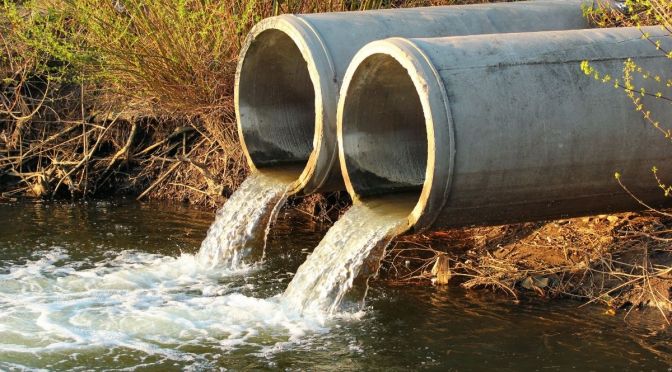
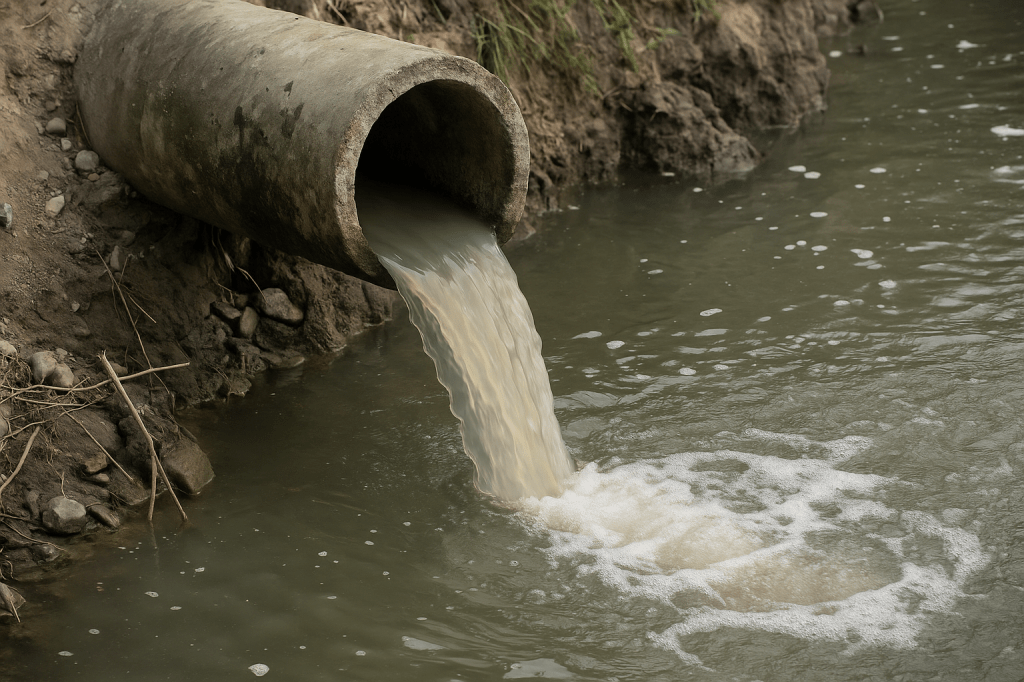
A drainage pipe discharging cloudy wastewater into a body of water, illustrating the issue of sewage pollution.
Sewage flowing from a drainage pipe into a water body, highlighting the importance of proper wastewater treatment.
  • Human excreta: faeces, urine, blood, sanitary waste
  • Bathing and personal hygiene water
  • Dishwashing, laundry, and floor-cleaning water
  • Household liquids such as cooking oil, detergents, paints, lubricants, and pesticides

Industrial Sewage

Industrial sewage is mainly wastewater from factories and processing units, containing chemicals, dyes, oils, acids, and heavy metals.

Stormwater / Urban Runoff

Rainwater flowing from:

  • Roads, railways, parking lots, pavements
  • Roofs, gardens, fuel stations
    Carrying oil spills, food waste, tyre rubber residue, metals, pesticides, and litter.
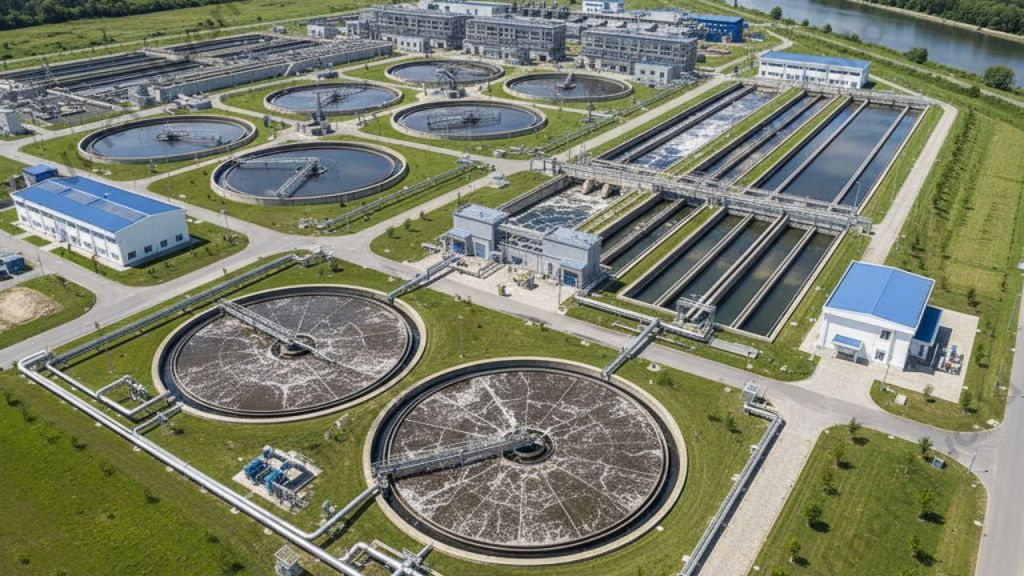
Aerial view of a sewage treatment plant with circular and rectangular tanks for wastewater processing, surrounded by green land and buildings.
An aerial view of a sewage treatment plant showcasing multiple processing tanks and facilities for wastewater management.

A clear understanding of these types of sewage sources helps engineers design the right sewage treatment process and improve public health and environmental protection.

Sewage Quality Indicators

Sewage quality indicators are laboratory tests that determine if wastewater is suitable for disposal, treatment, or reuse. These tests measure the physical, chemical, and biological characteristics of sewage. Physical characteristics don’t demand complex procedures since our physical senses alone can detect them. Bioassays and aquatic toxicity tests determine the biological properties while titrations and related laboratory procedures give the chemical characteristics.

Physical Characteristics

The physical characteristics can be detected using our senses such as sight, smell, and touch.

1️⃣ Temperature

The temperature of sewage indicates the level of contamination. It varies depending on biological and chemical reactions in the sewer or treatment plant. When sewage becomes septic, microbial activity increases the temperature. A drop in temperature can indicate groundwater infiltration.

2️⃣ Colour

Colour indicates the age and condition of wastewater. Fresh one appears light brownish-grey. Under anaerobic conditions, oxidation of organic matter turns the sewage from grey to dark grey or black. Black colour signals septic one.

3️⃣ Odour

Fresh sewage has a mild oily smell. Septic one produces a foul odour due to hydrogen sulphide (H₂S) formed under anaerobic decomposition. Industrial wastewater may contribute additional odorous compounds.
Odour measuring devices include:

  • H₂S meter
  • Olfactometer
  • Scentometer
  • Butanol wheel

4️⃣ Turbidity

Turbidity measures the ability of sewage to transmit light. Suspended and colloidal particles scatter or absorb light, increasing turbidity. High turbidity indicates poor wastewater quality and the presence of solids.

  • Measure of light-transmitting property of water.
  • Turbidity measurement involves comparing light scattered by sample to that by a reference suspension under same conditions.
  • Colloidal matter absorb light and thus prevent transmission.
  • Thus, if a sample doesn’t transmit light, it indicates that the sample is turbid due to presence of suspended and colloidal substances.

5️⃣ Solids

Solids are the residues left after evaporation and drying at 103.2°C. They include:

Solids are those substances that remain as residue after evaporation and drying at 103.20C.
Suspended particles are solids that have not dissolved in wastewater. Floatable solids or scum are suspended materials that float.

Settled solids, often known as grit or sludge, are suspended materials that settle. Settleable solids refer to the solids that settle at the bottom of an Imhoff cone after the water has settled for one hour. It is a measure of the quantity of sludge that can settle by primary sedimentation.

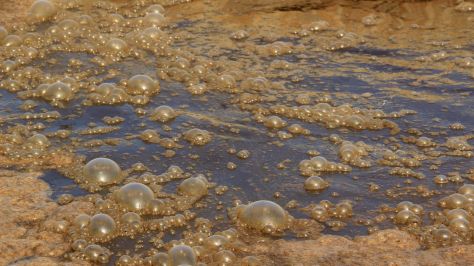
Close-up view of sewage water with bubbles and brownish residue on the surface.
A close-up view of wastewater exhibiting bubbles, highlighting the presence of organic solids and pollutants.

Volatile solids are solids that burn or evaporate at temperatures between 500°C and 600°C. In a wastewater treatment plant, the sediments provide food for bacteria and other living organisms and thereby they decompose the waste. The majority of organic substances included in municipal garbage come from living plants and animals.

Organic solids serve as food for bacteria during treatment and support biodegradation.

Chemical Characteristics

Sewage comprises both organic and inorganic compounds and numerous gases produced by decomposition, such as H2S, CO2, CH4, and NH3. pH, DO (dissolved oxygen), oxygen demand, nutrients, and hazardous compounds are chemical features of wastewater that are of particular interest.

1️⃣pH

The pH scale describes the acidity or alkalinity of aqueous solutions. Initially, the sewage has high pH. Further, the pH drops when it gets septic, and then rises again as it goes through the treatment process.

2️⃣Dissolved Oxygen (DO)

The term “aerobic” or “fresh” refers to wastewater that contains DO. At 1.0 atm pressure, oxygen solubility in freshwater ranges from 14.6 mg/L at 0oC to roughly 7 mg/L at 35oC.

3️⃣Biochemical Oxygen Demand (BOD)

BOD is the amount of oxygen needed for aerobic bacteria to decompose organic matter. This process occurs over 5 days at a typical temperature of 20oC. We have a blog, Biochemical Oxygen Demand || Dissolved Oxygen of Water || Full Details. It covers all the topics that one should know about BOD. Don’t forget to check it out.

4️⃣Chemical Oxygen Demand (COD)

Laboratory analysts determine Chemical Oxygen Demand (COD) by oxidizing the organic matter in a wastewater sample. They use a strong chemical oxidant for this process. The COD value represents the oxygen equivalent of all organic compounds in the sample. These compounds are susceptible to chemical oxidation. The value indicates how much oxygen would be required to break them down.

For more details: Chemical Oxygen Demand and Total Organic Carbon Analysis

Biological Characteristics

Bacteria, viruses, and parasites are the three biological entities found in wastewater.

Bacteria

The typical concentration of bacteria in raw sewage ranges from 500,000 to 5,000,000 per mL. These bacteria use external and intracellular enzymes. They break down complicated molecules into stable chemicals. Bacteria can be classified into three types depending on their manner of action:

  • Aerobic Bacteria
  • Anaerobic Bacteria
  • Facultative Bacteria

Along with bacteria, it also contains viruses, helminths, parasites etc.

Key Takeaways

  • Sewage is wastewater from homes and industries, containing pollutants that can harm the environment if untreated.
  • It mainly categories into domestic and industrial sewage, each with different contamination levels.
  • Sewage quality indicators, such as BOD, COD, and pH, help evaluate its treatment needs and safety for disposal or reuse.
  • Globally, 44% of sewage isn’t safely treated, creating significant health and environmental risks.
  • Understanding sewage’s components and sources is essential for effective treatment and protecting public health.

Conclusion

Understanding What is Sewage ? is essential for effective environmental and public health protection. Sewage originates from many sources of sewage, mainly domestic and industrial sewage, and can contain harmful pollutants. By analyzing sewage quality indicators such as BOD, COD, TSS, pH, and coliform bacteria, engineers can assess pollution levels accurately. A well-designed sewage treatment process ensures the safe disposal or reuse of wastewater by removing physical, chemical, and biological contaminants. Proper wastewater treatment and pollution control techniques help maintain clean water bodies, prevent disease outbreaks, and support sustainable urban development. Continuous monitoring and advancements in treatment technologies remain crucial for improving sewage management and protecting our environment for future generations.

What is Tertiary Wastewater Treatment? – Top Physicochemical Methods Explained

Tertiary wastewater treatment, also known as advanced wastewater treatment, is the third step of wastewater treatment. After secondary treatment, tertiary treatment of effluent entails several extra procedures to minimise organics, turbidity, nitrogen, phosphorus, metals, and pathogens.

Tertiary Wastewater Treatment plays a crucial role in producing high-quality effluent that meets strict environmental standards. Before exploring the top physicochemical treatment methods like reverse osmosis and Electrodialysis, it is important to understand what is tertiary wastewater treatment and why it is essential.

This advanced stage goes beyond primary and secondary processes, removing fine suspended solids, nutrients, pathogens, and dissolved contaminants that conventional systems cannot eliminate. As part of modern tertiary treatment in wastewater, industries and municipalities use filtration, chemical dosing, disinfection, and membrane systems to achieve superior purity.

These processes fall under advanced wastewater treatment processes, designed to protect ecosystems and support water reuse. By learning the types of tertiary wastewater treatment, readers gain a complete picture of how physicochemical techniques ensure cleaner and safer water for diverse applications.

  1. What is Tertiary Wastewater Treatment
  2. Tertiary Waste Water Treatment Methods
  3. Common Tertiary Wastewater Treatment Methods
  4. Reverse Osmosis -Tertiary Wastewater Treatment
  5. Electrodialysis – Tertiary Wastewater Treatment
  6. Filtration
    1. Diatomaceous Earth Filtration
    2. Sand Filtration
    3. Ultrafiltration
  7. Conclusion

What is Tertiary Wastewater Treatment

Tertiary wastewater treatment is the final and most advanced stage of the purification process. It is designed to remove contaminants that primary and secondary treatment cannot eliminate. It focuses on polishing the effluent by targeting fine suspended solids, nutrients like nitrogen and phosphorus, dissolved pollutants, and harmful microorganisms. By using filtration, chemical dosing, membrane processes, and disinfection, tertiary systems ensure the water meets strict environmental and reuse standards. Understanding what is tertiary wastewater treatment is essential because it plays a key role in protecting ecosystems, supporting industrial reuse, and ensuring a safer, cleaner water supply for communities.

Aerial view of a large wastewater treatment facility featuring multiple circular and rectangular treatment tanks, surrounded by green fields and buildings.
Aerial view of a modern wastewater treatment facility, showcasing various stages of tertiary treatment processes.

Tertiary treatment of wastewater makes it ready for reuse. Some examples of reuse include:

  • Reclaimed water finds use in cooling systems, boiler feed, process water, and other industrial applications.
  • Reuse in agriculture, horticulture, lawn watering, golf courses, and other applications
  • Finds use in groundwater recharge to supplement groundwater resources for downstream consumers or to keep saline water out of coastal areas.

Tertiary Waste Water Treatment Methods

Tertiary wastewater treatment methods provide advanced purification beyond primary and secondary stages, ensuring high-quality effluent suitable for discharge or reuse. These methods remove fine solids, nutrients, pathogens, and dissolved contaminants using specialized physical, chemical, and membrane-based processes designed for maximum water clarity and safety.

Physicochemical methods use physical actions and chemical reactions to remove pollutants that biological treatment cannot fully eliminate, making them advanced wastewater treatment processes. These methods target fine suspended particles, dissolved solids, nutrients, heavy metals, and microorganisms by enhancing separation, adsorption, or chemical transformation. Physicochemical methods deliver precise and highly effective purification in tertiary wastewater treatment, producing high-quality effluent suitable for discharge or reuse.

Common Tertiary Wastewater Treatment Methods

Here are the common physicochemical methods used in tertiary wastewater treatment:

  • Filtration (Sand, Dual-Media, Multimedia)
  • Membrane Filtration (UF, NF, RO)
  • Activated Carbon Adsorption
  • Ion Exchange
  • Chemical Coagulation and Flocculation
  • Disinfection (Chlorination, UV, Ozone)
  • Nutrient Removal (Phosphorus & Nitrogen Removal)
  • Advanced Oxidation Processes (AOPs)
  • Constructed Wetlands
  • Electrodialysis

Reverse Osmosis -Tertiary Wastewater Treatment

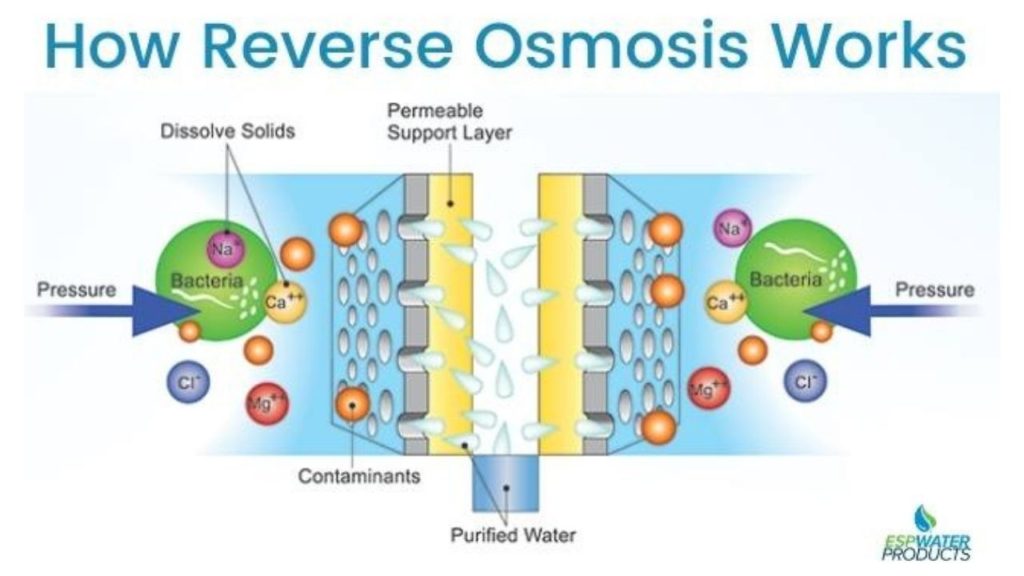
Reverse Osmosis produces demineralized water by forcing water through semipermeable membranes at high pressure. We apply a pressure greater than the osmotic pressure across a membrane that separates a concentrated solution and a dilute phase.

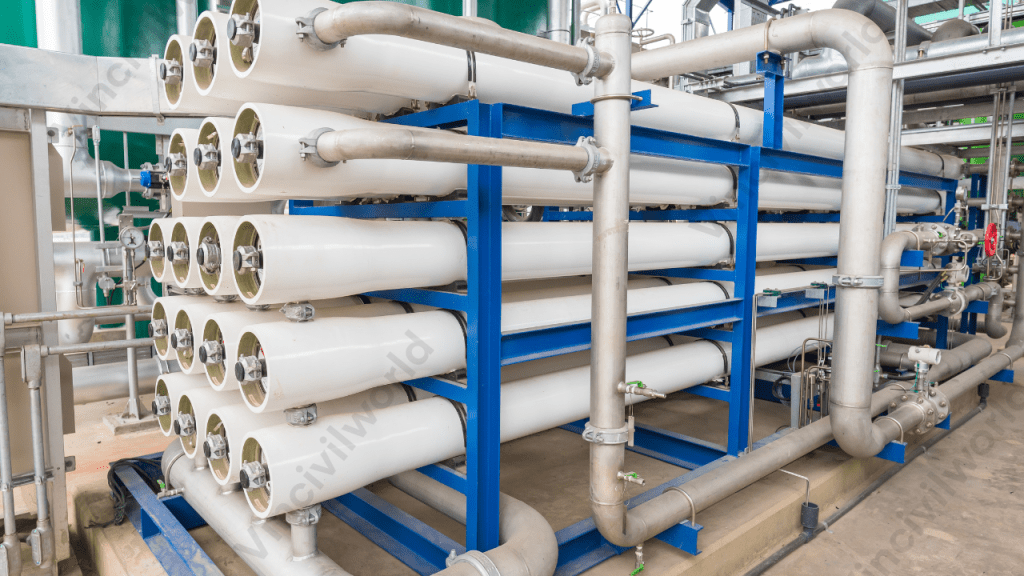
A close-up view of a reverse osmosis system used in tertiary wastewater treatment, featuring multiple membrane modules arranged in rows on a blue support structure, alongside various connecting pipes.
Reverse Osmosis unit for advanced wastewater treatment, showcasing a structured layout of membrane modules designed for efficient purification.

This drives the solvent or water toward the dilute phase, making solute or impurity concentration rise on one side while pure water moves through the membrane. In Tertiary Wastewater Treatment, this method is widely used because it ensures high-quality purification. The Reverse Osmosis process requires pressures of about 4000 to 7000 kN/m² to achieve sufficient solvent flux.

The most crucial element is the permeable membrane, typically made from cellulose acetate, formamide, and magnesium perchlorate. These membranes need large surface areas for effective treatment. To optimize space, membrane modules are preferred over single sheets. This is especially true in advanced systems used for Tertiary Wastewater Treatment.

Reverse osmosis finds applications in the following:

  • Separation of toxic ions from plating wastes.
  • Desalting seawater to produce drinking water.
  • Concentration of radioactive wastes.
  • Removal of organics from vegetable and animal wastes.
How Reverse Osmosis in Tertiary Wastewater Treatment Works? Credits ESP Water Products
How Reverse Osmosis Works? Credits ESP Water Products

Electrodialysis – Tertiary Wastewater Treatment

Electrodialysis is another popular tertiary wastewater treatment method that employs the removal of the solute from the solution instead of removing the solvent. This process uses selectively permeable membranes and an electric potential difference to separate ions from a solution. The electric power required depends on the number of ions removed from the water.

An electrodialysis cell contains anionic and cationic membranes arranged alternately, creating multiple compartments between electrodes placed at each end. When an electric voltage is applied, anions migrate toward the positive electrode and cations move toward the negative electrode. As a result, solutions in alternating compartments become dilute while others become more concentrated. Once the process reaches the desired degree of separation, the system removes the solutions. This selective ion removal makes electrodialysis an effective option in tertiary wastewater treatment, especially when precise control over dissolved salts is needed.

Filtration

Tertiary treatment removes total suspended solids (TSS). It eliminates the fine particles left after the secondary clarifying process. Proper pretreatment is essential before filtration. The concentration of suspended particles in the influent must be below 100 mg/l. This ensures efficient filtration.

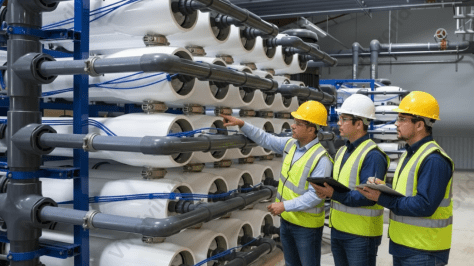
Three professionals inspecting a reverse osmosis system in a wastewater treatment facility.
Industry professionals assessing a reverse osmosis system used in tertiary wastewater treatment.

The most common filtration methods include diatomaceous earth filtration and pressure filtration. Sand filtration is used with standard and multimedia units. Ultrafiltration and the moving-bed filter are also common. All these systems work by physically straining finely separated particles. Filtration is a key step in tertiary wastewater treatment.

Diatomaceous Earth Filtration

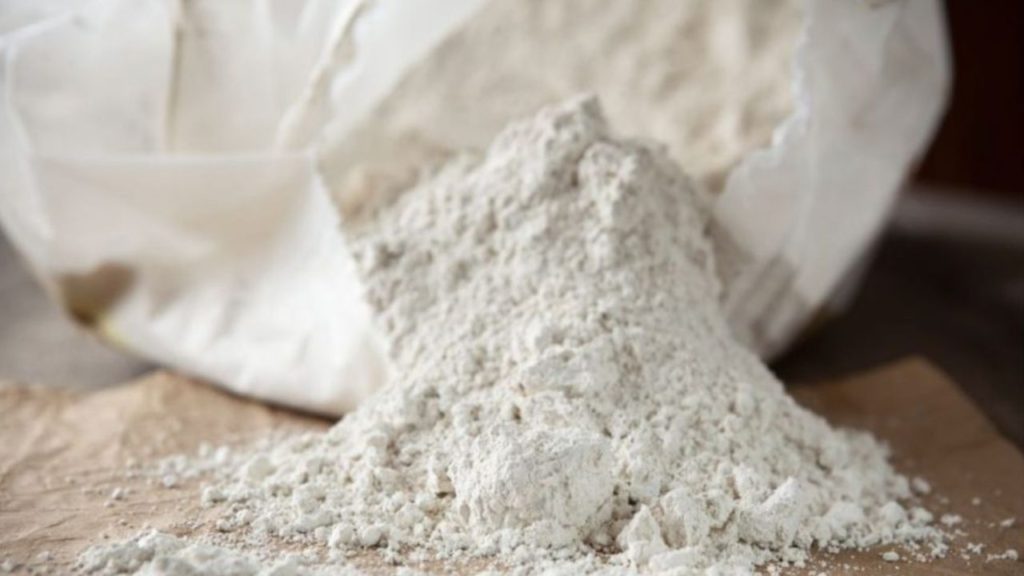
Diatomaceous Earth

Diatomaceous earth filtration is a type of mechanical separation that involves filtering wastewater with diatomaceous earth, a powdered filter aid, on a supporting media. As the filtration progresses, the solid material that will not pass through the diatomaceous earth accumulates on the filter. Eventually, this builds up pressure that prevents filtration. After that, we backwash the filter and remove the accumulated material to prepare it for the next round of filtration.

Sand Filtration

The standard method of filtration uses sandbeds with graded sand. The sand is placed on a supporting medium. An underdrain collects the filtered effluent. Solids will build up and eventually block the holes as wastewater containing solids passes through this type of filter. This results in excessive head loss and/or poor effluent quality. As a result, sand filtration demands some provisions for the removal of the accumulated material. Backwashing the sand, or reversing the flow with air scour, helps to keep the sand in suspension while washing away the lighter material.

Ultrafiltration

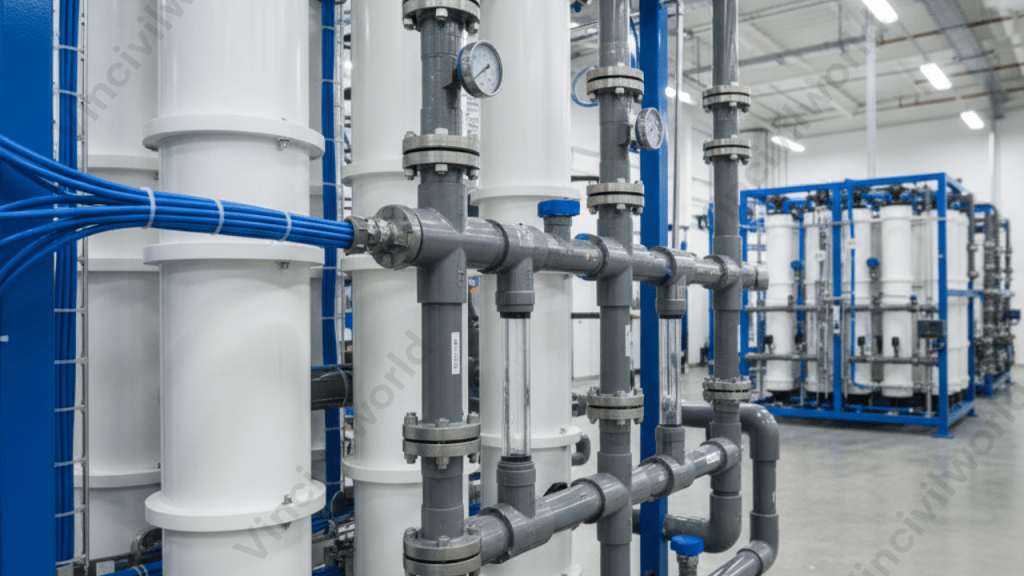
Ultrafiltration (UF) is a widely used tertiary wastewater treatment method that purifies water by forcing it through a semipermeable membrane. In this process, water and low-molecular-weight solutes pass to the permeate side, while suspended particles and larger solutes stay on the retentate side. As one of the most reliable physicochemical treatment methods, UF removes most organic compounds, viruses, and many dissolved salts. People highly prefer it because it delivers consistent water quality regardless of the source, occupies minimal space, and eliminates 90–100% of pathogens. Moreover, ultrafiltration supports advanced purification without chemicals, except during membrane cleaning. Compared to other types of tertiary wastewater treatment, UF operates at much lower pressures—around 50 psi—while reverse osmosis often requires pressures above 500 psi, making UF energy-efficient and cost-effective.

A close-up view of advanced wastewater treatment equipment featuring pipes and membranes, essential for processes like reverse osmosis and ultrafiltration.
Advanced membrane filtration systems used in tertiary wastewater treatment for enhanced purification.

Shall we wrap up?

Key Takeaways

  • Tertiary Wastewater Treatment is the final stage of purification, targeting contaminants that earlier processes cannot remove.
  • It uses methods like filtration, chemical dosing, disinfection, and membrane processes to ensure high-quality effluent.
  • Common techniques include sand filtration, reverse osmosis, and ultrafiltration, which enhance water treatment efficacy.
  • This stage supports water reuse in agriculture, industry, and groundwater recharge, protecting ecosystems and public health.
  • Understanding Tertiary Wastewater Treatment is crucial for achieving environmental compliance and safe water supplies.

Conclusion

Tertiary wastewater treatment plays a crucial role in producing high-quality effluent suitable for discharge or reuse. In this blog, we briefly explored advanced methods such as reverse osmosis, electrodialysis, ultrafiltration, and other physicochemical techniques that provide superior purification compared to primary and secondary stages. Each method has its own advantages, and depending on the final application—whether irrigation, industrial reuse, or safe release into natural water bodies—engineers may choose a single technique or a combination of multiple processes. These tertiary wastewater treatment methods help remove fine solids, nutrients, pathogens, and dissolved contaminants, ensuring strict environmental standards are met. Ultimately, tertiary treatment strengthens water sustainability by delivering cleaner, safer, and more reliable treated water for diverse needs.

Land Pollution Effects – Top 7 Effects Explained

Land pollution causes and effects are becoming a major global concern as they directly influence ecosystems, human health, and natural resources. The impacts of land pollution can be seen in declining soil fertility, loss of biodiversity, and contamination of water sources. Moreover, the soil contamination consequences of land pollution extend to food insecurity, habitat destruction, and long-term environmental instability. These effects of soil pollution are worsened by rapid industrialization, urban waste generation, and unsustainable land-use practices. As a result, the outcomes of land contamination now threaten the survival of humans and animals alike, disrupting ecological balance and reducing land productivity. The results of land degradation also lead to toxic exposure, reduced agricultural output, and weakened ecosystem resilience. Understanding these environmental effects of land pollution is essential for adopting better waste management, pollution control, and conservation measures to protect our land for future generations.

n the previous blog, we had seen an overview of the effects and causes of land pollution. In this blog, I will show you the effects of land pollution in detail and how it drastically affects the entire ecosystem and threatens the survival of our planet.

  1. Causes and effects of land pollution
    1. Soil contamination consequence
    2. Poisoning of groundwater
    3. Drinking-Water shortage
    4. Land pollution and human health
    5. Habitat Loss
    6. Air Pollution
    7. Negative Impact on Tourism Industry
  2. Conclusion

Causes and effects of land pollution

Land pollution is the degradation of the Earth’s land surface due to the accumulation of toxic substances harmful to both man and the ecosystem. The effects of land pollution don’t limit to soil pollution but have serious biological, ergonomic and economic consequences. Let’s have a look at the disastrous effects of land pollution.

A desolate landscape showing barren ground with cracked earth and dead trees, shrouded in a misty atmosphere, indicating severe environmental degradation.
A barren landscape affected by land pollution, showcasing cracked earth and dead vegetation, emphasizing the severe consequences of soil degradation.

Soil contamination consequence

Soil contamination consequence is a major environmental concern that affects the health and productivity of land. It occurs when harmful chemicals or pollutants alter the natural nutrient balance of topsoil. The soil contamination consequence becomes severe when excessive chemical fertilisers, uncontrolled soil erosion, and aggressive pest control methods degrade soil quality. Over time, the soil contamination consequence leads to reduced agricultural productivity, loss of forest cover, and declining pasturelands. This degradation ultimately threatens food security, biodiversity, and long-term land sustainability.

According to the World Wildlife Fund, half of the world’s topsoil has been destroyed in the previous 150 years. For 2.5 millimetres of topsoil, the regeneration process takes at least 500 years. Now you can imagine the magnitude of the crisis that we are undergoing.

Desolate landscape showing dead trees and barren soil under a cloudy sky, illustrating the severe impacts of land pollution.
Devastated landscape illustrating the severe consequences of land pollution, highlighting barren soil and dead vegetation.

According to the United Nations’ Food and Agriculture Organization (FAO), excessive use of chemical fertilisers and pesticides destroys essential soil microbes. Destruction of these microbes results in diminishing biodiversity and has disastrous repercussions for soil health. Microorganisms are required for several processes that contribute to soil fertility, including:

  • Nutrient cycling, through which microbes convert nutrients into forms that crops can utilise.
  • Microorganisms degrade hazardous substances that are by-products of agrochemicals, thereby reducing soil contamination. If there aren’t any microbes in the soil, it can drastically reduce its fertility.

Also read: What are Water Pollutants? – Definition, Sources and Types

Poisoning of groundwater

When we inappropriately dispose of hazardous chemicals and other wastes on land or in illegal landfills, the chemicals may eventually seep into the groundwater system. This procedure is known as leaching. It can occur on farms, industrial sites, and landfills, posing a health risk to animals, plants, and humans.

A close-up view of a crack in the ground, through which bright blue liquid is visible, contrasting against the dark soil.
A close-up of polluted land showing toxic runoff seeping into the soil, highlighting the effects of land pollution.

Nutrient pollution, which arises due to farm runoff of chemical fertilisers is a subset of land pollution. The resulting nutrient enrichment of water bodies leads to eutrophication. When humans consume this contaminated water it leads to a variety of health issues. Even in little amounts, increased nitrate levels in water from fertiliser residues can be detrimental to newborns causing Blue Baby Syndrome.

The poisoning of groundwater which is a major source of drinking water for humans creates the worst consequence of land pollution, that is drinking water shortage. Let’s move on to it.

Drinking-Water shortage

Land pollution has the potential to spread in all directions, causing harm to the surrounding ecosystem. It can contaminate water and drastically impair its quality. Surface rainwater runoff carries chemicals and other harmful substances from landfills and solid wastes into rivers and makes the water unfit for human consumption.

Simultaneously, leaching occurs, allowing harmful metals and compounds to penetrate aquifers and water tables. Furthermore, contaminated water evaporates and condenses as precipitation along with the contaminants, perpetuating the pollution and aggravating the drinking water shortage.

Also read: Water Pollution – Effects and Causes

Land pollution and human health

Land pollution and human health are closely connected, as contaminated soil and waste exposure can lead to serious illnesses and long-term health risks. The effects of land pollution and human health include respiratory issues, skin diseases, neurological problems, and increased vulnerability to toxic chemicals in our environment.

Many parts of the world, particularly developing countries and slum areas, have massive amounts of rubbish piled up in the streets. This increases the contact of garbage with humans and the food we consume. These wastes contain hazardous chemicals, insecticides, and metals all of which are harmful to humans.

A large pile of compressed plastic waste and discarded materials in an industrial area, with buildings and greenery in the background.
Piles of plastic waste in a landfill, highlighting the serious issue of land pollution and its impact on the environment.

Plastic garbage contains chemicals like acrylic, polyvinyl chloride, polycarbonate, and phthalates. They have the potential to cause cancer, skin ailments, respiratory problems, and birth defects in pregnant people. Upon burning plastics in landfills, these chemicals escape into the air and pollute the air. In some other cases, they seep into water bodies. Ultimately, they reach the human body and damage the internal organs.

Chemical components contained in pharmaceuticals, pesticides and fertilisers, industrial wastes, such as cadmium, asbestos, mercury, cyanide, arsenic, and chromium, have severe impacts on human health. They are carcinogenic and can also cause lung, kidney, and liver damage.

According to a 2015 scientific study, “cancer villages” in China are connected to locations where farming takes place on land poisoned by the overuse of chemical pesticides and other heavy metals. Arsenic, asbestos, and dioxins are the main cause of cancer in Europe. Poisoning by lead and arsenic induce neurological damage and lower the IQ.

Habitat Loss

Wildlife creatures have suffered greatly in recent decades as a result of the continuous threats to their natural habitat and surroundings. Human commercial activities on land have gradually damaged and ruined the environment, forcing wildlife to migrate further away and adapt to new environments. As a result, some species have died while attempting to adapt, some have become extinct. And, others are on the verge of becoming extinct.

A deer stands on a grassy area with its back to the camera, while a littered landscape filled with plastic waste is visible in the background, highlighting the impact of land pollution on wildlife.
A deer stands amidst a backdrop of land pollution, highlighting the impact of habitat loss and environmental degradation on wildlife.

Air Pollution

Landfills and dump sites emit foul odours and stenches in the locations where they are located. Residents in cities and towns near large dump sites and landfill areas have reported excessive levels of a noxious odour. Aside from the unpleasant odour, landfills are constantly burning, contributing to air pollution.

Negative Impact on Tourism Industry

Landfills and abandoned waste disposal within cities generally create a negative picture of the population and the city’s governance. Landfills and garbage sites also degrade air quality and may pose a health risk to humans. As a result, it causes a city to lose its tourist appeal. This results in a loss of tourism revenue for the government.

Aerial view of a devastated urban area with piles of debris and damaged buildings, surrounded by greenery and high-rise structures in the background.
Aerial view of a devastated urban area, highlighting the impact of land pollution and industrial waste accumulation.

Shall we wrap up?

Key Takeaways

  • Land pollution has severe effects on ecosystems, animal, and human health due to toxic substances and industrial activities.
  • Soil pollution reduces fertility and biodiversity, risking food production and disrupting essential microbial processes.
  • Contaminated groundwater poses health risks, particularly through leaching of hazardous chemicals and agricultural runoff.
  • Land pollution leads to water shortages, as harmful substances impair drinking water quality and availability.
  • Ultimately, land pollution harms tourism and habitats, damaging local economies and threatening wildlife survival.

Conclusion

Land pollution effects create long-term damage that is often irreversible, especially when chemical residues cause soil contamination consequences that spread through land degradation from pollution. Once hazardous compounds enter the ground, the effects of land pollution on soil and groundwater intensify, posing serious land pollution and human health risks. Because the causes and effects of land pollution are interconnected, prevention remains the most effective solution. Increasing recycling, reducing misuse of land, and improving waste handling can limit further soil contamination consequences. Community cleanups and environmentally responsible practices also help control land degradation from pollution. By acting early and consistently, we can reduce the effects of land pollution on soil and protect both ecosystems and human health.