Traffic signals in India. What is the first thing that comes to your mind when you hear the civil engineering subject? The one who disturbs the rhythm of your journey without your permission, right? Jokes apart, it plays a relevant role in the traffic management of the country. Being wide and heterogeneous in nature, it is not a cakewalk to control the huge population including you and me.
Before we get into the details, let me tell you something important. Traffic signals in India and traffic signs are not the same!
There is often a misconception that traffic signals and signs are the same. But the truth is that both are traffic control devices, but different. Traffic signs are placards provided to guide you in the journey. Signals are placed only at the main intersections to manage the traffic.
For example, imagine a junction where heavy traffic is found usually in the north-south direction. If there is no much traffic in the east-west direction, traffic signals are not required at the junction. Yeah, simple logic.
The importance of traffic signals
Growing traffic density is a significant issue. Insufficient expansion of available road space also contributes. These factors have resulted in congestion during peak hours. They have caused related delays on urban roads around the world. It results in increased travel time, which reduces the performance of the transport network. This problem is more serious on urban roads with frequent intersections. Intersections are the main points of conflict for traffic movements. Traffic signals at the main intersections can curb the situation.
Mechanism of traffic signals in India
The design of signals will be straightforward. It shows a green light where there is less traffic. It shows red where there is more traffic. It also considers the pedestrians who may cross the road. It allots a minimum of 10 to 15 seconds for their crossing. Another interesting fact it considers is that the overall waiting time should not exceed 120 seconds in normal situations. This is the average tolerance level of humans.
Advantages of traffic signals in india
Provide orderly movement
Minimizes the number of conflicting movements
Increase capacity
Interrupt heavy traffic to allow other traffic to enter or cross
The coordinate continuous movement of traffic at the desired speed
Promote driver confidence
Okay. Let’s see the varieties now.
Types of traffic signals
Traffic signals are broadly classified into three.
Traffic control signals
These are the signal lights in red, green and yellow. Red to stop, green to go and yellow to get ready. Obviously, you have seen the rangoli of colors in your life.
Traffic control signals are further divided into 3.
Fixed time signal
These signals operate at fixed time periods without considering the real time traffic.
Manually operates
This type of signals are manually operated which makes it more reliable.
Traffic actuated
This includes semi actuated and fully actuated signals. The timings are real time.
Pedestrian signals
These are the signals for pedestrians who cross the road or walk along the footpaths.
Special traffic signals
All other signals which don’t come in the previous categories belong to this type.
Types of traffic signal system
The whole system of traffic signals in India are divided as follows.
Simultaneous system
Alternate system
Simple progressive system
Flexible progressive system
We have seen different faces of signals. Now, let me get you the warrents for traffic control signals.
Warrants for traffic control signal in india
1. Minimum vehicular volume warrant
Case 1- The average traffic volume for 8 hours should be at least 650 vehicles/hr. This applies to both approaches on major streets with a single lane. It should be 800 vehicles/hr on streets with 2 or more lanes.
Case 2- Minor street (One direction atleast 200 veh/hr- single lane
250 veh/hr- two lanes
Case 3- >60kmph, 70 percent increase in major case
2. Interruption to continuous traffic flow on major street with 1000- 1200 veh/hr that there is undue delay or hazard to traffic on minor road with a traffic 100- 150 veh/hr in one direction only during any 8 hours on average day
3. Minimum pedestrian volume movement
4. Accident experience warrant
5. Combination of warrants
Lastly, in areas where there is huge traffic, ramps are preferred. But ramps are not suitable to heterogeneous traffic through some of the planned cities have implemented them. Its better to use flyovers and over bridges in these cases.
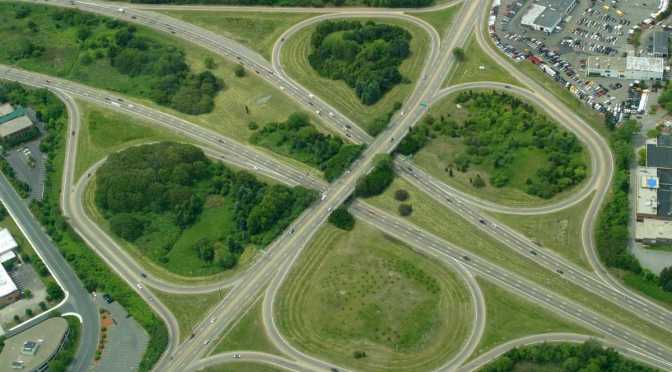
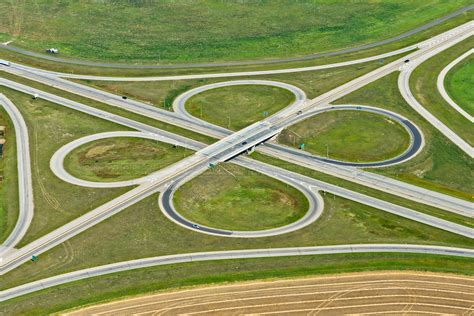
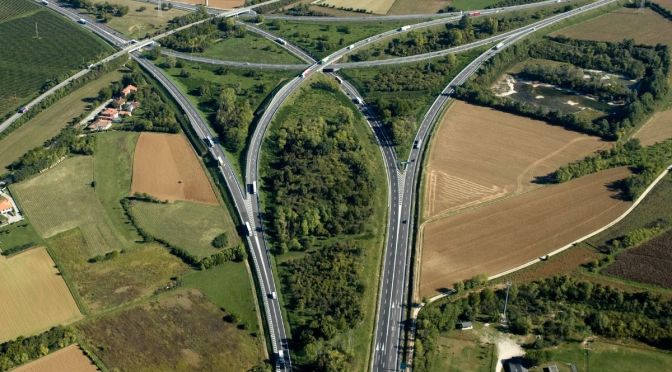
The cloverleaf interchange is one of the attractive innovations in civil engineering. A cloverleaf interchange is a two-level interchange at which left turns are done by ramp roads (reverse directions in left-driving regions). It is not only aesthetically pleasing but also provides several advantages to the transportation system.
The cloverleaf interchange is a vital road design. It allows traffic to flow freely between highways without the need for signals or stops. Commonly used in the past, the clover leaf highway design features looping ramps to guide vehicles between roads. Despite its benefits, it also creates issues like traffic weaving and large land use. In modern traffic management, the cloverleaf interchange is still functional but faces challenges due to increased traffic volumes.
In the upcoming sections, we will discuss examples of clover leaf highways around the world. We will talk about the problems with these interchanges. We will also explore alternatives to the traditional clover leaf flyover design for more efficient road management.
A cloverleaf interchange is a two-level interchange at which left turns are done by ramp roads (reverse directions in left-driving regions).
Vehicles first proceed to go left (in right-hand traffic) as one lane crosses over or below the other. Then, exit right onto a one-way three-fourth loop ramp (270 °) and merge onto the intersecting road.
The purpose of a cloverleaf is to allow two highways to cross. This removes the need for any traffic to be stopped by red lights. Only the left and right turns need to stop.
Traffic weaving is the limiting factor in a cloverleaf interchange’s ability.
clover leaf exchange
In the next section, let me take you through some examples of clover leaf in India.
Design and Purpose of a Cloverleaf Interchange
The cloverleaf interchange is a unique road design that allows traffic to flow seamlessly between intersecting highways. Its design minimizes the need for traffic signals and improves overall traffic efficiency.
What is a Cloverleaf Interchange ?
A cloverleaf interchange is a type of road junction where two highways intersect, allowing traffic to transition without stopping. This design features looping ramps that resemble a clover leaf, helping vehicles smoothly merge between lanes. It’s often used for high-traffic areas, providing a continuous flow on clover leaf highways.
Structure and Layout of a Cloverleaf highway.
The cloverleaf interchange consists of four looped ramps that create the characteristic clover-leaf shape. Each loop directs vehicles from one clover leaf highway to another, avoiding sharp turns and minimizing conflict points. This layout requires large land areas and is typically used in wide-open spaces or highway intersections.
How Traffic Flows in a Cloverleaf Interchange
In a cloverleaf flyover, traffic flows through looping ramps, allowing vehicles to exit and enter clover leaf highways without stopping. The loops guide cars in a continuous circular path to merge onto connecting highways. While efficient for moderate traffic, issues like weaving occur as vehicles enter and exit the loops.
Advantages of the Cloverleaf Flyover Design
The cloverleaf interchange allows for uninterrupted traffic flow, reducing congestion and eliminating the need for traffic lights. It’s particularly effective for clover leaf highways, where high-speed traffic requires seamless movement. Additionally, the design is easy to implement and was historically favored for reducing collisions in clover leaf flyover systems.
So, you got an idea about clover leaf roads. Let me quickly walk you through the major challenges and problems associated with this.
Cloverleaf interchanges – Main problems and challenges
The cloverleaf interchange offers a continuous flow of traffic. However, it comes with several drawbacks. These drawbacks impact its efficiency and safety. Understanding these common problems is crucial for improving modern road networks.
Clover leaf interchange top view
Traffic Weaving Issues
The cloverleaf interchange creates traffic weaving as vehicles merge and diverge on the looping ramps. This weaving can lead to congestion and increased accident risk, particularly on high-speed clover leaf highways. Vehicles navigating these loops often cross multiple lanes, complicating traffic flow and safety.
The biggest downside of the cloverleaf’s classic configuration is at the end of a loop. Vehicles converge on the highway immediately before other vehicles exit to go around another loop. This causes a dispute known as weaving.
Weaving restricts the number of traffic-turning lanes.
Since then, the majority of road authorities have adopted new interchange designs. These designs include less-curved exit ramps which do not lead to weaving.
These interchanges include diamond, parclo, and single-point urban interchanges (SPUI). They are used when connecting at the crossroads to an arterial road in non-free-flowing traffic. The stack or clover and stack hybrids are used when connecting in free-flowing traffic to another freeway. They are also used when connecting to a busy arterial where signals are not yet needed.
Space Consumption and Land Use
A significant issue with the cloverleaf interchange is its large footprint. The extensive looping ramps require considerable land, making it challenging to fit into densely populated areas. This high space consumption affects land use, making clover leaf highways less feasible in urban settings.
Safety Concerns and Collision Rates
Safety is a major concern with the cloverleaf interchange. The design’s complex loop system increases the likelihood of collisions due to merging and diverging traffic. The clover leaf highway layout can result in high accident rates. This is particularly true in busy intersections. It is also an issue in poorly maintained clover leaf flyover areas.
Limited Capacity for Modern Traffic Volumes
Modern traffic volumes often exceed the capacity of the cloverleaf interchange. The design, while effective for earlier traffic levels, struggles with today’s high traffic flows, leading to congestion. Clover leaf highways may become bottlenecks, causing delays and inefficiencies as demand grows.
Solutions to Cloverleaf Interchange Problems
Addressing the issues associated with the cloverleaf interchange requires innovative solutions to enhance traffic flow and safety. By redesigning and upgrading these interchanges, we can improve their efficiency and adaptability to modern traffic demands.
Redesigning for Traffic Volume
To manage increased traffic volumes, redesigning the cloverleaf interchange can optimize its capacity. Incorporating additional lanes or reconfiguring loops can reduce congestion and improve flow on clover leaf highways. Such redesigns address the high traffic demands and mitigate the problems associated with outdated clover leaf flyover designs.
Implementing Traffic Control Signals
Adding traffic control signals at critical points within a cloverleaf interchange can help manage vehicle flow more effectively. Signals can regulate entry and exit ramps on clover leaf highways, reducing weaving and improving overall safety. This solution helps control high traffic volumes and enhances operational efficiency.
Traffic signals : Cloverleaf interchange
Expanding or Converting Cloverleafs to Stack Interchanges
Expanding or converting cloverleaf interchanges to stack interchanges offers a modern alternative. Stack interchanges provide multiple levels of roadway, eliminating the need for looping ramps. This conversion can significantly increase capacity. It can also reduce congestion on clover leaf highways. These advantages make it a practical solution for high-traffic areas.
Upgrades for cloverleaf interchanges
For new interchanges, not only are these ideas valid, but they also hold when existing cloverleaf interchanges are upgraded.
The exchange between US 13 and US 58 was originally a cloverleaf in Norfolk, Virginia. It has since been turned into a SPUI.
In addition, several cloverleaf interchanges are being upgraded to parclos on California freeways, such as U.S. 101. In Hampton, Virginia, a cloverleaf interchange was partly unwound into a partial stack interchange between Interstate 64 and Mercury Boulevard.
As part of a major highway improvement project, the highway is being upgraded to Interstate standards. Four cloverleaf interchanges along I-64/US 40 in St. Louis, Missouri, were substituted with SPUIs between 2008 and 2009.
Adding a collector/distributor route next to the highway is a compromise. This does not prevent weaving. However, it takes weaving off the main lanes of the freeway. An example of this is the Sheboygan, Wisconsin, State Highway 23/Interstate 43 interchange. The exit/entrance roads on and off Highway 23 are two lanes. They are on the north and southbound sides of the road next to the main I-43 freeway.
Traffic signals in leu of cloverleaf interchange
Several cloverleaf interchanges on the non-freeway route have been removed by installing traffic signals.
This is also done sometimes at the intersection of two freeways. This particularly happens when one freeway ends at an interchange with another.
An example of this is at the intersection between Interstate 5 and Washington State Route 512 in Lakewood, Washington. A noticeable ramp stub reveals that one of the four leaves has been cut. This change has removed weaving on I-5.
The traffic signal will be replaced by a two-lane flyover in the future, again completing the freeway-to-freeway interchange.
Cloverleaf exchanges often appear to consume much more land than any other form of exchange. The only exceptions are stack interchanges.
Numerous cloverleaf intersections exist in the Lower Mainland of British Columbia, Canada. Traffic merges from the clover directly into the collector/distributor lane.
This allows the slowly moving driver to merge around the loop ramp. The rapidly moving driver leaves the collector/distributor lane without the ability to accelerate. This helps balance the oncoming driver’s flow.
This merging velocity gap can be as high as 65 km/h (approx. 43 mph).
In the United Kingdom, owing to these performance concerns, the cloverleaf interchange was not introduced in significant numbers. Originally, there were three, one in Redditch and two in Livingston.
In Ontario, most cloverleaf interchanges have been phased out, but with similar traffic patterns, some near variants remain.
However, the key difference is that single bidirectional carriageways share the adjacent on and off-ramps.
Examples include the intersection in Belleville, Ontario, between Highway 62 and Highway 401. Another example is the interchange in Toronto between Lawrence Avenue and Don Valley Parkway.
Future of Cloverleaf Interchanges
The future of cloverleaf interchanges lies in integrating advanced technologies and sustainable practices. As traffic demands evolve, innovative solutions will enhance the functionality and environmental impact of these iconic highway designs.
Smart Traffic Systems and Automation
Implementing smart traffic systems and automation can revolutionize the cloverleaf interchange. Advanced sensors and traffic management software will optimize traffic flow on clover leaf highways, reducing congestion and improving safety. Automation can streamline vehicle movements through clover leaf flyovers, adapting to real-time traffic conditions and minimizing delays.
Cloverleaf Interchange – Smart traffic systems and automation
Sustainability and New Approaches to Highway Design
The future of clover leaf highways includes adopting sustainable practices and new design approaches. Incorporating green infrastructure, such as noise barriers and energy-efficient lighting, can mitigate environmental impacts. Innovative designs will focus on reducing land use. They will also integrate eco-friendly materials in the cloverleaf interchange. This aligns with modern sustainability goals.
Integrating Multi-Modal Transportation
To enhance the cloverleaf interchange, integrating multi-modal transportation options is crucial. Adding provisions for public transit, cycling paths, and pedestrian walkways will improve overall connectivity. This approach will make clover leaf highways more versatile and accessible. It will accommodate various transportation modes. It will also reduce reliance on single-occupancy vehicles.
Key Takeaways
Design and Purpose: The cloverleaf interchange facilitates smooth traffic flow between highways with minimal stops. It uses looping ramps to transition between roads.
Common Problems: Issues include traffic weaving, large land use, safety concerns, and limited capacity for modern traffic volumes.
Solutions: Redesigns, traffic control signals, and conversions to stack interchanges can address these challenges.
Future Trends: Incorporation of smart traffic systems, sustainability practices, and multi-modal transportation options are key to enhancing cloverleaf interchanges.
Conclusion
Cloverleaf interchanges have played a significant role in traffic management by facilitating seamless highway transitions. Despite their benefits, challenges such as traffic weaving, extensive land use, and modern capacity limits need addressing. Future advancements, including smart technologies and sustainable practices, promise to enhance the efficiency and environmental impact of these interchanges. By embracing innovative solutions, we can optimize cloverleaf designs to better meet contemporary traffic demands and improve road network functionality.
So, how was the trip through the clover leaf interchange? Let me know in comments, if you have any queries.
Highway engineering is the branch of civil engineering that oversees the planning, design, construction and maintenance of roads and highways, a critical discipline enabling modern infrastructure. At its core, highway engineering ensures that road networks are safe, efficient, and durable. This is true whether for local streets or major expressways. When readers ask “what is highway engineering” or seek a highway engineering definition, they find that it includes geometric road layouts. It also spans pavement design, drainage, and traffic-flow planning. Understanding the importance of highway engineering becomes clear when you realize how it supports trade, mobility, and national development by facilitating swift movement of people and goods. A dedicated section on highway engineering construction shows how design transforms into physical roads that serve communities and economies.
In this article, we will also explore what highway engineering entails, its key components, and its significance in modern infrastructure. We’ll also delve into the essential aspects of road and highway engineering. We will highlight its importance in the development of safe and efficient transportation systems.
Highway engineering involves the planning, design, and construction of roads and highways, ensuring safe and efficient transportation. It covers a range of activities, from initial route selection to the final construction phase. This field combines technical expertise with practical solutions to address the needs of modern traffic systems. Road and highway engineering plays a pivotal role in enhancing connectivity, boosting economic growth, and improving overall quality of life.
Importance of Highway Engineering in Modern Infrastructure
Highway engineering is vital to the development and maintenance of modern infrastructure. It facilitates the safe and efficient movement of people and goods, supporting economic activities and social development. Engineers apply advanced techniques in road and highway engineering. They ensure that transportation networks are reliable. They also ensure that they are sustainable and capable of meeting future demands. The strategic design and construction of highways are crucial for reducing congestion, improving safety, and promoting environmental sustainability.
What is Highway Engineering ?
Highway engineering is a subset of highway engineering. It deals with the planning, development, and upkeep of various types of roads, tunnels and bridges. It plays an important role in ensuring safe and efficient transport of people and goods. Highway engineering is a specialized field within civil engineering. It focuses on the planning, design, construction, and maintenance of highways and roads.
It plays a crucial role in ensuring the safety and efficiency of transportation networks. Understanding what is highway engineering involves recognizing its impact on daily travel and commerce. Highway engineering encompasses various aspects, including pavement design, traffic management, and environmental considerations. As a fundamental part of road and highway engineering, it addresses challenges related to traffic flow, safety, and sustainability. This makes it essential for the development of modern infrastructure.
It entails researching the following topics:
1) Highway planning, location, and growth.
2) The materials needed to build a highway.
3) The performance of highway traffic and its regulation.
Before we jump on to the details, let me tell you the importance of highway engineering.
Importance of Highway Engineering
Highway engineering is crucial for developing efficient transportation networks, enabling safe and rapid movement of people and goods. It enhances connectivity, reduces travel time, and supports economic growth. Understanding highway engineering is essential in designing roads that meet modern infrastructure needs. Road and highway engineering are vital for progress.
1. They provide transportation for people, commodities, raw materials, and other items to various parts of the world.
2. In hilly areas, they are the only means of contact.
4. Assists in the upkeep of law and order in a government.
Let’s talk a bit about the planning of highways in the next section.
Planning and Development of Highway Engineering
Planning and development in highway engineering focus on designing road networks that meet safety, efficiency, and environmental standards. By mastering the principles of highway engineering, engineers can optimize road and highway projects. This ensures these projects accommodate current and future traffic demands. It also minimizes environmental and community impacts.
Highway planning involves predicting existing and potential traffic volumes on a road network. This prediction is crucial for the success of highway engineering. It also forms a fundamental basis for highway construction. Highway engineers work diligently to anticipate and assess all potential civil consequences of highway systems.
Environmental impacts are key considerations in road and highway engineering. Factors such as noise pollution, air pollution, and water pollution must be addressed, along with other ecological impacts.
What are Highway Plans?
In highway engineering, highway plans or highway drawings are essential documents. They are created from data obtained during various surveys aimed at locating a highway. These plans include the main map, index map, preliminary survey plans, and other sketches related to the road project. Detailed plans for additional works like bridges, culverts, and railway crossings are also prepared.
Purposes and Objectives of Highway Plans:
To understand how the highway will function.
To estimate the cost of the road project.
Now, let’s explore the construction phase.
Construction of Highways: Key Aspects
Understanding what is highway construction is vital for ensuring that highways can handle traffic demands and minimize environmental impact. The following are the key aspects of construction of highways.
Planning and Design: In highway engineering, careful planning and design are crucial to ensure safety, efficiency, and durability.
Site Preparation: The initial step in road and highway engineering involves clearing, grading, and preparing the site.
Foundation Laying: Establishing a strong foundation is essential to support the road structure.
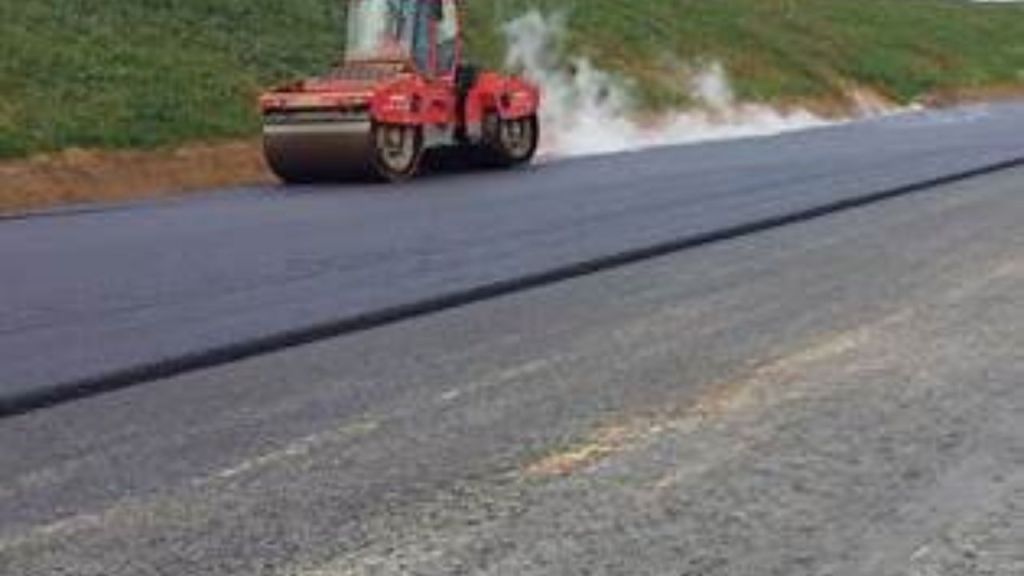
Surface Construction: Laying the road surface, typically with asphalt or concrete, completes the construction process.
In most cases, extensive surveys and subgrade planning precede highway construction. There are many aspects of highway design that can be broken down into technological and commercial components.
The following are some examples of each:
Technological Components
Technological components in highway engineering include advanced construction machinery, GPS-guided equipment, and smart traffic management systems. These technologies enhance efficiency, precision, and safety in road and highway projects.
Material quality
Installation techniques
Traffic
Commercial Components
Commercial components involve project financing, procurement of materials, and contract management. They ensure the economic viability of road and highway engineering projects by balancing costs, timelines, and resource allocation.
Environmental considerations in contracts
Aspects of politics and law
Concerns from the public
Regardless of the project type, highway construction usually starts at the lowest elevation of the site and progresses upward. By looking over the project’s geotechnical requirements, we get an idea about the following:
Current ground condition.
Specific equipment requirement for excavation, grading, and material transportation to and from the site.
Properties of material to be excavated.
For below-grade work, dewatering requirement.
Excavation safety criteria
Quantities of water for dust control and compaction
How about the maintenance of highways? I will show you in the next section.
Maintenance of highways
The ultimate goal of highway maintenance is to correct flaws and maintain the structure and usability of the pavement. In order to construct an adequate maintenance plan, defects must be identified, recognised, and registered. Flexible and rigid pavements have different defects.
The four primary goals of highway maintenance are as follows:
Repairing functional pavement defects helps to prolong the pavement’s functional and structural life.
Ensure road protection and signage.
Keep the highway in a usable state
Highway systems and all of their components can be kept in initial, as-built condition by following routine maintenance procedures.
Last, but not the least a bit about the safety.
Highway Engineering Safety
Highway engineering safety is important since it involves the life of people. Automated traffic signals can be used to further ensure this.
Safety management is a comprehensive approach to reducing the frequency and severity of traffic incidents.
The key to improving highway safety is to design, develop, and maintain highway structures. These structures need to be much more tolerant of the average range of man/machine interactions with highways.
Over time, technological advances in highway engineering have enhanced the methods used in design, construction, and maintenance.
Key Takeaways
Highway Engineering: Essential in civil engineering, focusing on the design, construction, and maintenance of roads and highways.
Modern Infrastructure: Plays a critical role in developing safe, efficient transportation systems that support economic growth.
Environmental Considerations: Addressing noise, air, and water pollution is crucial in road and highway engineering.
Technological Components: Advanced machinery and smart traffic systems enhance construction efficiency and safety.
Commercial Components: Project financing, material procurement, and contract management ensure the economic viability of highway projects.
Conclusion
Highway engineering is a pivotal discipline in civil engineering, central to developing modern transportation networks. It encompasses planning, design, construction, and maintenance, with a strong emphasis on safety, efficiency, and environmental sustainability. Understanding the key aspects of road and highway engineering is crucial. This includes technological advancements and commercial considerations. These factors are essential for building infrastructure that meets current and future demands. By balancing these elements, highway engineering supports economic growth. It also enhances the quality of life through improved connectivity and reduced environmental impact. This field remains vital in shaping the future of global transportation systems.
Road pavement layers play a critical role in infrastructure development, significantly impacting a country’s economic growth. Constructing roads necessitates a careful assessment of traffic patterns, climate variations, and terrain characteristics. As a result, these layers must withstand abrasion, heavy loads, and diverse environmental conditions to ensure durability and prevent structural failures. Therefore, this article explores the essential components of road pavement layers, with a particular emphasis on flexible pavement structures.
A road pavement is a multi-layered structure designed to support and distribute traffic loads, provide a smooth driving surface, and withstand environmental stresses. Each layer has a specific function, working together to ensure durability, stability, and long-term performance of the roadway.
The layers of a road pavement structure include:
Subgrade or roadbed
Sub-base course
Base course
Surface course or wearing course
Concrete road layers
Subgrade of a Road Pavement
The Subgrade, composed of compacted natural soil, forms the foundation for road Pavement layers. It serves as the finished or compacted surface where the formation supporting the pavement rests. Whether an embankment, cutting, or aligned with natural ground, its load-bearing strength is evaluated by the California Bearing Ratio (CBR) test. Locally sourced, robust, and cost-effective materials typically compose the Subgrade, crucial for structural integrity.
SUB GRADE PREPARATION
Concrete road layers : Subgrade preparation
Functions of Subgrade
Serves as the foundation and provides uniform support to the road pavement layers.
Bears the entire load of the pavement along with the service load of traffic.
Sub-base Course of a Road Pavement Layer
The sub-base course is positioned between the subgrade and the base course within the framework of road pavement layers. It requires materials that meet strict criteria for size, strength, and flexibility. This layer is crucial when the subgrade quality is inadequate. It often needs additional materials like burnt clinkers, gravel, or slag to enhance its strength.
Functions of Sub-base Course
Enhancing the bearing capacity of the subgrade and improving the load distribution of the base course and wearing course.
The sub-base course also prevents the entry of finely graded subgrade soil into the base course layer.
Additionally, it prevents the capillary rise of water and facilitates the free drainage of water entering the pavement.
Moreover, the sub-base material must be free-draining, with suitable systems in place to collect and remove accumulated water.
It provides insulation to subgrades against frost. It also helps to raise the pavement height to align with the natural water table.
Lastly, it offers a solid stratum for subsequent construction activities.
Base Course
The base course is a pivotal element in road pavement layers. It comprises one or more layers of specified or select material. These layers have a designed thickness. It is positioned on the sub-base or directly on the subgrade in the absence of a sub-base layer. This crucial layer provides uniform and stable support for the binder and surface courses within the road pavement layers.
Additionally, responsible for transferring stresses from traffic impacts to the wearing course, the base course ensures structural integrity. To adhere to technical standards, high-quality crushed aggregates are typically utilized. If these aggregates do not meet requirements, they can be reinforced with Portland cement, lime, or asphalt. Moreover, for superior durability and performance in high-quality pavements, these aggregates undergo treatment with asphalt or Portland cement.
Concrete road construction – Base course
Functions of Base Course:
Acts as the foundation of the road pavement and safely transfers traffic load to the sub-base and subgrade.
Withstands high shearing stresses due to traffic impact.
Prevents undesirable entry of subgrade soil into the pavement when constructed directly over the subgrade.
Surface Course or Wearing Course
The surface course is also known as the wearing course. It is the topmost layer in road pavement layers. This layer is directly exposed to traffic. In flexible pavements, this layer typically consists of bituminous material. Rigid pavements utilize concrete. The concrete serves both as the base and wearing course. The primary role of the wearing course is to minimize water percolation. It also provides a durable, anti-skid surface. This surface resists abrasion caused by traffic.
Concrete road construction – Wearing Course
Functions of Surface or Wearing Course:
Provides a smooth and uniform rigid surface.
Resists abrasive forces from traffic.
Prevents dust nuisance.
Acts as a structural component of the pavement.
Key Takeaways on Road Pavement Layers
Components: Road pavement consists of four primary layers: subgrade, sub-base, base course, and surface course.
Subgrade: Acts as the foundational layer, providing uniform support and load-bearing capacity.
Base Course: Transfers traffic loads to the subgrade, withstands shearing stresses, and prevents subgrade soil intrusion.
Surface Course: The top layer exposed to traffic, designed for durability, skid resistance, and water percolation minimization.
Durability: Each layer plays a critical role in the road’s structural integrity. It also impacts its longevity. This necessitates careful material selection and construction practices.
Load Distribution: Proper design and construction ensure that the pavement can withstand traffic loads and environmental conditions effectively.
These insights emphasize the need to understand each layer’s role. This understanding is crucial for the overall pavement structure. It ensures effective road construction and maintenance.
Conclusion
In road construction, each layer of the pavement structure plays a vital role. These layers ensure both the durability and functionality of the road. Starting with the subgrade providing foundational support, the sub-base enhances load distribution and drainage. The base course offers structural strength. The surface course provides a smooth and durable riding surface. These layers work together seamlessly to create a resilient and long-lasting road.
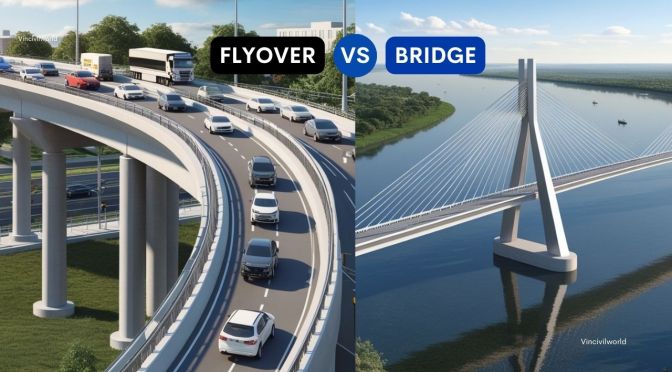
Flyovers and bridges are essential transportation structures that enable the seamless movement of vehicles and pedestrians. While both serve similar purposes, flyovers navigate intersections efficiently as elevated roads, while bridges connect points over bodies of water or valleys. Their distinct features make them vital components of modern infrastructure. This article is about the features and advantages of Flyovers and bridges and the difference between flyovers and bridges.
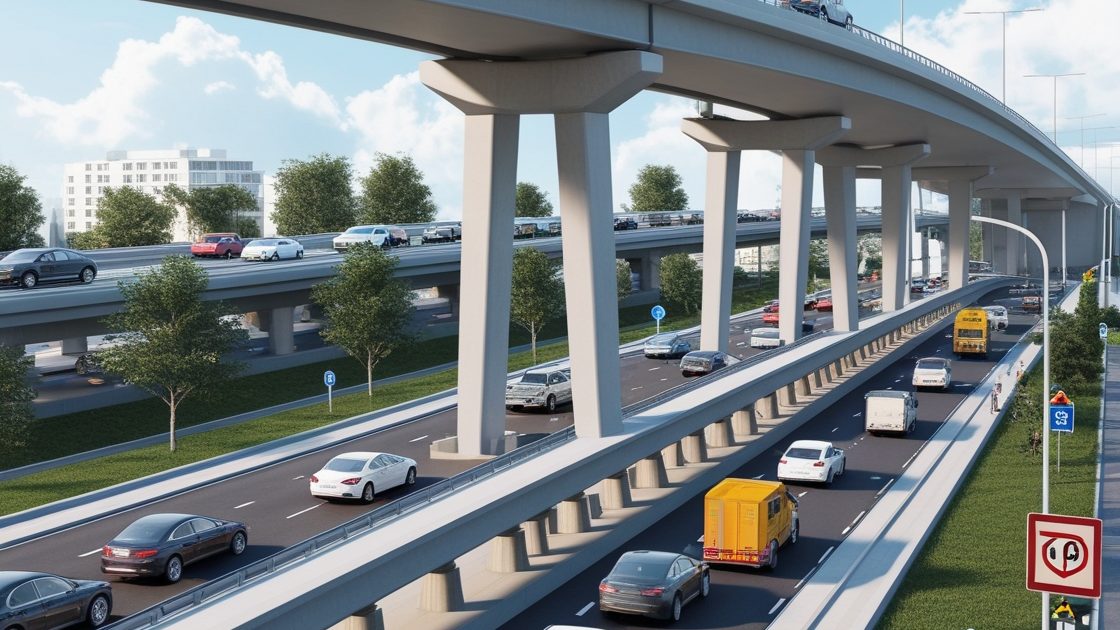
A flyover, also referred to as an overpass or an elevated roadway, is a transportation infrastructure that provides a dedicated elevated route for vehicles to traverse over obstacles such as intersections, congested areas, or other roads.”Designers create flyovers to enhance traffic flow, reduce congestion, and improve overall transportation efficiency.”
Constructors typically build flyovers above ground level, enabling vehicles to bypass busy intersections or intersections with heavy pedestrian traffic. Generally, by separating the flow of vehicles from crossroads and pedestrian crossings, flyovers minimize traffic conflicts and ensure uninterrupted movement. This in turn results in smoother traffic flow, reduced delays, and improved safety.
Flyover
The construction of flyovers requires careful planning and engineering. Generally, builders often use reinforced concrete or steel girders to construct flyovers, providing structural support for vehicles and the ability to bear substantial loads. The design includes ramps or access points to enable smooth vehicle entry and exit onto the flyover, ensuring seamless integration with the current road network.
What are the benefits of flyovers?
The benefits of flyovers include:
Improved traffic flow: Basically, Flyovers separate the flow of vehicles, reducing congestion and ensuring smoother traffic movement.
Reduced travel time: By bypassing intersections or congested areas, flyovers enable faster and more efficient travel, saving time for commuters.
Enhanced safety: Flyovers minimize the risk of accidents by eliminating conflict points between vehicles and pedestrians or conflicting traffic streams.
Increased capacity: Flyovers can increase the capacity of road networks by providing additional lanes or routes for vehicles.
Better fuel efficiency: Reduced congestion and smoother traffic flow on flyovers contribute to improved fuel efficiency and reduced emissions.
Enhanced connectivity: Flyovers connect different parts of a road network, improving accessibility and connectivity between areas.
Improved urban aesthetics: Well-designed flyovers with landscaping, architectural features, and decorative elements can enhance the visual appeal of urban landscapes.
Economic benefits: Efficient traffic flow facilitated by flyovers can boost economic productivity by reducing transportation costs and improving logistics.
Minimized environmental impact: Generally, flyovers can help reduce air pollution and noise pollution by minimizing congestion and idling time at intersections.
Improved emergency response: Flyovers provide unimpeded routes for emergency vehicles, enabling quicker response times during emergencies or disasters.
Flyover
Types of flyovers
Flyovers are classified based on the following factors
a) Classification based on the formation
b) Classification based on materials
Classification of flyovers based on Formation
Straight Flyovers: Follow a straight-line trajectory, providing a direct route over obstacles.
Curved Flyovers: Incorporate curves or bends in their design, accommodating specific road alignments or geographical constraints.
T-Junction Flyovers: Connect perpendicular roads at a T-junction, allowing for uninterrupted traffic flow in multiple directions.
Cloverleaf Flyovers: Form a circular or cloverleaf-shaped interchange, facilitating smooth merging and diverging movements between roads.
Diamond Flyovers: Feature a diamond-shaped interchange, allowing for efficient access and exits from multiple directions.
Multi-Level Flyovers: Comprise multiple layers or levels, providing complex interchanges with ramps and access points for different roads.
U-Turn Flyovers: Enable U-turns or reverse movements, allowing vehicles to change direction without disrupting traffic flow.
Classification of flyovers based on Materials
Prestressed Concrete Flyovers: Constructed using precast prestressed concrete segments that provide strength and durability.
Steel Flyovers: Built using steel girders, offering flexibility in design and allowing for longer spans.
Reinforced Concrete Flyovers: Constructed using reinforced concrete beams or slabs, offering a balance between cost, strength, and ease of construction.
Composite Flyovers: Combination of steel and concrete elements, leveraging the advantages of both materials for optimal structural performance.
Cable-Stayed Flyovers: Supported by cables attached to tall towers, offering an elegant and efficient structural solution for longer spans.
Box Girder Flyovers: Consists of hollow box-shaped beams, providing strength, rigidity, and resistance against bending and torsion forces.
Extradosed Flyovers: Hybrid of cable-stayed and prestressed concrete flyovers featuring shorter towers and fewer cables while maintaining structural integrity.
What are bridges?
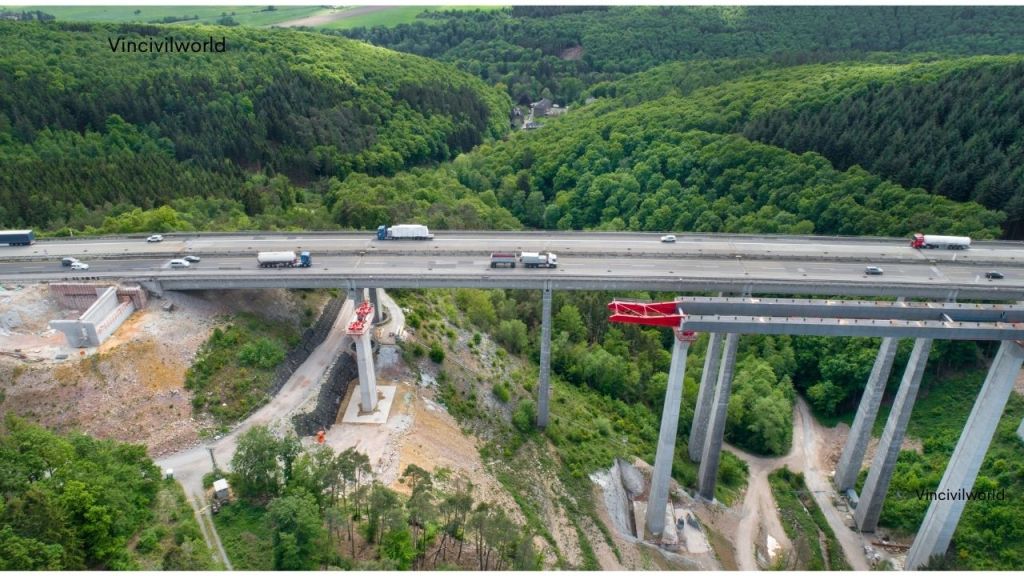
Engineers design bridges to connect two points over a body of water, a valley, or any physical obstacle. They typically comprise abutments, piers, and a deck or roadway for transportation. The construction of bridges involves using diverse materials like concrete, steel, or wood, which depend on factors such as span length and the required load capacity. However, They serve as crucial transportation links, facilitating the passage of vehicles, pedestrians, and sometimes, even trains. Bridges provide essential connectivity, improve accessibility, promote trade, and enable social and economic development by overcoming natural barriers and creating efficient transportation routes.
Difference between Flyovers and Bridges
Bridges and flyovers both elevate traffic, but they have different purposes. Bridges cross over obstacles like rivers or valleys and come in various designs, such as suspension or arch. Flyovers are overpasses built to let traffic pass over other roads or intersections, commonly found in cities to ease traffic flow. While bridges connect different areas, flyovers improve road efficiency within urban settings. Let us get into the details of the difference between flyovers and bridges.
Here are the key differences between flyovers and bridges
Purpose of bridges and Flyovers
Bridges
Flyover
Bridges are primarily built to connect two points over a body of water, a valley, or any physical obstacle.
Flyovers are constructed to navigate intersections, congested areas, or other roads efficiently, providing an elevated route for vehicles.
Purpose
Design of flyovers and bridges
Bridge
Flyover
Bridges are typically designed with piers or support that span across the obstacle, supporting a deck or roadway.
Flyovers are designed as elevated roadways, often supported by columns or piers, allowing vehicles to bypass intersections or congested areas.
Design
Location of flyovers and bridges
Bridge
Flyover
Bridges are commonly found over bodies of water, such as rivers, lakes, or seas, or in areas with significant topographical variations like valleys or canyons.
Flyovers are usually constructed in urban areas with heavy traffic, where they can provide efficient bypasses for intersections or congested road segments.
Location
Traffic Flow of flyovers and bridges
Bridge
Flyover
Bridges accommodate two-way traffic, allowing vehicles to travel in both directions.
Flyovers typically facilitate one-way traffic flow, with separate lanes or ramps for entering and exiting.
Traffic flow
Integration
Bridge
Flyover
Bridges are integrated into the existing road network, connecting two points and providing a continuous route.
Flyovers are designed to integrate with existing roads, providing seamless connectivity by allowing vehicles to enter and exit at designated access points.
Integration
Environmental Factors
Bridge
Flyover
Bridges often need to consider factors like water flow, tidal forces, or seismic activity, depending on their location.
Flyovers focus on addressing traffic congestion and improving transportation efficiency, with less consideration for natural elements.
Environmental factors
Length and Span
Bridge
Flyover
Bridges can vary in length and span depending on the distance they need to cover, ranging from short spans to long suspension or cable-stayed bridges.
Flyovers are generally shorter in length compared to bridges, spanning a specific area such as an intersection or congested road segment.
Length and span
Understanding these distinctions can help in determining the appropriate infrastructure solution based on the specific transportation needs and challenges of a given location.
Key take aways
Flyovers and bridges are crucial infrastructure elements with distinct purposes. Flyovers are designed to alleviate urban traffic congestion by providing elevated routes over intersections and other congested areas, ensuring smoother traffic flow and enhanced safety. They are typically constructed using reinforced concrete or steel girders and are commonly found in urban areas.
Bridges, on the other hand, connect two points over natural obstacles such as bodies of water or valleys. They are essential for providing transportation links that facilitate trade and economic development. Bridges are built using a variety of materials including concrete, steel, and wood, and must consider environmental factors like water flow and seismic activity.
Both flyovers and bridges integrate with existing road networks but serve different roles in enhancing transportation efficiency and connectivity. Flyovers are generally shorter and focus on urban traffic, while bridges can span longer distances and connect regions separated by natural barriers. Understanding these distinctions helps in planning and implementing effective transportation solutions.
Conclusion
Flyovers and bridges are integral to modern infrastructure, each serving distinct purposes. Flyovers, or overpasses, enhance urban traffic flow by providing elevated routes over intersections and congested areas, thereby reducing delays and improving safety. Bridges, on the other hand, connect two points over physical obstacles like water bodies and valleys, facilitating transportation and promoting economic development. Both structures require careful planning and engineering, utilizing materials such as concrete and steel to ensure durability and efficiency. Their unique features and applications make them crucial in addressing the specific transportation needs and challenges of different environments.
Camber in roads is the slope or angle built into the road surface. It is typically seen on curved or sloped sections of the road. This slope is designed to provide several benefits, including improved drainage, enhanced vehicle stability, and better driver visibility. The purpose of camber on roads is to ensure safe and comfortable driving conditions for motorists.
A cambered road has a slight slope from the center to the edges. This design allows water to drain off the surface efficiently. The road camber helps prevent water from accumulating, which otherwise damage the pavement and make driving hazardous. Camber in roads improves safety and extends the lifespan of the road. There are different types of cambers, including straight, parabolic, and composite cambers, each suited for specific conditions. The camber of road design is essential for maintaining road quality, particularly in areas with heavy rainfall.
This article explains cambered road designs, road camber benefits, camber in roads, and the types of cambers. You’ll also learn how the camber of road surfaces improves drainage and road safety.
The camber of road is crucial for effective water drainage, preventing accumulation and reducing the risk of skidding. A cambered road ensures water flows off the surface, maintaining road durability and safety. Road camber also improves vehicle handling, especially in wet conditions. Different types of cambers are designed to suit various environments and traffic needs. Proper camber in roads helps reduce maintenance costs and keeps the road safe for drivers year-round.
The slope can be positive, negative, or zero. This depends on the specific requirements of theroadand the expected traffic flow. The appropriate camber for a road depends on various factors. These include the type of road, its location, and the expected speed and volume of traffic. Proper design and construction of road camber can significantly improve road safety. It reduces the risk of accidents. It also increases the lifespan of the road surface.
Types of Camber in roads
Camber in roads, or road camber, is the slope built into the road surface. It is typically seen on curved or sloped sections. The road’s camber is usually indicated by the ratio 1:n or as a percentage. Proper camber design and construction are crucial to improve road safety, reduce accidents, and ensure adequate drainage and vehicle stability.
Here’s a list of the types of camber used in road design and construction:
Positive camber
Negative camber
Zero camber
Composite camber
Sloped or straight camber
Two straight-line camber
Barrel camber
Positive camber in roads
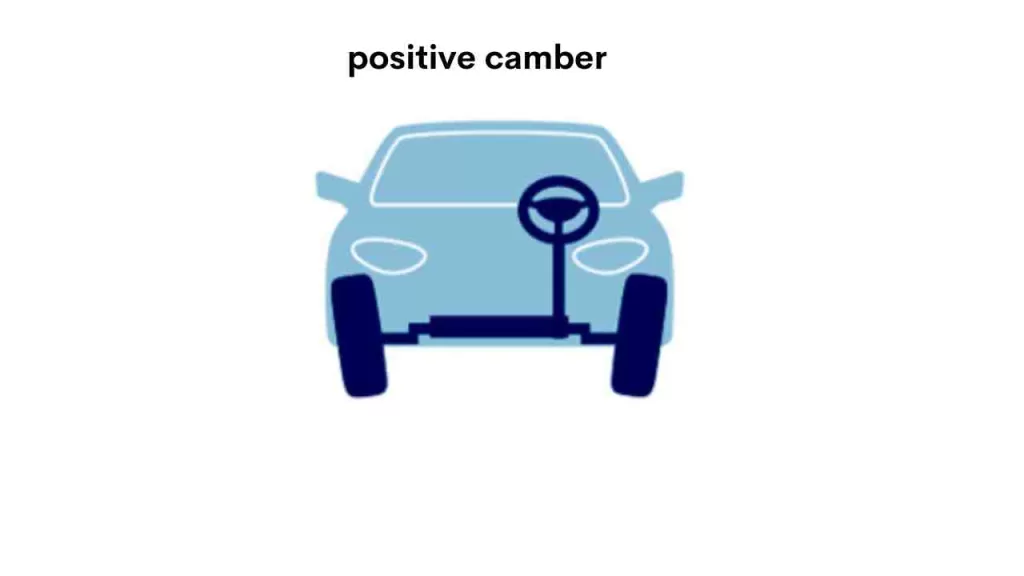
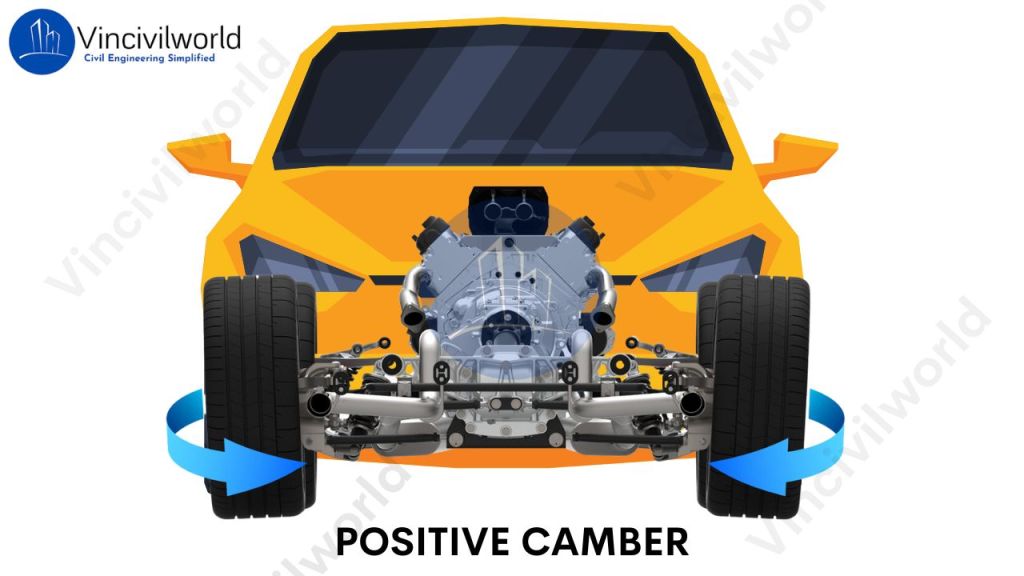
Positive camber is the angle of a vehicle’s wheels. The top of the tire tilts outward from the centre of the vehicle. This can provide improved stability and handle in certain driving situations, such as high-speed cornering. However, excessive positive camber can lead to uneven tire wear and decreased handling performance.
Negative camber in roads
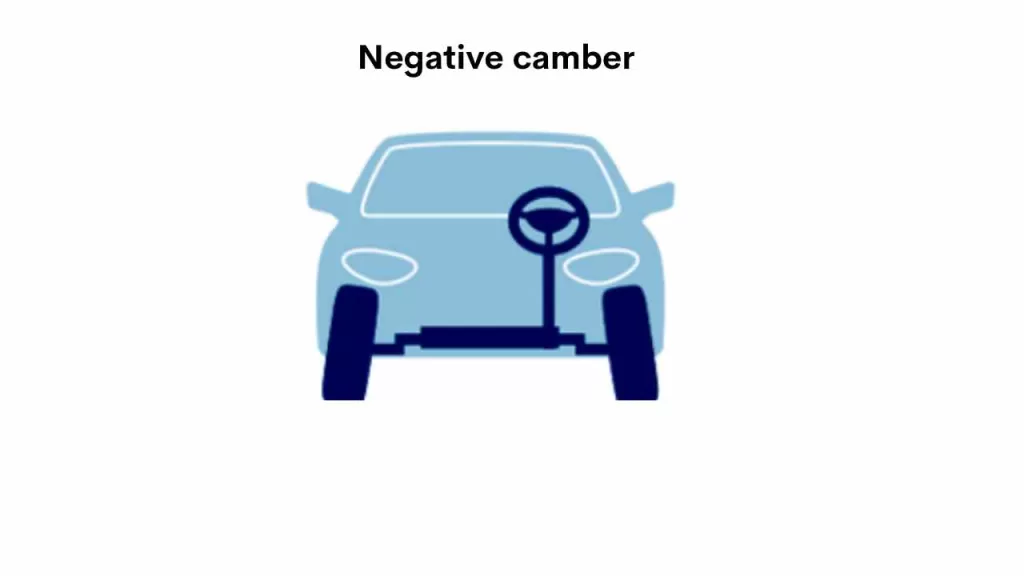
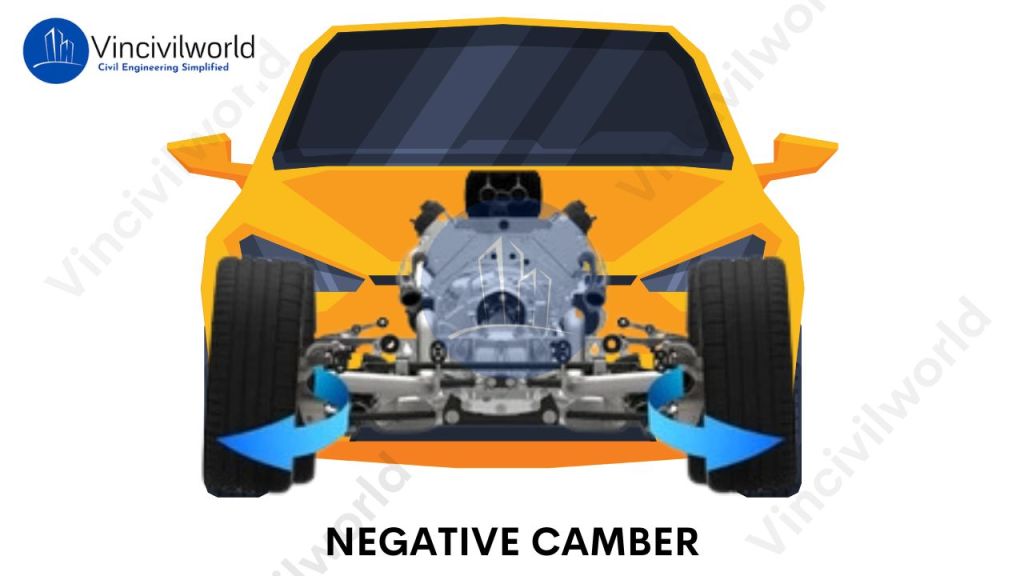
Negative refers to the angle of a vehicle’s wheels where the top of the tire tilts inward towards the centre of the vehicle. This can provide improved grip and handling during cornering, as the tire maintains more contact with the road. However, excessive negative camber can lead to uneven tire wear and reduced straight-line stability.
Zero camber
Zero camber refers to the angle of a vehicle’s wheels where the tire is perpendicular to the ground and the wheel is vertical. This is considered the ideal angle for tire wear and handling, providing a balance between straight-line stability and cornering grip. Many production vehicles are designed with zero camber for optimal performance and safety.
Composite camber
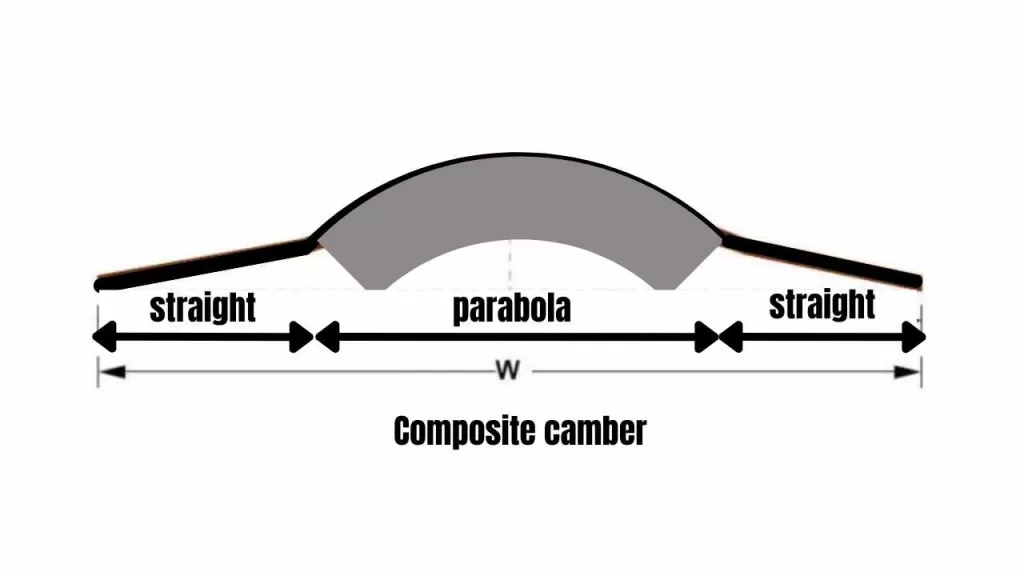
Composite camber refers to a combination of positive and negative camber on a vehicle’s wheels. In order to achieve optimal handling and performance in specific driving situations, one can adjust the angle of each wheel independently to create a custom setup. This allows for a personalized approach to handling and can be achieved through the use of composite camber. Composite camber is a technique commonly utilized in high-performance vehicles and motorsports to attain maximum grip and control.
Sloped camber/straight camber
Sloped camber refers to a wheel angle where the tire leans towards the inside or outside of the vehicle, creating a slope. Straight camber refers to a wheel angle where the tire is vertical and perpendicular to the ground. Sloped camber is often used in motorsports to improve cornering performance, while straight camber is more common in street vehicles for better tire wear and handling.
Two straight-line camber
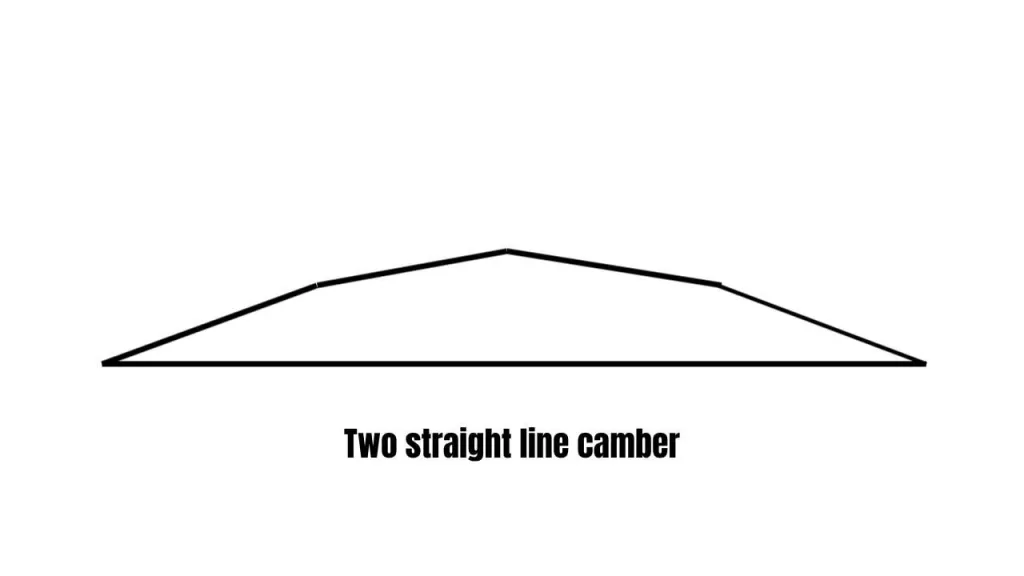
Two straight-line camber refers to a setup where the camber angle is set to zero for both front and rear wheels. This provides a balanced setup that promotes even tire wear and stable handling. “People commonly use two straight-line camber in street vehicles, SUVs, and pickup trucks, prioritizing comfort, safety, and longevity over high-speed cornering performance.”
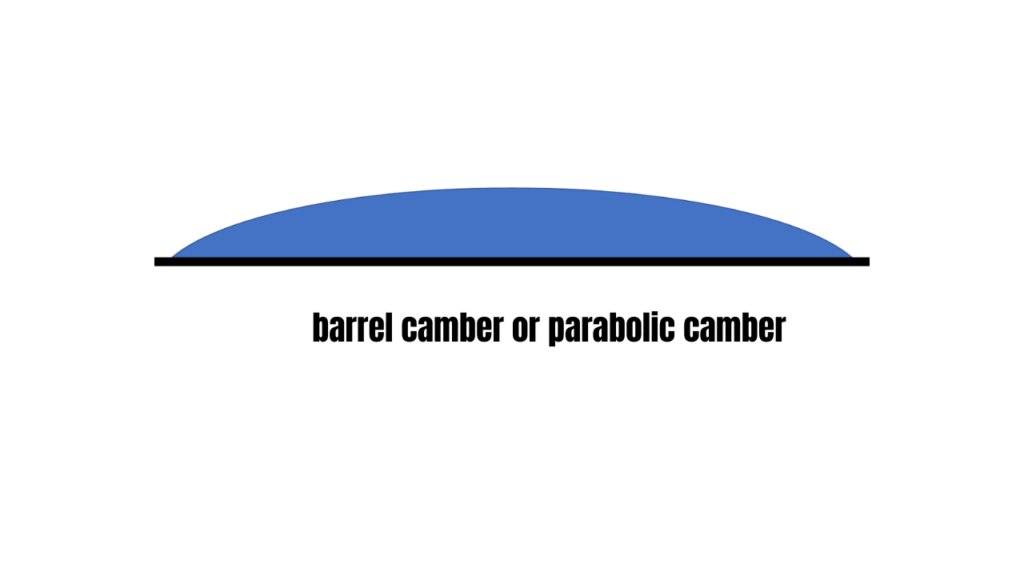
Barrel camber/Parabolic camber
“In drifting and racing applications, people commonly use barrel camber to promote tire grip . This in turn improves cornering performance by adjusting the camber angle and toe settings on each wheel independently. Barrel camber is a wheel angle where the center of the tire is lower than the edges, creating a barrel-like shape.”
Road engineers provide camber to promote safe and efficient driving. They use positive camber on curves and turns to offer better stability and prevent vehicles from sliding off the road. On the other hand, they use negative camber on straight sections to enhance tire traction and lower the risk of hydroplaning in wet conditions.
Advantages of Camber on Roads
Camber provides several advantages for road safety and efficiency. “Moreover,” positive camber assists vehicles in remaining centered on the road while turning. This in turn results in decreased skidding and improved stability. Negative camber improves tire contact with the road on straight sections, increasing traction and reducing hydroplaning risk. Camber also helps to reduce tire wear by distributing the load evenly across the tire surface, promoting longer tire life. Overall, camber is a key design feature in road engineering. This helps to promote safe, efficient, and sustainable transportation for all.
Image credit : Rick Muscoplat
Recommended Values of Camber in Road For Different Types of Road surface by IRC:
The Indian Road Congress (IRC) provides recommended values for camber in road design, based on the type of road surface. These values are as follows:
Flexible Pavement on Earth Embankment
Straight: 1.5%
Crossfall: 2.5%
Flexible Pavement on Soft Soil
Straight: 2%
Crossfall: 3.5%
Rigid Pavement on Earth Embankment
Straight: 2%
Crossfall: 3%
Rigid Pavement on Soft Soil
Straight: 2.5%
Crossfall: 4%
Bituminous Wearing Course
Straight: 1.5%
Crossfall: 2.5%
“These values provide general guidance only and depend on local conditions, traffic volume, and other factors. It is important to note that.”
Disadvantages of excessive road camber
Providing excessive road camber height can have several disadvantages. These include:
Uneven tyre wear: Excessive camber height can cause the tire to wear unevenly, leading to reduced tire life and increased maintenance costs.
Increased fuel consumption: High camber angles can increase rolling resistance and reduce fuel efficiency, leading to higher fuel consumption and greenhouse gas emissions.
Reduced braking performance: Excessive camber can reduce the contact area between the tire and the road surface, reducing braking performance and increasing stopping distances.
Reduced stability: High camber angles can reduce vehicle stability, especially at high speeds, making the vehicle more difficult to control and increasing the risk of accidents.
Uncomfortable ride: Excessive camber can cause the vehicle to ride harshly, transmitting more shocks and vibrations to the occupants, leading to discomfort and fatigue during long journeys.




























 vin civilworld