Components of Railway Track- Full Functions of All Components

Components of railway track are rail section, sleepers, ballast, rail fastenings and subgrade and embankments. I will walk you through each of them in detail. You will get to learn about the functions of rails, functions of sleepers, functions of ballast and about fastening of railway.

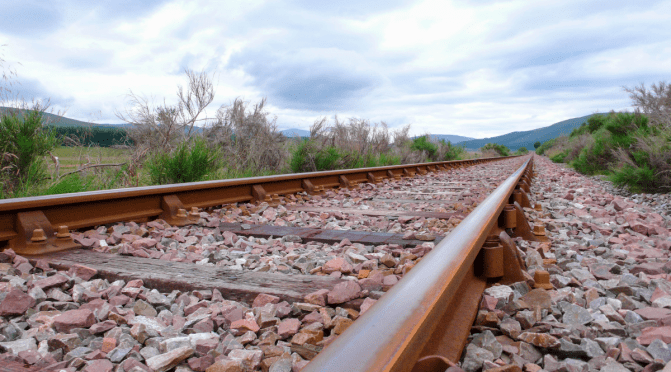
Railway tracks are complex systems comprised of various components that work together to ensure safe and efficient train travel. Understanding the components of a rail track is crucial for maintaining and optimizing railway infrastructure. Rail track components include the rails, sleepers (ties), ballast, and fastening systems, each playing a vital role. Rails provide the pathway for trains, sleepers support the rails, ballast maintains track stability, and fastening systems secure everything in place. This introduction explores the essential railway components, highlighting their functions and importance in the overall track structure. Familiarity with these elements is key to effective railway management and maintenance.

Without any due, let’s jump right on to it.

  1. Rail sections- Important among all components of railway track
    1. Function of rails
  2. Sleepers (Ties): Supporting the Rails
    1. Functions of sleepers
  3. Fastening in Railway-Rigid member of components of railway track
    1. Functions of Fastening in Railway
  4. Ballast
    1. Functions of ballast
  5. Subgrade and embankment- last member of components of railway track
  6. Switches and Crossings: Enabling Train Movement
  7. Rail Joints: Connecting the Rails
  8. Railway Track Drainage Systems
  9. Track Bed: Ensuring Even Load Distribution
  10. Rail Pads and Under Sleeper Pads: Reducing Vibrations
  11. Expansion Joints: Handling Temperature Variations
  12. Railway Electrification Systems: Powering the Trains
  13. Key Takeaways
  14. Conclusion

Rail sections- Important among all components of railway track

The rail provide a hard, smooth and unchanging surface for the passage of heavy moving loads. Rails are made of high carbon steel to withstand wear and tear. Flat footed rails are mostly used in railway track. I will tell you the major functions of rails now.

Rails are key components of a rail track. Made of high-quality steel, they form the primary pathway for trains.

Function of rails

  • Rails provide a continuous and level surface for the movement of the trains with minimum friction with steel wheels of the rolling stock
  • Rails provide strength, durability and lateral guidance to the track
  • Rails transmit the axle load to sleepers, which transfer the same load to the underlying ballast and formation
  • Rails bear the stresses developed due to heavy vertical loads, breaking forces and temperature variance.
  • In the railway components section, the function of rails is to enhance efficiency and longevity. Properly maintained rails improve the overall performance of the rail track system.

So, that’s it about the rail sections and the important functions of rails. Let’s move on to the second member in the list of components of railway track.

Sleepers (Ties): Supporting the Rails

Sleepers, also known as ties, are vital components of a rail track.The support which keeps the rails apart at required distance, supports the rail and distribute the load to the ballast are called as sleepers. Sleepers are of different materials such as wood, steel, cast_iron, RCC and Prestressed concrete

These rail track components play a crucial role in absorbing vibrations and maintaining track geometry. As essential railway components, sleepers ensure the safe and efficient operation of trains. Proper maintenance of sleepers is key to extending the lifespan of the entire track system and enhancing overall performance.

Time to peep into the major functions of sleepers.

Functions of sleepers

The important functions of sleepers are,

  • To hold the rails to proper gauge in all situations. That is, exact gauge along straights and flat curves, slightly loose on sharp curves and slightly tight in diamond crossings.
  • To support the rails firmly and evenly throughout
  • To distribute the load transmitted through rails over large area of ballast underneath or to the bridge girders.
  • To hold the rails to proper level in turnouts and crossovers, and at 1 in 20 in ward slope along straight tracks
  • To provide an elastic medium between the rails and ballast and also to absorb the vibrations caused due to moving axle loads
  • To maintain proper alignment of the track. On curves proper cant is provided by raising the outer rail and tamping the required quantity of ballast below the rails
  • To provide the general stability of the permanent way throughout
  • To provide the insulation of track for the electrified for signaling
  • To provide easy replacement of the rail fastenings without any serious traffic disturbances

So, you grasped the knowledge on the functions of sleepers and a bit of information about sleepers. Now, I’m going to introduce you another member of components of railway track. Guess who? Rail fastenings (Ya, as I rightly written below).

Fastening in Railway-Rigid member of components of railway track
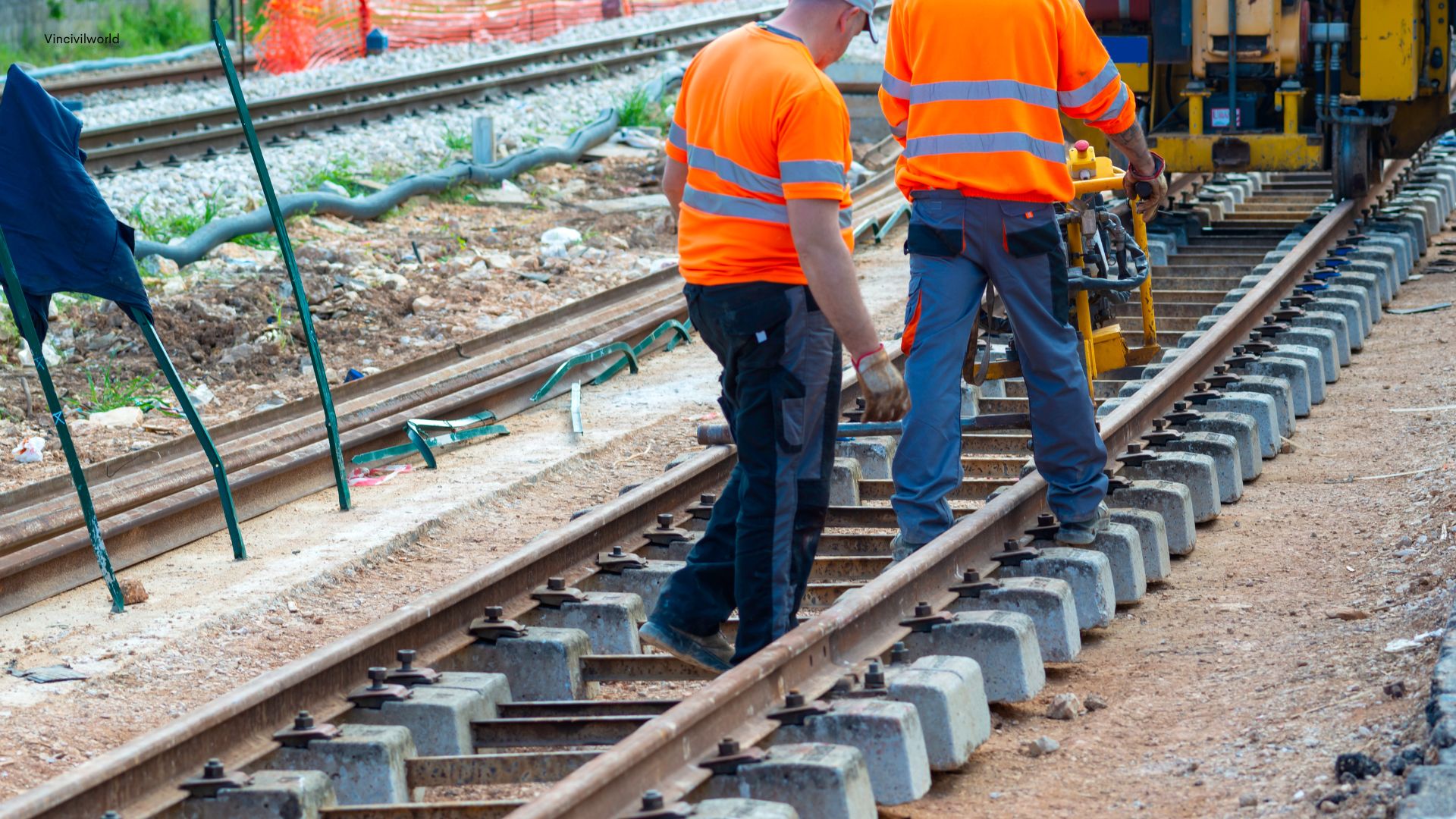
Fastening systems are essential components of a rail track, crucial for keeping the track intact. These rail track components secure the rails to the sleepers, ensuring stability and alignment. They include clips, bolts, and screws, which hold the rails firmly in place, preventing movement and reducing vibrations. As vital railway components, fastening systems help maintain the correct gauge and improve the overall safety and performance of the track. Properly functioning fastening systems are key to the longevity and reliability of rail infrastructure, ensuring trains run smoothly and efficiently.

Fastening in railway is used to connect the rails and sleepers together in their proper positions. The fixtures and fastening used in track fittings are,

  • Fish plates
  • Spike
  • Bolts
  • Chairs
  • Blocks
  • Keys
  • Plates

Cool. I will close the chapter of rail fastenings by throwing some light to the functions of rail fastenings.

Functions of Fastening in Railway

Fastening in railway has the following functions.

  • Join the rails end to end to form full length of track
  • To fix the rails to sleepers
  • To maintain the correct alignment of the track
  • To provide proper expansion gap between rails
  • To maintain the required tilt of rails
  • To set the points and crossings in proper position

So, that topic too is over. Next we are going to study about ballast, functions of ballast in particular.

Ballast

Ballast is the broken stone placed or packed below the sleepers to transmit load from sleeper to the formation and at the same time allowing drainage of the track. Ballast is a key component of a rail track, providing the foundation of stability. These crushed stones support the sleepers, facilitating drainage and load distribution. As essential rail track components, ballast maintains track alignment and reduces vibrations. Its function ensures the overall durability and performance of the railway infrastructure.

Ballast - component of railway tract

To better understand about them, let’s have a look at the main functions of ballast.

Functions of ballast

The major functions of ballast are,

  • To provide firm and level bed for the sleepers to rest on
  • To allow for maintaining correct track level without disturbing the rail road bed
  • To drain off the water quickly and to keep the sleepers in dry conditions
  • To discourage the growth of vegetation
  • To protect the surface of formation and to form an elastic bed
  • To hold the sleepers in position during the passage of trains
  • To transmit and distribute the loads from the sleepers to the formation
  • To provide lateral stability to the track as a whole

Almost at the end of the journey. I will give you a snippet of information about the last member of components of railway track.

Subgrade and embankment- last member of components of railway track

Subgrade is the normally occurring ground which when prepared to receive the blast and track is called formation. Subgrade and formation are crucial components of a rail track, forming the groundwork for the entire structure. These rail track components provide a stable foundation, support the ballast, and ensure proper drainage. Their function is to distribute loads evenly and maintain track alignment, essential for railway infrastructure’s durability and performance.

In a permanent way, rails are joined either by welding or by using fish plates and are fixed with sleepers by using different types of fastenings. Sleepers are properly placed and packed with ballast. Ballast is placed on the prepared subgrade called formation. So, that’s where the importance of subgrade is.

Switches and Crossings: Enabling Train Movement

Switches and crossings are critical components of a rail track, facilitating train direction changes and track intersections. These rail track components ensure smooth transitions and safe passage. Their function is vital in managing train traffic, enhancing the efficiency and flexibility of the railway network.

Rail Joints: Connecting the Rails

Rail joints are essential components of a rail track, connecting individual rail sections. These rail track components ensure continuous rail alignment and stability. Their function is to accommodate rail expansion and contraction, reducing stress and maintaining the integrity of the railway infrastructure.

Railway Track Drainage Systems

Railway track drainage systems are vital components of a rail track, managing water flow and preventing track damage. These rail track components ensure proper drainage, protecting the subgrade and ballast. Their function is crucial for maintaining track stability and prolonging the life of railway components.

Track Bed: Ensuring Even Load Distribution

The track bed is a fundamental component of a rail track, ensuring even load distribution. Comprised of ballast and sub-ballast layers, these rail track components provide support and stability. Their function is to maintain track geometry and absorb stresses from train movements, enhancing overall performance.

Rail Pads and Under Sleeper Pads: Reducing Vibrations

Rail pads and under sleeper pads are essential components of a rail track, designed to reduce vibrations. These rail track components fit between the rails and sleepers, cushioning impacts. Their function is to protect the track structure, improve ride comfort, and extend the lifespan of railway components.

Expansion Joints: Handling Temperature Variations

Expansion joints are critical components of a rail track, allowing for temperature-induced rail expansion and contraction. These rail track components prevent rail buckling and gaps. Their function is to maintain track integrity and ensure safe, continuous train operations under varying temperature conditions.

Railway Electrification Systems: Powering the Trains

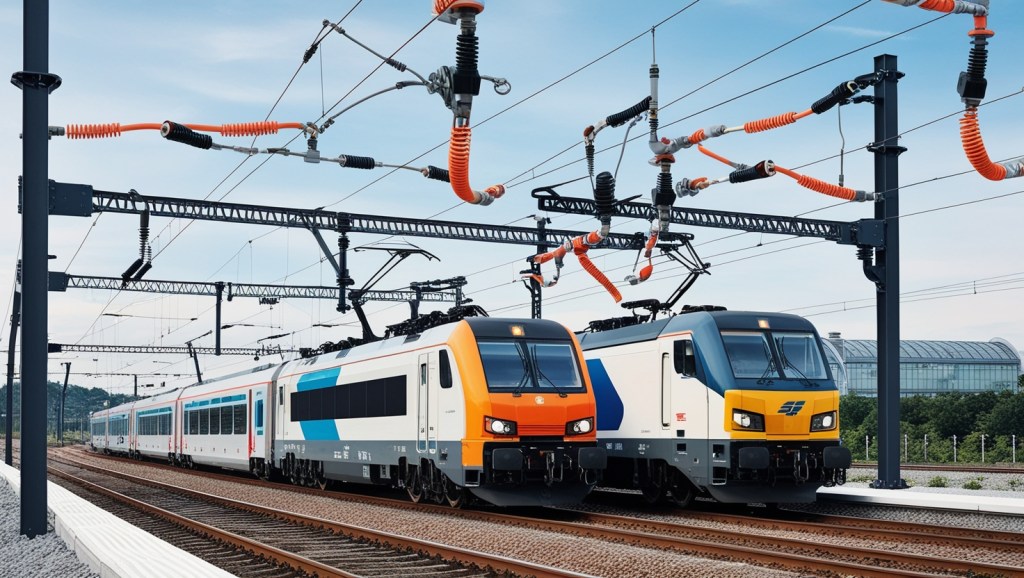
Railway electrification systems are vital components of a rail track, providing electrical power to trains. These rail track components include overhead wires and third rails. Their function is to ensure efficient and reliable train operations, reducing reliance on fossil fuels and enhancing overall railway performance.
So, the article was an introduction to the different components of railway track. We will figure out more in the upcoming article.

Key Takeaways

Understanding the components of a rail track is crucial for maintaining and optimizing railway infrastructure. The main components of a rail track include rails, sleepers, ballast, fastening systems, subgrade, and embankments. Each component has a specific function: rails provide a smooth path for trains, sleepers support and distribute loads, ballast ensures stability and drainage, fastening systems secure rails, and subgrade forms the groundwork. Additional components like switches, crossings, rail joints, drainage systems, track beds, rail pads, expansion joints, and electrification systems enhance the efficiency, safety, and durability of railway tracks. Proper maintenance and knowledge of these railway components are essential for effective rail management.

Conclusion

Railway tracks are intricate systems composed of various components that work in unison to ensure safe and efficient train travel. From the rails and sleepers to the ballast and fastening systems, each element plays a vital role in the track’s overall performance. Understanding the functions of these rail track components helps in maintaining the integrity and longevity of railway infrastructure. Additional components like switches, crossings, drainage systems, and electrification systems further enhance the railway network’s efficiency and reliability. Familiarity with these components of rail tracks is essential for anyone involved in railway management, ensuring optimal operation and safety. Share your thoughts and experiences in the comments below!

MUST READ: Intelligent transportation system: A comprehensive approach to its components
Vitrified tiles vs Ceramic tile – How to select a tile ?

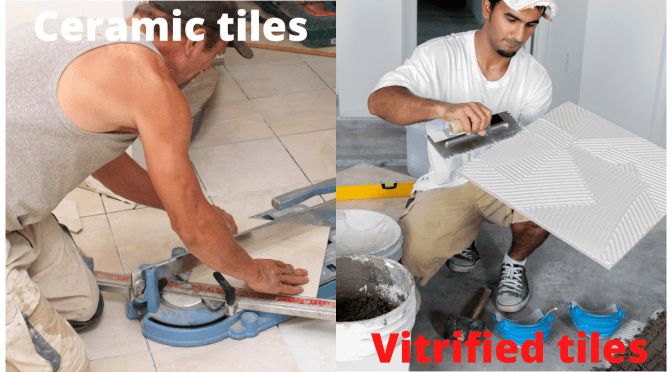
Vitrified tiles vs ceramic tiles – The real difference between ceramic and vitrified tile is still out of reach to a consumer. For an average consumer Ceramic tiles, vitrified tiles/ porcelain tiles, etc are simply tiles used for flooring or cladding works because all are installed in the same way, got almost identical looks, got similar merits and demerits as a flooring material. On enquiring, you may get a lot of merit claims which confuses more than clarifying.
What exactly is the difference between these tiles or is it simply a marketing technique for selling out the more costly option?

Must read : Ceramic tiles – A remarkable flooring choice.

Must read : Vitrified tiles – Types, Advantages and uses

Vitrified tiles vs Ceramic tiles

Ceramic tiles and vitrified tile both are excellent flooring materials. They are the preferred flooring choice based on the area of application, hardness required, purpose of application etc. Both these tiles have excellent qualities to be considered as an excellent flooring material.

Ceramic tile cladding

Vitrified tiles vs Ceramic tiles -Manufacturing process

Ceramic tileVitrified tile
Manufactured using natural clay Mixed with water, extruded/pressed and fired in kilns at a temperature of around 1000-1200 degree Celsius.Manufactured by mixing clay
with quartz, silica and feldspar,
pressed in hydraulic press and
fired in kilns at a temperature
of 1400-1700 degree Celsius
The designs and textures are digitally printed on the surface.Designs are digitally printed in
case of Digital Glazed vitrified tiles.
(1-2 mm)
Ingredients with colour design mix
used in Double charge vitrified tiles.
(3-4 mm)
Total tile body is made of colour
design mix for Full body vitrified tiles.
(9-10 mm)
The surface is glazed for protection and glossiness.On heating Quartz, silica, feldspar
melts and fuse together to form a vitreous layer or glass like layer. This process is called vitrification process and tiles are called vitrified tiles. The vitreous layer is hard and glossy.
Glazing is around 1 mm thick and forms the protective and impervious layer over the ceramic tileThe vitrification process generates a vitreous or glass like layer which becomes a part of the tile body.
Vitrified tiles vs Ceramic tiles

Vitrified tiles vs Ceramic tiles

Durability
The glazing layer imparts the required durability for ceramic tiles.Vitrified tiles gains the durability
from the Vitrification process
making it more dense, harder
and durable than ceramic tiles.
Strength
Breaking strength =700 N-1000 N
Water absorption = 3% – 6%
Modulus of rupture = 22 N/mm2
Scratch hardness = Min 4
Ceramic tiles got less breaking strength, less modulus of rupture and less abrasion resistance.
Breaking strength = > 1100 N
Water absorption = < 0.5%
Modulus of rupture = > 30 N/mm2
Scratch hardness = 5-8 in Moh scale
All value pertaining to strength,
breakage, abrasion resistance etc are high in Vitrified tiles.
Water absorption
Main factor that differentiate vitrified and ceramic tile is water absorption.
Water absorption of Ceramic tiles is 4-6%. Ceramic tiles are porous and absorbs water.
Not preferred for external and wet applications because they may absorb water and cracks.
Water absorption of vitrified tiles
is less than 0.5% . Vitrified tiles are dense and impervious and water absorption is marginal.
Hence vitrified tiles can be used
in external and wet applications.
Looks, colour choice and size
Ceramic tiles have a wide range of colour choices and got a very natural and fair looks.
Ceramic tiles are available in medium sizes and this increase the number of joints.
The grout joints are vulnerable to moisture and stain and has to be replaced frequently.
Vitrified tiles are available in a
lot of varieties and sizes. They
are available in wood, marble and
granite finishes and gives a natural stone look when laid in big tiles.
Vitrified tiles are even available in a size of 2000 x 1000 mm and reduces the number of joints and looks seamless and elegant.
Vitrified tile joints are less visible
and do not need any re grouting.
Texture
Ceramic tile got a Rough texture and has to be glazed to look smoothVery smooth texture and glossy
finish
Abrasion resistance
The protective glazing is only
1 mm thick and the abrasion resistant qualities of ceramic tiles are less compared to vitrified tiles.
When used in high traffic areas the colour and texture may fade and scratches developed are visible.
Vitrified tiles are high abrasion resistant due to the vitreous glass
like layer on the surface. The layer
is hard and is capable of
withstanding high traffic. Vitrified
tiles are available in a lot of varieties suitable to be used for any type of traffic. The colour and texture does not fade easily in Vitrified tiles . They are scratch resistant and any scratches developed are not visible in case of vitrified tiles.
Slip resistance
Ceramic tiles can be made slip resistant by providing abrasive grits during glazing process. This makes the tiles less slippery and can be used for toilet floors. Ceramic tiles are available in anti-skid variety also.Vitrified tiles does not absorb water and are very slippery when wet. They are not preferred for toilet floors. Vitrified tiles posses anti skid properties than ceramic tiles.
Stain resistant
Ceramic tiles because of its glaze layer is stain resistant and can be cleaned and maintained very easily using mild detergents and mops. But they are less stain resistant due to the high water absorption properties and high
porosity compared with
Vitrified tiles.
Vitrified tiles are stain resistant, because they are dense, and non porous. They are very easy to maintain and is preferred for hospital floors, commercial areas, residential complexes etc. where there are heavy traffic and chances of stains getting to the floor.
Sunlight and frost resistant
Ceramic tile fades on exposed to sunlight and cracks on exposed to frost due to its porous nature.Vitrified tiles have any effect of sunlight and frost because of its high density and non porous surface.
Sizes
Ceramic tiles are available in maximum size of 2 ft x 2ft and this increase the no of joints which in coarse of time absorbs stains and become dark and needs re grouting to maintain the qualitiesVitrified tiles are available in a lot of sizes. Even 2 mtr x 1 mtr size tiles are also available with most of the manufactures. This give the surface a natural stone and decrease the number of joints.
Cost
Ceramic tile are cheaper compared to vitrified tiles.Vitrified tiles are costlier compared to ceramic tiles due to their superior qualities.
Ease of fixing
Ceramic tiles are easy to fix and repair comparing to vitrified tiles due to the presence of grout lines. Even a single tile can be replaced.Vitrified tiles needs professional tools and skilled labour for fixing the tiles and removing and re-fixing a tile is very difficult.
Maintenance
Ceramic tiles due to the higher no of joints are difficult to maintain when compared with vitrified tiles. The surface has a tendency to absorb stains.Highly impervious and glossy surface. Very easy to maintain. Vitrified tiles have less joints and do not absorb stains.
Wastage
Due to low breaking strength ceramic tiles generates more wastage. (Around 5%-8%)Vitrified tiles have high breaking strength and generated less wastage (around 3%)
Anti skid properties
Very low in ceramic tilesVery high in vitrified tiles
Anti bacterial properties
Ceramic tiles got less antibacterial properties comparing to vitrified tiles.
Ceramic tiles does not attract dust, pollen, mites etc and hence is anti allergic.
Got excellent anti bacterial proprieties.
Vitrified tiles also does not attract any dust, pollen , mites etc which can cause asthmatic allergies.

VIDEO : Difference between Vitrified tiles and Ceramic tiles

Conclusion

Vitrified tiles are a much superior material compared to ceramic tiles in Strength, abrasion resistant, stain resistant, scratch resistant. They are costlier than ceramic tiles.

Ceramic tiles are best for residential uses, bathroom floors, kitchen and bath room cladding etc due to there anti skid properties. They are cheap and affordable and is everlasting if maintained properly. They are vulnerable to water, stains, sunlight, frost etc due to its porous nature and very thin glazing over the surface.

Vitrified tiles are preferred in high traffic areas, commercial buildings, malls, shopping centres, Industrial buildings, airports, metros etc and residential uses.

The area of application is the main factor that decides a tiles choice….

Types of ceramic tiles Advantages and Disadvantages

Ceramic tiles vs Vitrified tiles – The real difference between ceramic and vitrified tile is still out of reach to a consumer. For an average consumer Ceramic tiles, vitrified tiles/ porcelain tiles, etc are simply tiles used for flooring or cladding works because all are installed in the same way, got almost identical looks, got similar merits and demerits as a flooring material. On enquiring, you may get a lot of merit claims which confuses more than clarifying.
What exactly is the difference between these tiles or is it simply a marketing technique for selling out the more costly option?

Must read : Types of Vitrified tiles

What is a ceramic tile?

The tile is a very thin flooring material made of clay, stone, metal, etc extensively used for covering floors, roof, walls, etc. Enormous varieties like ceramic tile, vitrified tile, porcelain tile, terrazzo tile, chequered tile, metal tiles, stone tiles, etc are used as flooring materials based on the area of application and requirements. The category of tiles manufactured from natural clay, mixed with other ingredients, baked in kilns, and glazed for protection and looks are called ceramic tiles. Ceramic and vitrified/porcelain tiles come under the category of ceramic tiles whereas vitrified tiles are known non-porous ceramic tiles.

Classification of tiles

Classification of tiles
CLASSIFICATION OF TILES

The classifications of tiles are mostly based on their method of manufacturing, water absorption qualities, choice of application, area of usage, strength, etc. The most commonly used tiles are ceramic and vitrified tiles or porcelain tiles. The classification criteria are the percentage of water absorption which is around 4-5% in ceramic tiles where as it is below 0.5 % for vitrified tiles. Please refer above figure for the classification of tiles.

CERAMIC TILE FLOORING
CERAMIC TILE FLOORING (credits : Kajaria tiles)

Ceramic tiles – Properties

These are the most commonly used tiles available in a lot of designs, textures, and patterns and are used for almost every flooring applications. They are durable, comparatively cheap, and strong flooring material available in a lot of designs, colours, and textures. These tiles are easy to cut and fix and consists of a glazing coating for enhancing the protection. and are widely used in residential construction due to their versatile colour choice and designs and are capable of withstanding reasonable traffic and retain the sheen and charm for an extended period if maintained properly.

Reference IS CODE = IS 15622 – 2017

Water absorption3% -6%
Breaking strengthMinimum – 1000 N
Modulus of rupture20 to 30 N/mm2
Scratch hardness (Moh scale)4 minimum

These types of tiles are not preferred in high traffic areas and outdoors due to their low density and high water-absorbing qualities.

Ceramic tile manufacturing process

Ceramic tiles are manufactured from natural clay, sand, and water. The ingredients are ground and mixed with water in the right proportions to form a paste. The mix is pressed or extruded to form a tile and passed through a drying process for imparting the strength. The pattern, design, or textures are digitally printed on the surface and sprayed with a glaze powder before passing through the kiln for the firing process.

CERAMIC TILE MANUFACTURING PROCESS

In the first stage, the tiles are subjected to medium temperatures for removing the water content, and in the next stage, the kiln temperature is raised to 1000-1200 degrees. In high temperature, the glaze fuses and forms a transparent layer on the tile surface. Further, the tiles are subjected to a curing process before exposure to ambient temperature to avoid breakage.

Type of ceramic tiles

Ceramic tiles are classified into wall tiles and floor tiles. They are available in glazed and un-glazed varieties. Ceramic wall tiles are normally less durable than vitrified tile which is designed specifically for flooring. Most wall tile is glazed with a semi-gloss or matt surface. The glazed surface has a very low slip resistance and becomes slippery when wet. Therefore, glazed wall tile is much more suited for wall or counter-top applications rather than floors. Floor tiles are available in anti-skid and matt finishes which are used for flooring, bathrooms, and wet areas.

Advantages of ceramic tiles

Ceramic tiles are one of the most affordable, durable, and aesthetic flooring options in the residential construction sector. Ceramic tiles inherit a hand full of excellent properties making them the most preferred flooring options. Proper placing and regular care can maintain the charm, glaze, and sheen of ceramic tiles for a long-lasting period.

CERAMIC TILE FLOORING

Water resistant & Stain resistant

Ceramic tiles got a protective glazing layer on the surface and are impenetrable to water and stains. This glazing layer also protects the designs and textures and can also resist humidity to some extent. Because of these properties, Ceramic tile is preferred for moist environments like kitchen, bathrooms, etc.

Durability

Ceramic tiles are very strong, durable, and abrasion-resistant. Proper workmanship accompanied by regular maintenance can make ceramic tiles last for years. Broken tiles can be easily replaced without damaging other nearby tiles. The glazing coating is very hard and does not dent or scratch easily. They can be used for heavy traffic areas like living rooms, office space, bedrooms, etc.

Maintenance of ceramic tiles

Ceramic tiles are stain-resistant and very easy to clean and maintain using mild detergents. Ceramic tiles got a smooth and hard surface and do not attract or absorb dust, mites, and other micro-organisms which causes allergy and other asthmatic issues. Both un-glazed and glazed tiles can provide a long-lasting resilient and essentially an easy to maintain option for your home.

Colour/texture choice and affordability

Ceramic tiles are available in countless colors as well as textures, different looks and patterns can be created with flexible tile sizes. They can also be printed to reproduce the look of many hardwoods and natural stones. They can match almost any color scheme or theme. After the introduction of digital printing technology, we can print anything on ceramic tiles.
Ceramic tiles are not so costly compared to any other type of flooring material. They are rather not cheap also. But they are affordable considering the investment and the life of the ceramic tile. They are very easy to place and maintain will last a lifetime if properly installed and cared for.

Environmental friendly

Ceramic tiles are made from clay, sand, and glass. Nowadays ceramic tiles are made from recycled industrial wastes and considered environment friendly material. Ceramic tiles have insulating properties that can make the rooms cooler in summer and warmer in winter thus reducing the energy costs.

Disadvantages of Ceramic tiles

Easy to care for and available in hundreds of styles, nonetheless there are disadvantages that should be taken into consideration when a homeowner is choosing ceramic installation for the home. On getting clarity on the drawbacks we can make an easy choice.

Tile joints

Ceramic tiles are stain-resistant and water-resistant. But Grout lines are suspectable to moisture if not sealed properly. Care should be taken in choosing the sealant and sealing of grout lines. The tile joints have to be periodically sealed to restrict moisture entry and increase the tile life.

For installation, we need skilled workers to maintain the level and alignment. A proper laying is the most important factor deciding the tile life.

Ceramic tiles got a wide variety of colours and shades and the shades’ textures and style and choice of interiors tend to change with time. Once a ceramic tile is installed, replacing it will be a messy and costly option. Replacing a broken tile needs highly skilled workers and tools or else chance of breakage of nearby tiles will happen.

Ceramic tiles are very cold and it is very uncomfortable in winter times to stand on the tile. Area rugs has to be provided to cover up the area. Ceramic floors also retain heat during summers.

These tiles are denser and heavier than other flooring materials. They give extra dead load on the structure.

Conclusion

Considering the unique properties, added with a wide choice of colours and shades, and excellent resistance to stain and moisture, easy to clean and maintain Ceramic tiles are the most preferred flooring choice.

Video : Difference between Vitrified and ceramic tiles

Types of deep foundation – A detailed overview.

Types of Deep Foundation – Foundations are broadly classified into shallow foundations and deep foundations. This article is a total overview of Deep Foundations and types of Deep Foundations.

What is a deep foundation?

The foundations having the depth more than the width are called deep foundations. Deep foundations are proposed when the sub soil strata lacks the safe bearing capacity to handle the loads induced by the structure. In such a case the founding level of the foundations are moved to a deeper area with required bearing capacity. The loads on the structure are transferred vertically into the ground.

Deep Foundations

Deep foundations are preferred when the subsurface bearing capacity of the soil is not competent to withstand the proposed loads coming on the structure. In that case, the loads are transferred to a designated design depth or rock/hard strata. The strata is at a deeper location below the ground level capable of negotiating the loads without failure.

Typical section of Deep Foundation

Types of Deep Foundation

Deep foundations are adopted for many applications. They are preferred as the safest option for transferring heavy loads on soil strata with less bearing capacities. Common types of Deep foundation in use are as follows.

  • Basement foundations
  • Caissons Foundation
  • Hollow Box Foundation or Buoyancy foundations
  • Drilled shaft foundations
  • Pile foundations

Types of deep foundation – Basement foundations

Basement foundations are substructure foundations designed to account for parking areas, underground tanks, Electrical systems, and storage spaces beneath a building below ground level. They are mostly adopted in high rise residential buildings and commercial buildings. Basement foundations cater to the functional requirements of parking and storage.

Also Read : Types of Foundations- Shallow and deep foundations

Also Read : Types of shallow Foundations – Advantages & Suitability

Caissons foundation

Caisson foundation is a water-retaining structure that serves as a working space to work on the foundations of piers. They are box-type structures made of timber, steel, concrete, etc. Caisson Foundation is sunken by excavating the earth within the foundation. Caissons are prefabricated above the ground level or water level and are sunk to the founding level as one single unit. They are constructed to facilitate excavation and related works for foundations of the dock structure, bridges, jetty, piers, foreshore protection, etc. These structures later form an integral part of the main structural components.

Hollow box foundation or Buoyancy foundations

The concept of a hollow box foundation is to design a structure with minimal or no impact on the original stress of soil before commencing excavation. Required overburden as per the design is removed and superstructure loads are transferred to the ground. These types of foundations are known as Buoyancy foundations because they adopted the principle of a ship floating in the water, where the displaced water equals the weight of the ship.

Drilled shaft foundation

The drilled shaft is a versatile foundation system used extensively nowadays. These foundations are also known as a drilled pier, drilled caisson, bored pile, etc. The basic concept is excavating a cylindrical shaft and casting after putting necessary reinforcements. Diameters ranging from 1-3 mtr and depths up to 100 mtrs are preferred for drilled Shafts can be drilled from diameter ranging from 1 to 3 mtr and a depth of 100 mtrs normally. But higher depth and diameter are also possible nowadays. These types of foundations can replace driven piles to some extent where a single drilled shaft can replace a group of pile.

Pile foundations

Pile foundations are long slender members, which can be concrete, steel or any other material used for transferring the loads of a structure when the subsoil lacks the bearing capacity . The pile foundations transfer the load vertically through the less denser top layer to a high denser soil/rock layer which can negotiate the loads without failure.

Must Read : Pile foundations Classification,Types and Advantages

Typical Cross Section of Pile foundation
pile foundations

Video showing different types of shallow foundations

Alignment of road: Factors affecting- obligatory points with figures

Alignment of road is very important during the road construction (for exams and interviews too). We will sweep through what is highway alignment and then the requirements of highway alignment. Followed by that, I will walk you through factors affecting alignment of road. Then, I will describe obligatory points in depth with figures. In nutshell, l am going to make you savvy in the topic.

What is highway alignment?

The position or layout of center line of the highway on the ground is called alignment of road. It includes straight paths, horizontal deviation and curves. Improper alignment would result in one or more of the following disadvantages.

  1. Increase in construction cost
  2. Increase in maintenance cost
  3. Increase in vehicle operation cost
  4. Increase in accident rate

Once the road is aligned and constructed, it is not easy to change the alignment due to increase in cost of adjoining land and construction of costly structures. Therefore, let’s take a trip through the important topics under highway alignment. Let’s start from requirements of highway alignment.

Basic requirements of highway alignment

Figure shows highway alignment
Highway alignment

There are 4 basic requirements for the alignment of road.

  1. Short– Length will be short means, it is straight, reduces the time of travel
  2. Easy– Easy to construct and maintain the road with minimum problems and easy for operation of vehicles.
  3. Safe– The alignment should be safe enough for construction and maintenance from the viewpoint of stability of natural hill slopes, embankment and cut slopes etc. also it should be safe for traffic operations.
  4. Economical– Total cost including initial maintenance and vehicle operation cost should be minimum

Now, you know the requirements of highway alignment. Let’s dig in deep through the factors affecting alignment of road.

Factors affecting alignment of road

For an alignment to be shortest, it should be straight. This is not always possible due to practical difficulties such as intermediate obstructions and topography. The ideal condition rarely exist and it becomes necessary to adjust the highway alignment as per prevailing conditions.

The various factors affecting alignment of road are,

Obligatory points

The controlling points which govern the highway alignment are known as obligatory points. They are mainly responsible for the deviation of highway from its straight location.

For the purpose of convenience the obligatory points are divided into two.

  1. Obligatory points which are to be accommodated on alignment of road
  2. Obligatory Points which are to be avoided on alignment of road

The figure below shows the deviated alignment adopted due to river. The actual road was supposed to be through road PQ. But the suitable bridge site is not available along the road alignment because of peculiar characteristics of river or stream.

Obligatory points which are to be accommodated on alignment of road

There are various examples for first category, bridge site, intermediate town, mountain pass etc.

As shown in figure below, the proposed road has to pass through intermediate important towns, villages, or places of historical importance. Here, the straight result PQ will take the shape of PRSQ to put the points R and on the alignment. If points R and S are not much significance, the straight line PQ may be adopted with link roads RA and SB.

Obligatory points which are to be avoided on alignment of road

It includes religious places very costly structures, unsuitable land etc. Acquiring costly structures would mean heavy compensation resulting in increased cost. Marshy and waterlogged are generally unsuitable.

However if there is no alternative and the alignment has to be taken across such an area, the construction and maintenance costs are likely to be very high due to special construction technique.

That’s it about the first factor. Let’s look into other important factors affecting alignment

Also read: Classification of roads-5 types of roads full details

Type of vehicular traffic- a determining factor for alignment of road

The alignment should be provided according to the type of vehicular traffic. In case of fast moving traffic, the road alignment should be as straight as possible.

Geometric  design factors- an important factor for alignment of road

Geometric design factors such as gradient, radius of curve, sight distance etc. would govern the final alignment of highway

Availability of road building materials

The materials for construction of road are a determining factor. Their availability should be ensured while planning on the highway alignment.

Geological factors

The highway alignment should be made in such a way that no serious difficulties are met from geological factors of the locality such as stability of earth work, land slides etc.

Class and purpose

National highway and State highways between two stations should be aligned as straight as possible where as in the case of other types of roads, deviation may be permitted.

Earthwork

To avoid excessive cutting or filling, the alignment should be economical.

Public demand

The selected alignment of the road should meet the public demand of the area.

Conclusion

Highway alignment is crucial in road construction, directly impacting construction and maintenance costs, vehicle operation costs, and safety. Proper alignment ensures shorter travel distances, ease of construction and maintenance, safety, and cost-effectiveness. Factors such as obligatory points, vehicle type, geometric design, material availability, geological conditions, and public demand influence alignment decisions. Obligatory points, both to be accommodated and avoided, significantly affect the deviation from a straight path. Alignments must adapt to intermediate towns, bridge sites, and avoid costly structures or unsuitable land. Meeting these requirements ensures a functional, safe, and economical highway, underscoring the importance of careful planning and consideration of various influencing factors.

Types of Vitrified tiles – Advantages and Uses

Types of vitrified tiles – Vitrified tiles are ceramic tiles with less porosity. Various types of vitrified tiles are available for catering to different functional requirements. Vitrified tiles are considered as a superior quality tile compared with ceramic tiles because of their excellent water-resistant and frost-resistant qualities, aesthetic looks, and durability. They are well suited for external and internal flooring and cladding applications and are used as an alternative to marble and granite.

What are vitrified tiles?

Tiles are classified into vitrified tiles and ceramic tiles. Vitrified tiles are manufactured by mixing clay with silica, quartz, and feldspar, pressed and heated in kilns whereas ceramic tiles are made from natural clay, moulded, and heated in kilns. The high pressure applied during the hydraulic pressing followed by the Vitrification process is responsible for imparting the superior qualities in vitrified tiles.

Vitrified tiles can withstand abrasion and maintain the surface quality and charm for several years. Vitrified tiles are available in a variety of patterns, designs, textures, and types and can match any colour schemes. Hence they are preferred for numerous applications in residential, commercial, and industrial works.

Vitrified tile flooring

Also read : Ceramic tiles – Types and uses

Vitrified tiles manufacturing process

Vitrified tile is made by hydraulic pressing a mixture of clay, quartz, feldspar, and silica. The hydraulic pressed tiles are heated in kilns at a temperature of around 1000-1400 degrees centigrade. The ingredients like Quartz, silica, and feldspar melts and transforms into a glass-like hard layer. This process of manufacturing is called the vitrification process which means making like glass. At high temperatures, the molten silica fills the gaps and air bubbles thereby making the surface extremely strong and non-porous. The manufacturing process is the one that makes vitrified tiles a much superior option to ceramic tiles. The vitrification process makes vitrified tiles dense, non-porous, abrasion-resistant, and durable than ceramic tiles.

Properties of Vitrified tiles

  • Vitrified tiles are superior flooring materials and are available in a wide range of textures and shades and posses a lot of unique qualities.
  • They are available in a wide range of colours, shades, and textures and can match any interior colour scheme of the structure.
  • Vitrified tiles are durable, dense, non-porous, and strong material. They have a Flexural strength of around 35 N/ mm2 and breaking strength of around 700 N.
  • Water absorption of vitrified tiles is less than 0.5% due to its non-porous quality. Hence they are preferred for external and wet areas.
  • Ceramic tiles have to be glazed whereas vitrified tiles do not need any glazing. The vitrification process transforms the surface into a glass-like layer.
  • Vitrified tiles look aesthetically elegant with a smooth texture and glossy looks. Vitrified tiles do not fade easily and can maintain the charm and looks for an extended period.
  • Due to the vitrification process, they possess high abrasion-resistant qualities and are preferred for high traffic areas.
  • Vitrified tiles are very easy to fix and generates less wastage due to its high breaking strength. They are very easy to clean and maintain due to its high stain-resistant properties.
  • Vitrified tiles are anti-skid and possess anti-bacterial qualities.

Also read : Difference between Vitrified tile and ceramic tiles

Types of Vitrified tiles

Vitrified tiles are available in a wide range of variations to cater to any functional requirements and costs. They can cater to high traffic areas like airports, metro stations, railway stations, industrial uses, etc to small residential uses. The category and types of vitrified tiles are tailor-made for adapting to any application.

CLASSIFICATION OF VITRIFIED AND CERAMIC TILES

Vitrified tiles are broadly classified into

  • Soluble salt vitrified tiles
  • Glazed vitrified tiles,
  • Double charge vitrified tiles
  • Full body vitrified tiles

The classification is based on the method of manufacturing, method of vitrification, material qualities, density, type of traffic, color choices and functions.

Also read : Ceramic vitrified tiles: Sizes, Finish,price comparison & applications

Soluble salt vitrified tiles

The liquid screen printing technique is used for soluble salt vitrified tiles. The single colour of soluble salts provides the colour layer on the surface of the tiles. These tiles are heated in a kiln and polished for use. The main problem with soluble tiles is that the colour fades gradually and losses the original sheen and looks very dull. Colour choice is very limited for Soluble vitrified tiles and is replaced by double charge vitrified tiles having much more flexibility in terms of colour and design choices. Soluble salt vitrified tiles are normally ivory colour based tiles.

Glazed Vitrified tiles (GVT)

Glazed vitrified tiles are vitrified tiles with glazing. These tiles are very much similar to ceramic tiles. Due to the vitrification process involved in the production method, they possess high strength, durability, and excellent water repellent qualities.

Type of GVT tiles are Digital Glazed Vitrified tiles (DGVT) and Polished Glazed Vitrified tiles (PGVT tiles)

Also Read : Difference between Digital Glazed Vitrified Tiles and Double charge Vitrified tiles.

Digital Glazed Vitrified tiles (DGVT)

Glazed vitrified tiles uses digital inkjet printing technology and hence it is called Digitally glazed vitrified tiles. Due to the involvement of digital printing technology the design choices are unlimited and can print rich textures and designs over the tiles. Marble patters, wood patters and anything can be print on the tiles using digital inkjet printing technology. This is only possible in the case of Glazed vitrified tiles.

The digital designs are printed on a 1mm – 2 mm thick glazing layer which provides the required protection and long-lasting charm to the tiles. These tiles are comparatively cheap and can be used for medium traffic residential and commercial applications. This is the most commonly used tiles now a days.

These tiles may scratch and fade in long run due to the lesser top layer bearing the textures and prints.

DIGITAL GLAZED VITRIFIED TILES

Polished glazed Vitrified tiles (PGVT)

Digitally glazed vitrified tiles are further polished for extra glossiness. Then the tiles are known as Polished Glazed Vitrified tiles. These tiles are mostly used for residential and commercial applications involving moderate traffic.

Double charged Vitrified tiles (DCVT)

Double charged vitrified tiles are also called double-loaded tiles. They are made from a mixture of clay, quartz, feldspar, and silica. They do not have a glazed layer and hence digital printing is not possible in these tiles. For Double charged vitrified tiles the designs are formed with a double layer of pigment having a thickness of 3-4 mm thick. That means the upper layer of the design mix is 3-4 mm thick and contributes almost 30% of the total tile thickness. These layers are pressed and fused to become a part of the tile body and not a layer as in Glazed Vitrified tiles. The tile surface is further nano-polished for making it non porous, extremely durable and abrasion-resistant with superior qualities.

Double charged vitrified floor tiles are by far the most preferred choice in flooring for Residential, commercial and industrial projects  because of the simple reason that they can withstand heavy traffic and need extremely low maintenance and last longer and gives a fresh look  when compared to Ceramic and Glazed Vitrified tiles. They are scratch resistant and abrasion resistant and can resist all climatic conditions.

Full Body Vitrified Tiles

This type of vitrified tiles has colour all the way throughout the body (thickness) of the tile. Because of this scratches are less noticeable in this type of tiles. Full body vitrified tiles are formed with the paint mixture pre-added while making the body. The design is in the total thickness of the tile and got a uniform shade through out the tile body.

FULL BODY VITRIFIED TILES
DESIGN IN THE TOTAL THICKNESS

Design will never fade because it is spread over the entire body of tiles. Full body tiles are ideal flooring choice for heavy traffic areas, industrial structures, airports etc. These tiles are less preferred in residential construction due to their higher costs.

Conclusion

All types of vitrified tiles are good when chosen based on the functional requirements.

Updates in civil engineering, architecture finishes, building construction, Environmental Engineering