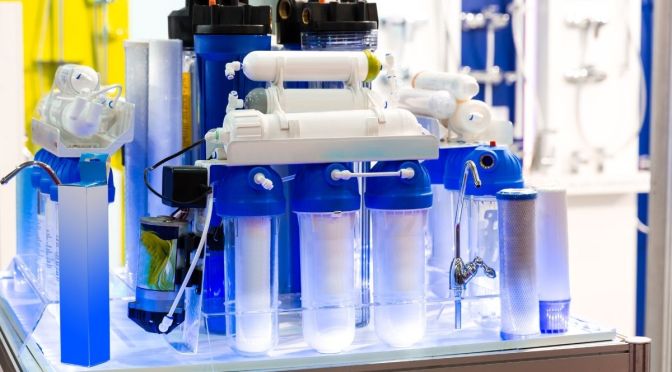
What is Tertiary Wastewater Treatment? – Top Physicochemical Methods Explained

Tertiary wastewater treatment, also known as advanced wastewater treatment, is the third step of wastewater treatment. After secondary treatment, tertiary treatment of effluent entails several extra procedures to minimise organics, turbidity, nitrogen, phosphorus, metals, and pathogens.

Tertiary Wastewater Treatment plays a crucial role in producing high-quality effluent that meets strict environmental standards. Before exploring the top physicochemical treatment methods like reverse osmosis and Electrodialysis, it is important to understand what is tertiary wastewater treatment and why it is essential.

This advanced stage goes beyond primary and secondary processes, removing fine suspended solids, nutrients, pathogens, and dissolved contaminants that conventional systems cannot eliminate. As part of modern tertiary treatment in wastewater, industries and municipalities use filtration, chemical dosing, disinfection, and membrane systems to achieve superior purity.

These processes fall under advanced wastewater treatment processes, designed to protect ecosystems and support water reuse. By learning the types of tertiary wastewater treatment, readers gain a complete picture of how physicochemical techniques ensure cleaner and safer water for diverse applications.

  1. What is Tertiary Wastewater Treatment
  2. Tertiary Waste Water Treatment Methods
  3. Common Tertiary Wastewater Treatment Methods
  4. Reverse Osmosis -Tertiary Wastewater Treatment
  5. Electrodialysis – Tertiary Wastewater Treatment
  6. Filtration
    1. Diatomaceous Earth Filtration
    2. Sand Filtration
    3. Ultrafiltration
  7. Conclusion

What is Tertiary Wastewater Treatment

Tertiary wastewater treatment is the final and most advanced stage of the purification process. It is designed to remove contaminants that primary and secondary treatment cannot eliminate. It focuses on polishing the effluent by targeting fine suspended solids, nutrients like nitrogen and phosphorus, dissolved pollutants, and harmful microorganisms. By using filtration, chemical dosing, membrane processes, and disinfection, tertiary systems ensure the water meets strict environmental and reuse standards. Understanding what is tertiary wastewater treatment is essential because it plays a key role in protecting ecosystems, supporting industrial reuse, and ensuring a safer, cleaner water supply for communities.
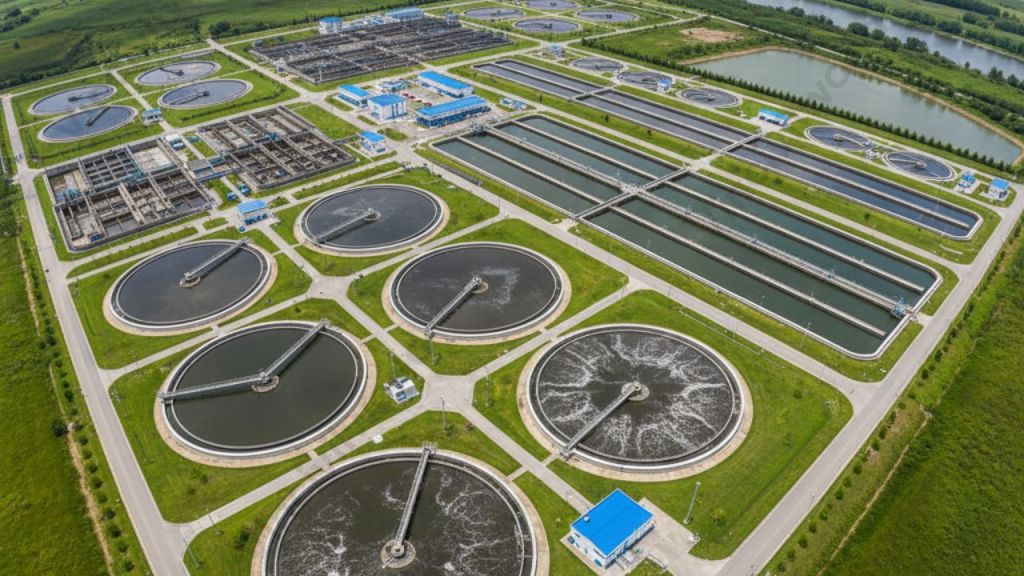
Aerial view of a large wastewater treatment facility featuring multiple circular and rectangular treatment tanks, surrounded by green fields and buildings.
Aerial view of a modern wastewater treatment facility, showcasing various stages of tertiary treatment processes.

Tertiary treatment of wastewater makes it ready for reuse. Some examples of reuse include:

  • Reclaimed water finds use in cooling systems, boiler feed, process water, and other industrial applications.
  • Reuse in agriculture, horticulture, lawn watering, golf courses, and other applications
  • Finds use in groundwater recharge to supplement groundwater resources for downstream consumers or to keep saline water out of coastal areas.

Tertiary Waste Water Treatment Methods

Tertiary wastewater treatment methods provide advanced purification beyond primary and secondary stages, ensuring high-quality effluent suitable for discharge or reuse. These methods remove fine solids, nutrients, pathogens, and dissolved contaminants using specialized physical, chemical, and membrane-based processes designed for maximum water clarity and safety.

Physicochemical methods use physical actions and chemical reactions to remove pollutants that biological treatment cannot fully eliminate, making them advanced wastewater treatment processes. These methods target fine suspended particles, dissolved solids, nutrients, heavy metals, and microorganisms by enhancing separation, adsorption, or chemical transformation. Physicochemical methods deliver precise and highly effective purification in tertiary wastewater treatment, producing high-quality effluent suitable for discharge or reuse.

Common Tertiary Wastewater Treatment Methods

Here are the common physicochemical methods used in tertiary wastewater treatment:

  • Filtration (Sand, Dual-Media, Multimedia)
  • Membrane Filtration (UF, NF, RO)
  • Activated Carbon Adsorption
  • Ion Exchange
  • Chemical Coagulation and Flocculation
  • Disinfection (Chlorination, UV, Ozone)
  • Nutrient Removal (Phosphorus & Nitrogen Removal)
  • Advanced Oxidation Processes (AOPs)
  • Constructed Wetlands
  • Electrodialysis

Reverse Osmosis -Tertiary Wastewater Treatment

Reverse Osmosis produces demineralized water by forcing water through semipermeable membranes at high pressure. We apply a pressure greater than the osmotic pressure across a membrane that separates a concentrated solution and a dilute phase.
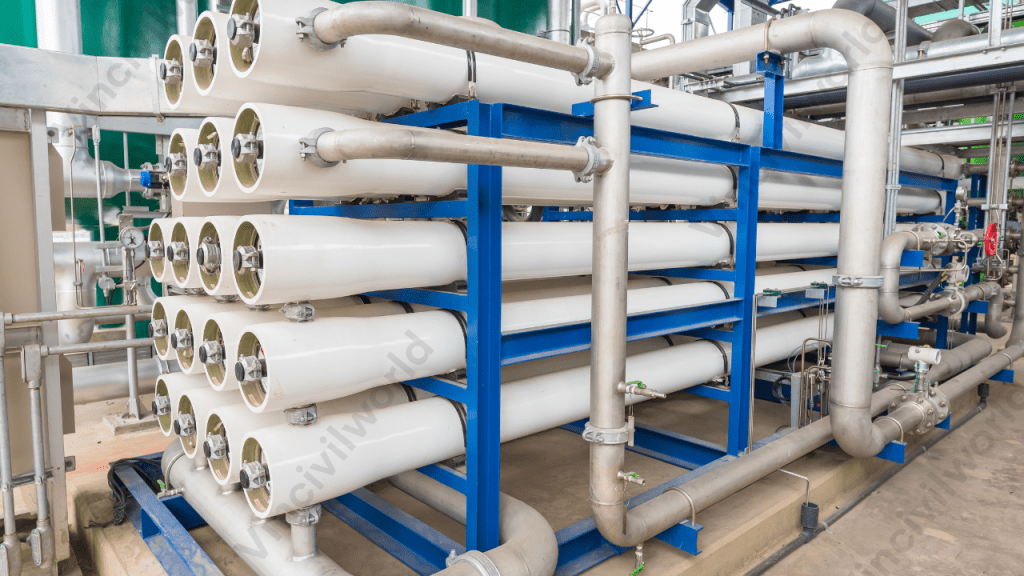
A close-up view of a reverse osmosis system used in tertiary wastewater treatment, featuring multiple membrane modules arranged in rows on a blue support structure, alongside various connecting pipes.
Reverse Osmosis unit for advanced wastewater treatment, showcasing a structured layout of membrane modules designed for efficient purification.

This drives the solvent or water toward the dilute phase, making solute or impurity concentration rise on one side while pure water moves through the membrane. In Tertiary Wastewater Treatment, this method is widely used because it ensures high-quality purification. The Reverse Osmosis process requires pressures of about 4000 to 7000 kN/m² to achieve sufficient solvent flux.

The most crucial element is the permeable membrane, typically made from cellulose acetate, formamide, and magnesium perchlorate. These membranes need large surface areas for effective treatment. To optimize space, membrane modules are preferred over single sheets. This is especially true in advanced systems used for Tertiary Wastewater Treatment.

Reverse osmosis finds applications in the following:

  • Separation of toxic ions from plating wastes.
  • Desalting seawater to produce drinking water.
  • Concentration of radioactive wastes.
  • Removal of organics from vegetable and animal wastes.
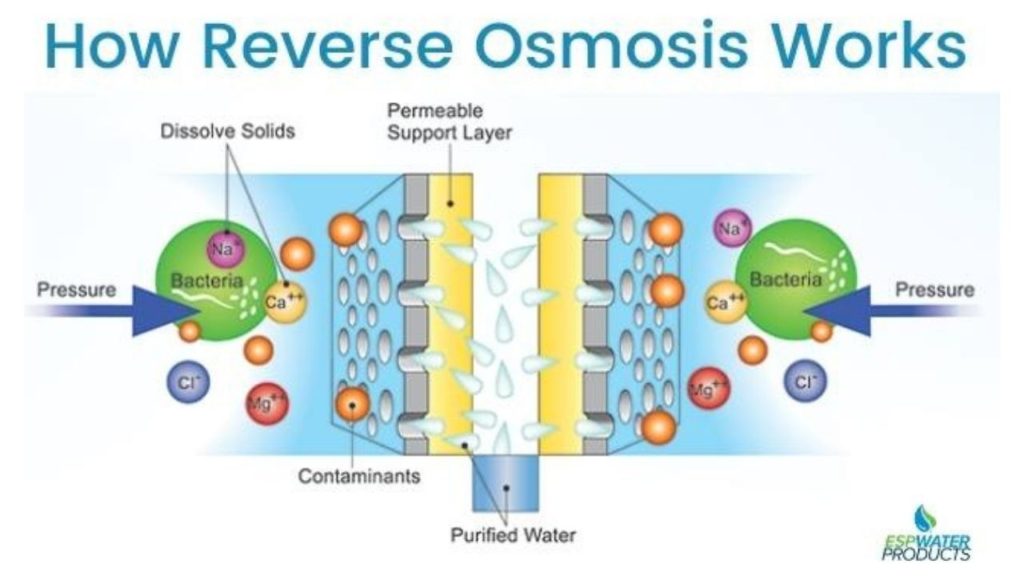
How Reverse Osmosis in Tertiary Wastewater Treatment Works? Credits ESP Water Products
How Reverse Osmosis Works? Credits ESP Water Products

Electrodialysis – Tertiary Wastewater Treatment

Electrodialysis is another popular tertiary wastewater treatment method that employs the removal of the solute from the solution instead of removing the solvent. This process uses selectively permeable membranes and an electric potential difference to separate ions from a solution. The electric power required depends on the number of ions removed from the water.

An electrodialysis cell contains anionic and cationic membranes arranged alternately, creating multiple compartments between electrodes placed at each end. When an electric voltage is applied, anions migrate toward the positive electrode and cations move toward the negative electrode. As a result, solutions in alternating compartments become dilute while others become more concentrated. Once the process reaches the desired degree of separation, the system removes the solutions. This selective ion removal makes electrodialysis an effective option in tertiary wastewater treatment, especially when precise control over dissolved salts is needed.

Filtration

Tertiary treatment removes total suspended solids (TSS). It eliminates the fine particles left after the secondary clarifying process. Proper pretreatment is essential before filtration. The concentration of suspended particles in the influent must be below 100 mg/l. This ensures efficient filtration.
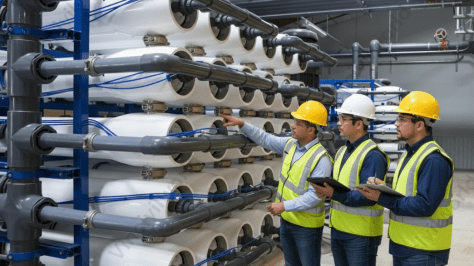
Three professionals inspecting a reverse osmosis system in a wastewater treatment facility.
Industry professionals assessing a reverse osmosis system used in tertiary wastewater treatment.

The most common filtration methods include diatomaceous earth filtration and pressure filtration. Sand filtration is used with standard and multimedia units. Ultrafiltration and the moving-bed filter are also common. All these systems work by physically straining finely separated particles. Filtration is a key step in tertiary wastewater treatment.

Diatomaceous Earth Filtration
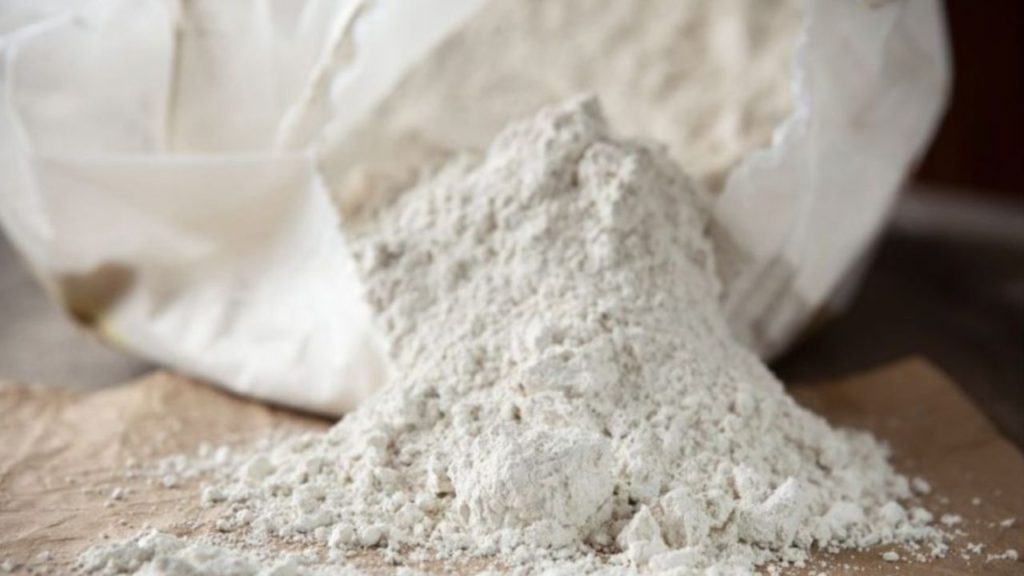
Diatomaceous Earth

Diatomaceous earth filtration is a type of mechanical separation that involves filtering wastewater with diatomaceous earth, a powdered filter aid, on a supporting media. As the filtration progresses, the solid material that will not pass through the diatomaceous earth accumulates on the filter. Eventually, this builds up pressure that prevents filtration. After that, we backwash the filter and remove the accumulated material to prepare it for the next round of filtration.

Sand Filtration

The standard method of filtration uses sandbeds with graded sand. The sand is placed on a supporting medium. An underdrain collects the filtered effluent. Solids will build up and eventually block the holes as wastewater containing solids passes through this type of filter. This results in excessive head loss and/or poor effluent quality. As a result, sand filtration demands some provisions for the removal of the accumulated material. Backwashing the sand, or reversing the flow with air scour, helps to keep the sand in suspension while washing away the lighter material.

Ultrafiltration

Ultrafiltration (UF) is a widely used tertiary wastewater treatment method that purifies water by forcing it through a semipermeable membrane. In this process, water and low-molecular-weight solutes pass to the permeate side, while suspended particles and larger solutes stay on the retentate side. As one of the most reliable physicochemical treatment methods, UF removes most organic compounds, viruses, and many dissolved salts. People highly prefer it because it delivers consistent water quality regardless of the source, occupies minimal space, and eliminates 90–100% of pathogens. Moreover, ultrafiltration supports advanced purification without chemicals, except during membrane cleaning. Compared to other types of tertiary wastewater treatment, UF operates at much lower pressures—around 50 psi—while reverse osmosis often requires pressures above 500 psi, making UF energy-efficient and cost-effective.
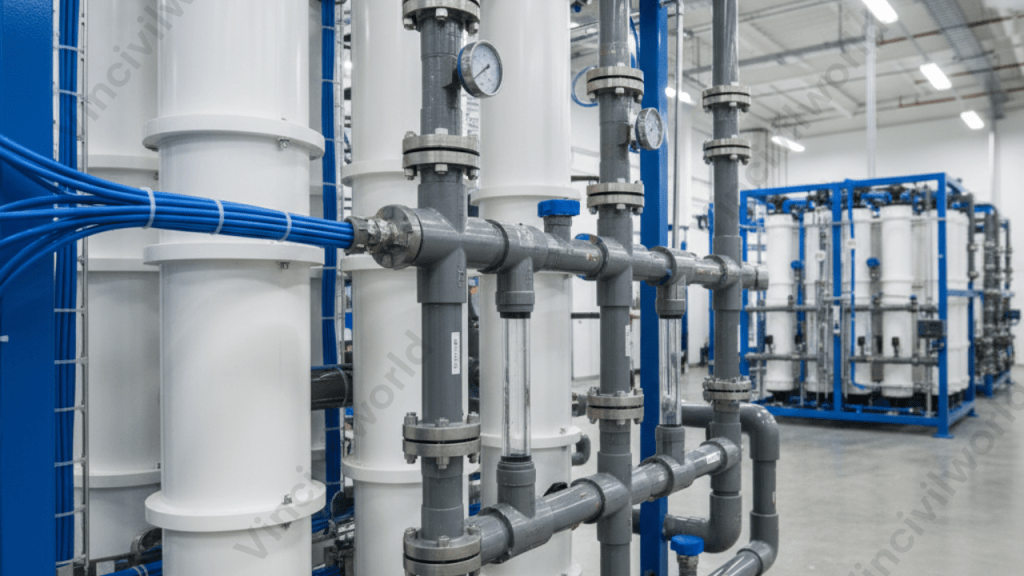
A close-up view of advanced wastewater treatment equipment featuring pipes and membranes, essential for processes like reverse osmosis and ultrafiltration.
Advanced membrane filtration systems used in tertiary wastewater treatment for enhanced purification.

Shall we wrap up?

Key Takeaways

  • Tertiary Wastewater Treatment is the final stage of purification, targeting contaminants that earlier processes cannot remove.
  • It uses methods like filtration, chemical dosing, disinfection, and membrane processes to ensure high-quality effluent.
  • Common techniques include sand filtration, reverse osmosis, and ultrafiltration, which enhance water treatment efficacy.
  • This stage supports water reuse in agriculture, industry, and groundwater recharge, protecting ecosystems and public health.
  • Understanding Tertiary Wastewater Treatment is crucial for achieving environmental compliance and safe water supplies.

Conclusion

Tertiary wastewater treatment plays a crucial role in producing high-quality effluent suitable for discharge or reuse. In this blog, we briefly explored advanced methods such as reverse osmosis, electrodialysis, ultrafiltration, and other physicochemical techniques that provide superior purification compared to primary and secondary stages. Each method has its own advantages, and depending on the final application—whether irrigation, industrial reuse, or safe release into natural water bodies—engineers may choose a single technique or a combination of multiple processes. These tertiary wastewater treatment methods help remove fine solids, nutrients, pathogens, and dissolved contaminants, ensuring strict environmental standards are met. Ultimately, tertiary treatment strengthens water sustainability by delivering cleaner, safer, and more reliable treated water for diverse needs.
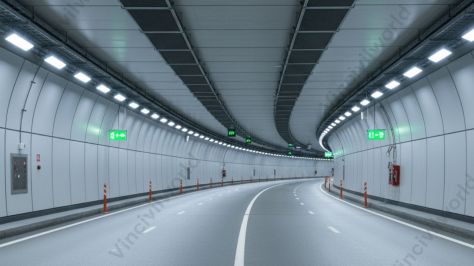
Tunnel Engineering- Definition,Study Modules Guide

Tunnel Engineering plays a vital role in modern infrastructure by enabling safe and efficient passage through mountains, urban areas, and underwater regions. This field focuses on planning, designing, and constructing tunnels using advanced methods and technologies. A clear Tunnel Engineering Definition helps students and professionals understand its scope. Structured Tunnel Engineering Study Modules guide learners through essential topics like geology, excavation methods, support systems, and safety practices. Understanding the Basics of Tunnel Engineering is essential. It helps build a strong foundation for exploring innovative Tunnel Construction Techniques used in today’s complex projects. This article serves as an Introduction to Tunnel Engineering. It offers an easy-to-follow study path. This is for anyone interested in mastering this specialized branch of civil engineering.

There is much more to know about the amazing sector. Needless to say, no tiny virus can be a reason to prevent us from transporting for essential purposes. Therefore, the career opportunities are always out there for you.

In this blog, I will walk you through the basics of tunnel engineering. I will explain the works done by a tunnel engineer. I will also cover fundamental details about tunnels. And finally the advantages and disadvantages of tunnels. 

Let’s jump into it right away!

  1. What are tunnels in tunnel engineering? 
  2. Tunnel engineering basics and Definition
    1. Definition/Introduction of Tunnel Engineering
    2. Basics of Tunnel Engineering
    3. Modules
  3. What does a Tunnelling Engineer do?
  4. Tunnel Construction Techniques
  5. Advantages of Tunneling
  6. Tunneling Disadvantages
  7. Conclusion

What are tunnels in tunnel engineering? 

  • A tunnel is an underground corridor built through the surrounding soil/earth/rock and completely enclosed except for the entrance and exit points, which are usually at each end. 
  • Some contemporary tunnels have used immersed tube construction techniques. These techniques differ from classic tunnel boring methods. However, a pipeline is not a tunnel.
  • A tunnel can be used for pedestrian or vehicular traffic, rail traffic, or a canal.
  • The tunnel is usually where the key parts of a rapid transit network are located. 
  • Some tunnels are aqueducts that transport water for human consumption or hydroelectric power plants, while others are sewers. 
  • Utility tunnels are used to transport steam, chilled water, electrical power, and communications cables. They also connect buildings to allow people and equipment to move about more easily. 
  • Military tunnels are constructed to smuggle weapons, contraband, and people. In contrast, civilian tunnels are built for the same purpose, smuggling weapons, contraband, and people. 
  • Wildlife crossing tunnels, for example, are created to assist wildlife to safely cross human-made barriers.
Interior view of a modern tunnel featuring curved walls, bright lighting, and a smooth asphalt road surface.
Interior view of a modern tunnel showcasing advanced design and lighting features.

Cool. Time to know about the basics of tunnel engineering.

Tunnel engineering basics and Definition

Tunnel Engineering involves the planning, design, and construction of underground passages. This section introduces its definition and covers the fundamental basics that shape safe and efficient tunnel development.

A dark tunnel leading to a bright exit with stairs at the end, illuminated by lights along the walls.
A dimly lit underground tunnel leading to bright stairs, exemplifying essential elements of tunnel engineering.

Definition/Introduction of Tunnel Engineering

Tunnel engineering is a truly interdisciplinary field. It requires knowledge and abilities from civil, geological, and mining engineering. It also involves mechanical and electrical engineering, geophysics, geology, and other disciplines. Tunnel Engineering is a specialized branch of civil engineering. It focuses on designing and planning underground passages. It also involves constructing these passages for transportation, utilities, and water conveyance. It involves understanding geology, selecting excavation methods, ensuring structural stability, and applying safety measures. The goal of tunnel engineering is to create durable, efficient, and safe tunnels that meet functional demands while minimizing environmental and construction risks.

Basics of Tunnel Engineering

Basics of Tunnel Engineering cover the fundamental principles needed to design and build safe underground structures. These basics include understanding geology, selecting suitable excavation methods, choosing support systems, and applying modern Tunnel Construction Techniques. Together with a clear Tunnel Engineering Definition, learners can follow structured Tunnel Engineering Study Modules to build strong technical knowledge. These essentials form the core of any Introduction to Tunnel Engineering, ensuring reliable and efficient tunnel development.

Modules

The main modules involved in the course are,

  • General Tunneling Aspects
  • Engineering Geology (stresses, strains, and anisotropy)
  • Engineering Rock Mechanics
  • Soil Mechanics & Geotechnical Engineering, Investigations
  • Using Rock and Soil Mechanics
  • Analytical and Numerical Methods for Diagnosis Phase; Therapy Phase for Preliminary Confinement
  • Type A tunnels: Analytical
  • Methods of Analysis and Design
  • Type A Tunnels: Excavation in Rock
  • Therapy Phase and Construction Phase for Preconfinement (Type B & C Tunnels) and Final Lining
  • Mechanized Tunneling with Face Control for Type B and C Tunnels
  • Monitoring and Surveying
  • Risk Assessment & Management

Now you might be thinking about what exactly you will be doing after being an engineer. Here we go.

What does a Tunnelling Engineer do?

Tunnel engineers are highly qualified civil engineers who are in charge of designing and managing tunnelling projects. From the original design stages through the day the first automobile or train travels through, they are involved in every step of the tunnel construction process. 

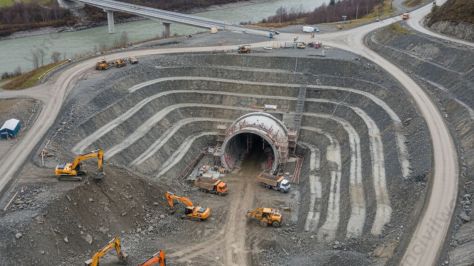
Aerial view of a tunnel construction site, showing excavation work and heavy machinery around a partially completed tunnel entrance.
An aerial view of a tunnel construction site, showcasing heavy machinery and excavated earth, illustrating the complexities of tunnel engineering.

Tunnel building can be done in a variety of ways, each needing specialised expertise and equipment. Bored tunnels with Tunnel Boring Machines (TBMs), sprayed concrete lined tunnels, tunnels built with explosives, and tunnels built by pipejacking, piperamming, or thrustboring are examples of these procedures.

Tunnel Construction Techniques

Tunnel Construction Techniques involve methods used to excavate and support tunnels safely and efficiently. These techniques are selected based on geology, tunnel size, and project requirements. They ensure stability, speed, and cost-effectiveness during construction while minimizing risks. Cut and Cover Method

  • Drill and Blast Method
  • Cut and Cover Method
  • Bored Tunnelling (TBM Method)
  • New Austrian Tunneling Method (NATM)
  • Immersed Tube Method
  • Sequential Excavation Method (SEM)
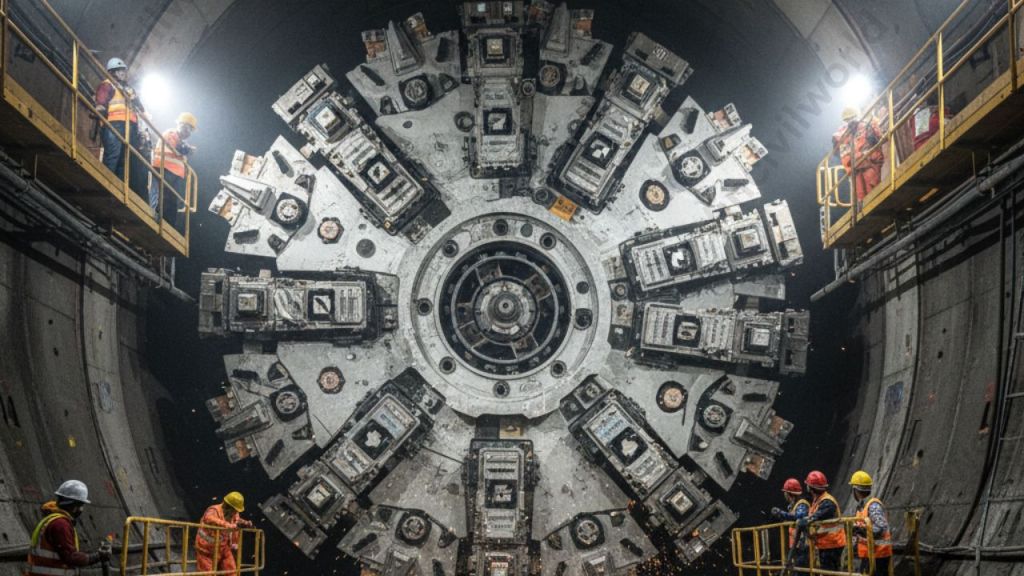
A tunnel boring machine operating in a large underground tunnel, with engineers overseeing the process from various platforms.
A tunnel boring machine (TBM) in action, showcasing advanced technology used in tunnel construction.

Advantages of Tunneling

When compared to other approaches, the tunnelling method has a few advantages, which are listed below: 

  • When the depth exceeds a certain limit, the tunnelling approach is more cost effective than the open cut trench method. 
  • When tunnelling takes place, there is no disruption to surface life or ground activities such as transportation. 
  • The approach provides high-speed building while consuming minimal power. 
  • Noise Pollution is Reduced 
  • In high-altitude settings, these approaches are devoid of snow and iceberg risks. 
  • Tunnels are subject to restrictions on surface and air interference. 
  • The provision of tunnels with gentle gradients aids in the reduction of hauling costs.
  • When it comes to public utility transit, tunnelling offers a significant advantage over bridges. 
  • When a dangerous open cut to a nearby structure is required, the tunnelling approach is used to solve the problem. 
  • In aerial warfare and bombing situations, the tunnelling provides more protection.
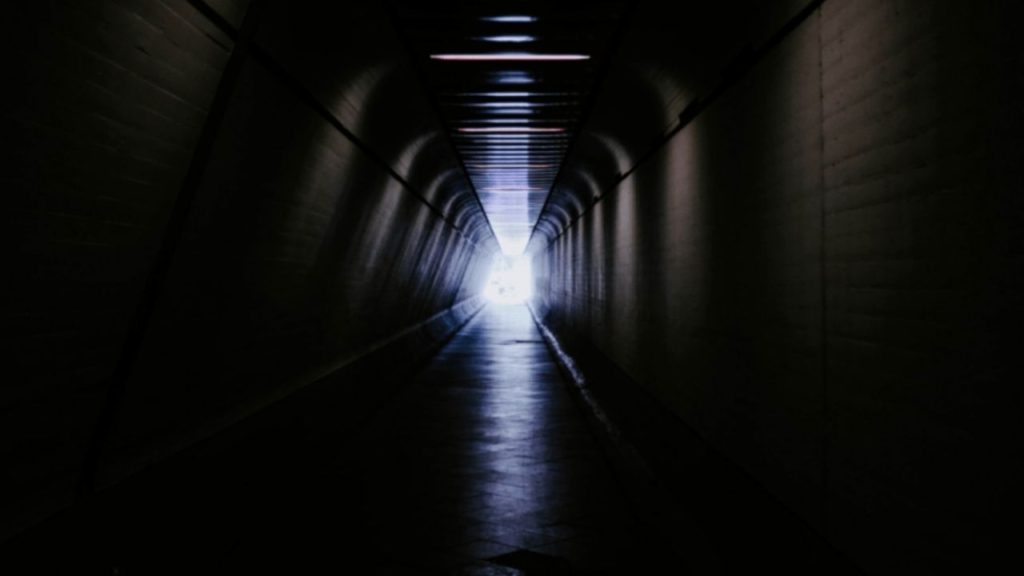
A perspective view of a long, dark tunnel with a bright light at the end, illustrating the concept of tunnel engineering.
A dimly lit tunnel leading towards a bright exit, symbolizing the journey through tunnel engineering from darkness to clarity.

How about the disadvantages? It’s waiting for you in the next section.

Tunneling Disadvantages

Because of its complexity and difficulty, the tunnelling approach has some drawbacks. Here are a few examples: 

  • When compared to the open cut method, the initial investment cost for starting the tunnel is significant. 
  • Only a team of highly competent and experienced designers and engineers will be able to complete this procedure. 
  • You need to maintain higher and continuous supervision from the beginning to the finish of the tunnelling project, with no compromises. 
  • Tunneling activities necessitate the use of very sophisticated and specialised equipment.

That’s it about tunnel engineering and the basics of tunneling. Do you have any more doubts regarding the topic? Let us know in the comments. 

Key Takeaways

  • Tunnel engineering is crucial for modern infrastructure, facilitating safe passage through various terrains.
  • The field combines aspects of civil, geological, and mining engineering and includes study modules on geology, excavation, and safety practices.
  • Tunnel engineers oversee the design and construction process, utilising various methods such as TBMs and explosives.
  • While tunneling is cost-effective for deep projects and reduces disruption, it also requires high initial investment and skilled supervision.
  • Understanding both the advantages and disadvantages of tunneling helps in making informed engineering decisions in tunnel engineering.

Conclusion

Tunnel Engineering plays a crucial role in shaping modern transportation and utility networks by enabling construction beneath mountains, cities, and waterways. Understanding the Tunnel Engineering Definition helps readers appreciate how this field blends geology, structural design, and safety planning. The Basics of Tunnel Engineering further highlight the importance of ground behavior, support systems, and proper excavation choices. Through well-organized Tunnel Engineering Study Modules, learners can explore each concept step by step and build strong technical competence. Additionally, familiarizing themselves with various Tunnel Construction Techniques allows engineers to select the most suitable method for each project. This Introduction to Tunnel Engineering concludes by emphasizing that mastering these core principles ensures the creation of durable, economical, and safe tunnels for future infrastructure needs.

Land Pollution Effects – Top 7 Effects Explained

Land pollution causes and effects are becoming a major global concern as they directly influence ecosystems, human health, and natural resources. The impacts of land pollution can be seen in declining soil fertility, loss of biodiversity, and contamination of water sources. Moreover, the soil contamination consequences of land pollution extend to food insecurity, habitat destruction, and long-term environmental instability. These effects of soil pollution are worsened by rapid industrialization, urban waste generation, and unsustainable land-use practices. As a result, the outcomes of land contamination now threaten the survival of humans and animals alike, disrupting ecological balance and reducing land productivity. The results of land degradation also lead to toxic exposure, reduced agricultural output, and weakened ecosystem resilience. Understanding these environmental effects of land pollution is essential for adopting better waste management, pollution control, and conservation measures to protect our land for future generations.

n the previous blog, we had seen an overview of the effects and causes of land pollution. In this blog, I will show you the effects of land pollution in detail and how it drastically affects the entire ecosystem and threatens the survival of our planet.

  1. Causes and effects of land pollution
    1. Soil contamination consequence
    2. Poisoning of groundwater
    3. Drinking-Water shortage
    4. Land pollution and human health
    5. Habitat Loss
    6. Air Pollution
    7. Negative Impact on Tourism Industry
  2. Conclusion

Causes and effects of land pollution

Land pollution is the degradation of the Earth’s land surface due to the accumulation of toxic substances harmful to both man and the ecosystem. The effects of land pollution don’t limit to soil pollution but have serious biological, ergonomic and economic consequences. Let’s have a look at the disastrous effects of land pollution.

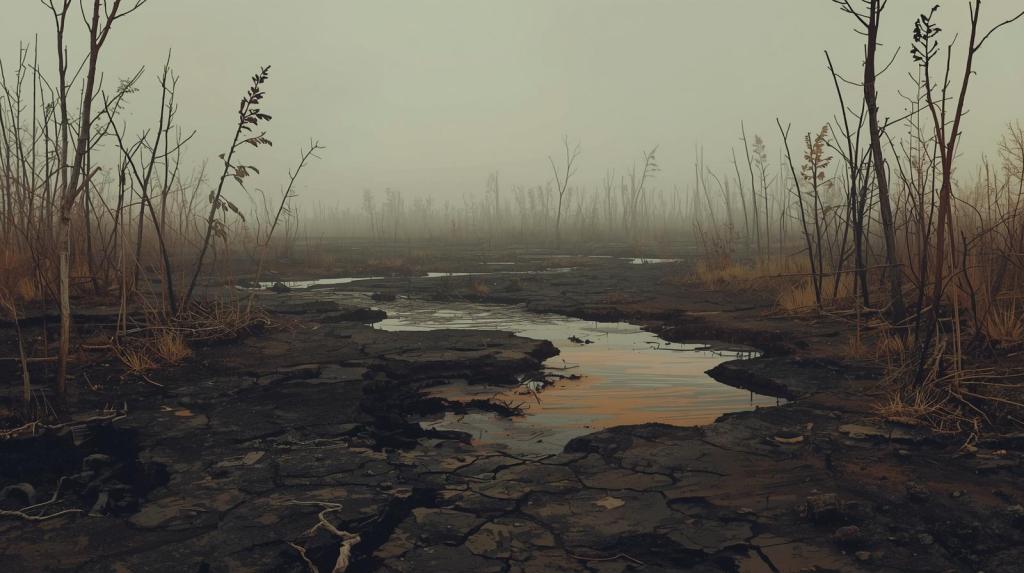
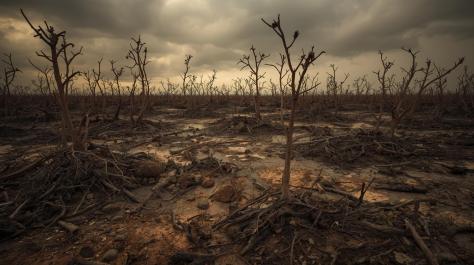
A desolate landscape showing barren ground with cracked earth and dead trees, shrouded in a misty atmosphere, indicating severe environmental degradation.
A barren landscape affected by land pollution, showcasing cracked earth and dead vegetation, emphasizing the severe consequences of soil degradation.

Soil contamination consequence

Soil contamination consequence is a major environmental concern that affects the health and productivity of land. It occurs when harmful chemicals or pollutants alter the natural nutrient balance of topsoil. The soil contamination consequence becomes severe when excessive chemical fertilisers, uncontrolled soil erosion, and aggressive pest control methods degrade soil quality. Over time, the soil contamination consequence leads to reduced agricultural productivity, loss of forest cover, and declining pasturelands. This degradation ultimately threatens food security, biodiversity, and long-term land sustainability.

According to the World Wildlife Fund, half of the world’s topsoil has been destroyed in the previous 150 years. For 2.5 millimetres of topsoil, the regeneration process takes at least 500 years. Now you can imagine the magnitude of the crisis that we are undergoing.

Desolate landscape showing dead trees and barren soil under a cloudy sky, illustrating the severe impacts of land pollution.
Devastated landscape illustrating the severe consequences of land pollution, highlighting barren soil and dead vegetation.

According to the United Nations’ Food and Agriculture Organization (FAO), excessive use of chemical fertilisers and pesticides destroys essential soil microbes. Destruction of these microbes results in diminishing biodiversity and has disastrous repercussions for soil health. Microorganisms are required for several processes that contribute to soil fertility, including:

  • Nutrient cycling, through which microbes convert nutrients into forms that crops can utilise.
  • Microorganisms degrade hazardous substances that are by-products of agrochemicals, thereby reducing soil contamination. If there aren’t any microbes in the soil, it can drastically reduce its fertility.

Also read: What are Water Pollutants? – Definition, Sources and Types

Poisoning of groundwater

When we inappropriately dispose of hazardous chemicals and other wastes on land or in illegal landfills, the chemicals may eventually seep into the groundwater system. This procedure is known as leaching. It can occur on farms, industrial sites, and landfills, posing a health risk to animals, plants, and humans.

A close-up view of a crack in the ground, through which bright blue liquid is visible, contrasting against the dark soil.
A close-up of polluted land showing toxic runoff seeping into the soil, highlighting the effects of land pollution.

Nutrient pollution, which arises due to farm runoff of chemical fertilisers is a subset of land pollution. The resulting nutrient enrichment of water bodies leads to eutrophication. When humans consume this contaminated water it leads to a variety of health issues. Even in little amounts, increased nitrate levels in water from fertiliser residues can be detrimental to newborns causing Blue Baby Syndrome.

The poisoning of groundwater which is a major source of drinking water for humans creates the worst consequence of land pollution, that is drinking water shortage. Let’s move on to it.

Drinking-Water shortage

Land pollution has the potential to spread in all directions, causing harm to the surrounding ecosystem. It can contaminate water and drastically impair its quality. Surface rainwater runoff carries chemicals and other harmful substances from landfills and solid wastes into rivers and makes the water unfit for human consumption.

Simultaneously, leaching occurs, allowing harmful metals and compounds to penetrate aquifers and water tables. Furthermore, contaminated water evaporates and condenses as precipitation along with the contaminants, perpetuating the pollution and aggravating the drinking water shortage.

Also read: Water Pollution – Effects and Causes

Land pollution and human health

Land pollution and human health are closely connected, as contaminated soil and waste exposure can lead to serious illnesses and long-term health risks. The effects of land pollution and human health include respiratory issues, skin diseases, neurological problems, and increased vulnerability to toxic chemicals in our environment.

Many parts of the world, particularly developing countries and slum areas, have massive amounts of rubbish piled up in the streets. This increases the contact of garbage with humans and the food we consume. These wastes contain hazardous chemicals, insecticides, and metals all of which are harmful to humans.

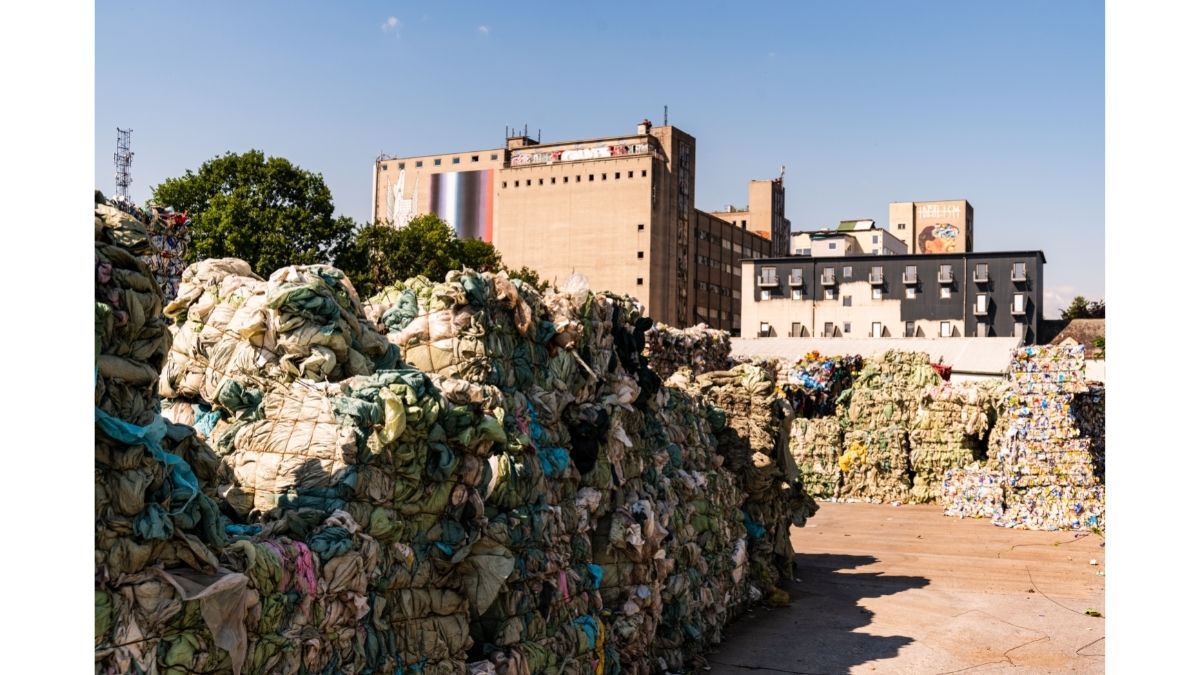
A large pile of compressed plastic waste and discarded materials in an industrial area, with buildings and greenery in the background.
Piles of plastic waste in a landfill, highlighting the serious issue of land pollution and its impact on the environment.

Plastic garbage contains chemicals like acrylic, polyvinyl chloride, polycarbonate, and phthalates. They have the potential to cause cancer, skin ailments, respiratory problems, and birth defects in pregnant people. Upon burning plastics in landfills, these chemicals escape into the air and pollute the air. In some other cases, they seep into water bodies. Ultimately, they reach the human body and damage the internal organs.

Chemical components contained in pharmaceuticals, pesticides and fertilisers, industrial wastes, such as cadmium, asbestos, mercury, cyanide, arsenic, and chromium, have severe impacts on human health. They are carcinogenic and can also cause lung, kidney, and liver damage.

According to a 2015 scientific study, “cancer villages” in China are connected to locations where farming takes place on land poisoned by the overuse of chemical pesticides and other heavy metals. Arsenic, asbestos, and dioxins are the main cause of cancer in Europe. Poisoning by lead and arsenic induce neurological damage and lower the IQ.

Habitat Loss

Wildlife creatures have suffered greatly in recent decades as a result of the continuous threats to their natural habitat and surroundings. Human commercial activities on land have gradually damaged and ruined the environment, forcing wildlife to migrate further away and adapt to new environments. As a result, some species have died while attempting to adapt, some have become extinct. And, others are on the verge of becoming extinct.

A deer stands on a grassy area with its back to the camera, while a littered landscape filled with plastic waste is visible in the background, highlighting the impact of land pollution on wildlife.
A deer stands amidst a backdrop of land pollution, highlighting the impact of habitat loss and environmental degradation on wildlife.

Air Pollution

Landfills and dump sites emit foul odours and stenches in the locations where they are located. Residents in cities and towns near large dump sites and landfill areas have reported excessive levels of a noxious odour. Aside from the unpleasant odour, landfills are constantly burning, contributing to air pollution.

Negative Impact on Tourism Industry

Landfills and abandoned waste disposal within cities generally create a negative picture of the population and the city’s governance. Landfills and garbage sites also degrade air quality and may pose a health risk to humans. As a result, it causes a city to lose its tourist appeal. This results in a loss of tourism revenue for the government.

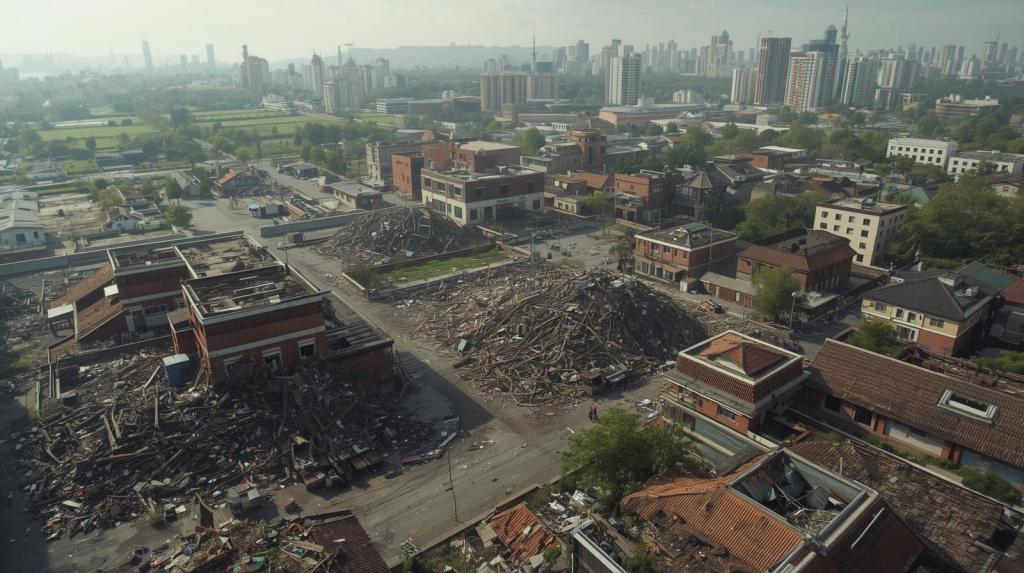
Aerial view of a devastated urban area with piles of debris and damaged buildings, surrounded by greenery and high-rise structures in the background.
Aerial view of a devastated urban area, highlighting the impact of land pollution and industrial waste accumulation.

Shall we wrap up?

Key Takeaways

  • Land pollution has severe effects on ecosystems, animal, and human health due to toxic substances and industrial activities.
  • Soil pollution reduces fertility and biodiversity, risking food production and disrupting essential microbial processes.
  • Contaminated groundwater poses health risks, particularly through leaching of hazardous chemicals and agricultural runoff.
  • Land pollution leads to water shortages, as harmful substances impair drinking water quality and availability.
  • Ultimately, land pollution harms tourism and habitats, damaging local economies and threatening wildlife survival.

Conclusion

Land pollution effects create long-term damage that is often irreversible, especially when chemical residues cause soil contamination consequences that spread through land degradation from pollution. Once hazardous compounds enter the ground, the effects of land pollution on soil and groundwater intensify, posing serious land pollution and human health risks. Because the causes and effects of land pollution are interconnected, prevention remains the most effective solution. Increasing recycling, reducing misuse of land, and improving waste handling can limit further soil contamination consequences. Community cleanups and environmentally responsible practices also help control land degradation from pollution. By acting early and consistently, we can reduce the effects of land pollution on soil and protect both ecosystems and human health.

Landfills – Causes, Operation and Life Cycle- Everything you should know

How a landfill works goes far beyond the old concept of a simple town dump; it is a complex, highly engineered feat designed to manage our waste responsibly. This comprehensive guide explores the intricate details of modern sanitary landfill design, created specifically to mitigate the potential negative environmental impact of landfills. We will walk through the entire timeline, from siting to closure, detailing the various landfill life cycle stages. Along the way, you will learn about critical operational elements, such as the crucial landfill leachate treatment process used to protect groundwater, and innovative sustainability efforts like converting methane through landfill gas to energy systems.

Landfills are a regular occurrence all over the world, owing to the rising volume of trash generated by our homes, schools, offices, hospitals, and markets. The rising number of landfills around the world is largely due to increased urbanisation and population growth rates.

As the world’s population and cities develop, so does the need for goods and commodities. Consequently, the amount of solid trash produced also increases. They eventually reach landfills. In this blog, let’s go on a trip to a landfill and understand its operation, lifecycle and impacts

What are Landfills and how it works ?

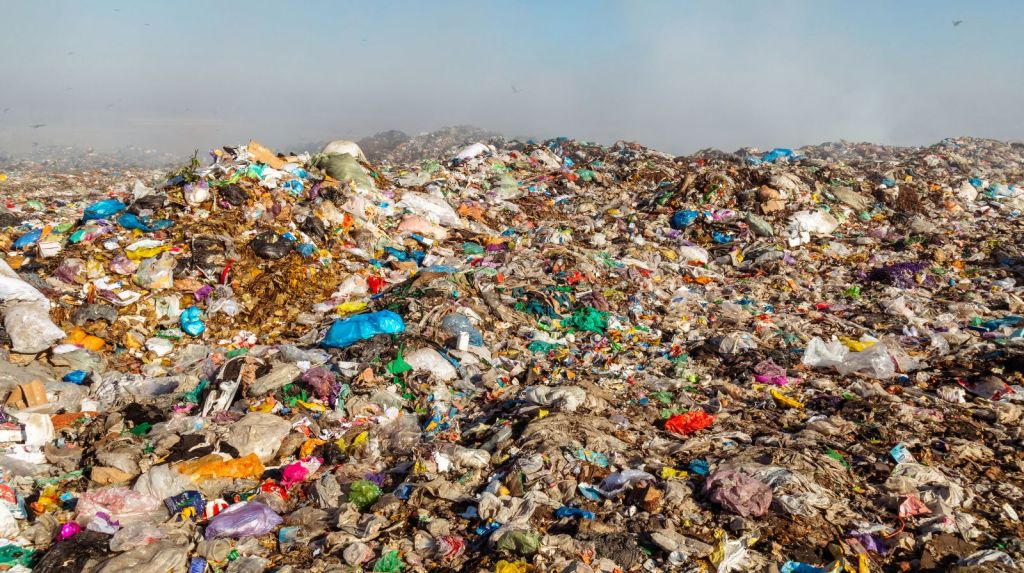
Landfills are places where we dispose of trash, garbage, and other solid wastes. They have traditionally been the most frequent method of disposing of solid garbage. In the landfills, the waste is either buried or piled in heaps. The garbage in these heaps is a combination of residential and commercial waste.

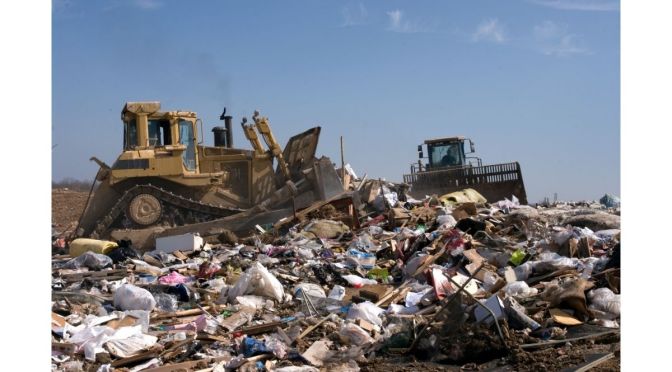
A sprawling landfill site filled with various types of waste, including plastic bags and debris, under a clear sky.
A view of a large landfill, showcasing heaps of waste including plastic and organic materials, representing the complexities of waste disposal.

Landfills commonly use either of the following techniques for waste disposal:

  • Landraising – This technique involves depositing trash directly on the ground.
  • Landfilling – This technique involves filling a hole in the ground with the rubbish.

Causes of Landfills

With the rise in land utilization and pollution, landfills also saw a rise in the number. Let’s see the causes of land pollution. Before jumping into the next section make sure that you go through 

Land Pollution Causes -Top 6 causes explained.

Solid Waste – Major landfill material

Wood, paper, plastic, broken furniture, glass, grounded cars, old electronic items, and hospital and market garbage are examples of solid waste materials. Because most of these waste materials are non-biodegradable, they heap in the landfills where they stay for years.

Agricultural Waste – Landfill material

Agricultural wastes comprise waste products such as animal dung, crop residue, and agricultural garbage. Solid wastes such as animal manure and other agricultural wastes are collected and disposed of in landfills.

Now, let’s try to understand how landfills operate.

Also read: What is Sewage? – Sources, Treatment and Quality Indicators

Landfills Operation

  • On arrival waste collection vehicles move to a scale or weighbridge to weigh their loads.
  • Workers inspect loads for wastes that do not meet the landfill’s waste-acceptance standards.
  • The garbage collecting vans next travel to the tipping face or working front and drop their contents.
  • Compactors or bulldozers redistribute and compact the garbage on the working face.
  • The vans may pass through a wheel-cleaning facility before leaving the landfill’s borders. If necessary, they return to the weighbridge without any load for re-weighing.

Modern Sanitary Landfill Design

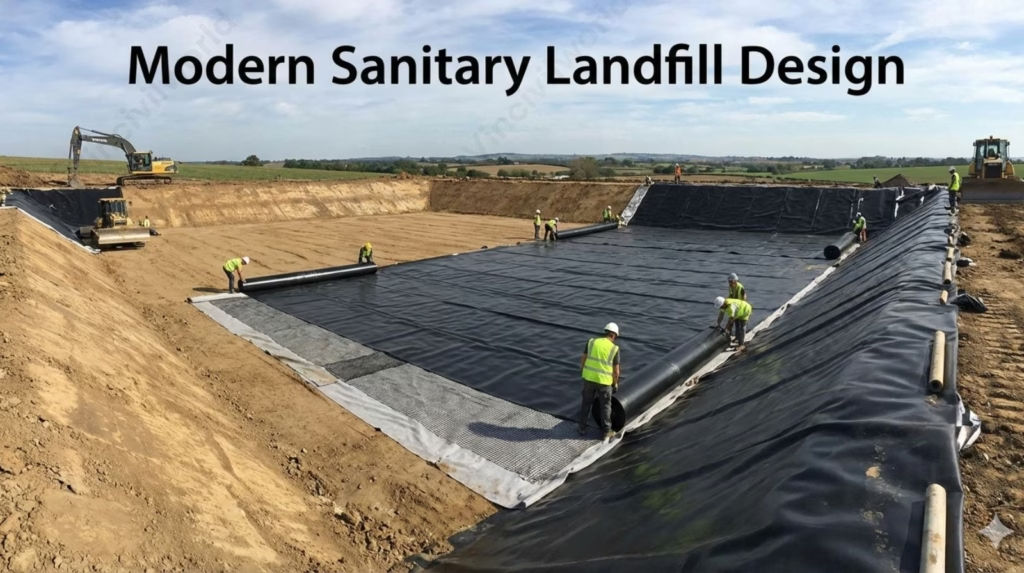
A modern sanitary landfill design constitutes a pit with a sealed bottom where rubbish is buried and compacted in layers to make it more solid. In sanitary landfills, waste decomposition is a complex process involving the sequential and/or simultaneous occurrence of a variety of chemical and biological reactions. These reactions result in the breakdown of the waste materials. The organic fractions of MSW break down quickly, resulting in landfill gases and liquids.

The amount of biodegradable organic matter present in the waste, the availability of moisture and nutrients required for biodegradation, and final landfill closure measures all influence the duration of individual phases, as well as the nature and quantity of various landfill gases generated during each phase.

Over the lifetime of a Modern Sanitary Landfill Design, five successive phases can be distinguished based on the formation of major landfill gases and physicochemical conditions. Let’s have a closer look at each of the Landfill Life Cycle Stages.

Landfill Life Cycle Stages

The progression of a modern waste facility is defined by distinct Landfill Life Cycle Stages. Moving through these Landfill Life Cycle Stages involves complex steps ranging from initial siting and active operation to final secure closure and decades of post-closure monitoring.

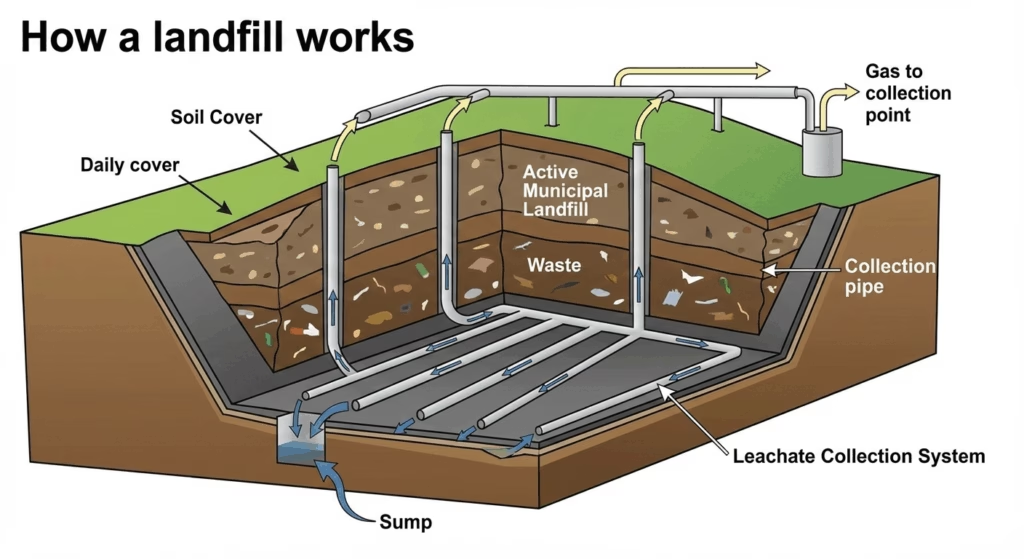
How a landfill works?
How a landfill works

Phase 1 – Initial adjustment of landfills

  • The first phase of a sanitary landfill’s life cycle.
  • During this phase, the organic constituents in municipal solid waste begin rapid microbial breakdown, typically under aerobic conditions shortly after disposal. This is one of the first steps in how a landfill works, where biodegradable materials are decomposed naturally, generating heat and initiating settlement. As oxygen depletes, the system gradually transitions into anaerobic decomposition, producing gases and leachate that must be properly managed for environmental safety.
  • This phase usually lasts a short time from the moment of waste dumping until around a week.
  • The oxygen-rich air trapped within the landfill promotes aerobic reactions.
  • Microorganisms are the primary agents in biodegradation. The soil that is utilised for daily cover serves as the primary source of microbes.
  • Sludge from wastewater treatment plants is sometimes recirculated. Leachate also serves as a source of the microbial population.

Phase 2 – Transition Phase of landfills

  • The landfill undergoes a transition from an aerobic to an anaerobic state in this phase.
  • Because of the high consumption of oxygen during Phase I, and its subsequent depletion, the situation is mainly anaerobic. The oxidation/reduction potential of the waste helps to track the change from aerobic to anaerobic conditions.
  • In the absence of oxygen, the terminal electron acceptors are nitrate and sulphate in the chemical reactions that occur. Hence the landfill gas consists mainly of nitrogen and hydrogen sulphide.
  • Due to the formation of organic acids and higher CO2 concentrations within the landfill, any leachate created during the transition period is often acidic.
  • The pH during this phase is normally between 6 and 7.
  • This phase can last between 1 to 6 months.
Modern design
Modern sanitary Landfill design and how it works ?

Phase 3 – Acid Formation Phase of landfills

  • In the acid formation phase, the biodegradable component of the solid waste begins to hydrolyze. As a result, there is a rapid accumulation of volatile fatty acids (VFAs) in the leachate.
  • The increasing organic acid concentration lowers the pH of the leachate from 7.5 to 5.6.
  • The leachate has the potential to dissolve many inorganic elements, including heavy metals, due to the decreased pH, making it very poisonous.
  • This phase lasts anything from 3 months to 3 years on average.
  • The further breakdown of intermediate chemicals, such as VFAs, generate a significant amount of chemical oxygen demand during this phase.
  • High VFA concentrations raise both the biochemical oxygen demand (BOD) and VOA levels. This triggers H2 generation by fermentative bacteria and promotes the growth of H2-oxidizing bacteria.
  • Acetic acid (C2H4O2), CO2, and hydrogen gas are produced from long-chain volatile organic acids (VOAs) towards the end of this phase.

Methane Fermentation in landfills – Phase 4

  • Methanogenic bacteria convert the intermediary products of the acid formation phase such as acetic, propionic, and butyric acids to CH4 and CO2.
  • As methanogens continue to digest the VFAs, the pH of the landfill water returns to neutrality.
  • The organic strength of the leachate, expressed in terms of COD, drops rapidly as the rate of CH4 and CO2 gas generation rises.
  • This is the most time-consuming part of the breakdown process. The typical duration of this phase is approximately 8 to 40 years,

Phase 5 – Final maturation and stabilization of landfills

  • This is the final stage of a sanitary landfill’s life cycle.
  • Once the microorganisms finish consuming easily biodegradable organic materials they begin digesting other difficult to biodegrade materials.
  • As the amount of available biodegradable organic matter considerably decreases during the maturation phase, the rate of landfill gas generation drops dramatically from prior phases.
  • This phase’s leachate frequently contains humic and fulvic acids. The main gases produced at this period are CH4 and CO2.

Environmental Impact of Landfills

Landfills all over the world have social, economic and environmental impacts. Below mentioned are a few of them:

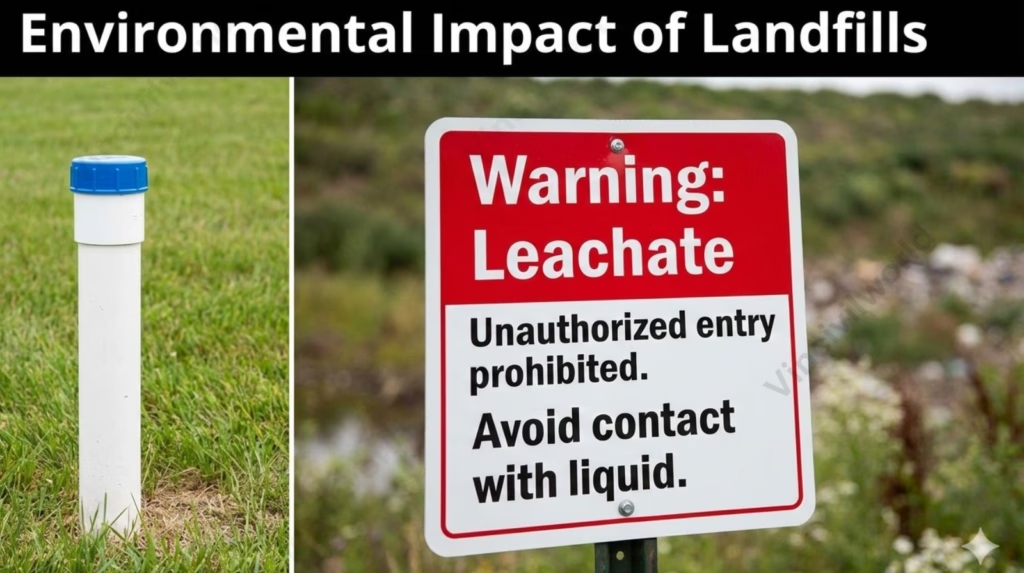
Environmental Impact of Landfills

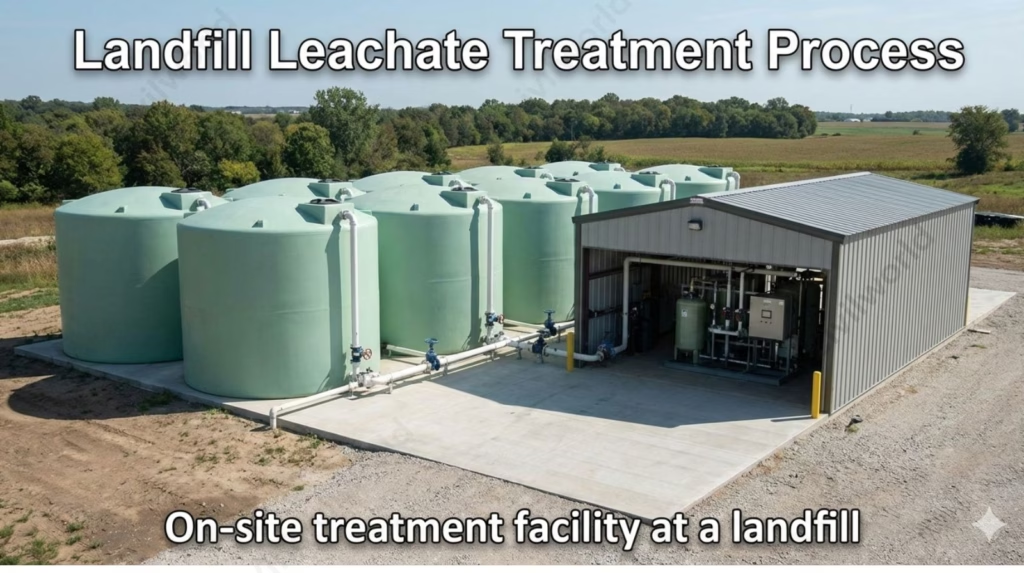
Landfill Leachate Treatment Process

When rain falls on open landfills, the water percolates through the waste, becoming contaminated with suspended and dissolved material. This process creates leachate, a primary driver of the negative environmental impact of landfills and a key part of how a landfill works. To mitigate this, all modern landfills use a combination of impermeable liners several metres thick, geologically stable sites, and collection systems to contain the toxic liquid. Most landfills use clay as the liner material, but geosynthetic membrane liners also find wide application in sanitary landfills.

Leachate Treatment Process
Landfill Leachate Treatment Process

Following collection, the leachate can be treated and evaporated. Once a landfill is full, authorities seal it to prevent precipitation intrusion and the development of new leachate. However, it is widely accepted that any landfill liner will eventually leak. This failure leads to the contamination of groundwater in the long run, representing a significant and lasting environmental impact of landfills.

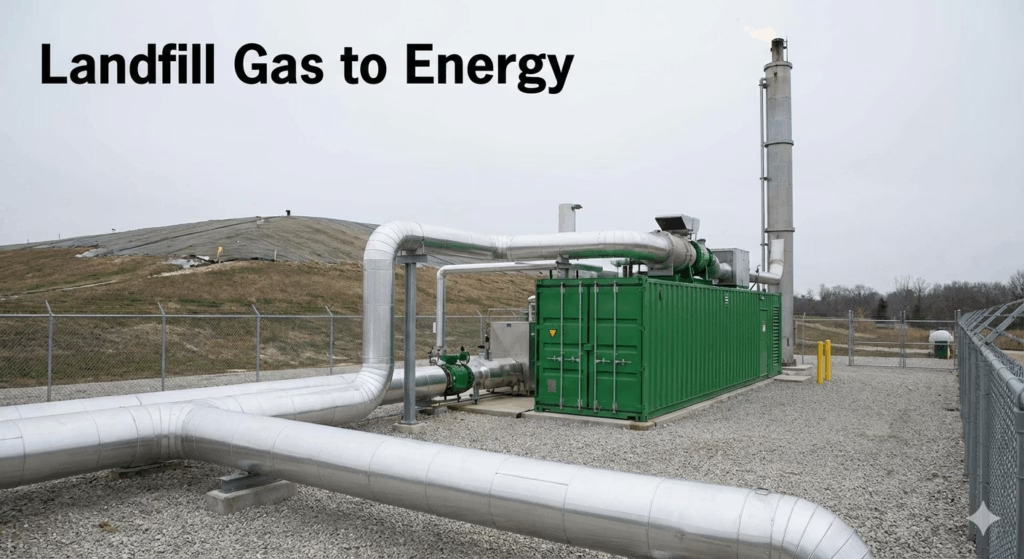
Landfill Gas to Energy

Within the complex structure of a modern landfill, the decomposition of organic waste, such as rotting food, is a continuous and dynamic process. This breakdown occurs through both aerobic (oxygen-using) and anaerobic (oxygen-absent) digestion simultaneously in different regions of the waste pile. The resulting gaseous mixture varies in constitution based on factors like the landfill’s age, moisture content, and specific waste types.

Gas to energy
Landfill gas to energy

On average, this gas is composed of roughly 50% methane (CH4) and slightly less than 50% carbon dioxide (CO2), alongside trace amounts of other gases like nitrogen and hydrogen sulphide. While CO2 is a concern, the high concentration of methane presents a unique opportunity because methane is a potent fuel source. Recognizing this potential, many modern facilities have shifted away from simply venting or flaring this gas. Instead, they implement landfill gas to energy initiatives. By actively capturing this methane, efficient landfill gas to energy systems convert what was once a waste byproduct into a valuable resource used to generate electricity or heat, significantly improving the site’s sustainability.

Vectors

Landfills serve as a breeding ground for mosquitoes, flies and rats. Because vectors such as rodents and flies can spread dangerous diseases, poorly managed landfills can become a nuisance. The application of daily cover can help to reduce the occurrence of such vectors.

Key Takeaways

  • Modern landfills are complex systems designed to manage waste and mitigate environmental impact, unlike traditional dumps.
  • Landfills operate through various stages, including waste weighing, inspection, and compacting processes.
  • The landfill life cycle consists of five phases, from initial adjustment to final maturation, each affecting gas generation and leachate composition.
  • Landfill leachate can contaminate groundwater, making its management crucial for environmental safety.
  • Landfill gases, primarily methane and carbon dioxide, are produced during waste decomposition and can be harnessed for energy.

Conclusion

Understanding precisely how a landfill works today requires recognizing them as complex, engineered facilities. When properly planned and managed using modern sanitary landfill design, they remain the most cost-effective method for disposing of municipal solid waste. Adhering to strict standards throughout all landfill life cycle stages—from site selection to daily operation—is essential to ensure a safe facility and minimize the negative environmental impact of landfills. This includes implementing a rigorous landfill leachate treatment process to prevent groundwater pollution. Furthermore, advanced facilities now capture methane emissions through landfill gas to energy systems, turning a potential greenhouse gas hazard into a useful power source.

In case of any queries feel free to ask in the comments section. Happy Learning.

Wind Energy: Definition, Advantages, and Future

Wind energy is one of the most promising sources of renewable power, harnessing the natural movement of air to generate clean electricity. As a renewable source, wind energy reduces dependence on fossil fuels and helps combat climate change. It works through wind turbine power generation, where large blades capture kinetic energy and convert it into electrical power. Understanding how wind energy works reveals its efficiency and growing role in modern energy systems. While there are wind energy advantages and disadvantages, its benefits—such as sustainability and low operating costs—far outweigh its limitations. Today, wind energy applications extend from powering homes and industries to supporting national grids, making it a cornerstone of the global transition toward sustainable energy and a cleaner future for generations to come.

Wind Energy is one of the booming clean energy technologies. According to IRENA’s latest data, global installed wind-generation capacity onshore and offshore has expanded by about 75 times in the last two decades, from 7.5 gigawatts (GW) in 1997 to 564 GW in 2018.

Ever wondered how those massive rotating turbines powered up an entire locality? Join me on this journey to a wind farm exploring the wind turbines, their working, advantages and disadvantages. Let’s get started

  1. How does wind energy work ?
  2. Wind turbine power generation
  3. Equation for Wind Power
    1. Density of Air
    2. The swept area of the turbine
  4. Wind energy advantages and disadvantages
    1. Wind Energy Advantages
      1. Free Fuel
      2. Clean source of energy
      3. Doesn’t Affect Farming Operations
      4. Reduces our dependence on fossil fuels
    2. Wind Energy Disadvantages
      1. Harms wildlife
      2. Noisy
      3. Expensive Initial Investment
      4. Unreliable and Unpredictable
  5. Wind Energy Applications
    1. List of Wind Energy Applications
  6. Wind Energy Future
  7. Conclusion

How does wind energy work ?

Wind energy works by using wind turbines to convert wind power into mechanical energy. This energy is then transformed into electricity through a generator. The process produces clean and renewable wind energy. Wind energy or wind power refers to the process of using the wind to generate mechanical or electrical power. This mechanical energy can be employed for specialized purposes such as pumping water or it can be converted to electricity using a generator.

Graphic illustrating wind turbine power generation with labeled components, showcasing the conversion of wind into clean electricity.
Illustration of wind turbine power generation, showcasing how wind is converted into clean electricity.

A wind farm is a collection of wind turbines that are all located in the same area. A huge wind farm can include hundreds of separate wind turbines spread out over a vast region. The Gansu Wind Farm is the world’s largest wind farm. We can utilize the land between the turbines for farming or other activities. In a fully established wind farm, we place a distance of 7D (7 times the rotor diameter of the wind turbine) between each turbine.

Individual turbines in a wind farm are linked by a medium-voltage power gathering system and a communication network. This medium-voltage electric current is boosted in voltage by a transformer at a substation before being connected to a high-voltage electric power transmission system.

Let’s understand how wind energy works and the working of a wind turbine.

Wind turbine power generation

Wind turbine power generation converts natural wind energy into clean electricity using advanced wind turbines. This process harnesses the kinetic force of the wind, making wind turbine power generation a reliable, sustainable, and eco-friendly solution for renewable energy production worldwide.

The aerodynamic force from the rotor blades, which act similarly to an aeroplane wing or helicopter rotor blade, converts wind energy into electricity in a wind turbine. The air pressure on one side of the blade lowers when the wind blows across it. This difference in air pressure across the two sides of the blade generates lift and drag.

A row of wind turbines standing tall in a clear blue sky, capturing wind energy in a vast open landscape.
A wind farm featuring multiple turbines against a clear blue sky, demonstrating the renewable energy potential of wind power.

The lift force is greater than the drag force, causing the rotor to spin. The rotor is connected to the generator directly or through a shaft and a series of gears that speeds up the rotation. The conversion of aerodynamic force to the generator’s rotation generates power.

Equation for Wind Power

The power that a wind turbine generates, P = 0.5 DAV3

where D = Density of the air

V = Wind Speed

A = Swept area of the turbine

Let me explain in detail how each parameter affects wind power.

Wind Speed
The quantity of energy in the wind is proportional to the cube of the wind speed. For example, if the wind speed doubles, the energy in the wind increases by eight times. Hence we can understand that wind speed fluctuations have a significant impact on the quantity of power available in the wind.

Density of Air

The denser the air, the greater the energy the turbine receives from the wind. The density of the air changes with altitude and temperature. Higher elevations have less dense air than sea level, while warm air has less density than cold air. Turbines will produce greater power at lower elevations and in areas with cooler average temperatures, assuming all other factors are equal.

The swept area of the turbine

The larger the swept area, the more wind power the turbine can capture. The swept area is the region through which the rotor rotates. The swept area (A= pi*r2) is proportional to the square of the radius of the rotor. A slight increase in the length of the blade results in a greater increase in the power available to the turbine.

Wind energy advantages and disadvantages

Wind energy advantages and disadvantages highlight both the benefits and challenges of this renewable source. Among key wind energy advantages are sustainability, low operating costs, and zero emissions. However, wind energy disadvantages include noise, visual impact, and dependency on weather conditions. Understanding wind energy advantages and disadvantages helps balance efficiency with environmental and social considerations.

Wind Energy Advantages

Wind energy is a cost-effective choice for many places of the world because it does not require direct sunshine exposure like solar energy. It offers several advantages such as:

Free Fuel

There is no need for extra fuel since wind turbines run only on the power supplied by the wind. After mounting a turbine it does not need to be fueled or connected to power to continue working. This lowers the overall cost of maintaining large-scale wind farms.

Clean source of energy

Wind energy does not contribute to global warming and climate change by producing greenhouse gases during energy generation. It does not rely on fossil fuels to power the turbines. Wind energy only emits greenhouse gases indirectly during the production and transportation of wind turbines, as well as during the installation process. In the long term, this amounts to very low emissions.

Doesn’t Affect Farming Operations

Wind turbines can be built on pre-existing farmland. Energy providers can pay farm owners to build wind farms on their land through contracts or leases. As wind turbine footprints take up very little ground space, it won’t interfere with the farm’s produce. Offshore windfarms helps in saving space.

Aerial view of a wind farm with multiple offshore wind turbines standing in a body of water, illuminated by the soft glow of a sunset.
Aerial view of an offshore wind farm, showcasing the tall turbines harnessing wind energy for clean electricity generation.

Reduces our dependence on fossil fuels

Energy from fossil fuel not only contributes to climate change, but it will also run out one day. There is an unlimited supply of wind as long as the sun heats the planet.

Wind Energy Disadvantages

Although wind energy is a renewable and environmentally friendly source of energy, it still has drawbacks and limitations.

Harms wildlife

Wind turbines can harm wildlife. The blades of wind turbines can harm or kill the flying birds and bats that come into contact with the blades. Aside from wildlife that soars through the air, noise pollution from spinning blades may have an impact on animals on the ground.

Noisy

Since wind turbines can be rather noisy, we can mount them only in remote places where few people dwell. Noise isn’t a concern in the case of offshore turbines. As technology advances, we have newer designs that lessen noise issues and offer a much quieter presence.

Expensive Initial Investment

Wind turbines are gigantic structures that are often hundreds of feet tall and demand significant initial investment. The installation of wind turbines in rural areas necessitates additional investment in underground lines to transport power to more populated areas such as towns and cities.

Unreliable and Unpredictable

Wind energy is subject to intermittency, which is a disturbance due to the wind’s inconsistency. Since wind can blow at different speeds, it’s difficult to anticipate how much energy it can deliver at any particular time. This means that suppliers and towns must have an energy reserve or alternate sources of power. This is in the event that the winds stop blowing for an extended period of time.

Wind Energy Applications

Wind energy applications span across multiple sectors, offering clean, renewable power for homes, industries, and utilities. From electricity generation and water pumping to hybrid power systems, wind energy applications reduce carbon emissions, enhance sustainability, and support energy independence across both rural and urban environments worldwide.

List of Wind Energy Applications

  1. Electricity Generation: Powering homes, businesses, and grids through wind farms.
  2. Water Pumping: Common in agricultural and remote areas for irrigation and livestock.
  3. Hybrid Energy Systems: Combined with solar or diesel generators for continuous power supply.
  4. Desalination Plants: Used to power systems that convert seawater to freshwater.
  5. Battery Charging Stations: Especially in off-grid or mobile setups.
  6. Telecommunication Towers: Ensuring consistent energy in remote regions.
  7. Street Lighting: Sustainable lighting using small wind turbines.
  8. Heating and Cooling: Supplying electricity for energy-efficient HVAC systems.
  9. Industrial Power: Supporting green manufacturing processes and reducing fossil fuel dependence.

Wind Energy Future

Wind energy can assist in the production of green hydrogen and green ammonia which are future fuels. This will hasten our rate of energy transformation and reduce the necessity for large-scale, high-cost oil exports.

When we combine all benefits of wind energy and solar energy, we are on our way to realising the full potential of renewable energy through wind-solar hybrid projects. These initiatives will boost efficiency while also ensuring power continuity and consistency. Check out our blog Solar Energy- Definition, Advantages and Future to know more about solar energy.

Shall we wrap up?

Key Takeaways

  • Wind Energy is a promising renewable power source that converts the kinetic energy of wind into electricity.
  • Wind turbines capture wind energy, generating mechanical energy that transforms into electricity via a generator.
  • While Wind Energy offers advantages like sustainability and low operating costs, it also has disadvantages such as noise and wildlife impact.
  • Global wind generation capacity has significantly increased, highlighting its expanding role in clean energy solutions.
  • The future of Wind Energy includes contributions to green hydrogen and solar hybrid projects, enhancing efficiency and reducing fossil fuel dependence.

Conclusion

Wind energy is generated by the natural movement of air caused by the uneven heating of Earth’s surface by solar radiation, making it an indirect form of solar energy. By harnessing wind energy power generation, we can produce clean, renewable electricity without releasing harmful emissions. The advantages of wind energy include sustainability, cost-effectiveness, and minimal environmental impact, while the disadvantages of wind energy mainly involve noise and intermittency. However, with advanced wind energy technology and innovative wind energy applications, these challenges are rapidly being overcome. By adopting wind energy systems alone or alongside solar power, we can reduce our dependence on fossil fuels and move toward a greener, self-sustaining energy future for all.

Happy Learning.

Types of Glass: A Comprehensive Guide

Types of glass play a crucial role in architecture, design, and engineering, offering diverse solutions for strength, safety, and aesthetics. Understanding the different types of glass helps professionals choose materials that balance beauty and functionality. From transparent facades to energy-efficient windows, each type serves a unique purpose. The glass types and uses vary widely—some provide insulation and noise reduction, while others enhance security or design appeal. Common types of glass used in buildings include float, laminated, tempered, and tinted glass, each engineered for specific conditions. Meanwhile, the types of glass materials used in manufacturing and construction are evolving with technology. The types of safety glass ensure protection against impact and breakage.
In this article, we will discuss the main types of glass. We will explore their characteristics and applications. The benefits of these glass types span modern architectural and industrial uses.

The flexibility of usage of glass in architectural applications like doors, windows, facades, etc. makes it one of the popularly used products in the construction sector. This article is about the manufacturing process of glass, and major glass types used in construction and architecture applications.

  1. Manufacturing process and properties
  2. Different types of glass and uses
  3. Types of glass used in buildings
    1. Annealed
      1. Applications
    2. Clear /Float glass
    3. Tinted
    4. Frosted
  4. Types of safety glass
    1. Heat Strengthened glass
    2. Toughened glass
      1. Advantages
  5. Conclusion

Manufacturing process and properties

Glass manufacturing follows the fusion process method which involves fusing sand with grounded lime, soda, and other admixtures etc., and cooled to form glass. Glasses are transparent, translucent, or brittle. Following are the basic properties of glass that make it one of the most preferred and popular architectural choices.

  • Transparency: Glass is transparent from both sides or one side.
  • Strength of glass: Enhanced to any level by adding admixtures and laminates.
  • Workability of glass: Glass is flexible and possible to mold to any shape or even blown in the molten stage.
  • Transmittance end U value: Can control temperatures and extreme climatic conditions.
  • Glass is 100% recyclable
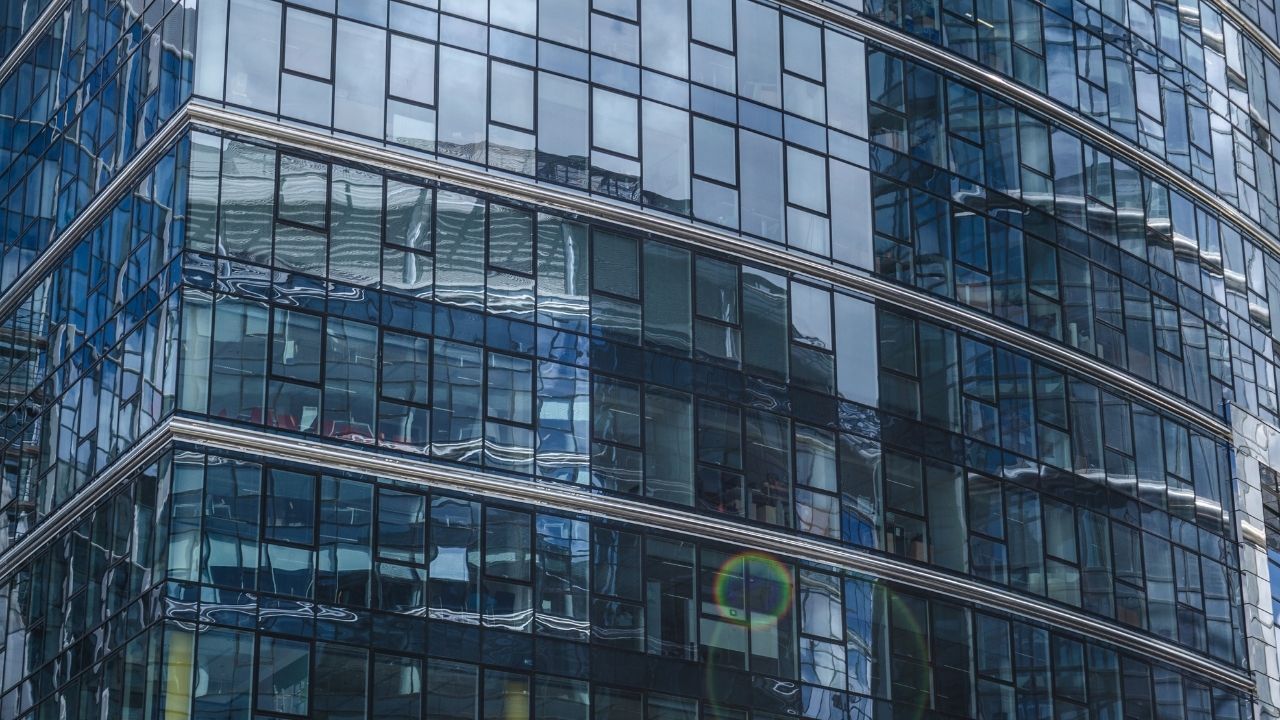
Close-up view of a modern building facade featuring large reflective glass windows with varying designs and textures.
Modern glass facade highlighting the aesthetic and functional aspects of architectural design.

Different types of glass and uses

There are mainly three types of glass

  • Annealed glass
  • Heat-strengthened glass
  • Toughened glass.

Types of glass used in buildings

Types of glass used in buildings play a vital role in aesthetics, safety, and energy efficiency. They offer versatile options for modern architecture and sustainable construction solutions. The types of glass are as follows.

Annealed

Annealed glass is popularly known as float glass or conventional glass. Ingredients like sand, grounded lime, admixtures are mixed and cooled for manufacturing annealed glass. Float glass has a perfectly flat, brilliant surface with optical clarity.
Different types of float glasses popularly used in the construction sector are as follows.

Applications

  • Annealed glass uses include application as table-tops. They infuse your room with an elegant and spacious look.
  • Used for external facades due to crystal clear vision.  It can provide you with natural daylight and improve ventilation
  • Used for external walls and can absorb 30-45% of the sun’s heat to enable greater comfort.
  • Doors, windows and shower screens

Clear /Float glass

Clear glass is a clear and transparent annealed glass. They got a natural greenish color. Clear glass is extensively used for architectural applications involving doors, windows, solar applications, shelves, etc. Other glass types use clear glass in their manufacturing process.

Tinted

Tinted glass is manufactured by adding small amounts of metal oxide to the glass ingredients. These ingredients regulate the transmission of solar energy and modify the color without changing the basic properties of the glass.

Frosted

Frosted glass is a translucent annealed glass type manufactured using sandblasting or acid etching techniques. This gives a pitted and rough surface with foggy appearance.

Types of safety glass

Types of safety glass are essential for modern structures, providing strength, protection, and durability. These types of safety glass enhance building safety while maintaining clarity and design flexibility.

Heat Strengthened glass

Heat strengthened glass follows heating of annealed glass to a temperature of around 650-700 degree. The cooling process is much slower than the process used in the manufacturing process of tempered/toughened glass.

Heat-strengthened glass is a semi-tempered glass. It retains the normal properties of ordinary float glass. Heat strengthening adds strength to the glass by inducing surface compression and limiting the breakage chances. For heat strengthened glass the compression induced is in the range of 6000 to 9000 psi. However compression induced is around 11000 to 20000 psi in the case of fully tempered/toughened glasses.

  • Heat strengthened glass provides necessary resistance to heat build up during external applications.
  • Heat-strengthened glass differs from tempered glass in surface compression and possess mechanical strength of about 1.6-2 times that of annealed glass.
  • These glass got excellent thermal stability, whereas its flatness and light transmission is equal to that of annealed glass and much better than that of tempered glass.
  • Three times more resistant to thermal stress in comparison to normal annealed glass.
  • It can withstand temperature difference of 100°C (in range of 50°C to 150°C) when compared to ordinary annealed glass which can withstand up to 40°C.
  • Heat strengthened glass is less susceptible to spontaneous breakage.

Toughened glass

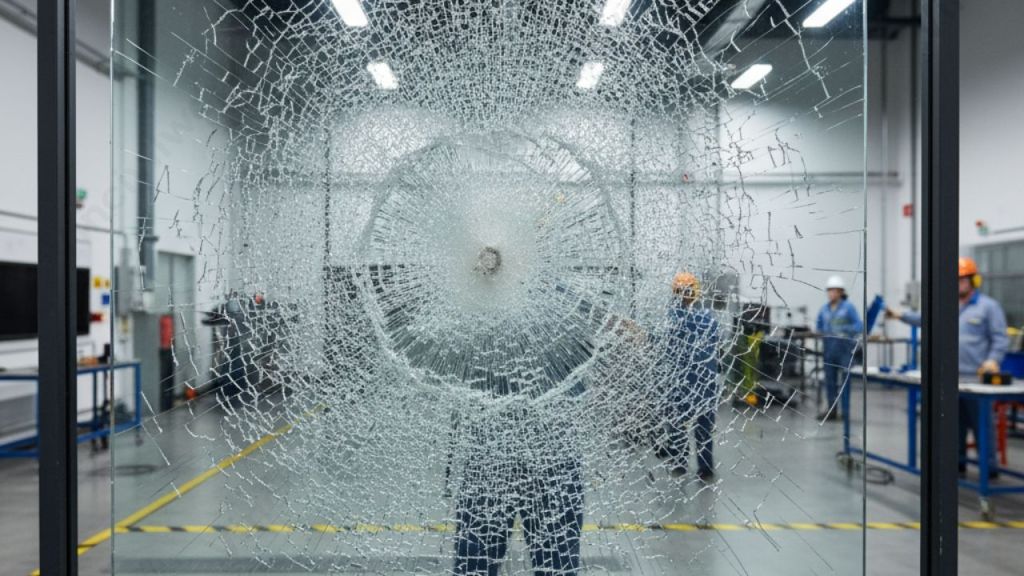
Tempered or toughened glass is a type of safety glass processed by controlled thermal or chemical treatments to increase its strength compared with normal glass. Tempering puts the outer surfaces into compression and the interior into tension. Such stresses cause the glass, when broken, to shatter into small granular chunks instead of splintering into jagged shards as ordinary annealed glass does. The granular chunks are less likely to cause injury.

Close-up of a fractured glass panel with a spiderweb pattern of cracks, indicating high impact, in a modern industrial setting.
A close-up of toughened safety glass displaying a spider web pattern due to stress and impact testing, showcasing its durability.

Toughening does not alter the basic characteristics of normal glass like light transmission and solar radiant heat. They possesses high thermal strength, and can withstand high temperature changes up to 250°C.

Close-up of shattered glass displaying a complex pattern of cracks.
Close-up of shattered glass illustrating the safety concerns addressed by toughened glass in construction.

Advantages

Let us have a look into the advantages of toughened glass that makes its superior to ordinary glass.

  • Strength and safety : Toughened glass is extremely strong and can counter any temperatures and climatic changes and are less likely to break.
  • Scratch proof : Toughened glass is scratch proof and capable of maintaining the sheen and elegance of structures for years.
  • Heat resistance : Normal glass may crack in high temperatures where as the toughened glass manufacturing process involves heat tempering and hence capable of resisting high temperatures.
  • Design flexibility : Toughened glass got several design options like frosted, translucent, coloured, laminated options.

Key Takeaways

  • Types of Glass significantly impact architecture and design by offering diverse solutions for strength, safety, and aesthetics.
  • The main types of glass include annealed, heat-strengthened, and toughened glass, each with unique properties.
  • Manufacturing glass involves fusing materials like sand and lime, resulting in transparent, strong, and recyclable products.
  • Annealed glass is suitable for applications like windows and facades, while toughened glass enhances safety and durability in modern structures.
  • Heat-strengthened glass provides extra thermal resistance and is less prone to spontaneous breakage compared to ordinary glass.

Conclusion

In conclusion, the various types of safety glass play a vital role in ensuring both safety and style in modern construction. Whether it’s tempered glass, laminated glass, or toughened glass, each type provides unique benefits. These include strength, impact resistance, and protection against breakage. These types of safety glass used in buildings not only enhance structural safety but also contribute to energy efficiency, sound insulation, and visual appeal. From skyscrapers and commercial spaces to homes and facades, safety glass applications continue to expand. By understanding the types of glass available and their specific properties, architects and builders can choose the most effective solutions for durability, performance, and design excellence in today’s evolving construction landscape.

Updates in civil engineering, architecture finishes, building construction, Environmental Engineering