
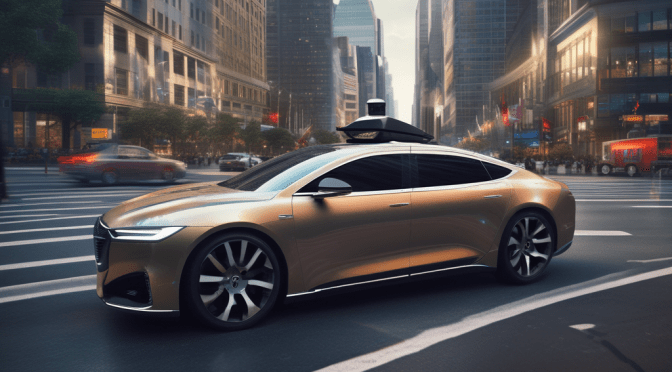
Self-driving cars, also known as autonomous vehicles (AVs), are revolutionizing transportation by operating without human intervention. They rely on sensors, cameras, AI, and sophisticated algorithms to navigate roads independently. Therefore, these vehicles promise safer travels, reduced traffic congestion, and improved accessibility for all.
In this blog, we’ll explore the fascinating world of self-driving cars. We’ll trace their evolution and dive into the technologies that make autonomous driving possible. The Society of Automotive Engineers (SAE) defines six levels of driving autonomy. Each level represents a progression in the vehicle’s ability to operate autonomously and manage driving tasks. You’ll discover how sensors, AI systems, and connectivity solutions are driving innovation in this field. We’ll also delve into the challenges, ethical considerations, leading companies, real-world applications, societal impacts, recent advancements. We’ll explore the future directions of self-driving cars as well. Join us on this journey into the future of transportation!
- Introduction to Vehicle Automation
- What are self driving cars?
- How do self driving cars work?
- Applications of Self driving cars / vehicles
- What are the challenges with self driving cars?
- Benefits of self driving cars
- Future of self driving cars
- Conclusion
Introduction to Vehicle Automation
Vehicle automation includes technologies that let vehicles do tasks usually done by human drivers, such as steering, accelerating, and braking. These technologies also allow vehicles to make decisions on their own. This aims to make transportation safer, more efficient, and more convenient. By reducing human errors, automation can help decrease accidents. It also improves traffic flow, which is very important in busy cities like those in India where traffic congestion is a big issue.
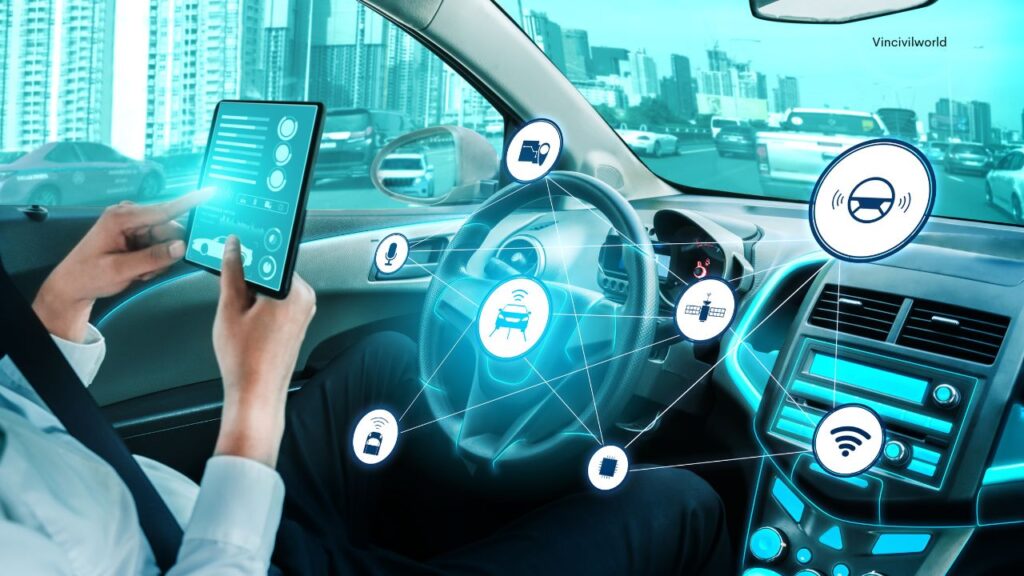
The development of automated technologies in vehicles has been slow but steady. It began with basic systems like cruise control, which keeps a constant speed without the driver always adjusting it. Advances in sensors, computers, and artificial intelligence have enabled vehicles to automatically adjust speed and stay in their lanes. These technological advancements are paving the way for more advanced features. Eventually, they will lead to fully self-driving cars that can navigate complex roads on their own.
What are self driving cars?
A self-driving car is designed to operate like a conventional vehicle, capable of performing all tasks typically handled by a human driver. According to the Society of Automotive Engineers (SAE), there are six levels of driving automation. These levels of autonomy range from Level 0, where the vehicle has no automation and requires full human control. Level 5 represents fully autonomous cars that can operate without any human intervention. Each level shows a step forward in how well the vehicle can control itself. It also indicates how it can handle different driving situations and interact with its surroundings on its own.
Let me walk you through the working, benefits, and challenges of autonomous cars.
How do self driving cars work?
Self-driving cars use sensors to detect their surroundings and actuators to control their movement. They rely on complex algorithms to make decisions based on the sensor data. Machine learning helps improve these decisions over time. Powerful processors handle large amounts of data quickly to ensure safe navigation.
To drive on their own, autonomous vehicles use:
Sensors in self driving cars
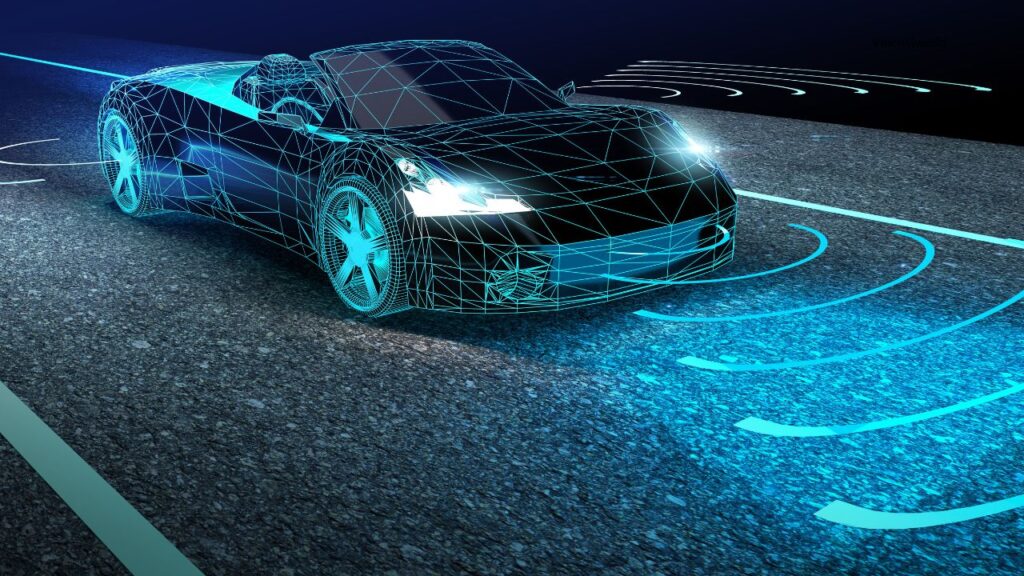
Sensors in self-driving cars detect and interpret their surroundings effectively. They utilize technologies such as radar, cameras, and lidar to sense nearby vehicles, pedestrians, road markings, and traffic signals. These sensors continually gather data, thereby creating a detailed map of the car’s environment. This capability enables the vehicle to navigate safely and make informed decisions based on real-time information.
Actuators of self driving cars
Actuators are parts that turn the car’s control system decisions into actions. In self-driving cars, actuators control steering, acceleration, and braking. They get instructions from the car’s computer, which processes sensor data. Actuators make sure the car responds correctly to its surroundings, keeping it safe and efficient on the road.
Complex algorithms
Self-driving cars make decisions using complex algorithms. These algorithms analyze data from sensors to understand the environment and make real-time decisions. They consider road conditions, traffic patterns, and obstacles. Advanced algorithms use machine learning to improve decision-making based on past experiences and data.
Machine-learning systems
Machine-learning systems in self-driving cars help them get better over time. These systems use algorithms that learn from data and experience without needing to be explicitly programmed. They analyze large amounts of sensor data to find patterns, predict outcomes, and improve driving behavior. Machine learning helps self-driving cars adapt to different driving conditions and situations, making them safer and more efficient.
Powerful processors
Self-driving cars use powerful processors to handle the large amount of data from sensors and algorithms. These processors quickly perform calculations and make decisions in real-time. They combine data from different sensors, run complex algorithms, and send commands to actuators quickly and accurately. This allows for safe and reliable autonomous driving.
Applications of Self driving cars / vehicles
Here’s a look at how self-driving and automated technologies are used in different industries and applications:
Transportation
Autonomous vehicles are revolutionizing personal transport with self-driving cars and public transportation systems. Freight transportation is also benefiting from automated trucks that enhance efficiency and safety in logistics.
Logistics
Self-driving trucks and drones are transforming logistics by enabling precise and efficient delivery of goods. Automated warehouses are using robotics to optimize inventory management and order fulfillment processes.
Delivery Services
Autonomous vehicles and drones are being integrated into delivery services to provide faster and more accurate deliveries, reducing costs and improving customer satisfaction.
Personal Mobility
Urban areas are adopting autonomous taxis and ride-sharing services, offering convenient and cost-effective transportation options for residents and visitors alike.
Agriculture
Autonomous vehicles are revolutionizing agriculture with precision farming techniques, automated planting, monitoring, and harvesting processes that optimize crop yields and reduce labor costs.
Healthcare
Autonomous robots are being utilized in healthcare for tasks such as patient care, logistics within hospitals, and delivery of medical supplies, enhancing efficiency and reducing human error.
Public Safety
Autonomous surveillance systems and emergency response vehicles are enhancing public safety by providing real-time monitoring, rapid response capabilities, and improved disaster management.
These advancements highlight the diverse applications and significant impacts of autonomous technologies across various sectors.
What are the challenges with self driving cars?
Fully autonomous (Level 5) vehicles are being tested in various locations around the world, but none are yet open to the general public. We’re still a long way from getting there. The challenges range in nature from technical to legislative to environmental and philosophical. Listed below are a few of the unknowns.
Lidar Interference
Lidar systems emit laser pulses to detect objects and measure distances. Consequently, if multiple autonomous vehicles equipped with lidar share the same lane, there’s a potential for interference between their signals. As a result, this interference can affect the accuracy of object detection and distance measurement, ultimately impacting the safety and reliability of autonomous driving systems.
Frequency Range
The frequency range allocated for lidar sensors is crucial because it ensures that autonomous vehicles can operate effectively without interference from other devices or vehicles using similar frequencies. Therefore, ensuring an adequate and standardized frequency range is essential for mass-producing autonomous vehicles and seamlessly integrating them into everyday traffic scenarios.
Safety Concerns of Self driving cars
Self-driving cars must adeptly navigate diverse traffic scenarios and react to unforeseen events without human intervention. Key challenges involve ensuring the seamless operation of sensors such as lidar, radar, and cameras across all environmental conditions, mitigating software glitches, and refining algorithms for precise interpretation of complex situations. Addressing these concerns is paramount to attaining safety standards that surpass those achieved by human drivers.
Regulatory Hurdles
Establishing consistent regulations is challenging due to different laws across regions and countries. Regulations must cover liability in accidents involving self driving cars, safety standards for vehicle testing and deployment, and operational guidelines. Similarly, harmonizing these regulations is vital for a smooth transition to widespread use of self-driving cars.
Ethical Dilemmas
Programming vehicles to make ethical decisions in unforeseen circumstances, such as choosing between minimizing harm to occupants or pedestrians in an accident. This however, raises significant moral questions. Resolving these dilemmas requires consensus on ethical frameworks and public acceptance of the decisions made by autonomous systems.
Technological Limitations
Overcoming technological barriers involves improving sensor reliability in adverse weather and lighting conditions. This is done by enhancing software capabilities to handle diverse driving environments. Generally this is achieved by robust communication between vehicles and infrastructure (V2X communication). However, Advancements in these areas are essential for increasing the reliability and effectiveness of self-driving technology.
Public Acceptance
Building trust among the public is crucial. Addressing concerns about safety, privacy, and the reliability of autonomous technology is essential. However, this requires transparent communication, education campaigns, and demonstrating the benefits of self-driving cars in reducing accidents and improving traffic flow.
Cybersecurity Risks
As vehicles become more interconnected and reliant on digital systems, cybersecurity threats become more significant. However, protecting self-driving cars from hacking, unauthorized access to vehicle controls, and data breaches is essential for ensuring passenger safety. It also helps prevent malicious attacks that could compromise vehicle operation and passenger privacy.
Addressing these challenges requires collaboration among governments, technology developers, and the public. This collaboration is essential to create a regulatory environment that fosters innovation while ensuring safety and ethical standards are met.
Weather Conditions
Self-driving cars face significant challenges in adverse weather conditions such as heavy rain or snow. Basically, Lidar, cameras, and sensors can be obstructed or affected by water, oil, ice, or debris, leading to impaired visibility and reduced detection of lane markers and obstacles. This can impact the vehicle’s ability to navigate safely and accurately.
Traffic Conditions and Laws
There are several ongoing concerns regarding self-driving cars in varying traffic conditions and legal frameworks:
- Navigating tunnels and bridges remains challenging due to differing structures and conditions that may not be fully understood or accommodated by autonomous systems.
- Handling rush-hour traffic and lane-specific rules, such as carpool lanes, poses challenges that require robust decision-making capabilities and adherence to local traffic laws.
- Coexistence with older vehicles lacking autonomous capabilities raises issues of compatibility, communication, and safety standards on shared roads.
State vs. Federal Regulation
The regulatory landscape for autonomous vehicles in the U.S. is evolving, with shifts from federal guidelines to state-level mandates. Specific issues include:
- Varied regulations across states, including proposed taxes on autonomous vehicle miles and requirements for zero-emission vehicles and panic buttons.
- Challenges in interstate travel and consistency of regulations, potentially complicating operations and deployment across different jurisdictions.
- Legal requirements for fully autonomous Level 5 vehicles, which lack traditional controls like steering wheels, raising concerns about emergency responses and passenger safety protocols.
Benefits of self driving cars
According to study by the Institute for Transportation and Development Policy following benefits were identified:
Reduce Traffic Congestion:
This benefit is plausible because self-driving cars could potentially reduce congestion through improved traffic flow, coordination, and efficient routing.
Cut Transportation Costs
A reduction of 40% in costs (vehicles, fuel, infrastructure) seems optimistic and would depend on various factors such as adoption rates, operational efficiencies, and infrastructure investments.
Improve Walkability and Livability
Self-driving cars could potentially contribute to improved urban design by reducing the need for parking spaces and promoting mixed-use development.
Enable Alternative Use of Parking Lots
This benefit assumes that reduced parking demand due to autonomous vehicles could free up space for other community uses.
Reduce Urban CO2 Emissions
A reduction of 80% in CO2 emissions worldwide is a highly ambitious target and would require widespread adoption of electric autonomous vehicles and significant changes in transportation practices globally.
While these benefits are theoretically possible, achieving them would depend on technological advancements, regulatory frameworks, infrastructure changes, and societal acceptance. However, it’s important to consider ongoing developments and research in this field to assess the feasibility and real-world impact of these potential benefits.
Future of self driving cars
The future of self-driving cars holds promise and challenges alike. As technology advances, autonomous vehicles are expected to become more reliable and widespread. This may potentially transform urban mobility, transportation logistics, and personal travel. Key advancements in AI, sensor technology, and connectivity will likely drive their evolution, making them safer and more efficient than human-driven vehicles. However, significant hurdles remain, including regulatory frameworks, ethical considerations, cybersecurity risks, and public acceptance. Overcoming these challenges will be crucial for realizing the full potential of self-driving cars. Despite these obstacles, the continuous innovation and investment in autonomous vehicle technology suggest a future where self-driving cars play a significant role in reshaping transportation systems globally.
Conclusion
In conclusion, the future of self-driving cars holds immense potential to revolutionize transportation and urban mobility while also presenting formidable challenges. The ongoing advancements in artificial intelligence, sensor technology, and connectivity are paving the way for safer, more efficient autonomous vehicles that could significantly reduce traffic accidents and congestion. However, achieving widespread adoption requires addressing critical issues such as regulatory frameworks that ensure safety and fairness, overcoming technological limitations in diverse environments, and building public trust in autonomous systems.
Ethical considerations regarding decision-making in unexpected situations and cybersecurity risks also demand careful attention. Despite these complexities, ongoing research, development, and collaborative efforts across industries and governments offer promising pathways forward. The evolving landscape of self-driving cars promises not only enhanced convenience and accessibility but also potential environmental benefits through reduced emissions and optimized urban planning.
As we navigate towards a future with self-driving cars, it’s essential to foster innovation while prioritizing safety, ethical standards, and inclusive public policies that ensure equitable access to the benefits of autonomous technology.
 vin civilworld