
Tag Archives: Welding

Welding Procedure Specification (WPS) : The Key to Flawless Welding

A Welding Procedure Specification (WPS) is essential for achieving precise and high-quality welds. It outlines the steps, parameters, and guidelines that ensure consistent and flawless welding results. But what is a WPS in welding? Simply put, it’s a detailed document that defines the weld specification, including joint configurations, welding process, and filler material. Understanding what a welding procedure specification entails is crucial for both novice and experienced welders. By mastering the principles of a WPS, you can achieve reliable, high-quality welds every time. In this guide, we explore what WPS in welding means, its components, and how it ensures superior performance. Let’s unlock the secrets to perfect welds with this essential tool.

  1. What is Welding Procedure Specifications (WPS) in Welding ?
  2. Components of a Welding Procedure Specification
  3. Understanding Welding Codes and Standards
  4. Advantages of WPS
  5. How to develop a Welding Procedure Specification ?
    1. Identifying Project Requirements
    2. Selecting Welding Parameters and Techniques
    3. Documenting the WPS
    4. Review and Validation Process
    5. Conducting Trial Runs and Mock Welds
    6. Finalizing the WPS
  6. Preparing the Base Metal for Welding
    1. Cleaning the Base Metal
    2. Assessing the Joint Fit-Up
    3. Controlling Base Metal Temperature
  7. Selecting the Right Welding Process for Your Project
  8. Essential Variables and Their Impact on WPS
  9. Qualifying a Welding Procedure Specification
  10. Common Mistakes to Avoid in Welding Procedure Specification Development and Implementation
  11. Types of Welding Procedure Specifications
  12. Conclusion

What is Welding Procedure Specifications (WPS) in Welding ?

A Welding Procedure Specification (WPS) is the foundation of successful welding operations. It ensures every weld is precise, consistent, and of high quality. A clear WPS outlines specific processes, materials, and techniques for the welder to follow. This guidance enhances weld quality while promoting safety, efficiency, and adherence to industry standards. Without a proper welding procedure specification, defects, increased costs, and workplace hazards become common challenges.

But what is a WPS in welding? It is a detailed document that plays a critical role in quality control and assurance. A Work Procedure Specification serves as a reference during inspections and audits, ensuring compliance with relevant weld specifications and standards. By following a welding procedure specification, organizations can reduce non-conformance risks, rework, and project delays.

Additionally, a Work Procedure Specification helps train welders, ensuring best practices are consistently followed across teams. It also reassures clients and stakeholders about the reliability of a project. Understanding what a WPS in welding entails demonstrates professionalism and builds trust. Investing in a robust WPS not only benefits current projects but also strengthens long-term business success.

A welding procedure specification is much more than a guideline—it’s a vital tool for quality, safety, and industry excellence.
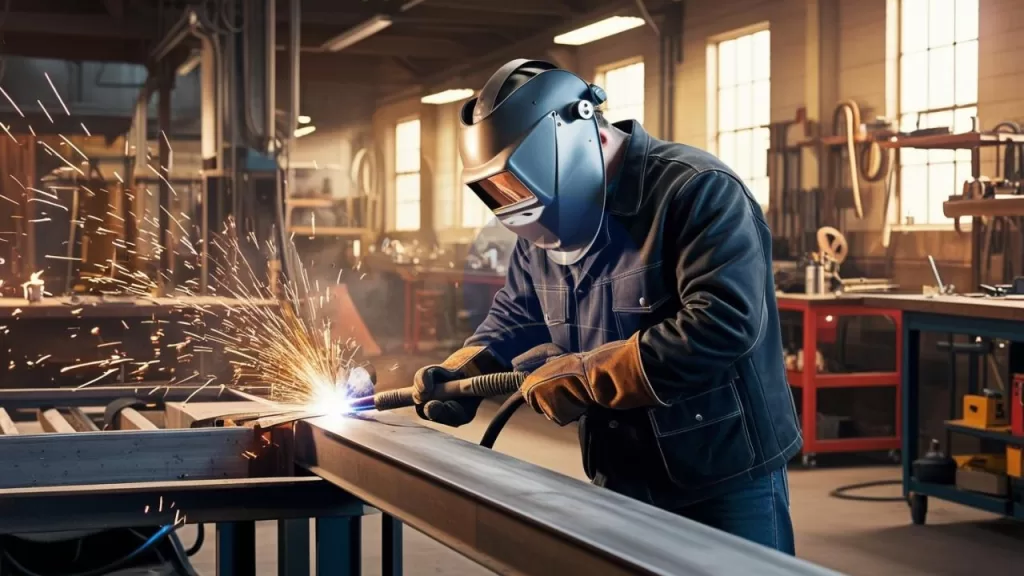
Welding procedure Specification (WPS)

Components of a Welding Procedure Specification

A Welding Procedure Specification (WPS) is a detailed guide that defines the welding process. It includes critical components such as the welding method, base and filler materials, preheat and interpass temperatures, and post-weld heat treatment requirements. Each section of the WPS provides clear and detailed instructions, ensuring welders understand the exact parameters they must follow.

One essential part of a WPS is identifying the materials. It specifies the grade, type, and thickness of the base metal along with the correct filler metal. These materials directly affect the welding process and the quality of the final weld. By choosing compatible materials and documenting them in the WPS, welders can minimize defects like cracking or incomplete fusion. Understanding what is a welding procedure specification ensures welders follow proper practices.

A WPS also outlines welding parameters and techniques. It includes details like position, voltage, amperage, travel speed, and shielding gas composition. Each of these factors is crucial to achieving high-quality welds. Clear documentation ensures consistent results across projects and welders. Knowing what is a WPS in welding and adhering to it enables precision and reliability. A well-crafted WPS is the backbone of any successful welding operation.

Understanding Welding Codes and Standards

Welding codes and standards play a crucial role in the creation and execution of Welding Procedure Specifications (WPS). These codes are set by organizations such as the American Welding Society (AWS). They also include the American Society of Mechanical Engineers (ASME) and the International Organization for Standardization (ISO). These organizations provide essential guidelines for different welding applications. A deep understanding of these codes is vital for ensuring compliance and achieving high-quality welds.

Each welding code specifies requirements related to materials, processes, testing, and quality control. For example, the AWS D1.1 code governs structural welding of steel, while ASME Section IX outlines qualifications for welding and brazing. Knowledge of these codes enables professionals to develop Welding Procedure Specifications. These specifications meet the necessary standards. This ensures their work is recognized within the industry.

Adhering to welding codes and standards is also critical for the safety and reliability of welded structures. Non-compliance can lead to catastrophic failures, risking injury, loss of life, and significant financial consequences. Welders can ensure the integrity and safety of their projects by integrating the appropriate welding codes into the Welding Procedure Specifications. This protects both themselves and their teams. Additionally, it strengthens the credibility of their work with clients and regulatory authorities.

Advantages of WPS

A Welding Procedure Specification (WPS) is essential for ensuring consistent, high-quality, and safe welding practices. It provides clear guidelines that help meet industry standards and optimize welding efficiency.

  • Ensures consistency in welding practices, leading to reliable and repeatable results.
  • Guarantees compliance with industry standards (e.g., AWS, ASME) for regulatory acceptance.
  • Improves safety by specifying proper techniques, material requirements, and treatments.
  • Supports quality assurance through clear reference for inspectors and engineers.
  • Ensures traceability of materials, processes, and testing methods for future audits.
  • Increases efficiency by reducing errors, minimizing rework, and streamlining training for welders.
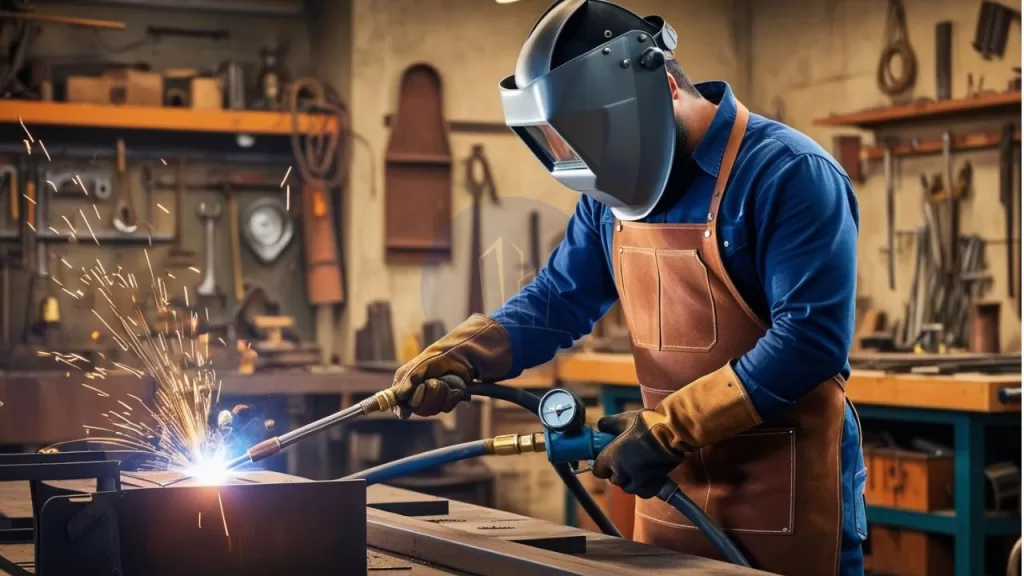
Welding procedure Specification (WPS)

How to develop a Welding Procedure Specification ?

Creating a Welding Procedure Specification (WPS) requires a systematic approach that involves gathering information, analyzing variables, and documenting processes.

Identifying Project Requirements

The first step in creating a Welding Procedure Specification (WPS) is to identify the specific requirements of the project. This involves determining the materials involved, the welding process to be used, and any relevant codes and standards. Collaboration with project stakeholders, including engineers and quality assurance personnel, ensures that all necessary considerations are included.

Selecting Welding Parameters and Techniques

After defining the project requirements, the next phase involves selecting the appropriate welding parameters and techniques. This includes choosing the correct filler material, establishing preheat and interpass temperatures, and determining post-weld treatments. Each of these factors can affect the quality of the weld, so thorough research and testing may be necessary to identify optimal settings.

Documenting the WPS

Once the welding parameters and techniques are selected, it is essential to document them clearly in the WPS. Proper documentation provides guidance for welders in the field and ensures consistency across different projects. A well-structured WPS allows for easy reference and clarity during the welding process.

Review and Validation Process

After developing the initial draft of the WPS, a thorough review and validation process is crucial. Consultation with experienced welders and engineers helps to gather valuable feedback and refine the document. This step ensures that all aspects of the WPS meet project needs and industry standards.

Conducting Trial Runs and Mock Welds

Conducting trial runs or mock welds can provide practical insights into the feasibility and effectiveness of the proposed welding procedures. Testing the WPS under real-world conditions helps identify any potential issues and allows for necessary adjustments before full-scale implementation.

Finalizing the WPS

Once feedback is gathered and trial runs are completed, the WPS can be finalized. Rigorous testing and refinement during this stage help ensure high-quality results and mitigate risks during the actual welding process. A well-developed and tested WPS enhances the likelihood of success in the field.

Preparing the Base Metal for Welding

Proper preparation of the base metal is essential for achieving high-quality welds. The quality of a weld is directly influenced by the cleanliness, fit-up, and temperature control of the base metal. Following the right procedures ensures a strong, durable, and defect-free weld. The steps involved in preparing the base metal include cleaning, joint alignment, and temperature management, each of which contributes to the overall success of the welding process.
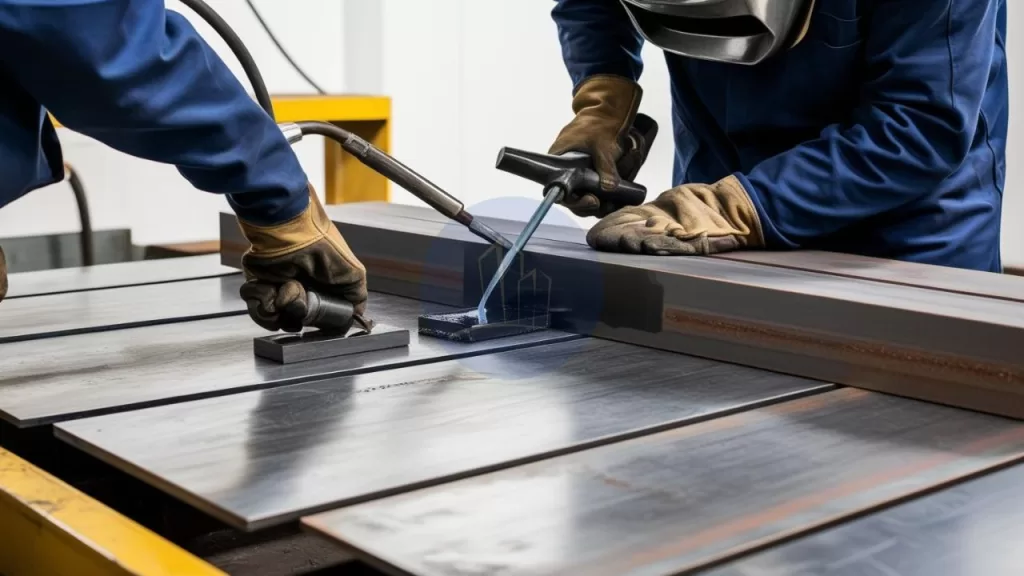
Base metal Preparation (WPS)

Cleaning the Base Metal

The first step in base metal preparation is cleaning the surfaces to remove contaminants such as rust, oil, paint, and dirt. Contaminants can lead to poor fusion, porosity, and other defects. Effective cleaning methods like grinding, sanding, or chemical cleaning ensure a clean surface free from impurities.

Assessing the Joint Fit-Up

Proper joint design and alignment are vital for achieving a successful weld. Misalignment can result in uneven weld beads, increased stress, and weakened structural integrity. The pieces to be welded must be accurately positioned. They should also be securely clamped in place. This ensures alignment and stability.

Controlling Base Metal Temperature

Temperature control is another critical consideration. Preheating the base metal may be required to prevent issues like cracking and distortion. The Welding Procedure Specification (WPS) provides the recommended preheat temperature and methods for monitoring it during the process. Proper temperature management ensures better weld quality and enhances the performance of the final product.

Selecting the Right Welding Process for Your Project

Choosing the appropriate welding process is a fundamental step in achieving optimal results in any welding project. Various welding techniques are available. These include Shielded Metal Arc Welding (SMAW) and Gas Metal Arc Welding (GMAW). Other options are Flux-Cored Arc Welding (FCAW) and Gas Tungsten Arc Welding (GTAW). Each technique offers distinct advantages and limitations. The selection of the welding process should be based on factors like the materials being welded, the required weld quality, and the specific working environment.

For example, SMAW is ideal for outdoor applications and versatile enough for various materials, making it a popular choice for construction projects. On the other hand, GTAW is preferred for high-quality welds in critical sectors like aerospace and nuclear industries due to its precision and control. By understanding the characteristics of each welding process, welders can make informed decisions that align with the project’s requirements.

In addition to material and quality considerations, the welding position and joint configuration also play a role in selecting the right welding process. Some processes perform better in overhead or vertical positions, while others are limited to flat positions. Evaluating these factors ensures that the welding process chosen meets technical requirements and enhances efficiency.

Ultimately, the correct welding process significantly influences the success of a project. A carefully chosen welding method reduces the risk of defects, minimizes rework, and boosts productivity. This decision, crucial for the development of a successful Welding Procedure Specification, is vital for ensuring effective welding procedure inspection and quality control throughout the project. By taking the time to analyze all options, welders can improve outcomes and streamline the overall welding procedure inspection process. The selection of the right process ensures that welding procedure inspection results in a reliable and high-quality final product.

Essential Variables and Their Impact on WPS

Understanding essential variables is vital when developing a Welding Procedure Specification (WPS). These variables directly influence the welding process and the quality of the final product. Key factors include welding parameters like voltage, amperage, travel speed, and heat input. Each parameter affects the weld differently. For example, increasing voltage creates a wider and flatter weld bead, while adjusting amperage changes penetration depth and weld strength.

The choice of filler material is another critical factor in the Welding Procedure Specification. The filler metal must match the base metals in compatibility and properties. This ensures a strong and durable weld joint. The WPS should clearly specify the filler material’s chemical composition and mechanical properties. These details help the welder achieve the desired weld characteristics.

Environmental conditions also impact the welding process. Variables like temperature, humidity, and wind can alter the behavior of the molten weld pool. For instance, high humidity increases moisture absorption, causing porosity in the weld. To address this, the Welding Procedure Specification outlines steps to monitor and control environmental factors.

By focusing on these essential variables, the Welding Procedure Specification ensures consistent, high-quality welds. Proper attention to these details enhances safety, reliability, and overall project success.

Qualifying a Welding Procedure Specification

Qualifying a Welding Procedure Specification (WPS) is essential for ensuring performance and quality. This process involves testing and verifying that the WPS can produce welds that meet specific requirements. Mechanical tests, such as tensile, impact, and bend tests, evaluate the weld’s strength and ductility. These tests confirm the reliability of the procedure under real-world conditions.

Industry standards, like those from the American Welding Society (AWS) and the American Society of Mechanical Engineers (ASME), guide the qualification process. Organizations must document and record all steps involved. This documentation becomes a valuable reference for future welding operations. By following these standards, organizations ensure that their Welding Procedure Specification complies with required codes.

Successful qualification of a Welding Procedure Specification boosts confidence among welders and stakeholders. Welders can perform tasks with assurance, knowing the procedures are tested and validated. This leads to higher quality and more consistent results. Additionally, clients and regulators trust organizations that adhere to strict qualification protocols.

By thoroughly qualifying a Welding Procedure Specification, companies enhance reliability, meet industry standards, and build credibility. This critical step ensures that welding processes deliver strong and durable results for their intended applications.

Common Mistakes to Avoid in Welding Procedure Specification Development and Implementation

Developing and implementing a Welding Procedure Specification (WPS) requires precision and careful planning. One frequent mistake is failing to research and understand the project’s specific requirements. These include materials, welding processes, and applicable codes. Neglecting these factors often leads to improper settings and poor weld quality, resulting in costly delays and rework.

Another common error is not providing sufficient documentation for the Welding Procedure Specification. A WPS must include clear and detailed instructions that are easy for welders to follow. If the documentation is vague or incomplete, it creates confusion and inconsistencies during welding. Therefore, it is crucial to define every aspect of the Welding Procedure Specification, such as material details, welding parameters, and special project considerations.

Lastly, inadequate training and communication can undermine WPS implementation. Even a well-prepared Welding Procedure Specification will fail if welders lack proper understanding or if updates to the WPS are poorly communicated. To avoid this, organizations must offer training and encourage open communication. This ensures all team members understand the Welding Procedure Specification and can follow it accurately.

By addressing these common mistakes, teams can enhance the effectiveness of their Welding Procedure Specification and achieve high-quality results.

Types of Welding Procedure Specifications

Welding Procedure Specifications (WPS) vary to address different project needs and ensure high-quality welds. Three main types include Preliminary-WPS, Prequalified-WPS, and Standard-WPS (SWPS), each serving unique purposes.

A Preliminary-WPS acts as the initial blueprint for a welding project. It outlines key details, including materials, welding parameters, and joint configurations, serving as the foundation for further development and testing.

The Prequalified-WPS simplifies the process by using preapproved procedures that meet industry standards without requiring additional testing. These are especially useful for saving time and resources while maintaining quality assurance. Welders can confidently rely on these procedures for standard applications.

The Standard-WPS (SWPS) adheres to widely accepted industry norms. It provides standardized welding methods to ensure consistency and compliance across projects. This type is ideal for achieving uniform results and meeting established benchmarks in welding practices.

Together, these WPS types enhance efficiency and ensure reliable outcomes.

Conclusion

In conclusion, a Welding Procedure Specification (WPS) is a vital document that ensures consistent, high-quality, and safe welding practices. By providing clear guidelines on welding processes, materials, and techniques, it helps minimize defects, improves safety, and promotes compliance with industry standards. Understanding the components of a WPS, such as materials, parameters, and techniques, is essential for achieving reliable welds. Adhering to welding codes and standards further strengthens the quality and safety of welded structures. Whether creating or following a WPS, it serves as a critical tool for welding professionals, ensuring precision and efficiency while reducing risks. Ultimately, investing time and effort in developing and implementing a WPS ensures long-term success and quality in welding projects.

Five Essential Types of Weld Joints Explained

Weld joint types are essential in various industries that require the joining of metal parts through welding. Understanding the different types of welds is crucial for selecting the right method for a specific project. There are five basic weld joints commonly used: butt joints, corner joints, lap joints, edge joints, and T-joints. These welding joint types are classified based on how the metal pieces are positioned in relation to each other.

The different types of welds serve different purposes depending on the design and strength requirements. Knowing these weld joint types ensures that the welded joint is strong and durable. It is also essential to understand the types of welding joints and symbols to interpret welding blueprints effectively. Mastering the joints of welding is key to achieving efficient and reliable welds in any construction or manufacturing project. According to the American Welding Society (AWS), a joint can be defined as, “The manner in which  materials fit together.” The applications of welding are endless, and different jobs require different types of welds and joints.

In this article, we will describe weld joint types and the five basic weld joints used in welding. We’ll also cover the different types of welds and key welding joint types and symbols for effective welding.

  1. Understanding Different Types of Welds
  2. Classification of Weld Types
  3. 5 Basic Weld Joints types
    1. Butt weld Joint
      1. Types of Butt Weld Joints
        1. Square Butt Joint
        2. Single Bevel Butt Joint
        3. Double Bevel Butt Joint
        4. Single J Butt Joint
        5. Double J Butt Joint
        6. Single V Butt Joint
        7. Double V Butt Joint
        8. Single U Butt Joint
        9. Double U Butt Joint
        10. Flanged Butt Joint
        11. Round Edge (Single Flare and Double Flare) Butt Joint
    2. Corner Joints
    3. Edge Joints
    4. T Joints
    5. Lap joints
  4. Welding Techniques and Their Influence on Joint Types
  5. Factors Influencing the Choice of Weld Joint
  6. Key Takeaways
  7. Conclusion

Understanding Different Types of Welds

Weld joint types play a crucial role in various applications, ensuring the stability and strength of structures. There are different types of weld joint types used in industries, such as butt, corner, lap, edge, and T-joints. These types of joints in welding are selected based on design needs and the materials involved. Each type provides distinct advantages in terms of load-bearing and stress distribution. Understanding the types of welds and joints ensures the weld meets required standards. This ensures durability and performance, making them essential for successful fabrication and construction projects.

The term “weld joint design” refers to how metal pieces are aligned and assembled. The design of each joint significantly impacts the quality and cost of the final weld. Careful consideration and skill are essential in selecting the most suitable joint design for a welding project.

Basic Weld Joints
Basic Weld Joints

This highlights the importance of understanding different weld joint types. Familiarity with the types of joints in welding and their applications enables welders to create durable, high-quality welded joints. A solid grasp of the types of welds and joints helps ensure successful outcomes in various welding tasks.

Classification of Weld Types

Welds can be classified into three main categories: fusion welds, pressure welds, and solid-state welds.

  • Fusion welds are created by melting the base metals along with a filler material, allowing them to fuse upon cooling. This method is ideal for various applications requiring strong joints, commonly used in arc and gas welding.
  • Pressure welds join metals by applying heat and pressure. This process does not melt the base materials. It is suitable for dissimilar metals or high-strength connections in manufacturing.
  • Solid-state welds involve joining metals without melting, utilizing processes like ultrasonic and friction stir welding. This method preserves material integrity and minimizes thermal distortion.

Understanding these classifications helps select the appropriate weld type for specific applications, ensuring optimal performance and durability in welded joints.

5 Basic Weld Joints types

There are 5 basic weld joints that form the foundation of various welding joint types. Understanding these different types of welds ensures strong welded joints for multiple applications. The weld joint types are:

  • Butt Joint
  • Corner Joint
  • Lap Joint
  • Edge Joint
  • T-Joint
Basic weld Joint types

These types of weld joints and symbols help welders achieve effective and durable connections in all joints of welding projects. Let us delve deep into the different types of weld joints in details.

Butt weld Joint

A butt joint weld is very common. In a butt joint, two metal pieces are aligned edge-to-edge and then welded together. This method ensures a seamless connection between the materials, creating a strong and continuous bond. This type of butt joint in welding is crucial in industries like construction, pipelines, and metal fabrication. It provides a strong, clean and reliable connection. The butt weld joint ensures full penetration. The weld passes through the entire thickness of the metal. This results in enhanced strength and durability. Identifying the correct butt weld symbol on engineering designs ensures accurate execution of the weld.

Butt weld Joint
Butt Weld Joint

Proper interpretation of the butt welding symbol allows precise construction. This is important for applications such as structural  steel, pipelines, and pressure vessels. Engineers favor a butt welded joint for its simplicity and efficiency, making it a top choice in welding design. They use butt welds to create strong and reliable joints in various applications. They are integral to many industrial projects. This ensures a dependable bond between  materials. Let us have a look into the different types of Butt weld joints.

Types of Butt Weld Joints

Welders create butt welds in a variety of ways, each method serving a different purpose depending on the application and material requirements. Varying factors include the shape of the groove, layering and width of the gap. Listed below are some typical examples of butt weld joints:

  • Square butt weld joint
  • Single bevel
  • Double bevel
  • Single J
  • Double J
  • Single V
  • Double V
  • Single U
  • Double U grooves
  • Flare bevel Groove
  • Flare V Groove
  • Flanged Butt Joint

Let us have a look into the basics of each weld types.

Square Butt Joint

In a square butt joint, welders align two metal pieces edge-to-edge without any preparation or beveling. This joint is simple and ideal for thinner materials, as it ensures a clean weld. The weld in a square butt joint provides sufficient strength, but its penetration may be limited when used on thicker materials. This limitation makes square butt joints less suitable for high-stress applications that demand deeper weld penetration for enhanced structural integrity.

Single Bevel Butt Joint

In a single bevel butt joint, welders bevel one of the two metal pieces at a specific angle to allow deeper weld penetration. This beveling ensures that the weld can penetrate more deeply into the joint, creating a stronger connection. It is particularly useful for thicker materials, where a standard butt joint may not provide sufficient strength or stress distribution.

Double Bevel Butt Joint

The double bevel butt joint has both edges of the metal pieces beveled. This joint type allows for even greater weld penetration compared to the single bevel. It is used in butt joint welding for thicker materials to guarantee enhanced strength and load distribution.

Single J Butt Joint

In a single J butt joint, one metal piece is shaped with a J-like curve, while the other remains square. The butt weld created allows deeper penetration, making it suitable for thick materials and applications requiring strong, seamless joints.

Double J Butt Joint

The double J butt joint features a J-shaped bevel on both metal pieces, allowing for greater weld penetration. This design is ideal for high-stress industrial applications where reliability and durability are critical. The joint provides a larger surface area for the weld. It ensures a stronger connection and better stress distribution. This makes it suitable for structures subjected to heavy loads or extreme conditions. The improved weld penetration achieved with the J-bevels enhances the overall strength and performance of the joint. This ensures it can withstand demanding environments.

Single V Butt Joint

A single V butt joint is formed by beveling one metal piece at an angle resembling the letter “V”. The bevel allows for deep weld penetration, making it suitable for moderate to thick materials where strength is crucial.

Double V Butt Joint

A double V butt joint has both pieces of metal beveled to form a V shape on both sides. This joint is ideal for butt joint welding thicker  materials, as it provides greater weld penetration and structural integrity.

Single U Butt Joint

In a single U butt joint, one piece of metal has a U-shaped bevel. The curved design allows the weld to penetrate deeply into thicker materials, offering a strong, reliable butt weld joint suitable for heavy-duty applications.

Double U Butt Joint

The double U butt joint features U-shaped bevels on both metal edges. This joint is perfect for welding thick materials and provides deep penetration. It ensures a strong and durable butt welded joint in high-load applications.

Flanged Butt Joint

A flanged butt joint occurs when one or both metal pieces are flanged outward before welding. This type reduces weld stress and welders often apply it in butt joint welding for sheet metal or piping systems.

Round Edge (Single Flare and Double Flare) Butt Joint

In round edge butt joints, the metal edges are rounded. Single flare joints have one rounded edge, while double flare joints have both. These types of butt joints are common in thin-walled pipes and tubing, offering good weld integrity.

Corner Joints

Corner joints connect two metal pieces at a right angle, forming a corner. Commonly used in sheet metal welding, corner joints provide strong, rigid connections for frames and structures. They come in variations like closed, open, and flush, depending on the design needs. Fabricators often employ these joints in the construction of boxes, frames, and other enclosures.

Edge Joints

In an edge joint, welders connect two metal pieces along their edges, typically using it for thin materials. They commonly apply this joint when parts don’t require high strength, as seen in sheet metal fabrication. Welders create surfaces with edge joints for later welding to additional components. These joints frequently occur in applications like tanks, boxes, and metal enclosures. Precision and secure connections are essential in these contexts, despite lower structural demands.

T Joints

Welders form a T-joint by welding two metal pieces at a right angle to resemble the letter “T.” One piece intersects the center of the other, creating a perpendicular connection. T-joints are common in structural applications, frames, and piping systems. They provide strong, stable connections and are suitable for fillet welds, ensuring durability and resistance to bending or stress.

Lap joints

A lap joint joins two metal pieces by overlapping them and welding them together. This process provides a strong and durable connection. It is commonly used for materials of varying thicknesses. Lap joints are ideal in applications like sheet metal work and fabrication. They provide excellent strength and resistance to shear forces, making them reliable for various structural purposes.

Welding Techniques and Their Influence on Joint Types

Welding techniques significantly influence the types of joints formed in metal fabrication. The five primary types of welding joints are butt, tee, corner, lap, and edge joints. Each type is tailored to specific applications and requirements.

Butt joints, created by aligning two pieces end to end, are commonly used for thin materials. Tee joints form a ‘T’ shape where two parts intersect at a right angle, ideal for structural frameworks. Corner joints, used when two parts meet at a 90-degree angle, are frequently employed in fabricating frames and boxes. Lap joints overlap two pieces, allowing for strength when joining  materials of differing thicknesses. Lastly, edge joints connect two pieces along their edges, useful for sheet metal applications. The choice of welding technique affects the strength, flexibility, and durability of these joints, making it crucial for successful welding projects​

Weld Joint types
Weld Joint types

Different welding techniques impact the strength and applicability of welded joints. Methods vary based on the specific joint type. Materials influence the choice of MIG (Metal Inert Gas), TIG (Tungsten Inert Gas), and Stick welding.

Factors Influencing the Choice of Weld Joint

Choosing the right weld joint is crucial for ensuring structural integrity and performance. Several factors influence this decision:

  • Material Type: Different metals and alloys may require specific joint types to ensure strong, defect-free welds.
  • Load Requirements: The type and direction of load (tension, compression, shear) influence the joint choice for strength and stability.
  • Welding Position: The orientation (flat, horizontal, vertical, overhead) impacts the ease and effectiveness of certain joint designs.
  • Accessibility: Space limitations or constraints may favor simpler joints that are easier to access and weld.
  • Aesthetic Needs: Visible welds in finished products may require joints that achieve smoother, visually appealing finishes.
  • Cost Efficiency: Certain joint types require less time or material, influencing the project’s cost.
  • Application Specifications: Industry standards or design codes may dictate specific joint types for safety and reliability.

Selecting an appropriate weld joint not only ensures safety but also affects manufacturing efficiency and cost​.

Key Takeaways

  • Five Basic Weld Joints: The main types of weld joints are butt, corner, lap, edge, and T-joints. Each type has specific applications in welding projects.
  • Importance of Joint Design: Selecting the right weld joint design ensures structural integrity, load distribution, and longevity.
  • Types of Welds: Welds are classified into fusion, pressure, and solid-state welds, chosen based on material and project requirements.
  • Butt Joint Varieties: Includes several groove designs like V, U, J, and square. These are tailored for different material thicknesses. They also meet various strength requirements.
  • Welding Techniques Impact Joints: Techniques like MIG, TIG, and Stick welding influence joint strength. They are selected based on the type of joint.
  • Factors Affecting Joint Selection: Material type, load requirements, cost, accessibility, and application specifications play key roles in joint choice.

Conclusion

Mastering weld joint types and techniques is vital for producing high-quality, durable welds that meet industry standards. Each of the five basic weld joints—Butt, Corner, Lap, Edge, and T-joints—has unique strengths, making them suitable for specific applications. Factors like material type, load requirements, and welding positions influence the choice of joint, impacting the weld’s strength and aesthetic. Familiarity with welding symbols, joint classifications, and the effect of different welding techniques aids in creating dependable structures. Welders and engineers ensure strong, resilient joints by understanding the unique advantages of each joint type. This understanding enhances safety and longevity in construction and manufacturing projects.

Understanding the Importance of Quality Welding Equipment

Welding is a critical process in various industries, including construction, manufacturing, automotive, and aerospace. The integrity of welded structures directly impacts the safety, durability, and performance of the final products. Therefore, selecting high-quality welding equipment is essential for achieving reliable and precise welds. To get the best results, it’s crucial to rely on reputable suppliers like The Edge WA, which provides a wide range of premium welding tools and accessories.

Ensuring Safety and Reliability

Quality welding equipment significantly enhances safety in the workplace. Welding involves high temperatures, electrical currents, and potentially hazardous fumes, making it a dangerous task if not handled properly. High-quality equipment is designed with advanced safety features such as automatic shut-off mechanisms, stable power sources, and efficient ventilation systems. These features minimize the risk of accidents and injuries, ensuring that welders can work with confidence and focus on the task at hand.

Image credit

Moreover, reliable welding equipment reduces the likelihood of equipment failure during critical operations. Inferior tools are prone to breakdowns, which can cause delays, increase costs, and compromise the quality of the welds. Investing in top-tier welding machines and accessories means fewer interruptions and more consistent results, contributing to the overall efficiency and productivity of the project.

Achieving Precision and Quality

The precision of the welding process is paramount, especially in industries where structural integrity is non-negotiable. High-quality welding equipment ensures accurate control over the welding parameters, such as voltage, current, and speed. This precise control is vital for producing strong, defect-free welds that meet industry standards and specifications.

For instance, advanced welding machines come with features like pulse welding, which allows for better control over the heat input, reducing the risk of distortion and improving the appearance of the weld. These machines also often include programmable settings that enable welders to save and recall specific configurations for repetitive tasks, ensuring uniformity and precision across multiple welds.

Enhancing Efficiency and Productivity

Using superior welding equipment can significantly boost efficiency and productivity. High-quality machines are typically more powerful and faster, enabling welders to complete tasks more quickly without sacrificing quality. This increased speed translates to higher output and shorter project timelines, which is particularly beneficial in high-demand industries like automotive manufacturing and construction.

Additionally, premium welding equipment often requires less maintenance and has a longer lifespan compared to cheaper alternatives. This durability means less downtime for repairs and replacements, allowing welders to maintain a steady workflow. Over time, the initial investment in quality equipment pays off through reduced maintenance costs and increased operational efficiency.

Adapting to Technological Advances

The welding industry is continuously evolving, with new technologies and techniques emerging to improve the welding process. Quality welding equipment is designed to adapt to these advancements, offering compatibility with the latest tools and technologies. For example, modern welding machines are often equipped with digital interfaces that provide real-time feedback and diagnostics, helping welders monitor their performance and make necessary adjustments on the fly.

Furthermore, many high-end welding machines are now compatible with automation systems, such as robotic welders. These systems can perform repetitive welding tasks with high precision and speed, further enhancing productivity and consistency. Investing in cutting-edge welding equipment ensures that businesses stay competitive and are able to leverage the latest technological developments in the industry.

Reducing Costs in the Long Run

Image credit

While the initial cost of high-quality welding equipment may be higher, it often leads to significant cost savings in the long run. Reliable equipment reduces the risk of errors and rework, which can be costly in terms of materials, labor, and time. Additionally, the durability and longevity of premium welding tools mean fewer replacements and lower maintenance expenses over time.

For instance, a top-quality welding machine that operates efficiently and consistently will use less energy, contributing to lower operational costs. Energy efficiency is an important consideration in industries with high power consumption, as it directly impacts the overall profitability of the business. By choosing quality equipment, companies can achieve better financial outcomes through improved efficiency and reduced wastage.

Meeting Industry Standards and Compliance

Adhering to industry standards and regulations is crucial for any business involved in welding. Quality welding equipment is designed to meet or exceed these standards, ensuring that the welds produced are safe, reliable, and compliant with industry requirements. This compliance is particularly important in sectors such as aerospace, automotive, and construction, where the consequences of substandard welds can be severe.

Using certified equipment from reputable suppliers like The Edge WA helps businesses avoid potential legal and financial repercussions associated with non-compliance. It also builds trust with clients and stakeholders, demonstrating a commitment to quality and safety.

Supporting Skilled Workforce Development

The availability of high-quality welding equipment is also vital for the development of a skilled workforce. Modern welding machines often come with advanced features and capabilities that require proper training and expertise to operate effectively. By providing access to top-tier equipment, businesses can attract and retain skilled welders who are proficient in using the latest technologies.

Additionally, investing in quality tools supports ongoing training and professional development programs. Welders can refine their skills and stay updated with industry advancements, leading to continuous improvement in the quality of work. This focus on skill development not only enhances individual performance but also contributes to the overall reputation and success of the business.

Ensuring Customer Satisfaction

Ultimately, the use of quality welding equipment directly impacts customer satisfaction. High-quality welds that meet or exceed expectations build trust and loyalty among clients. Whether it’s a robust structure in a construction project or a precisely manufactured automotive part, the quality of the welds plays a crucial role in the performance and durability of the final product.

Satisfied customers are more likely to return for future projects and recommend the business to others, leading to increased opportunities and growth. Investing in premium welding equipment is, therefore, an investment in the future success of the business.