Category Archives: civil engineering

Chain Surveying Procedure Explained: A Step-by-Step Guide

Chain Surveying Procedure forms the backbone of basic land measurement techniques used in civil engineering projects. This traditional method relies on linear measurements to establish accurate ground layouts for small and relatively level areas. The chain surveying method is simple, cost-effective, and ideal where high precision instruments are unnecessary. Understanding the procedure of chain surveying helps engineers and students grasp how baseline measurement, ranging, and offsetting work together to map land efficiently. Widely applied as a chain survey in civil engineering, it is especially useful for preliminary surveys and boundary demarcation. The chain surveying advantages include ease of execution, minimal equipment requirements, and suitability for open terrains. This article explains the complete procedure and highlights the practical advantages of chain surveying in a clear and systematic manner.

Chain surveying is a widely popular method of surveying owing to its simplicity. Also, if the analysis is done carefully, it produces reasonably reliable results.

In the previous blog, we had shown you the Principle of Surveying in detail. Today, I will take you through the step by step procedure of conducting a chain survey. Let’s begin by discussing what is chain surveying.

Also read : Total station – Principles and fundamentals

  1. What is chain survey in civil engineering
  2. Chain Surveying Procedure
    1. Chain Surveying Instruments
    2. Detailed Procedure of Chain Surveying
    3. Procedure for chain surveying
  3. Advantages of  Chain Surveying method
  4. Disadvantages of  Chain surveying method
  5. Key Takeaways
  6. Conclusion

What is chain survey in civil engineering

Chain survey in civil engineering is a basic land surveying method used to measure distances directly on the ground using a chain or measuring tape. This technique works best for small, open, and fairly level areas where high precision instruments are not required. The method involves creating a framework of straight lines and taking linear measurements with simple tools. Because of its simplicity and low cost, it is widely used for preliminary surveys, boundary marking, and layout work. Chain surveying helps engineers understand site dimensions accurately and provides a foundation for planning and design in construction projects.
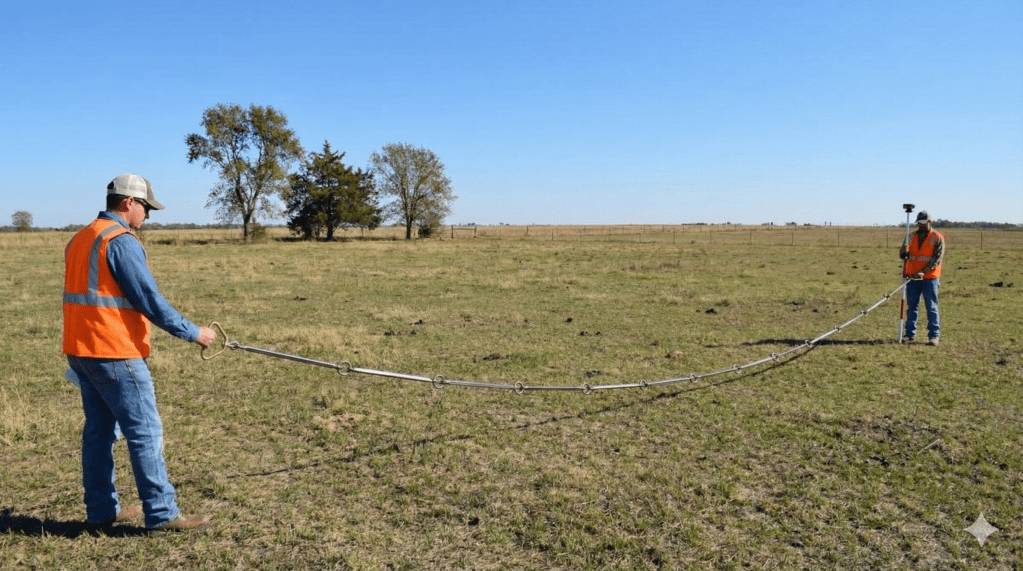
Two men in safety vests measuring land with a long tape in an open field under a clear blue sky.
Two surveyors conducting a chain survey in an open field, accurately measuring distances using a chain.

Chain surveying is a form of surveying that takes only linear measurements in the field; therefore, it is suitable for surveying small areas with clear details and relatively flat terrain. Moreover, the method derives its name from the chain, which is the most commonly used measuring instrument.

Chain Surveying Procedure

Chain Surveying Procedure begins with a systematic approach to measure land using linear distances only. Before starting the actual measurements, proper planning and site inspection are essential; moreover, a clear understanding of the procedure ensures accuracy, efficiency, and reliable survey results, especially for small and level areas.

Before going to the detailed procedure let’s first understand the instruments used in chain surveying.

Chain Surveying Instruments

  1. Chain or Tape
  2. Arrows (Arrows in Surveying).
  3. Pegs.
  4. Offset Rods.
  5. Range Rod (Ranging Rod).
  6. Offset Rods.
  7. Hammer.
A wooden table displaying various tools and materials, including a coiled metal chain, several metal stakes, a plumb bob, a notepad with a pencil, and a ruler.
Essential chain surveying instruments including chains, arrows, and pegs laid out on a table for civil engineering projects.

Also Read : Applications of GPS – 6 Amazing applications unlocked.

Detailed Procedure of Chain Surveying

  • A chain is used by two men to determine the distance between two points, A and B, in chain surveying.
  • The forerunner (leader) is the man who holds the forward end of the chain and pushes it ahead, while the back end man (follower) pulls the chain backward and remains at the starting point.
  • During the procedure of chain surveying, the leader carries a ranging rod and ten arrows to mark each full chain length on the ground.
  • The follower holds the rear chain handle firmly by fixing the knob into the groove of the handle.
  • The follower places the handle near the heel of the foot and drags the chain from the forearm position to bring it perpendicular to the survey line AB.
  • The leader then moves the chain left or right based on signals from the follower until the chain lies exactly on the straight line joining points A and B.
  • When the chain aligns correctly, the leader points the forearm toward the ground and forms two intersecting lines using the ranging rod.
  • The leader then grips the chain handle with both hands and lifts it slightly to ensure it is perfectly horizontal and clear of ground obstacles.
  • After this, the leader places one arrow from the set of ten into the semicircular groove on the outside of the chain handle.
  • The arrows indicate the completion of one full chain length.
  • After placing the arrow, the leader advances forward and pushes the chain ahead.
  • The leader stops at the next arrow position and waits there.
  • The arrow placed in the groove of the chain handle helps keep the handle fixed securely.

Procedure for chain surveying

  • This positioning ensures the handle fits between the legs of the follower and aligns the forearm correctly with the survey line AB.
  • The leader straightens the chain carefully and halts at the correct position.
  • The leader moves the arrow in the same manner as previously described.
  • Before the follower advances, the leader pushes the chain forward, and the follower picks up the arrow placed on the ground.
  • The survey team repeats this measuring process continuously until they reach end point B.
  • At the start of the measurement, the surveyor issues ten arrows to the leader.
  • As the follower picks up each arrow, the total number of arrows in use always remains ten, ensuring accuracy in counting chain lengths.
  • Since the number of arrows transferred represents the number of full chain lengths measured, there is no chance of forgetting the total measured distance.
  • The surveyor determines the total length of the survey line by counting the number of chain lengths indicated by the arrows handed over to the follower.
  • When the follower receives all ten arrows, the surveyor records the covered distance in the field book and communicates it to the leader.
  • If line AB measures less than one full chain, the surveyor measures the remaining distance carefully using chain links.
  • The surveyor reads this partial length directly from the chain and records it accurately in the field book.
  • During distance measurement, the surveyor draws necessary sketches and properly notes all measured values.
  • The follower not only holds the chain but also ensures correct alignment, accuracy, and proper recording.
  • Therefore, experienced and intelligent surveyors should undertake the role of the follower in the chain surveying procedure.
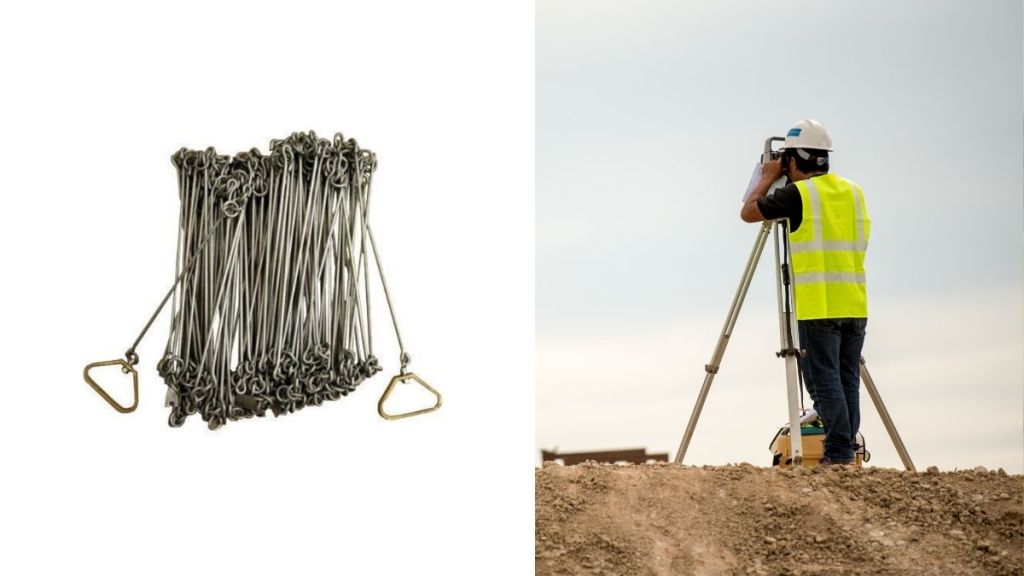
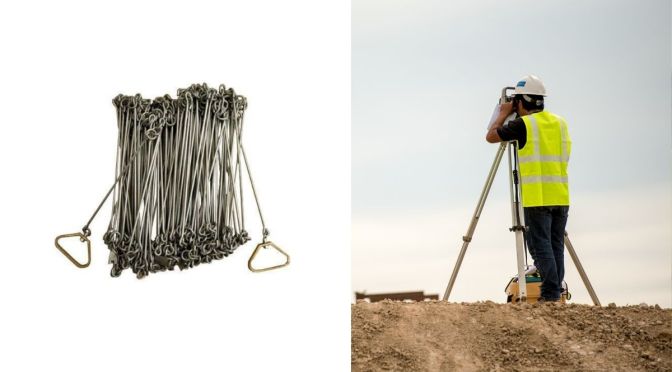
A bundle of metal survey stakes with looped ends.
A collection of surveying pegs used in chain surveying, essential for marking distances.

Advantages of  Chain Surveying method

Chain Survey in Civil Engineering is a fundamental surveying technique used to measure land distances accurately using linear measurements, simple instruments, and systematic procedures for small, level areas; therefore, the main advantages of the chain surveying method are as follows.

  • Simple and easy to understand method
  • Requires minimum and inexpensive equipment
  • Suitable for small and fairly level areas
  • Easy to perform and does not require skilled labor
  • Fieldwork can be completed quickly
  • Calculations are simple and straightforward
  • Errors are easy to detect and rectify
  • Best suited for open areas with clear visibility
  • Ideal for preliminary and reconnaissance surveys
  • Easy recording and plotting of measured data

A person placing a metal stake into the ground while handling a chain on grass.
A surveyor marks a measurement with a chain and arrow during a chain surveying procedure.

Disadvantages of  Chain surveying method

  1. In densely populated areas, a simple chain survey is impossible to perform.
  2. It is time-consuming.
  3. When there are raised points between the areas to be surveyed, the chain survey process becomes more difficult.
  4. While surveying large areas, it is not possible to stretch the chain completely to its full length. The sagging of the chain causes errors in the measurement.

That’s it about Chain Surveying. Hope you found this article insightful.

Key Takeaways

  • Chain Surveying Procedure is a simple and systematic approach for measuring land using linear distances; therefore, it is easy to understand and apply.
  • The chain surveying method, in general, relies on basic instruments such as chains, arrows, and ranging rods.
  • The procedure of chain surveying, moreover, involves alignment, ranging, arrow marking, and proper field booking.
  • Consequently, it is most effective for small, open, and fairly level areas with clear visibility.
  • In chain survey in civil engineering, this method is commonly used for preliminary surveys and boundary measurements.
  • Furthermore, the method is economical and easy to execute with minimal training.
  • The main chain surveying advantages include simplicity, low cost, and ease of error detection.
  • However, accuracy depends on proper alignment and experienced handling.
  • Therefore, it is not suitable for large or obstructed terrains.
  • Finally, proper recording ensures reliable and accurate survey data.

Conclusion

The Chain Surveying Procedure remains one of the most fundamental techniques in land measurement due to its simplicity and practicality. The chain surveying method uses direct linear measurements; therefore, it is ideal for small-scale projects where advanced instruments are unnecessary. By following the correct procedure of chain surveying, surveyors can achieve reliable results with minimal resources. In chain survey in civil engineering, this method plays a crucial role in preliminary surveys, layout planning, and boundary demarcation; moreover, the key advantages of chain surveying include low cost, ease of operation, and straightforward calculations. Although it has limitations in accuracy and terrain suitability, chain surveying continues to be valuable for basic surveying needs and educational purposes in civil engineering.
Concrete Pumps Types – Applications and advantages

Understanding the types of concrete pumps is essential for selecting the right equipment for modern construction. Each pump works differently and offers specific benefits depending on the site conditions and structural requirements. Engineers use concrete pump types in construction to increase productivity, reduce manual labor, and deliver concrete with accuracy. Truck-mounted concrete pumps handle large projects efficiently by pumping concrete over long distances and at greater heights using boom arms.

Meanwhile, stationary concrete pumps support continuous pumping operations in high-volume or high-rise structures. The advantages of concrete pumps include faster concrete placement, improved quality, and better safety for workers. By understanding various concrete pump applications, contractors can ensure the best performance when working on foundations, tunnels, bridges, and skyscrapers. This article explains all major concrete pump types and their impact on modern project success.

  1. Concrete pump types in construction
    1. Boom /Truck-mounted concrete pumps
      1. Features and Advantages
      2. Demerits / Limitations
    2. Line /Stationary concrete pump
      1. Features and Advantages
      2. Demerits / Limitations
    3. Trailer-Mounted Concrete Pump
    4. Specialized Concrete Pumps
  2. Concrete pump applications
  3. How to Choose a Concrete Pump ?
    1. Manufacturer of equipment
    2. Price and economic factors
    3. Selection Based on Work
  4. Concrete Pumps Advantages
  5. Disadvantages
  6. Conclusion

Concrete pump types in construction

Concrete pump types in construction help deliver concrete quickly and precisely to any required height or distance. These pumps improve productivity, safety, and quality on site while reducing manual labor. Engineers select the right pump depending on project scale, reinforcement congestion, accessibility, and structural height.

Types of Concrete Pumps

  • Truck-mounted concrete pump (Boom pump)
  • Stationary concrete pump (Line pump)
  • Trailer-mounted concrete pump
  • Specialized concrete pumps (Spider boom, Crawler pump, Underground pump)

Boom /Truck-mounted concrete pumps

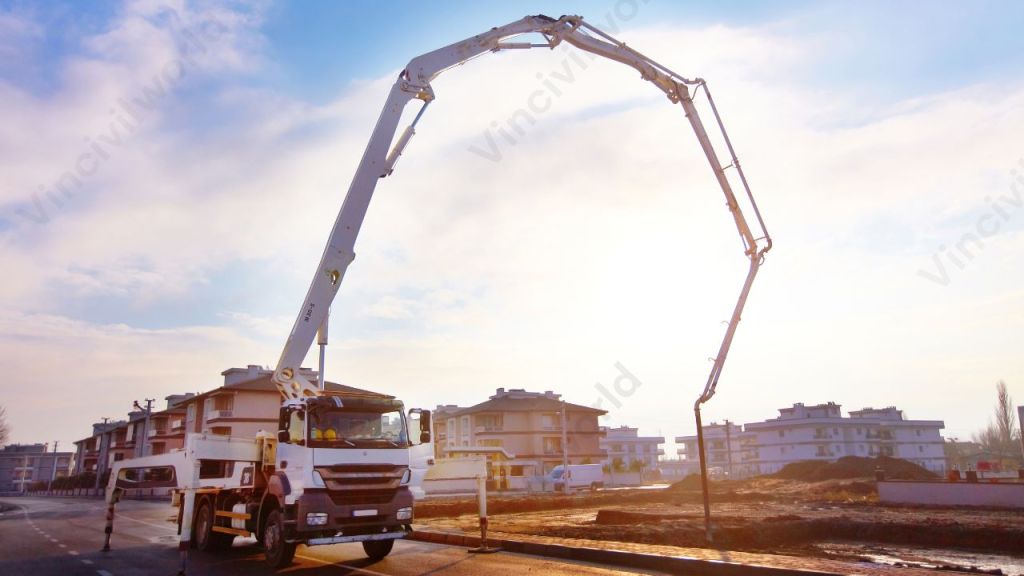
A truck-mounted concrete pump, commonly called a boom pump, delivers concrete quickly and accurately. It reaches over long distances or to high elevations. It boosts construction speed and reduces manual labor.

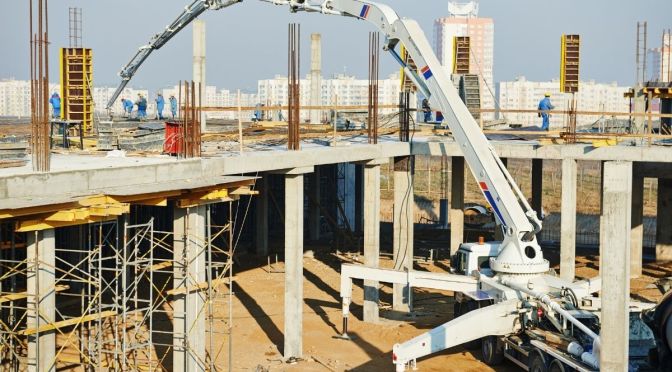
A truck-mounted concrete pump with a long boom is positioned on a construction site, delivering concrete from a mixer to the elevated framework of a building under construction, surrounded by workers and scaffolding.
A boom-mounted concrete pump efficiently delivering concrete at a construction site for a high-rise building.

Features and Advantages

  • Long hydraulic boom with multiple articulating sections — delivers concrete over tall buildings, deep foundation pits, or distant spots.
  • Mounted on a truck chassis — highly mobile and easy to reposition on site.
  • High pumping capacity — ideal for large-volume pours like high-rise, bridges, and large slabs.
  • Precise placement — reduces need for manual handling, improving safety and finish quality.
  • Saves time and labor — faster concrete pouring compared to manual or line-pump methods.

Demerits / Limitations

  • Requires good access and stable ground for truck setup — not ideal on narrow or unstable sites.
  • High rental or ownership cost and maintenance.
  • Boom reach limitations — very tall or complex geometry may need additional equipment or planning.
  • Setup and dismantling time — requires space and time to deploy the outriggers and boom.

Line /Stationary concrete pump

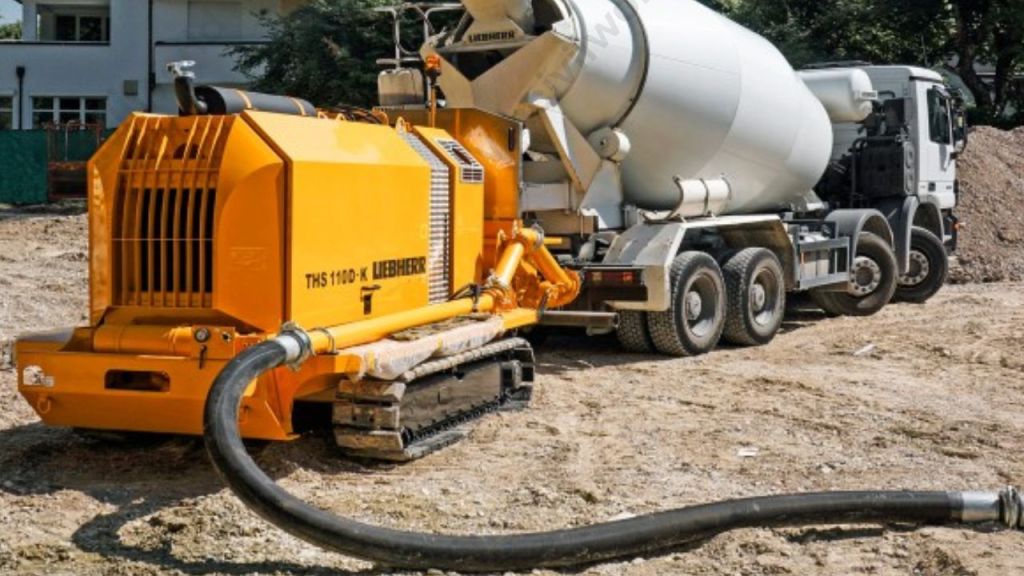
A stationary concrete pump is also called a line pump. It stays fixed on site. It delivers concrete through flexible hoses or pipelines. It suits small to mid-size pours and constrained work areas.

A stationary concrete pump connected to a cement mixer truck, with flexible hoses on the ground for concrete delivery at a construction site.
A stationary concrete pump efficiently delivering concrete via flexible hoses on a construction site, ideal for tight spaces.

Features and Advantages

  • Compact and easy to position — works well on tight or narrow sites where truck-mounted pumps can’t access.
  • Uses flexible hoses or pipelines — allows concrete placement in hard-to-reach corners, basements, or low-clearance zones.
  • Requires less setup space and simpler deployment — ideal for smaller pours or interior works.
  • Lower operational cost compared to large boom pumps — cost-effective for small slabs, staircases, or repair works.
  • Reduced noise and simpler handling — suitable for urban settings, residential sites, or renovation jobs.

Demerits / Limitations

  • Lower pumping capacity — not ideal for high-volume pours or high-rise projects.
  • Requires manual connection and repositioning of hoses for larger coverage — increases labor and time.
  • Less efficient over long distance or height — concrete flow may degrade if hoses are too long or steep.
  • Possible flow interruptions — need careful monitoring to avoid blockages or segregation.

Trailer-Mounted Concrete Pump

Trailer-mounted concrete pumps are compact units towed to the site and connected to pipelines or hoses for concrete delivery. They are ideal for small to medium-scale projects, interior works, and areas with limited access. These pumps offer flexibility, lower operating costs, and reliable performance for slabs, driveways, and repair works.

Specialized Concrete Pumps

Specialized concrete pumps like spider boom, crawler pump, and underground pump handle complex projects where standard pumps cannot operate. Spider booms fit inside tight spaces and deliver concrete overhead. Crawler pumps move on rough terrains, perfect for infrastructure projects. Underground pumps efficiently deliver concrete in tunnels, shafts, and mining projects.

Concrete pump applications

Concrete pumps improve placement speed and accuracy. This makes them ideal for projects requiring efficient delivery to high areas. They are also suited for distant or congested areas.

  • High-rise building construction
  • Bridge decks and flyovers
  • Foundations and retaining walls
  • Tunnels and underground structures
  • Residential slabs and floors
  • Large industrial projects
  • Dams and power plants
  • Pile foundations and diaphragm walls
  • Road pavements and airport runways
  • Precast concrete installations
  • Water tanks and reservoirs
  • Narrow or restricted access sites

How to Choose a Concrete Pump ?

The concrete pump is chosen based on the construction project’s specifications. The following criteria are used to determine a successful and appropriate concrete pump:

  • The Concrete Pump’s manufacturer
  • Concrete Pump’s Function
  • Construction Projects’ Schedule
  • Price and economic factors

Manufacturer of equipment

The following are important considerations to consider when choosing a successful concrete pump manufacturer:

  • Choose the best concrete pump manufacturer in the region. For this, consult local contractors and seek assistance from any recognised manufacturers.
  • A wide range of options are now available online. Check out the top-rated concrete pumps and the feedback they’ve received.
  • Under high pressure, the concrete pumping procedure is carried out. This long-term pressure must be able to withstand a strong concrete pump. 
  • If the concrete pump’s output is below average, building projects can break down and suffer losses.

Price and economic factors

The concrete pump chosen must be practical and work at the rate for which it was purchased. Avoid the risk of paying a high price for an underperforming concrete pump. Often choose a concrete pump based on its efficiency and cost. Compare the price and the results.

Selection Based on Work

When the concrete pump is chosen on the basis of work, two basic factors are considered:

  1. Volumetric Concrete Output
  2. The Pumping Pressure

The work determines the maximum volumetric concrete output required per hour for concrete construction. The pump’s pressure is specified based on this. This pressure is the criterion for choosing a concrete pump. 

The strength of the concrete pump’s driving unit is determined by the desired concrete output (Q) and the pumping pressure (P). Then the  hydraulic output (H) is given by:

H = Q x P 

The concrete pump described above can be chosen based on the various construction projects.

  • For the building of large road and highway projects, a boom or truck-mounted concrete pump is ideal.
  • A boom concrete pump is the best option for concrete pouring at various altitudes and where there is a small area for concrete pouring.
  • Boom concrete pumps can mount two or three robotic pump lines that function as a multi-purpose robotic arm, reducing the number of workers needed.
  • For the building of sidewalks or slabs, a line concrete pump or a stationary concrete pump is used. The stationary pump is used if only a small amount of concrete needs to be pumped.

Concrete Pumps Advantages

Concrete pumps improve productivity. They enhance safety and ensure high-quality placement. Pumps deliver concrete precisely where needed, even in difficult and congested construction areas. The advantages of concrete pumps are listed below.

  • Faster concrete placement
  • Reduced labor requirements
  • Precise and controlled pouring
  • Better quality and surface finish
  • Improved safety and reduced manual handling
  • Ability to reach high or distant locations
  • Efficient pumping in congested reinforcement zones
  • Less concrete wastage and cleanup
  • Continuous and consistent concrete flow
  • Works in areas inaccessible to trucks or cranes
A truck-mounted concrete pump with a long hydraulic boom extends over a construction site, demonstrating its use for delivering concrete to elevated areas.
A truck-mounted concrete pump in action, demonstrating its long hydraulic boom used for precise and efficient concrete placement at construction sites.

Disadvantages

The disadvantages of using concrete pumps in building projects are as follows:

  • The net cost would be higher.
  • Due to the huge initial cost, these pumps are not feasible for structures with minor concrete volume.

That’s it about concrete pumps. Let us know in comments if you found this insightful.

Key Takeaways

  • Concrete pumps convey concrete from a source to a casting location, using pistons to draw and discharge the material.
  • There are two main types of concrete pumps: Boom Concrete Pumps and Line Concrete Pumps, each with specific use cases.
  • Boom Concrete Pumps offer flexibility for high-rise construction, while Line Concrete Pumps are fixed and require more labour involvement.
  • Choosing the right concrete pump depends on factors like the project’s specifications, manufacturer, and economic considerations.
  • Concrete pumps provide advantages such as reduced labour reliance and adaptability, but they also come with higher initial costs.

Conclusion

Understanding the types of concrete pumps helps construction teams choose the most efficient equipment for each project. Different concrete pump types in construction provide unique advantages. Truck-mounted pumps and stationary pumps improve delivery based on height, distance, and site access. When used correctly, these pumps provide major advantages of concrete pumps, including faster placement, reduced labor, and better finishing quality. The right pump also ensures smooth and continuous flow. It works effectively through congested reinforcement during critical concrete pump applications. These include high-rise buildings, bridges, foundations, tunnels, and precast installation. By selecting the most suitable pump type, contractors can tailor their choices based on project requirements. This selection improves productivity. It enhances structural performance. Contractors achieve safe, reliable, and cost-effective results in modern construction.

Tunnel Engineering- Definition,Study Modules Guide

Tunnel Engineering plays a vital role in modern infrastructure by enabling safe and efficient passage through mountains, urban areas, and underwater regions. This field focuses on planning, designing, and constructing tunnels using advanced methods and technologies. A clear Tunnel Engineering Definition helps students and professionals understand its scope. Structured Tunnel Engineering Study Modules guide learners through essential topics like geology, excavation methods, support systems, and safety practices. Understanding the Basics of Tunnel Engineering is essential. It helps build a strong foundation for exploring innovative Tunnel Construction Techniques used in today’s complex projects. This article serves as an Introduction to Tunnel Engineering. It offers an easy-to-follow study path. This is for anyone interested in mastering this specialized branch of civil engineering.
There is much more to know about the amazing sector. Needless to say, no tiny virus can be a reason to prevent us from transporting for essential purposes. Therefore, the career opportunities are always out there for you.

In this blog, I will walk you through the basics of tunnel engineering. I will explain the works done by a tunnel engineer. I will also cover fundamental details about tunnels. And finally the advantages and disadvantages of tunnels. 

Let’s jump into it right away!

  1. What are tunnels in tunnel engineering? 
  2. Tunnel engineering basics and Definition
    1. Definition/Introduction of Tunnel Engineering
    2. Basics of Tunnel Engineering
    3. Modules
  3. What does a Tunnelling Engineer do?
  4. Tunnel Construction Techniques
  5. Advantages of Tunneling
  6. Tunneling Disadvantages
  7. Conclusion

What are tunnels in tunnel engineering? 

  • A tunnel is an underground corridor built through the surrounding soil/earth/rock and completely enclosed except for the entrance and exit points, which are usually at each end. 
  • Some contemporary tunnels have used immersed tube construction techniques. These techniques differ from classic tunnel boring methods. However, a pipeline is not a tunnel.
  • A tunnel can be used for pedestrian or vehicular traffic, rail traffic, or a canal.
  • The tunnel is usually where the key parts of a rapid transit network are located. 
  • Some tunnels are aqueducts that transport water for human consumption or hydroelectric power plants, while others are sewers. 
  • Utility tunnels are used to transport steam, chilled water, electrical power, and communications cables. They also connect buildings to allow people and equipment to move about more easily. 
  • Military tunnels are constructed to smuggle weapons, contraband, and people. In contrast, civilian tunnels are built for the same purpose, smuggling weapons, contraband, and people. 
  • Wildlife crossing tunnels, for example, are created to assist wildlife to safely cross human-made barriers.
Interior view of a modern tunnel featuring curved walls, bright lighting, and a smooth asphalt road surface.
Interior view of a modern tunnel showcasing advanced design and lighting features.

Cool. Time to know about the basics of tunnel engineering.

Tunnel engineering basics and Definition

Tunnel Engineering involves the planning, design, and construction of underground passages. This section introduces its definition and covers the fundamental basics that shape safe and efficient tunnel development.

A dark tunnel leading to a bright exit with stairs at the end, illuminated by lights along the walls.
A dimly lit underground tunnel leading to bright stairs, exemplifying essential elements of tunnel engineering.

Definition/Introduction of Tunnel Engineering

Tunnel engineering is a truly interdisciplinary field. It requires knowledge and abilities from civil, geological, and mining engineering. It also involves mechanical and electrical engineering, geophysics, geology, and other disciplines. Tunnel Engineering is a specialized branch of civil engineering. It focuses on designing and planning underground passages. It also involves constructing these passages for transportation, utilities, and water conveyance. It involves understanding geology, selecting excavation methods, ensuring structural stability, and applying safety measures. The goal of tunnel engineering is to create durable, efficient, and safe tunnels that meet functional demands while minimizing environmental and construction risks.

Basics of Tunnel Engineering

Basics of Tunnel Engineering cover the fundamental principles needed to design and build safe underground structures. These basics include understanding geology, selecting suitable excavation methods, choosing support systems, and applying modern Tunnel Construction Techniques. Together with a clear Tunnel Engineering Definition, learners can follow structured Tunnel Engineering Study Modules to build strong technical knowledge. These essentials form the core of any Introduction to Tunnel Engineering, ensuring reliable and efficient tunnel development.

Modules

The main modules involved in the course are,

  • General Tunneling Aspects
  • Engineering Geology (stresses, strains, and anisotropy)
  • Engineering Rock Mechanics
  • Soil Mechanics & Geotechnical Engineering, Investigations
  • Using Rock and Soil Mechanics
  • Analytical and Numerical Methods for Diagnosis Phase; Therapy Phase for Preliminary Confinement
  • Type A tunnels: Analytical
  • Methods of Analysis and Design
  • Type A Tunnels: Excavation in Rock
  • Therapy Phase and Construction Phase for Preconfinement (Type B & C Tunnels) and Final Lining
  • Mechanized Tunneling with Face Control for Type B and C Tunnels
  • Monitoring and Surveying
  • Risk Assessment & Management

Now you might be thinking about what exactly you will be doing after being an engineer. Here we go.

What does a Tunnelling Engineer do?

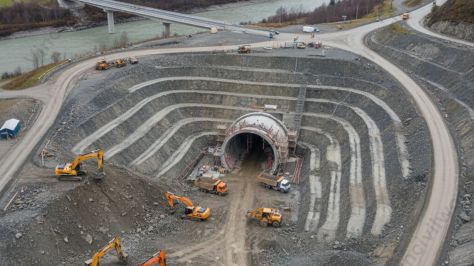
Tunnel engineers are highly qualified civil engineers who are in charge of designing and managing tunnelling projects. From the original design stages through the day the first automobile or train travels through, they are involved in every step of the tunnel construction process. 

Aerial view of a tunnel construction site, showing excavation work and heavy machinery around a partially completed tunnel entrance.
An aerial view of a tunnel construction site, showcasing heavy machinery and excavated earth, illustrating the complexities of tunnel engineering.
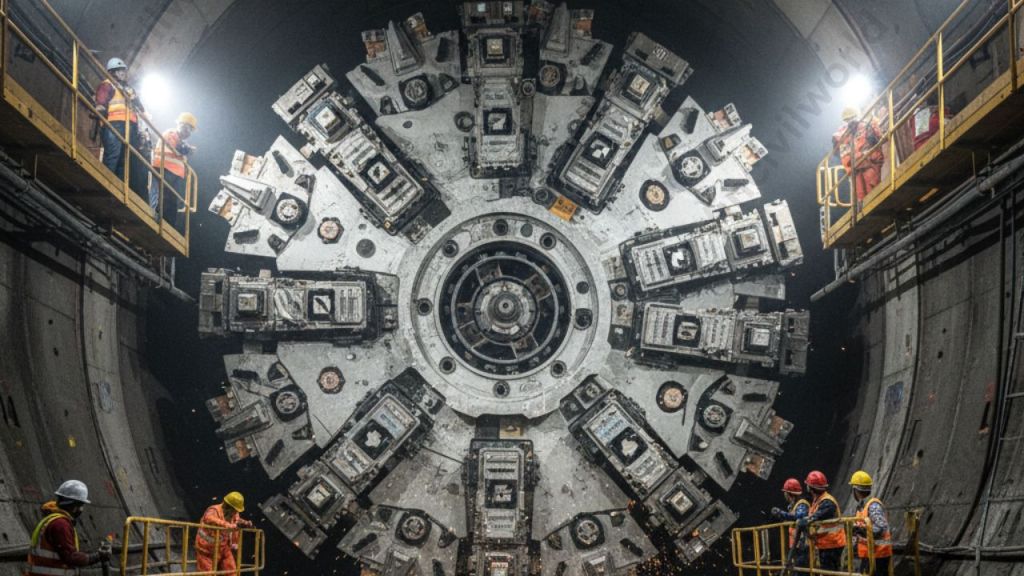
Tunnel building can be done in a variety of ways, each needing specialised expertise and equipment. Bored tunnels with Tunnel Boring Machines (TBMs), sprayed concrete lined tunnels, tunnels built with explosives, and tunnels built by pipejacking, piperamming, or thrustboring are examples of these procedures.

Tunnel Construction Techniques

Tunnel Construction Techniques involve methods used to excavate and support tunnels safely and efficiently. These techniques are selected based on geology, tunnel size, and project requirements. They ensure stability, speed, and cost-effectiveness during construction while minimizing risks. Cut and Cover Method

  • Drill and Blast Method
  • Cut and Cover Method
  • Bored Tunnelling (TBM Method)
  • New Austrian Tunneling Method (NATM)
  • Immersed Tube Method
  • Sequential Excavation Method (SEM)
A tunnel boring machine operating in a large underground tunnel, with engineers overseeing the process from various platforms.
A tunnel boring machine (TBM) in action, showcasing advanced technology used in tunnel construction.

Advantages of Tunneling

When compared to other approaches, the tunnelling method has a few advantages, which are listed below: 

  • When the depth exceeds a certain limit, the tunnelling approach is more cost effective than the open cut trench method. 
  • When tunnelling takes place, there is no disruption to surface life or ground activities such as transportation. 
  • The approach provides high-speed building while consuming minimal power. 
  • Noise Pollution is Reduced 
  • In high-altitude settings, these approaches are devoid of snow and iceberg risks. 
  • Tunnels are subject to restrictions on surface and air interference. 
  • The provision of tunnels with gentle gradients aids in the reduction of hauling costs.
  • When it comes to public utility transit, tunnelling offers a significant advantage over bridges. 
  • When a dangerous open cut to a nearby structure is required, the tunnelling approach is used to solve the problem. 
  • In aerial warfare and bombing situations, the tunnelling provides more protection.
A perspective view of a long, dark tunnel with a bright light at the end, illustrating the concept of tunnel engineering.
A dimly lit tunnel leading towards a bright exit, symbolizing the journey through tunnel engineering from darkness to clarity.

How about the disadvantages? It’s waiting for you in the next section.

Tunneling Disadvantages

Because of its complexity and difficulty, the tunnelling approach has some drawbacks. Here are a few examples: 

  • When compared to the open cut method, the initial investment cost for starting the tunnel is significant. 
  • Only a team of highly competent and experienced designers and engineers will be able to complete this procedure. 
  • You need to maintain higher and continuous supervision from the beginning to the finish of the tunnelling project, with no compromises. 
  • Tunneling activities necessitate the use of very sophisticated and specialised equipment.

That’s it about tunnel engineering and the basics of tunneling. Do you have any more doubts regarding the topic? Let us know in the comments. 

Key Takeaways

  • Tunnel engineering is crucial for modern infrastructure, facilitating safe passage through various terrains.
  • The field combines aspects of civil, geological, and mining engineering and includes study modules on geology, excavation, and safety practices.
  • Tunnel engineers oversee the design and construction process, utilising various methods such as TBMs and explosives.
  • While tunneling is cost-effective for deep projects and reduces disruption, it also requires high initial investment and skilled supervision.
  • Understanding both the advantages and disadvantages of tunneling helps in making informed engineering decisions in tunnel engineering.

Conclusion

Tunnel Engineering plays a crucial role in shaping modern transportation and utility networks by enabling construction beneath mountains, cities, and waterways. Understanding the Tunnel Engineering Definition helps readers appreciate how this field blends geology, structural design, and safety planning. The Basics of Tunnel Engineering further highlight the importance of ground behavior, support systems, and proper excavation choices. Through well-organized Tunnel Engineering Study Modules, learners can explore each concept step by step and build strong technical competence. Additionally, familiarizing themselves with various Tunnel Construction Techniques allows engineers to select the most suitable method for each project. This Introduction to Tunnel Engineering concludes by emphasizing that mastering these core principles ensures the creation of durable, economical, and safe tunnels for future infrastructure needs.

Interior Design: 3 Key Points and 3 (Common) Mistakes to Avoid

Interior design is the art or practice of strategizing and managing the planning, design and execution of architectural interiors and their finishes and furnishings. When we decide to build our home, a path begins. It generates proposals in a much larger spectrum than what refers to the house itself.

We also began to pay special attention to everything related to architecture, construction, and interior design.

We observe, in the spaces we inhabit, how this or that technical resolution works. We notice how much we like a certain colour palette and what combinations of materials we find most pleasing. This opens up a new universe.

Read Also: Blue World City Islamabad (UPDATED) Project Details | NOC | location | map | Plot Prices   

This is where I would like to make an aside for interior design.

It is the stage that materializes towards the middle and end of the work once the structural part and the “gross work” are resolved.

The interior designer ideally works as a team with the architect and the family. They focus on everything related to the well-being inside the home.

  1. What does an Interior Designer Do?
  2. Key points of Interior Design
    1. #1. Form and Function – Primary point of interior design
    2. #2. Materiality –
    3. #3. Aesthetic
  3. Common Interior Design Mistakes
    1. #1. Not Planning the Interior Design
    2. #2. Moving into the Unfinished House (or Knowing when we will Finish it)
    3. #3. Put Sustainability Aside
  4. Conclusions

What does an Interior Designer Do?

His task has much to do with architecture and also includes decoration, but goes beyond it:

It attends to the habitability of the space, its healthiness, materials, and the interior climate. This includes temperature, humidity, lighting, functionality, and aesthetics of all its equipment, etc.

It takes into account the behavioural and psychological aspects of those who will live in each space.

Here comes the most stimulating part of designing the interior of a home: Its creative and playful aspect.

A mood board showcasing various fabric swatches, color samples, and interior design inspiration, including photographs of styled living spaces and sketches, arranged on a cork board with a hand writing notes.
A creative mood board filled with fabric swatches, color palettes, and inspirational images for interior design.

The possibility of working on it as a family shapes it as a team with a professional. They finish shaping it and adjusting it to what we have already been designing.

They can be encouraged to make group sketches or put together collages or “mood boards” with pieces. These can include materials and colours that inspire them. Cut out and save images, words, photos, and phrases to serve as a guide throughout the process.

Let us have a walk through to the key points of Interior design

Key points of Interior Design

Three key points of interior design to keep in mind are as follows

  • Form and function
  • Materiality
  • Esthetic
A visual representation outlining the key points of interior design, featuring categories such as Form & Function, Materiality, and Aesthetic, accompanied by samples of materials and a floor plan sketch.
Visual representation of the key points of interior design: Form & Function, Materiality, and Aesthetic.

#1. Form and Function – Primary point of interior design

It is important that the forms we choose for the interiors are consistent with the design of the “shell”. This consistency should extend to the decisions we have been making at a functional level.

For example, if we choose to design a dome-type home where curved shapes prevail, that same criterion will guide us. It helps when choosing the openings, the furniture, and its distribution, reinforcing the idea of ​​the organic.

A modern living space featuring large glass doors that open to an outdoor area, with flowing white curtains and a minimalistic wooden dining table and chairs.
A modern interior featuring large glass doors and natural light, emphasizing seamless indoor-outdoor living.

If the construction decisions aim to generate a space with constant ventilation, the interior distribution should also collaborate with this objective. We should avoid locating large furniture or internal divisions that obstruct air circulation.

#2. Materiality –

Although sometimes we believe that the interior materials only influence the aesthetic aspect, like the rest of the materials we choose for the home, they also have great weight at a functional level. They influence the comfort and healthiness of the home.

For example, if we decide to build a high-efficiency rocket stove with natural materials, we should consider its surroundings. Surrounding it with a brick or stone plinth and floor can enhance its thermal inertia. It’s better than using ceramics or wood that do not have that characteristic.

Flat lay of various material samples including wood, marble, fabric, and metal, with the text 'Materiality: The choice of materials for a house is key' overlaying the image.
A curated selection of materials emphasizing the importance of materiality in interior design.

If from the design we are governed by the idea of ​​maintaining good insulation in the openings, we can collaborate with this. Choose a thick and heavy curtain on the facades most exposed to cold or wind.

The choice of materials for a house is key and largely determines the interior design of our house. So also the functional aspects that collaborate with the design of the house at a functional level.

#3. Aesthetic

It is a point that we sometimes put aside when we are in the middle of work, right?

However, aesthetics is one of the pillars of any creative act. It has a direct influence on the healthiness of the home since it relates to the appreciation of beauty.

Living spaces where we can inhabit beauty connect us directly with enjoyment and positive emotions, confidence, and self-esteem.

It relates to our most subtle side. It relates us to art in our daily lives. Moreover, it gives us the possibility to express the lifestyle that we seek to have and want to share.

A cozy living room with a light-colored sofa adorned with patterned cushions, a wooden coffee table with books, a sculptural vase, and a potted plant, all bathed in natural light from large windows.
A modern living room featuring a cozy sofa, a stylish coffee table, and a potted plant, highlighting minimalist interior design.

Spaces that we don’t like or cause aesthetic discomfort influence us negatively. They can even make us feel incapable or affect our image of ourselves as creators.

As in the previous points, the aesthetic line of the shell must have a clear relationship with the interior. This can be in a harmonious or totally disruptive way.

Common Interior Design Mistakes

Some issues arise repeatedly while designing spaces. These missteps can be avoided with a comprehensive understanding of design principles. The three most common interior design mistakes are as follows

  • Not planning the interior design
  • Moving into the unfinished house
  • Put sustainability aside

Let us dive into the details

#1. Not Planning the Interior Design

Being the last stage and perhaps the least “hard” or technical, everything related to equipment and finishes is usually left out. It is often excluded from the plans of time, money, and energy within the work.

However, it is important to remember these aspects. Ultimately, they make the quality of the home as much as the entire process that precedes it. We must consider it within the planning of the work like any other stage.

#2. Moving into the Unfinished House (or Knowing when we will Finish it)

An idea that is usually installed due to not having measured our money, time, and energy to finish and equip the house is “we move as it is, and then we finish it”.

This is a decision that can lead us to live in an unhealthy space, not very functional or not suitable for the lifestyle we aimed for when we started.

Without planning, it is a state that can last longer than we think. It can begin to affect us emotionally and functionally in our homes.

#3. Put Sustainability Aside

In a rush to finish as it may, we can abandon in this last stage all the considerations of ecology, sustainability, and health. These are aspects in which we invested in the rest of the construction.

This is related, again, to not considering the interior of the house in our planning. Consequently, we arrive without time, money, or energy to finish it.

Conclusions

1. The fundamentals: Consider the interior design and equipment of the home as part of the construction process. From the moment of planning and initial budget

2. Take interior design as a creative opportunity for all the people who are going to live in the house. It also encourages us to manufacture and generate the elements that are going to surround us every day.

3. Pay attention to the spaces that we are visiting. This allows us to take the ideas and concepts we find harmonious and pleasant and translate them into the design of our home.

4. Do not hesitate to consult a specialized professional, as in any other stage of the work

You already know interior design is something very important to consider in the design of your home. Taking these recommendations into account, you can start thinking and imagining what the interior of your new home could be like. For more ideas on interior design, please visit https://www.skymarketing.com.pk/kingdom-valley-islamabad/

Ecological House – How to Build with Materials that Society Throws Away

Ecological house or Earthship House models are passive, bioclimatic, and self-sustaining designs. An architecture that promotes the reuse of waste materials and energy independence.

Many people are now attracted to the idea of building an ecological, healthy, and low-cost house. One can find such houses in New City.

However, a myth persists that building a greenhouse costs a lot and requires expensive, sophisticated materials.

Nothing is further from reality!!!

  1. Types of Ecological Houses
  2. The Principles of Earthship Green Homes/ Ecological House
    1. 1. The Orientation of the House
    2. 2.  Use Waste Materials
    3. 3.  Use of Renewable Energies
    4. 4.  Installation of Rainwater Harvesting and Wastewater Treatment Systems
  3. Construction Stages of an Earthship Ecological House
    1. Earthship ecological house models do not walk with half questions.

Types of Ecological Houses

And while it is true that certain types of ecological houses use expensive materials, there are other options (there always are) that go the opposite way.

Today, I want to present a model of houses that Architect Michael Raynolds developed in 1978.

This model of ecological houses is called Earthship, which literally means “Earth Ship.”

Raynolds has been building their houses for more than 30 years in different parts of the world. They have adapted to different climates and cultures.

Reynolds is the founder of the  Earthship Biotecture initiative, an organization dedicated to fostering and promoting the development of the Earthships model of homes throughout the world.

The Principles of Earthship Green Homes/ Ecological House

The principles that guide the design of Earthships ecological houses are simple and functional.

Their purpose is to generate a healthy, sustainable house with a decentralized energy supply system.

There are 4 principles that guide this type of design:

  • The orientation of the House
  • Use waste materials
  • Use of Renewable energy
  • Installation of Rainwater Harvesting and Wastewater Treatment Systems

1. The Orientation of the House

The basic principle of Passive Design. It is about orienting the openings of the house (especially windows) towards the direction of the solar path.

A principle that should guide every design of a house. 

Builders create large windows in this direction and place a greenhouse (in the form of a longitudinal corridor) between the exterior and the house’s rooms.

Interior view of a greenhouse corridor in an ecological house, featuring lush plants and a wall made of glass bottles.
Interior of an Earthship greenhouse corridor, featuring lush plants and walls made from repurposed materials, designed for solar energy collection.

This greenhouse corridor efficiently collects solar energy, and residents manually regulate the house’s temperature there.

It also serves as an interior garden where to grow food for self-consumption. It can also build filters for the gray water of the house.

2.  Use Waste Materials

Earthship eco-homes use car tires, glass bottles, and cans in their construction.

Builders use car tires to construct the foundations and retaining walls of the house. They incorporate bottles and cans into the walls. Typically, they build dense and wide walls from earth or adobe.

This achieves great energy efficiency.

A modern Earthship ecological house with a unique facade featuring recycled glass bottles, surrounded by used car tires and small shrubs, set against a sunset landscape.
An Earthship ecological house showcasing sustainable design with walls made from waste materials, featuring glass bottle skylights and tires as a foundation.

The use of bottles works as skylights, allowing light to enter and generating a very particular aesthetic that many people like more and more.

3.  Use of Renewable Energies

One of the characteristics of the Earthships Houses is their independence from supply networks. Therefore, it is possible to build them anywhere.

An Earthship ecological house featuring a unique design built with sustainable materials, solar panels on the roof, and a wind turbine in the background, set in a desert landscape.
An Earthship ecological house featuring solar panels and a wind turbine, designed for self-sustainability and energy independence.

To generate energy for domestic consumption, the house uses the energy of the sun and the wind. Solar panels and Aeolic blades serve as two sources of permanent and renewable energy.


4.  Installation of Rainwater Harvesting and Wastewater Treatment Systems

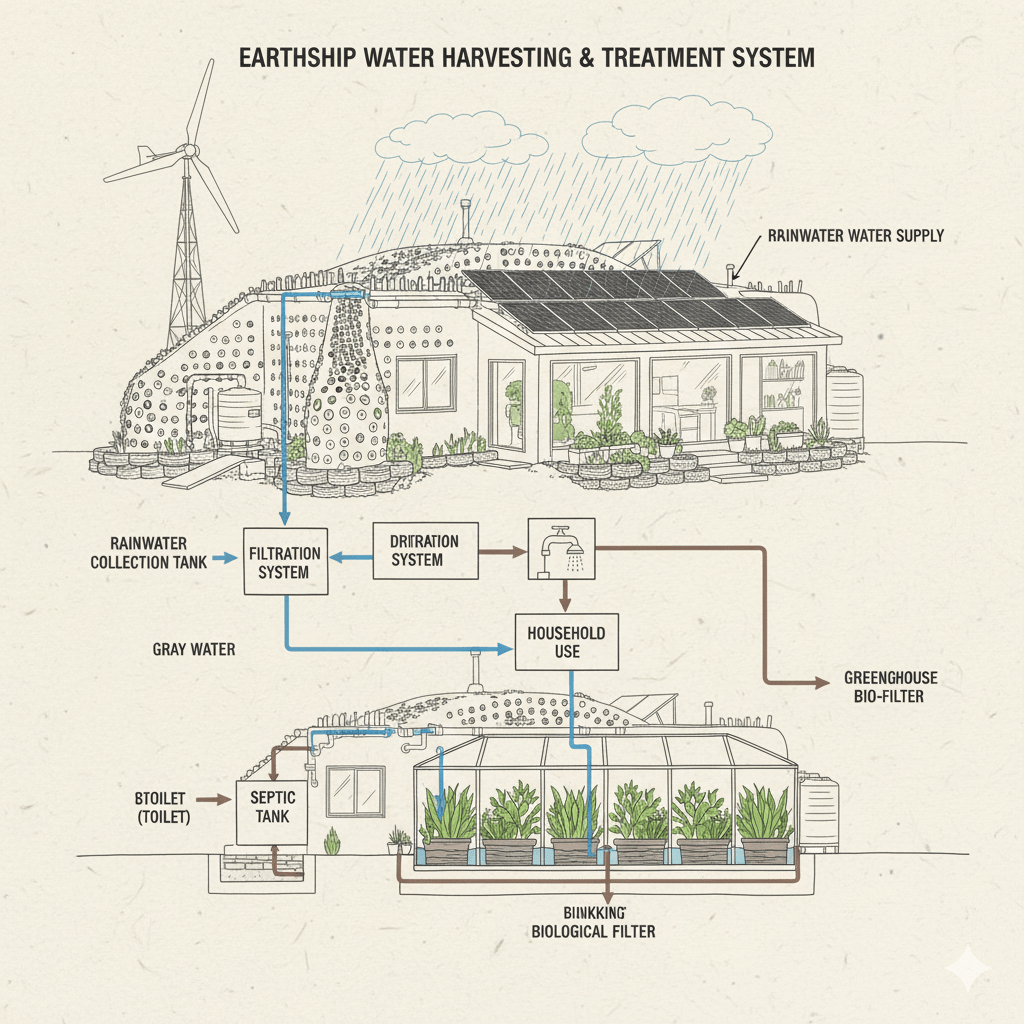
The house achieves its water supply by collecting rainwater, which it gathers in a dedicated tank. Then, some filters purify this water into drinking water, and the house uses it for all purposes. The system separates gray water from black water (from the toilet). A gray water filter in the “greenhouse” part treats the gray water.

Illustration of an Earthship water harvesting and treatment system, showing components like rainwater collection tank, filtration system, gray water management, septic tank, and a greenhouse bio-filter for sustainable living.
Diagram illustrating the Earthship water harvesting and treatment system, showcasing how rainwater is collected, filtered, and utilized within the ecological house.

The water from the toilet goes to a septic tank, to be later purified in a biological filter.

The following diagram shows how the water in the house is collected and treated.

Construction Stages of an Earthship Ecological House

The simple construction system of an Earthship Ecological House allows people to build it collaboratively and communally.

It is very labour intensive, and the first stage is physically hard work.

Let us look into the stages of construction.

1. It begins by building a perimeter wall (in the form of a «C») of used car tires

This wall covers the three orientations except that of the solar path. North for the Southern hemisphere and South for the Northern hemisphere.

Once the wall is finished, a perimeter beam is placed on the wall. Some “screen wall” type pillars reinforce the perimeter wall of used tires.

On the opposite side of the solar path are the rainwater collection tanks and the tubes. These tubes manually regulate the interior temperature of the house (ventilation).

2. Then, you start with the wooden structure. The roof structure and the entire roof are built. Also, the part that looks towards the solar path where doors and windows are located

3. Also, with a wooden structure, the part of the greenhouse is built in the same direction as the solar path

4. Solar panel installations are made

5. Interior work begins: interior floor and walls

Earthship ecological house models do not walk with half questions.

It is a 100% self-sustaining design, uses waste materials, and promotes energy independence.

It is a radical design that is committed to a relationship with an environment of respect and harmony.

If you really dare to have a design like this, the best advice is to get to know the Earthship Biotecture website in depth

It will probably be very difficult for you to find a construction company that knows and knows how to build an Earthship house.

Therefore you will have to train and seek help from people who know and work promoting this type of construction.

How to Design a Progressive House that Grows and Transforms?

Progressive house design is a paradigm shift in residential architecture. This form of flexible architecture accepts change as an inherent part of life, creating a home that can physically adapt and expand to meet the evolving needs of its occupants. Unlike a static house, this embodies the very essence of adaptable housing, making the home a living entity. It is a testament to the fact that people’s lives are in a constant state of flux, thus creating a truly future-proof house. The strategy involves staged home building, where the home’s growth is carefully planned in successive phases. This modern approach often utilizes modular home construction, which makes all expansions efficient, predictable, and highly cost-effective.

This article will detail how to design a progressive house design, exploring its benefits, strategies, and the architect’s role.

  1. The Problem with “Static” Houses
  2. Strategies for Designing a Progressive House
  3. The Role of the Architect and Design Work
  4. The Advantages of a Progressive House Design
  5. Key take aways
  6. Conclusion
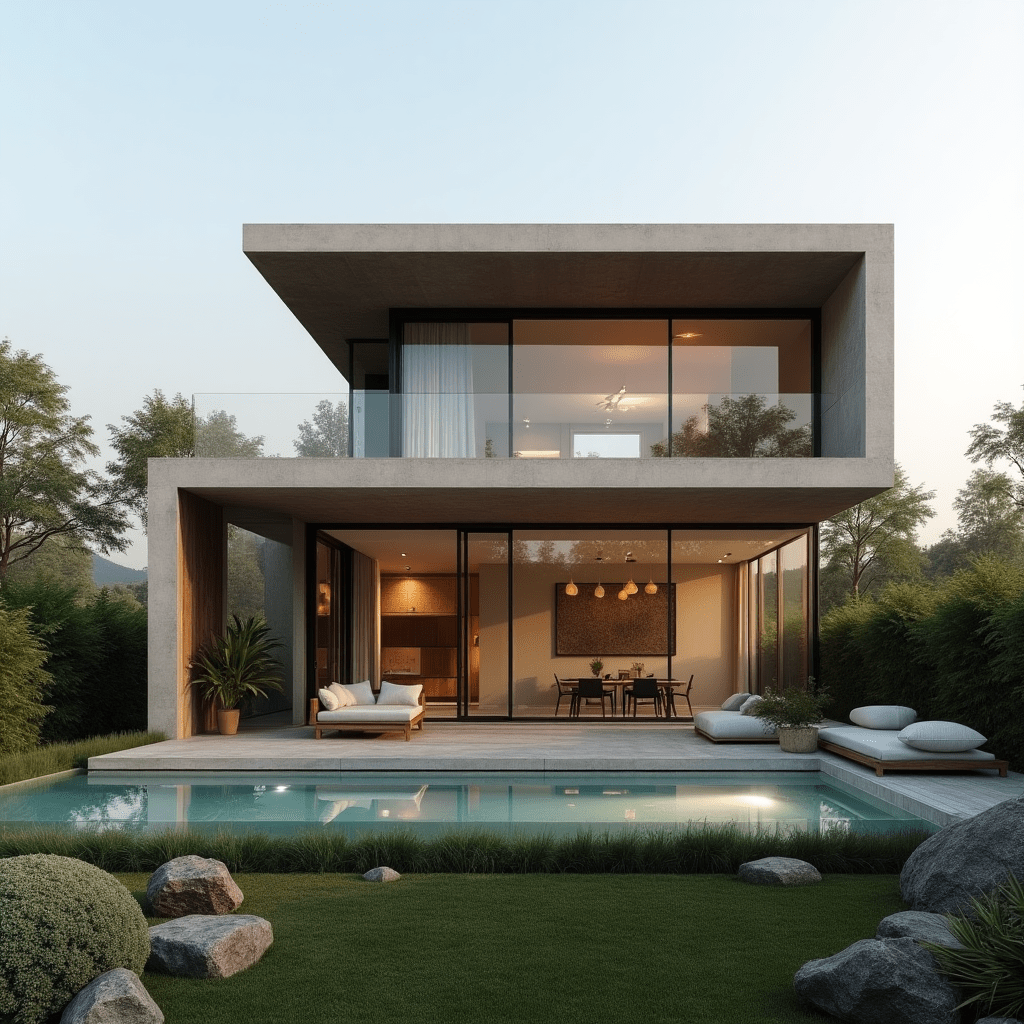
A modern progressive house design featuring a two-story structure with large glass windows, a spacious outdoor terrace, and a swimming pool surrounded by greenery.
A modern progressive house design featuring open spaces, large glass windows, and a pool, exemplifying adaptable architecture.

The Problem with “Static” Houses

Most houses are built with the assumption that the owners’ needs will remain constant, leading to several issues:

  • Material Rigidity: They are often constructed using heavy, rigid materials. This makes interior or exterior modifications a complex and costly endeavor.
  • The “Final” House Mindset: The prevailing belief is that a house is a one-time, final investment. This leads to designs that are over-scaled for current needs. They often assume a future that may never fully materialize.
  • Standardized Shortcomings: Manufacturers mass-produce many prefabricated or standardized homes with a “one-size-fits-all” mentality, so they lack equipment for future adaptation.
A modern progressive house with a sleek design, featuring large windows and a wooden facade, surrounded by a landscaped garden and a pool.
A modern progressive house showcasing adaptable design, blending aesthetics with functionality.

This static approach is a stark contrast to the fluid nature of a progressive house design. It is inherently a future-proof house and is the equivalent of a lightweight, manoeuvrable sailboat. It is economical and can easily adjust its course as conditions change.

Strategies for Designing a Progressive House

Designing a progressive house is not about guessing the future. It is about intelligent planning and design. It’s about creating a blueprint that allows for growth in a logical, phased manner, a key principle of staged home building. Children’s products are often designed to adapt to their rapid growth. Similarly, a progressive home’s initial construction perfectly suits immediate needs. It also prepares for future expansion. The entire process is a clear roadmap for creating true adaptable housing/progressive house design.

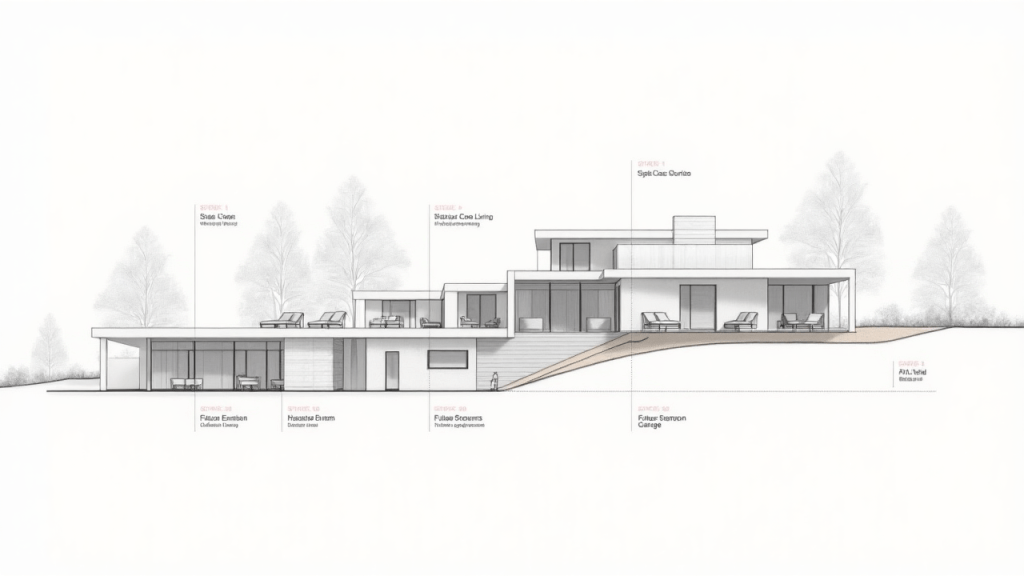
Architectural diagram of a progressive house design, showcasing various stages of construction and future expansion phases.
Architectural diagram showcasing the staged development of a progressive house design, illustrating phases for expansion and adaptability.

Here’s a practical guide based on a common scenario: a couple starting their family.

  1. Identify Current Needs: List the essential rooms and spaces required for your life right now. For a couple, this might include a master bedroom, a home office, a single bathroom, a kitchen, and a living area.
  2. Anticipate Future Needs: Think about potential life changes. List the spaces that will be required to accommodate them. This could include two additional children’s rooms, a guest bathroom, a dedicated laundry room, or a garage.
  3. Define and Prioritize Stages: Break down the construction into clear, manageable stages. This is the core of adaptable housing.
    • Stage 1: Construct the essential core.
    • Stage 2: Build the additions for the growing family.
    • Stage 3: Add the remaining desired spaces.

This phased approach provides a clear financial and logistical roadmap for your home’s development.

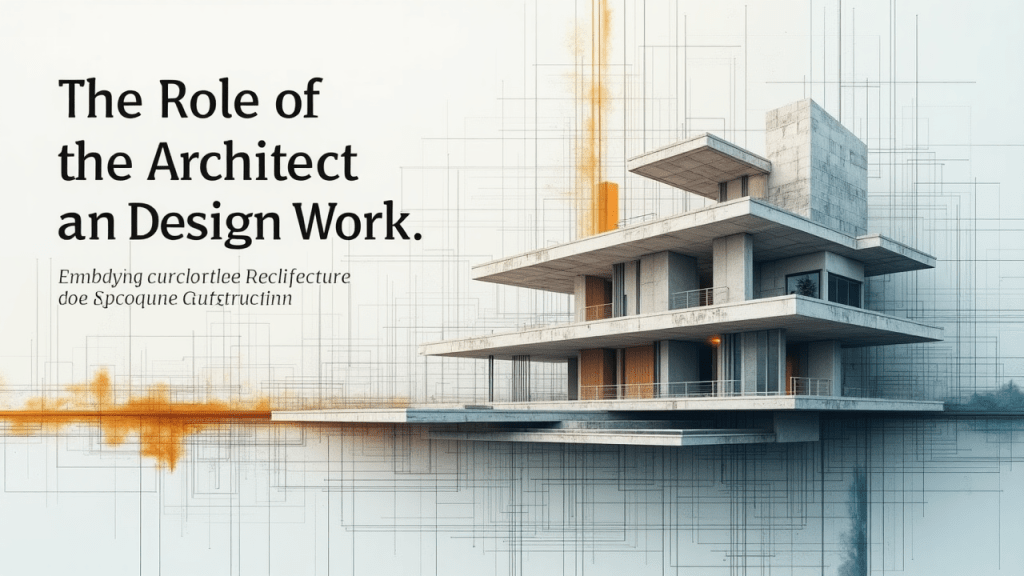
The Role of the Architect and Design Work

The architect is a crucial partner in this process. Their role is to educate clients and provide design alternatives. This embodies flexible architecture. This progressive mindset is not yet widespread. As a result, clients don’t ask for it, and architects don’t offer it. However, some innovative firms like La Panadería are championing this approach. They view the home as a continuous, collaborative process and a prime example of modular home construction.

A modern architectural design showcasing a futuristic house concept, with distinct levels and materials, emphasizing adaptability and innovative design. The text overlay highlights 'The Role of the Architect and Design Work.'
The role of the architect in progressive house design, showcasing a modern structure that embodies flexible architecture.

When working on the progressive house design, consider these technical strategies:

  • Modular Home Construction: Choose a system that allows for easy and seamless expansion.
  • Lightweight Interior Walls: Use materials like drywall that are easy to remove or relocate.
  • Strategic Plumbing and Electrical: Install plumbing in foundational walls to accommodate future bathrooms.
  • To future-proof the structure, engineers should design the foundation and roof from the start. This prevents the need for major structural overhauls later.

The Advantages of a Progressive House Design

Embracing a progressive house design offers numerous benefits:

  1. Financial Flexibility: You can spread the total budget for your home across multiple stages. You can invest incrementally as your financial situation allows.
  2. Cost and Time Efficiency: A smaller initial build is less expensive. It also takes less time to complete. This is a key advantage of staged home building.
  3. Lower Initial Investment: You only pay for the space you need right now. This makes homeownership accessible with a much smaller upfront budget.
  4. Increased Manageability: A smaller project is easier to oversee and manage. This reduces stress and potential complications.
  5. Acquired Experience: You gain invaluable hands-on experience during the first stage. This makes subsequent expansions a smoother, more confident process.
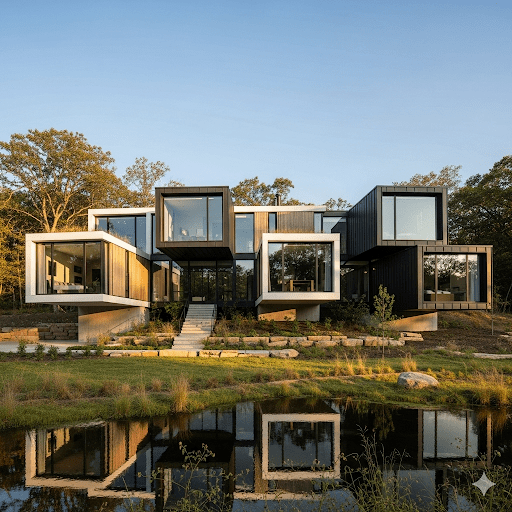
A modern progressive house featuring a unique architectural design with multiple box-like structures, large glass windows, and a surrounding landscape with a pond.
A modern progressive house design showcasing flexibility and adaptability, featuring modular construction and open spaces.

In conclusion, a progressive house design is a smart, strategic choice. It represents a shift from static, permanent structures to adaptable housing. This truly reflects the dynamic nature of human life. It’s a powerful antidote to the cost and complexity of a “definitive” house. With smart planning and a modular home construction approach, you can build a home that is always ready for what comes next.

Key take aways

Progressive house design is a strategic architectural approach that transforms static homes into dynamic, evolving living spaces. It’s a form of flexible architecture that fully embraces life’s constant changes.

This concept is centered on staged home building. By carefully building in phases, homeowners can spread out costs, which makes homeownership more financially accessible and entirely manageable for any budget.

A progressive home is a truly future-proof house. You can create adaptable housing where you quickly reconfigure rooms to suit different needs, like turning an office into a child’s nursery.

The process often relies on modular home construction. This efficient method uses prefabricated components to make future expansions and modifications seamless, quick, and remarkably cost-effective.

Conclusion

In conclusion, progressive house design offers a forward-thinking alternative to traditional static homes. This is a form of flexible architecture that embraces a strategic and planned approach to growth. Staged home building allows for a more financially manageable journey into homeownership. It’s a truly future-proof house that provides the ultimate form of adaptable housing by evolving with its occupants. By relying on modern techniques like modular home construction, you can make the expansion process efficient, predictable, and remarkably cost-effective.