Category Archives: CONCRETE

Destructive tests (DT) on hardened concrete – Types

Destructive tests (DT) and Non-destructive tests (DT) are the tests done on hardened concrete. Destructive tests on concrete are essential for determining the strength and durability of hardened concrete. These tests evaluate how concrete performs under stress and give critical data for assessing the quality of a structure.

Destructive concrete testing involves breaking or damaging samples to measure their ultimate strength. Common types of destructive concrete tests include compressive strength tests, split tensile tests, and flexural tests. Testing of hardened concrete ensures that it meets design specifications and structural requirements. These tests for hardened concrete offer reliable insights into performance, making them crucial for quality control in construction. Destructive tests of concrete help identify potential weaknesses, ensuring long-term durability and safety of structures.

Concrete is the oldest and most important construction material in the world. Testing of the concrete plays an important role to know the strength, durability and condition of the structure. This article is about the types of Destructive concrete tests and non-destructive tests done on hardened concrete.

  1. Types of tests on hardened concrete
    1. Destructive tests on Hardened Concrete
  2. Significance of Destructive tests on hardened Concrete.
  3. Types of Destructive tests for hardened Concrete
    1. Compressive strength test of concrete
    2. Splitting tensile strength test on hardened Concrete
    3. Flexural strength test 
  4. Key Takeaways
  5. Conclusion

Types of tests on hardened concrete

Tests on hardened concrete are classified into two types.

This article we will discuss about the Destructive tests on hardened Concrete. For Non destructive tests on Hardened Concrete please refer our article..

Also Read : Non destructive tests on Hardened Concrete.

Destructive tests and Non-Destructive tests are done to determine the important properties of concrete. These properties include but not limited to compressive strength, flexural strength, tensile strength etc.

Destructive tests on Hardened Concrete

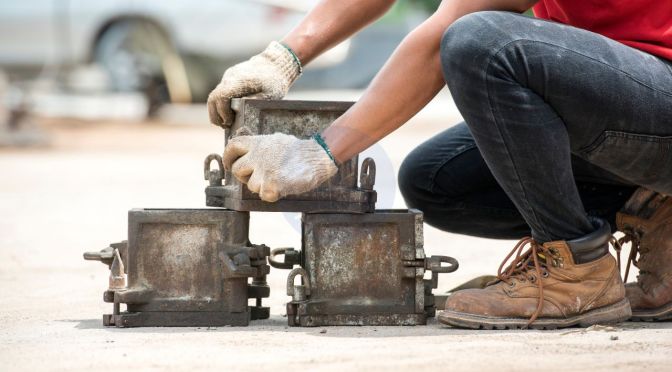
The quality of concrete is important for construction. Hardened concrete attains strength as it matures. The destructive test of concrete helps to understand the behavior and quality by breaking the test specimen at certain loads. The primary step of the destructive test is to cast test specimens from freshly made concrete.

The destructive testing method is suitable and economically beneficial for the concrete specimens that are produced at a large scale. The main intention of destructive tests is to investigate the service life. They aim to detect weaknesses in the design that might not show under normal working conditions. It includes methods where the concrete specimen is broken so as to determine mechanical properties i.e. hardness and strength. This type of testing is very easy to carry out, easier to interpret, and yields more information.

Also read : Concrete mixing – Types and objectives

Significance of Destructive tests on hardened Concrete.

Concrete is a basic construction material, So it should be capable to withstand heavy loads. The concrete test results mainly depend on the cement strength, water-cement ratio, concrete quality etc. The main objectives of the hardened concrete test are as follows.

  • Quality control
  • Acceptance of concrete
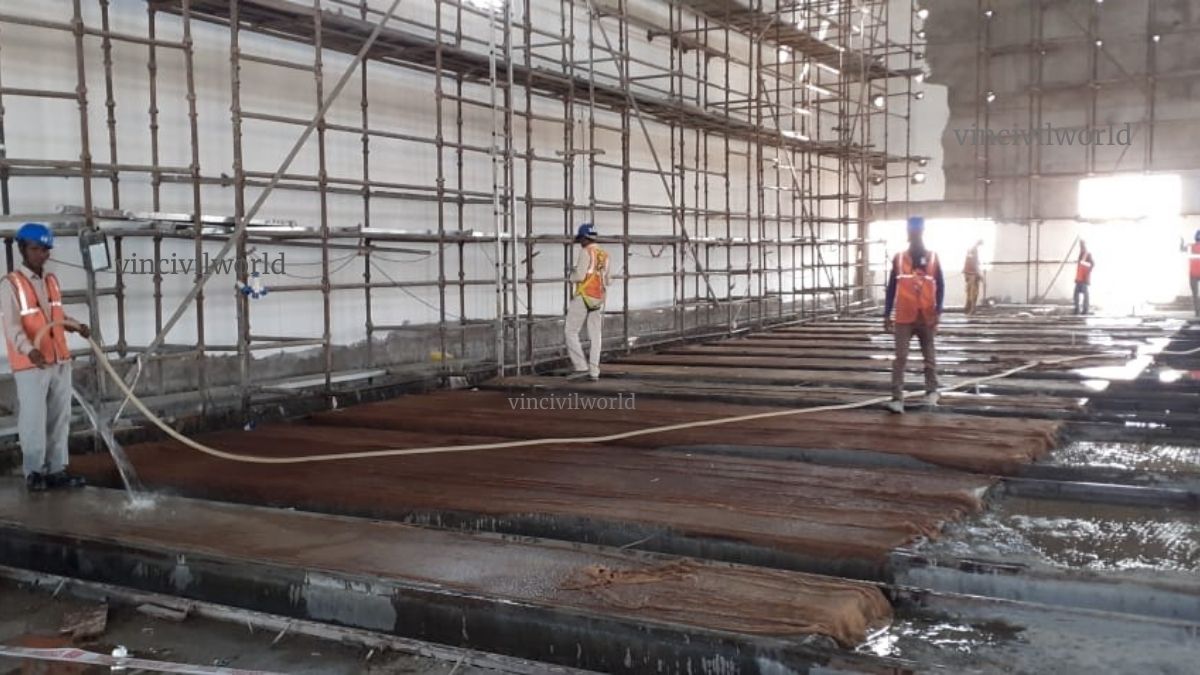
  • Evaluation of curing
  • To provide information on the use of sand and aggregate.
  • For evaluating the uniformity of concrete
  • Estimates the concrete quality with standard requirements.
  • To determine the uniform stress distribution.
  • Investigating the behavior of concrete.
  • For determining the in-place concrete strength.
  • Age of concrete, etc.
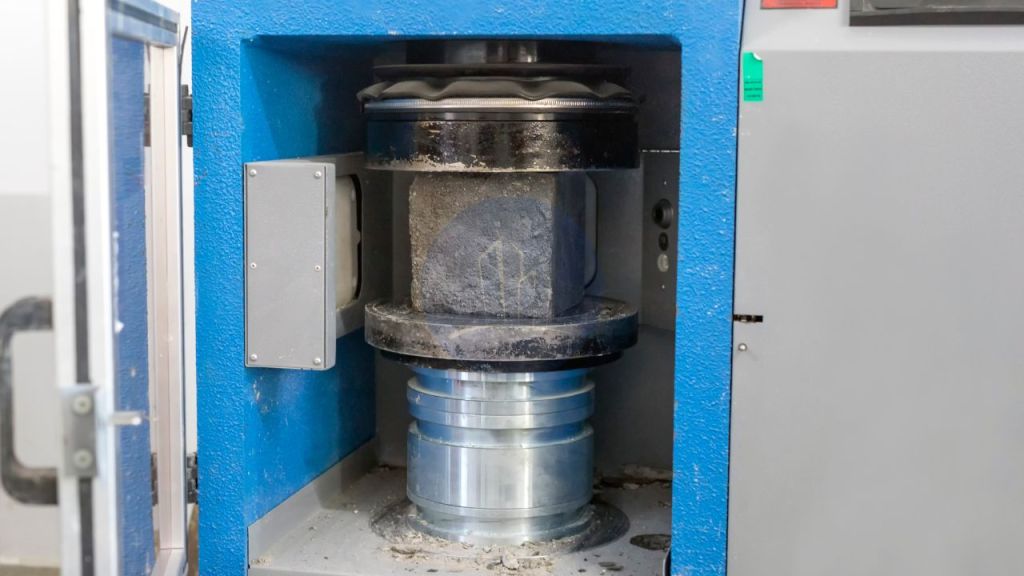
Destructive test -Compressive test on concrete
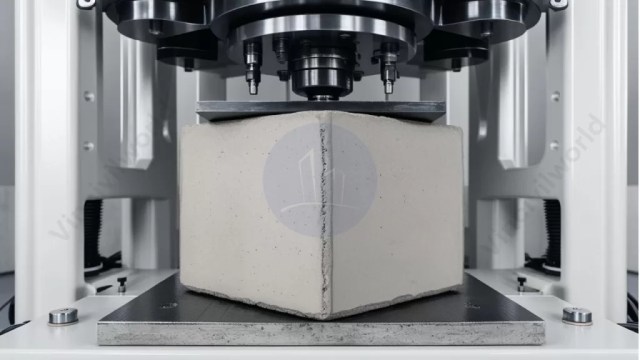
Compressive test on hardened concrete
Compressive test on concrete

Types of Destructive tests for hardened Concrete

The main intention of destructive tests is to investigate the service life. They aim to detect the weakness of design that might not show under normal working conditions. These tests determine the compressive, flexural and tensile strength of concrete. There are different types of tests available to examine the hardened concrete. They are as follows.

This article focuses on Compressive strength test and Flexural Strength test on Hardened Concrete . For splitting tensile strength test please refer to our article mentioned below.

Also Read : Splitting Tensile Strength Test on Hardened Concrete

Compressive strength test of concrete


The compressive strength test of concrete is a crucial method in destructive concrete testing. It assesses how much load a concrete sample can withstand before failure. In this test, hardened concrete specimens are subjected to increasing pressure until they crack. This test helps evaluate the structural integrity of the concrete. As a major type of destructive concrete test, it offers vital data. This ensures the quality and performance of concrete in various construction applications.

Compressive strength of concrete is the ability of the concrete to withstand loads without cracking or deformation. The concrete specimen to conduct this test should be either cylindrical or cubic. The apparatus for performing this test is a Compression testing machine. The relevant IS code for this test is IS 516-1959. The load at which the specimen fails measures its strength. 

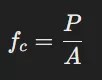
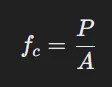
Compressive strength of the concrete = Load at which the concrete breaks / Cross-sectional area of the specimen

The unit of compressive strength of concrete is N/mm^2. The test should be done at 7, 14 & 28 days. 

For more details : Compressive strength of concrete -significance and test procedure

Compressive strength test of concrete

Splitting tensile strength test on hardened Concrete

The splitting tensile strength test is one of the tests on hardened concrete for determining its tensile strength. Concrete is a durable construction material. Under tension, concrete is brittle in nature. Therefore it causes cracks and deteriorates. The splitting tensile strength test measures the concrete tensile strength. For this test, we use cylindrical specimens with 150 mm diameter and 300 mm height. 

The tensile strength of concrete is 

Splitting tensile strength of concrete, T= 2P/ Ω LD

The unit of tensile strength is N/mm. The IS 5816: 1999, ASTM C496 gives the standard aspects for this test. 

Also Read : Splitting tensile strength test on concrete- Significance and test procedure

Flexural strength test 

The flexural strength test and splitting tensile strength test are almost the same. Because both the tests measure the tensile strength of concrete. The flexural strength test of concrete measures the tensile strength of concrete through an indirect method. The relevant codes for this test are ASTM C293 & ASTM C78. This test measures the ability of concrete to resist failure in bending. The modulus of rupture is the measure of tensile strength. Its unit is MPa or psi. 

Modulus of rupture, MR = 3PL/ 2bd^2

Where, 

P is the Ultimate applied load, L is the span length, b & d is the average width and depth of specimen at fracture. 

Key Takeaways

  • Destructive tests on hardened concrete help assess strength and durability.
  • Compressive strength test is the most common destructive concrete testing method, crucial for evaluating load-bearing capacity.
  • Split tensile strength tests measure concrete’s resistance to tension.
  • Flexural strength tests assess concrete’s ability to resist bending, providing data on tensile strength.
  • Testing of hardened concrete is vital for ensuring the quality and performance of concrete in construction.
  • The results from tests for hardened concrete offer insights into the structural integrity of concrete elements.

Conclusion

Destructive tests on hardened concrete are critical for assessing the strength, durability, and performance of concrete structures. Methods like the compressive strength test, splitting tensile test, and flexural strength test provide valuable data. They show how concrete will perform under different stresses. These types of destructive concrete tests identify weaknesses that may not be visible under normal conditions. This ensures the long-term stability and safety of concrete structures. Destructive concrete testing provides essential insights into the quality of the material. It subjects samples to failure. This supports better design and construction practices.

These are the major tests done on hardened concrete for determining the strength of concrete. As concrete is the basic ingredient of all structures , the quality has to be ensured to maintain the structural stability and life.

Construction Joints in Concrete | Types and applications

Construction joints in concrete are a crucial and fundamental part of civil engineering and construction. Changes in temperature and moisture can cause concrete to expand and contract. Because concrete is weak in tension, shrinkage and volume change in concrete cause cracks. The construction joints installed at strategic locations prevent the formation of cracks in concrete and the development of tensile stresses.

Understanding the types and purposes of these joints is vital for effective concrete construction. Transitioning from design to installation, proper management of construction joints ensures a long-lasting and resilient concrete structure.This article discusses the significance of construction joint types in concrete structures like slabs and pavements etc and their applications and features

  1. What is a construction joint in concrete ?
  2. Construction joints in concrete – Significance
  3. Types of Joints in Concrete
    1. Construction Joints in Concrete: Purpose and Types
    2. Types of Construction Joints in concrete
    3. Expansion joints in concrete
    4. Types of Expansion Joints
  4. Contraction Joints in Concrete: Purpose and Types
    1. Types of Contraction Joints
  5. Summary of Differences – Joints in concrete
    1. Intentionality
  6. Movement Accommodation
    1. Reinforcement Continuity
  7. Design Considerations for Construction Joints
    1. Factors Influencing Joint Placement
    2. Design Guidelines and Best Practices
  8. Material choice for Joints
  9. Construction and Installation Techniques
    1. Preparing the Site and Surface
    2. Installing Construction Joints: Step-by-Step
  10. Common Challenges and Solutions
  11. Key Takeaways
  12. Conclusion

What is a construction joint in concrete ?

A construction joint is a type of concrete joint used when a new section of concrete is poured next to an already set section of concrete. The purpose of a construction joint is to allow for some horizontal movement. It remains rigid against rotational and vertical movement. Concrete slab construction joints help control cracking and accommodate shrinkage or thermal expansion.

Construction joints in concrete – Significance

Construction joints in concrete are vital for the stability and longevity of concrete structures. These joints, like concrete construction joints and slab construction joints, help manage the stresses and movements. Concrete undergoes changes during curing and environmental changes. Properly placed concrete slab construction joints prevent uncontrolled cracking and make sure that construction joints in concrete slabs work effectively. They allow for natural expansion and contraction while maintaining structural integrity. Builders can address potential issues by understanding and implementing the right type of construction joints. This leads to more durable and reliable concrete structures. Hence, effective management of these joints is crucial for successful concrete construction.

Types of Joints in Concrete

Construction joints in concrete are crucial for managing movement and stress in concrete structures. Different types serve various functions, each ensuring the durability and performance of the structure. On the basis of functions construction joints in concrete are classified as follows.

  • Construction Joints
  • Expansion Joints/Control Joints
  • Isolation Joints

Related posts from vincivilworld

Construction Joints in Concrete: Purpose and Types

Construction is often a time-consuming process. Construction joints in concrete play a crucial role in managing this. They separate large concrete work into smaller, more manageable units. These joints are particularly useful in locations where construction stops at the end of the day’s work. A construction joint is a specific type of concrete joint. It is used when a new section of concrete is poured next to an already set section. These joints ensure effective bonding between different pours while accommodating structural movement. They are vital for preventing cracks and maintaining the overall integrity of the structure.

Types of Construction Joints in concrete

  1. Butt Joints: Connect two concrete slabs without overlapping.
  2. Tongue and Groove type or Keyed Joints: Feature interlocking sections for added strength.
  3. But type Construction joints with dowel bars or Dowel Joints: Use dowels to align and transfer loads between slabs.
  4. Groove Joints: Formed by creating grooves in fresh concrete for controlled cracking.

Properly placed construction joints in concrete slabs ensure that the structure remains stable and durable over time.

Concrete construction joints in concrete
Illustration of different types of construction joints in concrete, including butt joints and tongue and groove joints.

On the basis of the structure, the construction joint can be vertical, horizontal and inclined. It is suitable for the construction of large slabs, irrigation channels, etc. These joints consist of keys at definite intervals. These keys help in resuming the work the next day. It also helps in uniform load distribution.

Expansion joints in concrete

Concrete construction often faces challenges due to the expansion of concrete from temperature and moisture changes. This expansion can lead to cracks and even structural failure. To address this, construction joints in concrete, particularly expansion joints, are used. These joints, also known as control joints, allow for controlled expansion of the concrete without causing stress, thus preventing cracks. For buildings longer than 45 meters, it’s common to include one or more expansion joints. In India, the recommended spacing is 30 meters. The joints are created by leaving a space between concrete slab construction joints. This space is typically at a depth of one-fourth the slab thickness. These concrete construction joints can be installed either before or after the concrete is laid. Effective performance is ensured by cutting the joints deeply.

Types of Expansion Joints

  1. Compression Seal Joints: Use flexible materials that compress and expand with temperature changes.
  2. Sliding Plate Joints: Feature metal plates that slide over each other, allowing movement.
  3. Strip Seal Joints: Use rubber strips to absorb movement and seal against moisture.
  4. Bellows Joints: Use a flexible, accordion-like structure to accommodate movement in multiple directions.

These types of expansion joints are essential for maintaining structural integrity. They include construction joints in concrete slabs. They prevent cracks and ensure long-term durability in concrete structures. Proper placement and installation of these joints are crucial for the success of any concrete construction project.

Expansion joints are essential in bridges, pavements, and railway tracks. They are also vital in other large concrete structures. They ensure durability and prevent stress-related damage over time.

A concrete expansion joint depicted on a roadway, featuring a zigzag pattern to accommodate movement, ensuring structural integrity and preventing cracks.
Expansion joint in concrete pavement, designed to accommodate temperature-induced movement.

Contraction Joints in Concrete: Purpose and Types

Concrete is weak in tension, so when it contracts during hardening, it induces stress that can lead to cracks. To prevent unnecessary cracking, contraction joints in concrete are essential. These construction joints are installed before the concrete is laid. They are particularly useful in projects such as roads, retaining walls, floors, tunnels, and canals. Typically, contraction joints are spaced between 5m to 10m apart. Jointing tools are used for their installation. In reinforced concrete, contraction joints can often be avoided. In un-reinforced or lightly reinforced slabs, these joints are crucial. They minimize crack formation and maintain the structural integrity of the concrete.

Types of Contraction Joints

  1. Sawed Joints: Created by sawing a groove into the hardened concrete slab.
  2. Tooled Joints: Formed by hand-tooling a groove into the concrete while it’s still wet.
  3. Pre-molded Joints: Use pre-molded inserts placed into the concrete slab construction joints to create a controlled crack.
  4. Formed Joints: Created by placing a strip of material in the concrete before it hardens to guide controlled cracking.

These types of contraction joints are vital in concrete slab construction joints, ensuring that the structure remains durable and free from random, damaging cracks. Proper placement of these joints helps maintain the structural integrity and appearance of the concrete.

Diagram illustrating a contraction joint in concrete, labeled with a plastic or hardboard preformed strip.
Illustration of a contraction joint in concrete, highlighting the use of a plastic or hardboard preformed strip for effective stress management.

Summary of Differences – Joints in concrete

Intentionality

Intentional Joints: Contraction, Isolation, Expansion, and Construction joints are deliberately incorporated into design. They help manage structural behavior. These joints also facilitate building processes.

Unintentional Joint: Cold joints arise from unplanned delays and require remediation to ensure structural soundness.

Movement Accommodation

  • Contraction Joints: Control crack locations due to shrinkage.
  • Isolation Joints: Allow independent movement in all directions between connected structures.
  • Expansion Joints: Accommodate expansion and contraction primarily due to temperature changes.
  • Construction Joints: Facilitate construction without necessarily accommodating movement unless designed to do so.
  • Cold Joints: Do not accommodate movement and may pose structural issues if not addressed.

Reinforcement Continuity

Interrupted Reinforcement: Isolation and sometimes expansion joints interrupt reinforcement to allow for movement.

Continuous Reinforcement: Contraction and construction joints typically allow reinforcement to pass through, maintaining structural continuity.

Affected Reinforcement: Cold joints may inadvertently disrupt reinforcement continuity due to placement delays.

Design Considerations for Construction Joints

Factors Influencing Joint Placement

Factors influencing the placement of construction joints in concrete include load requirements, environmental conditions, and the size of the structure. Proper placement ensures effective stress management and minimizes the risk of cracking. Consideration of these factors helps in deciding the type and location of concrete construction joints.

Design Guidelines and Best Practices

Designing construction joints in concrete involves ensuring proper alignment and spacing to manage stresses effectively. Best practices include adhering to recommended joint spacing and depth, using proper sealing materials, and coordinating joint placement with construction phases. This approach helps maintain the structural integrity of concrete slab construction joints.

Material choice for Joints

Selecting appropriate materials for construction joints in concrete is crucial for ensuring durability and performance. Common materials include joint sealants, fillers, and reinforcement products. The choice depends on the joint’s role and environmental exposure. This ensures that concrete slab construction joints perform effectively under various conditions.

Construction and Installation Techniques

Effective construction and installation of construction joints in concrete involve several steps. Proper site and surface preparation is essential. You should follow detailed installation procedures. By doing so, you can address common challenges. These steps help ensure that concrete construction joints are functional and durable. Adhering to these techniques minimizes the risk of issues in concrete slabs.

Preparing the Site and Surface

Preparing the site and surface for construction joints involves cleaning and leveling the area where joints will be placed. This step ensures proper adhesion and alignment of concrete slab construction joints. It is essential for achieving a smooth finish. This also prevents future issues in the concrete structure.

Installing Construction Joints: Step-by-Step

Installing construction joints in concrete involves several steps: marking the joint locations, placing formwork, pouring concrete, and finishing the surface. Accurate placement of concrete construction joints is crucial. Proper finishing techniques ensure they function as intended. These aspects enhance structural durability.

Common Challenges and Solutions

Common challenges with construction joints in concrete include misalignment, insufficient sealing, and inadequate curing. Solutions involve meticulous planning, using quality materials, and following best practices for installation. Addressing these issues helps maintain the integrity of construction joints in concrete slabs and ensures long-term performance.

Key Takeaways

Construction joints in concrete are essential for managing stress and movement within concrete structures. Properly placed concrete construction joints, such as slab construction joints and concrete slab construction joints, help prevent cracks and maintain structural integrity. Understanding the types of construction joints in concrete slabs—expansion joints, contraction joints, and others—ensures effective control of movement and stress. Key factors influencing joint placement include load requirements, environmental conditions, and structure size. By implementing best practices in design, material selection, and installation, builders can enhance the durability and performance of concrete structures, leading to long-lasting and reliable results.

Conclusion

Incorporating construction joints in concrete is crucial for the stability and longevity of concrete structures. These joints manage the stresses and movements that concrete undergoes during curing. This includes concrete construction joints and slab construction joints. Environmental changes also affect the movements. Proper placement of various types of joints is crucial to control cracking. Understanding expansion and contraction joints is essential to maintain structural integrity. Builders should adhere to design guidelines and select appropriate materials. They must also follow correct installation techniques. These actions ensure that construction joints in concrete slabs function effectively. This comprehensive approach not only addresses potential issues but also contributes to the overall durability and reliability of concrete structures.

Pervious Concrete | Innovative Water Management Solution

Pervious concrete is a modern eco-friendly solution for outdoor surfaces, tackling drainage issues like standing water and surface flooding. While it’s more expensive than traditional concrete, it provides effective water management and environmental benefits. Discover more about pervious concrete mix design, functionality, benefits, drawbacks, and cost considerations.

  1. What Is Pervious Concrete?
  2. Pervious concrete – How Does It Work?
  3. Benefits of Pervious Concrete
    1. Minimal Runoff
    2. Reduced Pollution
    3. Lower Need for Drainage Systems
    4. Cooler Surface
    5. Reduced Freezing Risk
    6. Environmental impact and sustainability
  4. Best practices for annual maintenance of pervious concrete
  5. Drawbacks of Pervious Concrete
    1. Lower Strength
    2. Maintenance Needs
    3. Challenges for DIY Projects
    4. Soil Compatibility
  6. Pervious Concrete pavements
  7. Cost Considerations of Pervious Concrete
  8. Conclusion

What Is Pervious Concrete?

Pervious concrete, used for “flat work” such as patios, driveways, sidewalks, walkways, and sometimes parking lots, is defined by ACI 522R as a zero-slump, open-graded material.

Pervious concrete mix design includes portland cement, coarse aggregate, minimal fine aggregates, admixtures, and water.

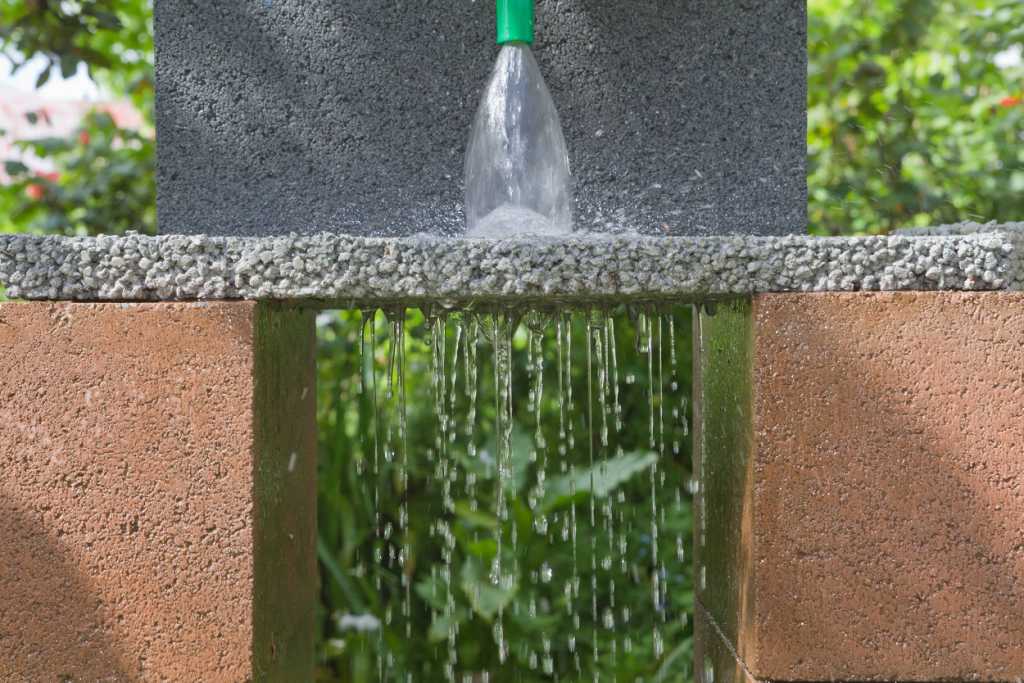
These components create a hardened material with interconnected pores (0.08 to 0.32 inches or 2 to 8 mm), allowing for easy water infiltration.

Pervious Concrete
Pervious Concrete

The void content ranges from 18% to 35%, with compressive strengths of 400 to 4000 psi (2.8 to 28 MPa).

The drainage rate varies with aggregate size and mixture density, generally falling between 2 to 18 gallons per minute per square foot (81 to 730 liters per minute per square meter).

Pervious concrete – How Does It Work?

Unlike regular concrete, pervious concrete contains minimal to no sand in its composition. The absence of sand creates a larger volume of voids (15% to 25% of the total aggregate volume), making it more porous. This increased porosity enables water to drain through the material instead of collecting on the surface.

Pervious concrete can effectively drain water, storing up to 1 inch of rainwater within its voids with a 5-inch thick surface, and up to 3 inches when poured over a 6-inch sub-base of gravel or crushed rock.

Preamble concrete drains water at a rate of 3 to 8 gallons per square foot per minute, providing efficient drainage even during heavy rainfall.

Benefits of Pervious Concrete

  • Pervious concrete offers significant advantages due to its ability to manage water effectively and reduce runoff.
  • It promotes groundwater recharge, minimizes surface flooding, and supports environmentally sustainable construction practices, making it a valuable choice for various outdoor applications.

Let us dive into the details..

Minimal Runoff

Pervious concrete directs water into the soil rather than stormwater drains, making it ideal for areas prone to overwhelmed drainage systems during heavy rainfall. This can be particularly helpful in urban areas where outdated or undersized drainage systems can get overwhelmed by rainfall.

Pervious Concrete

Reduced Pollution

Pervious concrete typically requires fewer sealers or bonders than traditional concrete, resulting in cleaner stormwater runoff and reduced environmental contaminants. According to the National Library of Medicine, this leads to fewer contaminants in stormwater runoff, providing a significant environmental benefit.

Lower Need for Drainage Systems

Its natural drainage capabilities often eliminate the need for additional drainage systems, potentially lowering installation costs. In some cases, drainage systems are required in or around driveways, patios, and parking lots. Since pervious concrete drains water naturally, it often doesn’t need any additional system installed, which means lower installation costs in some cases.

Cooler Surface

The voids in pervious concrete reduce heat retention, providing a cooler walking surface during warmer weather. This can be beneficial for outdoor spaces like patios and walkways, enhancing comfort during hot summer months.

Reduced Freezing Risk

Due to minimal water accumulation on its surface, pervious concrete reduces the risk of freezing and becoming a slippery hazard. Consequently, it provides a safer option for areas susceptible to freezing temperatures and ice formation.

Environmental impact and sustainability

  • Pervious concrete contributes positively to the environment by promoting groundwater recharge and reducing stormwater runoff, which helps mitigate urban flooding and water pollution.
  • Its sustainable attributes extend to lower heat island effects due to reduced heat retention, and less reliance on drainage infrastructure, thus conserving resources.
  • With proper maintenance, pervious concrete can offer long-term durability, supporting eco-friendly construction practices that enhance urban resilience and environmental sustainability.

Best practices for annual maintenance of pervious concrete

  • Annual maintenance of pervious concrete is crucial for preserving its drainage efficiency and longevity.
  • Best practices include regular vacuuming to remove debris, especially from the surface and within pores, to prevent clogging.
  • Pressure washing with low-pressure water helps clear out finer particles without damaging the concrete.
  • Inspecting and repairing any cracks promptly ensures structural integrity and prevents water from pooling on the surface.
  • Applying a new layer of sealer as needed helps maintain permeability.
  • Overall, proactive maintenance ensures that pervious concrete continues to function effectively in managing stormwater and supporting sustainable urban infrastructure.

Drawbacks of Pervious Concrete

While beneficial, pervious concrete has limitations that may restrict its use in certain projects:

Lower Strength

Without fine aggregates, pervious concrete is weaker than traditional concrete, limiting its use to non-structural applications. It’s not suitable for heavily trafficked surfaces like roadways or structural purposes like foundations.

Maintenance Needs

Voids in pervious concrete can clog with debris over time. This needs annual maintenance to preserve its drainage efficiency. Regular cleaning and upkeep are necessary to prevent blockages and maintain optimal performance.

Challenges for DIY Projects

Larger applications of permeable concrete can be challenging for DIYers due to precise mixing requirements and installation techniques. However, proper knowledge and expertise are essential to ensure successful installation and functionality.

Soil Compatibility

Pervious concrete may not be suitable over expansive soils like clay, which can affect its structural integrity and performance. Soil expansion and contraction can lead to cracking and compromise the concrete’s strength.

Pervious Concrete pavements

They are best suited for flat work applications such as pavements for

  • Driveways
  • Walkways
  • Patios
  • Parking Lots

Additionally, it is used in various other applications, including:

  • Streets and Road Shoulders: Enhances drainage and reduces surface water accumulation.
  • Bridge Embankments: Minimizes erosion risks by managing water flow and stabilizing soil.
  • Edge Drains: Provides effective water capture and drainage solutions along pavements.
  • Tennis Courts and Swimming Pool Decks: Ensures safe and functional surfaces with efficient water drainage.
  • Golf Cart Paths: Supports golf cart traffic while maintaining natural water drainage patterns.
  • Greenhouse Floors: Facilitates efficient water management and soil health in agricultural settings.
  • Zoo Areas and Animal Barns: Improves animal habitat conditions by aiding natural water filtration and drainage.

Cost Considerations of Pervious Concrete

Pervious concrete typically costs between $8 and $20 per square foot, including materials and labor—approximately double the cost of traditional concrete.

  • Driveway: $1,440 to $5,280
  • Walkway: $640 to $5,600
  • Patio: $1,340 to $7,200

While initial costs are higher, long-term savings may be realized through reduced need for drainage systems and lower maintenance expenses. Additionally, using pervious concrete can potentially lower overall project costs by eliminating the need for extensive drainage infrastructure.

You’ll likely find that the total cost of hiring a local concrete contractor for a larger project like a driveway or parking lot will often be less expensive when using pervious concrete. Using permeable concrete will demand a thicker slab to be poured for strength, but the lack of a drainage system beneath the concrete can end up saving money overall.

Conclusion

Pervious concrete provides a sustainable solution for water runoff management and improving outdoor living areas. Knowing its advantages, disadvantages, and costs will help you determine if it’s the right choice for your project and environmental concerns.

As cities grow and environmental challenges increase, permeable concrete will play a growing role in sustainable construction practices, helping to build resilient communities worldwide. Its ability to facilitate groundwater recharge, reduce surface runoff, and support green infrastructure makes it an essential component in modern urban planning and development, particularly in the construction of pervious concrete pavements (PCP). Check out the blog for details on design considerations, performance factors, and limitations of PCP.

Non-destructive Testing Meets Nanotechnology: Exploring Innovations and Applications

Introduction

Non-destructive testing (NDT) has long been a cornerstone in ensuring the integrity and safety of structures, components, and materials across various industries. As technology advances, the integration of nanotechnology into NDT has opened up new frontiers, offering unprecedented levels of precision, sensitivity, and efficiency. This article provides an overview of the convergence of non-destructive testing and nanotechnology, exploring the innovative techniques, applications, and potential impact on diverse sectors.

Non-destructive Testing (NDT)

Non-destructive testing encompasses a range of techniques designed to evaluate the properties of materials without causing damage. These methods are crucial for identifying defects, assessing structural integrity, and ensuring the reliability of critical components. Traditional NDT methods include ultrasonic testing, radiography, magnetic particle testing, and eddy current testing. While these methods have proven effective, the marriage of NDT and nanotechnology is poised to revolutionize the field.

Non Destructive Testing

Nanotechnology in NDT

Nanotechnology involves manipulating materials at the nanoscale, typically at dimensions of less than 100 nanometers. When applied to NDT, nanotechnology brings a wealth of advantages, including enhanced sensitivity, improved resolution, and the ability to detect defects at a microscopic level. Here are key ways in which nanotechnology is making an impact in non-destructive testing.

Enhanced Imaging Resolution

Nanomaterials, such as nanoparticles and nanocomposites, enable the development of advanced imaging agents. These agents, when incorporated into NDT methods like radiography or magnetic resonance imaging, enhance resolution and provide detailed insights into the internal structure of materials.

Sensitivity Improvement

Nanoscale sensors and probes enhance the sensitivity of NDT techniques. For instance, nano sensors can be employed in ultrasonic testing to detect minute defects or irregularities that may go unnoticed with conventional sensors. This heightened sensitivity contributes to early defect detection and prevention.

Functional Nanomaterials

Functional nanomaterials, like carbon nanotubes or quantum dots, are employed to tailor specific properties for NDT applications. Carbon nanotubes, for example, can be used in sensors to improve conductivity and responsiveness, making them valuable for detecting flaws in materials.

Smart Coatings

Nanotechnology enables the development of smart coatings that respond to external stimuli, such as changes in temperature or stress. These coatings, when applied to surfaces, can reveal hidden defects or structural changes, providing real-time data during operation without disrupting the material’s integrity.

Smart coating - Nano Technology

    Applications of Nanotechnology in NDT

    The incorporation of nanotechnology into non-destructive testing has resulted in a myriad of applications across diverse industries. Some notable areas where this synergy is making a significant impact include:

    Aerospace Industry

    In the aerospace sector, where the demand for lightweight yet robust materials is critical, nanotechnology aids in identifying defects at the nanoscale. This ensures the integrity of components like aircraft wings and fuselage, contributing to overall safety and efficiency.

    Medical Imaging

    In the field of medical imaging, the use of nanomaterials enhances the resolution of diagnostic tools. Nanoparticles can be employed as contrast agents in techniques like magnetic resonance imaging (MRI) or ultrasound, allowing for more accurate and detailed medical assessments.

    Materials Science and Manufacturing

    Nanotechnology plays a pivotal role in materials science and manufacturing, where the detection of microscopic defects is crucial. Whether assessing welds in construction materials or inspecting microelectronics in manufacturing processes, nanotechnology-driven NDT ensures the quality and reliability of products.

    Oil and Gas Industry

    In the oil and gas sector, nanotechnology aids in the inspection of pipelines and critical infrastructure. Nano sensors can detect corrosion or structural weaknesses in real-time, preventing potential disasters and optimizing maintenance schedules.

      Challenges and Future Directions

      While the integration of nanotechnology into NDT holds immense promise, there are challenges that researchers and industries must address. Ensuring the scalability and cost-effectiveness of nanotechnology-driven NDT methods, as well as addressing potential environmental and health concerns related to nanomaterials, are crucial aspects.

      The future of NDT with nanotechnology is likely to witness further innovations, including the development of autonomous nanorobots for in-situ inspections and the application of artificial intelligence to analyze complex nanoscale data. As research progresses, the synergy between non-destructive testing and nanotechnology will continue to redefine the boundaries of material inspection and quality assurance.

      Conclusion

      The convergence of non-destructive testing and nanotechnology represents a paradigm shift in how we assess the integrity of materials and structures. Nanotechnology’s ability to operate at the molecular and atomic levels brings unprecedented precision and sensitivity to NDT methods, ensuring early defect detection and contributing to enhanced safety across industries. As research and development in this field advance, the innovative applications of nanotechnology in NDT are poised to reshape industry standards, making material inspection more reliable, efficient, and technologically sophisticated.

      Fiber Reinforced Concrete (FRC) – Types and Advantages

      Fiber-reinforced concrete (FRC), an advanced form of Reinforced Cement Concrete is finding wide applications these days. Fiber-reinforced concrete (FRC) is a versatile and durable composite material consisting of a cementitious matrix with uniformly dispersed fibers. The addition of discontinuous, discrete fibers to cement, mortar or concrete mixes can enhance the concrete properties. Ever thought why do we add different kinds of fibres to the Reinforced Cement Concrete and what are the different types of fibres that we add? Stay with me till the end of this blog and we will find answers to all these questions.

      Before proceeding further, make sure you check out our blog, Reinforced Cement Concrete (RCC)|Definition|Advantages to have your concepts clear.

      First, let’s have a look at the basics of fiber-reinforced concrete and its applications.

      What is Fiber-reinforced concrete?

      Fiber-reinforced concrete (FRC) is a versatile and durable composite material consisting of a cementitious matrix with uniformly dispersed fibers. The addition of discontinuous, discrete fibers to cement, mortar or concrete mixes can enhance the concrete properties. These fibers act as reinforcement throughout the concrete matrix, and control cracking due to plastic shrinkage and drying shrinkage. Fiber-reinforced concrete reduces the permeability of concrete and reduces water bleeding.

      Fiber reinforced concrete finds extensive applications in various infrastructure works, industrial flooring works and other construction works that demand enhanced durability and crack control. FRC improves the flexural and impact resistance and hence we prefer it for structures subjected to dynamic or heavy loads.

      Now, let’s discuss the reason behind the addition of fibres to the reinforced concrete.

      Principle of Fiber-reinforced concrete

      Fibre-reinforced concrete uses discrete fibres to improve its mechanical properties, making it stronger, more durable, and resistant to cracking. Fiber is a small piece of circular or flat reinforcing material possessing certain characteristics and properties. These fibers are of steel, glass, synthetic polymer fibers and natural fibers like jute or hemp.

      Fibers are available in various sizes ranges from a few millimeters to a few centimetres. They are uniformly distributed throughout the concrete matrix. The features of Fiber reinforced concrete depends on the character and percentage, diameter and length of fibers and water-cement ratios. Typically fiber reinforced concrete is used in shotcrete but can also be used in normal concrete.

      The addition of fibres to concrete controls the shrinkage cracking, lower permeability, and reduce water bleeding. Some fibers enhance impact, abrasion, and shatter resistance. However, they do not increase flexural strength or replace structural steel reinforcement.

      We measure the amount of fiber as a percentage of total volume (Vf) and typically ranges from 0.1 to 3%. Aspect ratio (l/d) affects strength and toughness, but long fibers can hinder workability. Recent research shows limited impact resistance improvement, with microfibers performing better than longer fibers.

      Types of Fiber-reinforced concrete

      The type of fiber-reinforced concrete depends on the nature of the structure and applications. Let us have a look at the most common types of fibre reinforced concretes commonly used in construction.

      • Steel Fiber Reinforced Concrete
      • Polypropylene Fiber Reinforced (PFR) Concrete
      • GFRC Glass Fiber Reinforced Concrete
      • Asbestos Fibers
      • Polyester fiber
      • Carbon Fibers
      • Macro synthetic fibers
      • Organic Fibers
      • Cellulose fibers
      • Micro-synthetic fibers
      • Synthetic Fiber Reinforced Concrete (SFRC)Natural Fiber Reinforced Concrete (NFRC)Carbon Fiber Reinforced Concrete (CFRC)Basalt Fiber Reinforced Concrete (BFRC)Nylon Fiber Reinforced Concrete (NyFRC)Polyvinyl Alcohol Fiber Reinforced Concrete (PVAFRC)High-Performance Fiber Reinforced Concrete (HPFRC)

      Steel fiber-reinforced concrete

      SFRC is a composite material that includes a certain amount of steel fibers in the concrete mix. These fibres can change the properties of concrete and thereby enhance the performance of concrete. The typical diameter lies in the range of 0.25 to 0.75mm. Steel fibers having a rectangular c/s are produced by silting the sheets about 0.25mm thick.

      Steel fibre reinforced Concrete

      SFRC offers numerous advantages, including improved tensile strength, crack resistance, impact resistance, and durability. The steel fibers act as reinforcement, effectively bridging cracks and enhancing the concrete’s structural integrity. The steel fiber types are as per ASTM A.820 Type I: cold-drawn wire, Type II; cut sheet, Type III: melt-extracted, Type IV: mill cut and Type V: modified cold-drawn wire.

      SFRC finds applications in industrial floors, pavements, tunnels, and precast elements, where increased toughness and load-bearing capacity are required. It is also widely used in applications prone to dynamic loading, such as blast-resistant structures and earthquake-resistant buildings.

      Glass fiber-reinforced concrete

      Glass Fiber Reinforced Concrete (GFRC) is a composite material incorporating fine glass fibers into the concrete mix. These fibers, typically around 3-12 mm in length, enhance the concrete’s strength, durability, and flexibility. GFRC is commonly used in architectural applications, such as cladding, facades, and decorative elements, due to its lightweight nature and ability to create intricate designs.

      Glass fiber reinforced concrete

      You can get the full details about glass fiber-reinforced concrete here. Glass Fiber Reinforced Concrete – GFRC Ingredients and Uses

      Polypropylene Fiber Reinforced Concrete (PFRC)

      Polypropylene Fiber Reinforced Concrete (PFRC) is a composite material that combines polypropylene fibers with concrete. One of the cheapest & abundantly available synthetic fiber/ polymer is polypropylene. They are resistant to most chemicals and only the cementitious matrix will deteriorate first. These discrete fibers, typically ranging from 6 to 30 mm in length uniformly dispersed in concrete will control cracking due to plastic and drying shrinkage.

      We usually use these fibers in concrete to control cracking due to plastic shrinkage and drying shrinkage. The fibers act as reinforcement and reduce the permeability of concrete and thus reducing the bleeding of water and improving crack resistance, impact resistance, and durability. Polypropylene fibers being hydrophobic can be easily mixed as they do not need lengthy contact during mixing and only need to be evenly distressed in the mix.

      Polyester fiber reinforced concrete

      Polyester fiber-reinforced concrete is a composite material that incorporates polyester fibers into the concrete mix. These fibers, typically short and discrete, improve the concrete’s toughness, crack resistance, and impact resistance. Polyester fibers due to the high tensile strength and resistance to alkalis make them suitable for various construction applications that demand enhanced durability.

      Carbon fibers

      Carbon fiber reinforced concrete (CFRC) is a composite material that combines concrete with carbon fibers about 5-10 microns in diameter having carbon atoms. The carbon fibers, known for their exceptional tensile strength and stiffness, low weight, high chemical resistance, high-temperature tolerance and low thermal expansion impart their qualities to the concrete.

      We manufacture carbon fibers by baking plastic resins. They have high strength-to-weight ratio. Carbon fibers form the most recent and probably the most spectacular addition to the range of fiber available for commercial use. Since they are more vulnerable to damage than even glass fiber, we generally treat them with resin coating.

      Macro synthetic fibers

      Macro synthetic fibers are synthetic fibers used as reinforcement in concrete. These fibers, typically longer and thicker than traditional fibers, are manufactured from a blend of polymers. These fibers are developed for shot create or sprayed concrete. But they find extensive applications in floor slabs for enhancing the concrete’s toughness, crack resistance, and impact resistance.

      They offer improved durability and control of plastic shrinkage cracking. This makes them suitable for various construction applications in marine and coastal structures which require enhanced performance and reduced maintenance.

      Advantages of fibre-reinforced concrete

      1. Enhanced Durability: FRC increases the impact, fatigue, and abrasion resistance of concrete structures while minimising cracking. It increases the tensile strength and durability of the concrete.
      2. Crack prevention: The use of fibres reduces the spread and enlargement of cracks by controlling plastic and drying shrinkage cracking.
      3. Permeability Reduction: Fibres make concrete less permeable, which reduces water bleeding and improves resistance to moisture infiltration.It reduces the air voids and water voids and the inherent porosity of gel.
      4. Improved Impact Resistance: Certain types of fibres enhance the impact resistance of concrete, making it more resilient against sudden loads and external forces.
      5. Increased Toughness: The bridging action of the fibres, which absorbs energy and prevents abrupt failure, gives FRC an improved level of toughness.
      6. Design Flexibility: Using fibres in concrete allows for design flexibility, enabling the creation of complicated shapes and architectural freedom.
      7. Simplicity: Using fibre reinforcement instead of or less frequently than standard steel reinforcement simplifies construction operations.
      8. Better Workability: Fibres can make concrete mixes more workable and cohesive, making placement and compaction easier.
      9. Corrosion Resistance: In some circumstances, fibre reinforcement can reduce the likelihood that concrete buildings will corrode.
      10. Sustainable: Fibre-reinforced concrete is a sustainable solution since it can increase the longevity of structures and lessen the reliance on non-renewable resources.
      11. Creep Resistance: Fibres such as graphite and glass have excellent resistance to creep, while the same is not true for most resins. Therefore, the orientation and volume of fibres have a significant influence on the creep performance of rebars/tendons.

      Shall we wrap up?

      Conclusion

      In this blog, we saw the properties, uses, types and advantages of fiber-reinforced concrete. If you have any queries please feel free to ask in the comments.

      Ultrasonic pulse velocity test || UPV Test – Types and Methodology

      Ultrasonic Pulse Velocity (UPV) testing is a reliable, non-destructive method for assessing concrete quality and durability. An ultrasonic pulse is transmitted through the concrete in this method. The velocity is measured to detect variations in density and strength. UPV testing is very useful for identifying cracks, voids, and other flaws in concrete structures. It helps assess structural integrity without damaging the material. This technique is commonly known as UPV tests. It is also referred to as UPV tests on concrete. Specialized UPV testers are used to deliver accurate, quick results. Industries favor UPV testing for its efficiency, cost-effectiveness, and precision in evaluating concrete conditions.

      This article discusses the UPV test. It is one of the most well-liked and most reliable non-destructive tests carried out on concrete structures.

      1. Significance of Ultrasonic Pulse Velocity Test (UPV test)
      2. Ultra sonic Pulse Velocity test (UPV Test)
      3. Relevant IS code for Ultrasonic Pulse Velocity Test (UPV Test)
      4. Ultrasonic Pulse Velocity tester
      5. Principles of Ultrasonic Pulse Velocity test
      6. Objective of UPV tests
      7. Factors affecting Ultrasonic pulse velocity test
      8. Methodology of Ultrasonic Pulse velocity tests
        1. Direct method
        2. Indirect method
      9. Result interpretation of UPV testing
      10. Conclusion

      Significance of Ultrasonic Pulse Velocity Test (UPV test)

      The ultrasonic pulse velocity test, or UPV test, is an example of a non-destructive concrete test. Generally, hardened concrete is subjected to non-destructive testing (NDT) and destructive tests (DT). Concrete is the world’s oldest and most significant construction material. Therefore, concrete testing is crucial for assessing the stability, strength, durability, and condition of structures.

      Non-destructive testing of concrete is a way of analysing concrete structures without causing damage. This aids in ensuring the structural quality and condition. The strength of the concrete is also influenced by various characteristics. This includes hardness, density, curing circumstances, ingredient quality, workability and water-to-cement ratio, etc.

      Also read : Bitumen tests – 9 tests for flexible pavements

      Ultra sonic Pulse Velocity test (UPV Test)

      The most efficient and fast method of testing concrete is through ultrasonic pulse velocity tests, or UPV tests. The quality of concrete is assessed using the results of UPV tests, which evaluate the period of travel of ultrasonic pulse waves. A 50–55 kHz range must be maintained for the ultrasonic pulse wave’s frequency. The pulses are generated by the UPV tester’s pulse generator and are allowed to travel through the concrete. By monitoring the traversing distance and the duration, the pulse velocity can be determined. Higher velocity indicates that the density and elastic modulus of the concrete are higher.

      Cracks and defects in the structure are detected using UPV tests. Significant variations in pulse velocity values are indicative of broken and degraded concrete. The concrete’s density and wave velocity are related. Therefore, this test has a tremendous potential for evaluating the quality of concrete.

      Relevant IS code for Ultrasonic Pulse Velocity Test (UPV Test)

      IS-13311 (Part 1):1992 (Reaffirmed- May 2013) “Non-Destructive Testing of Concrete- Methods of Test (Ultrasonic Pulse Velocity)”

      Related posts from vincivilworld

      Ultrasonic Pulse Velocity tester

      The UPV tester is the name of the type of equipment used to measure ultrasonic pulse velocity. The following accessories are included in ultrasonic pulse velocity tester.

      • Electrical Pulse generator
      • Pair of Transducers (probes)
      • Amplifier
      • Electronic timing device
      Ultrasonic Pulse Velocity Tester
      ultrasonic pulse velocity tester

      Principles of Ultrasonic Pulse Velocity test

      The electrical pulse generator generates pulses that are sent through the UPV tester’s transducer. Through the concrete surfaces, the pulse generates many reflections. Using the formula shown below, the pulse velocity is calculated.

      Pulse velocity, V = L/T

      where L is the traverse distance, T is the time for the receiver to receive the pulse

      The geometry of the material is unrelated to the UPV test. Better concrete strength is associated with higher velocity and vice versa. One of the dynamic tests for concrete is the ultrasonic pulse velocity test.

      Objective of UPV tests

      The main objectives of the ultrasonic pulse velocity test or UPV tests are

      • To learn the homogeneity of the concrete.
      • Determines the presence of cracks, voids and imperfections. 
      • To calculate the elastic modulus of concrete. 
      • Finds the quality of concrete relative to the standard requirements. 
      • To determine the age of concrete. 

      Factors affecting Ultrasonic pulse velocity test

      The UPV test detects cracks and assists in structure development. However, a number of factors influence how pulse velocity is measured. As a result, compressive strength cannot generally be approximated from the pulse velocity. The following are the elements that impact the UPV test.

      • Presence of reinforcement
      • Water content
      • Mix proportion
      • Temperature of concrete
      • Concrete age
      • Stress level of concrete

      Methodology of Ultrasonic Pulse velocity tests

      Piezoelectric and magneto strictive types of transducers are suitable for use with the UPV test. Additionally, its frequency range should be between 20 and 150 kHz. The electronic timing device monitors time with an accuracy of 0.1 microseconds.

      The transducer transmits the waves that travel through the concrete surface. The receiver transducer detects the electric signals that are generated once the pulse waves are transformed to them. The traversal length will be displayed as ( L). The electronic timing device calculates how long it takes for signals to arrive. Time is shown as (T).


      The Electronic timing device measures the receiving time of the signals. The time is denoted as (T).

      Pulse velocity (v) = L/T

      There are three common methods for doing UPV tests. They are direct method and indirect method.

      • Direct Method of UPV Testing
      • Indirect Method of UPV Testing
      Methodology of UPV test
      Methodology of UPV test
      Methodology of UPV test

      Direct method

      The maximum energy is transmitted at right angles to the face of the transmitter. As a result, to achieve the greatest results, the receiving transducer must be placed on the side of the transmitting transducer. This is referred to as the direct approach or cross probing.

      Ultrasonic pulse velocity test
      Ultrasonic Pulse velocity test -Types

      Indirect method

      In some circumstances, the opposite side of the structure may be inaccessible. The receiving and transmitting transducers are installed on the same face of the concrete members in this scenario. This is known as the indirect method or surface probing. This approach is less effective than the direct approach. The test findings are mostly influenced by the surface concrete, which has different properties from the structural components’ core concrete.

      Result interpretation of UPV testing

      The density and elastic modulus of concrete are correlated with the ultrasonic pulse velocity. This in turn depends on the components, mixing processes, placement techniques, concrete compaction and curing, casting temperature, etc.

      The main causes of internal cracks and pockets in concrete are lack of compaction and concrete segregation. Lower pulse velocity values are a result of these concrete defects. However, the laboratory tests might have confirmed a well-designed concrete.

      The range of pulse velocity in the direct method is as shown below.

      1. Above 4.5 Excellent
      2. 3.5 to 4.5 Good
      3. 3.0 to 3.5 Medium
      4. Below 3.0 Doubtful

      Conclusion

      The final assessment of compressive strength from UPV is not the sole criterion used to determine concrete strength. The strength is confirmed by comparing it to a compressive strength estimate derived from the same ingredient mix and conditions. The results of the UPV test and site tests conducted using similar ingredients may be correlated. When compared to actual UPV intensities, the numbers may change by about 20%.