

Self-Compacting Concrete (SCC) flows effortlessly and fills complex formwork without requiring external vibration, thanks to its advanced mix design. But what is Self Compacting Concrete? It’s a high-performance concrete that uses a blend of cement, aggregates, and superplasticizers to achieve its self-leveling and self-consolidating properties.
The advantages of SCC are significant. Self Compacting Concrete simplifies placement and improves workability. It reduces the need for manual vibration and thereby cuts labor costs and lowers the risk of defects like honeycombing. This makes SCC ideal for intricate and congested structures such as high-rise buildings, bridges, and underground constructions.
The application of Self-Compacting Concrete enhances construction efficiency by ensuring uniform compaction and a high-quality finish. SCC is a game-changer in concrete technology. Self Compacting concrete provides robust solutions for demanding construction scenarios. It also improves overall structural performance and cost-effectiveness. In this article we are will go through the definition , characteristics, advantages , mix design etc of Self compacting concrete (SCC).
- Definition and Characteristics of Self-Compacting Concrete (SCC)
- Advantages of Self-Compacting Concrete
- Self Compacting Concrete – Ingredients and Mix design
- Performance parameters of self-compacting concrete (SCC)
- Testing Methods and relevant standards for Self-Compacting Concrete
- Application Areas of Self-Compacting Concrete
- Placement and Finishing Techniques of Self Compacting Concrete
- Curing and Strength Development of Self Compacting Concrete
- Durability and Sustainability of Self Compacting Concrete
- Environmental Impact and Recycling of Self Compacting Concrete
- Quality Control and Assurance
- Challenges and Limitations
- Future Trends and Research
- Key Takeaways
- Conclusion
Definition and Characteristics of Self-Compacting Concrete (SCC)
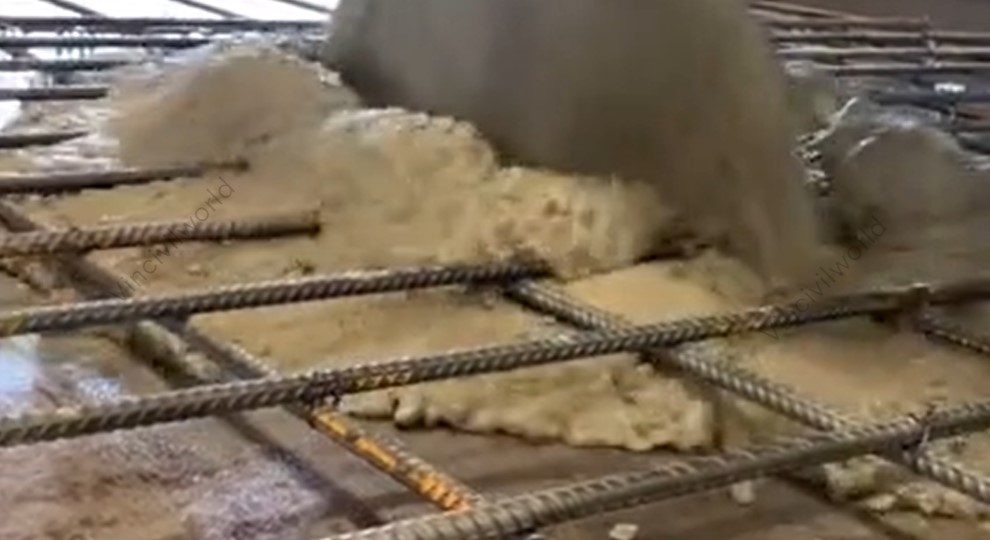
Self-Compacting Concrete (SCC) is a high-performance concrete that doesn’t require external vibration for placement. So, what is Self-Compacting Concrete? This type of concrete flows and consolidates under its own weight, effortlessly filling complex forms and tight spaces.
SCC is known for several distinctive properties:
- High Flowability: It spreads and fills molds and congested areas with ease.
- Low Viscosity: This allows SCC to flow around obstacles and through narrow openings without segregating.
- High Passing Ability: It moves smoothly through narrow openings and congested areas.
- Excellent Cohesiveness: SCC maintains a homogeneous mixture, preventing segregation.
- Self-Consolidation: It eliminates the need for external vibration, reducing noise and labor during placement.
These characteristics make SCC ideal for various applications. The use of Self-Compacting Concrete improves placement efficiency. It also enhances quality control. These benefits lead to reduced labor costs and greater structural integrity.
Advantages of Self-Compacting Concrete
The main advantages of Self Compacting Concrete are..
Improved Workability
Self-compacting concrete offers superior workability, eliminating the need for vibration. This significantly reduces labor costs and time required for placement, particularly in complex and congested areas.
Enhanced Durability
The homogenous nature of self-compacting concrete results in a denser and more durable structure. Its ability to fill intricate molds and intricate shapes without voids ensures optimal strength and longevity.
Reduced Labor Requirements
Due to its self-consolidating properties, self-compacting concrete requires less manual intervention, reducing labor needs and potential errors. This translates into cost savings and faster construction schedules.
Improved Surface Finish
Self-compacting concrete eliminates the need for vibration, resulting in a smoother and more uniform surface finish. This is particularly beneficial for exposed concrete structures, where aesthetics are crucial.
Self Compacting Concrete – Ingredients and Mix design
The composition of self-compacting concrete (SCC) is carefully tailored to achieve its unique properties. It involves a precise combination of aggregates, cement, water, and chemical admixtures. The key to SCC’s success lies in the optimal proportioning of these ingredients, ensuring a balanced mix that is highly flowable, stable, and resistant to segregation.
Aggregates
SCC utilizes a well-graded aggregate blend, typically consisting of fine and coarse aggregates. Fine aggregates, such as sand, provide cohesion and fill the voids between coarse aggregates, which provide strength and stability. The grading of aggregates plays a crucial role in ensuring a homogeneous mix that flows smoothly without segregating.
Cement
The type and amount of cement used in SCC are crucial for achieving the desired strength and workability. However, high-quality cement is preferred for SCC. It often has a high fineness and low setting time. This ensures rapid strength development and prevents early setting.
Water
The water content is carefully controlled in SCC to achieve the desired slump flow and prevent excessive bleeding. Insufficient water can lead to a stiff mix, while excessive water can lead to segregation and a reduction in strength.
Chemical Admixtures
SCC typically incorporates various chemical admixtures to enhance its properties and ensure proper performance. These admixtures can include superplasticizers to improve flowability. They also reduce water content. Viscosity-modifying agents control the mix’s consistency. Air-entraining agents enhance freeze-thaw resistance.
- Mineral Admixtures :Different mineral admixtures used in self-compacting concrete (SCC) contribute various properties, thereby enhancing its performance based on specific requirements
- Ground Granulated Blast Furnace Slag (GGBS):
Improves the rheological properties, making SCC more flowable and easier to place. - Fly Ash:
Fills internal voids, reducing pores, which enhances the quality and durability of SCC structures. - Silica Fumes:
Increases the mechanical properties, leading to stronger SCC structures with higher resistance. - Stone Powder:
Enhances the powder content, improving the overall mix and cohesiveness of SCC.
Determining the appropriate Mix Design for self compacting concrete requires a detailed process. It involves careful consideration of the project’s specific requirements. These requirements include the target strength, flowability, and durability. The self compacting concrete mix design is typically based on laboratory testing. Simulation ensures that the SCC meets the desired performance criteria. The mix proportions are often adjusted. Variations in the properties of the materials used are considered. Environmental conditions during placement are also taken into account.
Performance parameters of self-compacting concrete (SCC)
Performance parameters of self-compacting concrete (SCC) include flowability and passing ability. Segregation resistance and setting time are also essential. They are crucial for optimal quality and efficiency. Let us go through in detail.
- Flowability and Passing
- Viscosity and Segregation Resistance
Flowability and Passing Ability of Self Compacted Concrete
Both are key parameters in evaluating self-compacting concrete (SCC). Flowability refers to the concrete’s ability to flow smoothly under its own weight, filling formwork without segregation. Passing ability measures the concrete’s capacity to move through narrow openings and congested reinforcement without obstruction. These properties ensure that SCC fills the formwork uniformly, creating a dense structure.
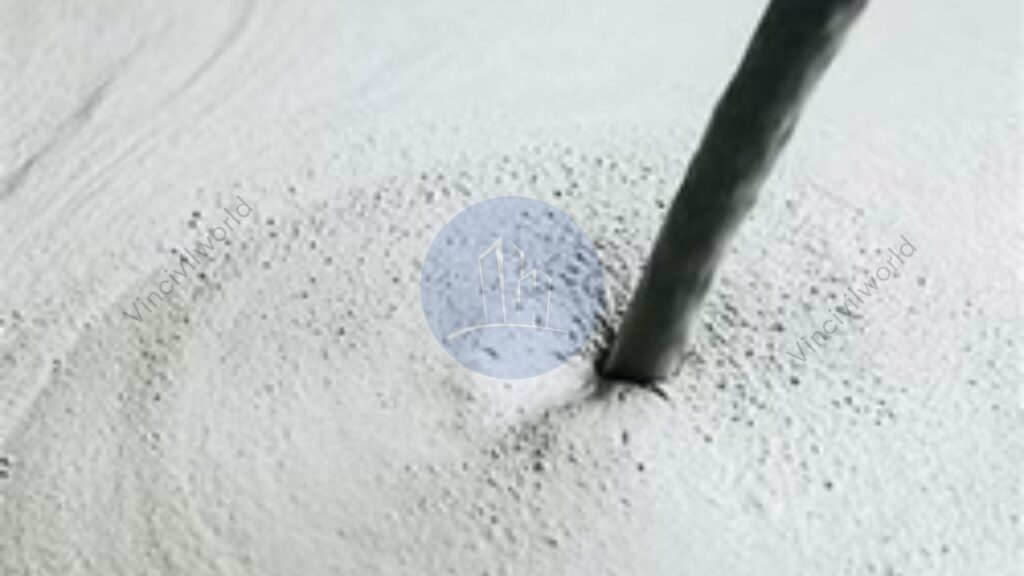
Factors such as rheological properties, particle size distribution, and admixtures influence both flowability and passing ability. Standardized tests such as the L-box and V-funnel tests assess these qualities. The L-box test measures the concrete’s ability to flow horizontally through a restricted area. The V-funnel test evaluates how quickly the concrete passes through a vertical funnel.
Optimizing these properties ensures a smooth flow, producing a durable, homogenous concrete structure with improved strength and performance.
Viscosity and Segregation Resistance
Viscosity in self-compacting concrete (SCC) is crucial for its flowability and homogeneity during placement. SCC’s high viscosity helps prevent segregation, where heavier aggregates settle, weakening the mixture. Segregation resistance is another key aspect. Segregation resistance means SCC can resist the separation of components. These components include cement paste, aggregates, and water during transport and placement.
Viscosity ensures the mixture stays stable and uniform, resulting in a durable structure. Factors influencing SCC’s viscosity include admixture type and dosage, water-to-cement ratio, aggregate size and shape, and temperature. Proper control of these factors is essential for achieving optimal viscosity and segregation resistance.
Testing methods like the slump flow, V-funnel, and L-box tests assess SCC’s viscosity and segregation resistance. These tests provide critical insights into the concrete’s flow characteristics and suitability for specific applications.
Testing Methods and relevant standards for Self-Compacting Concrete
Testing methods for self-compacting concrete (SCC) ensure that the concrete meets the required performance parameters for flowability, cohesiveness, and stability. Both Indian and international codes provide guidelines for these tests to ensure consistent quality and performance. Here’s an overview of the key testing methods and relevant codes.
Testing methods are crucial for ensuring the quality and performance of self-compacting concrete (SCC). These tests evaluate various properties of SCC, including its flowability, passing ability, viscosity, segregation resistance, and compressive strength.
V-Funnel Test
The most common test for flowability is the V-funnel test. It measures the time it takes for a predetermined amount of concrete to flow through a V-shaped funnel. This test assesses the concrete’s ability to spread easily and fill complex shapes.
Indian Standard: IS 9103: 1999
International Standard: JIS A 1128 (Japan)

L-Box Test
The L-box test assesses the passing ability of SCC, measuring its capacity to flow through narrow openings and congested areas. This test involves placing the concrete in a box with a horizontal opening. The next step is measuring the time it takes for the concrete to pass through.
Indian Standard: No specific standard; often aligned with international practices.International Standard: EN 12350-10 (Europe)
J -Ring Test
To evaluate the viscosity of SCC, the J-ring test is often employed. In this test, the concrete is placed in a J-shaped ring. The time it takes for a portion of the concrete to settle to the bottom is then measured. This test helps determine the concrete’s resistance to flow and its ability to maintain its shape.
International Standard: EN 12350-12 (Europe)
Finally, the compressive strength test assesses the concrete’s load-bearing capacity. This test involves subjecting a concrete cylinder to a compressive force until it fails. The resulting compressive strength value indicates the concrete’s ability to withstand external pressures.
Testing methods for self-compacting concrete are critical to ensure it performs as expected in various applications. Practitioners should adhere to both Indian and international codes, such as those from IS, ASTM, JIS, and EN. This adherence ensures SCC meets the required standards for flowability, cohesiveness, and structural integrity.
Application Areas of Self-Compacting Concrete
1. Complex Structures
Self-compacting concrete excels in intricate structures with congested reinforcement. It is ideal for columns with dense rebar arrangements. It also works well for precast elements with complex geometries. It can flow and fill the formwork without vibration. This ability significantly reduces the risk of voids and defects. It ensures high-quality concrete in these challenging applications.
2. Thin-walled Structures
Self-compacting concrete is ideal for thin-walled structures, such as precast walls, panels, and beams. It eliminates the need for excessive vibration, which can damage these delicate elements. The concrete’s ability to flow evenly and compact itself ensures uniform thickness and prevents cracking or delamination.
3. Large-scale Projects
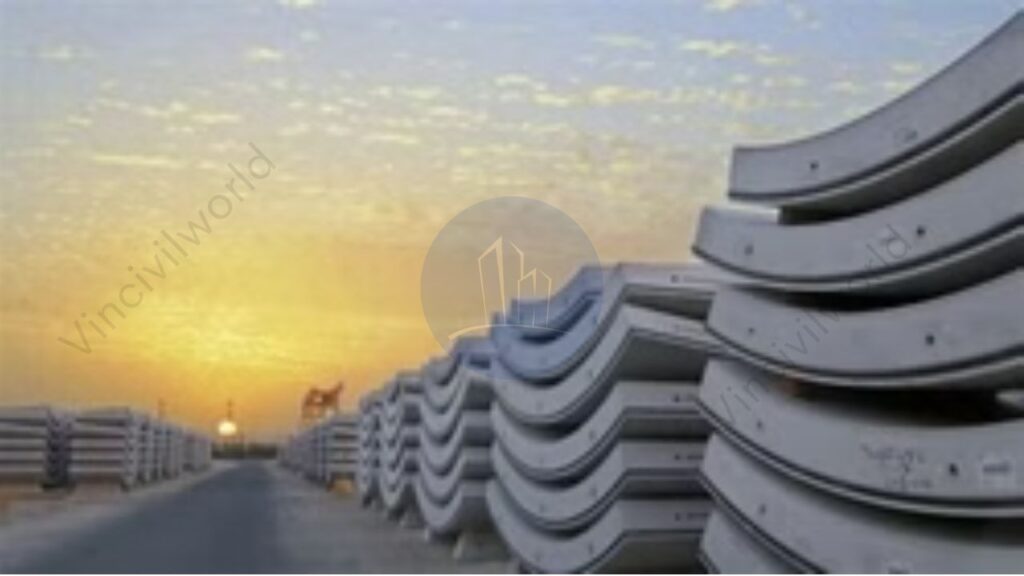
Large-scale infrastructure projects, such as bridges, dams, and tunnels, benefit greatly from the efficiency and effectiveness of self-compacting concrete. Its high flowability allows for rapid placement, reducing downtime and accelerating construction schedules. Additionally, it minimizes labor requirements, leading to cost savings and enhanced productivity.
4. Repair and Rehabilitation
Self-compacting concrete plays a crucial role in the repair and rehabilitation of existing structures. Its ability to penetrate cracks and fill voids effectively ensures durable and long-lasting repairs. It is especially valuable for restoring concrete structures damaged by wear and tear. Environmental factors or seismic events also cause damage.
Placement and Finishing Techniques of Self Compacting Concrete
Placing and finishing self-compacting concrete (SCC) requires specific techniques due to its unique properties. Unlike conventional concrete, SCC’s high flowability and self-compacting nature necessitate careful handling and finishing methods to achieve optimal results.
The placement of SCC typically involves pumping or conveying the concrete directly into the formwork. This process minimizes segregation and ensures uniform distribution of the concrete mixture. In some cases, placing SCC using a crane or a bucket is also possible. However, it’s crucial to avoid dropping the concrete from a height as this can lead to segregation and air entrainment.
Finishing SCC requires specialized techniques to achieve a smooth and even surface. Due to the concrete’s high flowability, traditional troweling and screeding methods are less effective. Instead, vibrators commonly consolidate the concrete and eliminate air bubbles. Specialized finishing tools, such as vibrating screeds, are also available to achieve a smooth and consistent finish.
- The use of vibrating screeds helps to compact the concrete. It removes air voids, leading to a smooth and even surface finish.
- In some cases, achieving the desired surface finish may require a combination of hand finishing techniques. These can include methods such as troweling or floating.
- It’s important to ensure proper compaction of the concrete during placement. Consolidate it properly during finishing to prevent cracking and other defects.
Curing and Strength Development of Self Compacting Concrete
Curing is a vital step in the life cycle of self-compacting concrete (SCC). It significantly impacts its strength development. It also affects its long-term performance. It ensures that moisture and temperature are maintained, promoting the hydration process that binds the concrete. SCC usually needs at least 7 days to develop initial strength. Longer periods are recommended for optimal strength and durability.
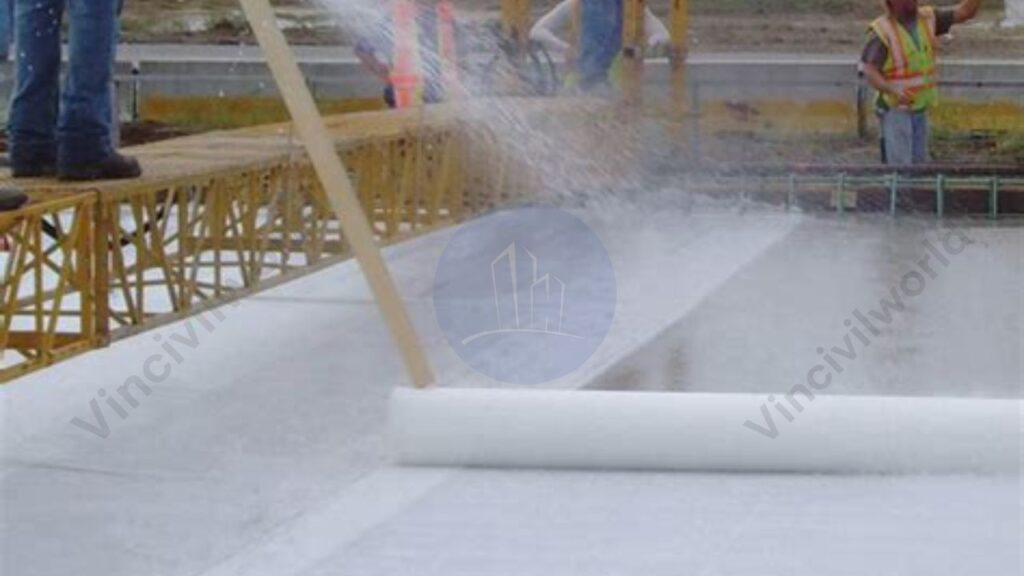
Different curing methods are available for use. These include water curing, plastic sheets, curing compounds, and steam curing. The choice depends on project needs and environmental conditions. Factors such as cement type, water-cement ratio, aggregate size, and curing conditions influence SCC’s strength. Generally, higher cement content and lower water-cement ratios lead to greater strength. Admixtures like superplasticizers and silica fume can significantly improve strength development. They ensure better performance and durability of the concrete structure.
Compressive Strength
Compressive strength is essential for evaluating concrete performance. It is measured in units of pounds per square inch (psi) or megapascals (MPa). SCC normally reaches compressive strengths from 3,000 to 8,000 psi (20 to 55 MPa). These levels can go higher, depending on the mix design and curing conditions. The compressive strength of SCC is determined by standardized testing methods, such as ASTM C39 or EN 12390-4.
Durability and Sustainability of Self Compacting Concrete
Self-compacting concrete (SCC) offers significant advantages in terms of durability. It also enhances sustainability. This contributes to the longevity and environmental friendliness of structures. Its inherent properties promote long-term performance and minimize environmental impact.
- SCC’s excellent workability and compaction ensure a dense and homogeneous concrete matrix, reducing the occurrence of voids and micro-cracks. This improves the concrete’s resistance to permeability. It also prevents the ingress of harmful substances like chlorides and sulfates. These substances can lead to deterioration over time.
- The use of high-quality aggregates improves SCC resistance to abrasion. Optimized mixture proportions also enhance its resistance to freeze-thaw cycles and chemical attack. These characteristics are crucial for structures exposed to harsh environments, such as coastal areas or industrial sites.
- The reduced use of water in SCC mixtures compared to conventional concrete minimizes the potential for shrinkage cracking. This contributes to the overall structural integrity and durability of the concrete.
- SCC’s excellent flowability allows it to fill intricate formwork and complex geometries, reducing the need for vibration and manual compaction. This minimizes noise and vibration pollution during construction, enhancing sustainability and reducing the carbon footprint.
By promoting durability and sustainability, SCC contributes to the longevity of structures. It also enhances the environmental friendliness of structures. These factors make it a preferred choice for various applications in modern construction.
Environmental Impact and Recycling of Self Compacting Concrete
Self-compacting concrete (SCC) offers several environmental benefits compared to traditional concrete. It eliminates the need for vibration, reducing noise pollution and fuel consumption during construction. Its enhanced workability minimizes waste and lowers the volume of concrete needed, cutting carbon emissions from production and transportation.
SCC’s environmental impact is further reduced by its recyclability. Aggregates and cement can be reclaimed and reused, lessening the need for virgin materials. SCC’s high flowability allows for the use of recycled aggregates, supporting sustainable construction practices.
To further reduce SCC’s environmental footprint, sustainable production methods should be employed. These methods include using recycled materials, optimizing cement content, and adopting low-carbon cement alternatives. Efficient production and transportation processes also help decrease emissions, promoting a more eco-friendly construction sector.
Quality Control and Assurance
Material Testing
Ensuring the quality of concrete materials is crucial for the performance and longevity of self-compacting concrete structures. This involves thorough testing of aggregates, cement, admixtures, and water to ensure they meet the specified requirements. Standardized tests are employed to determine properties like compressive strength, water absorption, and particle size distribution.
Slump Flow and V-Funnel Tests
Flowability and segregation resistance of SCC are assessed using tests like the slump flow test and the V-funnel test. These tests evaluate the concrete’s ability to flow evenly and resist segregation during placement. They provide valuable insights into the mix design and help ensure that the concrete achieves the desired consistency and performance.
Visual Inspection
Visual inspection plays a vital role in quality control for SCC. Experienced personnel assess the concrete mix during batching, mixing, and placement to detect any anomalies. They look for signs of segregation, bleeding, air entrainment, and other irregularities that may indicate quality issues.
Strength Testing
Compressive strength testing of cured concrete specimens is conducted to ensure that the concrete meets the specified strength requirements. This involves breaking standard cylinders or cubes under controlled conditions and measuring the load at failure.
Challenges and Limitations
While self-compacting concrete (SCC) offers many benefits, it also presents challenges. Achieving the right balance between flowability, viscosity, and segregation resistance is crucial. SCC needs to flow easily into complex formwork without segregating. At the same time, it must maintain enough viscosity to prevent excessive bleeding or slump loss. This balance often requires careful mix design adjustments and the use of specialized admixtures.
Consistent quality control is another challenge. Slight variations in mix proportions can affect performance, so strict material handling and mixing are essential. Accurate testing methods are also necessary to monitor flowability and viscosity.
The cost of SCC is generally higher than conventional concrete. This is due to specialized materials and admixtures. These factors can be a barrier for budget-conscious projects. Additionally, skilled labor is required for proper handling and placement.
In certain cases, SCC’s high water content may lead to longer curing times. Its performance can be affected by temperature variations during production and placement.
Future Trends and Research
The field of self-compacting concrete (SCC) is continually evolving. This evolution is driven by a growing demand for high-performance, sustainable, and efficient construction solutions. Research and development efforts are focused on addressing the challenges and limitations of SCC, exploring new materials, technologies, and applications.
- Enhanced Performance: Research is underway to develop SCC mixes with improved mechanical properties. These properties include higher strength, durability, and resistance to fatigue and cracking. This involves investigating novel admixtures, aggregates, and cementitious materials.
- Sustainability and Environmental Impact: Efforts aim to reduce the carbon footprint of SCC. This is achieved by incorporating recycled materials, developing low-energy production processes, and exploring the use of sustainable admixtures.
- Smart Concrete Technologies: The integration of sensors and monitoring systems into SCC is a promising area of research. Smart SCC can provide real-time data on its properties and performance, enabling proactive maintenance and optimization.
- 3D Printing and Additive Manufacturing: SCC is well-suited for 3D printing applications. It allows for the creation of complex and customized structures. This technology is being explored for both traditional and innovative construction applications.
- Advanced Simulation and Modeling: Computational modeling and simulation tools are playing an increasingly important role in SCC research. They enable the prediction and optimization of its behavior and performance.
These research trends aim to unlock the full potential of SCC. They strive to make it a more versatile, efficient, and sustainable construction material for the future.
Key Takeaways
- Definition and Characteristics: Self-Compacting Concrete (SCC) is high-performance concrete that flows and consolidates under its own weight without external vibration. It features high flowability, low viscosity, excellent passing ability, and self-consolidation.
- Advantages: SCC improves workability, reduces labor requirements, enhances durability, and provides a superior surface finish.
- Ingredients: SCC is made from well-graded aggregates and high-quality cement. It also includes controlled water content and various chemical admixtures. These admixtures include superplasticizers and viscosity-modifying agents.
- Testing Methods: Flowability, passing ability, viscosity, and segregation resistance are assessed using the V-funnel, L-box, and J-ring tests.
- Applications: Ideal for complex, thin-walled, and large-scale structures, as well as repair and rehabilitation projects.
Conclusion
Self-Compacting Concrete (SCC) represents a significant advancement in concrete technology. It offers numerous benefits such as improved workability, reduced labor, and enhanced durability. Its unique properties, including high flowability and excellent passing ability, make it well-suited for complex and high-demand construction projects. SCC can fill intricate molds effectively. It ensures a uniform finish while minimizing labor and defects. This ability is transformative for the construction industry. Construction professionals can understand SCC’s ingredients, performance parameters, and testing methods. With this knowledge, they can leverage SCC to achieve superior structural performance and efficiency. Embracing SCC can lead to more sustainable, cost-effective, and high-quality concrete solutions in modern construction practices.
 vin civilworld