The types and uses of admixtures in concrete depend on the structure’s purpose, design strength, placement conditions, and performance requirements. Concrete, the most used construction material, combines cement, sand, water, and aggregates. An admixture is added to this mix to improve or alter specific properties, making it more adaptable to environmental and structural demands. Concrete used in modern infrastructure faces challenges like extreme temperatures, moisture, and chemical exposure. Hence, concrete admixtures are essential for creating high-performance, durable, and long-lasting concrete. Generally, admixtures are divided into chemical admixtures and mineral admixtures. This article explains their types, functions, and applications in detail.
An admixture is a natural or manufactured chemical or additive blended into concrete during mixing. Their primary role is to alter the properties of either the fresh (plastic) or hardened concrete, making it more desirable for a certain condition. An admixture is a material added to concrete, before or during mixing, to modify its properties. Admixtures enhance workability, durability, strength, and setting time, making concrete suitable for specific construction needs. By using the right types of admixture in concrete, builders can achieve higher performance and reduce construction costs.
Each admixture type performs distinct functions that improve concrete performance. The benefits of using admixtures are numerous, improving both the concrete’s performance and the efficiency of construction:
Improved Workability: Increases the ease of handling, placing, and compacting the concrete.
Enhanced Durability & Strength: Increases resistance to environmental factors and boosts long-term strength.
Water Reduction: Allows for a lower water-cement ratio while maintaining workability, which significantly increases strength.
Setting Time Control: Accelerates or retards the concrete’s setting time to suit different temperatures or construction schedules.
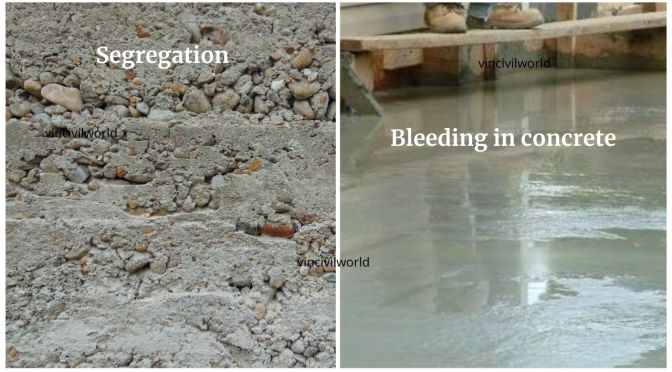
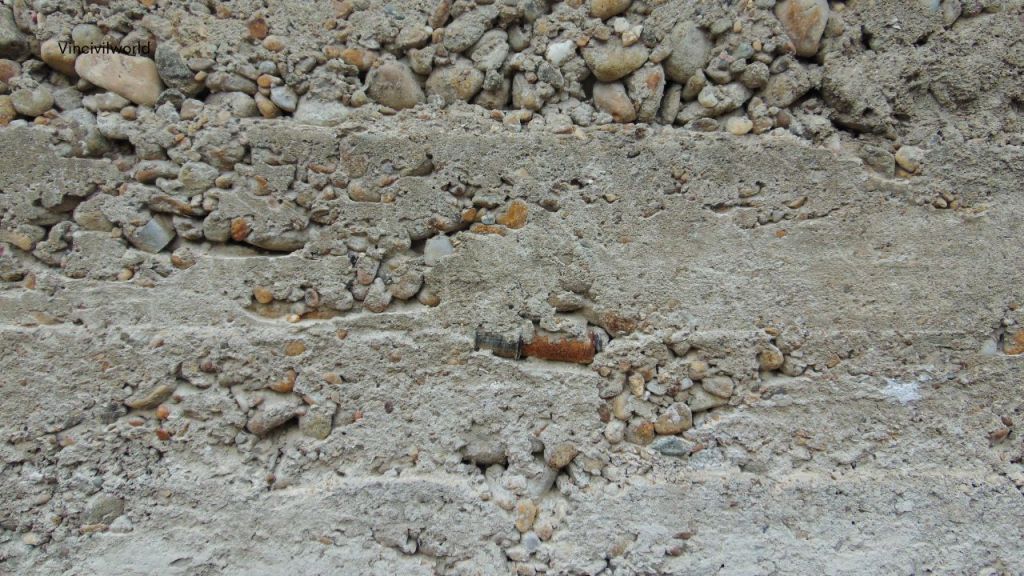
Reduced Defects: Limits problems like shrinkage cracking, bleeding, and segregation of concrete.
Admixtures are primarily classified into two broad categories: Mineral Admixtures and Chemical Admixtures.
Mineral admixtures
Chemical admixtures
Types of Mineral Admixture
Mineral admixtures are siliceous and insoluble materials other than cement and aggregate that are added to concrete in concentrations ranging from 20 to 70% by mass of cement. These are fine materials that have an impact on concrete via hydraulic and pozzolanic activity. They affect the concrete through hydraulic (reacting with water) or pozzolanic (reacting with calcium hydroxide) activity. Natural materials, processed natural materials, and artificial materials are all examples of mineral admixtures. The following are some types of mineral admixture commonly used in concrete.

Common types of mineral admixture include:
Fly Ash (Flash): A byproduct of coal-fired power plants. It significantly improves long-term strength, reduces permeability, and helps decrease the heat of hydration.
Silica Fume: An extremely fine byproduct of silicon and ferrosilicon alloy production. It creates ultra-high-strength concrete with exceptional density and low permeability.
Ground Granulated Blast-Furnace Slag (GGBFS): A byproduct of steel manufacturing. It improves workability and provides strong sulfate resistance, excellent for marine environments.
Metakaolin: A material produced by calcining purified kaolinite clay. It offers similar performance to silica fume but with a lighter color.
Rice Husk Ash: A highly pozzolanic agricultural waste product.
Heavy machinery working at a construction site, moving piles of aggregate material for concrete production.
These admixtures enhance resistance to sulphate attack, reduce permeability, and improve workability in both hot and cold climates.
Types of Chemical Admixture
Chemical admixtures for concrete are compounds that alter its physical and chemical behavior to achieve specific results such as delayed setting, rapid hardening, or water reduction. Chemical admixtures are organic or inorganic chemicals added to concrete in very small amounts (usually less than 5% by mass of cement). They are designed to modify the fresh or hardened properties of concrete immediately.
Different types of admixtures used in concrete
The most common types of chemical admixture include:
Plasticizers (Water Reducers): These decrease the water requirement for a given slump (workability) by about 5% to 15%.
Superplasticizers (High-Range Water Reducers): Highly effective chemicals that can reduce the water content by over 12%. They are essential for producing high-strength concrete or “flowing concrete” that can be placed easily in densely reinforced sections.
Accelerators (Accelerating Admixtures): Decrease the initial setting time of concrete. Used in cold weather or when rapid formwork removal is necessary. The most common example is calcium chloride.
Set Retarders (Retarding Admixtures): Increase the setting time of concrete. Ideal for hot weather or for complex pours that require a long transportation or placing time.
Types of concrete admixture based on applications
Admixture is classified into various types based on various applications
Water-reducing admixture
Retarding admixture
Accelerating admixture
Air entraining admixture
Pozzolanic admixture
Damp-proofing admixture
Gas forming admixture
Air detraining admixture
Anti-washout admixture
Corrosion inhibiting admixture
Bonding admixture
Water-reducing admixtures
Plasticizers are another name for water-reducing admixtures. Basically, by lowering the water-cement ratio, they assist in reducing the water content of the concrete mix by 5 to 20%, resulting in high-strength concrete. Workability is increased by water-reducing admixtures because they can even maintain a high slump without adding more water. Examples include polycarboxylates, multicarbovyl ethers, and acrylic polymers. etc.
Retarding admixtures/Retarders
Retarding admixtures or retarders decreases the setting rate of concrete. They are suitable in hot weather conditions where the high temperature drastically increases the setting rate of concrete. However, the fast setting rate of concrete affects its strength and durability. Generally, retarding admixtures are widely used to overcome this problem. Some examples of retarders are Starch, cellulose products, common sugar, acid salts, etc.
Accelerating admixture/Accelerators
Accelerating admixture decreases the initial hardening time of concrete. As a result the rate of hydration of cement increases. There are two types of accelerating admixtures.
Set accelerating admixture
Hardening accelerators
Accelerating admixture improves the concrete strength by increasing the rate of hydration. This type of admixture is suitable for early formwork removal, emergency repairs, buildings in low-temperature regions, etc. Some examples of accelerators are triethanolamine, calcium formate, active silica, calcium chloride, finely divided silica gel, etc.
Air entraining admixtures
During concrete mixing, these admixtures introduce and stabilize microscopic air voids while forming air bubbles in the mix.
Similarly, these admixtures impart air entrainment that results in:
Increased resistance to deterioration from cyclic freezing and thawing
Improved workability and cohesiveness of concrete placement
Reduced segregation and bleeding
🔗 Learn More:
Pozzolanic admixtures
These admixtures are suitable for hydraulic structures such as dams, reservoirs, etc. Pozzolana is a cementitious material that helps in preparing high-dense concrete mixes. Accordingly, It increases the strength, and reduces the cost of concrete and thermal shrinkage. Some examples of pozzolanic admixtures are fly ash, silica fume, rice husk ash, metakaolin, etc.
Damp proofing admixtures
Dampproofing admixtures make the concrete impervious and durable. It also helps in attaining the early stage of concrete hardening. Some examples of dam-proofing admixtures are hot bitumen, mastic asphalt, bituminous felt, etc.
Gas forming admixtures
During the hydration process of cement, we get hydroxide. The gas-forming admixture reacts with the hydroxides and forms hydrogen gas bubbles. This bubble helps in avoiding settlement and bleeding of concrete. Some examples of gas-forming admixtures are Aluminum powder, activated carbon, hydrogen peroxide, etc.
Air detraining admixture
During the mixing of concrete, the air gets entrapped in the concrete. Furthermore, this air reduces the strength of the concrete. So to avoid this air content we use air-detraining admixtures. Some examples of this type of admixture are tributyl phosphate, silicones, water-insoluble alcohols, etc.
Anti-washout admixture
Generally, the main application of anti-wash-out admixtures is in underwater construction. Some examples are natural or synthetic rubbers, thickeners based on cellulose, etc. Similarly, It makes the concrete more cohesive and avoids washing out of concrete mixes underwater.
Corrosion inhibiting admixture
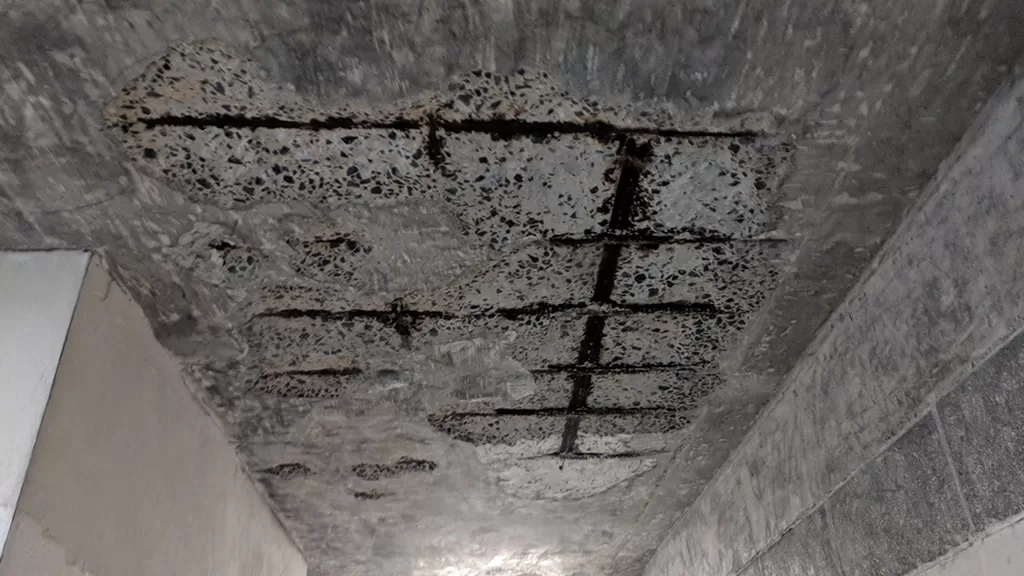
Corrosion of reinforcement is one of the common problems in construction. So to decrease the corrosion this type of admixture is used. Basically, corrosion-inhibiting admixtures help in decreasing the corrosion rate and delaying the corrosion. Some examples of corrosion-inhibiting admixtures are sodium benzoate, sodium nitrate, sodium nitrite, etc.
Bonding admixture
This type of admixture helps to the bond between the new and old concrete surface. Basically, It is commonly used in floor overlays, screed over roofing, repair work, etc. Some examples of bonding admixtures are natural rubber, synthetic rubbers, and polymers such as polyvinyl chloride, polyvinyl acetate, etc.
Key Takeaways
Here are the essential points regarding the types of admixture used in concrete:
Classification: Admixtures primarily divide into Mineral Admixtures and Chemical Admixtures.
Mineral Admixtures: These are pozzolanic materials (e.g., Fly Ash, Silica Fume, Slag) that improve long-term strength, reduce permeability, and lower the heat of hydration.
Chemical Admixtures: These organic/inorganic chemicals modify properties of fresh concrete.
Plasticizers/Superplasticizers:Water-reducing admixtures that allow a lower water-cement ratio, resulting in higher strength concrete.
Accelerators/Retarders: Used to precisely control the setting time—accelerators for cold weather or quick turnaround, retarders for hot weather or long hauls.
Air-Entraining Agents: Crucial for improving freeze-thaw resistance and enhancing the durability of concrete in cold climates.
Specialized Types: Other types include anti-washout, corrosion-inhibiting, and bonding agents, each serving a unique functional requirement.
Conclusion
Admixtures are indispensable ingredients in modern construction, acting as performance enhancers to tailor concrete for specific demands. They broadly categorize admixtures into chemical admixtures and mineral admixtures (Supplementary Cementitious Materials). Chemical types, like plasticizers and accelerators, modify fresh properties such as workability and setting time immediately, requiring small doses. Mineral types, such as fly ash and silica fume, enhance long-term durability, strength, and impermeably using larger volumes. The proper selection of admixture, based on project requirements like climate, structural strength, and exposure conditions, is paramount. Utilizing these specialized materials is essential for producing the high-performance, cost-effective, and long-lasting concrete required for today’s sophisticated infrastructure.
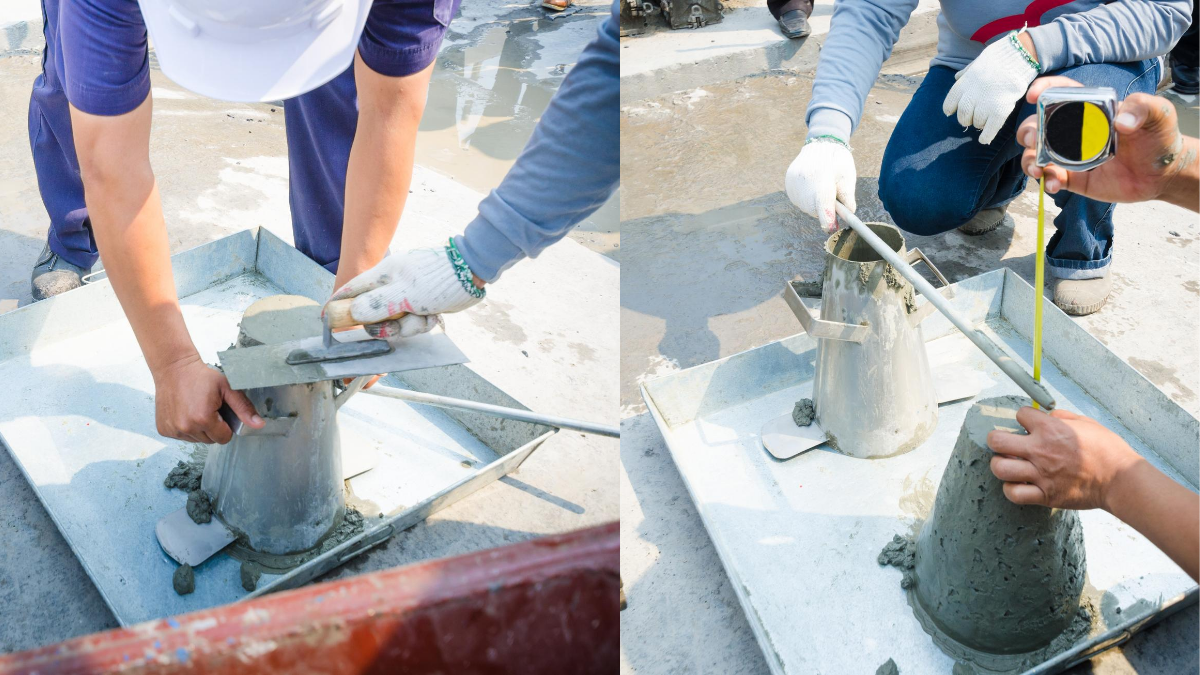
Flow table test of concrete is a common method to measure the workability of fresh concrete. It is especially useful for mixes that are too fluid for the slump test. This test helps check how easily concrete flows, which is important for quality construction. In the flow table test for concrete, a flow table apparatus spreads the concrete, and the flow diameter is measured. Compared to the slump test, the flow table test procedure for concrete works better with high workability and self-compacting mixes. Knowing the difference between flow table test vs slump test helps engineers choose the right method. By following standards like ASTM C124 or EN 12350-5 and IS1199, the flow table test apparatus for concrete gives reliable results. This makes it a key test for concrete workability in construction projects.
In this article, we will explain the purpose and importance of the flow table test for concrete, especially in measuring workability and consistency for high-fluidity mixes like Self compacting Concrete (SCC) . You will learn about the standard codes (including IS 1199:1959, IS 5512:1983, ASTM C124, and EN 12350-5), the apparatus required, and the step-by-step procedure for conducting the test. We will also discuss the advantages, limitations, and practical applications of the flow table test in civil engineering projects. By the end, you’ll understand when and why to use the flow table test for concrete, and how it helps ensure quality and performance in construction
Quality tests on concrete are essential for ensuring strength, durability, and performance in construction. These tests help engineers assess the workability of fresh concrete and the quality of hardened concrete. Common quality tests on concrete include checks during the production stage (on fresh concrete before placing), tests on hardened concrete specimens, and evaluations performed directly on finished structures. Including tests like the flow table test for concrete ensures reliable results and consistent quality throughout a project.
A construction engineer analyzing concrete samples in a laboratory, highlighting the importance of quality tests for concrete workability.
Quality tests performed on concrete are classified into
Production stage quality tests ( On fresh concrete before placing)
Production stage quality tests on fresh concrete are crucial for ensuring the right workability and consistency before placement. These tests help engineers select the best mix for construction and maintain quality control. Key tests include the slump test, compaction factor test, Vee-Bee test, Kelly ball test, and the flow table test for concrete.
This article focuses on the flow test of concrete, explaining its procedure, importance, and how it compares with other workability tests like the slump test and compaction factor test.
Flow table test for Concrete
The flow table test for concrete is a simple laboratory method used to measure the workability and flowability of fresh concrete, especially for highly workable mixes where the slump test is not suitable. In this test, the workability of concrete is determined by observing how much the concrete spreads on a flow table after being jolted. This spreading, or flow, directly indicates the concrete’s consistency and fluidity, which are essential for quality control in construction.
The flow table test is particularly useful for high or very high workability concrete that would otherwise collapse in a standard slump test. It provides insights into the consistency and cohesiveness of the mix, helping engineers ensure that the concrete can be easily placed and compacted without segregation. This method is best suited for concrete with a nominal maximum aggregate size less than 38 mm.
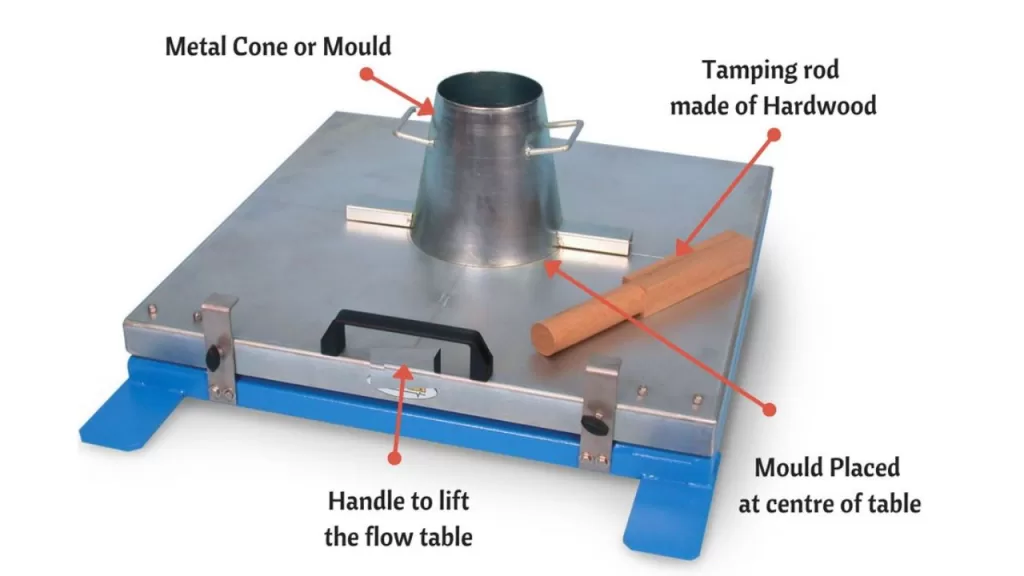
Flow table test apparatus showcasing the metal cone mold, tamping rod, and handling features, essential for measuring the workability of concrete.
Standards for flow table test of concrete
IS 1199 (Part 6): 2018
ASTM C 124 – 39 (Re-approved 1966)
BS 1881 :105: 1984
Flow table test of concrete as per IS 1199 (Part 6): 2018
The flow table test as per IS 1199 (Part 6): 2018 is a standardized method to determine the workability and flowability of fresh concrete, especially for self-compacting concrete. It measures the spread of concrete after the flow table is repeatedly dropped, indicating the concrete’s consistency and ability to flow without segregation.
Flow table test apparatus Used as per IS 1199
The following apparatus are used to perform the flow table test:
Flow table
Mould
Scale
Hand scoop
Trowel
Tamping rod
Flow Table: A metal table with a flat surface and a hinged base, dropped to measure the concrete’s spread, indicating its workability.
Scale: A measuring device used to accurately measure the diameter of the concrete spread on the flow table, ensuring precise results.
Hand Scoop: A tool used to transfer concrete into the mold, ensuring an even and consistent sample for testing.
Trowel: A flat, metal tool used for smoothing and leveling the concrete surface within the mold, ensuring uniformity.
Flow table test apparatus for measuring the workability of fresh concrete, featuring a metal cone mould and tamping rod.
Tamping Rod: A rod used to compact the concrete inside the mold, removing air pockets and ensuring consistency in the sample.
Mould: A metal conical mold used to shape the concrete sample before spreading, essential for standardized measurements in the flow test. The shape of the mould for the flow table test is a cone frustum. The base diameter of the mould is 25 cm and the upper diameter is 17 cm. It has a height of 12 cm. A handle is also present on the sides of the mould.
Flow table Test procedure
Before starting the test, wet and clean the tabletop and the mould from gritty materials.
Keep the mould firmly at the centre of the table.
Now fill two-layer, each layer should be one half of the volume of the mould.
Tamp each layer 25 times using a tamping rod uniformly.
After tamping the top layer, struck off the excess concrete using the trowel.
Also, clean the area of the table outside the mould.
Then remove the mould immediately by steady upward pull.
Raise the table and drop at 12.5 mm, 15 times in 15 seconds.
Measure the diameter of the concrete spread about its 6 direction and compute its mean value.
Calculation for Flow table test
The percentage increase in the average diameter of the spreading concrete over the base diameter of the mould is called the flow of concrete.
Flow% = (Spread diameter in cm – 25) / 25 * 100
The value of flow test varies from 0 to 150%.
According to ‘A.M. Neville, honorary member of the American Concrete Institute’, this flow table test is appropriate for concrete mixes having a flow of 340 to 600 mm.
Key Takeaways
The flow table test is an essential method for assessing the workability and flowability of fresh concrete, especially for high-fluidity and self-compacting mixes where the slump test is inadequate. By following standards like IS 1199 (Part 6): 2018, this test provides reliable, repeatable results crucial for quality control in construction projects. The apparatus is simple, and the procedure is straightforward, making it widely accessible in laboratories. The test helps engineers ensure the mix can be easily placed and compacted without segregation. This directly impacts the durability and performance of the finished structure. Understanding the differences between the flow table and slump tests is important. It helps in selecting the appropriate method for each concrete type. This ensures optimal construction quality.
Conclusion
In conclusion, the flow table test, as outlined in IS 1199 (Part 6): 2018, is a vital tool for evaluating the workability of fresh concrete, particularly for mixes with high workability or self-compacting properties. Its ability to measure the spread of concrete after jolting provides valuable insights into the mix’s consistency and cohesiveness. This ensures that the concrete will perform well during placement and compaction, reducing the risk of defects and enhancing structural integrity. By integrating the flow table test into routine quality control, engineers and builders can achieve better consistency, durability, and performance in concrete structures, ultimately contributing to safer and longer-lasting construction projects.
Shrinkage of concrete refers to the reduction in its volume over time, primarily due to moisture loss and chemical reactions during hydration. This phenomenon can lead to shrinkage cracking of concrete, compromising structural integrity and durability. Understanding what shrinkage of concrete is involves recognizing its various forms, such as drying shrinkage, autogenous shrinkage, and thermal shrinkage. Drying shrinkage occurs as moisture evaporates from the hardened concrete. Autogenous shrinkage results from internal chemical reactions during the hydration process. Thermal shrinkage happens due to temperature variations affecting the concrete mass. Factors influencing shrinkage include water-cement ratio, environmental conditions, and the concrete mix design. Mitigating shrinkage involves proper curing practices. It includes using shrinkage-reducing admixtures. Another method is optimizing mix proportions to minimize water content, thereby reducing the potential for shrinkage cracking.
Concrete shrinkage is a critical phenomenon in the construction industry. It refers to the reduction in volume of concrete as it undergoes hydration and drying. This dimensional change can lead to cracking, compromising the structural integrity and durability of concrete structures. Engineers, contractors, and stakeholders must understand the causes, types, and preventive measures of concrete shrinkage. This knowledge ensures the longevity and performance of concrete infrastructures. This article is about the types, causes and effects of Concrete shrinkage
Concrete, a composite material composed of cement,aggregates, water, and admixtures, is the backbone of modern construction. Its versatility, strength, and durability make it the material of choice for various structural applications. However, one inherent characteristic of concrete is its tendency to shrink during the curing process. This shrinkage, if not properly managed, can lead to cracks, reducing the lifespan and safety of structures. Therefore, a comprehensive understanding of concrete shrinkage is paramount for effective construction practices.
Shrinkage in concrete is the decrease in its volume over time. This occurs due to the loss of moisture and the chemical reactions during cement hydration. This volumetric reduction can induce tensile stresses within the concrete matrix. It leads to the formation of cracks, especially when the material is restrained. Cracks are also likely when shrinkage occurs unevenly. The primary factors influencing concrete shrinkage include the water-cement ratio, environmental conditions, and the properties of the constituent materials.
Types of Concrete Shrinkage
Concrete shrinkage is a natural phenomenon that affects the durability and structural integrity of concrete over time. It occurs due to moisture loss, chemical reactions, or temperature changes, leading to volume reduction and potential cracking. Understanding the different types of shrinkage is crucial. These types include plastic, drying, autogenous, thermal, and carbonation shrinkage. This knowledge helps in selecting appropriate construction techniques. These techniques minimize shrinkage-related issues and improve concrete performance.
Plastic Shrinkage
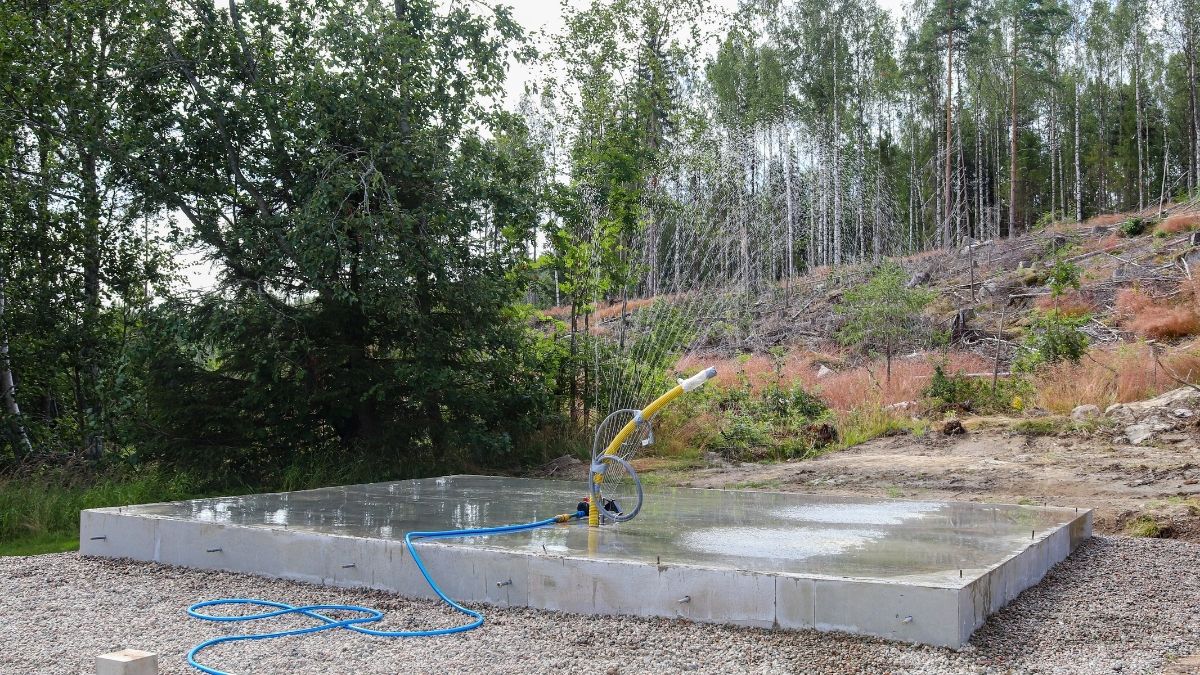
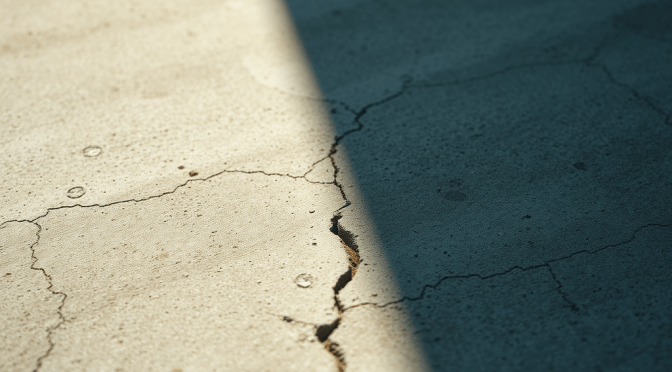
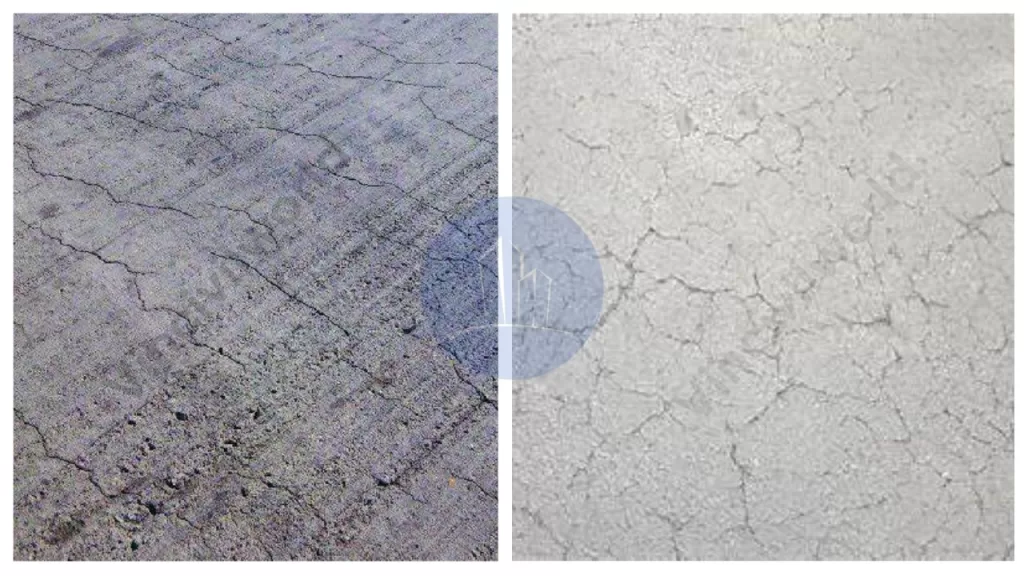
Plastic shrinkage occurs within the first few hours after concrete placement while it is still in a plastic state. It happens due to rapid evaporation of surface moisture, especially in hot, dry, or windy conditions. This leads to surface tension, causing shrinkage cracks to form. These cracks are often random, shallow, and irregular, primarily appearing on slabs and pavements. Preventing plastic shrinkage involves proper curing, windbreaks, shading, and using evaporation retarders to maintain surface moisture and reduce crack formation.
Plastic shrinkage
Drying Shrinkage
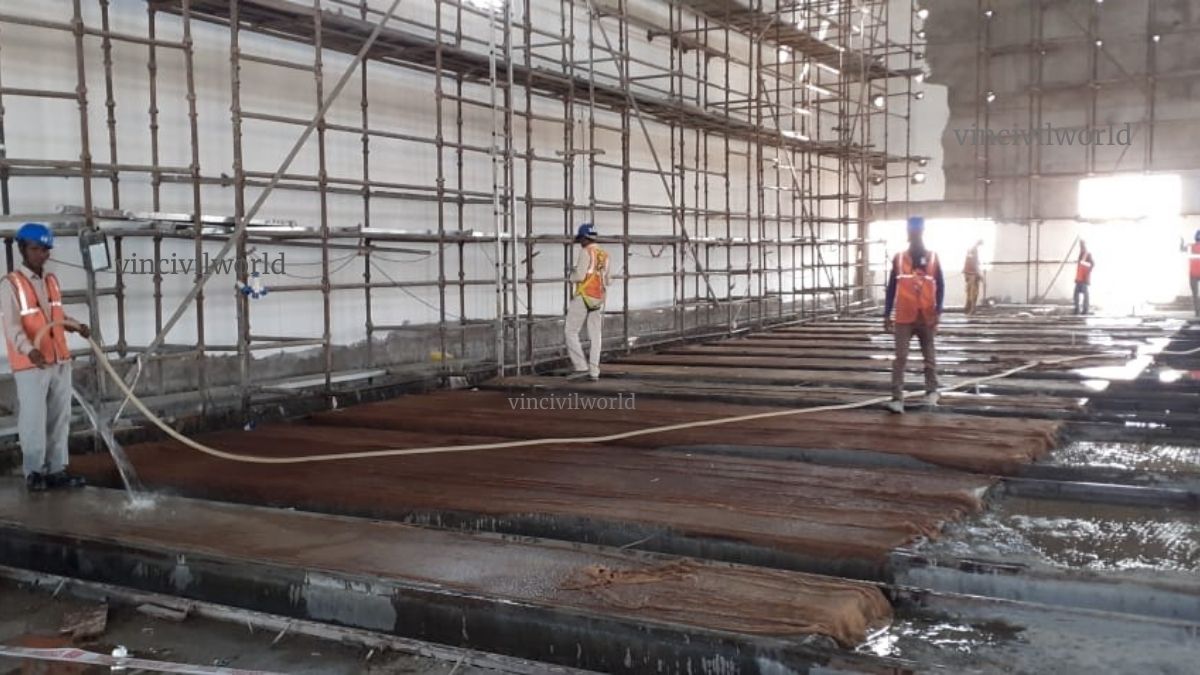
Drying shrinkage occurs as hardened concrete loses moisture to the surrounding environment. This process can last months or even years, depending on humidity levels and concrete properties. As water evaporates, capillary tension develops, causing the concrete to contract, leading to shrinkage cracks. These cracks can compromise durability and structural integrity. To reduce drying shrinkage, engineers use shrinkage-reducing admixtures, proper curing methods, and well-graded aggregates. These methods enhance moisture retention and minimize excessive volume reduction.
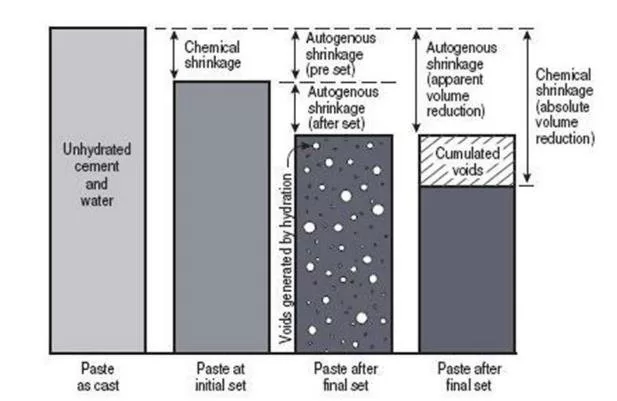
Autogenous shrinkage is common in high-strength, low water-cement ratio concretes where internal chemical reactions drive volume reduction. Unlike drying shrinkage, it occurs without external moisture loss and results from cement hydration reactions consuming water within the concrete. This type of shrinkage is more pronounced in self-consolidating and high-performance concretes, where fine particles create dense microstructures. To mitigate autogenous shrinkage, internal curing techniques are applied. Techniques such as using lightweight aggregates or superabsorbent polymers help retain water for extended hydration.
Thermal shrinkage is caused by temperature variations during the early curing stages of concrete. Cement hydration generates excess heat, causing the concrete to expand. As it cools, the contraction leads to thermal stress and shrinkage cracks. Large structures, such as bridges and massive foundations, are particularly vulnerable to this effect. To control thermal shrinkage, low-heat cement manages heat dissipation. Temperature-controlled pouring also assists. Insulation methods minimize volume changes, preventing long-term structural issues.
Carbonation Shrinkage
Carbonation shrinkage occurs when carbon dioxide (CO₂) from the atmosphere reacts with calcium hydroxide in concrete to form calcium carbonate. This process slightly reduces concrete volume over time and primarily affects thin concrete sections exposed to high CO₂ levels. Although carbonation can increase surface strength, excessive shrinkage can cause microcracking. To limit carbonation shrinkage, proper curing, protective coatings, and low-permeability mixes help slow down CO₂ penetration and maintain durability.
Several factors contribute to concrete shrinkage, and understanding these is crucial for implementing effective preventive measures:
Water Content: Excessive water in the concrete mix increases the potential for shrinkage. Maintaining appropriate water-cement ratios is critical to reducing this risk.
Cement Composition: The type and amount of cement influence shrinkage. High cement content can lead to increased shrinkage due to greater heat of hydration.
Environmental Conditions: High temperatures, low humidity, and wind can accelerate moisture evaporation, leading to increased shrinkage.
Improper Curing: Inadequate curing can result in rapid moisture loss, causing shrinkage and cracking.
Aggregate Properties: The size, type, and grading of aggregates affect the overall shrinkage
Effects of Concrete Shrinkage
Shrinkage can have several detrimental effects on structures:
Cracking: As concrete shrinks, tensile stresses develop, leading to cracks, especially if the concrete is restrained.
Reduced Durability: Cracks allow ingress of harmful substances like water and chlorides, which can lead to reinforcement corrosion and reduced lifespan of the structure.
Structural Weakness: Significant shrinkage and cracking can compromise the load-bearing capacity of concrete elements.
How to Reduce Shrinkage in Concrete
To reduce shrinkage and its adverse effects, consider the following measures:
Use Low Water-Cement Ratio: Reducing the amount of water in the mix decreases the potential for shrinkage. However, this must be balanced with workability requirements.
Use of Shrinkage-Reducing Admixtures: Incorporating admixtures can help reduce drying shrinkage and control crack widths.
Optimized Mix Design: Selecting appropriate types and proportions of cement and aggregates can influence shrinkage characteristics.
Environmental Control: Protecting concrete from extreme weather conditions, such as high temperatures and winds, can prevent rapid moisture loss.
Key Takeaways
Definition: The volume reduction due to moisture loss and hydration reactions.
Types: Includes plastic, drying, autogenous, thermal, and carbonation shrinkage.
Influencing Factors: Water-cement ratio, environmental conditions, and material properties.
Mitigation: Proper curing, shrinkage-reducing admixtures, and optimized mix designs are essential.
Importance: Effective shrinkage management preserves structural integrity, enhances durability, and ensures sustainable construction practices.
FAQs
What is concrete shrinkage?
It is the reduction in volume of concrete over time due to moisture loss and chemical reactions during cement hydration.
What causes this?
What are the types of concrete shrinkage?
The primary types include plastic, drying, autogenous, thermal, and carbonation shrinkage.
How can Concrete shrinkage be minimized?
What effects does concrete structures?
Shrinkage can cause cracking, reduce durability, and compromise the structural integrity and load-bearing capacity of concrete elements.
Conclusion
Concrete shrinkage involves a reduction in volume over time due to moisture loss. It also results from chemical reactions during hydration. This phenomenon poses a significant challenge for construction professionals. This blog has explored its various forms, including plastic, drying, autogenous, thermal, and carbonation shrinkage. The blog also examined the factors influencing shrinkage, such as water-cement ratio, environmental conditions, and material properties. Effective mitigation through proper curing, shrinkage-reducing admixtures, and optimized mix designs is crucial to prevent cracking and preserve structural integrity. By understanding these dynamics, engineers, contractors, and stakeholders can implement strategies that enhance durability and safety. Proactive management extends the lifespan of concrete structures. It also contributes to more resilient and sustainable construction practices. Ultimately, diligent control of shrinkage secures long-term performance and trust.
Ribbed concrete slabs, also known as waffle slabs, are a type of reinforced concrete slab characterized by a grid-like pattern on the underside. This grid resembles the pockets of a waffle. It consists of ribs running in two perpendicular directions. These ribs provide enhanced strength and stability. Ribbed concrete slabs, or two-way joist slabs, are highly effective for spans over 40 feet (12 meters). They offer superior load-bearing capacity compared to other slab types, such as flat slabs, flat slabs with drop panels, two-way slabs, one-way slabs, and one-way joist slabs.
Though ribbed concrete slabs can be more expensive than other slab systems, they offer increased rigidity and stability, making them ideal for both ceiling and floor applications. These slabs are essential structural components in buildings, providing a flat surface and assisting in the transfer of loads. In this article, we will discuss the construction process, advantages, and disadvantages of ribbed concrete slabs and waffle slabs.
A ribbed concrete slab, also called a waffle slab or two-way joist slab, is ideal for industrial and commercial buildings. It has a flat top and grids on the underside. Ribbed concrete slabs are stronger than flat slabs, making them perfect for longer spans. They handle both distributed and point vertical loads.
Ribbed concrete slab or waffle slab
It enables both distributed and point vertical actions. The bottom layer of concrete reinforcement in ribbed concrete slab/waffle slabs is removed. Instead, concrete ribs run in two orthogonal directions. Additionally, the rib depth should range from 135mm to 235mm. Because the overall depth of the floor increases as the depth of the ribs does. The structure’s lateral loading is impacted by this.
The waffle slabs need only 70% of concrete and 80% of steel from the concrete and steel used for the construction of the raft slab. The construction stages of the waffle slab include the following
The first step is to create the forms
Place the formwork components in place.
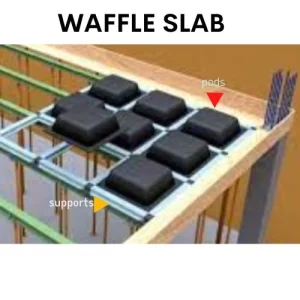
Position your waffle pods or moulds on the shuttering. Generally, the pods are typically constructed of plastic, and they come in a variety of sizes and shapes. The size of the pod is determined by the requirements and span length. A significant number of pods are necessary for greater spans. Accordingly, the same size pods should be used for the entire slab.
Ribbed concrete slab or waffle slab
Place the support components horizontally and vertically according to the connectors.
Lay out the waffle pods and spacer within the formwork in a grid pattern beginning at one corner, following the instructions in the design.
Using this technique, the casting of the slab panel is done elsewhere, and it is then placed, connected, and reinforced with concrete.
Prefabricated
In this procedure, reinforcement is built into the slab panels using prefabricated steel bars. Slabs are manufactured elsewhere and brought to the location to be erected.
Advantages of Waffle slab
It is suitable for large-span structures and can be achieved with less concrete and rebar than similar conventional slabs
They require only a fewer number of columns.
It possesses a higher load-carrying capacity
It has higher structural stability
They have a good aesthetic appearance.
Waffle slabs are suitable for roof slabs and floor slabs.
Waffle slabs have high vibration control capacity
The construction of this slab can be done faster and easier.
They are light weighted
They require low construction costs, Hence they are economical when compared to other conventional slabs of the same span
It requires only less amount concrete and can be reinforced with mesh or rebars.
Disadvantages of Waffle slab
Requires Expensive formwork
Requires skilled workmen and supervision for the construction of waffle slabs.
Higher maintenance cost
The increase in the depth of ribs leads to an increase in the floor height.
This type of slab is not suitable for windy and slope areas.
Key Takeaways
Ribbed concrete slabs, also known as waffle slabs, are reinforced concrete systems with a grid-like pattern on the underside. They offer enhanced strength, making them ideal for longer spans, and are highly effective in handling both distributed and point vertical loads. These slabs are suited for industrial and commercial buildings and are made using a process that involves creating forms, placing waffle pods, reinforcing with steel, and pouring concrete. Waffle slabs have advantages such as higher load-carrying capacity, stability, and aesthetic appeal. However, they require expensive formwork, skilled labor, and can incur higher maintenance costs.
Conclusion
Ribbed concrete slabs or waffle slabs are a versatile solution for large-span structures. They are stronger and more stable than conventional slabs, making them ideal for industrial, commercial, and residential buildings. Their efficient use of concrete and steel reduces material costs compared to other slab systems. However, the construction process requires skilled labor and specialized equipment, which can increase upfront costs. Despite these challenges, the long-term benefits of waffle slabs, such as reduced need for columns, higher structural stability, and aesthetic appeal, make them a valuable choice in modern construction. Understanding the advantages and disadvantages is crucial when considering them for specific projects.
Self-Compacting Concrete (SCC) flows effortlessly and fills complex formwork without requiring external vibration, thanks to its advanced mix design. But what is Self Compacting Concrete? It’s a high-performance concrete that uses a blend of cement, aggregates, and superplasticizers to achieve its self-leveling and self-consolidating properties.
The advantages of SCC are significant. Self Compacting Concrete simplifies placement and improves workability. It reduces the need for manual vibration and thereby cuts labor costs and lowers the risk of defects like honeycombing. This makes SCC ideal for intricate and congested structures such as high-rise buildings, bridges, and underground constructions.
The application of Self-Compacting Concrete enhances construction efficiency by ensuring uniform compaction and a high-quality finish. SCC is a game-changer in concrete technology. Self Compacting concrete provides robust solutions for demanding construction scenarios. It also improves overall structural performance and cost-effectiveness. In this article we are will go through the definition , characteristics, advantages , mix design etc of Self compacting concrete (SCC).
Definition and Characteristics of Self-Compacting Concrete (SCC)
Self-Compacting Concrete (SCC) is a high-performance concrete that doesn’t require external vibration for placement. So, what is Self-Compacting Concrete? This type of concrete flows and consolidates under its own weight, effortlessly filling complex forms and tight spaces.
SCC is known for several distinctive properties:
High Flowability: It spreads and fills molds and congested areas with ease.
Low Viscosity: This allows SCC to flow around obstacles and through narrow openings without segregating.
High Passing Ability: It moves smoothly through narrow openings and congested areas.
Excellent Cohesiveness: SCC maintains a homogeneous mixture, preventing segregation.
Self-Consolidation: It eliminates the need for external vibration, reducing noise and labor during placement.
These characteristics make SCC ideal for various applications. The use of Self-Compacting Concrete improves placement efficiency. It also enhances quality control. These benefits lead to reduced labor costs and greater structural integrity.
Self Compacting Concrete
Advantages of Self-Compacting Concrete
The main advantages of Self Compacting Concrete are..
Improved Workability
Self-compacting concrete offers superior workability, eliminating the need for vibration. This significantly reduces labor costs and time required for placement, particularly in complex and congested areas.
Enhanced Durability
The homogenous nature of self-compacting concrete results in a denser and more durable structure. Its ability to fill intricate molds and intricate shapes without voids ensures optimal strength and longevity.
Reduced Labor Requirements
Due to its self-consolidating properties, self-compacting concrete requires less manual intervention, reducing labor needs and potential errors. This translates into cost savings and faster construction schedules.
Improved Surface Finish
Self-compacting concrete eliminates the need for vibration, resulting in a smoother and more uniform surface finish. This is particularly beneficial for exposed concrete structures, where aesthetics are crucial.
Self Compacting Concrete – Ingredients and Mix design
The composition of self-compacting concrete (SCC) is carefully tailored to achieve its unique properties. It involves a precise combination of aggregates, cement, water, and chemical admixtures. The key to SCC’s success lies in the optimal proportioning of these ingredients, ensuring a balanced mix that is highly flowable, stable, and resistant to segregation.
Aggregates
SCC utilizes a well-graded aggregate blend, typically consisting of fine and coarse aggregates. Fine aggregates, such as sand, provide cohesion and fill the voids between coarse aggregates, which provide strength and stability. The grading of aggregates plays a crucial role in ensuring a homogeneous mix that flows smoothly without segregating.
Cement
The type and amount of cement used in SCC are crucial for achieving the desired strength and workability. However, high-quality cement is preferred for SCC. It often has a high fineness and low setting time. This ensures rapid strength development and prevents early setting.
Water
The water content is carefully controlled in SCC to achieve the desired slump flow and prevent excessive bleeding. Insufficient water can lead to a stiff mix, while excessive water can lead to segregation and a reduction in strength.
Chemical Admixtures
SCC typically incorporates various chemical admixtures to enhance its properties and ensure proper performance. These admixtures can include superplasticizers to improve flowability. They also reduce water content. Viscosity-modifying agents control the mix’s consistency. Air-entraining agents enhance freeze-thaw resistance.
Mineral Admixtures :Different mineral admixtures used in self-compacting concrete (SCC) contribute various properties, thereby enhancing its performance based on specific requirements
Ground Granulated Blast Furnace Slag (GGBS): Improves the rheological properties, making SCC more flowable and easier to place.
Fly Ash: Fills internal voids, reducing pores, which enhances the quality and durability of SCC structures.
Silica Fumes: Increases the mechanical properties, leading to stronger SCC structures with higher resistance.
Stone Powder: Enhances the powder content, improving the overall mix and cohesiveness of SCC.
Determining the appropriate Mix Design for self compacting concrete requires a detailed process. It involves careful consideration of the project’s specific requirements. These requirements include the target strength, flowability, and durability. The self compacting concrete mix design is typically based on laboratory testing. Simulation ensures that the SCC meets the desired performance criteria. The mix proportions are often adjusted. Variations in the properties of the materials used are considered. Environmental conditions during placement are also taken into account.
Performance parameters of self-compacting concrete (SCC)
Performance parameters of self-compacting concrete (SCC) include flowability and passing ability. Segregation resistance and setting time are also essential. They are crucial for optimal quality and efficiency. Let us go through in detail.
Flowability and Passing
Viscosity and Segregation Resistance
Flowability and Passing Ability of Self Compacted Concrete
Both are key parameters in evaluating self-compacting concrete (SCC). Flowability refers to the concrete’s ability to flow smoothly under its own weight, filling formwork without segregation. Passing ability measures the concrete’s capacity to move through narrow openings and congested reinforcement without obstruction. These properties ensure that SCC fills the formwork uniformly, creating a dense structure.
Self Compacting Concrete
Factors such as rheological properties, particle size distribution, and admixtures influence both flowability and passing ability. Standardized tests such as the L-box and V-funnel tests assess these qualities. The L-box test measures the concrete’s ability to flow horizontally through a restricted area. The V-funnel test evaluates how quickly the concrete passes through a vertical funnel.
Optimizing these properties ensures a smooth flow, producing a durable, homogenous concrete structure with improved strength and performance.
Viscosity and Segregation Resistance
Viscosity in self-compacting concrete (SCC) is crucial for its flowability and homogeneity during placement. SCC’s high viscosity helps prevent segregation, where heavier aggregates settle, weakening the mixture. Segregation resistance is another key aspect. Segregation resistance means SCC can resist the separation of components. These components include cement paste, aggregates, and water during transport and placement.
Viscosity ensures the mixture stays stable and uniform, resulting in a durable structure. Factors influencing SCC’s viscosity include admixture type and dosage, water-to-cement ratio, aggregate size and shape, and temperature. Proper control of these factors is essential for achieving optimal viscosity and segregation resistance.
Testing methods like the slump flow, V-funnel, and L-box tests assess SCC’s viscosity and segregation resistance. These tests provide critical insights into the concrete’s flow characteristics and suitability for specific applications.
Testing Methods and relevant standards for Self-Compacting Concrete
Testing methods for self-compacting concrete (SCC) ensure that the concrete meets the required performance parameters for flowability, cohesiveness, and stability. Both Indian and international codes provide guidelines for these tests to ensure consistent quality and performance. Here’s an overview of the key testing methods and relevant codes.
Testing methods are crucial for ensuring the quality and performance of self-compacting concrete (SCC). These tests evaluate various properties of SCC, including its flowability, passing ability, viscosity, segregation resistance, and compressive strength.
V-Funnel Test
The most common test for flowability is the V-funnel test. It measures the time it takes for a predetermined amount of concrete to flow through a V-shaped funnel. This test assesses the concrete’s ability to spread easily and fill complex shapes.
Indian Standard: IS 9103: 1999
International Standard: JIS A 1128 (Japan)
V- Funnel Test for SCC
L-Box Test
The L-box test assesses the passing ability of SCC, measuring its capacity to flow through narrow openings and congested areas. This test involves placing the concrete in a box with a horizontal opening. The next step is measuring the time it takes for the concrete to pass through.
Indian Standard: No specific standard; often aligned with international practices.International Standard: EN 12350-10 (Europe)
J -Ring Test
To evaluate the viscosity of SCC, the J-ring test is often employed. In this test, the concrete is placed in a J-shaped ring. The time it takes for a portion of the concrete to settle to the bottom is then measured. This test helps determine the concrete’s resistance to flow and its ability to maintain its shape.
International Standard: EN 12350-12 (Europe)
Finally, the compressive strength test assesses the concrete’s load-bearing capacity. This test involves subjecting a concrete cylinder to a compressive force until it fails. The resulting compressive strength value indicates the concrete’s ability to withstand external pressures.
Testing methods for self-compacting concrete are critical to ensure it performs as expected in various applications. Practitioners should adhere to both Indian and international codes, such as those from IS, ASTM, JIS, and EN. This adherence ensures SCC meets the required standards for flowability, cohesiveness, and structural integrity.
Application Areas of Self-Compacting Concrete
1. Complex Structures
Self-compacting concrete excels in intricate structures with congested reinforcement. It is ideal for columns with dense rebar arrangements. It also works well for precast elements with complex geometries. It can flow and fill the formwork without vibration. This ability significantly reduces the risk of voids and defects. It ensures high-quality concrete in these challenging applications.
2. Thin-walled Structures
Self-compacting concrete is ideal for thin-walled structures, such as precast walls, panels, and beams. It eliminates the need for excessive vibration, which can damage these delicate elements. The concrete’s ability to flow evenly and compact itself ensures uniform thickness and prevents cracking or delamination.
Self Compacting Concrete
3. Large-scale Projects
Large-scale infrastructure projects, such as bridges, dams, and tunnels, benefit greatly from the efficiency and effectiveness of self-compacting concrete. Its high flowability allows for rapid placement, reducing downtime and accelerating construction schedules. Additionally, it minimizes labor requirements, leading to cost savings and enhanced productivity.
4. Repair and Rehabilitation
Self-compacting concrete plays a crucial role in the repair and rehabilitation of existing structures. Its ability to penetrate cracks and fill voids effectively ensures durable and long-lasting repairs. It is especially valuable for restoring concrete structures damaged by wear and tear. Environmental factors or seismic events also cause damage.
Placement and Finishing Techniques of Self Compacting Concrete
Placing and finishing self-compacting concrete (SCC) requires specific techniques due to its unique properties. Unlike conventional concrete, SCC’s high flowability and self-compacting nature necessitate careful handling and finishing methods to achieve optimal results.
The placement of SCC typically involves pumping or conveying the concrete directly into the formwork. This process minimizes segregation and ensures uniform distribution of the concrete mixture. In some cases, placing SCC using a crane or a bucket is also possible. However, it’s crucial to avoid dropping the concrete from a height as this can lead to segregation and air entrainment.
Finishing SCC requires specialized techniques to achieve a smooth and even surface. Due to the concrete’s high flowability, traditional troweling and screeding methods are less effective. Instead, vibrators commonly consolidate the concrete and eliminate air bubbles. Specialized finishing tools, such as vibrating screeds, are also available to achieve a smooth and consistent finish.
The use of vibrating screeds helps to compact the concrete. It removes air voids, leading to a smooth and even surface finish.
In some cases, achieving the desired surface finish may require a combination of hand finishing techniques. These can include methods such as troweling or floating.
It’s important to ensure proper compaction of the concrete during placement. Consolidate it properly during finishing to prevent cracking and other defects.
Curing and Strength Development of Self Compacting Concrete
Curing is a vital step in the life cycle of self-compacting concrete (SCC). It significantly impacts its strength development. It also affects its long-term performance. It ensures that moisture and temperature are maintained, promoting the hydration process that binds the concrete. SCC usually needs at least 7 days to develop initial strength. Longer periods are recommended for optimal strength and durability.
Different curing methods are available for use. These include water curing, plastic sheets, curing compounds, and steam curing. The choice depends on project needs and environmental conditions. Factors such as cement type, water-cement ratio, aggregate size, and curing conditions influence SCC’s strength. Generally, higher cement content and lower water-cement ratios lead to greater strength. Admixtures like superplasticizers and silica fume can significantly improve strength development. They ensure better performance and durability of the concrete structure.
Compressive Strength
Compressive strength is essential for evaluating concrete performance. It is measured in units of pounds per square inch (psi) or megapascals (MPa). SCC normally reaches compressive strengths from 3,000 to 8,000 psi (20 to 55 MPa). These levels can go higher, depending on the mix design and curing conditions. The compressive strength of SCC is determined by standardized testing methods, such as ASTM C39 or EN 12390-4.
Durability and Sustainability of Self Compacting Concrete
Self-compacting concrete (SCC) offers significant advantages in terms of durability. It also enhances sustainability. This contributes to the longevity and environmental friendliness of structures. Its inherent properties promote long-term performance and minimize environmental impact.
SCC’s excellent workability and compaction ensure a dense and homogeneous concrete matrix, reducing the occurrence of voids and micro-cracks. This improves the concrete’s resistance to permeability. It also prevents the ingress of harmful substances like chlorides and sulfates. These substances can lead to deterioration over time.
The use of high-quality aggregates improves SCC resistance to abrasion. Optimized mixture proportions also enhance its resistance to freeze-thaw cycles and chemical attack. These characteristics are crucial for structures exposed to harsh environments, such as coastal areas or industrial sites.
The reduced use of water in SCC mixtures compared to conventional concrete minimizes the potential for shrinkage cracking. This contributes to the overall structural integrity and durability of the concrete.
SCC’s excellent flowability allows it to fill intricate formwork and complex geometries, reducing the need for vibration and manual compaction. This minimizes noise and vibration pollution during construction, enhancing sustainability and reducing the carbon footprint.
By promoting durability and sustainability, SCC contributes to the longevity of structures. It also enhances the environmental friendliness of structures. These factors make it a preferred choice for various applications in modern construction.
Environmental Impact and Recycling of Self Compacting Concrete
Self-compacting concrete (SCC) offers several environmental benefits compared to traditional concrete. It eliminates the need for vibration, reducing noise pollution and fuel consumption during construction. Its enhanced workability minimizes waste and lowers the volume of concrete needed, cutting carbon emissions from production and transportation.
SCC’s environmental impact is further reduced by its recyclability. Aggregates and cement can be reclaimed and reused, lessening the need for virgin materials. SCC’s high flowability allows for the use of recycled aggregates, supporting sustainable construction practices.
To further reduce SCC’s environmental footprint, sustainable production methods should be employed. These methods include using recycled materials, optimizing cement content, and adopting low-carbon cement alternatives. Efficient production and transportation processes also help decrease emissions, promoting a more eco-friendly construction sector.
Quality Control and Assurance
Material Testing
Ensuring the quality of concrete materials is crucial for the performance and longevity of self-compacting concrete structures. This involves thorough testing of aggregates, cement, admixtures, and water to ensure they meet the specified requirements. Standardized tests are employed to determine properties like compressive strength, water absorption, and particle size distribution.
Slump Flow and V-Funnel Tests
Flowability and segregation resistance of SCC are assessed using tests like the slump flow test and the V-funnel test. These tests evaluate the concrete’s ability to flow evenly and resist segregation during placement. They provide valuable insights into the mix design and help ensure that the concrete achieves the desired consistency and performance.
Visual Inspection
Visual inspection plays a vital role in quality control for SCC. Experienced personnel assess the concrete mix during batching, mixing, and placement to detect any anomalies. They look for signs of segregation, bleeding, air entrainment, and other irregularities that may indicate quality issues.
Strength Testing
Compressive strength testing of cured concrete specimens is conducted to ensure that the concrete meets the specified strength requirements. This involves breaking standard cylinders or cubes under controlled conditions and measuring the load at failure.
Challenges and Limitations
While self-compacting concrete (SCC) offers many benefits, it also presents challenges. Achieving the right balance between flowability, viscosity, and segregation resistance is crucial. SCC needs to flow easily into complex formwork without segregating. At the same time, it must maintain enough viscosity to prevent excessive bleeding or slump loss. This balance often requires careful mix design adjustments and the use of specialized admixtures.
Consistent quality control is another challenge. Slight variations in mix proportions can affect performance, so strict material handling and mixing are essential. Accurate testing methods are also necessary to monitor flowability and viscosity.
The cost of SCC is generally higher than conventional concrete. This is due to specialized materials and admixtures. These factors can be a barrier for budget-conscious projects. Additionally, skilled labor is required for proper handling and placement.
In certain cases, SCC’s high water content may lead to longer curing times. Its performance can be affected by temperature variations during production and placement.
Future Trends and Research
The field of self-compacting concrete (SCC) is continually evolving. This evolution is driven by a growing demand for high-performance, sustainable, and efficient construction solutions. Research and development efforts are focused on addressing the challenges and limitations of SCC, exploring new materials, technologies, and applications.
Enhanced Performance: Research is underway to develop SCC mixes with improved mechanical properties. These properties include higher strength, durability, and resistance to fatigue and cracking. This involves investigating novel admixtures, aggregates, and cementitious materials.
Sustainability and Environmental Impact: Efforts aim to reduce the carbon footprint of SCC. This is achieved by incorporating recycled materials, developing low-energy production processes, and exploring the use of sustainable admixtures.
Smart Concrete Technologies: The integration of sensors and monitoring systems into SCC is a promising area of research. Smart SCC can provide real-time data on its properties and performance, enabling proactive maintenance and optimization.
3D Printing and Additive Manufacturing: SCC is well-suited for 3D printing applications. It allows for the creation of complex and customized structures. This technology is being explored for both traditional and innovative construction applications.
Advanced Simulation and Modeling: Computational modeling and simulation tools are playing an increasingly important role in SCC research. They enable the prediction and optimization of its behavior and performance.
These research trends aim to unlock the full potential of SCC. They strive to make it a more versatile, efficient, and sustainable construction material for the future.
Key Takeaways
Definition and Characteristics: Self-Compacting Concrete (SCC) is high-performance concrete that flows and consolidates under its own weight without external vibration. It features high flowability, low viscosity, excellent passing ability, and self-consolidation.
Advantages: SCC improves workability, reduces labor requirements, enhances durability, and provides a superior surface finish.
Ingredients: SCC is made from well-graded aggregates and high-quality cement. It also includes controlled water content and various chemical admixtures. These admixtures include superplasticizers and viscosity-modifying agents.
Testing Methods: Flowability, passing ability, viscosity, and segregation resistance are assessed using the V-funnel, L-box, and J-ring tests.
Applications: Ideal for complex, thin-walled, and large-scale structures, as well as repair and rehabilitation projects.
Conclusion
Self-Compacting Concrete (SCC) represents a significant advancement in concrete technology. It offers numerous benefits such as improved workability, reduced labor, and enhanced durability. Its unique properties, including high flowability and excellent passing ability, make it well-suited for complex and high-demand construction projects. SCC can fill intricate molds effectively. It ensures a uniform finish while minimizing labor and defects. This ability is transformative for the construction industry. Construction professionals can understand SCC’s ingredients, performance parameters, and testing methods. With this knowledge, they can leverage SCC to achieve superior structural performance and efficiency. Embracing SCC can lead to more sustainable, cost-effective, and high-quality concrete solutions in modern construction practices.
The concrete compressive strength formula is fundamental. It calculates how well concrete can resist axial loads without failing. Concrete compressive strength formula is crucial for determining the strength of concrete structures. It also ensures the durability of buildings, bridges, and roads. The formula for concrete compressive strength is expressed as fc = P/A. Here, P is the applied load. A is the cross-sectional area of the concrete specimen. To ensure accuracy, concrete compressive strength testing methods follow strict guidelines.
These guidelines are provided by codes such as ASTM C39 and IS 456. Concrete compressive strength test procedures focus on assessing strength using concrete cubes or cylindrical specimens. These procedures include detailed acceptance criteria to verify whether the concrete meets the required standards. Additionally, a concrete compressive strength data set can help in evaluating the strength over different curing periods. The standard deviation for concrete compressive strength helps assess consistency and quality.
This article is about the concrete compressive strength formula, concrete compressive strength test IS code etc. This also covers concrete compressive strength acceptance criteria,concrete compressive strength testing methods, standard deviation for concrete compressive strength etc.
Introduction to Concrete Compressive Strength Formula
Concrete Compressive strength testing
The concrete compressive strength formula allows engineers to calculate the ability of concrete to withstand compressive forces. Engineers measure Concrete compressive strength in megapascals (MPa) or Newtons per square millimeter (N/mm²). To determine this strength, engineers apply a compressive force to concrete specimens, such as cubes or cylinders, until the concrete fails. The formula for calculating the compressive strength is
fc = P/A
Where:
fc = Compressive strength (in MPa or N/mm²)
P = Maximum applied load (in Newtons)
A = Cross-sectional area of the specimen (in mm² or cm²)
Engineers worldwide use the concrete compressive strength formula to confirm that concrete can withstand the necessary loads in construction projects.
Code Requirements – Concrete compressive strength
In the construction industry, the concrete compressive strength formula is governed by specific building codes. These codes outline the requirements fortesting of concrete, the selection of appropriate materials, and the acceptance criteria for compressive strength. ASTM C39 is the Standard Test Method for Compressive Strength of Cylindrical Concrete Specimens. IS 456:2000 is the Indian Standard for Code of Practice for Plain and Reinforced Concrete. These standards define the procedures. They also set the acceptable limits for concrete compressive strength.
Adhering to these codes ensures that concrete meets the structural requirements, offering durability and safety in construction. Codes provide specific guidelines on concrete compressive strength testing methods, detailing the use of cubes or cylinders and specifying curing times before testing.
concrete compressive strength testing
Concrete Compressive Strength Test Methods
Testing for concrete compressive strength is a crucial step in the quality control process. Several methods exist, but the most common involves casting concrete specimens (usually cubes or cylinders) and subjecting them to a compressive load. The concrete compressive strength test is typically conducted according to specific standards and includes the following steps:
Sample Preparation: Technicians pour concrete into molds and allow it to cure for a specified period, often 7, 14, or 28 days.
Testing: They place the cured specimen in a testing machine that gradually applies force until the specimen fails. They then record the maximum load.
Calculation: Using the concrete compressive strength formula, they apply the maximum load and cross-sectional area to determine the concrete’s strength.
For cylindrical specimens, the compressive strength of cylindrical concrete specimens formula
Where A is the cross-sectional area of the cylinder (in mm² or cm²). The load is applied along the axis of the cylinder.
Concrete Compressive Strength Data Set
Engineers compile data sets from past concrete test results under various conditions to evaluate the reliability of concrete’s compressive strength. These data sets include information on specimens tested with different curing times, temperatures, and mix compositions, allowing engineers to assess consistency and predict performance trends. These conditions include curing time, aggregate type, water-cement ratio, and cement grade. The data helps engineers make informed decisions about the mix design and predict the likely compressive strength of new batches of concrete.
Compressive Strength of Concrete Cube Formula
The compressive strength of concrete cube formula is similar to that of cylinders. In this case, a concrete cube of standard size (typically 150 mm x 150 mm x 150 mm) is tested. The formula remains
Where P is the applied load, and A is the cross-sectional area of the cube. Cube specimens are used primarily because they are easier to handle and store than cylinders. Their failure pattern is often easier to interpret.
Standard Deviation for Concrete Compressive Strength
When working with concrete, it is important to measure the compressive strength. It is also crucial to evaluate the variability in strength across different batches. Standard deviation is used to assess this variability. A higher standard deviation indicates that the concrete is more inconsistent, which could lead to structural weaknesses. Engineers aim for a low standard deviation to ensure that concrete consistently meets the required strength standards.
The formula for calculating standard deviation for concrete compressive strength is:
Where σ is the standard deviation.
n is the number of test samples, xi is the individual strength value, and x is the mean strength.
Acceptance Criteria
The concrete compressive strength acceptance criteria help in determining if a concrete batch meets the necessary strength. This ensures it is suitable for a given application. These criteria are defined by codes such as ASTM C39 or IS 456 and typically include:
Minimum required compressive strength at 28 days (typically expressed in MPa).
The number of tests needed to assess the batch.
The allowable variation in strength between samples (standard deviation).
If concrete does not meet the acceptance criteria, engineers may reject it or conduct further testing to determine its suitability for use.
Compressive Strength of Concrete: Factors Affecting the Formula
Several factors can influence the concrete compressive strength formula:
Water-Cement Ratio: Lower water-to-cement ratios generally result in stronger concrete.
Aggregate Size and Type: The choice of aggregates affects the strength of the mix.
Curing Conditions: Proper curing ensures that hydration continues and the concrete reaches its maximum potential strength.
Mix Proportions: The specific proportions of cement, water, and aggregates used in the mix design will affect the compressive strength.
Conclusion
The concrete compressive strength formula is a fundamental tool for engineers. It ensures the structural integrity of concrete in construction projects. Engineers follow industry standards and testing methods. They also consider factors such as water-cement ratio and aggregate type. This way, engineers can produce reliable and strong concrete that meets the required safety criteria. Understanding different testing methods is essential. Knowing the concrete compressive strength acceptance criteria is also vital for quality control in the construction industry.
By applying the principles outlined in codes, engineers use comprehensive concrete compressive strength data sets. They can guarantee that concrete will perform as expected under various load conditions. This provides safety and durability in all structures.
Key Takeaways
Testing Methods: Engineers measure concrete strength by testing concrete cubes or cylindrical specimens at various curing periods, typically at 7, 14, or 28 days.
Factors Affecting Strength: Factors such as water-cement ratio, aggregate size, mix design, and curing conditions influence concrete compressive strength.
Acceptance Criteria: The concrete must meet specific strength requirements set by relevant codes. Engineers may reject non-conforming concrete or subject it to additional testing to verify its suitability.
Standard Deviation: Standard deviation is used to assess the variability in compressive strength. A lower deviation indicates more consistent concrete strength, which is vital for ensuring safety.
By understanding the concrete compressive strength formula, engineers can ensure concrete’s reliability. They also consider associated factors to enhance safety and performance in various structural applications.