Traffic signals in India- An intensive study

Traffic signals in India. What is the first thing that comes to your mind when you hear the civil engineering subject? The one who disturbs the rhythm of your journey without your permission, right? Jokes apart, it plays a relevant role in the traffic management of the country. Being wide and heterogeneous in nature, it is not a cakewalk to control the huge population including you and me.

Before we get into the details, let me tell you something important. Traffic signals in India and traffic signs are not the same!

  1. Traffic sign v/s signal
  2. The importance of traffic signals
  3. Mechanism of traffic signals in India
  4. Advantages of traffic signals in india
  5. Types of traffic signals
    1. Traffic control signals
      1. Fixed time signal
      2. Manually operates
      3. Traffic actuated
    2. Pedestrian signals
    3. Special traffic signals
  6. Types of traffic signal system
  7. Warrants for traffic control signal in india

    Traffic sign v/s signal

    There is often a misconception that traffic signals and signs are the same. But the truth is that both are traffic control devices, but different. Traffic signs are placards provided to guide you in the journey. Signals are placed only at the main intersections to manage the traffic.

    For example, imagine a junction where heavy traffic is found usually in the north-south direction. If there is no much traffic in the east-west direction, traffic signals are not required at the junction. Yeah, simple logic.

    The importance of traffic signals

    TRAFFIC SIGNALS IN INDIA
    Traffic signals in india

    Growing traffic density is a significant issue. Insufficient expansion of available road space also contributes. These factors have resulted in congestion during peak hours. They have caused related delays on urban roads around the world. It results in increased travel time, which reduces the performance of the transport network. This problem is more serious on urban roads with frequent intersections. Intersections are the main points of conflict for traffic movements. Traffic signals at the main intersections can curb the situation.

    Mechanism of traffic signals in India

    The design of signals will be straightforward. It shows a green light where there is less traffic. It shows red where there is more traffic. It also considers the pedestrians who may cross the road. It allots a minimum of 10 to 15 seconds for their crossing. Another interesting fact it considers is that the overall waiting time should not exceed 120 seconds in normal situations. This is the average tolerance level of humans.

    Advantages of traffic signals in india

    • Provide orderly movement
    • Minimizes the number of conflicting movements
    • Increase capacity
    • Interrupt heavy traffic to allow other traffic to enter or cross
    • The coordinate continuous movement of traffic at the desired speed
    • Promote driver confidence

    Okay. Let’s see the varieties now.

    Types of traffic signals

    Traffic signals are broadly classified into three.

    Traffic control signals

    These are the signal lights in red, green and yellow. Red to stop, green to go and yellow to get ready. Obviously, you have seen the rangoli of colors in your life.
    Traffic control signals are further divided into 3.

    Fixed time signal

    These signals operate at fixed time periods without considering the real time traffic.

    Manually operates

    This type of signals are manually operated which makes it more reliable.
    Traffic actuated

    This includes semi actuated and fully actuated signals. The timings are real time.
    Pedestrian signals

    These are the signals for pedestrians who cross the road or walk along the footpaths.

    Special traffic signals

    All other signals which don’t come in the previous categories belong to this type.

    Types of traffic signal system

    The whole system of traffic signals in India are divided as follows.

    1. Simultaneous system
    2. Alternate system
    3. Simple progressive system
    4. Flexible progressive system

    We have seen different faces of signals. Now, let me get you the warrents for traffic control signals.

    Warrants for traffic control signal in india

    TRAFFIC SIGNALS IN INDIA
    Traffic signal in india

    1. Minimum vehicular volume warrant

    Case 1- The average traffic volume for 8 hours should be at least 650 vehicles/hr. This applies to both approaches on major streets with a single lane. It should be 800 vehicles/hr on streets with 2 or more lanes.

    Case 2- Minor street (One direction atleast 200 veh/hr- single lane

                                                                       250 veh/hr- two lanes

    Case 3- >60kmph, 70 percent increase in major case

    2. Interruption to continuous traffic flow on major street with 1000- 1200 veh/hr that there is undue delay or hazard to traffic on minor road with a traffic 100- 150 veh/hr in one direction only during any 8 hours on average day

    3. Minimum pedestrian volume movement

    4. Accident experience warrant

    5. Combination of warrants

    Lastly, in areas where there is huge traffic, ramps are preferred. But ramps are not suitable to heterogeneous traffic through some of the planned cities have implemented them. Its better to use flyovers and over bridges in these cases.

    MUST READ: Basic of civil engineering; Simple and in-depth guide

    Types of Levelling in Surveying – Uses and advantages

    Types of levelling in surveying include direct levelling, trigonometric levelling, barometric levelling, and stadia levelling. Direct levelling is the most commonly used method. It involves using a level and staff to determine height differences between points. Trigonometric levelling uses angles and distances measured with a theodolite. Barometric levelling relies on atmospheric pressure readings, while stadia levelling involves using a telescopic instrument to measure distance. Each method serves different applications based on the project requirements. Levelling surveying ensures accurate elevation data for construction, roadworks, and drainage systems. The advantages of levelling include precise ground profiling, improved accuracy in projects, and efficient data collection. Define levelling as a key technique for enhancing surveying reliability.

    Types of levelling – Leveling is a branch of surveying that deals with computing and determining the relative heights between different points with respect to the datum. The purpose of leveling is for determining the elevation of a point and establishing the same at a given elevation. Moreover leveling deals with the computation of measurements in the vertical plane. There are different types of leveling in Surveying. In this article, we will discuss the purpose advantage and types of leveling.

    1. Purpose of levelling in Surveying
    2. Types of levelling
      1. Barometric levelling – Types of levelling
      2. Trigonometric levelling – Types of levelling
      3. Stadia levelling – Types of levelling
      4. Direct levelling
        1. Simple levelling
        2. Differential levelling
        3. Profile levelling
        4. Reciprocal levelling
        5. Precise levelling
    3. Key Takeaways: Types of Levelling in Surveying
    4. Conclusion

    Purpose of levelling in Surveying

    The purpose of levelling in surveying is to determine the relative height of different points on the earth’s surface. Levelling ensures accurate measurements of elevations, helping in the design and construction of roads, buildings, and drainage systems.

    • Mapping and contouring : Preparation of accurate map layouts with elevation details.
    • Establishing Elevations : To decide the elevation of points by establishing the height differences between points.
    • To prepare contour maps.
    • Earth work : Determination of depth of cutting and filling in earthworks.
    • To make the cross-section of canals, roads, etc.
    • For establishing control points.
    • Water Flow control : Ensures proper Drainage and irrigation
    • Building Layout – Facilitates precise alignment for construction.

    By understanding the types of levelling in surveying, professionals achieve greater accuracy in infrastructure projects. This enhances the advantages of levelling techniques.

    Types of levelling

    Types of Levelling in Surveying are crucial for determining accurate elevation differences. Different methods cater to varying project needs, enhancing the advantages of levelling.Each method has distinct advantages, making levelling surveying versatile in engineering and construction projects.

    There are mainly four types of levelling in surveying. 

    • Barometric levelling
    • Trigonometric levelling
    • Stadia levelling
    • Spirit levelling or Direct levelling

    Each method has distinct advantages, making levelling surveying versatile in engineering and construction projects.

    Barometric levelling – Types of levelling

    Barometric leveling is a type of leveling. The measurement of elevation is based on atmospheric pressure by using a barometer. Therefore, we use a barometer. The main principle of Barometric leveling is the difference between the elevation of two points. This difference is proportional to the difference between the atmospheric pressure of the points. Since it is inaccurate, this method of leveling is rarely used. Because leveling takes time and the atmospheric pressure does not remain constant throughout the day. Therefore they give only a rough estimation.

    Though not as precise as other types of levelling like differential levelling, it is useful for rough elevation measurements. This method is effective over large distances where accuracy is not critical.

    The advantages of levelling using the barometric method include its simplicity and cost-effectiveness for non-critical tasks. It complements various methods of levelling in broad-scale levelling surveying projects.

    Trigonometric levelling – Types of levelling

    Trigonometric levelling is a method used in levelling in surveying to calculate the elevation. In this method, the difference in elevation is calculated using the observed vertical angle. The calculation also involves the known horizontal distance. The height difference is then calculated using trigonometric formulas. Another name of trigonometric levelling is Indirect levelling. For vertical angles, generally, we use theodolite. For horizontal distance, if the distance between the points is less, we measure using plane surveying. If the distance between the points is greater, we use geodetic observation. 

    Among the various types of levelling in surveying, trigonometric levelling is particularly useful for long-distance or high-elevation measurements. The advantages of levelling with this method include its ability to handle rough terrain and large-scale surveys. It complements other methods of levelling for projects where precision is critical.

    trigonometric levelling
    trigonometric levelling

    Stadia levelling – Types of levelling

    Stadia levelling is similar to trigonometric levelling. To determine the elevation of points, we use a tacheometer. Hence, It is an optical distance measurement method. This type of levelling is suitable in hilly regions. Stadia levelling is an accurate method of levelling. Another name of stadia levelling is Tachometric levelling. It is efficient for surveying in areas where direct measurement is difficult. The advantages of levelling with stadia include its simplicity and speed. It’s often used in combination with other methods of levelling for topographic mapping and large area surveys.

    Direct levelling

    Direct levelling is also known as spirit levelling. It is the most precise and commonly used levelling method. In this method, the vertical distance is taken with respect to the horizontal line. This determines the relative position between the points. The instruments which are used in Direct levelling are level and a levelling staff. The level consists of a telescope, level tube, levelling head and a tripod.

    It is the most accurate among the types of levelling in surveying. It is commonly used in construction and land surveys.

    The advantages of levelling using the direct method include high accuracy and simplicity in application. It’s widely used for detailed work. It also serves as a basis for more complex methods of levelling like trigonometric or barometric levelling.

    Direct levelling is further divided into …

    • Simple levelling
    • Differential levelling
    • Profile levelling
    • Reciprocal levelling
    • Precise levelling

    Simple levelling

    It is the simplest method of levelling. In this method, we place the levelling instrument between the points for determining elevation. This type of levelling is suitable if the distance between the points is less. 

    simple levelling
    simple levelling

    Differential levelling

    Differential levelling is suitable in places where the distance between the points are great. This type of levelling is also known as fly levelling. In differential levelling, the levelling station is shifted various times. 

    Differential levelling
    Differential levelling

    Profile levelling

    Another name of profile levelling is longitudinal levelling or sectioning. In this type of levelling, the points are far apart at known distances. So levelling is done at intervals along the given line. It is suitable for roads, canals, sewer lines, railways, etc. 

    profile levelling
    profile levelling

    Reciprocal levelling

    This type of levelling is done, when it is not possible to set up the level between two points. It is the accurate method of levelling. It is suitable in the place where ponds, rivers are seen. 

    reciprocal levelling
    reciprocal levelling

    Precise levelling

    This types of levelling have high precision. It is similar to differential levelling. In precise surveying, special equipment and special precaution are taken to eliminate errors. 

    Key Takeaways: Types of Levelling in Surveying

    Understanding the types of levelling in surveying is essential for accurate elevation measurements in various engineering and construction projects. The main methods include direct levelling, trigonometric levelling, barometric levelling, and stadia levelling.

    1. Direct Levelling (or spirit levelling) is the most precise method, utilizing a level and staff to determine height differences.
    2. Trigonometric Levelling calculates elevation based on angles and distances, making it suitable for long distances and rough terrain.
    3. Barometric Levelling measures elevation through atmospheric pressure differences, though it is less accurate and primarily used for rough estimates.
    4. Stadia Levelling employs a tacheometer for distance measurement, excelling in hilly regions where direct measurement is challenging.

    Each type offers distinct advantages, ensuring accurate mapping, earthwork planning, and construction alignment. By selecting the appropriate method, surveyors enhance project reliability and efficiency.

    Conclusion

    In conclusion, understanding the various types of levelling in surveying is crucial for achieving precision in elevation measurements. These measurements are fundamental to successful engineering and construction projects. Each method—direct levelling, trigonometric levelling, barometric levelling, and stadia levelling—serves specific applications and offers unique advantages. Direct levelling stands out for its accuracy, making it ideal for detailed work. Trigonometric and stadia levelling are invaluable for long distances and challenging terrains. Barometric levelling, although less precise, provides a quick solution for rough estimations over large areas. By employing the right levelling technique, surveyors can enhance the quality and reliability of their data. This leads to improved decision-making in design and construction processes. As infrastructure demands grow, we must leverage the strengths of each levelling type. This will be essential for optimizing project outcomes. It will also ensure that construction aligns with planned specifications and environmental considerations.

    Types of beams – Top beam types explained

    Types of beams popularly used In construction and engineering are classified based on their shape, the way they are supported, their structural behaviour etc. The beam is a horizontal or sloping structural member that supports a load and resists bending.In construction, beams are essential components that support loads and provide structural stability. This article explores the types of beams used in various applications, focusing on types of beam in building construction.We’ll cover what are the 4 types of beams, which are widely used in both residential and commercial projects. Additionally, we’ll discuss types of beams and support systems to understand how these beams interact with other structural elements. We’ll also examine different types of beams and their specific characteristics, along with popular beam types in modern construction. By the end, you’ll have a clear understanding of various type beams and their practical uses.

    Beams are typically made from materials such as wood, steel, or concrete. They support floors, roofs, and walls. They also bridge gaps between supports. The type of beam used depends on factors such as the load to be supported, the span length, and the structural design of the building or structure. Beams can come in a variety of shapes, including rectangular, square, circular, and I-shaped. Proper selection and installation of beams are critical for ensuring the stability, safety, and durability of a structure.

    This article is about the different types of beams popularly used in civil engineering and construction.

    1. Classification of beam types
      1. Types of beams based on the shape
        1. Rectangular beam
        2. Square beam
        3. Circular beam
        4. I-shaped (H-beam)
        5. T-shaped beam
        6. L-shaped beam
    2. Types of beams based on support conditions
      1. Simply supported beams
      2. Fixed beams
      3. Cantilever beams
      4. Continuous beams
      5. Overhanging beam
    3. Types of beams based on structural behaviour
    4. Types of beams based on materials used
      1. Timber beam
      2. Steel beam
      3. Concrete beam
      4. Composite beam
    5. Key Takeaways
    6. Conclusion

    Classification of beam types

    Types of Beams can be classified based on several factors, including their shape, the way they are supported, and their structural behaviour. Here are some common classifications of beams.

    Beams are vital components in construction, and understanding the different types of beams is essential for choosing the right structure. So, what are the 4 types of beams? Beams can be categorized in various ways. Beam types based on shape include rectangular, I-beams, and T-beams. Type beams are also defined by their support conditions, such as simply supported and cantilever beams. What are the 4 types of beams based on structural behavior? These include flexural, axial, shear, and torsional beams. Additionally, the types of beams in building construction are often selected by material, including concrete, steel, and wood beams. Understanding the types of beams and support ensures optimal performance in construction.

    Related posts from vincivilworld

    • Types of beams Based on the shape

    Beams can be classified as rectangular, square, circular, I-shaped (also known as H-beam), T-shaped, and L-shaped.

    • Types of beams Based on support conditions

    Beams can be classified as simply supported, fixed, cantilever, continuous, and overhanging.

    • Types of beams Based on structural behaviour

    Beams can be classified as determinate or indeterminate. Determinate beams have a fixed number of supports and can be analysed using statics. Indeterminate beams have more supports than are needed for stability and require more advanced analysis techniques to determine their behaviour.

    • Types of beams Based on the material

    Beams can also be classified based on the material used, such as wood, steel, or concrete.

    The choice of beam type depends on the load to be supported, the span length, and the structural design of the building or structure.

    Types of beams based on the shape

    Beams can be classified based on their shape, which refers to the cross-sectional profile of the beam. The shape of the beam affects its structural properties, such as its strength, stiffness, and weight. Here are some common shapes of beams.

    Rectangular beam

    A rectangular beam is a type of beam that has a rectangular cross-section. It is a simple and commonly used beam in construction due to its ease of fabrication and ability to support both bending and compression loads. Rectangular beams are typically made from materials such as wood, steel, or concrete.

    Square beam

    A square beam is a type of beam that has a square cross-section. It is commonly used in applications where a symmetric load is expected, and it provides uniform support in all directions. Square beams are typically made from materials such as wood, steel, or aluminium and are used in construction, manufacturing, and other engineering applications.

    Circular beam

    A circular beam is a type of beam that has a circular cross-section. It is commonly used in applications where torsion is a concern, such as in helicopter blades and wind turbines. Circular beams provide strength and stability in all directions and are typically made from materials such as steel, aluminium, or composite materials.

    I-shaped (H-beam)

    An I-shaped beam, also known as an H-beam, is a type of beam that has an I-shaped cross-section. It is commonly used in construction because of its high strength-to-weight ratio and ability to support large loads. I-shaped beams are typically made from steel. They are used in a variety of applications, such as bridges, buildings, and other infrastructure.

    T-shaped beam

    A T-shaped beam is a type of beam that has a T-shaped cross-section. It is commonly used as a lintel or in other load-bearing applications where a shallow beam is needed. T-shaped beams provide structural support in one direction. They are typically made from materials such as steel, wood, or reinforced concrete.

    L-shaped beam

    An L-shaped beam is a type of beam that has an L-shaped cross-section. It is commonly used as a bracket or in other applications where load-bearing support is needed. L-shaped beams provide structural support in two directions and are typically made from materials such as steel, wood, or reinforced concrete.

    The choice of beam shape depends on the load to be supported, the span length, and the structural design of the building or structure.

    Types of beams based on support conditions

    Beams can also be classified based on their support conditions, which refers to how the beam is held in place. Here are some common support conditions for beams:

    Simply supported beams

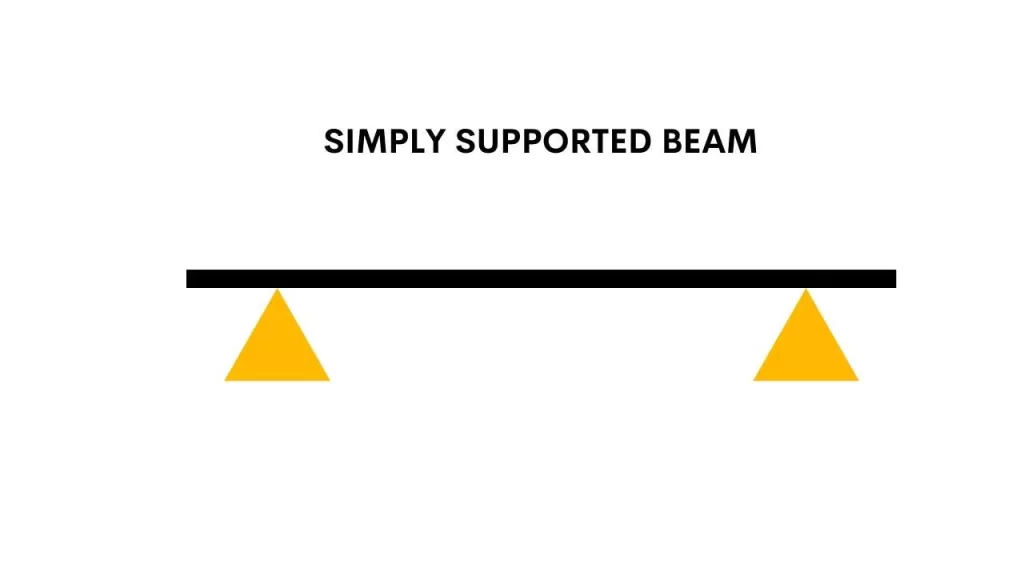
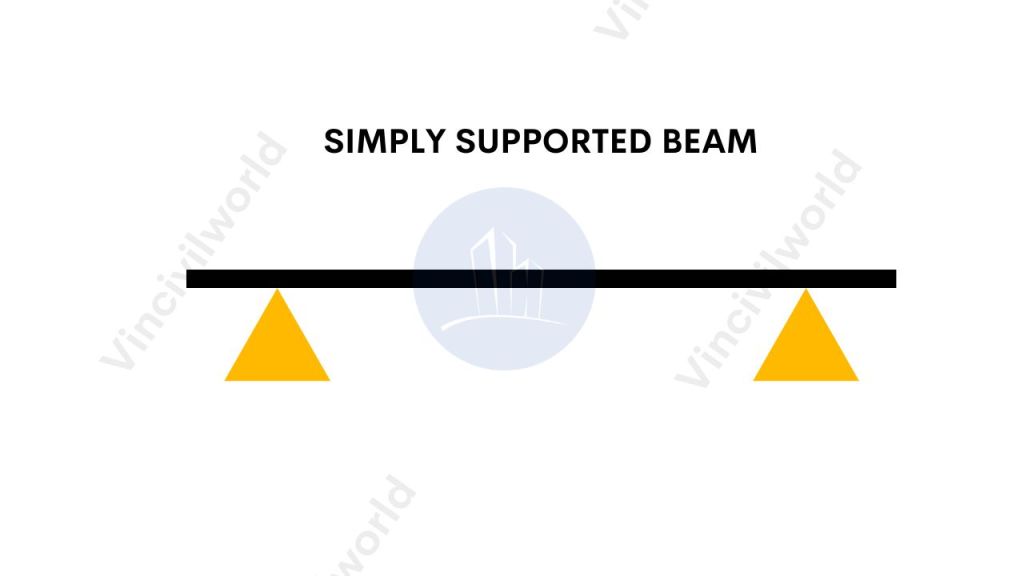
    A simply supported beam is a type of beam that is supported at both ends and is free to rotate. It is one of the most common support conditions for beams and is used in a wide range of applications, such as bridges, buildings, and other infrastructure. Simply supported beams are typically used to support lighter loads and have a simple design.

    Simply supported beam types
    Simply supported Beam
    Simply Supported beam

    Fixed beams

    A fixed beam is a type of beam that is rigidly fixed at both ends and cannot rotate. This support condition results in a beam that is capable of supporting heavier loads than a simply supported beam. Fixed beams are commonly used in construction. This includes the construction of tall buildings or other structures that require a high level of load-bearing capacity. However, the design of fixed beams is more complex than simply supported beams. This complexity arises due to the structural constraints imposed by the fixed supports.

    Types of beams - Fixed beams
    Types of beams – Fixed beams

    Cantilever beams

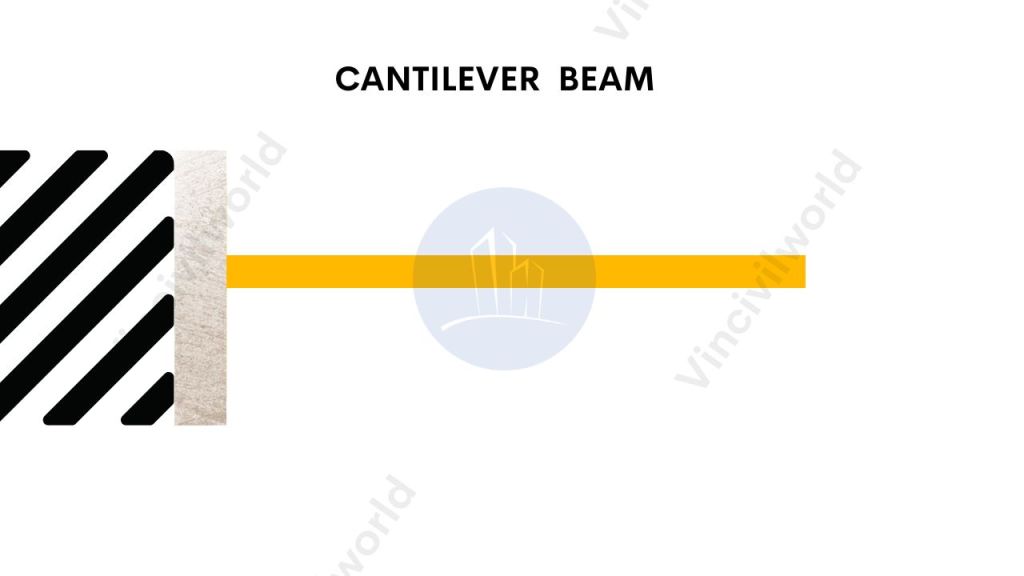
    A cantilever beam is a type of beam that is supported at one end and is free to rotate at the other end. It is commonly used in applications where an overhanging structure is required, such as in balconies or bridges. Cantilever beams are capable of supporting relatively heavy loads. They have a unique design that requires careful consideration of the forces acting on the beam.

    Beams types - Cantilever beam
    Beams types – Cantilever beam

    Continuous beams

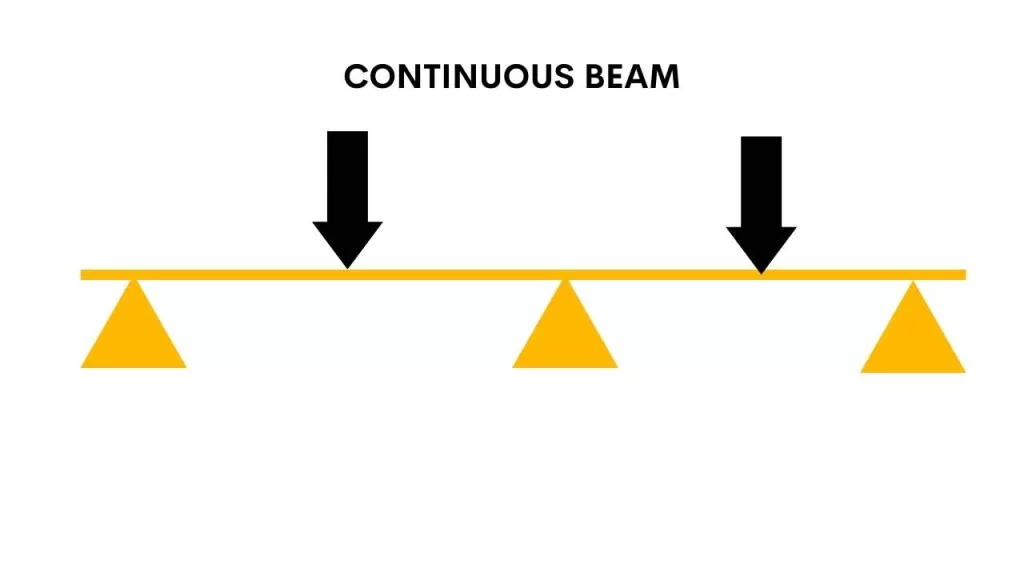
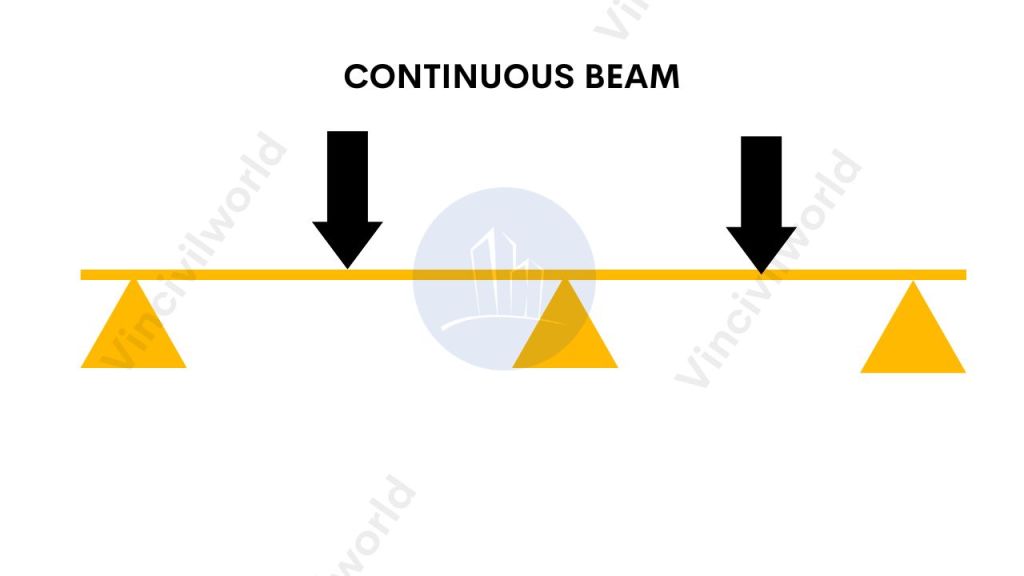
    A continuous beam is a type of beam supported by more than two supports. It has one or more internal supports. This support condition results in a beam that is capable of supporting heavier loads. It can support more than a simply supported beam or cantilever beam. Continuous beams are commonly used in construction. They are used in the construction of bridges or multi-story buildings. Careful consideration of the distribution of loads and internal support points is required.

    Types of beams - Continuous beam
    Beam types - Continuous beams
    Beam types : Continuous Beams

    Overhanging beam

    An overhanging beam is a type of beam that extends beyond its supports and has one or more overhanging sections. This support condition results in a beam that is capable of supporting loads that are not symmetrical or evenly distributed. Overhanging beams are commonly used in construction. They are often used in the construction of balconies or awnings. These beams require careful consideration of the distribution of loads. This includes the structural design of the overhanging section.

    The choice of support condition depends on the load to be supported, the span length, and the structural design of the building or structure. Different support conditions result in different load-bearing capabilities and structural behaviour for the beam, which must be taken into account during the design process.

    Types of beams based on structural behaviour

    Beams can be classified as determinate or indeterminate. Determinate beams have a fixed number of supports and can be analyzed using statics. Indeterminate beams have more supports than are needed for stability and require more advanced analysis techniques to determine their behaviour.

    Types of beams based on materials used

    Beams can also be classified based on the materials used in their construction. Here are some common classifications based on materials:

    Timber beam

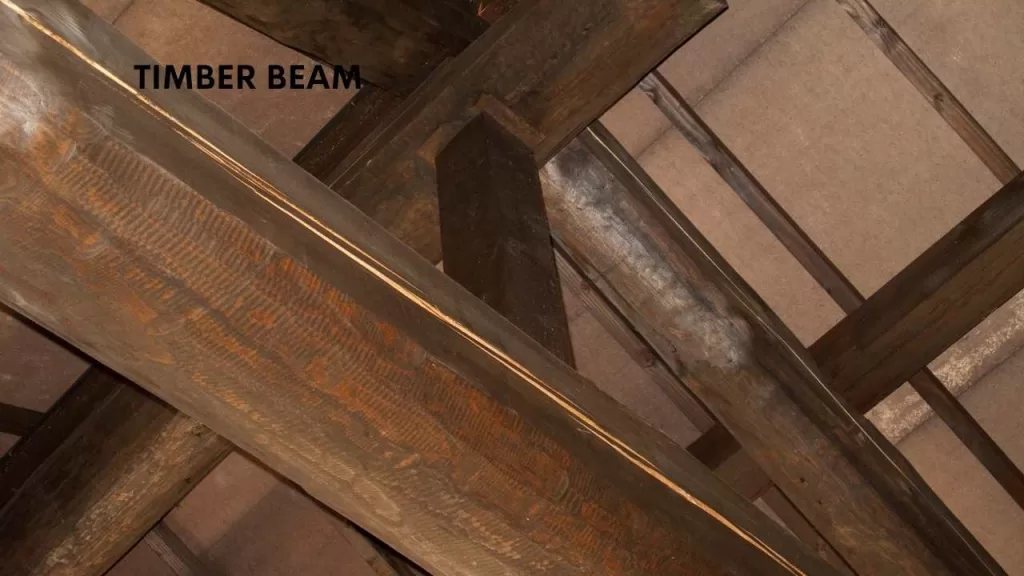
    A timber beam is a type of beam that is made from wood. Timber beams are commonly used in residential and light commercial construction due to their relatively low cost, ease of construction, and natural aesthetic appeal. However, their strength and durability can be limited compared to other materials, which must be taken into account during design.

    Timber beam
    Timber Beam
    Timber beams

    Steel beam

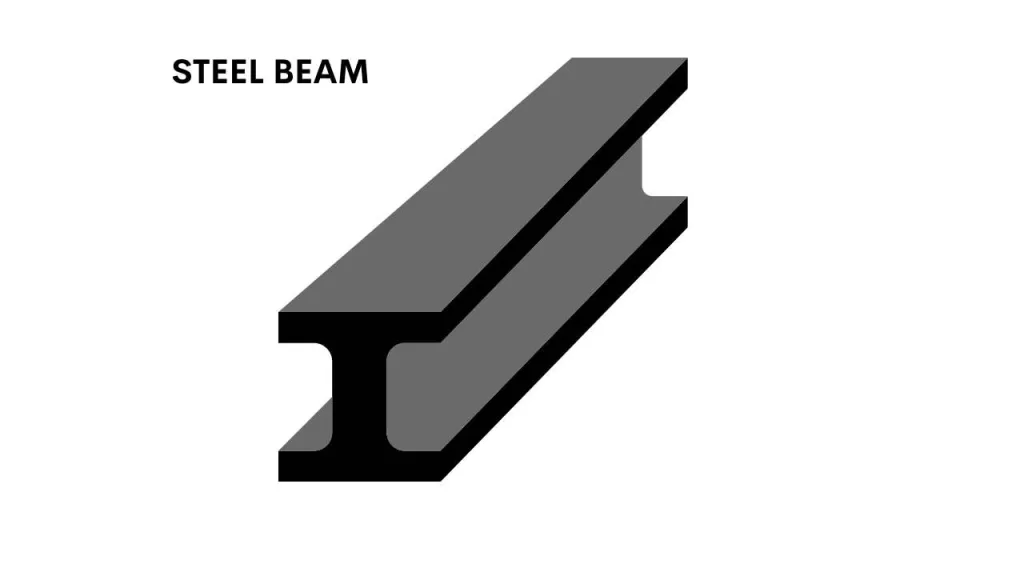
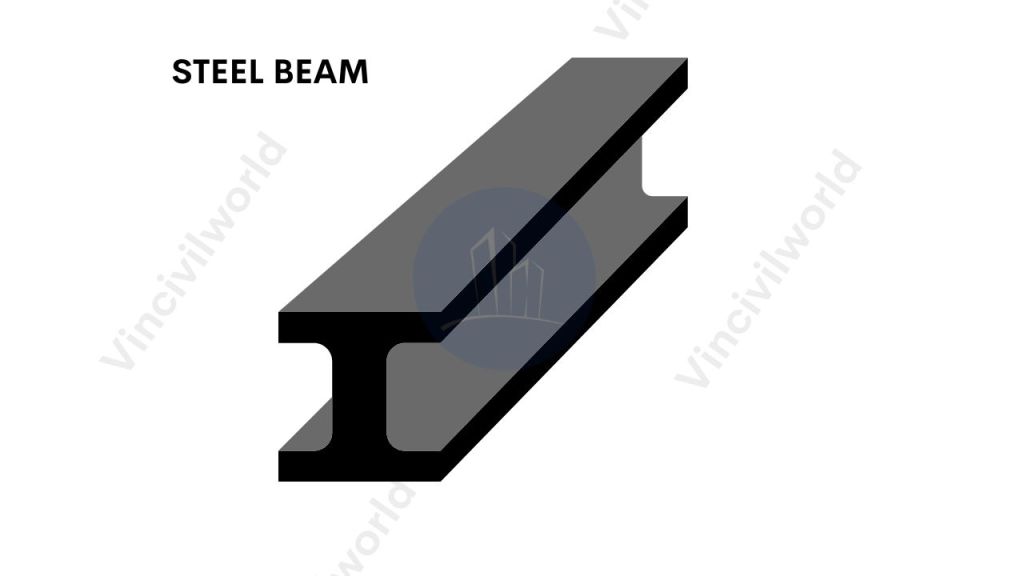
    A steel beam is a structural element made of steel that is used to support loads over a span. It is typically I-shaped or H-shaped and comes in various sizes and lengths. Steel beams are commonly used in construction projects such as bridges, buildings, and infrastructure due to their strength and durability.

    steel beams
    Steel beams
    Steel beam

    Concrete beam

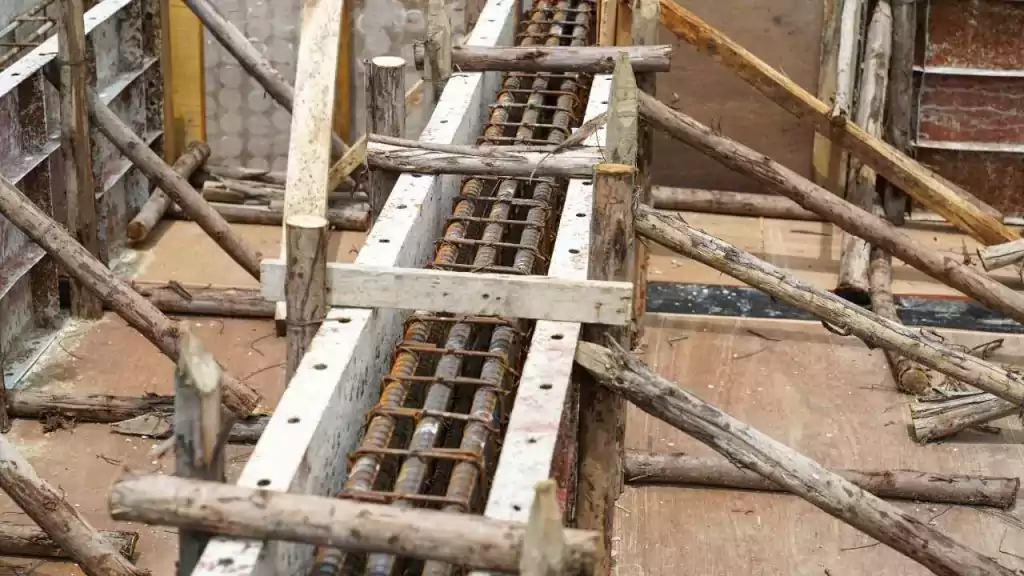
    A concrete beam is a structural element made of reinforced concrete that is used to support loads over a span. It is typically rectangular or T-shaped and comes in various sizes and lengths. Concrete beams are commonly used in construction projects such as buildings, bridges, and infrastructure due to their strength and durability.

    Concrete beam
    Concrete Beam
    Concrete beam

    Composite beam

    A composite beam is a structural element made of a combination of different materials, typically steel and concrete, that work together to support loads over a span. The steel and concrete are bonded together to create a strong, durable beam that can be used in construction projects such as buildings, bridges, and infrastructure.

    The choice of material depends on the load to be supported, span length, and other design requirements. Each type of beam has unique structural properties that must be taken into account during the design process to ensure that the beam can support the intended loads.

    Key Takeaways

    • Beam Types in Construction: Beams are classified based on their shape, support conditions, structural behavior, and material.
    • Shape-Based Beam Types: Rectangular, square, circular, I-shaped, T-shaped, and L-shaped beams are used depending on load requirements and structural design.
    • Support Conditions: Beams can be simply supported, fixed, cantilever, continuous, or overhanging, each offering different load-bearing capabilities.
    • Structural Behavior: Beams are categorized as determinate or indeterminate, influencing how they are analyzed in design.
    • Material-Based Beam Types: Common materials include timber, steel, concrete, and composite materials, each with unique properties for different applications.
    • Beam Selection: Factors like load, span length, and structural stability influence the choice of beam types in building construction.

    Conclusion

    Beams are fundamental components in construction, supporting loads and providing structural stability. They can be categorized based on shape, support conditions, material, and behavior. Each type is designed to meet specific structural demands. Rectangular and I-shaped beams are commonly used in buildings and bridges. Cantilever beams are perfect for overhanging structures. The correct selection of beam types is essential to ensure safety, durability, and performance in any construction project. Understanding the various beam types helps in designing more efficient and stable structures.

    Pile foundations- Types and Advantages.

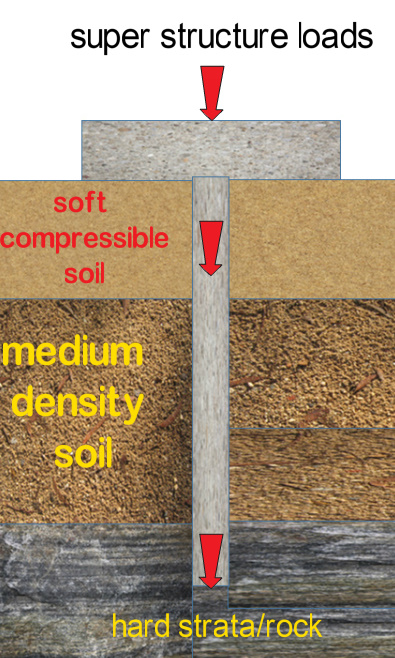
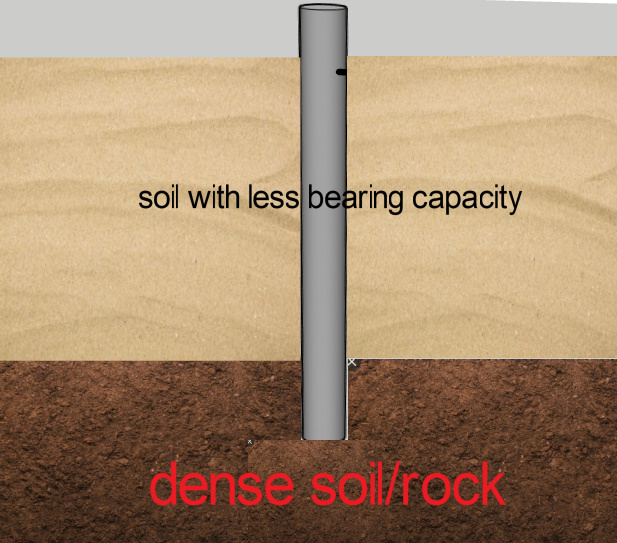
    Pile foundations are long, slender members. They can be concrete, steel, or any other material. These foundations transfer the loads of a structure when the subsoil lacks the bearing capacity. The pile foundations transfer the load vertically through the less denser top layer to a high denser soil/rock layer which can negotiate the loads without failure.

    What is a pile foundation? A pile foundation is a deep foundation system used to support structures. It transfers loads through weak or compressible soil layers to more stable soil or rock layers below. Pile foundations are essential in areas where surface soils cannot bear the load of the structure. There are various pile foundation types, primarily categorized into friction piles and end bearing piles. Friction piles transfer load through skin friction along their length. End bearing piles transfer load through the pile tip bearing on a strong layer of soil or rock. Understanding what are pile foundations and their types helps engineers select the appropriate system for ensuring stability and support for different types of construction projects.

    In this article, we will explore pile foundation types, including friction and end bearing piles, their applications, and benefits.

    1. Pile Foundation
    2. CHOICE OF PILE FOUNDATION
    3. CLASSIFICATION OF PILE FOUNDATIONS BASED ON FUNCTION/LOAD TRANSFER
      1. END BEARING PILES
      2. FRICTION PILES
      3. FRICTION CUM END BEARING PILES
    4. CLASSIFICATION BASED ON CONSTRUCTION METHODS
      1. DRIVEN OR DISPLACEMENT PILES
      2. BORED OR REPLACEMENT PILES
    5. CLASSIFICATION BASED ON MATERIALS
      1. TIMBER PILES
        1. Advantages of timber piles
        2. Disadvantages of timber piles
      2. STEEL PILES
        1. Advantages of steel piles
        2. Disadvantages of steel piles
      3. CONCRETE PILES
        1. DIFFERENT TYPES OF CONCRETE PILES
          1. PRECAST CONCRETE PILE
          2. PRESTRESSED CONCRETE PILE
          3. CAST IN SITU CONCRETE PILES
            1. Advantages of Cast-in-Place Concrete Piles
            2. Disadvantages of Cast-in-situ Concrete Piles
      4. COMPOSITE PILES
    6. Key Takeaways
    7. Conclusion

    CHOICE OF PILE FOUNDATION

    Pile foundations are preferred in areas with weak or compressible soil, where surface conditions cannot support the required structural loads.

    • When the groundwater table is very high, other types of open foundations require huge dewatering. This is done by the well point or deep bore well method. It turns out to be quite expensive and not feasible.
    • When heavy and non uniform distribution of loads from the superstructure which causes unequal settlements in open foundations.
    • The low soil bearing capacity makes the design of shallow foundations very conservative. Site conditions also contribute to making it uneconomical.
    typical section of pile foundation
    • When the settlement of soil exceeds the permissible limit while designing a shallow foundation.
    • Soil washing or scouring away from the foundation sides can occur. This happen due to the presence of any underground systems. A nearby river or canal can also cause this issue.
    • When any type of soil excavation is impossible due to very poor soil strata .

    CLASSIFICATION OF PILE FOUNDATIONS BASED ON FUNCTION/LOAD TRANSFER

    • a) END BEARING PILES
    • b) FRICTION PILES
    • c) FRICTION CUM BEARING PILES
    • d) BATTER PILE
    • e) ANCHOR PILE
    • f) SHEET PILE
    End bearing pile,Friction pile & Bearing cum friction pile
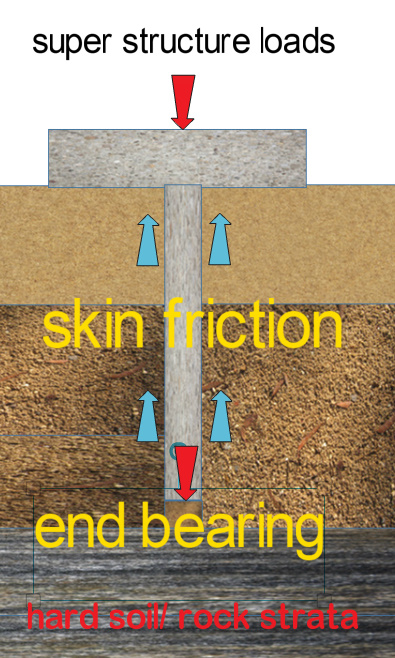
    FIG 2 END BEARING, FRICTION & END BEARING CUM FRICTION PILES

    END BEARING PILES

    End bearing pile
    End bearing pile

    A bearing pile is a slender member/ column which transmits vertically all loads coming from the super structure. It is transmitted through a lower density weak layer of soil to a denser strata much below the ground which is capable of negotiating the loads. The pile acts as a column member which transfers the loads to the bearing strata.

    FRICTION PILES

    Friction piles
    Friction pile

    This type of pile is used when a suitable strata for  negotiating the loads are available at a very deeper area and  taking piles to that  depth is not economically feasible. Friction piles  utilises the shear stresses/skin friction along the surface of the pile.  The load transfer is done through the frictional resistance between the pile surface and the surrounding soil. The total surface area of the pile is involved in the load transfer process. Greater the embedded length more is the load carrying capacity of the pile. Load carrying capacity of pile is directly proportional to its length.

    FRICTION CUM END BEARING PILES

    Friction cum bearing piles
    Friction cum bearing pile

    These type of piles  negotiate the loads through the combined action of end bearing and skin friction . In this case the piles can be terminated in a medium or stiff clay rather than resting on a hard strata. These types of piles are preferred and considered economical hence it is the most commonly used type of pile foundation.

    CLASSIFICATION BASED ON CONSTRUCTION METHODS

    The execution of piling is done in two methods

    • a) DRIVEN OR DISPLACEMENT METHOD
    • b) BORED OR REPLACEMENT METHOD

    DRIVEN OR DISPLACEMENT PILES

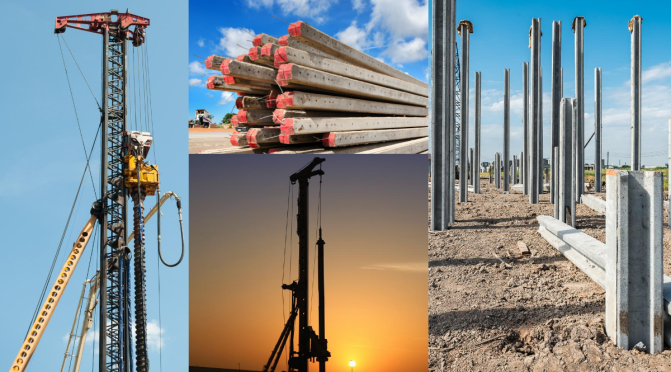
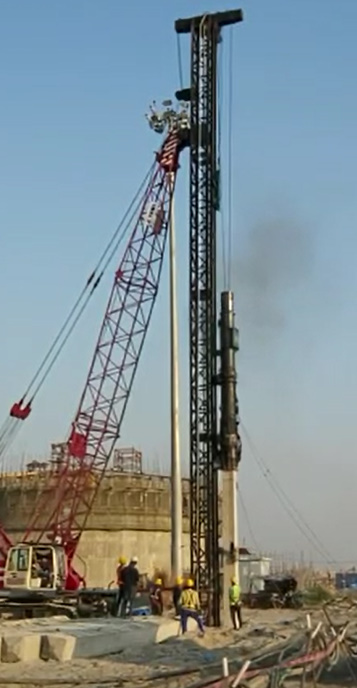
    In this method the piles are driven into the soil/sand which causes lateral displacement of soil and hence it is called displacement piles. Displacement piles are basically designed to be installed without removal of soil. Special equipment are used to drive the piles and displace soil laterally. Depending on situations these types of piles are preferred over bored piles.

    BORED OR REPLACEMENT PILES

    Bored pile

    In this type of foundation bores of required diameter is made and are filled using RCC. It can be a cased or uncased types depending on the collapsible nature of the soil.

    CLASSIFICATION BASED ON MATERIALS

    • a) TIMBER PILES
    • b) STEEL
    • c) CONCRETE
    • d) COMPOSITE PILES
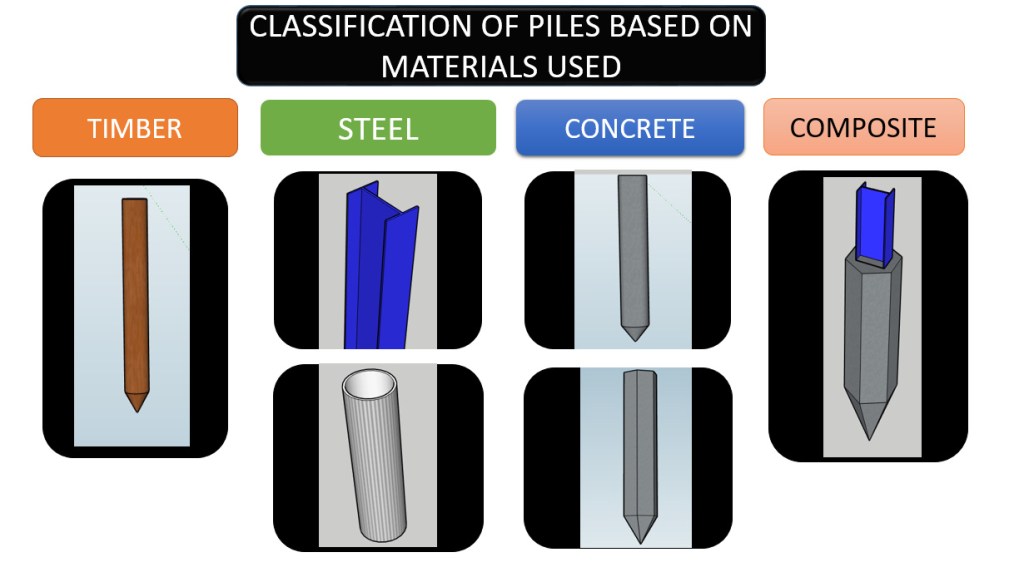
    Classification of piles based on material used
    Classification of piles based on material used

    TIMBER PILES

    The timber piles are sharpened logs obtained from trees like sal, teak, deodar, babul, etc. These piles are used in water and can resist sea water better than other piles. These piles are basically friction piles and are driven into the ground. The timber pile length varies from 20-25 mtr and is designed for a load of around 20 t.

    Advantages of timber piles

    a) Timber piles are available in varied sizes and is cheaper than any other type of piles.

    b) It is easy to install and can be cut into any size as per the requirements.

    c) Timber piles is more reliable in marine works.

    d) Timber piles doesn’t decay even when submerged in water for a prolonged time.

    Disadvantages of timber piles

    a) It is difficult to get Straight and long timber piles.

    b) Timber piles may not pass through all strata. It is difficult to drive piles in hard and dense strata.

    c) Timber piles can be used only as friction piles and not as end bearing piles. Splicing of a timber pile is difficult.

    d) As a prevention against possible decay timber piles has to be treated with preservatives.

    STEEL PILES

    Steel piles
    Steel piles

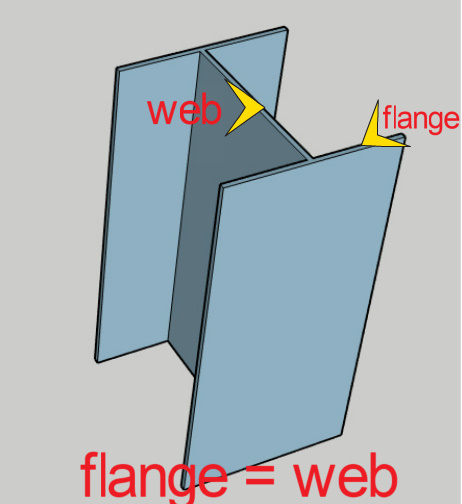
    Steel piles may be of H-section or hollow pipe (Fig) . They can be used for an optimum length of 20-40 mtr. The size can be upto 600 mm dia pipes and can also done using HP sections having the same flange and web width as shown in the fig. These piles are mostly designed as end bearing piles . These piles are driven as open ended or closed ended . The closed ended pile shall be filled with concrete.

    Advantages of steel piles

    Steel piles are very easy to install. Due to their less cross sectional area it can penetrate through any type of soil layer with minimal soil displacement.

    Splicing of steel piles are easy and it can go to any depth compared to other type of piles.

    The penetrating properties of steel piles helps to go deep and hence can carry more loads than other pile types.

    Disadvantages of steel piles

    Steel piles are corrosion prone and has to be coated with anticorossive coatings before driving.

    While encountered with a hard strata the H sections tends to deform or sometimes the verticality of pile is lost while driving.

    The steel piles are very expensive.

    CONCRETE PILES

    Concrete is the most common material used for construction of piles due to their design flexibility and ease of execution. Concrete piles are normally used in the following categories.

    DIFFERENT TYPES OF CONCRETE PILES

    Different type of concrete pile
    Different type of concrete pile
    • a) PRECAST CONCRETE PILE
    • b) PRESTRESSED CONCRETE PILE
    • c) CAST IN SITU
    • d) COMPOSITE PILE
    PRECAST CONCRETE PILE

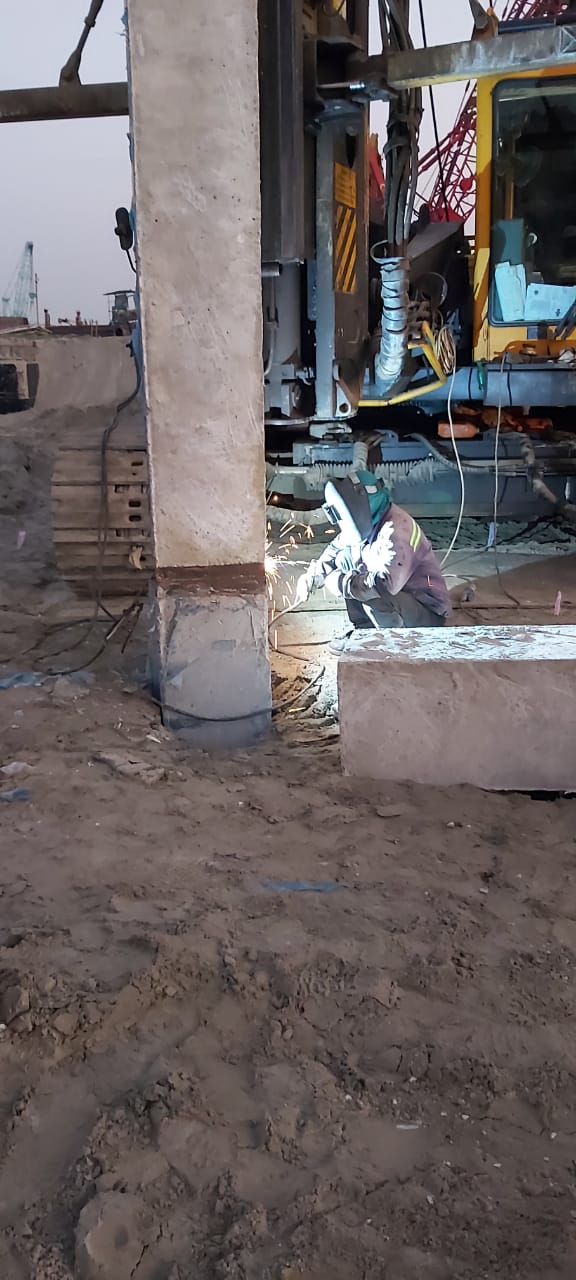
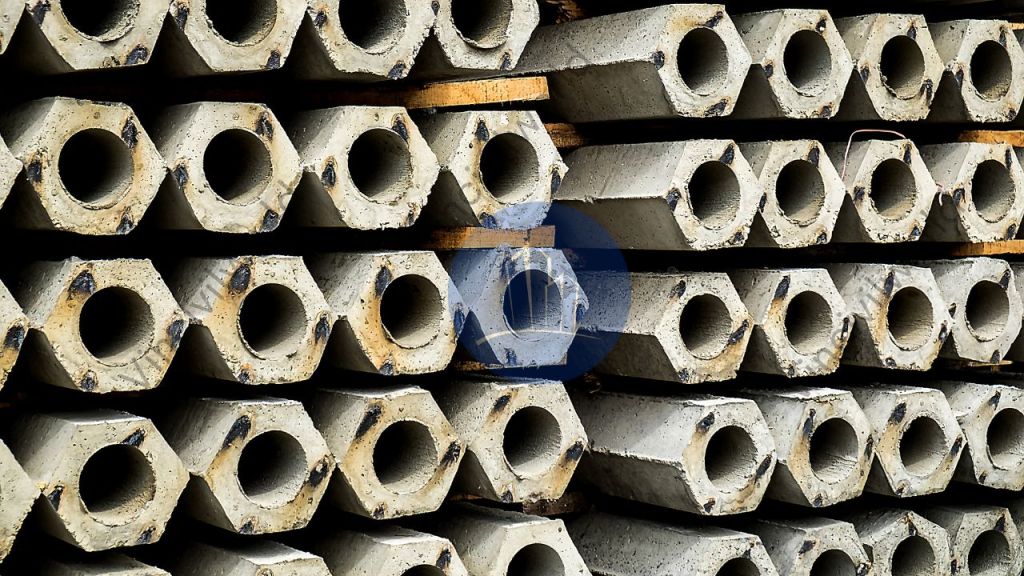
    Precast pile uses conventional RCC. Piles are casted in a fabrication yard and conveyed to the location for erection . Precast pile are either square or round . The rectangle or square shaped piles are casted in a horizontal fabrication bed and round pile is casted vertically. Precast piles are designed to take care of the loads/stresses developing while lifting, conveying and driving.

    PRESTRESSED CONCRETE PILE

    Prestressed concrete pile is preferred when the sizes of the precast piles go beyond a certain limit. Prestressing can optimise the pile size drastically making it very easy to lift ,convey and erect. Prestressing is done by stretching the tendons and pouring concrete keeping the tendons in a stretched position. Once the concrete develops full strength the tendons are released . The released tendons in the process of regaining its shape induces compressive stresses in the member.

    Prestressing convert the pile into a high load carrying member which can resisting the stresses. due to the impact loads generated on driving, the uplift forces and the combined moments. These piles can be used for an optimum design depth of 25-35 mtrs.

    CAST IN SITU CONCRETE PILES

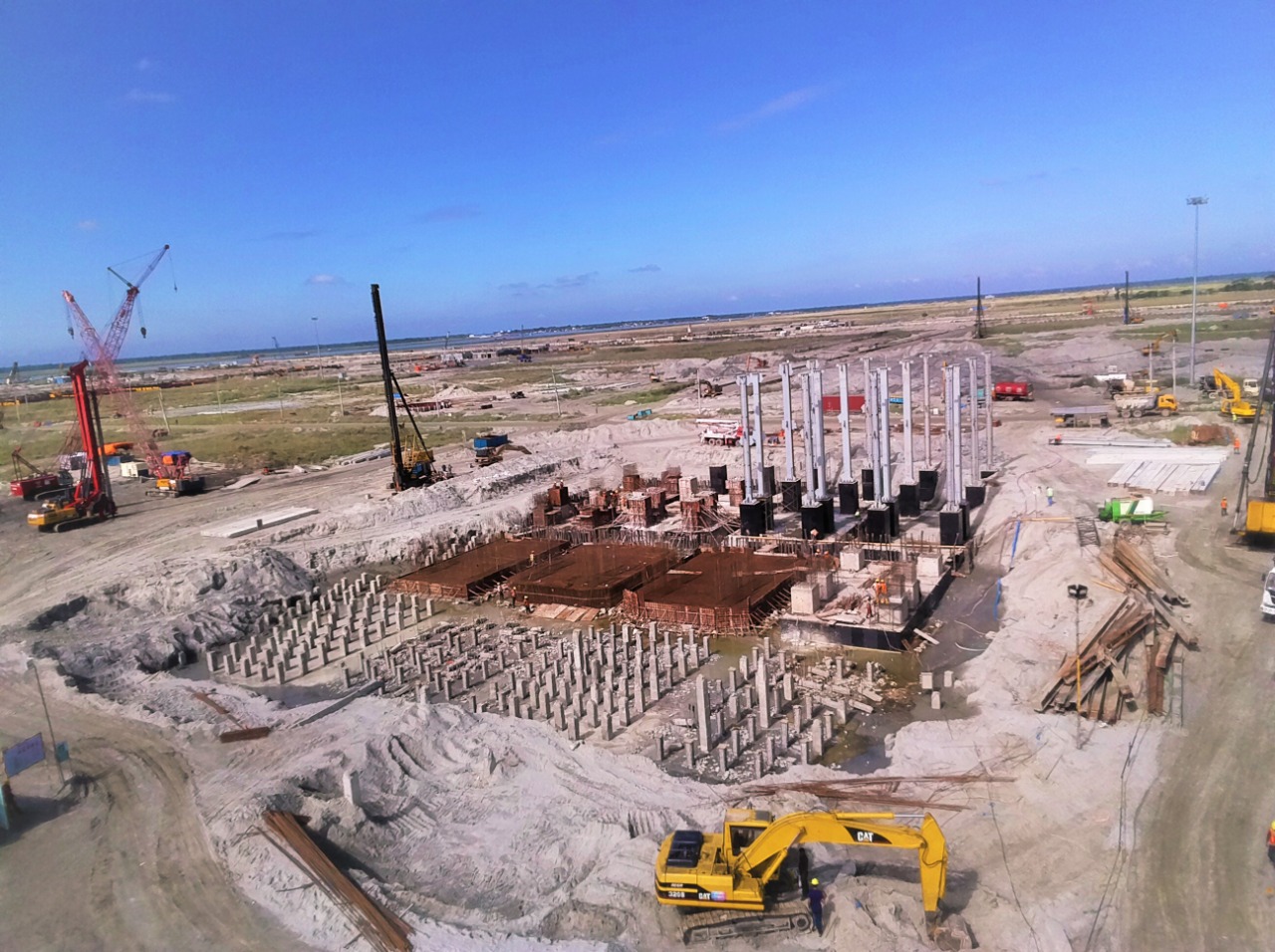
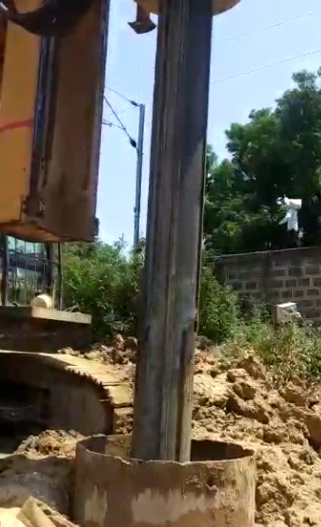
    Cast in situ piles are constructed by drilling a bore hole to the required level and filling it with Reinforced cement concrete. The bore hole can be formed by excavating ground with the help of a rotary drilling equipment or hydraulic rigs. Casings are driven into the bores locations before drilling . The casing will be removed gradually during concreting process or sometimes left in the bore as a permanent casing

    Cast in place piles
    Advantages of Cast-in-Place Concrete Piles

    Cast in situ piles are very flexible and the process of execution is easier compared to driven piles and other type of piles.

    The reinforcement cages are light weight and easy to handle. The rebar cages are fabricated with the help of simple and conventional tools.

    No chances of breakage during installation stage .

    If there is some issue with the pile that prompts the customer to abandon, additional substitution piles can be done.

    Disadvantages of Cast-in-situ Concrete Piles

    a) Installation requires careful supervision and quality control. Because once a pile gets abandoned executing a replacement pile is expensive and time consuming.

    b) Cast in situ piles generate a lot of pile muck ( mix of bentonite and soil). The pile muck has to be removed and disposed as per environmental policy . The pile head chipping also generates lot of concrete waste which has to be disposed.

    c) Requires space for movement of Rigs, cranes, stocking of materials and bentonite tank.

    d) Under water flow can collapse the piles.

    e) Concrete quality cannot be visualized. Hence health assessment tests like pile integrity test are to be conducted to confirm the pile integrity.

    COMPOSITE PILES

    A composite pile is made up of two or more sections of different materials or different pile types. The top portion shall be casted using concrete and the other portions shall be of steel or timber. These type of piles are used in special applications

    Composite pile

    Key Takeaways

    1. Pile Foundation Definition: Pile foundations are deep foundation systems used where surface soils are weak or compressible.
    2. Types of Piles: Two primary types are friction piles and end bearing piles. These piles are used to transfer loads through weak soil layers to more stable ones.
    3. Friction Piles: Transfer loads using skin friction along the pile’s length. They are suitable for deeper layers where strong strata are not easily reachable.
    4. End Bearing Piles: Transfer loads through the pile tip resting on strong soil or rock layers.
    5. Construction Methods: Pile foundations can be driven (displacement) or bored (replacement) depending on site conditions.
    6. Material Variants: Piles can be made from materials like timber, steel, or concrete, each with distinct advantages and limitations.

    Conclusion

    Pile foundations are essential in modern construction. They provide reliable support where traditional shallow foundations cannot suffice due to weak or compressible soils. Understanding what is pile foundation and the differences between friction and end bearing piles helps engineers select the appropriate foundation type for specific projects. Driven or bored methods of installation can vary based on soil conditions, while materials like timber, steel, and concrete offer unique advantages. For example, concrete piles, especially cast-in-place or prestressed, are popular due to their flexibility and high load capacity. As a versatile foundation system, pile foundations ensure structural stability in challenging geotechnical environments, making them an indispensable choice for construction in weak soil conditions.

    Micropiles – Types, Advantages,Installation Method

    INTRODUCTION TO MICROPILES

    Micropiles are introduced as an efficient and cost-effective alternative to conventional pile foundations. Micropiles possess the capability to withstand heavy loads. They can be installed with compact and sophisticated machinery. This is achieved using cutting edge technology. The main advantage of a micropile is its ability to work in very congested and low height areas and on any soil surface irrespective of its type. Micropiles are best suited for piling, retrofitting & underpinning works, slope protection, soil stabilisation, etc. Another important feature of micropile is they can work with minimum disturbance to existing structures. They also minimize disruption to people around the area. Micro piles provide a very reliable and cost-effective alternate which is becoming an inevitable part of urbanisation.

    1. INTRODUCTION TO MICROPILES
    2. WHAT IS A MICROPILE?
    3. COMPONENTS OF A MICRO PILE
      1. REINFORCEMENT USED IN MICROPILING
        1. a) STANDARD REBAR CAGE
        2. c) THREADED SOLID REBAR SYSTEM
        3. d) HOLLOW THREADED BAR OR DRILL HOLLOW BAR SYSTEM
    4. DRILLING METHODS ADOPTED FOR MICRO PILES
      1. GROUTING METHODS ADOPTED IN MICRO PILES
        1. a) TYPE A MICROPILES
        2. b) TYPE B MICROPILES
        3. c) TYPE C MICROPILES
        4. d) TYPE D MICROPILES
    5. METHODOLOGY OF MICRO PILES
    6. WHY MICRO PILE IS PREFERRED AGAINST CONVENTIONAL PILE?
    7. Key Takeaways
    8. Conclusion

    WHAT IS A MICROPILE?

    Micropiles are bored /drilled cast in place friction piles whose diameter ranges from 50 mm to 300 mm. The drilled / bored holes are grouted with cement after placing the reinforcement bars. Micropiles can withstand axial loads, lateral loads, or both and can negotiate loads ranging between 3T to 300T and more. Micro piles are also known as mini piles, pin piles, root piles, etc based on their applications. The micropiles can penetrate any obstructions that can sometimes cause premature refusal while installing using conventional piling methods.

    ALSO READ : PILE FOUNDATIONS, CLASSIFICATIONS OF PILE FOUNDATIONS

    COMPONENTS OF A MICRO PILE

    TYPICAL SECTION OF MICROPILE
    TYPICAL SECTION OF MICROPILE

    The figure represents a typical section of a micropile resting on a hard soil/ rock strata. The steel casing is restricted to the compressive strata and extends a bit into the hard strata for some anchorage. The surface area of contact between the ground and the concrete below the casing is known as bearing stratum.

    The main components of micropiles are as follows

    • Reinforcement & casing
    • Grout

    VIDEO : INSTALLATION OF MICROPILES

    REINFORCEMENT USED IN MICROPILING

    The reinforcement used in micropiles are divided into four categories

    a) Standard rebar cage with centraliser
    b) API pipe system 
    c) Solid threaded rebars with or with out pipe casing
    d) Hollow bar or Drill hollow bar system

    a) STANDARD REBAR CAGE

    REBAR CAGE

    The rebar cage is the same as the cage used in conventional piling. Threaded couplers are used to join the bars together with staggered joints. A centraliser (as per fig) is used for positioning the rebar cage inside the bore.

    b) API PIPE SYSTEM

    API PIPE SYSTEM

    API pipes (American petroleum Institute pipes ) are high-grade pipes having a diameter of 5 inches to 11 inches. These pipes are joined using high strength machined flush type joint threads. Both inside and outside of the API pipes shall be grouted with or without placing rebar. Centrally reinforcing type of solid threaded or standard rebar type (ref fig) can be used as rebar. API PIPE SYSTEMS are recommended for compression piles to maintain their lateral stability.

    c) THREADED SOLID REBAR SYSTEM

    Threaded solid rebar can be used alongside permanent/temporary casings and with API pipe as central reinforcements. Solid threaded Rebar constitutes a full threaded high strength bar that can be cut and jointed as per requirements. These bars not only functions to produce full tension and compression capacity but also enhances much-needed bonding with the grout.

    d) HOLLOW THREADED BAR OR DRILL HOLLOW BAR SYSTEM

    HOLLOW THREADED BAR SYSTEM
    HOLLOW THREADED BAR SYSTEM

    The hollow threaded rebar system is also known as a self-drilling hollow bar system. In this system, the hollow bar can function as a sacrificial drill bit. It gets converted to a central reinforcement. It can also be used to flush out the debris. This system can eliminate pre-drilling and frequent removal of pipes and drills. It can handle any condition relating to the installation of micropiles. When drilling is complete, an injection adapter (ref fig) performs the injection. It injects the cement mortar into the hollow core of the drill bit. This adapter is mounted with the drilling unit. The grout flushing simultaneously serves in stabilizing the borehole and filling the area.

    DRILLING METHODS ADOPTED FOR MICRO PILES

    The installation process of micro piles involves drilling or driving a bore through soils, rocks, overburden, etc. The most common methods adopted for drilling are:

    Percussive Drilling used with a driving point/drill at the bottom of the permanent casing is defined as displacement method. When air is used as a flushing medium, it is defined as a non-displacement method.

    Rotary drilling uses air or water as a flushing medium for removing the drilled materials from the drill hole. The air jet or water pumped through the drilling system exit at the drill bit end flushing out the cuttings.

    GROUTING METHODS ADOPTED IN MICRO PILES

    Grouts used for micropiles constitute a mixture of cement and water. Sand can also be added as per design requirements to reduce the overall cost. The micro piles are divided into four types based on the method of grouting

    a) TYPE A MICROPILES

    Type A micropiles use tremie grouting and through gravity head. The grouting is started from the bottom and follows a similar tremie grouting procedure followed in conventional piles.

    b) TYPE B MICROPILES

    TYPE B MICROPILES

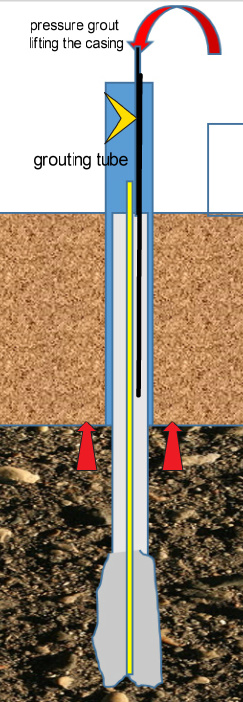
    After performing the initial tremie grouting, a pressure grouting is followed simultaneously with the lifting of the casing from the bond zone. The second stage pressure grouting is done through a preinstalled tube. Second stage grouting serves in enhancing grout soil bonding. The grouting will be done up to the bearing stratum and can be extended to the full length of the pile if required.

    c) TYPE C MICROPILES

    In these types of piles, pressure grouting is followed by tremie grouting. On completion of pressure grouting, a global injection grouting is performed through a pre-installed sleeve port pipe. This grouting shall be done before the hardening of primary tremie grout.

    d) TYPE D MICROPILES

    This method is similar to Type C . In this method primary grout is done under pressure and after hardening secondary grout is done through installed sleeve ports. Packers are also provided for multiple injections.

    METHODOLOGY OF MICRO PILES

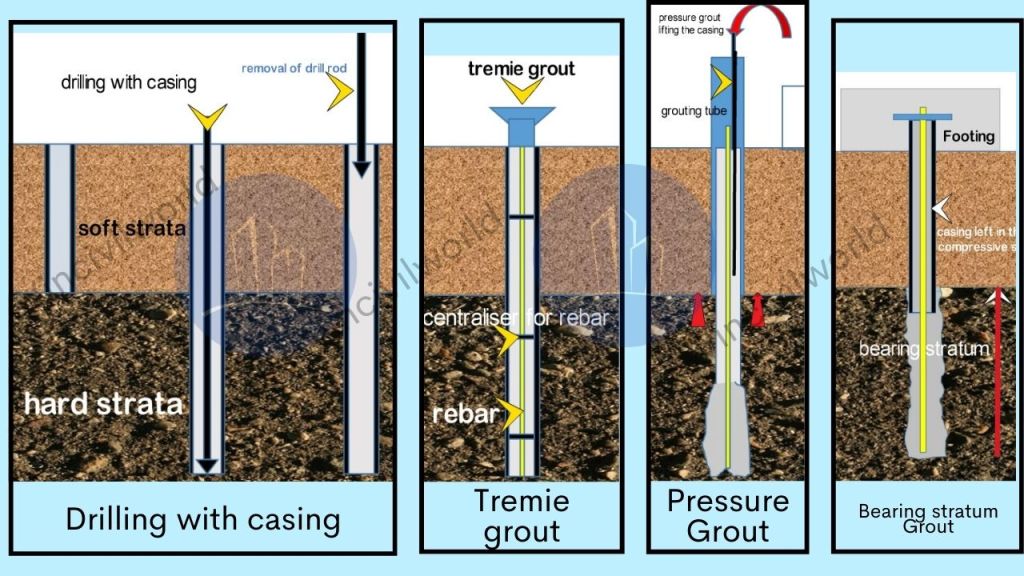
    Methodology of Micropiling
    Methodology of Micropiling

    a) Drilling shall be commenced using a rotary rig or Rotary percussive drilling machine with casing attached to the drill bit and simultaneously pushed with the drill bit.

    b) On reaching the founding level the drill bit is removed with casing left in the borehole.

    c) Place reinforcement with centraliser in the borehole and followed by tremie grout with cement water mix.

    d) The tremie grouting will be followed by a pressure grouting through preinstalled grouting tubes with simultaneously lifting of the casing.

    e)The casing lifting to be done up to the compressive soil level with adequate bearing to the hard strata. (ref.fig) Complete pressure grouting of the bearing stratum area.

    WHY MICRO PILE IS PREFERRED AGAINST CONVENTIONAL PILE?

    a) Micropiles can be engaged in any challenging conditions involving soil and rock.

    b) Micropiles can be customised and applied for difficult terrains and applications. The applications can either be in the form of new loads being added to an existing structure. They can also be used for arresting structural settlement. Additionally, they are for resisting uplift and dynamic loads. Micropiles are used for seismic retrofits or works involving underpinning and slope stabilisation.

    b) Micropiles are used for rehabilitation projects as well as new constructions in difficult and access constraint terrains and settlement prone locations. For rehabilitation works in congested and low headroom height basements, micropiles prove to be a preferred option.

    c) Micropiles penetrate any surface and can be installed even through an existing foundation making it one of the best possible solutions for foundation rehabilitation and strengthening works.

    d) Micro piles can be used for slope stabilisation, embankment stabilisation, and other soil improvement and ground improvement works.

    e)Micro piles can be used in areas where water table is high, urban back fills, areas having floating boulders or other difficult terrains that can’t even be accessed with a conventional pile.

    d) Used extensively in the rehabilitation of monuments, old structures, sinking structures etc in all parts of the world.

    Key Takeaways

    • Micropiles are an effective solution for difficult terrains and congested areas, making them ideal for urban projects.
    • Micropiling is a versatile method, allowing installation in any soil type and even through existing foundations.
    • Micropiles can bear both axial and lateral loads, supporting structures with capacities up to 300 tons.
    • Micropiling is widely used for foundation rehabilitation, structural retrofitting, and slope stabilization.
    • Micropiles provide reliable performance in areas with high water tables or floating boulders.
    • Micropiling offers minimal disruption to existing structures, making it suitable for projects in low-headroom or congested sites.

    Conclusion

    Micropiles are emerging as a perfect cost-effective option without any alternatives. Because of its design flexibility and wide range of applications micropiles are gradually entering into urban destiny.

    Micropiles are becoming essential in modern construction due to their adaptability and strength. Micropiling offers a cost-effective solution for complex projects, including foundation rehabilitation, slope stabilization, and soil improvement. Their ability to penetrate various surfaces guarantees that micropiles are a preferred choice for challenging terrains. They can even penetrate through existing foundations, making them ideal for access-constrained environments. With advancements in micropiling technology, these piles provide superior load-bearing capacities. They minimize disruption. This makes them indispensable in both new constructions and retrofitting projects. As urbanization grows, micropiles will continue to play a vital role in foundation engineering.

    Specific Gravity and Water absorption test on Aggregate

    Specific gravity and water absorption test are significant tests on aggregates. Perhaps aggregates are the fundamental and essential components of concrete and play a significant role in the design mix of concrete. More than 70 to 80 per cent of the volume of concrete is aggregate. Hence the water absorption and specific gravity test are essential and significant tests .

    The specific gravity test of aggregates is a crucial procedure in construction and materials engineering. This test measures the density of aggregates, which helps decide their quality and suitability for construction. Specifically, the specific gravity for coarse aggregate is essential for mix design and ensuring structural stability. Additionally, the specific gravity test of aggregate provides valuable data for comparing different materials. Alongside this, the water absorption test is vital. It measures how much water aggregates absorb, which affects their performance in concrete. The water absorption formula calculates the amount of water absorbed relative to the aggregate’s weight. Both the specific gravity and water absorption tests are critical. These tests assess aggregate properties and ensure the durability of construction materials.

    The specific gravity is the measure of strength of aggregates, while water absorption indicates the porosity of aggregates.

    1. Specific Gravity Tests on Aggregates
    2. Specific gravity test on aggregates
    3. Water absorption test on aggregates
    4. Specific gravity test on aggregates
      1. Relevant IS code:
      2. Apparatus used:
      3. Test procedure of Specific gravity test of aggregates
      4. Water absorption test of aggregates – Test procedure
    5. Key Takeaways
    6. Conclusion

    Specific Gravity Tests on Aggregates

    Aggregates are the second major ingredient of concrete that contributes around 60 to 70% of its volume. One of the major contributing factors to the concrete quality is the quality of aggregates used therein. The test methods of aggregates are done as per IS 2386 part-4 assists in assessing the quality of aggregates. Following are the tests for analyzing the quality of aggregate.

    Construction site showing a concrete batching plant with aggregates piled on the ground.
    A modern aggregate processing facility with various types of aggregates ready for concrete production.

    This article is about Specific Gravity and Water absorption test on Aggregate.

    Also Read : Quality tests to be done on Concrete

    Also Read : Bitumen – 9 quality tests on bitumen

    Specific gravity test on aggregates

    The specific gravity test of aggregate is crucial for assessing the density and quality of aggregates used in construction. This test evaluates the ratio of the weight of the aggregate to the weight of an equal volume of water. It is essential for both fine and coarse aggregates, providing insights into their suitability for various applications. The specific gravity for coarse aggregate, in particular, impacts the mix design and overall performance of concrete. Precise results from the specific gravity test of aggregates help guarantee that the concrete achieves the desired strength and durability. Proper understanding of these tests is vital for effective construction practices.

    The specific gravity is an indirect measure of the strength of aggregate. Through this test, the general identification of the aggregate becomes easier. Low specific gravity aggregates are weak. Hence, they are not suitable for construction. 

    Specific gravity and water absorption test on aggregate.
    Close-up view of aggregates used in construction, highlighting their essential role in concrete mix design.

    Water absorption test on aggregates

    The water absorption test on aggregates measures how much water an aggregate can absorb. This impacts the strength and durability of concrete. This test is crucial for determining the porosity of the aggregate and its ability to retain moisture. To conduct the water absorption test, aggregates are first weighed dry and then submerged in water until they reach saturation. The water absorption formula calculates the percentage of water absorbed by comparing the saturated weight to the dry weight. Accurate water absorption test results ensure proper mix design. They also predict concrete performance. This makes it a key factor in construction quality control.

    Water absorption of aggregate measures the weather resistance. It is the percentage of water the aggregate absorbs when immersed in water. The test method for specific gravity and water absorption test is as follows.

    Specific gravity test on aggregates

    Relevant IS code:

    • IS:2386(Part 4)-1963

    Apparatus used:

    • Weighing machine
    • Drying oven 
    • Wire mesh
    • Container
    Specific gravity and water absorption testing apparatus
    Apparatus for conducting the specific gravity and water absorption tests on aggregates, essential for evaluating the quality of construction materials.

    Test procedure of Specific gravity test of aggregates

    • For this test, take about 2000g of aggregate and wash them thoroughly with water.
    • Remove the fine particles and dust, then drain the water and place them in the wire basket.
    • Then immerse this in distilled water with a temperature between 22 and 32 degree Celsius for 24 hours.
    • Then Weigh the basket with aggregates and record them as A1.
    • After 24 hours, remove the aggregates from the mesh and weigh them as A2.
    • Then drain the water from the aggregate and Again weigh the dried aggregate. B
    • Place the sample in the dry oven for 24 hours. after the oven drying weighs them and record as C.
    • Now calculate the specific gravity and water absorption of the aggregate using the given formula.

    Specific gravity = C / (B- A)

    Water absorption = {(B-C)/C} * 100

    where, A= A1 – A2, ie weight of the saturated aggregate in water

    B = weight of drained aggregate 

    C = weight of oven-dried aggregate.

    Aggregate with high specific gravity has good strength. The normal value of specific gravity is 2.5 to 3.0. The water absorption should not exceed 0.6%. Thus this test helps to determine the quality, strength and water absorption.

    Water absorption test of aggregates – Test procedure

    The procedure is same as specific gravity of aggregates. The water absorption should not exceed 0.6%. Thus this test helps to find the quality, strength and water absorption.

    Key Takeaways

    The specific gravity test of aggregate is essential in determining the strength and quality of aggregates. It provides critical information for construction mix designs and ensures structural stability. Specifically, the specific gravity for coarse aggregate influences the mix design and overall concrete performance. The water absorption test evaluates how much water an aggregate absorbs, affecting its durability. The water absorption formula helps calculate the water retained by aggregates, influencing mix design accuracy. Both the specific gravity test of aggregate and the water absorption test are vital in assessing aggregate properties. They guarantee that materials meet the required standards for construction durability.

    Conclusion

    The specific gravity test of aggregate is critical in determining the quality of aggregates in construction. The water absorption test is also crucial for assessing the suitability of aggregates. The specific gravity for coarse aggregate is a key parameter for concrete mix design, ensuring strength and structural integrity. Precise testing of specific gravity of aggregates helps predict performance and durability. On the other hand, the water absorption test assesses the porosity of aggregates. The water absorption formula determines the percentage of water absorbed. These tests are crucial for ensuring that aggregates meet the required standards. They give essential data for achieving high-quality, durable concrete structures.

    Updates in civil engineering, architecture finishes, building construction, Environmental Engineering