All posts by Vinod Gopinath

Marble and Tile Flooring: A Comprehensive Comparison

Marble and tiles flooring have their own advantages. Choosing between marble and tiles can be difficult. Marble offers elegance, natural beauty, and timeless appeal, while tiles provide versatility, durability, and a wide range of designs. In this blog, we’ll explore marble versus tile flooring to help you decide. Each has its own benefits and drawbacks, from cost to maintenance.

Marble requires more upkeep but adds a luxurious touch. Tiles are easier to maintain and come in countless styles. By the end, you’ll know whether marble or tile flooring suits your needs best for your home, office, or any other space. We’ve got you covered, whether you prefer the classic look of marble or the practical benefits of tiles.

What is marble ?

Marble is a metamorphic rock formed from limestone under high pressure and heat over millions of years. Known for its elegance and natural beauty, marble features unique veining patterns and a wide range of colors, from pure white to deep black, often with shades of pink, green, and grey. This luxurious stone is commonly used for countertops, flooring, and decorative elements.

A selection of four different flooring samples, showcasing various styles and colors of marble and tiles.
Various samples of marble and tile flooring, showcasing different colors and textures for comparison.

While marble is elegant, it needs regular upkeep to maintain its shine and prevent stains. It’s relatively soft compared to other stones, so it’s prone to scratches and etching from acidic substances. Despite the maintenance it requires, marble is still a popular choice for those who want timeless beauty in their interiors.

What is tile ?

Manufacturers create tiles from various materials such as ceramic, porcelain, glass, or natural stone. People commonly use them for flooring, walls, and countertops. Many favor tiles for their durability, ease of maintenance, and versatility in design. Available in numerous colors, shapes, and sizes, they can mimic the look of natural stone, wood, or other materials.

Various types of tiles showcasing a range of colors and textures, arranged in a diagonal pattern.
A variety of beautifully textured tiles, showcasing different colors and finishes for flooring options.

Ceramic and porcelain tiles are particularly popular due to their water resistance and strength. Tiles are easy to clean and maintain, making them ideal for high-traffic areas and spaces prone to moisture, such as kitchens and bathrooms. With countless design options, tiles offer both practical and aesthetic solutions for a variety of interior and exterior applications.

Aesthetic Comparison: Marble vs Tile

Choosing between marble and tile flooring requires consideration of aesthetics, durability, and maintenance. This table compares marble and tiles to assist with your decision.

AspectMarbleTile
AppearanceMarble flooring features natural veining and rich color variations; each slab is unique.Tile flooring offers a wide array of colors, patterns, and textures; can mimic marble or wood.
LuxuryMarble vs tiles: Marble exudes a high-end, sophisticated look; timeless and elegant.Tiles offer a modern aesthetic; customizable to various styles.
UniquenessEach piece of marble is one-of-a-kind due to natural formation.Tiles provide consistent design across pieces; allows for uniformity or intricate patterns.
FlexibilityMarble vs tile flooring: Limited to natural stone variations.Tiles are highly versatile; available in numerous designs and materials.
ApplicationIdeal for elegant, classic interiors.Suitable for both modern and traditional designs.
MaintenanceTiles or marble: Marble requires regular upkeep to maintain its beauty.Tiles are easier to maintain and clean.
Aesthetic comparison – Marble and tile flooring

Durability and Maintenance – Marble vs Tile

Understanding the durability and maintenance requirements of marble and tile flooring is crucial when making a choice between marble vs tiles or tiles vs marble. This comparison highlights their strengths and weaknesses in terms of longevity and upkeep.

AspectMarbleTile
DurabilityMarble flooring is elegant but relatively soft, prone to scratches and etching from acidic substances.Tile flooring, especially ceramic and porcelain, is highly durable and resistant to wear.
Stain ProofMarble and tile flooring both require attention: Marble needs regular sealing and polishing to maintain its luster and is prone to staining.Tiles are easier to clean with minimal maintenance required; they are also resistant to stains and water.
LongevityMarble vs tile flooring: With proper care, marble can last for decades despite its high maintenance needs.Tile flooring is renowned for its longevity and requires low maintenance to stay in good condition over many years.
RepairabilityRepairing marble can be costly and challenging due to scratches and etching.Damaged tiles are relatively easy and cost-effective to replace individually.
AvailabilityFinding matching marble for repairs or additions can be difficult due to variations in color and veining.Tiles offer consistent design and availability, making it easier to match for repairs or expansions.
Durability and Maintenance comparison

Cost Comparison – Marble vs tiles

When choosing between marble and tile flooring, understanding the cost implications is essential. This table compares marble vs tiles to help you decide whether tiles or marble suit your budget better.

AspectMarbleTile
Material CostMarble is more expensive than tiles. It is a natural stone that requires costly mining and extraction procedures. High-quality marble, which looks good, comes at an exorbitant price.Tile flooring is usually more affordable as tiles are factory made and available at a range of price points.
Cost Comparison – Marble vs tiles

Environmental Impact

Understanding the environmental impact of marble and tile flooring is important when choosing between marble vs tiles. This comparison highlights the ecological considerations of tiles or marble.

AspectMarbleTile
Resource ExtractionMarble flooring needs quarrying, which can harm natural habitats and uses a lot of energy.Tile flooring production involves mining raw materials but usually has a smaller environmental footprint than marble.
ManufacturingMarble vs tile flooring: Marble is a natural stone with minimal processing, but the extraction process uses a lot of energy.Tiles are factory made, often using recycled materials, and the production process can be more energy-efficient.
SustainabilityTiles or marble: Sustainable marble options are limited; high-quality marble has significant environmental costs.Tiles offer more sustainable options, including recycled content and eco-friendly manufacturing practices.
LifespanMarble vs tiles: Marble’s long lifespan can offset some environmental costs if maintained well.Tiles are also durable, and their production advancements reduce environmental impact over time.
Environmental Impact – Marble and tile flooring

Both these flooring materials have environmental impacts, but tiles offer more sustainable and eco-friendly options.

Installation Process

Understanding the installation process for marble and tile flooring is essential when choosing between marble vs tiles. This comparison highlights the steps and considerations for installing tiles or marble.

AspectMarbleTile
PreparationMarble flooring requires a strong, level base and precise measurements.Tile flooring also needs a flat surface, but preparation is typically less intensive than marble.
CuttingMarble vs tile flooring: Marble cutting needs specialized tools and skills to handle its brittleness.Tiles are easier to cut and shape, often using standard tile cutters.
InstallationMarble installation is labor-intensive, requiring skilled professionals for proper placement and alignment.Tiles or marble: Tile installation is simpler and quicker, often completed by a wider range of installers.
SettingMarble vs tiles: Marble is set with a thin-set mortar, but due to its weight, it needs careful handling.Tiles are also set with thin-set mortar and are easier to handle and place.
GroutingBoth marble and tile flooring need grout, but marble requires special attention to avoid staining.Tiles use standard grout, which is easier to apply and clean.
SealingMarble vs tile flooring: Marble must be sealed to prevent stains and damage. Mirror polishing marble adds a protective layer, enhancing resistance to liquids and stains.Tiles generally do not require sealing, except for some natural stone tiles.
Installation Process – Marble and tile
Workers applying a finishing layer to a marble slab in a stone processing facility.
Workers applying finishing touches to a marble slab, showcasing the meticulous craftsmanship involved in marble flooring preparation.

Choosing between marble and tile flooring involves considering the complexity and skill required for installation. Tiles are generally easier and faster to install compared to marble, with options like mirror polishing marble offering added protection and aesthetic enhancement.

Wastage comparison – Marble and tile

Understanding the installation process for marble and tile flooring is crucial when choosing between marble vs tiles. Considerations include wastage factors during cutting, handling, and environmental impact.

AspectMarbleTile
WastageMarble cutting may result in more wastage due to its brittleness and natural patterns.Tiles are easier to cut and shape, resulting in less material wastage during installation.
HandlingMarble requires careful handling to avoid breakage and material loss during installation.Tiles are generally easier to handle, reducing the risk of breakage and wastage.
Environmental ImpactMarble extraction and wastage can have a significant environmental impact compared to tiles.Tiles typically have lower environmental impact from production and installation wastage.
Wastage Comparison – Marble and tile

Efficient handling and cutting practices are crucial in both marble and tile flooring installations to minimize wastage and environmental impact.

Pros and Cons of Marble and Tiles

Understanding the pros and cons of marble and tiles is crucial when deciding between marble vs tiles for flooring. Here’s a comparison in tabular form:

AspectMarbleTiles
ProsKnown for its luxurious appearance and unique veining patterns.Available in a wide range of designs, colors, and textures, offering versatility in aesthetics.
Adds value to properties due to its elegance and timeless appeal.Generally more affordable than marble, making it suitable for various budgets.
Durable and can last for decades with proper maintenance.High durability, resistant to wear and tear, suitable for high-traffic areas.
Natural material with variations that add character to spaces.Easy to clean and maintain, requiring minimal upkeep over its lifespan.
ConsExpensive material, with higher installation and maintenance costs.Some types may lack the natural elegance of marble and can appear artificial.
Prone to scratching, staining, and etching from acidic substances.Less heat resistant compared to materials like marble, requiring caution with hot items.
Requires regular sealing to maintain appearance and durability.Can be colder underfoot compared to materials like wood or carpet.
Limited availability of exact matches for repairs or additions due to natural variations.Certain types may require professional installation to ensure proper setting and alignment.
Pros and Cons of Marble and tile

This comparison highlights the strengths and weaknesses of both marble and tiles, helping you make an informed decision based on your preferences, budget, and maintenance considerations.

Conclusion – Which is Right for Your Home? Marble or tile

AspectMarbleTiles
AestheticsOffers luxurious, timeless appeal with unique veining patterns.Versatile in design, available in various colors and textures to suit different décor styles.
CostHigher upfront and maintenance costs due to the expense of natural stone.Generally more affordable, with options ranging from economical ceramic to high-end natural stone.
DurabilityDurable with proper maintenance, but susceptible to scratching and staining.Highly durable, resistant to wear and tear, suitable for high-traffic areas like kitchens and bathrooms.
MaintenanceRequires regular sealing and careful cleaning to maintain appearance.Easy to clean and maintain, requiring minimal upkeep over its lifespan.
SuitabilityIdeal for formal areas where elegance is paramount, like living rooms or foyers.Practical for kitchens, bathrooms, and high-traffic zones, offering durability and easy upkeep.
InstallationLabor-intensive installation requiring skilled professionals.Easier installation process, suitable for DIY or professional installation depending on type.
Marble and tile Flooring – Which one to chose

Choosing between marble and tiles depends on factors like aesthetics, budget, maintenance preferences, and specific room needs. Marble offers luxurious appeal and adds value to formal spaces but requires higher maintenance and investment. Tiles provide versatility, affordability, and durability, making them practical for various areas in your home including kitchens and bathrooms. Consider these aspects carefully to make the best choice that aligns with your lifestyle and home décor goals.

Prefabrication Revolution: Advantages, Types, and Solutions

Prefabrication is revolutionizing the construction industry with its efficiency and cost-effectiveness. Prefabricated structures, assembled offsite, offer significant time and resource savings. In India, prefabricated houses are gaining popularity due to rapid urbanization and the demand for affordable housing. Prefabricated construction involves creating components in a factory-controlled environment, ensuring quality and precision. This method reduces construction time and waste, providing an eco-friendly alternative to traditional building practices. Whether for residential or commercial use, prefabrication offers numerous benefits. Consequently, more builders and homeowners are embracing prefabricated solutions for their projects, recognizing the advantages of speed, sustainability, and cost savings.

In this blog, we will delve into the advantages of prefabrication and explore the various types of prefabricated structures. Additionally, we will discuss the growing popularity of prefabricated houses in India, the process of prefabricated construction, its sustainability and cost-effectiveness, as well as the challenges and solutions associated with it. Finally, we will look into future trends in the industry.

  1. What is prefabrication?
  2. Advantages of Prefabrication
    1. Speed of Construction
    2. Cost Savings
    3. Quality Control
    4. Reduced Waste
    5. Sustainability
    6. Mitigating the labour shortage
    7. Lower environmental impact
    8. Better safety and security:
    9. Flexibility
    10. Reduced Site Disruption
  3. Types of Prefabricated Structures
  4. Challenges and solutions of Prefabricated construction
    1. Challenges of Prefabrication
    2. Solutions for Prefabricated Structures
  5. Future Trends in Prefabrication
    1. Technological Innovations
    2. Expanding Applications
    3. Global Market Growth
    4. Urbanization and Housing Demand
    5. Government Initiatives
    6. Case Studies of Successful Projects
  6. Conclusion

What is prefabrication?

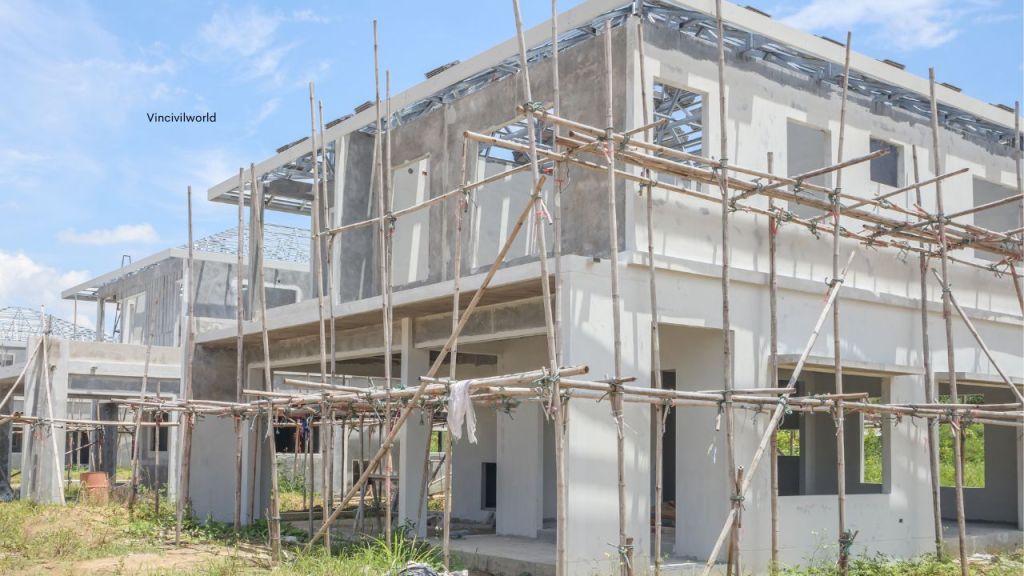
Prefabrication is the process of manufacturing building components in a factory-controlled environment. “Workers transport these components to the construction site and assemble them.” Generally, this method ensures high quality, accuracy, and efficiency, reducing construction time and costs. Prefabricated structures can range from small residential homes to large commercial buildings, offering versatility and flexibility, for various construction projects.

Advantages of Prefabrication

Prefabrication offers numerous benefits, including time and cost savings, increased quality control, reduced waste, and durability. Altogether, these advantages make it an attractive choice for modern construction. Let us discuss the advantages of prefabrication that make it a preferred choice.

Prefabrication
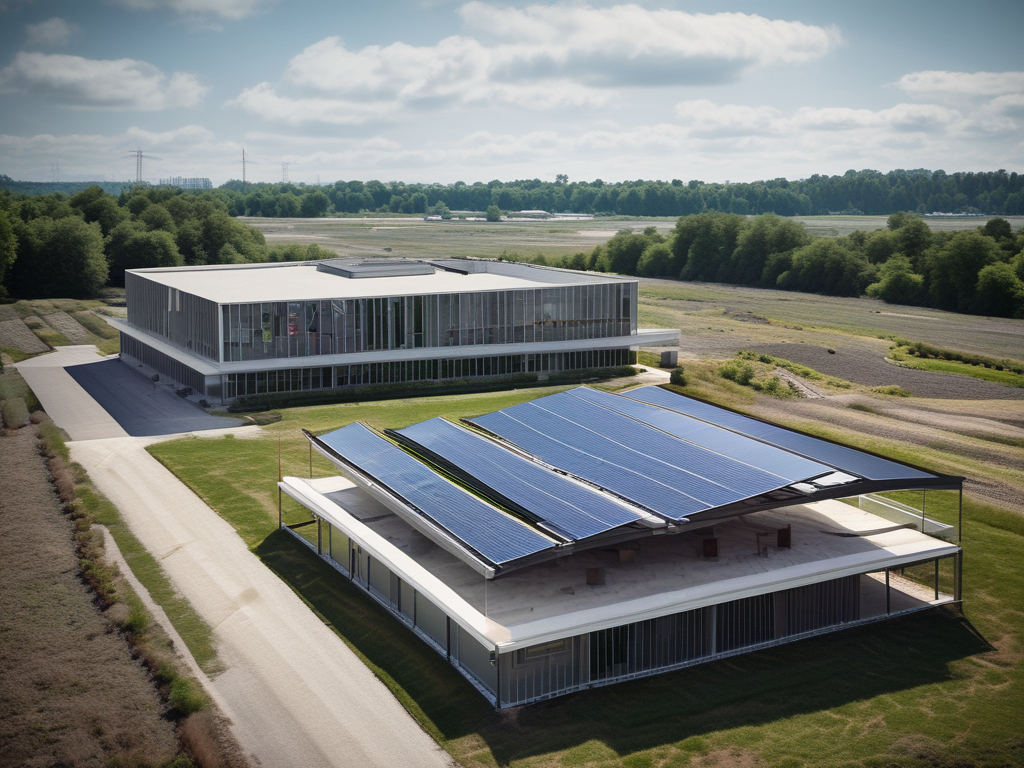
Prefabricated Building

Speed of Construction

  • Prefabrication significantly speeds up construction projects.
  • Components are manufactured simultaneously while site preparation occurs, reducing overall build time.
  • Faster construction allows for earlier occupancy or use, especially beneficial for large projects.
  • Factory-controlled environments minimize climate related delays, and maintain a consistent production schedule.
  • Rapid build process translates to cost savings and increased productivity.

Cost Savings

  • Prefabrication reduces labor costs by manufacturing components in a factory environment.
  • It minimizes material wastage and allows for bulk purchasing of materials, further reducing expenses.
  • Faster construction times reduce labor hours on-site, cutting down overall project costs.
  • Precision of prefabricated components minimizes errors, reducing costly rework.
  • Significant savings in large projects make prefabrication financially attractive.

Quality Control

  • Factory settings provide consistent conditions, ensuring precise and uniform production.
  • Moreover, strict quality checks at each stage guarantee that components meet high standards before reaching the site. This reduces the risk of defects and structural issues, resulting in more durable and reliable buildings.
  • Additionally, materials are protected from climate-related damage, maintaining their optimal condition.
  • Overall, high quality control significantly enhances building performance and life.

Reduced Waste

  • Controlled manufacturing minimizes material use, reducing offcuts and scrap.
  • Excess materials are recycled within the factory, further reducing waste.
  • On-site construction waste is reduced since prefabricated components arrive ready for assembly.
  • Consequently, reduced waste not only lowers disposal costs but also supports efficient resource use.
  • Moreover, sustainable practices in prefabrication actively contribute to environmental conservation.

Sustainability

  • Efficient use of materials and reduced waste significantly contribute to a lower environmental impact.
  • Moreover, factory environments enable the use of eco-friendly materials and processes.
  • Additionally, energy-efficient manufacturing techniques effectively reduce carbon emissions.
  • Furthermore, prefabricated buildings often feature better insulation and energy performance, thereby reducing energy consumption.
  • Lastly, this approach supports green building standards and certifications, promoting environmental conservation.
Sustainability and prefabrication

Mitigating the labour shortage

  • It is already difficult for contractors to find labour, but construction still needs to take place.
  • It decreases labour productivity much more as on-site building continues piecemeal.
  • Therefore, prefabrication helps businesses speed up schedules, make the most of their on-site labour, improve efficiency, and succeed in the market.

Lower environmental impact

  • Accelerated offsite production of parts results in reduced emissions and work disruption.
  • Consequently, this preserves wetlands or protected areas nearby and minimizes local flora and fauna disturbance.
  • Moreover, the controlled, dry environment of modular construction saves water consumption and allows scrap and other materials to be recycled.
  • Additionally, fossil fuel consumption plummets with less on-site traffic and streamlined transportation.
Prefabrication
Prefabricated building

Better safety and security

  • By reducing a construction site’s timeframe, you simultaneously decrease the amount of time that the site is vulnerable to vandalism or robbery.

Flexibility

  • Generally, It is easy to disassemble and move modular construction to various sites.
  • This greatly decreases the demand for raw materials, minimises the resources spent and overall reduces time.
  • Modular construction also allows for versatility in the structure’s design, allowing for an infinite number of possibilities.
  • Since prefabricated building units can be used in various spaces, their neutral aesthetics can be combined with almost any form of construction.

Reduced Site Disruption

  • There is much fewer truck traffic, machinery and material suppliers around the final construction site as several parts of a building are completed in the factory.
  • The disturbance of conventional workplaces suffering from noise, emissions, waste and other common irritants is therefore minimal.
  • This structured design approach offers a much more productive productivity environment and removes unwanted disruptions and interruption typical of construction sites.

Time to know about the types of Prefabricated structures.

Types of Prefabricated Structures

Prefabricated structures encompass a wide range of building types, manufactured offsite in controlled environments before being transported and assembled on-site. Altogether, these structures are versatile and offer numerous advantages in terms of speed, cost-effectiveness, and design flexibility.

Residential Prefabricated Structures

  • Single-Family Homes: Complete homes or modular components.
  • Multi-Family Housing: Apartment buildings and societies.
  • Prefab Villages: Housing solutions for communities and developments.

Commercial Prefabricated Structures:

  • Office Buildings: Modular offices and business centers.
  • Retail Spaces: Prefabricated shops and commercial units.
  • Hospitality: Hotels and accommodations.
Prefabrication
Prefabrication

Industrial Prefabricated Structures:

  • Warehouses: Storage facilities and distribution centers.
  • Factory Buildings: Manufacturing plants and industrial structures.
  • Specialized Facilities: Custom-built structures for specific industrial needs.

Prefabricated structures meet diverse needs, from temporary housing to permanent commercial complexes, ensuring quality, faster construction, and lower environmental impact than traditional methods. Mostly, their modular nature enables scalability and customization for different styles and functions. As demand for sustainable building grows, prefabricated structures evolve with advanced technologies and materials to address modern construction challenges.

Challenges and solutions of Prefabricated construction

Prefabricated construction faces many challenges, like transporting large components and finding skilled workers. However, to tackle these issues, careful planning and strict quality control are crucial. Now, let’s explore these challenges and their solutions in detail.

Challenges of Prefabrication

Prefabrication faces several challenges that impact its widespread adoption in construction projects. Generally, these challenges include transportation logistics, customization limitations, perception issues, stringent regulatory requirements, and the need for specialized workforce skills.

Transportation Logistics

Moving large prefabricated components from factories to construction sites requires accurate planning and coordination. Delays or mishaps in transportation can lead to increased costs and project schedules, impacting overall efficiency.

Customization Limitations

Prefabricated components are designed for efficiency and standardization, which may not easily accommodate unique architectural designs or specific project requirements without extensive modifications. This limitation can compromise the cost-effectiveness and adaptability of prefabricated solutions for certain projects.

Perception Issues

Some stakeholders may perceive prefabricated structures as less durable or aesthetically pleasing compared to traditional construction methods. Overcoming these biases and educating stakeholders about the benefits and capabilities of prefabrication is crucial for wider acceptance in the construction industry.

Skilled Labor Requirements

Prefabricated construction requires a skilled labor force proficient in both on-site assembly and factory production processes. Maintaining consistent quality across different phases of construction can be challenging, necessitating specialized training and effective management practices.

Joint Strength and Integrity

The critical role of well-built joints in ensuring structural strength and stability. The joints to be given should be well-built enough to convey all sorts of stresses, connecting the core structure and the components.

System-Level Analysis

Shifting focus from component-based to holistic system-level analysis for better integration and performance.

On-Site Automation

Addressing the lack of automation in on-site assembly processes.

Solutions for Prefabricated Structures

Prefabricated structures benefit from several solutions that enhance efficiency and quality, ensuring successful implementation and overcoming construction challenges.

  • Advanced Planning: Detailed logistics and scheduling to streamline transportation and reduce costs.
  • Modular Design: Flexibility in design to accommodate various architectural styles and functional needs.
  • Quality Control: Rigorous inspection processes to maintain high standards and minimize errors.
  • Regulatory Compliance: Adherence to building codes and local regulations for safe and legal construction.
  • Training and Skill Development: Programs to enhance workforce capabilities in both assembly and production processes.

The future of prefabrication in construction is marked by technological innovations, expanding applications across industries, and robust global market growth driven by urbanization and sustainability demands.

Technological Innovations

Technological advancements are set to revolutionize prefabrication in construction. Innovations such as Building Information Modeling (BIM), robotic automation, and 3D printing are enhancing precision and efficiency in prefabricated component production.

BIM allows for detailed virtual modeling of structures, optimizing design and assembly processes. Robotic automation is streamlining manufacturing tasks, improving quality control and reducing labor costs.

3D printing offers new possibilities in creating complex prefabricated shapes and structures with minimal material waste. These innovations promise to further accelerate the adoption of prefabrication by making it more adaptable, sustainable, and cost-effective.

Expanding Applications

Prefabrication is increasingly being applied beyond traditional residential and commercial buildings. Industries such as healthcare, education, and infrastructure are exploring prefabricated solutions for hospitals, schools, bridges, and even skyscrapers.

The versatility of prefabrication allows for tailored solutions to meet specific needs in diverse sectors, promising faster project delivery and reduced construction risks.

Global Market Growth

The global prefabricated construction market is experiencing significant growth, driven by urbanization, infrastructure development, and the need for sustainable building practices. Emerging economies in Asia-Pacific and Latin America are witnessing rapid adoption of prefabrication due to its potential to address housing shortages and infrastructure demands efficiently.

Government initiatives promoting affordable housing and green building standards are further propelling market expansion. As technologies mature and awareness grows, prefabrication is poised to play a pivotal role in shaping the future of construction worldwide.

The Rise of Prefabricated Houses in India

Discover the burgeoning trend of prefabricated houses in India, revolutionizing construction with speed, affordability, and sustainability in the quest for modern housing solutions.

Urbanization and Housing Demand

India’s rapid urbanization and growing population have intensified the demand for affordable housing solutions. Prefabricated houses offer a timely response to this need, providing quick and cost-effective construction methods that can meet the scale and pace of urban development.

Government Initiatives

Government initiatives promoting affordable housing schemes and sustainable urban development are driving the adoption of prefabricated housing solutions across India. These initiatives aim to address housing shortages and improve living conditions in urban and rural areas.

Case Studies of Successful Projects

Successful prefabricated housing projects in India demonstrate the efficacy of this construction method in delivering quality housing quickly and efficiently. These case studies highlight innovative designs, sustainable practices, and community-focused solutions that are shaping the future of housing in the country.

  1. Tata Housing’s Xylem: Located in Bengaluru, this project by Tata Housing showcases modular homes designed for urban living. It emphasizes sustainability with features like rainwater harvesting and solar panels, offering eco-friendly living solutions.
  2. Mahindra Lifespaces Happinest: Happinest projects in Chennai and Pune focus on affordable housing using prefabricated components. They incorporate efficient design principles and community amenities to enhance quality of life for residents.
  3. L&T Realty’s Eden Park: In Chennai, Eden Park offers prefabricated apartments known for their quality construction and quick delivery. The project integrates modern amenities and green building practices to promote sustainable urban development.
  4. GODREJ Properties’ Godrej Origins: Located in Mumbai, Godrej Origins features prefabricated luxury residences that combine aesthetic design with efficient construction techniques. The project emphasizes premium living standards while maintaining environmental sustainability.
  5. Prefab Projects in Kerala: Various projects in Kerala have implemented prefabricated construction methods to rebuild after natural disasters. These projects demonstrate the resilience and rapid deployment capabilities of prefabricated housing in disaster-prone regions.

These examples illustrate how prefabricated housing projects in India are leveraging innovative designs, sustainable practices, and community-focused solutions to meet diverse housing needs efficiently and effectively.

Key Takeaways of prefabrication

  • Efficiency and Cost-effectiveness: Prefabrication reduces construction time and costs by shifting tasks to factory environments, minimizing onsite labor and material waste.
  • Technological Advancements: Innovations like BIM and robotic automation improve precision and efficiency in prefabricated component production.
  • Sustainability: Prefabrication supports eco-friendly practices with efficient material use, reduced energy consumption, and minimal onsite disruption.
  • Government Support: Initiatives promoting affordable housing and sustainable urban development drive adoption of prefabricated solutions.
  • Case Studies: Successful projects in India demonstrate the efficacy of prefabrication in delivering quality housing quickly and efficiently.
  • Challenges and Solutions: Transportation logistics and skilled labor shortages are addressed through meticulous planning and training programs.

Conclusion

Prefabrication is reshaping the construction landscape globally and in India, responding to urbanization and sustainability challenges with innovative solutions. As the industry evolves, advancements in technology and materials continue to enhance prefabricated construction’s efficiency and versatility. Government support and growing market demand drive its adoption, promising faster project delivery and improved living standards. With ongoing developments and successful implementations, prefabrication stands poised to play a pivotal role in the future of sustainable and efficient building practices worldwide.

“Carpet Area & Built Up Area: Myths Explained”

Carpet area, built-up area, plinth area, and super built-up area are crucial terms when buying a home, with each offering different insights into the true size and usable space within a property. Carpet area refers to the usable floor space inside a home, excluding the walls, while built-up area encompasses the carpet area along with the thickness of the walls and additional spaces like balconies. Understanding these terms is essential, especially for civil engineers who need to adeptly interpret floor plans. This article will delve into these different types of areas, providing clarity on the actual dimensions of a property, including the distinction between built-up area vs carpet area.

Real Estate Regulation and Development Act, 2016, (RERA)

The Real Estate Regulation and Development Act, 2016, (RERA) is an act established by the Indian parliament. However, the main objective of RERA is to give prompt information between the buyers and sellers. This increases transparency and reduces the chance of cheating.

There are three different ways to calculate the area of the property. 

  • In terms of the Carpet area
  • In terms of Built-up area
  • In terms of Super built-up area

While buying a property buyer should pay for the area which is usable. RERA provides safety of money, buyer protection and balanced agreement.

Types of areas in Building Construction

Before making home buying plans, we should familiarize ourselves with the following building construction practices and terminologies typically used in the industry.

  • Plot area
  • Built-up area or Plinth area
  • Carpet area
  • Setback area
  • Super built-up area

Before getting into these terms first we have to know what is RERA 

Plot area (Areas of building)

The plot area includes the complete area which you own. This area comes under the fencing.

Plot-area
Plot-area

Carpet area (Areas of building)

Real estate agents frequently use the term “carpet area,” which refers to the floor area of a building that can be covered with carpet. This area, also known as the net usable floor area, is crucial for determining the actual space available for use in a property.

Carpet-area
Carpet-area

Carpet Area = Total floor area – Area of internal/external walls

But as per RERA Carpet area = Total Floor area – Area of external walls

According to RERA flats should be sold on the basis of carpet area. The carpet area as per RERA is the area of usable spaces such as bedrooms, kitchen, bathroom, toilet etc. It also includes an area covered by internal partition walls. It excludes areas such as Balcony, utility areas, external walls area, open terrace area, lift, lobby, staircase etc. Generally, carpet area is 70% of its built-up area. 

Built up area

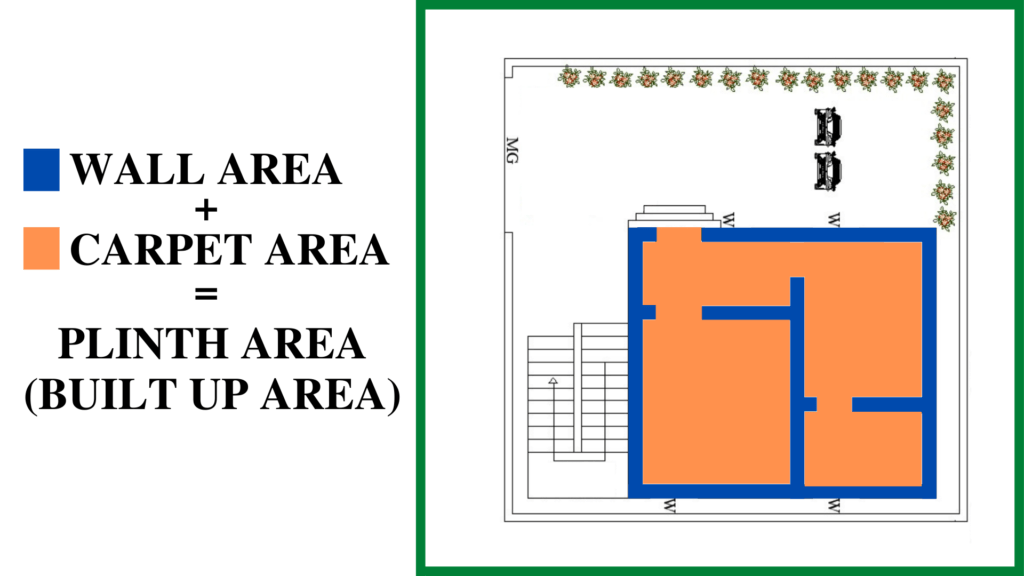
The plinth area is also known as the Built-up area. Basically, It is the total area of the building within the plot area. It is mostly 30% of the total plot area. 

Plinth-area
Plinth-area

Built-up Area = carpet area + Area of walls

It includes living room, bedrooms, utility, bathroom, wall thickness, kitchen, balcony closed staircases etc. and excludes open terrace area, lift, open staircase, swimming pool etc. It is 10 to 15 % more than the carpet area.

Built up area vs carpet area

Built-up area vs. carpet area are important terms in real estate that describe different aspects of a property’s space. Carpet area refers to the actual floor area inside the walls where you can place carpet or furniture. It includes rooms like bedrooms and kitchens but excludes areas like balconies and walls.

Built-up area, on the other hand, includes the carpet area plus the space taken up by walls and other building parts. This means it covers all enclosed spaces within the building, including walls, corridors, and partitions. Built-up area is typically larger than the carpet area by about 10% to 15% because it counts everything inside the building’s outer walls.

Knowing the difference between carpet area and built up area is important for homebuyers. Carpet area tells you exactly how much livable space you get, while built-up area gives you a broader view that includes all internal structures. This understanding helps buyers make informed decisions about the space they’re getting in a property.

Super built-up area

Super built-up area was used to measure the area of property before the RERA act came into existence. Because the super built-up area lowers the rate per square foot. Saleable area is another name of super built-up area.

Super built up area

Super Built-Up Area = Setback area+Built-up Area+20% of common area 

Super built-up area includes common areas like swimming pool, clubhouses, lobby, staircase, Lift, etc. and the built-up area of the flat. 

Set back area

Set back area is the space between the boundary and the building. It is the minimum open space necessary around the building. As per the municipal regulation a specific margin should be provided between building and road. 

Setback-area
Setback-area

Setback area = Built-up Area – Plot area

This provides sufficient ventilation, ease in vehicle movement and protection from other entities

Key Takeaways:

Understanding the differences between carpet area, built-up area, and other terms like super built-up area is crucial when buying a property. Carpet area specifically denotes the usable floor space inside the walls, while built-up area includes everything within those walls, including partitions and corridors. RERA guidelines emphasize selling flats based on carpet area, ensuring transparency and fair pricing. Super built-up area, now less common due to RERA, includes common areas like lobbies and lifts, affecting overall cost calculations. Setback area refers to the open space required around a building, ensuring adequate ventilation and safety margins.

Conclusion:

  • Carpet Area:
    • The space inside walls where you can put furniture.
    • It’s the actual usable living area.
  • Built-Up Area:
    • Includes carpet area plus walls, corridors, and partitions.
    • Shows the total enclosed space.
  • Budgeting Help:
    • Knowing these differences helps plan finances better.
    • Avoids confusion about what’s included.
  • Setback Area Compliance:
    • Ensures legal safety and ventilation around buildings.
    • Specifies required open space around a building.
  • Confident Property Decisions:
    • Understanding these terms guides smart property choices.
    • Aligns with fair standards like those set by RERA.
    • Ensures buyers get the best value for their investment.

BIM -Building Information Modeling |Revolutionizing Construction

BIM, or Building Information Modeling, transforms construction and engineering projects by integrating data for planning, design, construction, and management. This comprehensive approach improves project visualization and coordination, making decision-making easier and reducing risks. In this blog, we’ll delve into the essential software components of BIM, including 3D modeling, data management, and collaborative tools.

We will explore the modeling process and how BIM allows accurate digital representations of buildings and infrastructure. We will also discuss the various benefits of BIM, such as increased project efficiency, improved collaboration among stakeholders, and better resource utilization. Furthermore, we will look at real-world applications of BIM models across industries, including architecture, engineering, construction, and facility management. Additionally, we will highlight popular BIM software tools and examine emerging trends shaping the future of construction technology.

What is BIM Software?

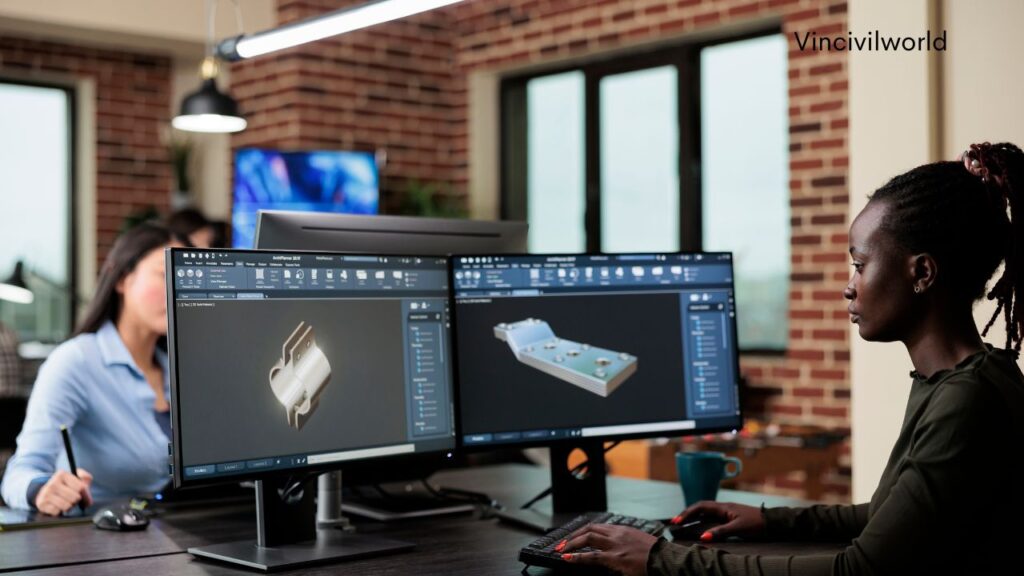
BIM software integrates data for planning, design, construction, and management of buildings and infrastructure. It creates 3D models that simulate construction processes and lifecycle management. Consequently, this software improves collaboration among architects, engineers, and contractors, thereby enhancing project efficiency. Moreover, it allows real-time updates and data sharing, ensuring all stakeholders work with current information.

BIM software enables visualization of building components and systems before construction begins. It includes tools for cost estimation, scheduling, and clash detection to prevent errors. Additionally, the software supports sustainable design practices by analyzing energy usage and environmental impact.

Furthermore, BIM enhances communication through visual representations and virtual walkthroughs. This facilitates decision-making based on accurate, detailed information. Moreover, BIM software evolves with technological advancements, incorporating cloud computing and mobile accessibility. Consequently, this fosters flexibility and accessibility across project teams and locations. Overall, BIM software transforms traditional construction processes by digitizing workflows and optimizing project outcomes.

Building Information Modeling: How It Works

Building Information Modeling (BIM) begins with collecting project data and requirements. Architects, engineers, and contractors then work together to create a digital 3D model of the building or infrastructure, encompassing architectural, structural, and MEP systems. BIM software allows for detailed information to be added to model elements, including dimensions, materials, and performance characteristics. As the model progresses through different design and development stages, it integrates input from various disciplines for coordination and clash detection.

Changes and updates are made in real-time across the model. BIM facilitates simulations for analyzing construction sequences and logistics, supports visualization of project phases and milestones, and serves as a central database for project information and documentation. BIM models aid in cost estimation, scheduling accuracy, and improving project efficiency while reducing risks during construction. They foster better communication among project stakeholders and enhance client understanding through visual representation and virtual walkthroughs. BIM modeling transforms how construction projects are planned, designed, and executed with enhanced precision and collaboration.

Understanding BIM Models/Objects

BIM models are digital representations of entire buildings or infrastructure projects, including architectural, structural, and MEP (mechanical, electrical, plumbing) components.

BIM objects are individual elements in BIM models, like doors, windows, and equipment. They include detailed information such as dimensions, materials, and performance characteristics.

Both BIM models and objects facilitate accurate project visualization, collaboration among stakeholders, and efficient management of construction data.

Benefits of Building Information Modeling

BIM has many advantages in construction and engineering. It improves coordination, reduces errors, and enhances decision-making, making it a valuable addition to your projects.

  • BIM improves project coordination and efficiency with precise digital representation.
  • It improves collaboration among stakeholders with real-time data sharing.
  • BIM reduces errors and clashes during design and construction phases.
  • It facilitates better decision-making with detailed cost, schedule, and performance information.
  • BIM supports sustainability by analyzing energy use and environmental impact early in design.
  • It enhances construction quality and safety by simulating construction sequences and identifying risks.
  • BIM serves as a centralized repository for project information, aiding documentation and facility management.

These benefits streamline workflows, reduce costs, and significantly improve project outcomes.

How Building Information Modelling Can Help You

BIM, or Building Information Modeling, offers numerous advantages for construction projects. It streamlines processes, enhances collaboration, and improves decision-making. Here are some key ways BIM can help you:

  • Improve project coordination and collaboration.
  • Integrate data from all project stages.
  • Reduce errors and enhance decision-making.
  • Provide detailed visualizations to identify and resolve issues early.
  • Aid in better project planning and scheduling.
  • Support cost estimation and budget management.
  • Promote sustainability by analyzing energy use and environmental impact.
  • Enable real-time data sharing to keep all stakeholders informed.
  • Enhance overall project efficiency.
  • Reduce risks and improve the quality of construction projects.

These benefits make BIM an invaluable tool for the construction industry.

How Building information Modeling can help you.

Applications of Building Information Modeling

BIM, or Building Information Modeling, has wide-ranging applications across the construction and engineering industries. It enhances project efficiency, improves collaboration, and supports sustainable practices. Here are some key applications of BIM

  • Design Visualization: Create 3D models to visualize the project and design elements before construction.
  • Construction Planning: Optimize construction sequences and logistics for better efficiency and resource management throughout the project lifecycle.
  • Cost Estimation: Provide accurate cost estimates and manage budgets by integrating data from various project stages and elements.
  • Facility Management: Support maintenance and operations with detailed and up-to-date building data for better facility management.
  • Sustainability Analysis: Analyze energy use and environmental impact to promote sustainable design and construction practices.
  • Clash Detection: Identify and resolve conflicts between architectural, structural, and MEP systems before construction starts, preventing costly errors.
  • Structural Analysis: Perform structural simulations and load assessments to ensure the integrity and safety of building designs.
  • Project Coordination: Enhance collaboration among architects, engineers, and contractors by enabling real-time data sharing and communication.
  • Safety Management: Improve site safety with risk simulations and safety planning integrated into the construction process.
  • Documentation: Centralize project documentation and manage data efficiently, ensuring easy access and updates for all stakeholders.
BIM ( BUILDING INFORMATION MODELING)

BIM in Different Industries

BIM, or Building Information Modeling, is revolutionizing multiple industries by improving efficiency, collaboration, and project results. In architecture and construction, BIM enables detailed 3D modeling, enhancing design accuracy and visualization. It also simplifies project planning, cost estimation, and construction management, reducing errors and delays.

In engineering, BIM combines data from different disciplines to improve coordination among structural, mechanical, electrical, and plumbing systems. This integration results in more efficient designs and makes it easier to detect potential clashes.

BIM brings improved project management to the infrastructure industry, benefiting roads, bridges, tunnels and industrial structures. It enhances planning, construction, and maintenance processes, ensuring projects are completed on time and within budget.

In real estate, BIM helps with property management by offering detailed building data and enhancing maintenance. It also promotes sustainable building practices by analyzing energy efficiency and environmental impact.

Manufacturing industries use BIM for designing and managing production facilities. It enables better layout planning and integration of complex systems, increasing productivity and reducing operational costs.

Healthcare facilities benefit from BIM by improving design and management of hospitals and clinics, optimizing space utilization, enhancing patient flow, and supporting maintenance and operations.

Overall, BIM’s application across different industries revolutionizes traditional processes, enhances collaboration, and delivers better project outcomes.

Overall, BIM’s application across different industries revolutionizes traditional processes, enhances collaboration, and delivers better project outcomes.

Building Information Modeling (BIM) software tools are essential for modern construction and engineering projects, improving efficiency and collaboration. Some popular BIM software tools include:

Autodesk Revit

One of the most widely used BIM tools, Revit supports multi-disciplinary design processes easily. It enables architects, engineers, and contractors to collaborate within a single, integrated model. Additionally, Revit provides robust tools for 3D modeling, clash detection, and comprehensive construction documentation.

Navisworks

Navisworks is utilized for project review and coordination. It integrates with different design tools to offer a comprehensive view of project data. The software is highly effective for clash detection, 4D simulation, and project scheduling.

ArchiCAD

Developed by Graphisoft, ArchiCAD is known for its user-friendly interface and powerful design capabilities, making it popular in the architecture community. It allows architects to create detailed 3D models and supports collaborative workflows.

Tekla Structures

This software is well-known for its strong structural engineering features, enabling users to create detailed 3D models of steel and concrete structures. It covers the entire construction process from design to fabrication.

Bentley Systems

Bentley provides BIM tools like MicroStation and OpenBuildings Designer, widely used in infrastructure projects for detailed design and analysis. These tools support collaboration across disciplines and ensure project accuracy.

Vectorworks

Vectorworks provides comprehensive tools for design and BIM workflows. It is suitable for various disciplines, including architecture, landscape, and entertainment design. The software integrates 2D and 3D design capabilities, making it versatile for different project needs.

Autodesk BIM 360

This cloud-based BIM tool enhances project collaboration by providing a platform for data sharing and management. It supports project coordination, document management, and construction field management, ensuring that all stakeholders have access to the latest project information.

These BIM software tools enhance project efficiency, improve coordination, and ensure the accuracy of construction projects. They are essential for modern construction and engineering workflows.

The future of BIM is being shaped by emerging trends that greatly enhance its capabilities and broaden its applications. One major trend is the integration of artificial intelligence (AI) and machine learning, which can automate complex tasks, optimize designs, and predict project outcomes with greater accuracy and efficiency. Furthermore, advancements in cloud-based BIM platforms are revolutionizing project collaboration by enabling real-time data sharing and effective coordination among stakeholders.

Future Trends in BIM

The growing use of cloud-based BIM platforms enables real-time collaboration among stakeholders, regardless of location, which enhances efficiency and decision-making.

The use of augmented reality (AR) and virtual reality (VR) in BIM is increasing. These technologies allow immersive project visualization and interactive design reviews, leading to higher stakeholder engagement and fewer errors.

Sustainability is a key focus, with BIM tools increasingly incorporating environmental impact analysis. This supports greener building practices and compliance with sustainability standards.

Finally, the integration of BIM with Internet of Things (IoT) devices is on the rise. IoT sensors provide real-time data on building performance, providing better facility management and maintenance.

These trends highlight BIM’s increasing role in creating smarter, more efficient, and sustainable construction practices.

Potential Challenges or Limitations of BIM

Challenges of Implementing BIM:

  1. High Initial Costs: Using BIM requires a lot of money for software, hardware, and training, which can be hard for smaller companies.
  2. Learning Curve: People who are used to traditional methods may find it difficult and time-consuming to learn BIM tools and processes.
  3. Data Management: Handling large amounts of data from BIM models requires strong data management, which can be complex and resource-intensive.
  4. Interoperability Issues: Different BIM software tools may not work well together, causing potential issues with data compatibility and collaboration.
  5. Resistance to Change: Some professionals may not want to use BIM because they prefer traditional ways of working and don’t like changing how they do things.
  6. Legal Challenges: Figuring out who owns, is responsible for, and has rights to BIM data can lead to legal problems and complications.
  7. Maintenance and Updates: Keeping BIM software up to date and working well requires ongoing resources and commitment.
  8. Stakeholder Collaboration: Getting everyone involved to work together effectively is really important for BIM to succeed, but it can be hard to coordinate efforts and communicate well.

Key Takeaways

Building Information Modeling (BIM) transforms construction and engineering projects by integrating data for planning, design, construction, and management. It improves visualization, collaboration, and decision-making while reducing risks and errors. BIM is used in architecture, engineering, infrastructure, real estate, manufacturing, and healthcare, offering benefits such as improved coordination, resource utilization, and sustainable practices. Popular tools include Revit, Navisworks, ArchiCAD, Tekla Structures, Bentley Systems, Vectorworks, and Autodesk BIM 360. Emerging trends in BIM, such as AI, cloud-based platforms, AR/VR, sustainability, and IoT integration, are shaping its future.

Conclusion

Building Information Modeling (BIM) is revolutionizing the construction and engineering industries by digitizing workflows and optimizing project outcomes. It offers a comprehensive approach to project management, from design and planning to construction and maintenance. Advanced technologies such as AI, machine learning, AR, and VR enhance BIM’s capabilities, leading to more efficient projects and reduced risks. While there are high initial costs and a need for substantial training and data management, the benefits of BIM in improving collaboration, reducing errors, and promoting sustainable practices are significant. As the industry evolves, BIM’s role in creating smarter, more efficient, and sustainable construction practices will become more prominent. Embracing BIM and staying updated on its trends and advancements can result in significant improvements in project outcomes and industry innovation.

Augmented Reality in Construction |Benefits, Challenges, and Devices

Augmented reality (AR) enhances our real world by adding digital images, sounds, and text to our surroundings. Unlike virtual reality (VR), which immerses users in a purely digital environment. AR blends digital elements with the physical world, allowing interaction with both simultaneously.

In this blog, we’ll explore what augmented reality means, a comparison of augmented reality vs virtual reality, and its applications in construction and other areas. Additionally, we’ll discuss how AR works, the types of AR technologies available, and the devices used. Specifically, we’ll highlight how AR improves construction processes , enhancing project planning, improving design accuracy, and aiding on-site operations. Despite its benefits, AR faces challenges like user adaptation and technical complexity.

Understanding these differences helps us see the real distinction between augmented reality and virtual reality. It also allows us to imagine how augmented reality can change construction and enhance our daily lives.

Augmented Reality Meaning

Augmented reality (AR) enhances how we see the real world by adding digital content like images, videos, sounds, and text onto physical environments instantly. Consequently, this digital content blends seamlessly with what users see through devices like smartphones, tablets, or AR glasses. Unlike virtual reality (VR), which creates entirely new worlds, augmented reality enriches the existing environment by adding extra information and virtual objects.

Augmented reality

To achieve this, augmented reality uses advanced technology. It relies on computer vision to recognize and interpret the real world. Additionally, it uses spatial mapping to place digital elements accurately in the environment. Augmented reality is used in many fields, such as entertainment, gaming, healthcare, education, retail, and manufacturing and construction.

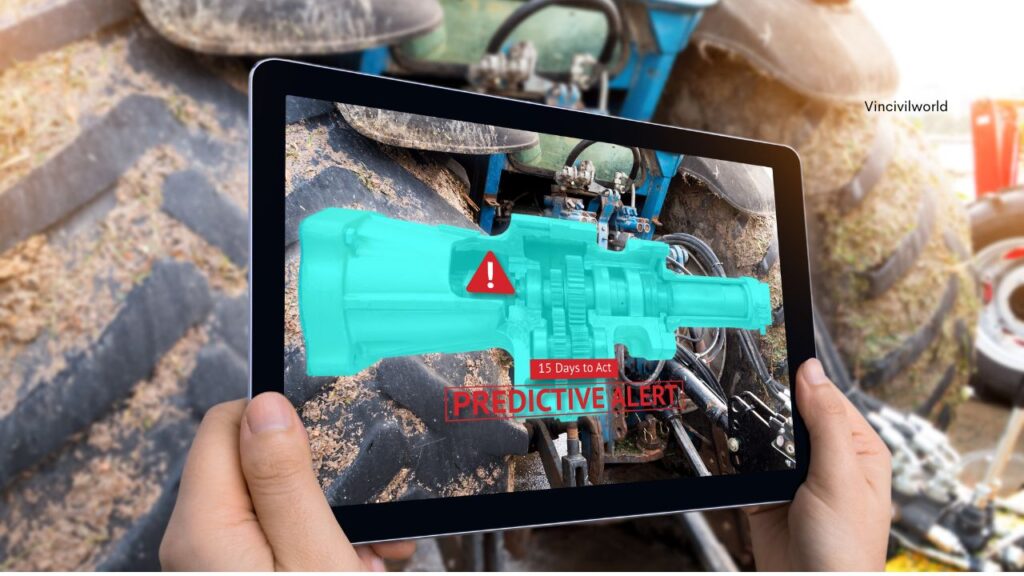
In practical terms, augmented reality allows users to interact with digital information overlaid onto physical objects or places. For example, in retail, augmented reality enables virtual try-ons of clothing and shows how furniture looks in a room before buying it. In education, Mixed reality creates interactive learning experiences by overlaying educational content onto textbooks or real-world objects. Consequently, students can engage with the material in a more dynamic and immersive way. Furthermore, it makes learning more engaging by adding information directly onto real objects or pages. Overall, augmented virtuality enhances our experience of the world by seamlessly blending digital and physical realities.

How Augmented Reality Works

Augmented reality (AR) uses advanced technology to add digital elements to the real world. It starts with cameras and sensors in devices like smartphones and AR glasses. These devices capture the real world and track movements. Next, AR uses computer vision to understand and interpret the captured images. This process helps the device recognize objects and environments.

Additionally, AR relies on spatial mapping. This technology allows digital elements to be placed accurately in the real world. For instance, it can put a virtual chair in your living room. AR also uses graphics and sound to create a seamless experience. Powerful processors in devices ensure everything runs smoothly.

Moreover, AR applications are built using special software and tools. Developers create interactive and engaging AR experiences. With these technologies working together, Enhanced reality enriches our everyday lives.

Virtual Reality

Virtual reality (VR) is a technology that creates a simulated environment using computer technology. Generally, users wear VR headsets that display 3D images and videos, making them feel like they are immersed in a different world. VR relies on sensors and motion tracking to detect the user’s movements, thereby enabling interaction with the virtual environment. Consequently, this technology finds application in gaming, training simulations, and virtual tours. Unlike (AR), which overlays digital elements onto the real world, Virtual Reality replaces the real world entirely with a simulated one.

Augmented Reality vs. Virtual Reality

While comparing augmented Reality vs Virtual reality these following difference usually comes to us. Augmented Reality (AR) and Virtual Reality (VR) are transformative technologies that fundamentally change our perception of reality. Unlike VR, which immerses users in entirely simulated environments, AR enhances the real world by overlaying digital content, thereby enriching everyday experiences. In contrast, VR immerses users in simulated environments, replacing the real world entirely. Understanding these distinctions highlights their unique applications and impacts on various industries.

Augmented Reality (AR)

  • Adds digital elements (images, sounds, text) to the real world.
  • Users see these additions overlaid on their physical environment via smartphones or AR glasses.
  • Enhances real-world experiences with extra information or virtual objects seamlessly integrated into the user’s view.
  • Example: In retail, AR can display virtual furniture in a real room.

Virtual Reality (VR)

  • Creates a simulated environment through VR headsets.
  • Displays 3D images and videos that immerse users in a digital world.
  • Uses sensors for movement tracking, enabling interaction within the virtual environment.
  • Replaces the real world with a virtual one, offering experiences like virtual travel or immersive gaming.

Applications of Augmented Reality

Augmented Reality (AR) transforms industries and everyday tasks by blending digital content seamlessly into the real world.

Retail

Enables virtual try-ons and visualizes products in real environments for better purchasing decisions.

Healthcare

Facilitates surgical simulations and aids in visualizing veins and internal structures for precise procedures.

Education

Enhances learning with interactive content overlaid on textbooks and real-world objects.

Gaming

Provides immersive gaming experiences by overlaying virtual elements onto the real world.

Architecture, Structural Design and construction

Allows architects designers and engineers to preview virtual designs within real spaces for better planning.

Tourism

Guides tourists with AR-enhanced maps and virtual guides for interactive sightseeing.

Manufacturing

Improves efficiency with AR-guided assembly instructions and maintenance support.

Marketing and Advertising

Engages customers with interactive AR campaigns and virtual product experiences.

Navigation

Provides AR-based navigation systems for real-time directions and points of interest.

Entertainment

Enhances live events with AR effects and interactive elements for a more engaging audience experience.

Augmented reality in Construction

Augmented reality (AR) is revolutionizing the construction and real estate sectors by seamlessly merging digital information with physical environments. In construction, AR enhances project visualization by overlaying virtual models onto real-world sites, enabling architects and engineers to assess how proposed structures integrate into existing landscapes. This capability significantly improves design accuracy and facilitates early issue detection. This capability significantly improves design accuracy and facilitates early issue detection.

Augmented Reality (AR)

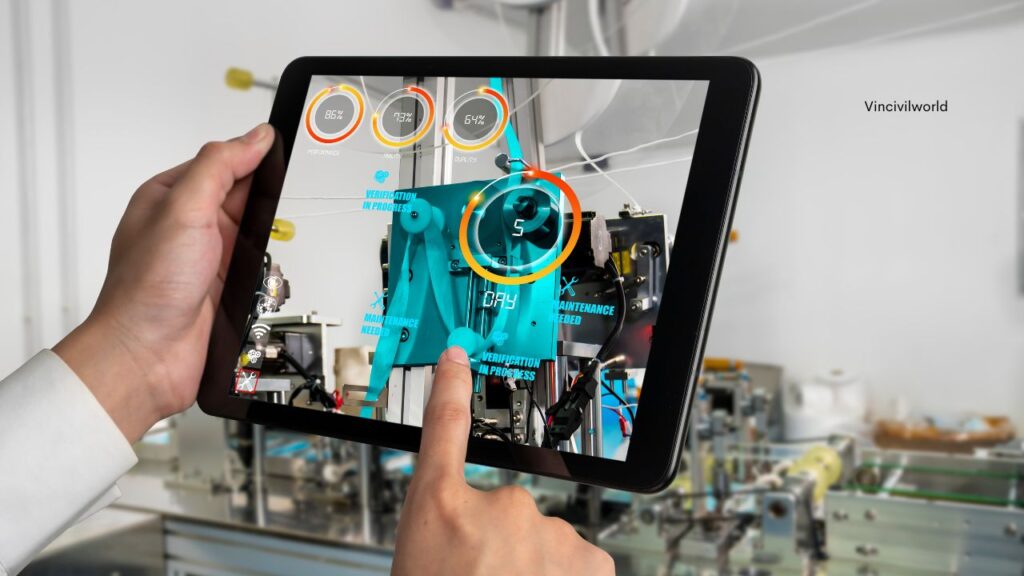
On construction sites, AR-equipped devices provide real-time guidance to workers through visual instructions and safety information directly in their field of view. This technology enhances efficiency by reducing errors and streamlining tasks, such as assembly and equipment operation. Moreover, AR ensures that workers have immediate access to critical information, enhancing productivity and safety across construction projects.

In the real estate sector, AR enables immersive property tours and visualizations. Prospective buyers can use AR applications on their smartphones or AR glasses to see virtual furniture in a space or visualize renovations before making decisions. This enhances customer engagement and accelerates sales processes by offering a clearer understanding of property potentials.

Moreover, AR integrated with Building Information Modeling (BIM) supports maintenance teams by overlaying digital data onto physical infrastructure. This aids in real-time monitoring, maintenance scheduling, and historical records, prolonging building lifespan and reducing operational costs.

Overall, AR enhances collaboration among stakeholders, improves project efficiency, and provides innovative solutions in both construction and real estate sectors. As technology advances, AR continues to revolutionize these industries by bridging the gap between digital design and physical implementation seamlessly.

Types of Augmented Reality

Augmented Reality (AR) encompasses several types that vary in how they overlay digital content onto the real world:

  1. Marker-based AR: Requires a specific visual marker, like a QR code, to trigger digital overlays. It’s commonly used in advertising and gaming.
  2. Markerless AR: Also known as location-based or GPS-based AR, it overlays digital content based on GPS or location data. Applications include navigation and tourism.
  3. Projection-based AR: Projects digital content onto physical surfaces. It’s used in retail for virtual try-ons and interactive displays.
  4. Superimposition-based AR: Replaces the real-world view with an augmented one, like trying on virtual clothes in real-time through a smartphone camera.
  5. Recognition-based AR: Uses object recognition to overlay digital content onto recognized real-world objects, enhancing educational experiences and industrial applications.

Each type enhances user interaction by blending digital elements seamlessly into their surroundings.

Devices Used in Augmented Reality

Augmented Reality (AR) utilizes a variety of devices to seamlessly integrate digital information into the physical world. Smartphones and tablets, being the most accessible options, leverage their cameras and AR-enabled apps to overlay digital content onto real-world scenes.

Generally, this capability enables users to interact with augmented content directly through their devices, enhancing everyday experiences ranging from gaming to educational applications. AR glasses, such as Microsoft HoloLens and Google Glass, offer a hands-free experience by projecting digital information directly into the user’s field of view. These glasses incorporate sensors and optics to track head movements and adjust virtual elements accordingly, providing an immersive AR experience.

Specialized AR headsets, like Magic Leap, enhance this immersion with spatial sound and precise 3D mapping. Basically, these features make them ideal for complex industrial applications and interactive experiences. As a result, these devices continue to evolve, expanding AR’s potential in gaming, education, healthcare, and industrial training.

Benefits of Augmented Reality

Augmented Reality (AR) offers significant benefits across different domains:

  1. Enhancing User Experience: AR enhances user interaction by overlaying digital content onto the physical world through devices like smartphones and AR glasses. This technology improves how users engage with products, services, and environments, creating immersive and personalized experiences.
  2. Improving Learning and Training: AR revolutionizes learning and training by providing interactive simulations and real-time guidance. It overlays educational content onto real-world objects, enabling hands-on learning experiences that enhance understanding and retention.
  3. Increasing Efficiency and Productivity: In industrial settings, AR boosts efficiency by providing workers with on-the-spot instructions, data visualizations, and remote assistance. This capability streamlines tasks such as maintenance, assembly, and inspection, reducing errors and downtime.

Overall, AR bridges the gap between digital information and physical environments, enhancing user engagement, learning outcomes, and operational efficiency across various sectors. Its versatile applications continue to redefine how we interact with technology and our surroundings.

Challenges and Limitations of Augmented Reality

Augmented Reality (AR) faces several challenges and limitations:

Technical Challenges

AR technology requires robust hardware and software integration for seamless user experiences. Issues such as latency, accurate spatial mapping, and real-time rendering pose technical hurdles that developers must continually address to ensure smooth operation and realistic overlays.

Privacy and Security Concerns

The integration of AR into everyday life raises significant privacy issues. AR devices collect and process large amounts of personal data, leading to concerns about data privacy, unauthorized access, and potential breaches. Safeguarding user information and ensuring secure AR interactions are critical challenges.

User Adoption and Accessibility

Despite its potential, widespread adoption of AR has been hindered by accessibility barriers and user acceptance. Costly hardware, complex interfaces, and the learning curve associated with new technology limit its accessibility to broader audiences. Educating users about AR benefits and addressing usability concerns are essential for increasing adoption rates.

Addressing these challenges requires collaboration among technology developers, regulators, and users to advance AR capabilities responsibly while ensuring privacy protection and enhancing user experiences.

The Future of Augmented Reality

Emerging Trends and Innovations in Augmented Reality (AR) are shaping its future:

Integration with 5G

The rollout of 5G networks will enhance AR experiences with faster speeds and lower latency, enabling real-time data processing and more immersive interactions.

Spatial Computing

Advances in spatial mapping and computer vision will allow AR to better understand and interact with physical spaces, improving accuracy and realism.

Wearable AR Devices

The development of lightweight, ergonomic AR glasses and headsets will make AR more accessible for everyday use, enhancing mobility and convenience.

AR in Healthcare

AR applications in surgery, medical training, and patient care are expanding, offering enhanced visualization and precision in procedures.

AR in Retail and Marketing

AR is transforming retail with virtual try-ons, interactive product demonstrations, and personalized shopping experiences, driving customer engagement and sales.

Predictions and Potential Developments

The future of augmented reality (AR) is poised for significant advancements. Predictions and potential developments in AR include improved integration with 5G, enhanced spatial computing, wearable AR devices, and broader applications in various industries, from healthcare to retail. These innovations promise to transform how we interact with and perceive the world around us.

Expanded Enterprise Adoption

More industries will adopt AR for remote collaboration, training, and maintenance, boosting productivity and reducing costs.

AR Cloud

Development of AR cloud platforms will enable persistent digital overlays across locations, supporting shared experiences and location-based services.

Artificial Intelligence Integration

AI will enhance AR capabilities with intelligent content recommendations, predictive analytics, and personalized user experiences.

Regulatory and Privacy Frameworks

As AR usage grows, there will be increased focus on regulatory frameworks to ensure data privacy, security, and ethical use.

Overall, AR’s evolution promises to revolutionize industries, enhance user experiences, and create new opportunities for innovation and growth.

Key Takeaways

Augmented Reality (AR) enriches real-world experiences by overlaying digital content onto physical environments, enhancing interaction and productivity across various sectors. As AR technology evolves, addressing challenges and embracing innovations will unlock its full potential, revolutionizing how we interact with technology and our surroundings.

Final Thoughts and Implications

The future of AR holds immense potential to transform industries, improve productivity, and revolutionize user interactions with technology. Advances in hardware, software, and integration with AI will drive AR’s growth, offering new opportunities for innovation and enhancing daily life and business operations.

Books, Articles, and Websites for Further Reading

For in-depth exploration of Augmented Reality (AR), consider:

  • “Augmented Reality: Principles and Practice” by Dieter Schmalstieg and Tobias Hollerer
  • Articles from IEEE Spectrum and MIT Technology Review
  • Websites like ARPost.com and ARInsider.com for the latest news and developments in AR technology.

Notable AR Companies and Projects

Key players in AR include Meta (formerly Meta Company), known for its AR glasses; Magic Leap, with its spatial computing platform; and Google’s ARCore and Apple’s ARKit, leading mobile AR frameworks. These companies drive innovation in AR applications across industries from gaming to enterprise solutions.

Self-Driving Cars: Working, Applications, and Challenges Explored

Self-driving cars, also known as autonomous vehicles (AVs), are revolutionizing transportation by operating without human intervention. They rely on sensors, cameras, AI, and sophisticated algorithms to navigate roads independently. Therefore, these vehicles promise safer travels, reduced traffic congestion, and improved accessibility for all.

In this blog, we’ll explore the fascinating world of self-driving cars. We’ll trace their evolution and dive into the technologies that make autonomous driving possible. The Society of Automotive Engineers (SAE) defines six levels of driving autonomy. Each level represents a progression in the vehicle’s ability to operate autonomously and manage driving tasks. You’ll discover how sensors, AI systems, and connectivity solutions are driving innovation in this field. We’ll also delve into the challenges, ethical considerations, leading companies, real-world applications, societal impacts, recent advancements. We’ll explore the future directions of self-driving cars as well. Join us on this journey into the future of transportation!

  1. Introduction to Vehicle Automation
  2. What are self driving cars?
  3. How do self driving cars work?
    1. Sensors in self driving cars
    2. Actuators of self driving cars
    3. Complex algorithms
    4. Machine-learning systems
    5. Powerful processors
  4. Applications of Self driving cars / vehicles
    1. Transportation
    2. Logistics
    3. Delivery Services
    4. Personal Mobility
    5. Agriculture
    6. Healthcare
    7. Public Safety
  5. What are the challenges with self driving cars?
    1. Lidar Interference
    2. Frequency Range
    3. Safety Concerns of Self driving cars
    4. Regulatory Hurdles
    5. Ethical Dilemmas
    6. Technological Limitations
    7. Public Acceptance
    8. Cybersecurity Risks
    9. Weather Conditions
    10. Traffic Conditions and Laws
    11. State vs. Federal Regulation
  6. Benefits of self driving cars
    1. Reduce Traffic Congestion:
    2. Cut Transportation Costs
    3. Improve Walkability and Livability
    4. Enable Alternative Use of Parking Lots
    5. Reduce Urban CO2 Emissions
  7. Future of self driving cars
  8. Conclusion

Introduction to Vehicle Automation

Vehicle automation includes technologies that let vehicles do tasks usually done by human drivers, such as steering, accelerating, and braking. These technologies also allow vehicles to make decisions on their own. This aims to make transportation safer, more efficient, and more convenient. By reducing human errors, automation can help decrease accidents. It also improves traffic flow, which is very important in busy cities like those in India where traffic congestion is a big issue.

Self Driving Cars

The development of automated technologies in vehicles has been slow but steady. It began with basic systems like cruise control, which keeps a constant speed without the driver always adjusting it. Advances in sensors, computers, and artificial intelligence have enabled vehicles to automatically adjust speed and stay in their lanes. These technological advancements are paving the way for more advanced features. Eventually, they will lead to fully self-driving cars that can navigate complex roads on their own.

What are self driving cars?

A self-driving car is designed to operate like a conventional vehicle, capable of performing all tasks typically handled by a human driver. According to the Society of Automotive Engineers (SAE), there are six levels of driving automation. These levels of autonomy range from Level 0, where the vehicle has no automation and requires full human control. Level 5 represents fully autonomous cars that can operate without any human intervention. Each level shows a step forward in how well the vehicle can control itself. It also indicates how it can handle different driving situations and interact with its surroundings on its own.

Let me walk you through the working, benefits, and challenges of autonomous cars.

How do self driving cars work?

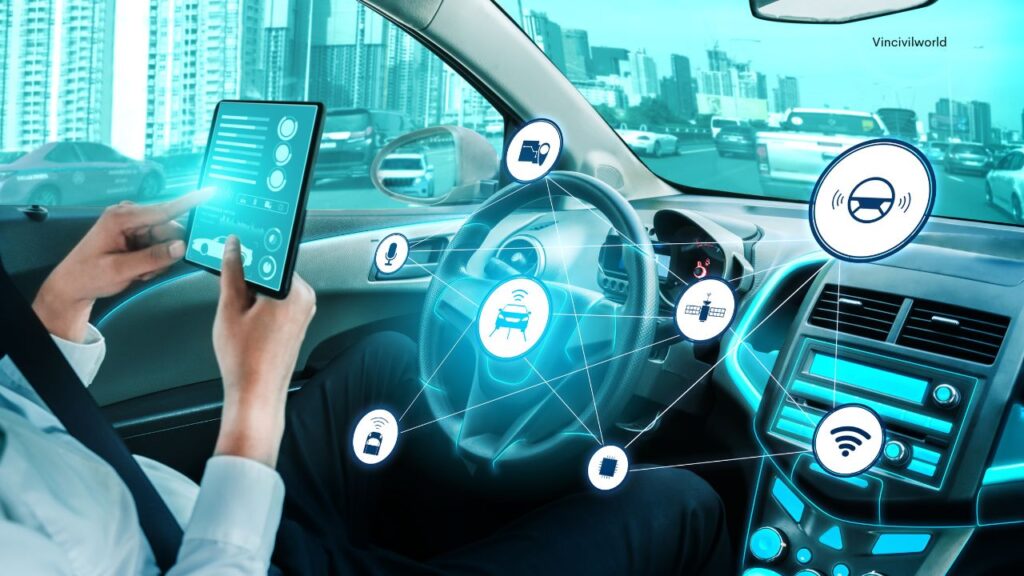
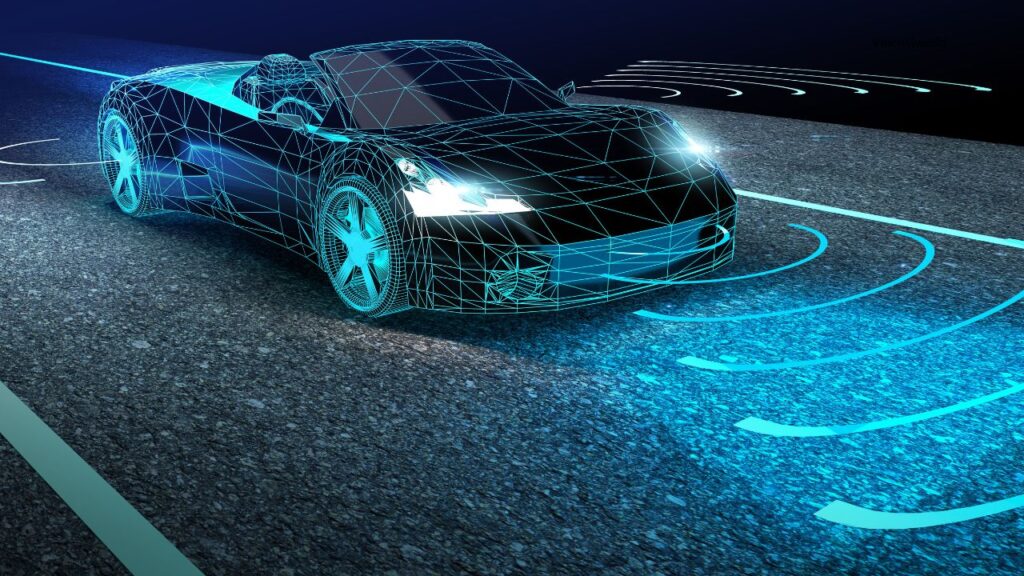
Self-driving cars use sensors to detect their surroundings and actuators to control their movement. They rely on complex algorithms to make decisions based on the sensor data. Machine learning helps improve these decisions over time. Powerful processors handle large amounts of data quickly to ensure safe navigation.

To drive on their own, autonomous vehicles use:

Sensors in self driving cars

Sensors in self-driving cars detect and interpret their surroundings effectively. They utilize technologies such as radar, cameras, and lidar to sense nearby vehicles, pedestrians, road markings, and traffic signals. These sensors continually gather data, thereby creating a detailed map of the car’s environment. This capability enables the vehicle to navigate safely and make informed decisions based on real-time information.

Actuators of self driving cars

Actuators are parts that turn the car’s control system decisions into actions. In self-driving cars, actuators control steering, acceleration, and braking. They get instructions from the car’s computer, which processes sensor data. Actuators make sure the car responds correctly to its surroundings, keeping it safe and efficient on the road.

Complex algorithms

Self-driving cars make decisions using complex algorithms. These algorithms analyze data from sensors to understand the environment and make real-time decisions. They consider road conditions, traffic patterns, and obstacles. Advanced algorithms use machine learning to improve decision-making based on past experiences and data.

Machine-learning systems

Machine-learning systems in self-driving cars help them get better over time. These systems use algorithms that learn from data and experience without needing to be explicitly programmed. They analyze large amounts of sensor data to find patterns, predict outcomes, and improve driving behavior. Machine learning helps self-driving cars adapt to different driving conditions and situations, making them safer and more efficient.

Powerful processors

Self-driving cars use powerful processors to handle the large amount of data from sensors and algorithms. These processors quickly perform calculations and make decisions in real-time. They combine data from different sensors, run complex algorithms, and send commands to actuators quickly and accurately. This allows for safe and reliable autonomous driving.

Applications of Self driving cars / vehicles

Here’s a look at how self-driving and automated technologies are used in different industries and applications:

Self driving cars

Transportation

Autonomous vehicles are revolutionizing personal transport with self-driving cars and public transportation systems. Freight transportation is also benefiting from automated trucks that enhance efficiency and safety in logistics.

Logistics

Self-driving trucks and drones are transforming logistics by enabling precise and efficient delivery of goods. Automated warehouses are using robotics to optimize inventory management and order fulfillment processes.

Delivery Services

Autonomous vehicles and drones are being integrated into delivery services to provide faster and more accurate deliveries, reducing costs and improving customer satisfaction.

Personal Mobility

Urban areas are adopting autonomous taxis and ride-sharing services, offering convenient and cost-effective transportation options for residents and visitors alike.

Agriculture

Autonomous vehicles are revolutionizing agriculture with precision farming techniques, automated planting, monitoring, and harvesting processes that optimize crop yields and reduce labor costs.

Healthcare

Autonomous robots are being utilized in healthcare for tasks such as patient care, logistics within hospitals, and delivery of medical supplies, enhancing efficiency and reducing human error.

Public Safety

Autonomous surveillance systems and emergency response vehicles are enhancing public safety by providing real-time monitoring, rapid response capabilities, and improved disaster management.

These advancements highlight the diverse applications and significant impacts of autonomous technologies across various sectors.

What are the challenges with self driving cars?

Fully autonomous (Level 5) vehicles are being tested in various locations around the world, but none are yet open to the general public. We’re still a long way from getting there. The challenges range in nature from technical to legislative to environmental and philosophical. Listed below are a few of the unknowns.

Lidar Interference

Lidar systems emit laser pulses to detect objects and measure distances. Consequently, if multiple autonomous vehicles equipped with lidar share the same lane, there’s a potential for interference between their signals. As a result, this interference can affect the accuracy of object detection and distance measurement, ultimately impacting the safety and reliability of autonomous driving systems.

Frequency Range

The frequency range allocated for lidar sensors is crucial because it ensures that autonomous vehicles can operate effectively without interference from other devices or vehicles using similar frequencies. Therefore, ensuring an adequate and standardized frequency range is essential for mass-producing autonomous vehicles and seamlessly integrating them into everyday traffic scenarios.

Safety Concerns of Self driving cars

Self-driving cars must adeptly navigate diverse traffic scenarios and react to unforeseen events without human intervention. Key challenges involve ensuring the seamless operation of sensors such as lidar, radar, and cameras across all environmental conditions, mitigating software glitches, and refining algorithms for precise interpretation of complex situations. Addressing these concerns is paramount to attaining safety standards that surpass those achieved by human drivers.

Regulatory Hurdles

Establishing consistent regulations is challenging due to different laws across regions and countries. Regulations must cover liability in accidents involving self driving cars, safety standards for vehicle testing and deployment, and operational guidelines. Similarly, harmonizing these regulations is vital for a smooth transition to widespread use of self-driving cars.

Ethical Dilemmas

Programming vehicles to make ethical decisions in unforeseen circumstances, such as choosing between minimizing harm to occupants or pedestrians in an accident. This however, raises significant moral questions. Resolving these dilemmas requires consensus on ethical frameworks and public acceptance of the decisions made by autonomous systems.

Technological Limitations

Overcoming technological barriers involves improving sensor reliability in adverse weather and lighting conditions. This is done by enhancing software capabilities to handle diverse driving environments. Generally this is achieved by robust communication between vehicles and infrastructure (V2X communication). However, Advancements in these areas are essential for increasing the reliability and effectiveness of self-driving technology.

Public Acceptance

Building trust among the public is crucial. Addressing concerns about safety, privacy, and the reliability of autonomous technology is essential. However, this requires transparent communication, education campaigns, and demonstrating the benefits of self-driving cars in reducing accidents and improving traffic flow.

Cybersecurity Risks

As vehicles become more interconnected and reliant on digital systems, cybersecurity threats become more significant. However, protecting self-driving cars from hacking, unauthorized access to vehicle controls, and data breaches is essential for ensuring passenger safety. It also helps prevent malicious attacks that could compromise vehicle operation and passenger privacy.

Addressing these challenges requires collaboration among governments, technology developers, and the public. This collaboration is essential to create a regulatory environment that fosters innovation while ensuring safety and ethical standards are met.

Weather Conditions

Self-driving cars face significant challenges in adverse weather conditions such as heavy rain or snow. Basically, Lidar, cameras, and sensors can be obstructed or affected by water, oil, ice, or debris, leading to impaired visibility and reduced detection of lane markers and obstacles. This can impact the vehicle’s ability to navigate safely and accurately.

Traffic Conditions and Laws

There are several ongoing concerns regarding self-driving cars in varying traffic conditions and legal frameworks:

  • Navigating tunnels and bridges remains challenging due to differing structures and conditions that may not be fully understood or accommodated by autonomous systems.
  • Handling rush-hour traffic and lane-specific rules, such as carpool lanes, poses challenges that require robust decision-making capabilities and adherence to local traffic laws.
  • Coexistence with older vehicles lacking autonomous capabilities raises issues of compatibility, communication, and safety standards on shared roads.

State vs. Federal Regulation

The regulatory landscape for autonomous vehicles in the U.S. is evolving, with shifts from federal guidelines to state-level mandates. Specific issues include:

  • Varied regulations across states, including proposed taxes on autonomous vehicle miles and requirements for zero-emission vehicles and panic buttons.
  • Challenges in interstate travel and consistency of regulations, potentially complicating operations and deployment across different jurisdictions.
  • Legal requirements for fully autonomous Level 5 vehicles, which lack traditional controls like steering wheels, raising concerns about emergency responses and passenger safety protocols.

Benefits of self driving cars

Reduce Traffic Congestion:

This benefit is plausible because self-driving cars could potentially reduce congestion through improved traffic flow, coordination, and efficient routing.

Cut Transportation Costs

A reduction of 40% in costs (vehicles, fuel, infrastructure) seems optimistic and would depend on various factors such as adoption rates, operational efficiencies, and infrastructure investments.

Improve Walkability and Livability

Self-driving cars could potentially contribute to improved urban design by reducing the need for parking spaces and promoting mixed-use development.

Enable Alternative Use of Parking Lots

This benefit assumes that reduced parking demand due to autonomous vehicles could free up space for other community uses.

Reduce Urban CO2 Emissions

A reduction of 80% in CO2 emissions worldwide is a highly ambitious target and would require widespread adoption of electric autonomous vehicles and significant changes in transportation practices globally.

While these benefits are theoretically possible, achieving them would depend on technological advancements, regulatory frameworks, infrastructure changes, and societal acceptance. However, it’s important to consider ongoing developments and research in this field to assess the feasibility and real-world impact of these potential benefits.

Future of self driving cars

The future of self-driving cars holds promise and challenges alike. As technology advances, autonomous vehicles are expected to become more reliable and widespread. This may potentially transform urban mobility, transportation logistics, and personal travel. Key advancements in AI, sensor technology, and connectivity will likely drive their evolution, making them safer and more efficient than human-driven vehicles. However, significant hurdles remain, including regulatory frameworks, ethical considerations, cybersecurity risks, and public acceptance. Overcoming these challenges will be crucial for realizing the full potential of self-driving cars. Despite these obstacles, the continuous innovation and investment in autonomous vehicle technology suggest a future where self-driving cars play a significant role in reshaping transportation systems globally.

Conclusion

In conclusion, the future of self-driving cars holds immense potential to revolutionize transportation and urban mobility while also presenting formidable challenges. The ongoing advancements in artificial intelligence, sensor technology, and connectivity are paving the way for safer, more efficient autonomous vehicles that could significantly reduce traffic accidents and congestion. However, achieving widespread adoption requires addressing critical issues such as regulatory frameworks that ensure safety and fairness, overcoming technological limitations in diverse environments, and building public trust in autonomous systems.

Ethical considerations regarding decision-making in unexpected situations and cybersecurity risks also demand careful attention. Despite these complexities, ongoing research, development, and collaborative efforts across industries and governments offer promising pathways forward. The evolving landscape of self-driving cars promises not only enhanced convenience and accessibility but also potential environmental benefits through reduced emissions and optimized urban planning.

As we navigate towards a future with self-driving cars, it’s essential to foster innovation while prioritizing safety, ethical standards, and inclusive public policies that ensure equitable access to the benefits of autonomous technology.