All posts by Vinod Gopinath

Understanding the Importance of Quality Welding Equipment

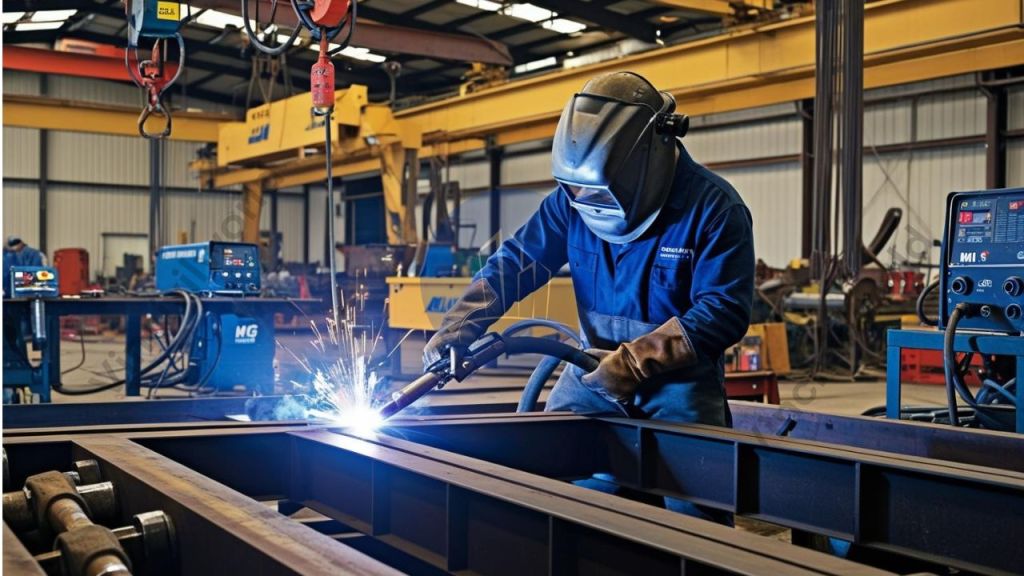
Welding is a critical process in various industries, including construction, manufacturing, automotive, and aerospace. The integrity of welded structures directly impacts the safety, durability, and performance of the final products. Therefore, selecting high-quality welding equipment is essential for achieving reliable and precise welds. To get the best results, it’s crucial to rely on reputable suppliers like The Edge WA, which provides a wide range of premium welding tools and accessories.

Ensuring Safety and Reliability

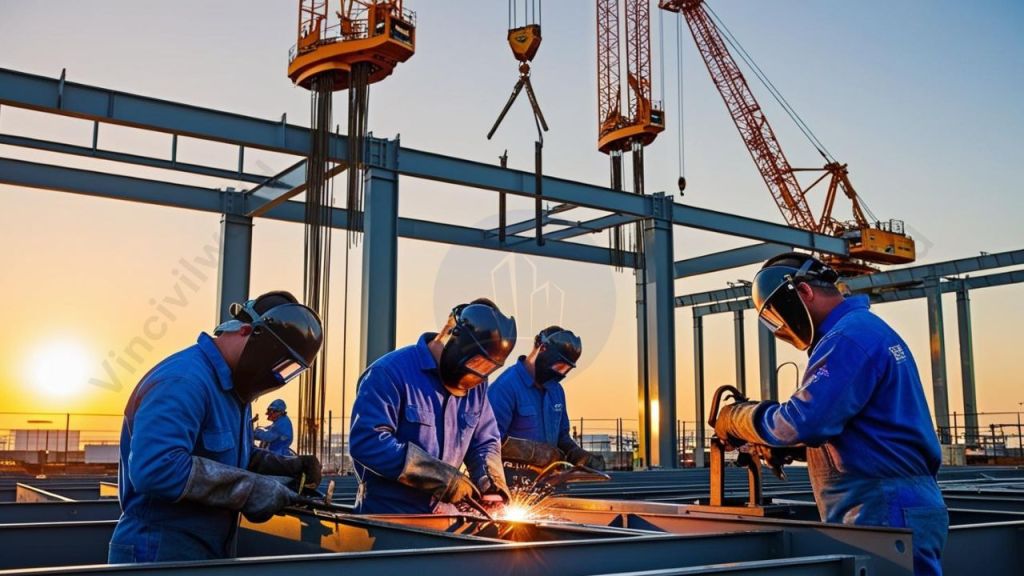
Quality welding equipment significantly enhances safety in the workplace. Welding involves high temperatures, electrical currents, and potentially hazardous fumes, making it a dangerous task if not handled properly. High-quality equipment is designed with advanced safety features such as automatic shut-off mechanisms, stable power sources, and efficient ventilation systems. These features minimize the risk of accidents and injuries, ensuring that welders can work with confidence and focus on the task at hand.

Image credit

Moreover, reliable welding equipment reduces the likelihood of equipment failure during critical operations. Inferior tools are prone to breakdowns, which can cause delays, increase costs, and compromise the quality of the welds. Investing in top-tier welding machines and accessories means fewer interruptions and more consistent results, contributing to the overall efficiency and productivity of the project.

Achieving Precision and Quality

The precision of the welding process is paramount, especially in industries where structural integrity is non-negotiable. High-quality welding equipment ensures accurate control over the welding parameters, such as voltage, current, and speed. This precise control is vital for producing strong, defect-free welds that meet industry standards and specifications.

For instance, advanced welding machines come with features like pulse welding, which allows for better control over the heat input, reducing the risk of distortion and improving the appearance of the weld. These machines also often include programmable settings that enable welders to save and recall specific configurations for repetitive tasks, ensuring uniformity and precision across multiple welds.

Enhancing Efficiency and Productivity

Using superior welding equipment can significantly boost efficiency and productivity. High-quality machines are typically more powerful and faster, enabling welders to complete tasks more quickly without sacrificing quality. This increased speed translates to higher output and shorter project timelines, which is particularly beneficial in high-demand industries like automotive manufacturing and construction.

Additionally, premium welding equipment often requires less maintenance and has a longer lifespan compared to cheaper alternatives. This durability means less downtime for repairs and replacements, allowing welders to maintain a steady workflow. Over time, the initial investment in quality equipment pays off through reduced maintenance costs and increased operational efficiency.

Adapting to Technological Advances

The welding industry is continuously evolving, with new technologies and techniques emerging to improve the welding process. Quality welding equipment is designed to adapt to these advancements, offering compatibility with the latest tools and technologies. For example, modern welding machines are often equipped with digital interfaces that provide real-time feedback and diagnostics, helping welders monitor their performance and make necessary adjustments on the fly.

Furthermore, many high-end welding machines are now compatible with automation systems, such as robotic welders. These systems can perform repetitive welding tasks with high precision and speed, further enhancing productivity and consistency. Investing in cutting-edge welding equipment ensures that businesses stay competitive and are able to leverage the latest technological developments in the industry.

Reducing Costs in the Long Run

Image credit

While the initial cost of high-quality welding equipment may be higher, it often leads to significant cost savings in the long run. Reliable equipment reduces the risk of errors and rework, which can be costly in terms of materials, labor, and time. Additionally, the durability and longevity of premium welding tools mean fewer replacements and lower maintenance expenses over time.

For instance, a top-quality welding machine that operates efficiently and consistently will use less energy, contributing to lower operational costs. Energy efficiency is an important consideration in industries with high power consumption, as it directly impacts the overall profitability of the business. By choosing quality equipment, companies can achieve better financial outcomes through improved efficiency and reduced wastage.

Meeting Industry Standards and Compliance

Adhering to industry standards and regulations is crucial for any business involved in welding. Quality welding equipment is designed to meet or exceed these standards, ensuring that the welds produced are safe, reliable, and compliant with industry requirements. This compliance is particularly important in sectors such as aerospace, automotive, and construction, where the consequences of substandard welds can be severe.

Using certified equipment from reputable suppliers like The Edge WA helps businesses avoid potential legal and financial repercussions associated with non-compliance. It also builds trust with clients and stakeholders, demonstrating a commitment to quality and safety.

Supporting Skilled Workforce Development

The availability of high-quality welding equipment is also vital for the development of a skilled workforce. Modern welding machines often come with advanced features and capabilities that require proper training and expertise to operate effectively. By providing access to top-tier equipment, businesses can attract and retain skilled welders who are proficient in using the latest technologies.

Additionally, investing in quality tools supports ongoing training and professional development programs. Welders can refine their skills and stay updated with industry advancements, leading to continuous improvement in the quality of work. This focus on skill development not only enhances individual performance but also contributes to the overall reputation and success of the business.

Ensuring Customer Satisfaction

Ultimately, the use of quality welding equipment directly impacts customer satisfaction. High-quality welds that meet or exceed expectations build trust and loyalty among clients. Whether it’s a robust structure in a construction project or a precisely manufactured automotive part, the quality of the welds plays a crucial role in the performance and durability of the final product.

Satisfied customers are more likely to return for future projects and recommend the business to others, leading to increased opportunities and growth. Investing in premium welding equipment is, therefore, an investment in the future success of the business.
Non-destructive Testing Meets Nanotechnology: Exploring Innovations and Applications

Introduction

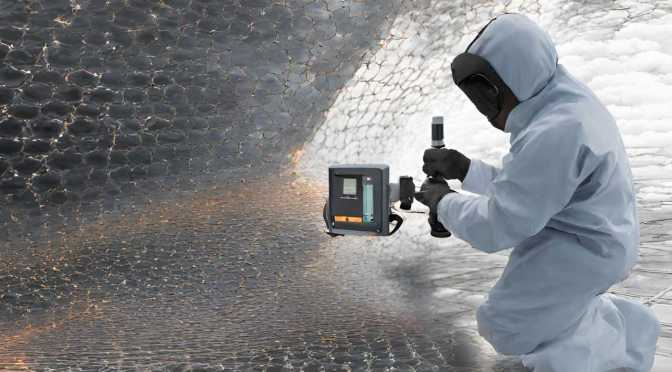
Non-destructive testing (NDT) has long been a cornerstone in ensuring the integrity and safety of structures, components, and materials across various industries. As technology advances, the integration of nanotechnology into NDT has opened up new frontiers, offering unprecedented levels of precision, sensitivity, and efficiency. This article provides an overview of the convergence of non-destructive testing and nanotechnology, exploring the innovative techniques, applications, and potential impact on diverse sectors.

Non-destructive Testing (NDT)

Non-destructive testing encompasses a range of techniques designed to evaluate the properties of materials without causing damage. These methods are crucial for identifying defects, assessing structural integrity, and ensuring the reliability of critical components. Traditional NDT methods include ultrasonic testing, radiography, magnetic particle testing, and eddy current testing. While these methods have proven effective, the marriage of NDT and nanotechnology is poised to revolutionize the field.

Non Destructive Testing

Nanotechnology in NDT

Nanotechnology involves manipulating materials at the nanoscale, typically at dimensions of less than 100 nanometers. When applied to NDT, nanotechnology brings a wealth of advantages, including enhanced sensitivity, improved resolution, and the ability to detect defects at a microscopic level. Here are key ways in which nanotechnology is making an impact in non-destructive testing.

Enhanced Imaging Resolution

Nanomaterials, such as nanoparticles and nanocomposites, enable the development of advanced imaging agents. These agents, when incorporated into NDT methods like radiography or magnetic resonance imaging, enhance resolution and provide detailed insights into the internal structure of materials.

Sensitivity Improvement

Nanoscale sensors and probes enhance the sensitivity of NDT techniques. For instance, nano sensors can be employed in ultrasonic testing to detect minute defects or irregularities that may go unnoticed with conventional sensors. This heightened sensitivity contributes to early defect detection and prevention.

Functional Nanomaterials

Functional nanomaterials, like carbon nanotubes or quantum dots, are employed to tailor specific properties for NDT applications. Carbon nanotubes, for example, can be used in sensors to improve conductivity and responsiveness, making them valuable for detecting flaws in materials.

Smart Coatings

Nanotechnology enables the development of smart coatings that respond to external stimuli, such as changes in temperature or stress. These coatings, when applied to surfaces, can reveal hidden defects or structural changes, providing real-time data during operation without disrupting the material’s integrity.

Smart coating - Nano Technology

    Applications of Nanotechnology in NDT

    The incorporation of nanotechnology into non-destructive testing has resulted in a myriad of applications across diverse industries. Some notable areas where this synergy is making a significant impact include:

    Aerospace Industry

    In the aerospace sector, where the demand for lightweight yet robust materials is critical, nanotechnology aids in identifying defects at the nanoscale. This ensures the integrity of components like aircraft wings and fuselage, contributing to overall safety and efficiency.

    Medical Imaging

    In the field of medical imaging, the use of nanomaterials enhances the resolution of diagnostic tools. Nanoparticles can be employed as contrast agents in techniques like magnetic resonance imaging (MRI) or ultrasound, allowing for more accurate and detailed medical assessments.

    Materials Science and Manufacturing

    Nanotechnology plays a pivotal role in materials science and manufacturing, where the detection of microscopic defects is crucial. Whether assessing welds in construction materials or inspecting microelectronics in manufacturing processes, nanotechnology-driven NDT ensures the quality and reliability of products.

    Oil and Gas Industry

    In the oil and gas sector, nanotechnology aids in the inspection of pipelines and critical infrastructure. Nano sensors can detect corrosion or structural weaknesses in real-time, preventing potential disasters and optimizing maintenance schedules.

      Challenges and Future Directions

      While the integration of nanotechnology into NDT holds immense promise, there are challenges that researchers and industries must address. Ensuring the scalability and cost-effectiveness of nanotechnology-driven NDT methods, as well as addressing potential environmental and health concerns related to nanomaterials, are crucial aspects.

      The future of NDT with nanotechnology is likely to witness further innovations, including the development of autonomous nanorobots for in-situ inspections and the application of artificial intelligence to analyze complex nanoscale data. As research progresses, the synergy between non-destructive testing and nanotechnology will continue to redefine the boundaries of material inspection and quality assurance.

      Conclusion

      The convergence of non-destructive testing and nanotechnology represents a paradigm shift in how we assess the integrity of materials and structures. Nanotechnology’s ability to operate at the molecular and atomic levels brings unprecedented precision and sensitivity to NDT methods, ensuring early defect detection and contributing to enhanced safety across industries. As research and development in this field advance, the innovative applications of nanotechnology in NDT are poised to reshape industry standards, making material inspection more reliable, efficient, and technologically sophisticated.

      Understanding the Uses and Benefits of Heavy Duty Steel Trestles

      Finding the right solution for your heavy-duty load-bearing tasks can sometimes feel like a daunting mission. Yet, help is at hand with the effective and comprehensive option of heavy-duty steel trestles. This article aims to serve as an informative guide to understanding heavy duty trestles, their uses, and benefits.

      heavy duty steel trestle

      Image credit

      In the wider sphere of construction, a trestle is referred to as the framework consisting of a horizontal beam supported by two pairs of sloping legs. Steel trestles specifically possess commendable robustness and resilience, which makes them ideal for intensive industrial applications. When we delve into the realm of heavy-duty steel trestles, we are introduced to remarkable strength and a higher load-bearing capacity. 

      A heavy-duty steel trestle not just stands as a symbol of strength and durability but also promotes high functionality in various applications. They can support substantial weight, thereby acting as a perfect solution for various tasks that require load-bearing.

      Uses of Heavy-Duty Steel Trestles

      1. Versatile Utility Across Industries

      Image credit

      Heavy-duty steel trestles serve as indispensable tools in various industries, demonstrating their adaptability in fields ranging from construction and mining to automotive and heavy industries. Their primary function is to provide robust support for a multitude of applications, including scaffolds, formwork structures, pipes, containers, machinery, and even bridges. This versatility allows them to cater to diverse needs beyond mere structural support, making them valuable assets in the industrial landscape.

      2. Assisting Assembly and Disassembly

      These steel trestles go beyond static support roles by actively participating in the assembly and disassembly processes within manufacturing units. They facilitate tasks such as equipment setup, component assembly, and maintenance activities. Additionally, their utility extends to tasks like painting structures, where they provide temporary support to workers, ensuring safe and accessible work surfaces for painting and coating applications.

      3. Customization for Specific Requirements

      One of the standout features of heavy-duty steel trestles is their customizability. They can be adjusted and tailored to meet specific project requirements, which enhances their adaptability and broadens their scope of applications. This customization capability ensures that they can effectively support a wide range of industrial and construction-related tasks, making them a versatile solution.

      4. Temporary Work Platforms at Construction Sites

      Construction sites often employ heavy-duty steel trestles to create temporary elevated work platforms. These platforms offer elevated workspaces for construction workers while allowing unobstructed movement beneath them. By providing such elevated spaces, steel trestles promote a more efficient workflow at construction sites, improving accessibility and contributing to streamlined construction procedures.

      5. Promoting Safety and Efficiency

      The use of heavy-duty steel trestles at construction sites enhances both safety and efficiency. They offer a secure and stable work environment for tasks conducted at heights, reducing the risk of accidents. Simultaneously, the ability to create temporary work platforms ensures that workers can efficiently access elevated areas, boosting overall productivity and expediting construction processes. Their adaptability, durability, and role in enhancing workplace safety make them a valuable asset in a wide range of industrial and construction scenarios.

      Benefits of Heavy-Duty Steel Trestles

      1. Exceptional Load-Bearing Capacity

      Heavy-duty steel trestles have many benefits in addition to their excellent load-bearing capacity. They can withstand even the most demanding working conditions thanks to their inherent strength and tough structure, which makes them incredibly resistant to wear and tear. Their longevity is increased by their durability, which also guarantees that they can constantly satisfy the requirements of heavy-duty applications.

      2. Unrivaled Corrosion Resistance

      Heavy-duty steel trestles exhibit remarkable resistance to corrosion and rust, making them impervious to the detrimental effects of weather elements. This unique attribute positions them as the go-to choice for tasks in all weather conditions and outdoor projects. Moreover, their non-corrosive nature significantly reduces maintenance costs and effort, providing a cost-effective and hassle-free solution.

      3. Safety and Dependability

      From a safety perspective, heavy-duty steel trestles are invaluable assets. Their unwavering stability and unwavering rigidity make them reliable tools for a wide range of critical applications. These trestles are engineered to ensure the safety of workers and to provide a secure platform for various tasks, instilling confidence in their performance and safeguarding workers in demanding environments.

      4. Versatile and Essential

      Heavy-duty steel trestles emerge as essential and versatile tools across diverse industries. They are designed to endure the rigors of heavy-duty applications while consistently delivering commendable performance. Their relatively long lifespan, coupled with their inherent ruggedness and safety features, renders them a highly worthwhile investment for any project or industry, guaranteeing durability and reliability for the long haul.

      Final Thoughts

      Heavy-duty steel trestles are an all-in-one solution for all your heavy-duty load-bearing tasks. They amalgamate strength, durability and functionality, solidifying their status as invaluable assets in the realm of industrial and construction operations. Whether you run a construction, mining, or manufacturing business, understanding the benefits and uses of these trestles can contribute to streamlining your operations and reducing overhead costs. The adaptability and versatility they offer makes them worth considering for your business.

      Top Skills for Success in the Defence Engineering Contracting Industry

      If you plan to carve a niche in the defence engineering contracting industry, knowing the top skills required for success is crucial. In this dynamic and expanding field, technical understanding meets strategic thinking. Employers and clients are increasingly demanding a holistic skill set, including exceptional technical knowledge, effective communication abilities, proficient project management, a keen eye for innovative solutions, and engineering contractor expertise.

      Image credit

      The defence industry deals with high-stakes projects where the product delivered – be it a piece of equipment, infrastructure, or a strategic plan – can ultimately have significant national security implications. Therefore, the value of a diverse skill set in this field cannot be understated. Below are some of the most sought-after skills in defence engineering contracting.

      1. Technical Proficiency

        Any engineering contractor’s expertise begins with their technical capability. It is the backbone of their professional offering and forms the starting point of their value proposition. Whether it’s mechanical, electrical, civil, or any other sub-discipline of engineering, a solid foundation and extensive knowledge are crucial. This technical understanding extends to computer-based applications used in the industry, from CAD and CAM systems to project management softwares.

        Advancements in technology are continually changing the landscape of defence engineering. Getting used to adopting new technical tools and updating existing skills is crucial for success. Engineers who keep learning and improving their skills will stay ahead of the curve in the contracting industry.

        2. Strategic Thinking

        In the realm of defence, the application of a strategic mindset to engineering projects is paramount, complementing technical prowess. Predicting potential outcomes and making well-informed decisions under high-pressure situations are skills of immeasurable importance in ensuring the success of defence initiatives. Moreover, this strategic thinking is not confined solely to the battlefield but extends into vital areas like assessing and mitigating risks, meticulously planning logistics to ensure timely deployment, and conducting astute financial analyses to optimize resource allocation. In essence, strategic thought underpins the very foundation of effective defence operations, ensuring that every facet of a mission is meticulously planned and executed to achieve its objectives while minimizing risks and maximizing efficiency.

        3. Communication Skills

        Effective communication stands as a cornerstone within the defence engineering contracting industry. These engineers perform a pivotal role by serving as intermediaries between builders, designers, and clients, adeptly translating intricate technical details into comprehensible terms. Beyond their technical responsibilities, they must engage in contract negotiations, skillfully manage team dynamics, and present their ideas persuasively. These multifaceted interactions demand not only exceptional communication skills but also the capacity to tailor messages precisely to suit different audiences. In essence, proficiency in communication is the linchpin that enables defence engineers to navigate the complexities of their industry successfully, facilitating collaboration, understanding, and ultimately, the successful execution of critical projects.

        4. Project Management

        Effective communication stands as a cornerstone within the defence engineering contracting industry. These engineers perform a pivotal role by serving as intermediaries between builders, designers, and clients, adeptly translating intricate technical details into comprehensible terms. Beyond their technical responsibilities, they must engage in contract negotiations, skillfully manage team dynamics, and present their ideas persuasively. These multifaceted interactions demand not only exceptional communication skills but also the capacity to tailor messages precisely to suit different audiences. 

        5. Innovation and Creativity

        In the defence industry, one frequently encounters distinctive challenges that demand innovative and unconventional solutions. A defence engineering contractor’s capacity to break free from traditional paradigms and think creatively is a substantial asset in this field. By fostering a culture of out-of-the-box thinking, these professionals can uncover fresh approaches and craft novel solutions that can address the industry’s ever-evolving and unique problems. In essence, embracing creativity and innovation becomes a cornerstone for success in the defence industry, allowing contractors to adapt and respond effectively to the dynamic and complex nature of defence-related challenges.

        6.The Link Between Technical Expertise and Soft Skills

        There’s a prevailing misconception that the technical skills of engineers surpass their soft skills. However, the defence engineering contractor expertise sheds a different light on this. While technical proficiency is crucial, the ability to communicate effectively, manage projects, and strategize are equally important. These skills can only be cultivated through years of experience and interactive learning.

        Staying ahead in the dynamic field of Defence Engineering involves constant upskilling and an openness to learn and adapt. While these skills provide a general indication of what is expected in the industry, individual job descriptions may vary. A multi-skilled approach will always put a defence engineering contractor in good stead, ensuring a successful career in this demanding but rewarding field.

        Final Thoughts

        The top skills for success in the defence engineering contracting industry include technical proficiency, strategic thinking, excellent communication, adept project management, and the capacity for innovation and creativity. Cultivating these qualities will prepare an individual for the challenges and opportunities in this industry, thereby paving the way for a successful career.

        Structural Steel Fabrication – Stages and Applications

        Structural steel fabrication is a process that involves bending, cutting, and shaping steel components. It also includes assembling these components to create industrial and residential structures. Structural steel fabrication has a very high strength-to-weight ratio. Because of this versatility and flexibility, engineers use structural steel fabrication extensively in various industrial, residential and commercial projects.

        Structural steel fabrication involves the process of transforming raw steel into usable components for construction projects. Structural steelwork fabricators follow a series of stages to ensure precision, from design to installation. The fabricated steel structures are used in various applications, including bridges, buildings, and industrial facilities. The fabrication of steel structures requires attention to detail and quality control to meet the highest standards. This work plays a crucial role in the development of durable, reliable infrastructure.

        In this blog, let me walk you through the Advantages, Processes and applications of structural steel fabrication works. Here we go.

        1. Structural steel fabrication – Stages and procedures
          1. Ideation and shop drawings/fabrication drawings
          2. Material preparation for structural fabrication
            1. Material selection and inspection
            2. Cutting, bending and drilling of steel
          3. Welding of structural steel
          4. Engraving and assembly
          5. Conveying for erection
        2. Inspection and Quality Control
        3. Advantages of structural steel fabrication
        4. Applications of structural steel
        5. Conclusion

        Structural steel fabrication – Stages and procedures

        Structural steel fabrication involves multiple stages and requires highly skilled manpower. The training of manpower is essential for transforming raw materials into precise engineering structures. In the following sections, I will show you the processes involved in structural steel fabrication works and the involvement in crafting the structures.

        Structural steel fabrication work involves the detailed process of transforming raw steel into components for building structures. Skilled structural steelwork fabricators perform various stages to create fabricated steel structures.

        • Creating Shop drawings /fabrication drawings
        • Material preparation for structural fabrication
        • Cutting, bending and drilling of steel
        • Welding of structural steel
        • Engraving and assembly

          Each stage is crucial to the successful completion of structural steelwork fabrication projects.

          Ideation and shop drawings/fabrication drawings

          In the first stage of structural steel fabrication works the major processes involve ideating, blueprinting, and creating shop drawings. During this phase, the team conceptualizes the design and prepares detailed plans and drawings. We use software to create blueprint drawings, taking into account requirements, code compliance, and specifications. Blueprints and shop drawings ensure the design is proper. They provide accurate information like dimensions, connections, and other specifications required for fabricating the structure.

          Accurate and precise ideation, blueprints, and shop drawings are crucial. They greatly influence the quality of any structural fabrication work. They are also critical for its speed.

          structural steel fabrication
          structural steel fabrication work
          structural steel fabrication work

          Material preparation for structural fabrication

          Material preparation for structural steel fabrication work involves selecting steel components. It also involves cutting and preparing them. This ensures precision and quality in fabricating steel structures by skilled fabricators. The preparation of raw steel for structural fabrication involves the following stages:

          a) Material selection and inspection

          b) Cutting, bending, drilling

          Material selection and inspection

          We perform the material selection on the basis of project requirements and specifications. This step typically includes selecting the appropriate grade of material. It involves conducting requisite raw material quality checks before using it for work.

          Material Inspection for Structural Steel Fabrication works
          Material Inspection for Structural Steel Fabrication works

          Cutting, bending and drilling of steel

          The cutting stage encompasses the precise cutting of raw material into accurate sizes as per the shop drawings. Mostly, cutting is done with the help of various techniques. This includes sawing, which involves using a saw blade. Shearing uses specialized machinery to make straight cuts. Advanced techniques include plasma cutting, laser cutting, or water jets. Generally, these processes take place in a fabrication shop/factory. However, the shearing process is limited to small and miscellaneous structural members.

          During the bending stage, the structural steel undergoes deformation to the required shape and angles. We mainly employ rolling machines or press breaks in this process. Generally, there are five common methods of bending structural steel. This includes rolling, incremental bending, hot bending, rotary-draw bending, and induction bending. Fabrication of curved or angled structures requires bending.

          Drilling of structural steel for fabrication work
          Drilling of structural steel for fabrication work
          Drilling of structural steel for fabrication work

          Drilling of structural steel provides precise holes in structural members. This is generally done with the help of drill presses or specialized drilling machines. Drilling is basically done for bolted components.

          Welding of structural steel

          Welding involves creating a variety of welds to join structural steel components. The process uses heat and pressure to produce continuous joints. Mostly, the welding process follows different stages:

          The welding process starts with cleaning the surface and ensuring that any dirt and other impurities are not there. The next process is the fit where we assemble and align the steel sections as per shop drawings. Basically, this ensures an accurate fit-up for welding. On completion of the fit-up, we start the structural welding process.

          Welding of structural steel
          Welding of Structural Steel for fabrication works
          Welding of Structural Steel for fabrication works

          Structural welding is done in any of the two methods. The heat from an electric arc, laser, or other welding methods is applied to melt the steel edges, forming a molten pool. Filler Material such as welding wire or rod, is added to the molten pool to strengthen the weld. The molten pool cools, solidifies, and forms a continuous bond between the steel components.

          Common types of welding used in structural steel fabrication include:

          Engraving and assembly

          Engraving in structural steel fabrication involves etching or inscribing markings, identification codes, or specific details onto the steel components. Specialized engraving tools or laser engraving machines perform this step.

          Assembly is the final stage. In this stage, we combine the fabricated steel components to create the completed structure. This is often done through welding, bolting, or riveting. These steps ensure proper identification, alignment, and secure connections, contributing to the structural integrity and functionality of the steel assembly.

          Conveying for erection

          The fabricated members are conveyed to the area of erection where these members are erected and aligned according to the drawings.

          Inspection and Quality Control

          Inspection and quality control ensure that each component meets industry standards for strength, precision, and durability. Specialists check weld integrity, measurements, and alignment to confirm that the steel structure is sound and compliant. This stage involves using non-destructive testing (NDT) techniques. Techniques like ultrasonic or radiographic testing detect flaws within the metal without causing damage. Rigorous quality checks help avoid structural failures, supporting structural steel fabrication work of the highest standard.

          Advantages of structural steel fabrication

          Structural steel fabrication offers a wide variety of advantages,

          1. High Strength and Durability: Structural steel possesses excellent strength-to-weight ratio and durability, providing long-lasting and resilient structures.
          2. Design Flexibility: Steel fabrication allows for versatile and customizable designs, accommodating complex architectural and engineering requirements.
          3. Fast Construction: Prefabrication of Steel components enables efficient and speedy on-site assembly, reducing construction time and costs.
          4. Structural Integrity: Steel’s inherent properties ensure structural integrity, capable of withstanding heavy loads, seismic forces, and extreme weather conditions.
          5. Sustainability: Steel is recyclable and reusable, reducing environmental impact and promoting sustainability in construction projects.
          6. Cost-Effective: Steel fabrication offers cost efficiencies due to faster construction, reduced labor requirements, and minimized maintenance needs.
          7. Precision and Quality: Since steel fabrication takes place under controlled conditions, it ensures high precision, quality, and dimensional accuracy.
          8. Fire Resistance: Steel is non-combustible and can withstand high temperatures, enhancing fire resistance and safety.
          9. Adaptability: Generally, steel structures give the option for easy modification, expansion, or retrofitting to accommodate future changes or renovations.
          10. Aesthetic Appeal: Steel’s sleek and modern appearance provides architectural versatility and visually appealing structures.

          These advantages contribute to structural steel fabrication’s widespread use and popularity in various construction projects.

          Applications of structural steel

          Structural fabricated construction mainly has the following applications

          • High-rise buildings
          • Industrial Buildings
          • Residential Buildings
          • Parking Garages and multilevel parking
          • Bridges

          Shall we wrap up?

          Conclusion

          In this blog, we saw the advantages, processes and applications of structural steel fabrication works. I hope you found it insightful. In case of any queries, please feel free to ask in the comments.

          Happy Learning.


          Terrazzo Flooring – Types, applications and Advantages

          Terrazzo flooring is a stunning and durable option for residential and commercial spaces. It combines marble, quartz, granite, or glass chips with a cement or epoxy binder to create a unique and elegant surface. Terrazzo floors offer endless design possibilities, with various colours, patterns, and finishes available. With its timeless appeal, durability, and low maintenance, terrazzo flooring is a popular choice for those seeking a beautiful, long-lasting solution.

          Terrazzo flooring incorporates a mix of materials such as marble, quartz, granite, or glass chips, creating a visually striking and versatile floor. Its popularity stems from its exceptional durability, easy maintenance, and ability to be customized to suit any aesthetic, making it a preferred choice for architects and designers.

          1. Terrazzo flooring – Types and ingredients
            1. Epoxy Terrazzo Flooring
              1. Advantages and applications of Epoxy terrazzo flooring
            2. Traditional terrazzo or cementitious Terrazzo Flooring
          2. Advantages of Epoxy Terrazzo Flooring over Cementitious Terrazzo Floor
          3. Advantages of Terrazzo Flooring
          4. Conclusion

          Terrazzo flooring – Types and ingredients

          Terrazzo flooring comes in various types, each offering unique characteristics and aesthetic appeal. From traditional and Venetian to epoxy and rustic, here are some common terrazzo flooring types to explore.

          1. Traditional Terrazzo: This type uses a cement binder mixed with marble, quartz, or other aggregates. They provide a classic and timeless look.
          2. Epoxy Terrazzo: Instead of cement, epoxy resin is used as the binder. Epoxy terrazzo offers greater design flexibility, durability, and a smoother finish.
          3. Venetian Terrazzo: Originating from Italy, Venetian Terrazzo features a polished finish and intricate patterns. These patterns are created by embedding various colourful marble chips in a cement binder.
          4. Rustic Terrazzo: This type showcases a more textured and natural appearance. They often incorporate larger aggregate chips for a rustic, earthy aesthetic.
          5. Aggregate Terrazzo: It consists of a single type of aggregate, such as recycled glass or marble chips, mixed with a binder, resulting in a uniform and minimalist design.
          6. Monolithic Terrazzo: This refers to terrazzo that is poured on-site without any precast or separate installation. It offers seamless, continuous flooring with endless design possibilities.

          These are just a few examples, as terrazzo flooring can be customized to meet specific design preferences. This allows for an extensive range of variations and combinations.

          Epoxy Terrazzo Flooring

          Epoxy terrazzo flooring is a popular choice known for its durability, versatility, and seamless finish. It utilizes an epoxy resin binder mixed with aggregates like marble, quartz, or glass chips, creating a highly customizable surface. Epoxy terrazzo is resistant to stains, chemicals, and moisture, making it ideal for high-traffic areas and contemporary design schemes.

          terrazzo floor
          terrazzo floor

          Advantages and applications of Epoxy terrazzo flooring

          Epoxy terrazzo floor offers several advantages and finds wide applications in various settings. Its seamless finish eliminates grout lines, making maintenance easier and preventing dirt and bacteria build-up. It is highly durable, resistant to stains, chemicals, and impact. Epoxy terrazzo’s versatility allows for limitless design possibilities, including intricate patterns and vibrant colours. It is commonly used in commercial spaces like airports, hospitals, schools, and retail stores. They are also used in residential projects, due to its aesthetic appeal and long-lasting performance.

          Traditional terrazzo or cementitious Terrazzo Flooring

          Cementitious terrazzo flooring comes in various types, each offering unique characteristics. Common types include Venetian terrazzo, which features intricate patterns and colourful marble chips; rustic terrazzo, known for its textured and natural appearance; and aggregate terrazzo, using a single type of aggregate like recycled glass or marble chips for a minimalist design. These variations allow for a wide range of aesthetic options to suit different preferences.

          Monolithic terrazzo refers to terrazzo flooring that is poured on-site without separate installation or precast elements. It provides a seamless and continuous surface, allowing for unlimited design possibilities and a visually cohesive look.

          Advantages of Epoxy Terrazzo Flooring over Cementitious Terrazzo Floor

          Here is a comparison between epoxy terrazzo flooring and cementitious terrazzo flooring:

          1. Durability: Epoxy terrazzo has superior chemical and stain resistance, making it more resistant to wear and tear compared to cementitious terrazzo.
          2. Design Versatility: Epoxy terrazzo offers a wider range of design possibilities, including vibrant colours, intricate patterns, and decorative effects, whereas cementitious terrazzo has more limited options.
          3. Seamless Finish: Epoxy terrazzo provides a seamless finish without grout lines, making it easier to clean and maintain compared to cementitious terrazzo.
          4. Installation Time: Epoxy terrazzo has a faster installation process, as it requires less curing time compared to cementitious terrazzo.
          5. Cost: Epoxy terrazzo tends to be more cost-effective than cementitious terrazzo, depending on the complexity of the design and project size.

          It’s important to consider specific project requirements and design preferences when choosing between epoxy terrazzo and cementitious terrazzo flooring.

          Terrazzo floor

          Advantages of Terrazzo Flooring


          Terrazzo floor offers several advantages over other popular flooring choices:

          1. Durability: Terrazzo is highly durable and long-lasting, surpassing materials like laminate, vinyl, or carpet.
          2. Design Options: Terrazzo provides endless design possibilities with customizable colours, patterns, and aggregates, unlike the limited options of hardwood or tile.
          3. Low Maintenance: Terrazzo requires minimal maintenance, with easy cleaning and resistance to stains and scratches, unlike carpet or natural stone.
          4. Sustainability: Terrazzo is eco-friendly, often using recycled materials and reducing waste, making it a greener choice compared to some floor options.
          5. Versatility: Terrazzo can be used both indoors and outdoors, accommodating various spaces, while materials like carpet or hardwood may have limited outdoor usage.
          6. Allergen Reduction: Unlike carpet, terrazzo does not trap allergens and is hypoallergenic, promoting a healthier indoor environment.
          7. Longevity: Terrazzo has a long lifespan, exceeding the durability of materials like laminate or vinyl, offering a cost-effective solution over time.

          Terrazzo’s unique blend of durability, aesthetic appeal, low maintenance, and sustainability make it stand out among popular flooring choices.

          Terrazzo floor

          Conclusion

          Terrazzo flooring is a versatile, durable, and visually striking option for both residential and commercial spaces. With its timeless appeal and low maintenance, terrazzo floor offers a long-lasting and elegant solution for any design aesthetic.