Category Archives: Technological Advancement

BIM -Building Information Modeling |Revolutionizing Construction

BIM, or Building Information Modeling, transforms construction and engineering projects by integrating data for planning, design, construction, and management. This comprehensive approach improves project visualization and coordination, making decision-making easier and reducing risks. In this blog, we’ll delve into the essential software components of BIM, including 3D modeling, data management, and collaborative tools.

We will explore the modeling process and how BIM allows accurate digital representations of buildings and infrastructure. We will also discuss the various benefits of BIM, such as increased project efficiency, improved collaboration among stakeholders, and better resource utilization. Furthermore, we will look at real-world applications of BIM models across industries, including architecture, engineering, construction, and facility management. Additionally, we will highlight popular BIM software tools and examine emerging trends shaping the future of construction technology.

What is BIM Software?

BIM software integrates data for planning, design, construction, and management of buildings and infrastructure. It creates 3D models that simulate construction processes and lifecycle management. Consequently, this software improves collaboration among architects, engineers, and contractors, thereby enhancing project efficiency. Moreover, it allows real-time updates and data sharing, ensuring all stakeholders work with current information.

BIM software enables visualization of building components and systems before construction begins. It includes tools for cost estimation, scheduling, and clash detection to prevent errors. Additionally, the software supports sustainable design practices by analyzing energy usage and environmental impact.

Furthermore, BIM enhances communication through visual representations and virtual walkthroughs. This facilitates decision-making based on accurate, detailed information. Moreover, BIM software evolves with technological advancements, incorporating cloud computing and mobile accessibility. Consequently, this fosters flexibility and accessibility across project teams and locations. Overall, BIM software transforms traditional construction processes by digitizing workflows and optimizing project outcomes.

Building Information Modeling: How It Works

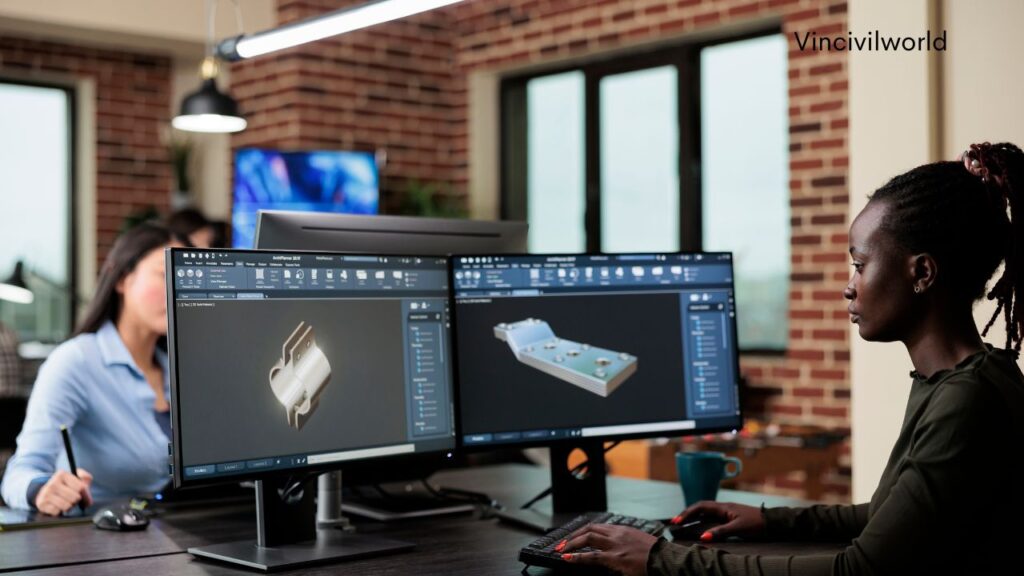
Building Information Modeling (BIM) begins with collecting project data and requirements. Architects, engineers, and contractors then work together to create a digital 3D model of the building or infrastructure, encompassing architectural, structural, and MEP systems. BIM software allows for detailed information to be added to model elements, including dimensions, materials, and performance characteristics. As the model progresses through different design and development stages, it integrates input from various disciplines for coordination and clash detection.

Changes and updates are made in real-time across the model. BIM facilitates simulations for analyzing construction sequences and logistics, supports visualization of project phases and milestones, and serves as a central database for project information and documentation. BIM models aid in cost estimation, scheduling accuracy, and improving project efficiency while reducing risks during construction. They foster better communication among project stakeholders and enhance client understanding through visual representation and virtual walkthroughs. BIM modeling transforms how construction projects are planned, designed, and executed with enhanced precision and collaboration.

Understanding BIM Models/Objects

BIM models are digital representations of entire buildings or infrastructure projects, including architectural, structural, and MEP (mechanical, electrical, plumbing) components.

BIM objects are individual elements in BIM models, like doors, windows, and equipment. They include detailed information such as dimensions, materials, and performance characteristics.

Both BIM models and objects facilitate accurate project visualization, collaboration among stakeholders, and efficient management of construction data.

Benefits of Building Information Modeling

BIM has many advantages in construction and engineering. It improves coordination, reduces errors, and enhances decision-making, making it a valuable addition to your projects.

  • BIM improves project coordination and efficiency with precise digital representation.
  • It improves collaboration among stakeholders with real-time data sharing.
  • BIM reduces errors and clashes during design and construction phases.
  • It facilitates better decision-making with detailed cost, schedule, and performance information.
  • BIM supports sustainability by analyzing energy use and environmental impact early in design.
  • It enhances construction quality and safety by simulating construction sequences and identifying risks.
  • BIM serves as a centralized repository for project information, aiding documentation and facility management.

These benefits streamline workflows, reduce costs, and significantly improve project outcomes.

How Building Information Modelling Can Help You

BIM, or Building Information Modeling, offers numerous advantages for construction projects. It streamlines processes, enhances collaboration, and improves decision-making. Here are some key ways BIM can help you:

  • Improve project coordination and collaboration.
  • Integrate data from all project stages.
  • Reduce errors and enhance decision-making.
  • Provide detailed visualizations to identify and resolve issues early.
  • Aid in better project planning and scheduling.
  • Support cost estimation and budget management.
  • Promote sustainability by analyzing energy use and environmental impact.
  • Enable real-time data sharing to keep all stakeholders informed.
  • Enhance overall project efficiency.
  • Reduce risks and improve the quality of construction projects.

These benefits make BIM an invaluable tool for the construction industry.

How Building information Modeling can help you.

Applications of Building Information Modeling

BIM, or Building Information Modeling, has wide-ranging applications across the construction and engineering industries. It enhances project efficiency, improves collaboration, and supports sustainable practices. Here are some key applications of BIM

  • Design Visualization: Create 3D models to visualize the project and design elements before construction.
  • Construction Planning: Optimize construction sequences and logistics for better efficiency and resource management throughout the project lifecycle.
  • Cost Estimation: Provide accurate cost estimates and manage budgets by integrating data from various project stages and elements.
  • Facility Management: Support maintenance and operations with detailed and up-to-date building data for better facility management.
  • Sustainability Analysis: Analyze energy use and environmental impact to promote sustainable design and construction practices.
  • Clash Detection: Identify and resolve conflicts between architectural, structural, and MEP systems before construction starts, preventing costly errors.
  • Structural Analysis: Perform structural simulations and load assessments to ensure the integrity and safety of building designs.
  • Project Coordination: Enhance collaboration among architects, engineers, and contractors by enabling real-time data sharing and communication.
  • Safety Management: Improve site safety with risk simulations and safety planning integrated into the construction process.
  • Documentation: Centralize project documentation and manage data efficiently, ensuring easy access and updates for all stakeholders.
BIM ( BUILDING INFORMATION MODELING)

BIM in Different Industries

BIM, or Building Information Modeling, is revolutionizing multiple industries by improving efficiency, collaboration, and project results. In architecture and construction, BIM enables detailed 3D modeling, enhancing design accuracy and visualization. It also simplifies project planning, cost estimation, and construction management, reducing errors and delays.

In engineering, BIM combines data from different disciplines to improve coordination among structural, mechanical, electrical, and plumbing systems. This integration results in more efficient designs and makes it easier to detect potential clashes.

BIM brings improved project management to the infrastructure industry, benefiting roads, bridges, tunnels and industrial structures. It enhances planning, construction, and maintenance processes, ensuring projects are completed on time and within budget.

In real estate, BIM helps with property management by offering detailed building data and enhancing maintenance. It also promotes sustainable building practices by analyzing energy efficiency and environmental impact.

Manufacturing industries use BIM for designing and managing production facilities. It enables better layout planning and integration of complex systems, increasing productivity and reducing operational costs.

Healthcare facilities benefit from BIM by improving design and management of hospitals and clinics, optimizing space utilization, enhancing patient flow, and supporting maintenance and operations.

Overall, BIM’s application across different industries revolutionizes traditional processes, enhances collaboration, and delivers better project outcomes.

Overall, BIM’s application across different industries revolutionizes traditional processes, enhances collaboration, and delivers better project outcomes.

Building Information Modeling (BIM) software tools are essential for modern construction and engineering projects, improving efficiency and collaboration. Some popular BIM software tools include:

Autodesk Revit

One of the most widely used BIM tools, Revit supports multi-disciplinary design processes easily. It enables architects, engineers, and contractors to collaborate within a single, integrated model. Additionally, Revit provides robust tools for 3D modeling, clash detection, and comprehensive construction documentation.

Navisworks

Navisworks is utilized for project review and coordination. It integrates with different design tools to offer a comprehensive view of project data. The software is highly effective for clash detection, 4D simulation, and project scheduling.

ArchiCAD

Developed by Graphisoft, ArchiCAD is known for its user-friendly interface and powerful design capabilities, making it popular in the architecture community. It allows architects to create detailed 3D models and supports collaborative workflows.

Tekla Structures

This software is well-known for its strong structural engineering features, enabling users to create detailed 3D models of steel and concrete structures. It covers the entire construction process from design to fabrication.

Bentley Systems

Bentley provides BIM tools like MicroStation and OpenBuildings Designer, widely used in infrastructure projects for detailed design and analysis. These tools support collaboration across disciplines and ensure project accuracy.

Vectorworks

Vectorworks provides comprehensive tools for design and BIM workflows. It is suitable for various disciplines, including architecture, landscape, and entertainment design. The software integrates 2D and 3D design capabilities, making it versatile for different project needs.

Autodesk BIM 360

This cloud-based BIM tool enhances project collaboration by providing a platform for data sharing and management. It supports project coordination, document management, and construction field management, ensuring that all stakeholders have access to the latest project information.

These BIM software tools enhance project efficiency, improve coordination, and ensure the accuracy of construction projects. They are essential for modern construction and engineering workflows.

The future of BIM is being shaped by emerging trends that greatly enhance its capabilities and broaden its applications. One major trend is the integration of artificial intelligence (AI) and machine learning, which can automate complex tasks, optimize designs, and predict project outcomes with greater accuracy and efficiency. Furthermore, advancements in cloud-based BIM platforms are revolutionizing project collaboration by enabling real-time data sharing and effective coordination among stakeholders.

Future Trends in BIM

The growing use of cloud-based BIM platforms enables real-time collaboration among stakeholders, regardless of location, which enhances efficiency and decision-making.

The use of augmented reality (AR) and virtual reality (VR) in BIM is increasing. These technologies allow immersive project visualization and interactive design reviews, leading to higher stakeholder engagement and fewer errors.

Sustainability is a key focus, with BIM tools increasingly incorporating environmental impact analysis. This supports greener building practices and compliance with sustainability standards.

Finally, the integration of BIM with Internet of Things (IoT) devices is on the rise. IoT sensors provide real-time data on building performance, providing better facility management and maintenance.

These trends highlight BIM’s increasing role in creating smarter, more efficient, and sustainable construction practices.

Potential Challenges or Limitations of BIM

Challenges of Implementing BIM:

  1. High Initial Costs: Using BIM requires a lot of money for software, hardware, and training, which can be hard for smaller companies.
  2. Learning Curve: People who are used to traditional methods may find it difficult and time-consuming to learn BIM tools and processes.
  3. Data Management: Handling large amounts of data from BIM models requires strong data management, which can be complex and resource-intensive.
  4. Interoperability Issues: Different BIM software tools may not work well together, causing potential issues with data compatibility and collaboration.
  5. Resistance to Change: Some professionals may not want to use BIM because they prefer traditional ways of working and don’t like changing how they do things.
  6. Legal Challenges: Figuring out who owns, is responsible for, and has rights to BIM data can lead to legal problems and complications.
  7. Maintenance and Updates: Keeping BIM software up to date and working well requires ongoing resources and commitment.
  8. Stakeholder Collaboration: Getting everyone involved to work together effectively is really important for BIM to succeed, but it can be hard to coordinate efforts and communicate well.

Key Takeaways

Building Information Modeling (BIM) transforms construction and engineering projects by integrating data for planning, design, construction, and management. It improves visualization, collaboration, and decision-making while reducing risks and errors. BIM is used in architecture, engineering, infrastructure, real estate, manufacturing, and healthcare, offering benefits such as improved coordination, resource utilization, and sustainable practices. Popular tools include Revit, Navisworks, ArchiCAD, Tekla Structures, Bentley Systems, Vectorworks, and Autodesk BIM 360. Emerging trends in BIM, such as AI, cloud-based platforms, AR/VR, sustainability, and IoT integration, are shaping its future.

Conclusion

Building Information Modeling (BIM) is revolutionizing the construction and engineering industries by digitizing workflows and optimizing project outcomes. It offers a comprehensive approach to project management, from design and planning to construction and maintenance. Advanced technologies such as AI, machine learning, AR, and VR enhance BIM’s capabilities, leading to more efficient projects and reduced risks. While there are high initial costs and a need for substantial training and data management, the benefits of BIM in improving collaboration, reducing errors, and promoting sustainable practices are significant. As the industry evolves, BIM’s role in creating smarter, more efficient, and sustainable construction practices will become more prominent. Embracing BIM and staying updated on its trends and advancements can result in significant improvements in project outcomes and industry innovation.

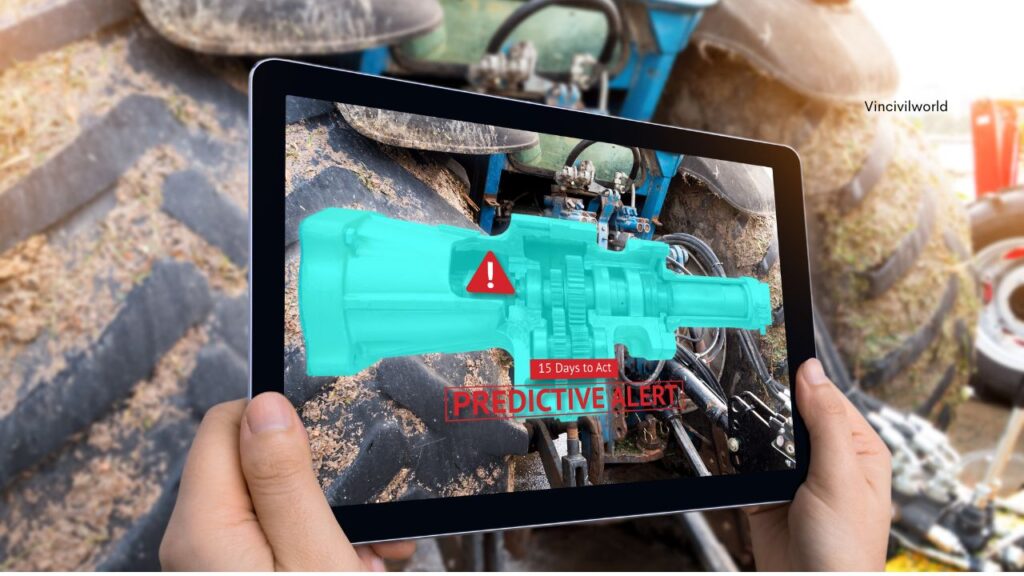
Augmented Reality in Construction |Benefits, Challenges, and Devices

Augmented reality (AR) enhances our real world by adding digital images, sounds, and text to our surroundings. Unlike virtual reality (VR), which immerses users in a purely digital environment. AR blends digital elements with the physical world, allowing interaction with both simultaneously.

In this blog, we’ll explore what augmented reality means, a comparison of augmented reality vs virtual reality, and its applications in construction and other areas. Additionally, we’ll discuss how AR works, the types of AR technologies available, and the devices used. Specifically, we’ll highlight how AR improves construction processes , enhancing project planning, improving design accuracy, and aiding on-site operations. Despite its benefits, AR faces challenges like user adaptation and technical complexity.

Understanding these differences helps us see the real distinction between augmented reality and virtual reality. It also allows us to imagine how augmented reality can change construction and enhance our daily lives.

Augmented Reality Meaning

Augmented reality (AR) enhances how we see the real world by adding digital content like images, videos, sounds, and text onto physical environments instantly. Consequently, this digital content blends seamlessly with what users see through devices like smartphones, tablets, or AR glasses. Unlike virtual reality (VR), which creates entirely new worlds, augmented reality enriches the existing environment by adding extra information and virtual objects.

Augmented reality

To achieve this, augmented reality uses advanced technology. It relies on computer vision to recognize and interpret the real world. Additionally, it uses spatial mapping to place digital elements accurately in the environment. Augmented reality is used in many fields, such as entertainment, gaming, healthcare, education, retail, and manufacturing and construction.

In practical terms, augmented reality allows users to interact with digital information overlaid onto physical objects or places. For example, in retail, augmented reality enables virtual try-ons of clothing and shows how furniture looks in a room before buying it. In education, Mixed reality creates interactive learning experiences by overlaying educational content onto textbooks or real-world objects. Consequently, students can engage with the material in a more dynamic and immersive way. Furthermore, it makes learning more engaging by adding information directly onto real objects or pages. Overall, augmented virtuality enhances our experience of the world by seamlessly blending digital and physical realities.

How Augmented Reality Works

Augmented reality (AR) uses advanced technology to add digital elements to the real world. It starts with cameras and sensors in devices like smartphones and AR glasses. These devices capture the real world and track movements. Next, AR uses computer vision to understand and interpret the captured images. This process helps the device recognize objects and environments.

Additionally, AR relies on spatial mapping. This technology allows digital elements to be placed accurately in the real world. For instance, it can put a virtual chair in your living room. AR also uses graphics and sound to create a seamless experience. Powerful processors in devices ensure everything runs smoothly.

Moreover, AR applications are built using special software and tools. Developers create interactive and engaging AR experiences. With these technologies working together, Enhanced reality enriches our everyday lives.

Virtual Reality

Virtual reality (VR) is a technology that creates a simulated environment using computer technology. Generally, users wear VR headsets that display 3D images and videos, making them feel like they are immersed in a different world. VR relies on sensors and motion tracking to detect the user’s movements, thereby enabling interaction with the virtual environment. Consequently, this technology finds application in gaming, training simulations, and virtual tours. Unlike (AR), which overlays digital elements onto the real world, Virtual Reality replaces the real world entirely with a simulated one.

Augmented Reality vs. Virtual Reality

While comparing augmented Reality vs Virtual reality these following difference usually comes to us. Augmented Reality (AR) and Virtual Reality (VR) are transformative technologies that fundamentally change our perception of reality. Unlike VR, which immerses users in entirely simulated environments, AR enhances the real world by overlaying digital content, thereby enriching everyday experiences. In contrast, VR immerses users in simulated environments, replacing the real world entirely. Understanding these distinctions highlights their unique applications and impacts on various industries.

Augmented Reality (AR)

  • Adds digital elements (images, sounds, text) to the real world.
  • Users see these additions overlaid on their physical environment via smartphones or AR glasses.
  • Enhances real-world experiences with extra information or virtual objects seamlessly integrated into the user’s view.
  • Example: In retail, AR can display virtual furniture in a real room.

Virtual Reality (VR)

  • Creates a simulated environment through VR headsets.
  • Displays 3D images and videos that immerse users in a digital world.
  • Uses sensors for movement tracking, enabling interaction within the virtual environment.
  • Replaces the real world with a virtual one, offering experiences like virtual travel or immersive gaming.

Applications of Augmented Reality

Augmented Reality (AR) transforms industries and everyday tasks by blending digital content seamlessly into the real world.

Retail

Enables virtual try-ons and visualizes products in real environments for better purchasing decisions.

Healthcare

Facilitates surgical simulations and aids in visualizing veins and internal structures for precise procedures.

Education

Enhances learning with interactive content overlaid on textbooks and real-world objects.

Gaming

Provides immersive gaming experiences by overlaying virtual elements onto the real world.

Architecture, Structural Design and construction

Allows architects designers and engineers to preview virtual designs within real spaces for better planning.

Tourism

Guides tourists with AR-enhanced maps and virtual guides for interactive sightseeing.

Manufacturing

Improves efficiency with AR-guided assembly instructions and maintenance support.

Marketing and Advertising

Engages customers with interactive AR campaigns and virtual product experiences.

Navigation

Provides AR-based navigation systems for real-time directions and points of interest.

Entertainment

Enhances live events with AR effects and interactive elements for a more engaging audience experience.

Augmented reality in Construction

Augmented reality (AR) is revolutionizing the construction and real estate sectors by seamlessly merging digital information with physical environments. In construction, AR enhances project visualization by overlaying virtual models onto real-world sites, enabling architects and engineers to assess how proposed structures integrate into existing landscapes. This capability significantly improves design accuracy and facilitates early issue detection. This capability significantly improves design accuracy and facilitates early issue detection.

Augmented Reality (AR)

On construction sites, AR-equipped devices provide real-time guidance to workers through visual instructions and safety information directly in their field of view. This technology enhances efficiency by reducing errors and streamlining tasks, such as assembly and equipment operation. Moreover, AR ensures that workers have immediate access to critical information, enhancing productivity and safety across construction projects.

In the real estate sector, AR enables immersive property tours and visualizations. Prospective buyers can use AR applications on their smartphones or AR glasses to see virtual furniture in a space or visualize renovations before making decisions. This enhances customer engagement and accelerates sales processes by offering a clearer understanding of property potentials.

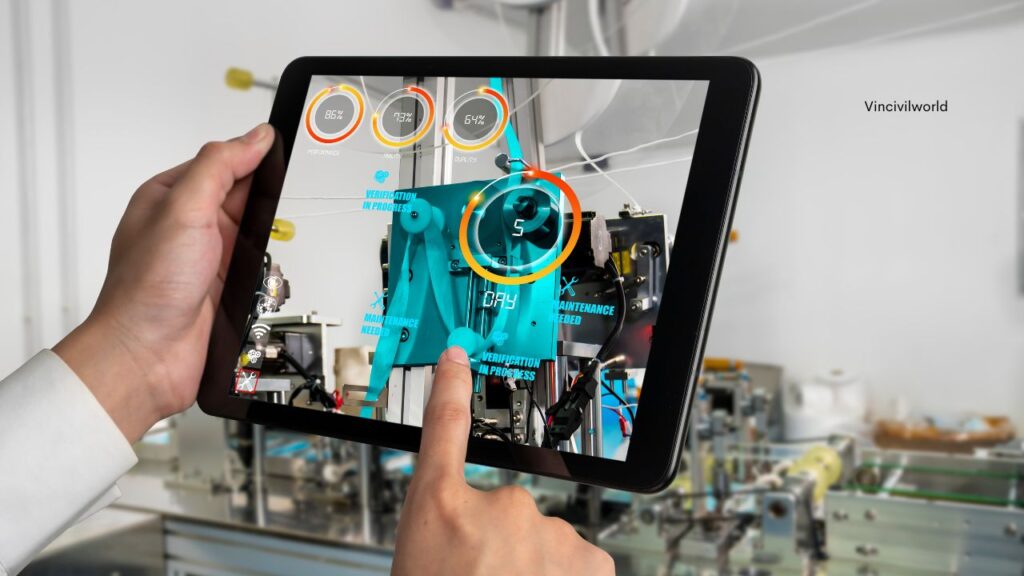
Moreover, AR integrated with Building Information Modeling (BIM) supports maintenance teams by overlaying digital data onto physical infrastructure. This aids in real-time monitoring, maintenance scheduling, and historical records, prolonging building lifespan and reducing operational costs.

Overall, AR enhances collaboration among stakeholders, improves project efficiency, and provides innovative solutions in both construction and real estate sectors. As technology advances, AR continues to revolutionize these industries by bridging the gap between digital design and physical implementation seamlessly.

Types of Augmented Reality

Augmented Reality (AR) encompasses several types that vary in how they overlay digital content onto the real world:

  1. Marker-based AR: Requires a specific visual marker, like a QR code, to trigger digital overlays. It’s commonly used in advertising and gaming.
  2. Markerless AR: Also known as location-based or GPS-based AR, it overlays digital content based on GPS or location data. Applications include navigation and tourism.
  3. Projection-based AR: Projects digital content onto physical surfaces. It’s used in retail for virtual try-ons and interactive displays.
  4. Superimposition-based AR: Replaces the real-world view with an augmented one, like trying on virtual clothes in real-time through a smartphone camera.
  5. Recognition-based AR: Uses object recognition to overlay digital content onto recognized real-world objects, enhancing educational experiences and industrial applications.

Each type enhances user interaction by blending digital elements seamlessly into their surroundings.

Devices Used in Augmented Reality

Augmented Reality (AR) utilizes a variety of devices to seamlessly integrate digital information into the physical world. Smartphones and tablets, being the most accessible options, leverage their cameras and AR-enabled apps to overlay digital content onto real-world scenes.

Generally, this capability enables users to interact with augmented content directly through their devices, enhancing everyday experiences ranging from gaming to educational applications. AR glasses, such as Microsoft HoloLens and Google Glass, offer a hands-free experience by projecting digital information directly into the user’s field of view. These glasses incorporate sensors and optics to track head movements and adjust virtual elements accordingly, providing an immersive AR experience.

Specialized AR headsets, like Magic Leap, enhance this immersion with spatial sound and precise 3D mapping. Basically, these features make them ideal for complex industrial applications and interactive experiences. As a result, these devices continue to evolve, expanding AR’s potential in gaming, education, healthcare, and industrial training.

Benefits of Augmented Reality

Augmented Reality (AR) offers significant benefits across different domains:

  1. Enhancing User Experience: AR enhances user interaction by overlaying digital content onto the physical world through devices like smartphones and AR glasses. This technology improves how users engage with products, services, and environments, creating immersive and personalized experiences.
  2. Improving Learning and Training: AR revolutionizes learning and training by providing interactive simulations and real-time guidance. It overlays educational content onto real-world objects, enabling hands-on learning experiences that enhance understanding and retention.
  3. Increasing Efficiency and Productivity: In industrial settings, AR boosts efficiency by providing workers with on-the-spot instructions, data visualizations, and remote assistance. This capability streamlines tasks such as maintenance, assembly, and inspection, reducing errors and downtime.

Overall, AR bridges the gap between digital information and physical environments, enhancing user engagement, learning outcomes, and operational efficiency across various sectors. Its versatile applications continue to redefine how we interact with technology and our surroundings.

Challenges and Limitations of Augmented Reality

Augmented Reality (AR) faces several challenges and limitations:

Technical Challenges

AR technology requires robust hardware and software integration for seamless user experiences. Issues such as latency, accurate spatial mapping, and real-time rendering pose technical hurdles that developers must continually address to ensure smooth operation and realistic overlays.

Privacy and Security Concerns

The integration of AR into everyday life raises significant privacy issues. AR devices collect and process large amounts of personal data, leading to concerns about data privacy, unauthorized access, and potential breaches. Safeguarding user information and ensuring secure AR interactions are critical challenges.

User Adoption and Accessibility

Despite its potential, widespread adoption of AR has been hindered by accessibility barriers and user acceptance. Costly hardware, complex interfaces, and the learning curve associated with new technology limit its accessibility to broader audiences. Educating users about AR benefits and addressing usability concerns are essential for increasing adoption rates.

Addressing these challenges requires collaboration among technology developers, regulators, and users to advance AR capabilities responsibly while ensuring privacy protection and enhancing user experiences.

The Future of Augmented Reality

Emerging Trends and Innovations in Augmented Reality (AR) are shaping its future:

Integration with 5G

The rollout of 5G networks will enhance AR experiences with faster speeds and lower latency, enabling real-time data processing and more immersive interactions.

Spatial Computing

Advances in spatial mapping and computer vision will allow AR to better understand and interact with physical spaces, improving accuracy and realism.

Wearable AR Devices

The development of lightweight, ergonomic AR glasses and headsets will make AR more accessible for everyday use, enhancing mobility and convenience.

AR in Healthcare

AR applications in surgery, medical training, and patient care are expanding, offering enhanced visualization and precision in procedures.

AR in Retail and Marketing

AR is transforming retail with virtual try-ons, interactive product demonstrations, and personalized shopping experiences, driving customer engagement and sales.

Predictions and Potential Developments

The future of augmented reality (AR) is poised for significant advancements. Predictions and potential developments in AR include improved integration with 5G, enhanced spatial computing, wearable AR devices, and broader applications in various industries, from healthcare to retail. These innovations promise to transform how we interact with and perceive the world around us.

Expanded Enterprise Adoption

More industries will adopt AR for remote collaboration, training, and maintenance, boosting productivity and reducing costs.

AR Cloud

Development of AR cloud platforms will enable persistent digital overlays across locations, supporting shared experiences and location-based services.

Artificial Intelligence Integration

AI will enhance AR capabilities with intelligent content recommendations, predictive analytics, and personalized user experiences.

Regulatory and Privacy Frameworks

As AR usage grows, there will be increased focus on regulatory frameworks to ensure data privacy, security, and ethical use.

Overall, AR’s evolution promises to revolutionize industries, enhance user experiences, and create new opportunities for innovation and growth.

Key Takeaways

Augmented Reality (AR) enriches real-world experiences by overlaying digital content onto physical environments, enhancing interaction and productivity across various sectors. As AR technology evolves, addressing challenges and embracing innovations will unlock its full potential, revolutionizing how we interact with technology and our surroundings.

Final Thoughts and Implications

The future of AR holds immense potential to transform industries, improve productivity, and revolutionize user interactions with technology. Advances in hardware, software, and integration with AI will drive AR’s growth, offering new opportunities for innovation and enhancing daily life and business operations.

Books, Articles, and Websites for Further Reading

For in-depth exploration of Augmented Reality (AR), consider:

  • “Augmented Reality: Principles and Practice” by Dieter Schmalstieg and Tobias Hollerer
  • Articles from IEEE Spectrum and MIT Technology Review
  • Websites like ARPost.com and ARInsider.com for the latest news and developments in AR technology.

Notable AR Companies and Projects

Key players in AR include Meta (formerly Meta Company), known for its AR glasses; Magic Leap, with its spatial computing platform; and Google’s ARCore and Apple’s ARKit, leading mobile AR frameworks. These companies drive innovation in AR applications across industries from gaming to enterprise solutions.

Self-Driving Cars: Working, Applications, and Challenges Explored

Self-driving cars, also known as autonomous vehicles (AVs), are revolutionizing transportation by operating without human intervention. They rely on sensors, cameras, AI, and sophisticated algorithms to navigate roads independently. Therefore, these vehicles promise safer travels, reduced traffic congestion, and improved accessibility for all.

In this blog, we’ll explore the fascinating world of self-driving cars. We’ll trace their evolution and dive into the technologies that make autonomous driving possible. The Society of Automotive Engineers (SAE) defines six levels of driving autonomy. Each level represents a progression in the vehicle’s ability to operate autonomously and manage driving tasks. You’ll discover how sensors, AI systems, and connectivity solutions are driving innovation in this field. We’ll also delve into the challenges, ethical considerations, leading companies, real-world applications, societal impacts, recent advancements. We’ll explore the future directions of self-driving cars as well. Join us on this journey into the future of transportation!

  1. Introduction to Vehicle Automation
  2. What are self driving cars?
  3. How do self driving cars work?
    1. Sensors in self driving cars
    2. Actuators of self driving cars
    3. Complex algorithms
    4. Machine-learning systems
    5. Powerful processors
  4. Applications of Self driving cars / vehicles
    1. Transportation
    2. Logistics
    3. Delivery Services
    4. Personal Mobility
    5. Agriculture
    6. Healthcare
    7. Public Safety
  5. What are the challenges with self driving cars?
    1. Lidar Interference
    2. Frequency Range
    3. Safety Concerns of Self driving cars
    4. Regulatory Hurdles
    5. Ethical Dilemmas
    6. Technological Limitations
    7. Public Acceptance
    8. Cybersecurity Risks
    9. Weather Conditions
    10. Traffic Conditions and Laws
    11. State vs. Federal Regulation
  6. Benefits of self driving cars
    1. Reduce Traffic Congestion:
    2. Cut Transportation Costs
    3. Improve Walkability and Livability
    4. Enable Alternative Use of Parking Lots
    5. Reduce Urban CO2 Emissions
  7. Future of self driving cars
  8. Conclusion

Introduction to Vehicle Automation

Vehicle automation includes technologies that let vehicles do tasks usually done by human drivers, such as steering, accelerating, and braking. These technologies also allow vehicles to make decisions on their own. This aims to make transportation safer, more efficient, and more convenient. By reducing human errors, automation can help decrease accidents. It also improves traffic flow, which is very important in busy cities like those in India where traffic congestion is a big issue.

Self Driving Cars

The development of automated technologies in vehicles has been slow but steady. It began with basic systems like cruise control, which keeps a constant speed without the driver always adjusting it. Advances in sensors, computers, and artificial intelligence have enabled vehicles to automatically adjust speed and stay in their lanes. These technological advancements are paving the way for more advanced features. Eventually, they will lead to fully self-driving cars that can navigate complex roads on their own.

What are self driving cars?

A self-driving car is designed to operate like a conventional vehicle, capable of performing all tasks typically handled by a human driver. According to the Society of Automotive Engineers (SAE), there are six levels of driving automation. These levels of autonomy range from Level 0, where the vehicle has no automation and requires full human control. Level 5 represents fully autonomous cars that can operate without any human intervention. Each level shows a step forward in how well the vehicle can control itself. It also indicates how it can handle different driving situations and interact with its surroundings on its own.

Let me walk you through the working, benefits, and challenges of autonomous cars.

How do self driving cars work?

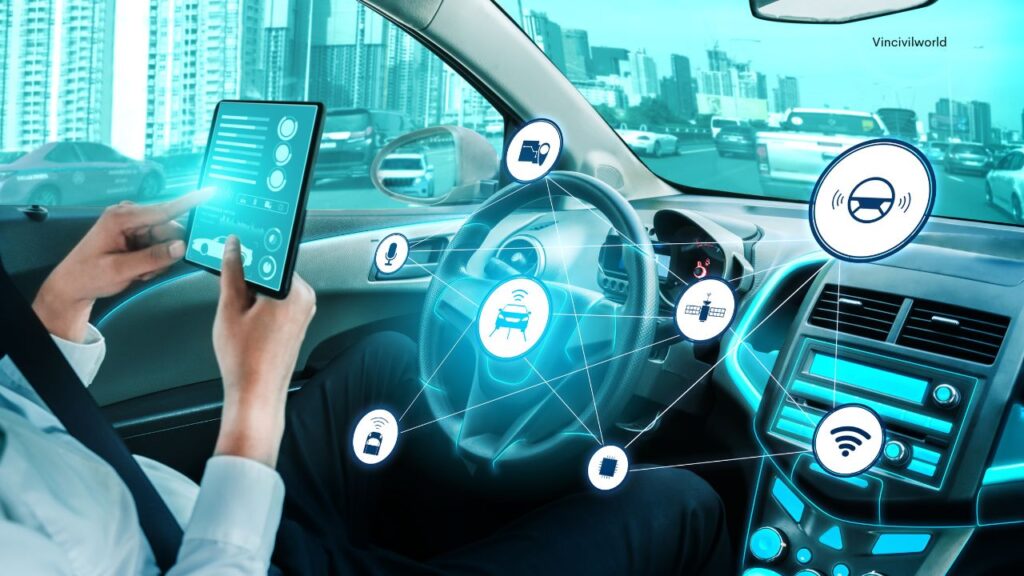
Self-driving cars use sensors to detect their surroundings and actuators to control their movement. They rely on complex algorithms to make decisions based on the sensor data. Machine learning helps improve these decisions over time. Powerful processors handle large amounts of data quickly to ensure safe navigation.

To drive on their own, autonomous vehicles use:

Sensors in self driving cars

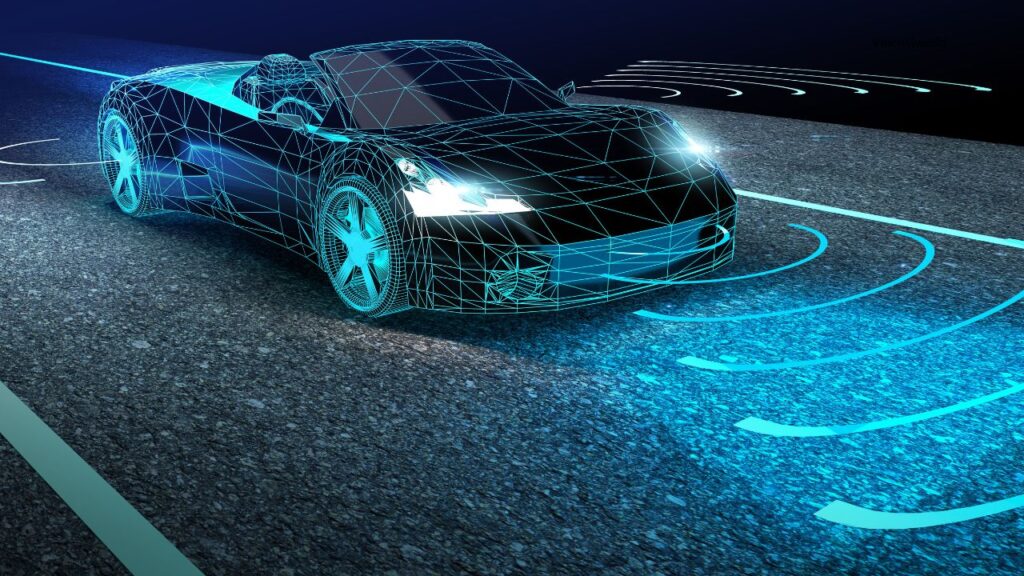
Sensors in self-driving cars detect and interpret their surroundings effectively. They utilize technologies such as radar, cameras, and lidar to sense nearby vehicles, pedestrians, road markings, and traffic signals. These sensors continually gather data, thereby creating a detailed map of the car’s environment. This capability enables the vehicle to navigate safely and make informed decisions based on real-time information.

Actuators of self driving cars

Actuators are parts that turn the car’s control system decisions into actions. In self-driving cars, actuators control steering, acceleration, and braking. They get instructions from the car’s computer, which processes sensor data. Actuators make sure the car responds correctly to its surroundings, keeping it safe and efficient on the road.

Complex algorithms

Self-driving cars make decisions using complex algorithms. These algorithms analyze data from sensors to understand the environment and make real-time decisions. They consider road conditions, traffic patterns, and obstacles. Advanced algorithms use machine learning to improve decision-making based on past experiences and data.

Machine-learning systems

Machine-learning systems in self-driving cars help them get better over time. These systems use algorithms that learn from data and experience without needing to be explicitly programmed. They analyze large amounts of sensor data to find patterns, predict outcomes, and improve driving behavior. Machine learning helps self-driving cars adapt to different driving conditions and situations, making them safer and more efficient.

Powerful processors

Self-driving cars use powerful processors to handle the large amount of data from sensors and algorithms. These processors quickly perform calculations and make decisions in real-time. They combine data from different sensors, run complex algorithms, and send commands to actuators quickly and accurately. This allows for safe and reliable autonomous driving.

Applications of Self driving cars / vehicles

Here’s a look at how self-driving and automated technologies are used in different industries and applications:

Self driving cars

Transportation

Autonomous vehicles are revolutionizing personal transport with self-driving cars and public transportation systems. Freight transportation is also benefiting from automated trucks that enhance efficiency and safety in logistics.

Logistics

Self-driving trucks and drones are transforming logistics by enabling precise and efficient delivery of goods. Automated warehouses are using robotics to optimize inventory management and order fulfillment processes.

Delivery Services

Autonomous vehicles and drones are being integrated into delivery services to provide faster and more accurate deliveries, reducing costs and improving customer satisfaction.

Personal Mobility

Urban areas are adopting autonomous taxis and ride-sharing services, offering convenient and cost-effective transportation options for residents and visitors alike.

Agriculture

Autonomous vehicles are revolutionizing agriculture with precision farming techniques, automated planting, monitoring, and harvesting processes that optimize crop yields and reduce labor costs.

Healthcare

Autonomous robots are being utilized in healthcare for tasks such as patient care, logistics within hospitals, and delivery of medical supplies, enhancing efficiency and reducing human error.

Public Safety

Autonomous surveillance systems and emergency response vehicles are enhancing public safety by providing real-time monitoring, rapid response capabilities, and improved disaster management.

These advancements highlight the diverse applications and significant impacts of autonomous technologies across various sectors.

What are the challenges with self driving cars?

Fully autonomous (Level 5) vehicles are being tested in various locations around the world, but none are yet open to the general public. We’re still a long way from getting there. The challenges range in nature from technical to legislative to environmental and philosophical. Listed below are a few of the unknowns.

Lidar Interference

Lidar systems emit laser pulses to detect objects and measure distances. Consequently, if multiple autonomous vehicles equipped with lidar share the same lane, there’s a potential for interference between their signals. As a result, this interference can affect the accuracy of object detection and distance measurement, ultimately impacting the safety and reliability of autonomous driving systems.

Frequency Range

The frequency range allocated for lidar sensors is crucial because it ensures that autonomous vehicles can operate effectively without interference from other devices or vehicles using similar frequencies. Therefore, ensuring an adequate and standardized frequency range is essential for mass-producing autonomous vehicles and seamlessly integrating them into everyday traffic scenarios.

Safety Concerns of Self driving cars

Self-driving cars must adeptly navigate diverse traffic scenarios and react to unforeseen events without human intervention. Key challenges involve ensuring the seamless operation of sensors such as lidar, radar, and cameras across all environmental conditions, mitigating software glitches, and refining algorithms for precise interpretation of complex situations. Addressing these concerns is paramount to attaining safety standards that surpass those achieved by human drivers.

Regulatory Hurdles

Establishing consistent regulations is challenging due to different laws across regions and countries. Regulations must cover liability in accidents involving self driving cars, safety standards for vehicle testing and deployment, and operational guidelines. Similarly, harmonizing these regulations is vital for a smooth transition to widespread use of self-driving cars.

Ethical Dilemmas

Programming vehicles to make ethical decisions in unforeseen circumstances, such as choosing between minimizing harm to occupants or pedestrians in an accident. This however, raises significant moral questions. Resolving these dilemmas requires consensus on ethical frameworks and public acceptance of the decisions made by autonomous systems.

Technological Limitations

Overcoming technological barriers involves improving sensor reliability in adverse weather and lighting conditions. This is done by enhancing software capabilities to handle diverse driving environments. Generally this is achieved by robust communication between vehicles and infrastructure (V2X communication). However, Advancements in these areas are essential for increasing the reliability and effectiveness of self-driving technology.

Public Acceptance

Building trust among the public is crucial. Addressing concerns about safety, privacy, and the reliability of autonomous technology is essential. However, this requires transparent communication, education campaigns, and demonstrating the benefits of self-driving cars in reducing accidents and improving traffic flow.

Cybersecurity Risks

As vehicles become more interconnected and reliant on digital systems, cybersecurity threats become more significant. However, protecting self-driving cars from hacking, unauthorized access to vehicle controls, and data breaches is essential for ensuring passenger safety. It also helps prevent malicious attacks that could compromise vehicle operation and passenger privacy.

Addressing these challenges requires collaboration among governments, technology developers, and the public. This collaboration is essential to create a regulatory environment that fosters innovation while ensuring safety and ethical standards are met.

Weather Conditions

Self-driving cars face significant challenges in adverse weather conditions such as heavy rain or snow. Basically, Lidar, cameras, and sensors can be obstructed or affected by water, oil, ice, or debris, leading to impaired visibility and reduced detection of lane markers and obstacles. This can impact the vehicle’s ability to navigate safely and accurately.

Traffic Conditions and Laws

There are several ongoing concerns regarding self-driving cars in varying traffic conditions and legal frameworks:

  • Navigating tunnels and bridges remains challenging due to differing structures and conditions that may not be fully understood or accommodated by autonomous systems.
  • Handling rush-hour traffic and lane-specific rules, such as carpool lanes, poses challenges that require robust decision-making capabilities and adherence to local traffic laws.
  • Coexistence with older vehicles lacking autonomous capabilities raises issues of compatibility, communication, and safety standards on shared roads.

State vs. Federal Regulation

The regulatory landscape for autonomous vehicles in the U.S. is evolving, with shifts from federal guidelines to state-level mandates. Specific issues include:

  • Varied regulations across states, including proposed taxes on autonomous vehicle miles and requirements for zero-emission vehicles and panic buttons.
  • Challenges in interstate travel and consistency of regulations, potentially complicating operations and deployment across different jurisdictions.
  • Legal requirements for fully autonomous Level 5 vehicles, which lack traditional controls like steering wheels, raising concerns about emergency responses and passenger safety protocols.

Benefits of self driving cars

Reduce Traffic Congestion:

This benefit is plausible because self-driving cars could potentially reduce congestion through improved traffic flow, coordination, and efficient routing.

Cut Transportation Costs

A reduction of 40% in costs (vehicles, fuel, infrastructure) seems optimistic and would depend on various factors such as adoption rates, operational efficiencies, and infrastructure investments.

Improve Walkability and Livability

Self-driving cars could potentially contribute to improved urban design by reducing the need for parking spaces and promoting mixed-use development.

Enable Alternative Use of Parking Lots

This benefit assumes that reduced parking demand due to autonomous vehicles could free up space for other community uses.

Reduce Urban CO2 Emissions

A reduction of 80% in CO2 emissions worldwide is a highly ambitious target and would require widespread adoption of electric autonomous vehicles and significant changes in transportation practices globally.

While these benefits are theoretically possible, achieving them would depend on technological advancements, regulatory frameworks, infrastructure changes, and societal acceptance. However, it’s important to consider ongoing developments and research in this field to assess the feasibility and real-world impact of these potential benefits.

Future of self driving cars

The future of self-driving cars holds promise and challenges alike. As technology advances, autonomous vehicles are expected to become more reliable and widespread. This may potentially transform urban mobility, transportation logistics, and personal travel. Key advancements in AI, sensor technology, and connectivity will likely drive their evolution, making them safer and more efficient than human-driven vehicles. However, significant hurdles remain, including regulatory frameworks, ethical considerations, cybersecurity risks, and public acceptance. Overcoming these challenges will be crucial for realizing the full potential of self-driving cars. Despite these obstacles, the continuous innovation and investment in autonomous vehicle technology suggest a future where self-driving cars play a significant role in reshaping transportation systems globally.

Conclusion

In conclusion, the future of self-driving cars holds immense potential to revolutionize transportation and urban mobility while also presenting formidable challenges. The ongoing advancements in artificial intelligence, sensor technology, and connectivity are paving the way for safer, more efficient autonomous vehicles that could significantly reduce traffic accidents and congestion. However, achieving widespread adoption requires addressing critical issues such as regulatory frameworks that ensure safety and fairness, overcoming technological limitations in diverse environments, and building public trust in autonomous systems.

Ethical considerations regarding decision-making in unexpected situations and cybersecurity risks also demand careful attention. Despite these complexities, ongoing research, development, and collaborative efforts across industries and governments offer promising pathways forward. The evolving landscape of self-driving cars promises not only enhanced convenience and accessibility but also potential environmental benefits through reduced emissions and optimized urban planning.

As we navigate towards a future with self-driving cars, it’s essential to foster innovation while prioritizing safety, ethical standards, and inclusive public policies that ensure equitable access to the benefits of autonomous technology.

Smart City – 10 Components & Challenges of smart cities – Full Guide

Smart cities are becoming popular in several countries. The working of such cities are appreciable wonderful. They incorporate technology for solving various issues.

Today, we are going to dive deep into smart cities.

What is smart city?

  • In general, a smart city is a city that uses technology to provide services and solve city problems.
  • A smart city does things like improve transportation and accessibility, improve social services, promote sustainability, and give its citizens a voice.
  • While the exact definition varies, the overarching mission of a smart city is to optimize city functions and drive economic growth while improving quality of life for its citizens using smart technology and data analysis.
  • Value is given to the smart city based on what they choose to do with the technology, not just how much technology they may have.

Also read: https://vincivilworld.in/3-d-printing-buildings/

We will see the characteristics of smart city in the next section.

Components of smart city

Intelligent transportation in smart city

Several major characteristics are used to determine a city’s smartness. These characteristics include:

  • Adequate Water Supply
  • Assured Electricity Supply
  • Sanitation, including Solid Waste Management
  • Efficient Urban Mobility and Public Transport
  • Affordable housing, especially for the poor
  • Robust IT connectivity and digitalization
  • Good governance, especially e-Governance and citizen participation
  • Sustainable environment
  • Safety and security of citizens, particularly women, children and the elderly, and
  • Health and Education

Let’s move on to the section to explain about what makes a city smart.

What makes a city smart?

  • We need a fresh way of thinking about what makes a smart city smart.
  • The essence of a smart city is its ability to adapt to the challenges the environment presents-its capacity to evolve and if necessary to transform itself.
  • That capacity is enhanced or limited by the resources it has at its disposal. But it is the capacity to adapt that marks a city as smart, not a particular category of resources — in particular, technologies — it can deploy to do so.
  • Identifying smart cities with innovative adaption means that smart cities are not creations or manifestations of the technological revolution.

Its time to look at the basic resources of smart cities.

The Basic Resources of Smart Cities

Buildings in a smart city
  • Smart cities embrace risk and reward innovation and exploration and foster a culture that encourages human ingenuity and imagination.
  • The need to innovate and adapt puts pressure on cities to create and nurture a culture of freedom and creativity.
  • But all the individual wisdom, creative imagination, self-confidence and capacity to take risk won’t do much to meet the challenges we face without mechanisms that channel these capacities into collaborative efforts.
  • The burden is not simply to create the conditions for key human capacities to develop and mature.
  • The burden is to create mechanisms that turn ideas into plans and plans into effective collective actions that produce desirable and sustainable outcomes.

Also read: Applications of GPS

In the next section, I will walk you through the challenges of smart city.

Smart city challenges

Smart city transportation
  • Smart city initiatives must include the people they aim to help: residents, business people and visitors.
  • City leaders must not only raise awareness of the benefits of the smart city technologies being implemented but also promote the use of open, democratized data to its citizens.
  • If people know what they are participating in and the benefits it can bring, they are more likely to engage.
  • Fostering collaboration between the public and private sector and city residents is key to creating a smart citizen who will be engaged and empowered to positively contribute to the city and community.
  • Smart city projects should include plans to make the data transparent and available to citizens, often through an open data portal or mobile app.
  • This enables residents to engage with the data and understand what it is used for.
  • Through a smart city app, residents may also be able to complete personal chores, such as viewing their home’s energy consumption, paying bills and finding efficient public transportation.
  • Smart city opponents worry that city managers will not keep data privacy and security top of mind, fearing the exposure of the data that citizens produce on a daily basis to the risk of hacking or misuse.
  • Additionally, the presence of sensors and cameras may be perceived as an invasion of privacy or government surveillance.
  • To address this, smart city data collected should be anonymized and not be personally identifiable information.
  • However, perhaps the biggest challenge smart cities face is the problem of connectivity.
  • The thousands or millions of IoT devices scattered across the city would be defunct without a solid connection and the smart city itself would be dead.
  • Furthermore, public transit, traffic management, public safety, water and waste management, electricity and natural gas supply can be unreliable, especially as a system ages and grows.
  • However, the importance of these operations will only increase as the city expands and the demands on its infrastructure increase.
  • These systems must be constantly maintained and tested to ensure their proper functioning.
  • Smart cities are also challenged by finding ways to attract and keep residents without a cultural fabric.
  • The cultural essence of an area is oftentimes what attracts residents the most; this is something that cannot be programmed or controlled with a sensor.
  • Therefore, smart cities may falter because they cannot provide a sense of authenticity, distinctiveness or place.

Finally, let me show you some examples of smart cities.

Examples of smart cities

While many cities across the world have started implementing smart technologies, a few stand out as the furthest ahead in development. These cities include:

  • Kansas City, Missouri
  • San Diego, California
  • Columbus, Ohio
  • New York City, New York
  • Toronto, Canada
  • Singapore
  • Vienna, Austria
  • Barcelona, Spain
  • Tokyo, Japan
  • Reykjavik, Iceland
  • London, England
  • Melbourne, Australia
  • Dubai, United Arab Emirates
  • Hong Kong, China

So, we took a quick trip through different aspects of a smart city. Let me know in comments if you have any doubts.

Happy learning!

Applications of GPS- 9 Applications Full details


There are various applications of GPS since it is used for navigation and shrivelling, it is required in many domains. We can observe that technological growth is very rapid and the use of GPS is also getting increased.

Some important applications of GPS are explained are given in the first section.

1. Applications of GPS in agriculture 

The combination of GPS and GIS has given rise to the site-specific farming an approach to precision agriculture. GPS based applications in precision farming are used for: 

 It also helps farmers to work in bad weather conditions such as rain dust fog and darkness when visibility is low.

With the help of Precision agriculture, gather the Geographic information regarding the Plant-Animal-Soil requirements beforehand and then applying the relevant treatment in order to increase productivity.

The collaboration of GPS and GIS with better quality of fertilizers and other soli enhancements, weeds, pesticides can help a farmer greatly in protecting the natural resources in a long run.

The location information is collected by GPS receiver for mapping field boundaries, roads, irrigation systems, and problem areas in crops such as weeds and disease.

2. Aviation

GPS application
GPS application

GPS is used in aviation throughout the world in order to increase the safety and efficiency of flights.

Space-based position and navigation enable three-dimensional position determination for all phases of flight from departure, en route, and arrival, to airport surface navigation.

The role of GPS in Aviation is : 

  •  Area Navigation allows aircraft to fly user-preferred routes from waypoint to waypoint where waypoint does not depend upon the ground infrastructure 
  •  New & Efficient Air routes made possible by GPS are continuing to expand 
  •  Improved approaches to airports, which significantly increase operational benefits and safety, are now being implemented even at remote locations 
  • Potential decommissioning and reduction of expensive ground-based navigation facilities, systems, and services 
  • Reduced aircraft delays due to increased capacity made possible through reduced separation minimums and more efficient air traffic management, particularly during inclement weather. 

3. Environments

In order to sustain the earth’s environment with the human’s needs, there is a need for better decision making in association with more updated information.

Such decisions are supposed to be taken by Government & Private Organisations but both of them are facing the biggest challenge of gathering accurate & timely information.

GPS is the tool which helps greatly in this situation.

Some of the benefits which are provided by GPS to environment are :

  •  In order to provide a comprehensive analysis of environmental concerns, GPS data collection system is complimented with GPS packages 
  • GPS/GIS data collection system efficiently recognize Environmental patterns and trends 
  • There is no need for digitizing the fields data transcription, it can be analyzed quickly without this preliminary requirement 
  •  Environmental Disasters such as fires and oil spills can be more accurately tracked. 
  •  Precise positional data from GPS can assist scientists in crustal and seismic monitoring. 
  •  Monitoring and preservation of endangered species can be facilitated through GPS tracking and mapping. 

4. Marine

GPS technology
GPS technology

In the case of Maine’s search and rescue operations, GPS has provided great support.

GPS provides the fastest and most accurate method for mariners to navigate, measure speed, and determine location.

This enables increased levels of safety and efficiency for mariners worldwide.

Some of the benefits of GPS in Marine are :

  1. Allows access to fast and accurate position, course, and speed information, saving navigators time and fuel through more efficient traffic routing. 

 2. Boaters get precise navigation information- Improves the precision and efficiency of buoy positioning, sweeping, and dredging operations. 

3. For container management in port facilities, enhancement in efficiency and economy is achieved 

4. Increases safety and security for vessels using the AIS 

5. Public Safety & Disaster Relief 

  • GPS serve as a technique in disaster management & rescue operations since, in such real-time situations, time is the critical component.
  • In order to save lives and reduce the loss of property, the med is to know about the relevant information by time, knowing the precise location of landmarks, streets, buildings, emergency service resources, and disaster relief sites reduce the effect.
  • GPS has proven to be of great importance at the time of Tsunami, Katrina and Rita that were havoc in the parts of the world.
  • The rescue team with the collaboration of GPS, GIS and remote sensing gave rise to the rescue operations by correctly locating the site and other relevant information.

6. Applications of GPS in Surveying

GPS is widely used in surveying and by ma keepers. Telephone lines, fire hydrants, server lines and many such can easily be mapped by using GPS. The images of various sites can be tank very easily and fast by using GPS technology

7. Mobile Phones

GPS
GPS
  • GPS proved to a very efficient feature in Smartphones.
  • GPS is not only used for navigation purposes but also for many other applications in the phone which are dependent on GPS.
  • GPS also provides the service providers in improving their efficiency and quality of service as it can give the feedback as to what signal strength is available.

8. Applications of GPS in Robotics

Robotics is spreading its wings of applications to every field. And, now it has reached in civil engineering as well with GPS.

Robotics field has been benefitted greatly by GPS as it helps the robots in navigation and performing various tasks.

9. Military purpose

Initially developed for the help of military, GPS has covered almost all the areas and applications.

Apart from navigation purposes in military, GPS helps in other fields like in tracking the target using Drone technology.

It is also used for the guidance of missiles and projectiles 

Some other benefits of GPS in this domain are :

  •  Provide positional informational to individuals having mobile devices in the case of emergency 
  •  Flood Prediction Capabilities are enhanced along with the monitoring of Seismic precursors 
  •  GPS also helps the meteorologist in storm tracking and flood predictions 
  •  Helps scientists in anticipating earthquakes 
  • To contain and manage forest fires, aircraft combine GPS with infrared scanners to identify fire boundaries and “hot spots.” 

Now, we have reached at the end. Let’s summarize the applications of gps.

Conclusion

GPS is very important tool for navigation and tracking purpose.

Its popularity has increased drastically and covered almost all the domains. The applications of GPS are explained in a detailed manner.

The new updations and advancements are increasing its scope further.

That’s it about applications of GPS. Let me know in comments, if you have any doubts.

Happy learning!

Cellular Light Weight Concrete: Manufacturing Process & Properties Full Details

Cellular Light Weight Concrete (CLC) is a lightweight concrete that is produced by mixing cement and fly ash slurry with pre-formed foam. CLC is also known by the names as foam concrete,  aircrete, foamcrete or reduced density concrete.

We will find out the main principles, constituent materials, manufacturing, properties, advantages and disadvantages of CLC in the blog.

Let’s start from the principles.

Cellular lightweight concrete technology

  • Cellular lightweight concrete is prepared by introducing air bubbles into the concrete using a foaming agent.
  • Amount of air-entrained determines the density of the material.
  • Use of coarse aggregates is eliminated in CLC.

We will see the constituent materials in the next sections.

Constituent materials

Cellular light weight concrete block
  1. Cement

Ordinary Portland Cement is used.

2. Water:

The water used in the manufacture of CLC Blocks is potable water.

3. Fly-Ash :

Class F Fly-ash conforming to IS 3812 (part-1) is used .

4. Sand :

Sand passing through 2.36 mm IS sieve is used.

5. Foaming Agent :

Hydrolyzed protein-based foaming agent or synthetic-based foaming agent is used. Protein-based foaming agents are prepared with raw material in presence of Ca(OH)2 and a small portion of NaHSO3.

Time to look into the classification of cellular light weight concrete.

Classification of cellular light weight concrete

The cellular light-weight concrete blocks confirms to the following grades :

  • Grade-A: These are used as load-bearing units and shall have a block density in the range of   1200 kg/m3 to 1800 kg/m3.
  • Grade-B: These are used as non-load bearing units and shall have a block density in the range of 800 kg/m3 to 1000 kg/m3.
  •  Grade-C: These are used for providing thermal insulation and shall have a block density in the range of 400 kg/m3 to 600 kg/m3.

How about the manufacturing process?

Cellular light weight concrete manufacturing process

CEMENT  (%)FLY ASH (%)SAND (%)
35650
35605
355510
355015
354520
354025
353530
Mix proportion of Cellular light weight concrete
  • Cement, sand and fly ash are dry mixed in proportion
  • The slurry is made by wet mixing with water.
  • Foaming agent about an amount of 1.5% of the total weight of cement, fly ash and sand is taken.
  • The foaming agent is diluted with water in the dilution ratio is 1:35.
  • The above solution is fed into the foam generator.
  • the foam is mixed thoroughly with the cement-based slurry.
  • After mixing is completed check that the wet density of the foamed concrete is close to what is required.
  • The slurry form of foamed cellular concrete is pumped into assembled moulds of blocks of dimensions 600mm x 250mm x 200mm.
  • The blocks are then cured and this curing is done by Water for 2 to 3 weeks.

We will find out the properties of fresh and hard cellular light weight concrete now.

Fresh CLC properties

  • Workability of foamed concrete is very high and have a slump value of 150mm to collapse
  • Reduces tendencies of segregation, bleeding and laitance
  • Reduced alkali-aggregate reaction
  • Freely flowing consistency and self-compacting property

Hardened cellular light weight concrete properties

  • Physical properties of the foam concrete are clearly related to the dry density (400 to 1400kg/m3)
  • Thermal conductivity of foam concrete ranges from 0.1W/m.K to 0.7 W/m.K
  • Better acoustical insulation
  • Good resistance against freezing and thawing
  • Reduced permeability

I will show you the comparison of various technical parameters of cellular light weight concrete in the next section.

Comparison of technical parameters of clc blocks and burnt clay bricks

1Dry Density (Kg/m3)  80090010001100
2Compressive Strength (N/mm2)  2.63.23.85.4
3Drying Shrinkage No Shrinkage    No Shrinkage    No Shrinkage     No Shrinkage  
4Thermal Conductivity (W/m.K)  0.320.340.360.37
5Water Absorption (%)  11.8711.5111.3710.96
Comparison of technical parameters of clc blocks and burnt clay bricks

Now comes the the mandatory section on advantages and disadvantages of cellular light weight concrete.

Advantages of CLC

  • reduces dead load of the building
  • easy to handle and hence reduce the cost of transportation
  • low thermal conductivity and good acoustical insulation
  • good resistance to freezing and thawing action
  • disposal of harmful industrial wastes like fly ash
  • better placeability
  • eco-friendly
  • lower water absorption
  • Fire resistant

Disadvantages of cellular lightweight concrete

  • Difficulty in finishing
  • Time of mixing longer
  • With the decrease in density, the compressive strength and flexural strength also decreases

Let’s wrap up with the conclusion.

Conclusions

  • 68% of our country’s electricity demand is fulfilled by coal-based thermal power plants and so the harmful fly ash produced can be used in CLC.
  • CLC blocks are environment friendly and thus we can reduce environmental pollution and global warming.
  • Technical properties of CLC are far more superior than conventional burnt clay bricks and so the use of burnt clay bricks can be replaced with CLC.

That’s it about cellular light weight concrete. Do you have any doubts? Did I miss out anything? Please help yourself to the comment box.

Happy learning!